Reviewed · GUIDED
Tokyo 6hr Private Tour with Government-Licensed Guide
A private, government-licensed guide for a 6-hour Tokyo day is interesting because it turns Tokyo from a blur into a plan you can follow. I like that you get local context fast, so the city makes sense while you’re moving through it.
I also like the flexibility: you choose 3 to 4 sites from a set of recommended stops. That means you spend more time looking and less time feeling rushed.
One thing to keep in mind is that it’s a walking and public-transport day, and meals plus some entrances are extra. So wear good shoes and expect to budget a bit beyond the tour price.
Key things I’d watch for before you go
- Government-licensed guide who can explain what you’re seeing, not just point it out
- Customizable 3 to 4 stops from a menu, so the day matches your interests
- Walking plus subway logistics planned for you, with guidance on how to get around
- Entrance rules are specific, like the Imperial Palace inside not being included and Tokyo Tower top deck not included
- Meals are not included, so build in time for food on your own terms
- Some sites have extra fees, especially gardens and museums listed as not included
How This 6-Hour Tokyo Private Tour Really Works
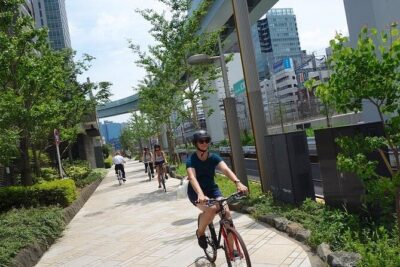
This is a private walking tour. Translation: you and your group, one guide, and no big-group herd feeling. The tour is designed around the reality that Tokyo is huge, so you do not follow one fixed route. Instead, you choose a small set of stops, and your guide handles the flow between them.
In practice, your day is a mix of three things:
- short orientation moments (where you are and why it matters)
- walking time between neighborhoods
- subway or train segments when it saves your energy
The “walking tour with pickup on foot” part matters. This is not a car tour. Even with guidance, you should expect pavement and stairs, especially if you pick dense areas like Asakusa or Shibuya.
Also note the tour is customizable and private to your group, so timing and emphasis can shift. If you want temples and shrines, lean that way. If you want city energy and shopping districts, do that. The 6 hours is tight enough that your choices matter.
Also on the shortlist for Tokyo:
- Mt Fuji and Hakone 1-Day Bus Tour Return by Bullet Train
★ 5.0 · 26,383 reviews - 1-Day Tokyo Bus Tour
★ 5.0 · 14,250 reviews - Tokyo: TOKYO SKYTREE® Admission ticket
★ 4.5 · 11,192 reviews
Government-Licensed Guides and the Value of a Human in Tokyo
Tokyo is one of those cities where guide help is worth more than you think. You can find sights on a map, but you cannot easily get:
- why a place looks the way it does
- what traditions you should notice
- how to move through stations without wasting time
The guides here are government-licensed and English-speaking. In the real world, that shows up in small but important ways, like explaining what you’re seeing at Senso-ji before you step into the crowds, or teaching how to handle shrine and temple etiquette so you feel comfortable participating.
You’ll also likely get practical rail advice. One recurring theme from guide experiences is that they help you use the subway system in a way that sticks, so you can keep navigating after your tour ends. That can be the difference between feeling lost on Day 2 or confidently getting around with your own route.
Your Best Route in 6 Hours: Choosing 3 to 4 Stops
Because you pick only 3 to 4 sites, you should think like a curator, not a collector. Pick places that connect by theme or geography, so you’re not zigzagging across town just to check boxes.
Here are three simple ways to build a day using the tour’s menu of stops:
- Classic Tokyo mix (old + modern)
- Asakusa (Senso-ji)
- Shibuya Crossing (Hachiko)
- Tsukiji Fish Market (snacks and atmosphere)
- Shrines and style
- Meiji Jingu
- Harajuku, including Takeshita Street
- Shinjuku Gyoen for a calmer reset
- Gardens and history
- Koishikawa Korakuen or Rikugien
- Hama Rikyu (by Tokyo Bay)
- Ueno Park or Tokyo National Museum
If you’re tempted to cram in many stops, remember the tour itself already limits you for a reason. You’ll get a better day by choosing fewer priorities and letting your guide slow down at the right moments.
Asakusa and Senso-ji: Old Tokyo Energy You Can Walk Into
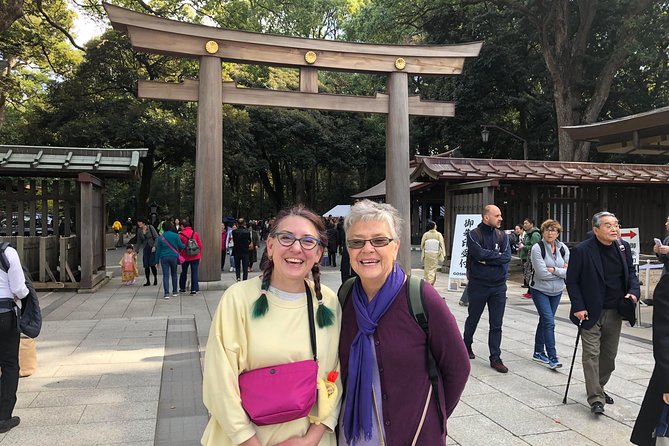
Asakusa is Tokyo’s shitamachi, often described as the low city, where older rhythms still show. The star is Senso-ji, one of Tokyo’s most famous temples.
What you’ll like most here is the atmosphere. You do not just view a temple from a distance. You move through the entry area and absorb the sights, sounds, and people-watching. It’s colorful, active, and easy to “read” even if you don’t speak Japanese.
Senso-ji is listed as free to enter on the tour plan, which helps. Still, you should expect crowd density. Your guide can help you focus on what’s worth looking at, instead of getting swept along in every side street.
Possible drawback: if you hate crowds, choose Asakusa carefully and do not pair it with another extremely dense shopping stop right next to it unless your guide can time it well.
A change of pace from Tokyo:
- Tokyo: teamLab Planets TOKYO Digital Art Museum Entry Ticket
★ 4.6 · 9,779 reviews - Mt Fuji & Hakone Cruise, Drum Show Bullet Train 1 Day from Tokyo
★ 4.0 · 7,413 reviews - Tokyo: Sumo Show Experience with Chicken Hot Pot and a Photo
★ 4.8 · 6,678 reviews - Tokyo: Shinjuku Food Tour (13 Dishes at 4 Local Eateries)
★ 5.0 · 6,603 reviews
Imperial Palace Grounds: Moats, Stone Walls, and Edo-Period Context
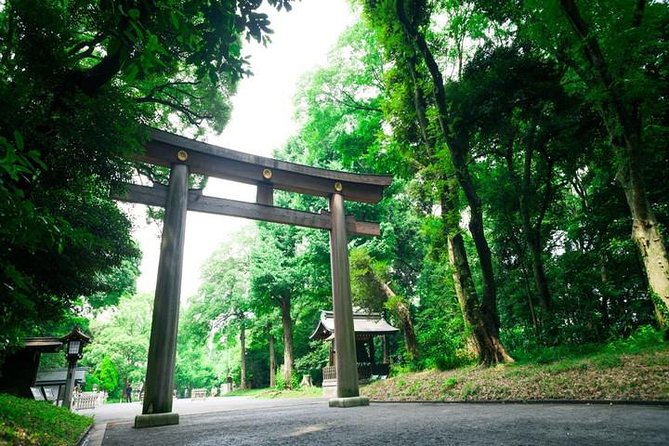
The Imperial Palace stop is designed for the outside experience. The tour notes you do not get access inside the Imperial Palace.
What makes this stop worth it anyway is the framing. The current palace sits on the former site of Edo Castle, surrounded by moats and massive stone walls. That means you’re looking at a place where power and planning are written into the layout.
You’ll typically have a shorter window (around 30 minutes in the plan). Use that time to:
- orient yourself to the scale of the grounds
- notice how the barriers shape movement
- connect what you see today to the historical role of the site
If you’re the type who wants interior buildings, you’ll need to plan a separate visit. But for many people, the palace grounds plus explanation is enough to feel the weight of history.
Shinjuku Gyoen National Garden: A Calm Pause in a City of Motion
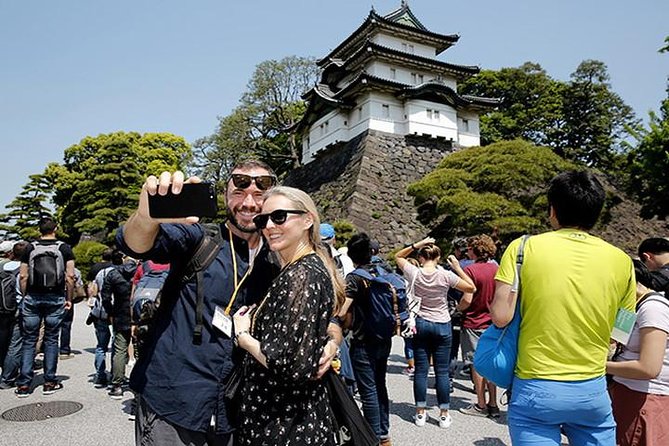
Shinjuku Gyoen is one of Tokyo’s larger gardens and a popular break from the street-level hustle. It’s a great counterpoint after busy neighborhoods.
The tour lists it as not included for admission, so this is one of the likely “extra fee” stops. That’s not bad. A paid garden can be worth it, especially if you want time to walk slowly and reset before heading into louder areas like Shibuya.
What I like about putting Shinjuku Gyoen into a custom day is the balance. Tokyo can wear you out. Gardens give you space to breathe, take photos without pressure, and watch locals using public green space for real life, not just sightseeing.
Possible drawback: since it’s popular, you can get crowds at peak times. Your guide’s job is to help you arrive at the right moment based on the rest of your schedule.
Shibuya Crossing and Hachiko: Tokyo’s Most Famous Footstep Moment
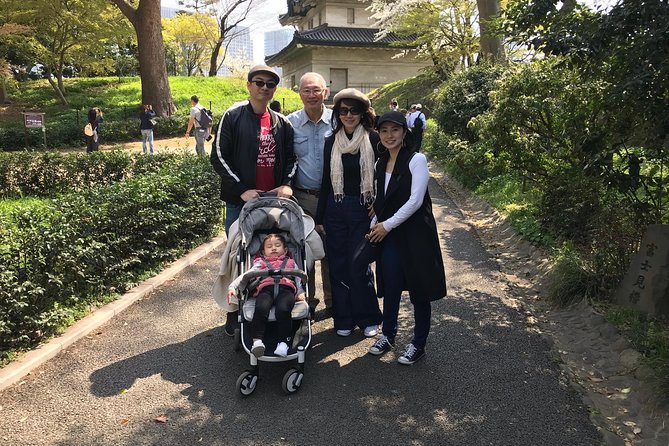
Shibuya Crossing is called the Shibuya scramble locally, and it’s famous for a reason. It is busy, loud, and visually intense.
The tour also connects the area with Hachiko, the beloved dog statue. That little detail helps turn a generic famous intersection into something more human and story-based.
This stop works best when your guide helps you time it so you’re not just standing there watching everyone else rush. Use it to:
- take a few photos, from a good vantage point
- learn how locals move through it
- understand why Hachiko matters in the local imagination
Possible drawback: if you have limited patience for crowds, treat this as a short stop, not an all-day hangout. Keep it focused and move on.
Tsukiji Fish Market: Old Market Snacking and Food-First Energy
Tsukiji Fish Market is one of those places where the best plan is simply to wander with purpose. The tour highlights it as old fish market energy with delicious, unique foods.
The stop is about 30 minutes, and it’s free to enter on the plan. That makes it easy to fit into a tight schedule.
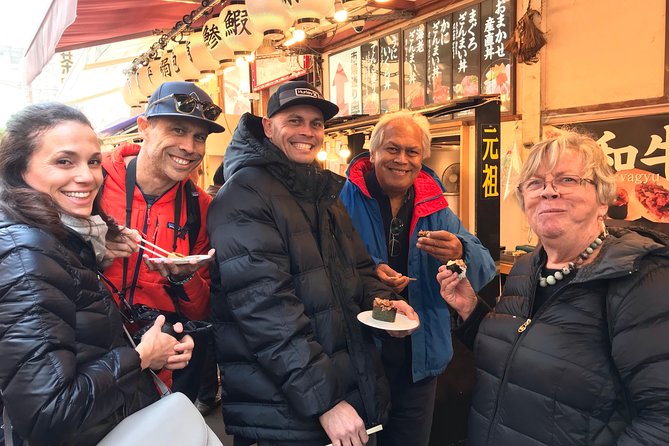
What you’ll get most from Tsukiji is sensory impact. Even if you don’t go deep on seafood history, the market culture is easy to feel. Pick one or two things and eat them slowly. If you try to do everything, you’ll burn time.
Also, meals are not included in the tour cost. So treat Tsukiji as a food stop where you pay for what you choose.
Possible drawback: it can feel fast and busy. If you care more about eating than rushing, tell your guide upfront and ask for breathing room.
Meiji Jingu and Harajuku: Shrine Etiquette, Then Takeshita Street Chaos
Meiji Jingu is a Shinto shrine dedicated to Emperor Meiji and Empress Shoken. The location is right beside Harajuku Station, which makes it easy to pair shrine calm with the street-style vibe.
A standout detail from guide experiences is that good guides teach you the traditional way to enter shrines and pay respects. That matters because if you walk in unsure, you can accidentally do the wrong thing or feel awkward. You’ll likely also get quick rules, like how to behave and what to notice.
Then you shift gears to Harajuku, including Takeshita Street, which is known for teenage fashion and bold street culture. This is where you go if you want Tokyo to feel modern and a little chaotic.
What I like about this pairing is that it shows Tokyo’s range in a single walk: ritual space, then youth fashion energy.
Possible drawback: it’s a high-activity combo. If your feet are already tired from earlier stops, keep it short and let your guide adjust pace.
Akihabara: Electronics, Games, and the Fun of a Specialist District
Akihabara is famous for electronics shops, and in recent years it’s also known as a center for Japanese pop culture and related interests.
Even with only a brief stop time in the tour plan, you can get something real here: the feeling of a district built around specific tastes. If you love gadgets, anime, or gaming, this stop is one of the easiest “yes” picks.
The plan lists it as free to enter, but if you want to buy anything, that’s on you. Also keep in mind that this is shopping territory. If you are not in the mood for browsing, you might feel this stop is more window-shopping than sightseeing.
Best use: pair Akihabara with one calmer neighborhood stop so your energy has room.
Japanese Gardens and Museums: Koishikawa, Hama Rikyu, Rikugien, Ueno Options
The tour’s garden menu is one of the strongest ways to make a Tokyo day feel less like an airport sprint.
You may have options like:
- Koishikawa Korakuen (one of Tokyo’s oldest gardens)
- Hama Rikyu Gardens (near Tokyo Bay, with tide-influenced seawater ponds)
- Rikugien (often considered alongside Koishikawa for beauty)
- Ueno Park (multiple museums, a shrine area, and Shinobazu Pond nearby)
- Tokyo National Museum (big, oldest national museum in its category)
Several of these are marked as admission not included on the plan. So yes, they can add cost. But they also give you something different from the streets: carefully designed space and slower visuals.
My practical advice: if you pick one or two gardens, go early in the day or place them before your late afternoon stamina fades. It’s the type of place where you want time to sit, walk, and look up at details.
Tokyo Tower and the Cat-Temple Detour You Did Not Know You Needed
Two quirky stops in the menu can add real character:
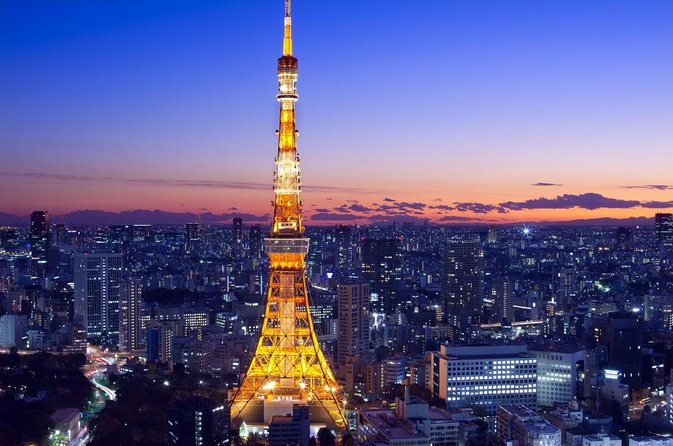
- Tokyo Tower: the tour specifies only up to the main deck, with the top deck not included.
- Gotokuji Temple: linked to the maneki-neko, the luck-inviting cat figurine.
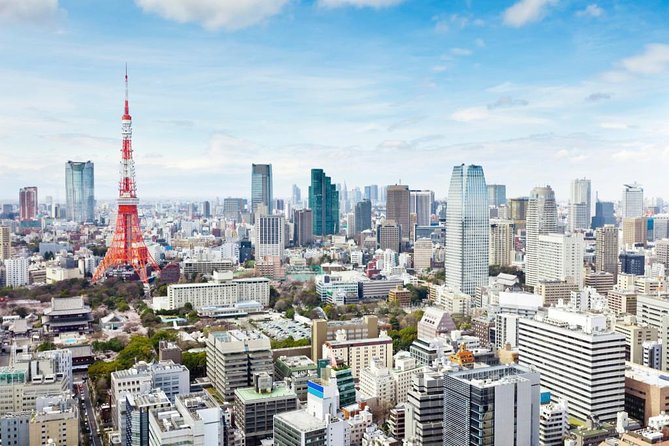
These are the kind of stops that make your photos feel like Tokyo and not like any other city. Tokyo Tower gives you that instantly recognizable skyline mark, while Gotokuji adds a playful cultural thread tied to the famous cat.
Time is short in the plan, so don’t expect a long ritual or deep museum-style experience. Use it as a fun anchor for the day, especially if you’re balancing older temple time with modern city sights.
Subway Time Is Part of the Experience, So Prepare Like a Pro
This tour leans on public transportation. Your guide should help you move efficiently, but Tokyo transit still takes energy.
One key tip that came up in guide experiences: have a Suica card or similar transit payment ready for the metro and bus. It makes rides faster and less stressful, especially if you’re trying to avoid last-minute cash scrambling.
Also, keep some yen on hand. The tour plan explicitly mentions you’ll probably take public transportation, so you should not show up thinking only cards will work.
And yes, you should expect walking. Even if your guide mixes walking and trains smartly, it’s still a tour built around movement. Pack water, wear shoes you trust, and plan to walk off at least a small stack of calories you earn by eating.
Price and Value: What $155.86 Buys You in Tokyo Time
At $155.86 per person for about 6 hours, the big value is not the number of sights. It’s the guided problem-solving.
You’re paying for:
- a government-licensed guide
- private time with one group, not joining a big crowd
- customization so you can choose what fits your day
- logistics help, so you’re not guessing your route between far-flung neighborhoods
Where value can feel less great is the extras. The plan clearly states meals and entrance fees cost extra. Also, transportation fees are not included, and there is no private vehicle. So if you pick multiple fee-based sites like gardens and museums, your personal total will rise.
Still, compared with winging it, a licensed guide saves you time and frustration. If you are a first-time visitor, that time is precious. If you’re returning, it can still help you target the exact neighborhoods you previously skipped.
Who Should Book This Tour, and Who Should Skip It?
This is a strong fit if:
- you’re in Tokyo for the first time and want a smart orientation
- you want to see a mix of old neighborhoods and modern districts
- you like explanations and culture context, not just photos
- you want a private day that can flex to your interests
It might be a weaker fit if:
- you hate walking and subway rides
- you want everything included for one flat price, including meals and all entrances
- you want a long list of stops, since the tour is built around only 3 to 4 sites
Should You Book This Tokyo Private 6-Hour Tour?
I think you should book it if you want a guided day that helps you understand Tokyo, not just collect landmarks. The customization is the heart of the value: choose the sites that match your energy, then let the guide handle the route.
If you book, set yourself up to enjoy it:
- pick fewer sites, but make them the right ones
- plan for extra costs for meals and fee-based gardens or museums
- bring yen and a transit card like Suica to move smoothly
If you want a tight, human-scale introduction to Tokyo, this is the kind of day that pays off on future trips through the city.
FAQ
Is this tour private to my group?
Yes. It is a private tour/activity, so only your group participates.
How long is the tour?
The duration is approximately 6 hours.
How many sights do we visit?
The tour is a customizable walking tour where you choose 3 to 4 sites from the recommended list.
Where do we meet the guide, and is there pickup?
Pickup is offered, and it’s a walking tour. Pickup is on foot, and you meet the guide within a designated area.
Are subway or train fares included?
No. Transportation fees are not included.
Are meals included in the tour price?
No. Lunch and other personal expenses are not included, and the plan notes meals cost extra.
Can we enter the Imperial Palace?
No. The tour does not include access to the inside of the Imperial Palace.
Is there free cancellation?
Yes, you can cancel for free. A full refund requires canceling at least 24 hours in advance.
Latest write-ups near Tokyo
- Harajuku Private Tour: Kawaii Fashion & Animal Cafe Included★ 5.0 · 69 reviews
- Mt Fuji Customizable Private Tour English Speaking Driver Pick-up★ 5.0 · 69 reviews
- Tokyo Night Cooking Class: 5 Home-Cooked Japanese Dishes★ 5.0 · 70 reviews
- Tokyo: Sumida Aquarium Entry Ticket★ 4.6 · 70 reviews
- Private Customizable Walking Tour of Tokyo★ 5.0 · 70 reviews
- Official Japan Go-Kart Through Tokyo Bay / Ginza (IDP Required)★ 4.5 · 71 reviews
- Wagyu Beef and Sake Pairing Foodie Tour in Tokyo★ 5.0 · 71 reviews
- Experience Big soba knife Soba Making Class in Tokyo Kappabashi★ 5.0 · 71 reviews
Guided, compared.
Shinjuku Local Bar and Izakaya Guided Walking Tour
Read our review →
Private City Highlights Tour with Local Guide
Read our review →
Kyoto Early Morning Tour with English-Speaking Guide
Read our review →
Tokyo 4hr Private Tour with Government-Licensed Guide
Read our review →
Kyoto 6hr Private Tour with Government-Licensed Guide
Read our review →
Hiroshima / Miyajima Full-day Private Tour with Government Licensed Guide
Read our review →