
Reviewed · TEMPLE & SHRINE TOURS
Tokyo: Asakusa Temple & Shrine Walking Tour with Local Guide
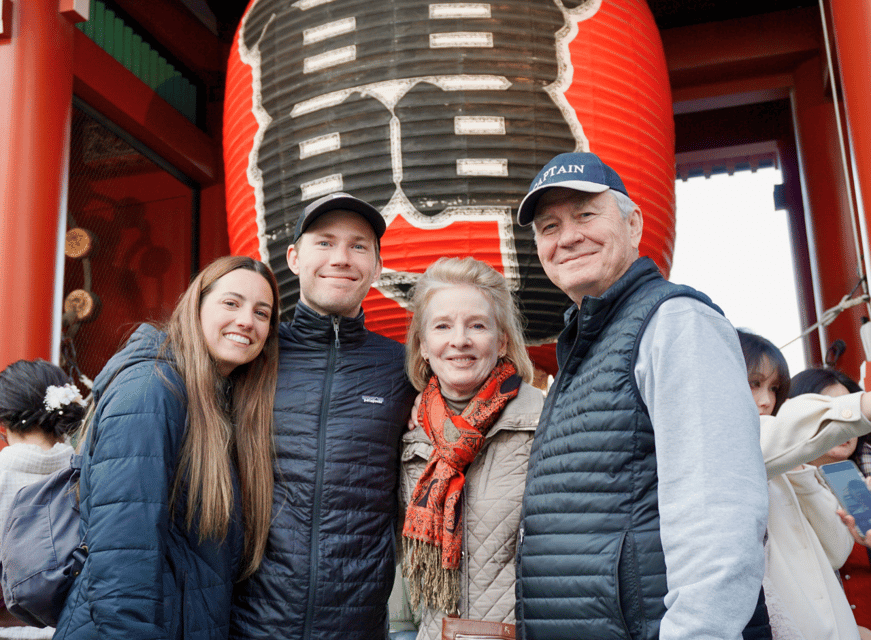
Asakusa is one of Tokyo’s easiest places to get distracted by crowds, snacks, and photos, so this tour stands out for teaching you how to read the spiritual parts without feeling awkward. My favorite piece is how the guide shows Asakusa Temple and Shrine etiquette in plain steps, from bowing to the right way to move through gates.
I also really like the photo-first planning. You get river and skyline framing at Azuma Bridge, then a higher, quieter view before the big entry points. On tours with guides like Nicolas and Lino, the directions for where to stand come with fast, practical coaching.
One thing to consider: this is a walking tour and it is not set up for low mobility. If stairs and uneven sidewalks are a challenge, you may be better off with a less active option.
Key highlights
- Azumabashi Bridge start with riverside views toward Tokyo Skytree
- A rooftop-style overview from the Asakusa Culture Tourist Information Center area
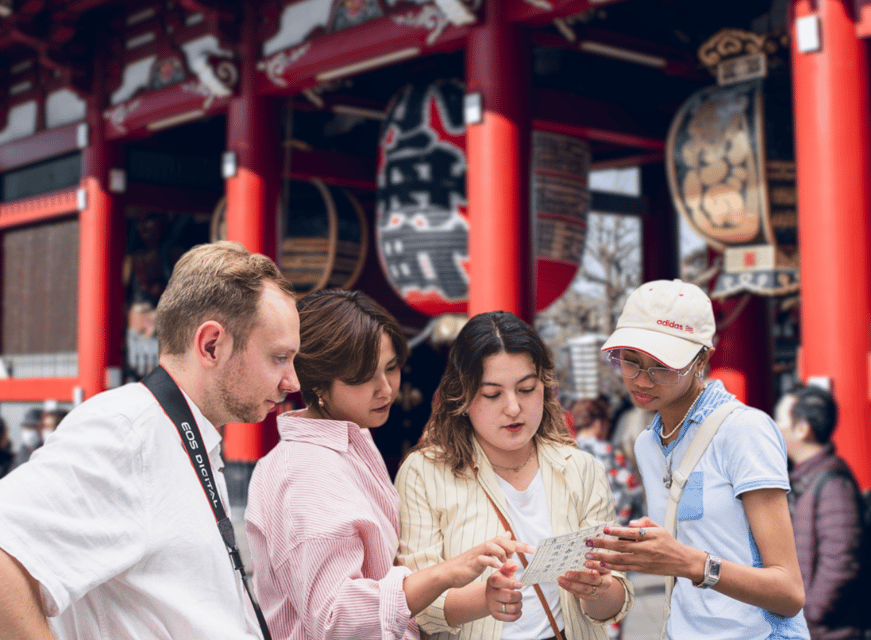
- Kaminarimon Gate lantern story tied to the Thunder Gate name
- Hands-on rituals like temizu hand washing, omikuji fortune slips, and incense smoke
- Shinto and Buddhism comparison so Senso-ji and Asakusa Shrine feel less confusing
Asakusa Temple and Shrine: Why This Walk Works
This is the kind of tour that makes Asakusa click fast. You start with landmarks most first-timers recognize, but the real value is what happens after: you learn the small behaviors that change how you experience temples in Japan.
In a place like Senso-ji and its surrounding streets, it is easy to treat everything as a photo backdrop. Here, the guide slows you down just enough to understand what is happening and why people do it. You also get help with translations on the spot, which matters when a sign, offering tray, or prayer gesture looks confusing.
The tone stays relaxed. Even when you run into peak crowds, the guide’s job is to keep the flow moving and your questions answered. Guides such as Erik, Nico, Nicolas, Joe, and Nana have been praised for making the walk feel personal, especially for families and solo travelers.
More Temple & Shrine Tours in Tokyo
- Tokyo: Meiji Shrine, Asakusa, Skytree Bus Tour and Cruise
★ 4.7 · 1,986 reviews - Tokyo: Asakusa Walking Tour with Sensoji Temple Visit
★ 4.8 · 1,583 reviews - Nikko: Kegon Falls, Lake Chuzenji & Toshogu Temple
★ 4.6 · 1,577 reviews
Meeting Up at Burger King Azumabashi and Getting Oriented
The meeting point can vary, but it is centered around the Burger King Asakusa Azumabashi area. Since you’re starting in the old-town district, I like that you’re not spending the first part of your day on train logistics.
The first minutes matter because Asakusa is visually busy. You’re surrounded by streets, souvenir stalls, temple architecture, and modern towers. A guide helps you get bearings fast, including what you should look for next and where to pause for photos without blocking others.
This tour is also built around a small group size of up to 8 people, which changes the vibe. You can ask questions mid-walk, not only at the end. If you end up as a tiny group, it often feels closer to exploring with a local friend than joining a crowded bus-style tour.
Azuma Bridge First: River Views and the Skytree Framing
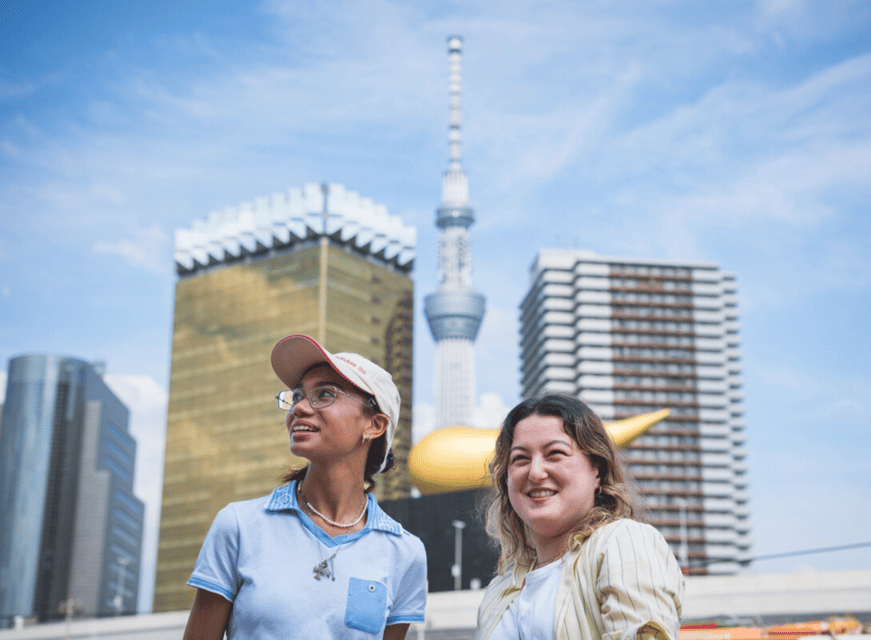
Your walk begins at Azuma Bridge with riverside views. It’s a smart start because it gives you a sense of place before you dive into the temple streets.
You’re also looking out toward Tokyo Skytree, so you get that mix Tokyo does best: modern skyline energy next to historic neighborhood texture. It’s one of the easier photo moments of the day because you’re standing still, framing wide, and letting the guide point you toward the best angles.
And yes, there is a fun local detail early on. Locals refer to a golden element near the area as the golden poop, and your guide turns it into a quick story so you remember it later. It sounds silly, but it’s also a reminder: this district runs on everyday humor and tradition at the same time.
Asakusa Culture Tourist Information Center: A Higher View Before the Crowds
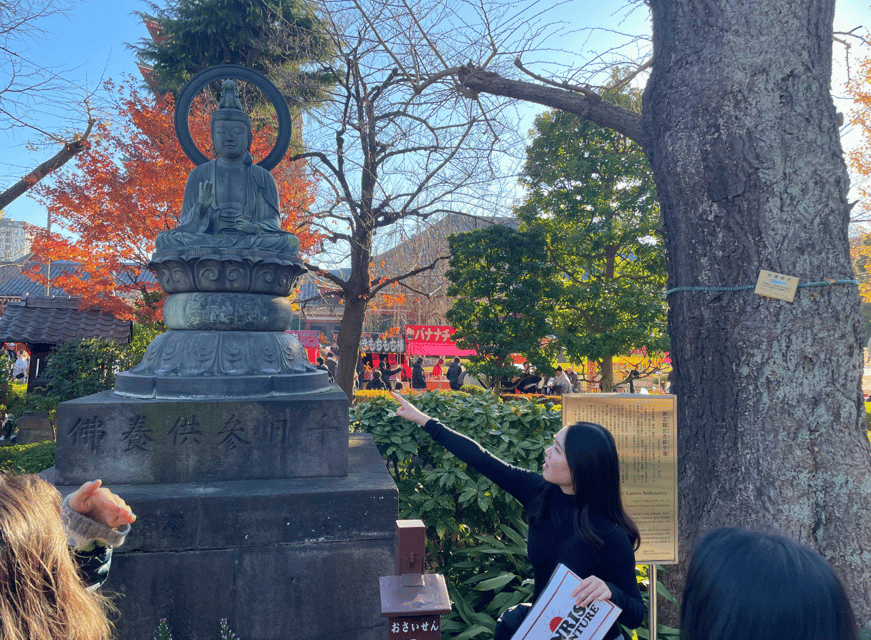
Next you head to the Asakusa Culture Tourist Information Center for a pause and photos. The big payoff is the higher vantage point over the temple grounds area.
This is where you get context. From street level, Senso-ji can feel like a single mass of gates and shops. From a better viewpoint, you start to understand the layout and how the main spaces connect. When you later move through gates like Kaminarimon and Hōzōmon, the places feel like parts of a map, not a maze.
If you’re visiting for the first time, that view saves you. You stop guessing where you are going, and your time on the ground feels more purposeful. With a guide like Diane or Ayaka, the pacing tends to stay calm, even when the weather turns hot or rainy.
More Walking Tours in Tokyo
- Tokyo Tsukiji Fish Market Food and Culture Walking Tour
★ 5.0 · 3,184 reviews - Tokyo: Imperial Palace and Shogun Historical Walking Tour
★ 5.0 · 2,251 reviews - Tokyo: Shinjuku Local Bar and Izakaya Guided Walking Tour
★ 4.9 · 1,794 reviews - Tokyo: Tsukiji Fish Market Food and Walking tour
★ 5.0 · 1,724 reviews
Kaminarimon Gate: The 700kg Lantern and the Meaning of Thunder Gate
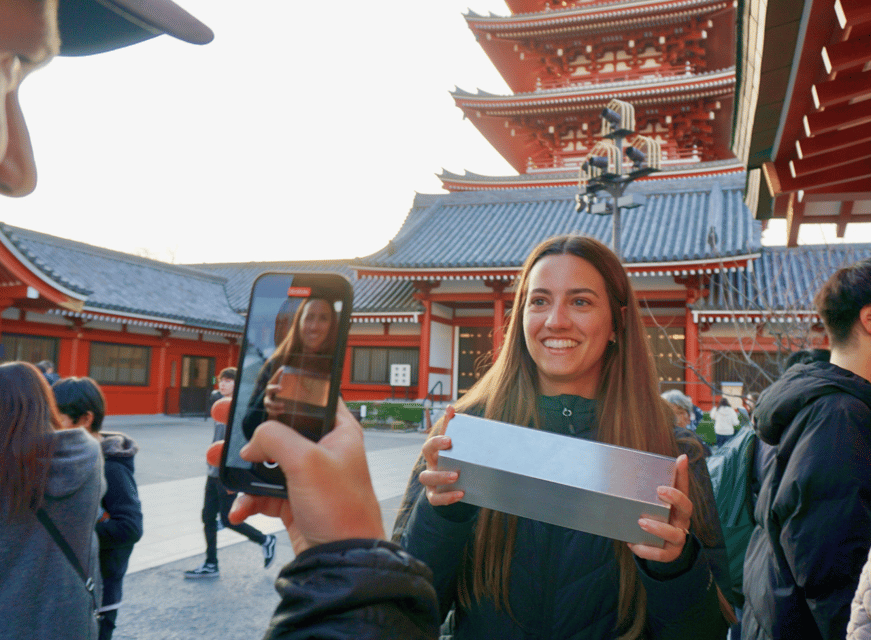
The first truly iconic entrance is Kaminarimon Gate, the Thunder Gate. Your guide explains the story behind the red lantern, including the fact that it weighs about 700kg, and why the gate carries that name.
This matters because the gate is more than a “big photo spot.” The lantern is a symbol people recognize instantly, and learning the backstory helps you understand why visitors and locals treat that doorway with extra attention.
You’ll also get a quick lesson in what to do with your body and where to stand while you take photos. That reduces the common mistake of stepping into space that other visitors need. It’s one of those “small” things that makes your experience smoother without making it feel like a lecture.
Nakamise Shopping Street: Snacks, Souvenirs, and Cultural Context
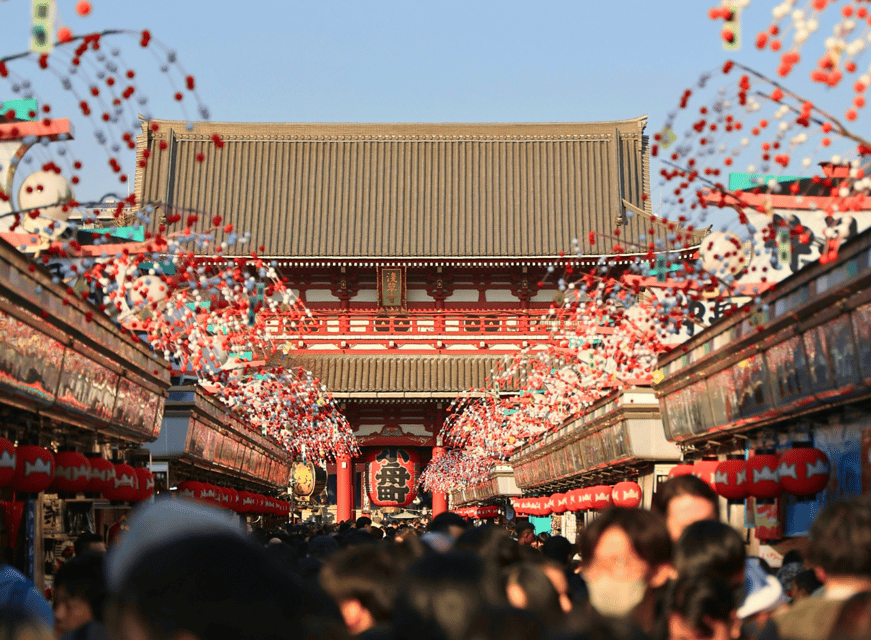
After Kaminarimon, you walk through Nakamise Shopping Street, the classic corridor of Asakusa. This is where your guide becomes your translation helper, shopping filter, and snack sanity coach.
The guide shares what certain treats and souvenirs mean, and where you can find the good versions, not just the loudest stalls. I like this approach because it keeps you from buying the first item you can find under time pressure. If you’re with kids, it also helps because you can pick something that feels connected to the place, not random.
Photo-wise, Nakamise is tricky since it’s crowded. Your guide’s job is to find moments where you can capture the street without constantly fighting for a clean shot. That’s a real quality-of-life improvement, especially when the wind, crowds, and lighting all change every few minutes.
Hōzōmon Gate and Two Smaller Temple Stops That Most People Skip
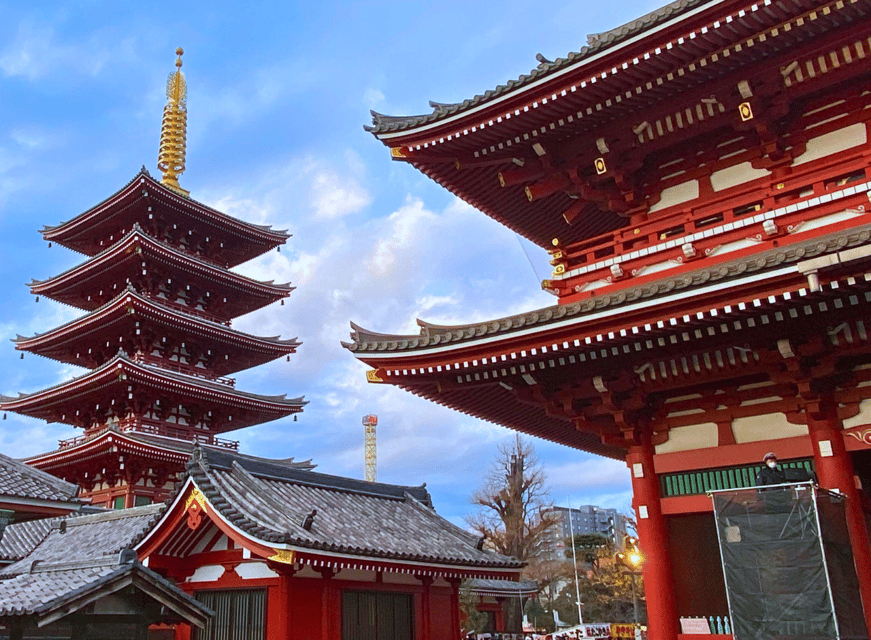
You then reach the Hōzōmon Gate, another major checkpoint that frames the path deeper into the Senso-ji area. From here, the tour starts shifting from big “must-see” points to smaller, more spiritual stops.
The itinerary includes additional photo and visit moments at two smaller sites along the way. I appreciate this because it gives you a breather from the main flow and a better sense of the area’s layered spiritual life. Even if you’ve read about Senso-ji, those side corners can change how you feel the neighborhood.
If you’re the type who likes details, this is where you’ll notice how Shinto and Buddhist practices exist side by side in Japan. Your guide connects those dots so you don’t treat each site as an isolated attraction.
Temizu, Omikuji, and Incense: The Hands-On Part of the Tour
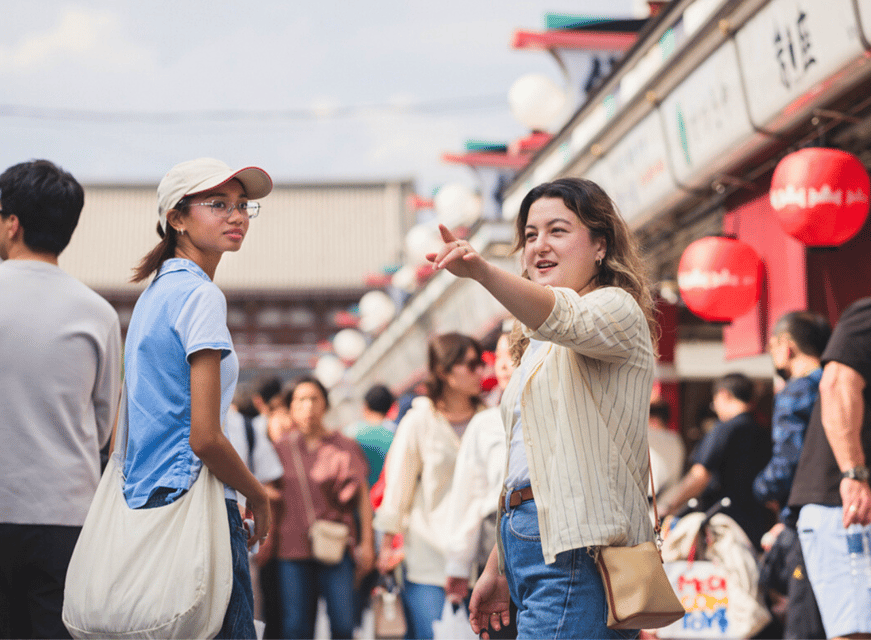
This tour is best when you participate, not when you only watch. You do interactive rituals that many visitors skip because they do not want to look “wrong.”
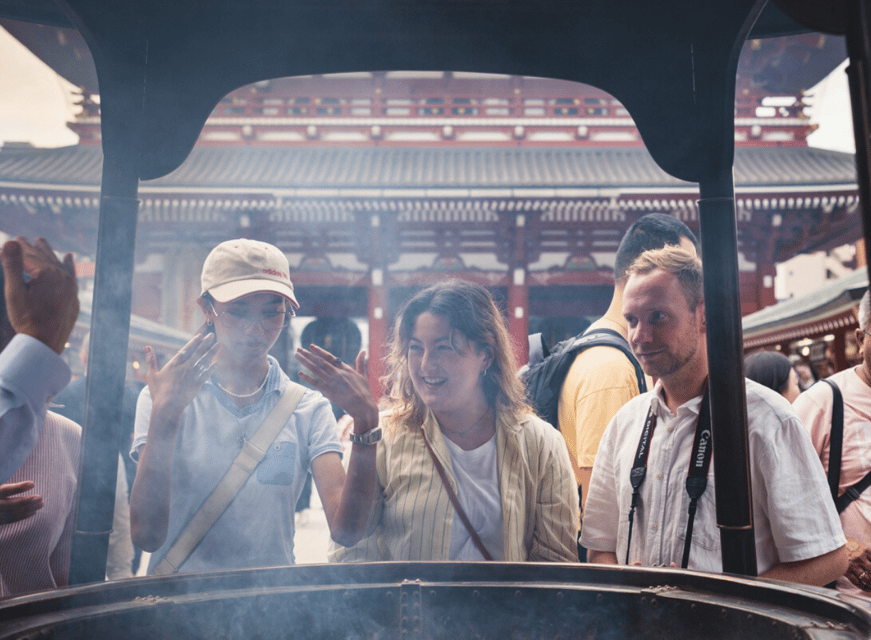
You try temizu, the hand washing ritual. Your guide shows you how it works and what it symbolizes. You also get to do omikuji fortune telling, where you can draw a slip and learn how people use it as guidance.
Another memorable element is incense smoke for healing, described as both physical and mental. The practical part is that you are coached on how to take part respectfully. You’re not left guessing, which is the whole point.
I also like that the guide explains not only the “what” but the “why.” Rituals in Japan often come with a rhythm and a reason. Once you understand the purpose, you feel less like you’re performing and more like you’re participating.
Sensō-ji Temple Prayer Style: Bowing, Offerings, and Moving Correctly
Inside Senso-ji Temple, the focus becomes Buddhist-style prayer and respectful behavior. Your guide explains how to pray properly here, including bowing and the general expectations around offerings.
They also contrast the process with what you’ll experience later at the neighboring shrine. This is one of those clear “aha” moments. Most first-time visitors know the words Buddhism and Shinto, but they do not know how the day-to-day rituals differ.
You’ll learn the correct way to bow and how to move through the space so you do not accidentally block others or stand where you shouldn’t. Your guide may also help you with practical temple behavior, like how to be courteous at offering points.
Some guests have been helped with small offering items, like coins, though you should treat that as something your guide might provide rather than a guarantee. Either way, you’ll leave knowing what to do, not just what to see.
You’ll get time to look around as well, so it does not feel like a checklist sprint. The temple has plenty of sightlines, carvings, and atmospheric details, and the tour gives you permission to slow down.
Asakusa Shrine: Torii Gate Rules and the Shinto Side of the Story
After Senso-ji, the tour moves to Asakusa Shrine, where the mood shifts. The architecture is different, the rituals are different, and your guide makes sure you do not apply the wrong expectations from the Buddhist side.
You’ll learn how Shinto rituals work here, including how to move through torii gates and how to walk on the correct side, as your guide explains. Even if you don’t memorize every rule, you’ll feel the difference because you’re being coached in the right context.
This part of the tour is where the spiritual “coexistence” lesson lands. Japan is not a simple single-label place. In the same neighborhood, different traditions share space and influence everyday behavior.
If you’re worried you’ll feel lost, don’t be. The guide helps you understand what’s happening at the moment you’re standing there. That’s also why families like it, because children can follow the steps without getting lectured.
Best Photo Spots Without Becoming a Roadblock
One of the most repeated advantages is simple: the guide knows where to stand. Asakusa is crowded, so the difference between a great photo and a frustrating one can be a few feet.
Your guide points out photo spots along the route, then gives you quick instructions so you do not step into the flow of visitors. This comes in handy at Kaminarimon and around the main gates, where people naturally slow down and pause.
Also, you’ll spend time at less obvious vantage points like the center viewpoint before the temple grounds. That means even if the big corridors are packed, you still get at least a few “clean” images with context.
If you care about photos and you want them to look like more than just crowds, this tour helps you shoot smarter. You can ask your guide for recommendations on the spot, and they usually have an answer.
Price and Value: Is $30 for 2 Hours Worth It?
At $30 per person for a 2-hour small-group walk, the value is tied to what you get that you cannot easily copy on your own. You’re paying for guide interpretation and hands-on ritual coaching, not just for access to famous streets.
If you were to do this alone, you’d still see Kaminarimon, Nakamise, Senso-ji, and Asakusa Shrine. The missing piece is how to behave inside temples, how to read the differences between Buddhist and Shinto rituals, and how to avoid the common awkward moments when you do not know what you’re expected to do.
The small group size also matters. Up to 8 participants is low enough to ask questions and to keep the pace comfortable. Several people have noted the tour can feel more personal, even close to private, depending on group size.
So, I think the price is fair if you want a smoother visit and deeper understanding in a short time. If you only want photos and you do not care about rituals or etiquette, you might find a cheaper self-guided walk works too.
Who This Tour Fits Best, and Who Should Skip It
This tour is great for first-time visitors and anyone who wants culture without turning it into a museum lecture. Couples often like it because it feels intimate and easy, with meaningful moments rather than rushing through stops.
Families also tend to do well, especially when the guide keeps things patient and kid-friendly. Nana, for example, was praised for working well with two young children and helping them feel included.
Solo travelers benefit because the guide can answer random Tokyo questions too, not only temple questions. That kind of help is gold on a short trip.
One clear mismatch: the tour is not suitable for people with mobility impairments or wheelchair users, and it’s not designed for low fitness. It’s also an active walking experience, so comfortable shoes are non-negotiable.
If you’re sensitive to crowds, go with the mindset that your guide will help you manage the flow. You still might hit busy areas, but you’ll spend less time standing around wondering where to go next.
Should You Book This Asakusa Temple and Shrine Tour?
Book it if you want a short, focused taste of Asakusa with ritual participation, etiquette coaching, and story context that makes the gates and streets feel intentional. The best reason is practical: you’ll know what to do at Senso-ji and at Asakusa Shrine, so your visit feels respectful and easier.
Skip it if your priority is only street wandering and photos with no interest in rituals, or if walking for an active 2 hours is not realistic for you. Also consider a lighter plan if stairs and uneven pathways will be a problem.
For many people, Sunrise Adventure’s small-group approach hits the sweet spot. You get classic landmarks, plus the parts that make Japan’s temple culture feel understandable, not mysterious.
FAQ
How long is the Tokyo Asakusa Temple and Shrine walking tour?
The tour lasts 2 hours.
What is the group size?
It is a small group limited to 8 participants.
What languages are the live guides?
The live tour guide is available in English and French.
Where do I meet the guide?
The meeting point may vary depending on the option booked, and it is associated with the Burger King Asakusa Azumabashi area.
Which places are included on the tour?
You visit Senso-ji Temple, Asakusa Shrine, and other smaller temples and shrines in the Asakusa area.
What interactive rituals can I do during the tour?
The tour includes temizu (hand washing), omikuji (fortune telling), and an incense smoke experience for physical and mental healing.
Is there a dress code, and can I bring tattoos?
There is no dress code, and tattoos are welcome.
What should I bring?
Wear comfortable shoes and bring water. Water vending machines are available during the tour.
Is the tour allowed to include smoking, drones, or alcohol?
No. Smoking, drones, and alcohol and drugs are not allowed.
Is kimono rental available?
They partner with a local kimono store about 2 minutes from the meeting point, and you can ask about rental.
Latest write-ups near Tokyo
- From Tokyo: Top 5 Scenic Spots of Mount Fuji Full-Day Tour★ 4.5 · 67 reviews
- Tokyo Customized Private Tour: See Top Attractions in 1 Day★ 4.8 · 67 reviews
- Traditional Japanese Music ZAKURO SHOW in Tokyo★ 5.0 · 67 reviews
- Tokyo: Shinjuku Izakaya and Golden Gai Bar Hopping Tour (2h)★ 4.9 · 67 reviews
- Tsukiji: Unlimited Sake Tasting Experience★ 4.9 · 67 reviews
- Tokyo: Not a show- a professional sumo practice with experts★ 4.9 · 67 reviews
- Samurai Ninja Museum Asakusa: Kid-Friendly Ninja Training★ 4.7 · 67 reviews
- Private Harajuku Omotesando Architecture Walking Tour★ 5.0 · 67 reviews
Temple & Shrine Tours, compared.
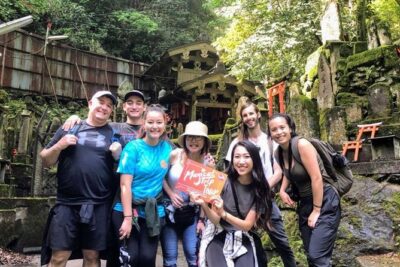
Fushimi Inari, Kinkakuji, Bamboo Grove 1 Day Bus Tour
Read our review →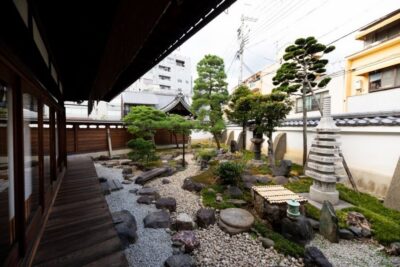
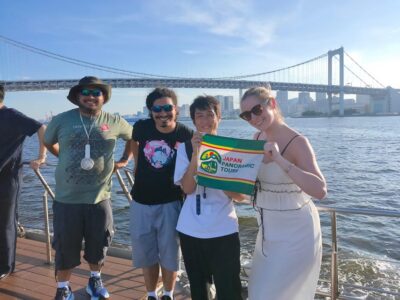
Meiji Shrine, Asakusa, Skytree Bus Tour and Cruise
Read our review →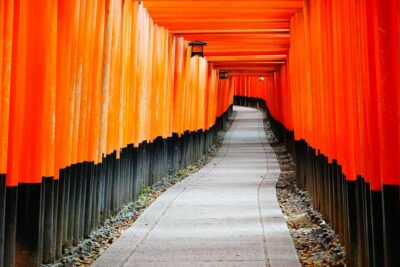
Osaka/Kyoto:Kinkakuji,Arashiyama,FushimiInariShrine,NaraPark
Read our review →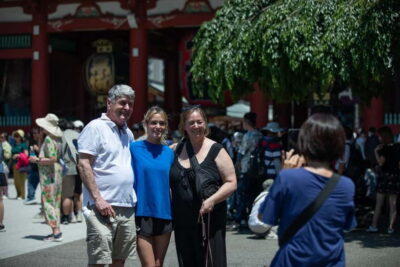
Asakusa Walking Tour with Sensoji Temple Visit
Read our review →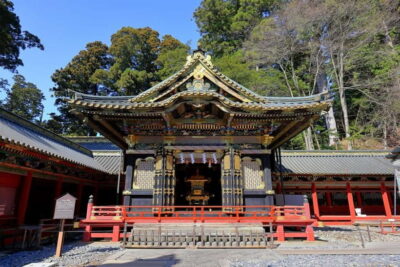
Nikko: Kegon Falls, Lake Chuzenji & Toshogu Temple
Read our review →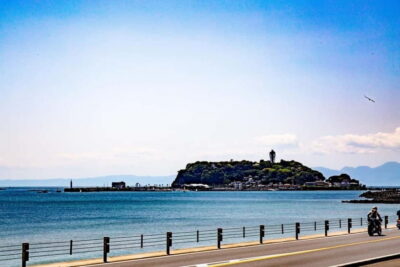
Kamakura & Enoshima Day Trip including Temple Tickets
Read our review →
Nikko Toshogu Shrine and Kegon Waterfall Tour
Read our review →Browse the lists this tour appears in