
Reviewed · TEMPLE & SHRINE TOURS
Tokyo Asakusa Temple & Shrine Walking Tour with Local Guide
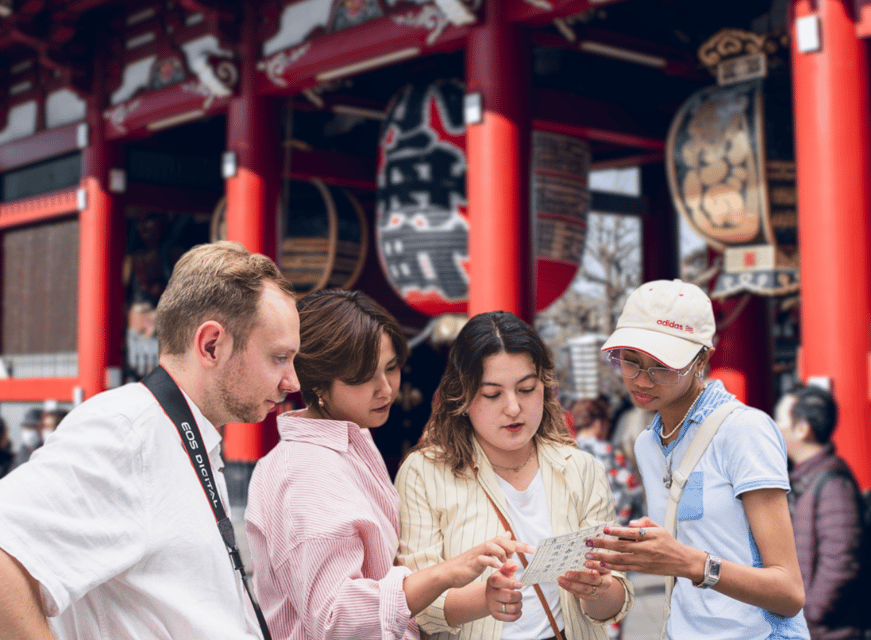
Asakusa can feel like sensory overload, and this tour helps you turn that chaos into something you understand fast. It is a tight, small-group walk that focuses on the big temple and shrine moments, with a guide explaining what you are actually seeing and doing.
I especially like two things: the small group capped at eight (less pushing, more questions), and the hands-on ritual time so you are not just taking photos while everyone else prays, cleans hands, and pulls fortune slips. The main drawback to consider is simple, 2 hours goes quickly, so if you want to linger for shopping or long explanations, you may feel a bit rushed.
Key highlights at a glance
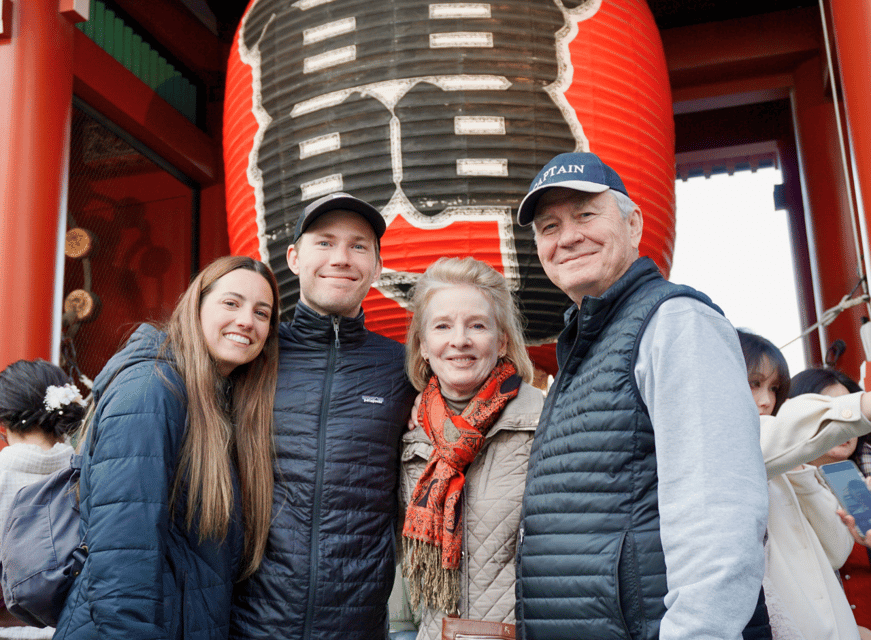
- Small group (max 8) for easier pacing through crowded areas
- Expert local guide who explains shrine and temple rituals in plain language
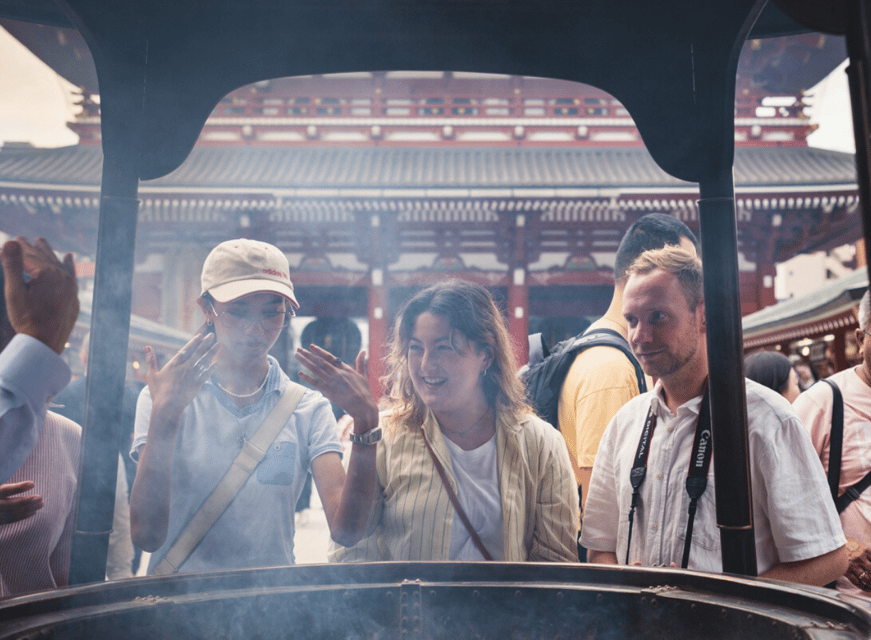
- Temizu cleansing, prayer, and omikuji so you experience the traditions, not just watch
- Top landmarks close together including Senso-ji, Asakusa Shrine, Thunder Gate, and Nakamise Street
- Mobile ticket and an itinerary designed to help you avoid getting turned around
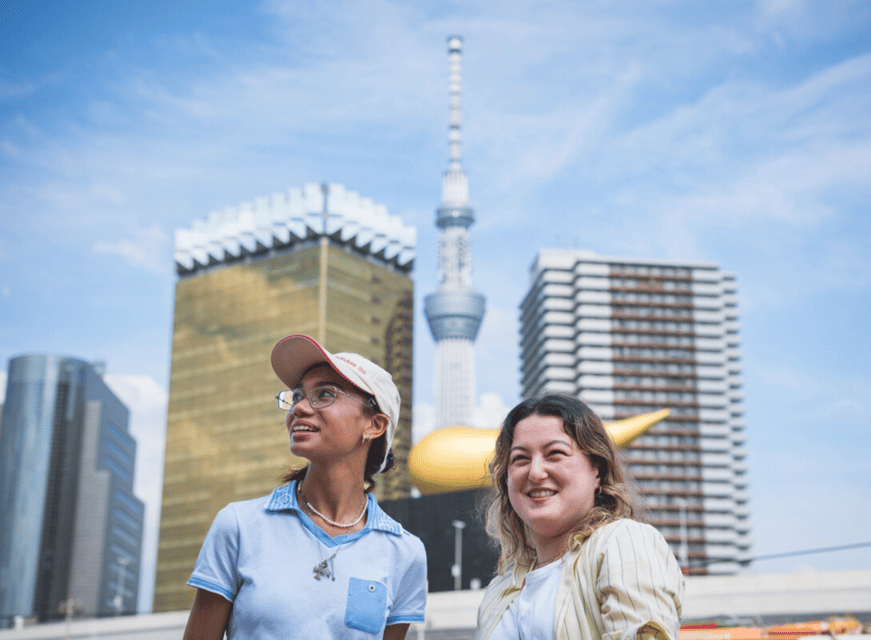
- Azumabashi Bridge views to set the scene with Sumida River and Tokyo skyline shots
Why this Asakusa temple and shrine walking tour feels easier than DIY
Asakusa is one of those Tokyo neighborhoods where “I’ll just walk and figure it out” can turn into wrong turns, long waits, and missed cultural moments. This tour is built to keep you moving through the key sights with context as you go, so you understand why people line up, wash their hands, and stop at specific gates.
The value is not only that you hit Senso-ji and Asakusa Shrine. It is that a guide translates the spiritual side into something you can participate in without feeling lost. You also get navigation help, which matters here because the streets are packed and the pathways around the temples can confuse you when you are trying to keep track of what is where.
Also, the tone is practical. This is not a “listen politely and move on” type of tour. You are encouraged to follow along with the rituals, including temizu cleansing and omikuji fortune-telling, which you would likely skip or misunderstand if you were going solo.
More Temple & Shrine Tours in Tokyo
- Tokyo: Meiji Shrine, Asakusa, Skytree Bus Tour and Cruise
★ 4.7 · 1,986 reviews - Tokyo: Asakusa Walking Tour with Sensoji Temple Visit
★ 4.8 · 1,583 reviews - Nikko: Kegon Falls, Lake Chuzenji & Toshogu Temple
★ 4.6 · 1,577 reviews
Tour size, timing, and the real value of $19.82
This tour runs about 2 hours. That is a smart length for most first-time Asakusa visits because it gives you the major highlights without eating your whole morning or afternoon. You will walk between landmarks such as Azumabashi Bridge, Thunder Gate (Kaminarimon), Nakamise Shopping Street, and then into the Senso-ji area.
The price is $19.82 per person, and what makes it feel like good value is what is included:
- A guided walk through Asakusa’s historic temple and shrine areas
- Visits to Senso-ji Temple and Asakusa Shrine
- Time on Nakamise Shopping Street for snacks and traditional crafts
- Participation in Japanese rituals: temizu cleansing, prayer, and omikuji
- Explanations of Shinto and Buddhist blending, plus architecture and symbolism
Admission is listed as free for the stops shown, so you are mostly paying for the guide and the time-saving route. If you were to do this DIY, you would still need to figure out which way to go and how to take part respectfully, especially around the cleansing and fortune-telling spots.
One more practical point: the group is capped at 8 travelers. In Tokyo temple areas, that small ceiling matters. Fewer people means you spend less time stuck behind shoulder-to-shoulder crowds and more time actually seeing what you came for.
Meeting at Burger King Asakusa Azumabashi, and how the walk ends
Your tour starts at Burger King Asakusa Azumabashi in Taito City. The address is listed as: Kaminarimon, 2-chōme, 206 クロスビルロイヤルパレス (Tokyo 111-0034). Since the tour ends back at the meeting point, you do not need to worry about sorting out where to head next after the walk.
This start makes sense for two reasons. First, you begin near the Sumida River side of Asakusa. Second, it keeps the route anchored in the area where your key sights are clustered, so the whole day does not turn into subway math.
You will get a mobile ticket, and you are told the tour is near public transportation. That is handy, especially if your Tokyo schedule is packed and you want an activity that is easy to slot in.
Azumabashi Bridge: the first photo stop and your orientation point
You start with a quick stop at Azumabashi Bridge. This is your “get your bearings fast” moment. From here, you get views over the Sumida River and can see parts of the Tokyo skyline. It is also a good reminder that Asakusa was historically tied to movement by water, so looking out from the river helps the whole neighborhood feel less random.
Your guide adds the backstory, including why the area mattered as a gateway to old Tokyo. That little context is not just trivia. It changes how you see the streets and temple approach paths later, because you start noticing how people and goods would have flowed through the area.
Practical note: this part of the walk is often where people take a few quick photos before the crowds hit. If you are trying to stay ahead of the busy times, keep your phone ready and do not overstay.
More Walking Tours in Tokyo
- Tokyo Tsukiji Fish Market Food and Culture Walking Tour
★ 5.0 · 3,184 reviews - Tokyo: Imperial Palace and Shogun Historical Walking Tour
★ 5.0 · 2,251 reviews - Tokyo: Shinjuku Local Bar and Izakaya Guided Walking Tour
★ 4.9 · 1,794 reviews - Tokyo: Tsukiji Fish Market Food and Walking tour
★ 5.0 · 1,724 reviews
Kaminarimon Thunder Gate and the meaning behind the 700kg lantern
Next up is the Thunder Gate, also called Kaminarimon. Even if you have seen pictures before, standing under it is different. The gate is iconic for a reason, and your guide explains what you are looking at beyond the famous front view.
You will hear the story about the 700kg red lantern. You will also learn why the lantern and gate have been reconstructed repeatedly due to fires. That kind of explanation matters because it stops the scene from feeling like a static photo backdrop. It becomes a living landmark that has been rebuilt and kept central to the area’s identity.
Your guide also covers why it is called Kaminarimon and what the significance is in Japanese culture. This is where the guided part really pays off. Without an explanation, the symbolism is easy to miss, and you end up just walking under a famous gate like it is a random archway.
Nakamise Shopping Street: snacks, souvenirs, and a guided sense of flow
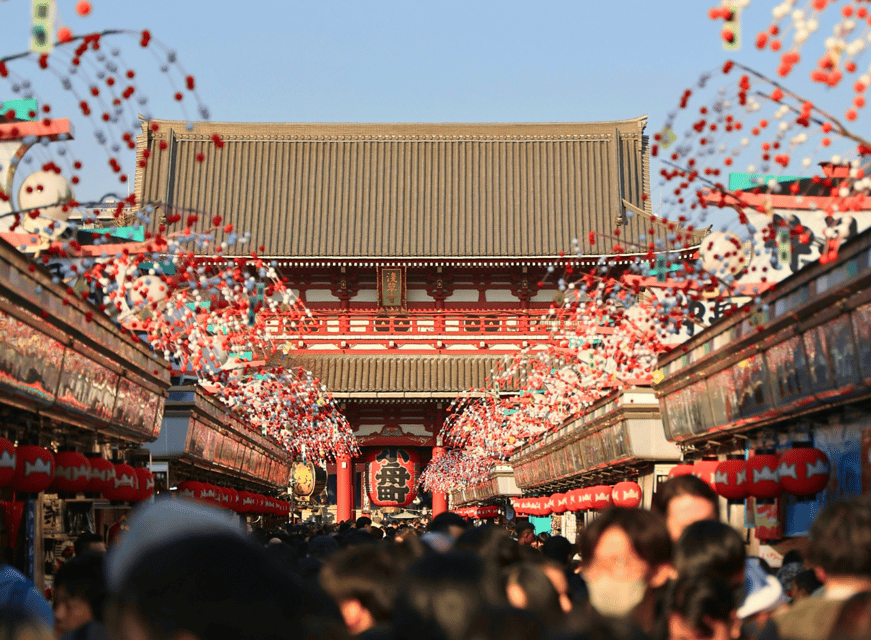
After Kaminarimon, you head into Nakamise Shopping Street. This is the classic approach street where visitors line up for traditional snacks and small crafts. Your guide shares stories about the street’s origins and why it plays a role in temple visits.
Here is why I like this stop with a guide. Nakamise can eat time if you are wandering without a plan. With the guide leading, you get a structured walk that includes time to browse and buy if you want, without losing the thread of the main sights.
What to expect in real life: it is busy, and shop signs, smells, and people all come at you at once. A guide keeps the group moving and helps you spot what is worth looking at, while also managing the pace so you do not get separated.
Budget tip: the tour does not include personal expenses. That means any snacks and souvenirs are on you. If you want to try a couple of things, set aside cash so you do not end up panic-buying later.
Hozomon Gate: where architecture lessons make the temple feel bigger
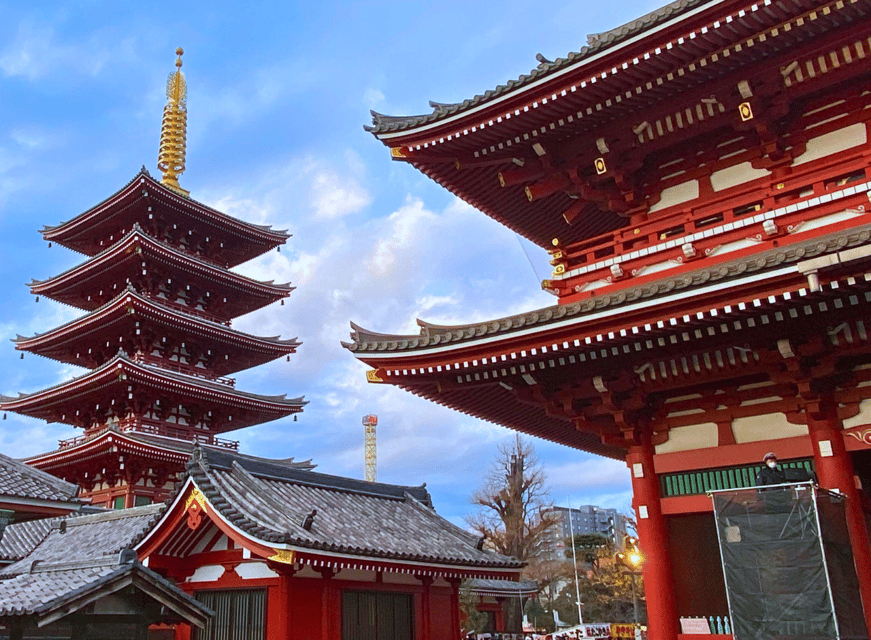
As you continue toward Senso-ji, you pass the Hozomon Gate. This gate is an important cultural property, and your guide points out architectural features and symbolism.
This stop is short, but it is a good example of what makes guided time valuable in Asakusa. Gates and courtyards can blur together when you are walking on your own. When you know what you are looking at, the space feels larger and more intentional.
If you are the type who likes photography, Hozomon is a natural checkpoint for framing and timing. If you are more into the cultural side, it is a chance to understand why certain elements stand where they do, and how they relate to the temple grounds.
Senso-ji Temple: participating in temizu cleansing, prayer, and omikuji
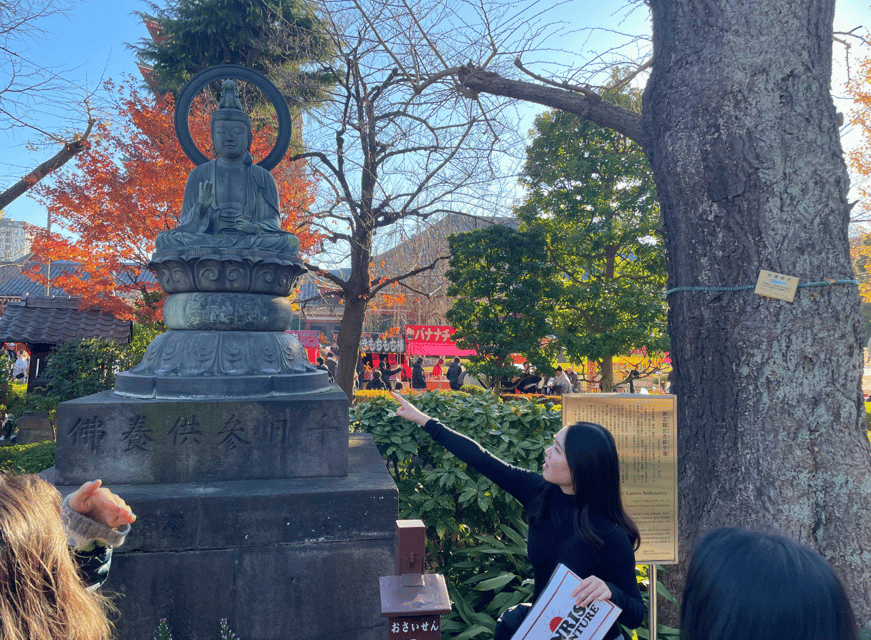
Now you get to the heart of it, Senso-ji Temple. Your guide leads you through Tokyo’s oldest and most famous Buddhist temple, explaining the significance of what you are seeing.
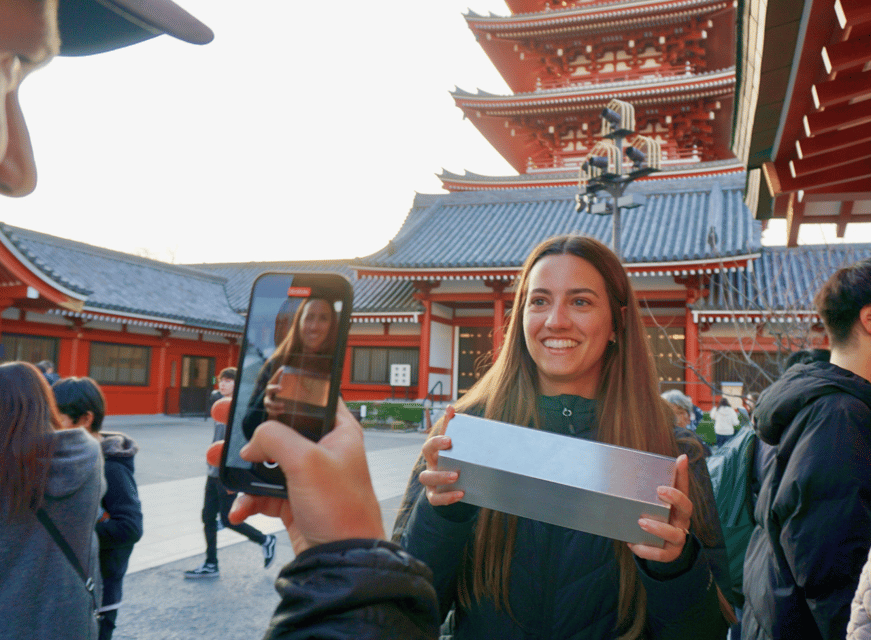
The key part here is the participation in rituals. You will join temizu cleansing, prayer, and omikuji fortune-telling. These are the moments that turn “tour photos” into “I actually did something” memories.
Here is how to think about it: temples can feel intimidating when you do not know what comes next. The guide solves that by explaining local shrine and temple rituals and guiding you through the process so you do not accidentally step out of place. You get to respect the customs while still enjoying the experience.
Omikuji is especially fun because it is interactive and personal. You are not just told about beliefs, you get a fortune slip and experience the ritual flow firsthand. If you are traveling with friends, this is also where you can compare results afterward and laugh even if you do not take the prediction too seriously.
Note on pacing: since the tour is about 2 hours, you do not get unlimited time inside every area. But you do get meaningful “do it with a guide” moments, and that is what most people value.
Asakusa Shrine: Shinto prayers and the Shinto-Buddhist blend
In addition to Senso-ji, the tour includes Asakusa Shrine. This is where the neighborhood’s spiritual mix becomes clearer.
Your guide explains the cultural blending of Shinto and Buddhism, which is a big deal in Japan and a big reason Asakusa feels unique. If you only focus on the Buddhist side, you miss how the shrine atmosphere and shrine-style practices create a different emotional tone in the same area.
Also, the guide explains the local rituals, including how people participate in prayer. Even if you are not fluent in Japanese, you will not be stuck staring at signs. You will know what the gestures mean and how to participate respectfully.
This stop is a good chance to shift your mindset from “tourist viewing” to “visitor participation.” You will leave with a better sense of how these spaces function in real daily life, not just as sightseeing backdrops.
What you should wear and expect during the 2-hour walk
You are doing a walking tour through temple and shrine areas, plus a shopping street. That means you should plan for lots of foot time and crowding.
Wear comfortable shoes with good grip. Stone steps and crowded approach paths are common around Senso-ji, and you will want traction. Keep your bag zipped and secure in crowded shopping areas, especially if you plan to buy snacks or souvenirs on Nakamise Shopping Street.
Weather matters too. Tokyo humidity can hit hard, even in mild seasons. If you are going in warmer months, bring water and take your cues from your guide on when to pause.
Also, go in with an expectation of short stops. This is not a slow, sit-down tour. It is a guided route designed to cover major highlights efficiently, with ritual participation as a core part of the experience.
Should you book this Asakusa small-group tour
I would book this if you want an Asakusa visit that feels structured, respectful, and easy. With a 4.9 rating and 98% recommended, it is clearly landing well for people who want the big sights plus real cultural context. At about $19.82, the guide support and ritual participation are what make the price feel justified.
Book it especially if:
- You want navigation help so you do not lose time wandering
- You are curious about temizu cleansing, prayer, and omikuji
- You prefer a small group when crowds are high
- You like learning what gates and streets mean, not just where they are
Skip it or consider another option if:
- You want long free time to shop on Nakamise Shopping Street
- You dislike walking for about 2 hours in a busy area
- You are hoping for a deep, hour-by-hour lecture with lots of sit-down time
One last thought: this kind of guided walk is at its best when you stay curious. Follow your guide’s pace, ask questions when you can, and treat the rituals as part of the sightseeing, not an extra.
FAQ
How long is the Tokyo Asakusa Temple and Shrine Walking Tour?
The tour lasts about 2 hours.
What does the tour cost?
The price is $19.82 per person.
How big is the group?
The group is capped at a maximum of 8 travelers.
What sights will I see during the walk?
You’ll visit Sensoji Temple and Asakusa Shrine, and you’ll also cover highlights such as Thunder Gate (Kaminarimon), Nakamise Shopping Street, and Hozomon Gate. The route includes a stop at Azumabashi Bridge as well.
Are there any entrance fees included?
Admission is listed as free for the tour stops shown.
Is a mobile ticket included?
Yes, the tour offers a mobile ticket.
What rituals can I participate in?
The tour includes hands-on Japanese rituals such as temizu cleansing, prayer, and omikuji fortune-telling.
Where do I meet, and where does the tour end?
Meet at Burger King Asakusa Azumabashi, Tokyo 111-0034. The tour ends back at the meeting point.
Is it easy to get to with public transport?
Yes, it is near public transportation.
What is not included in the price?
Personal expenses, such as snacks or souvenirs you purchase during the tour, are not included.
Latest write-ups near Tokyo
- From Tokyo: Top 5 Scenic Spots of Mount Fuji Full-Day Tour★ 4.5 · 67 reviews
- Tokyo Customized Private Tour: See Top Attractions in 1 Day★ 4.8 · 67 reviews
- Traditional Japanese Music ZAKURO SHOW in Tokyo★ 5.0 · 67 reviews
- Tokyo: Shinjuku Izakaya and Golden Gai Bar Hopping Tour (2h)★ 4.9 · 67 reviews
- Tsukiji: Unlimited Sake Tasting Experience★ 4.9 · 67 reviews
- Samurai Ninja Museum Asakusa: Kid-Friendly Ninja Training★ 4.7 · 67 reviews
- Tokyo: Not a show- a professional sumo practice with experts★ 4.9 · 67 reviews
- Private Harajuku Omotesando Architecture Walking Tour★ 5.0 · 67 reviews
Temple & Shrine Tours, compared.
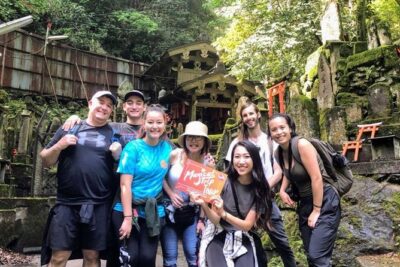
Fushimi Inari, Kinkakuji, Bamboo Grove 1 Day Bus Tour
Read our review →
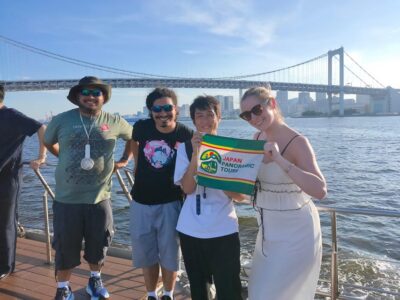
Meiji Shrine, Asakusa, Skytree Bus Tour and Cruise
Read our review →
Osaka/Kyoto:Kinkakuji,Arashiyama,FushimiInariShrine,NaraPark
Read our review →
Asakusa Walking Tour with Sensoji Temple Visit
Read our review →
Nikko: Kegon Falls, Lake Chuzenji & Toshogu Temple
Read our review →
Kamakura & Enoshima Day Trip including Temple Tickets
Read our review →
Nikko Toshogu Shrine and Kegon Waterfall Tour
Read our review →Browse the lists this tour appears in