
Reviewed · TEMPLE & SHRINE TOURS
Tokyo: Asakusa & Tokyo’s Oldest Temple Senso-ji Walking Tour
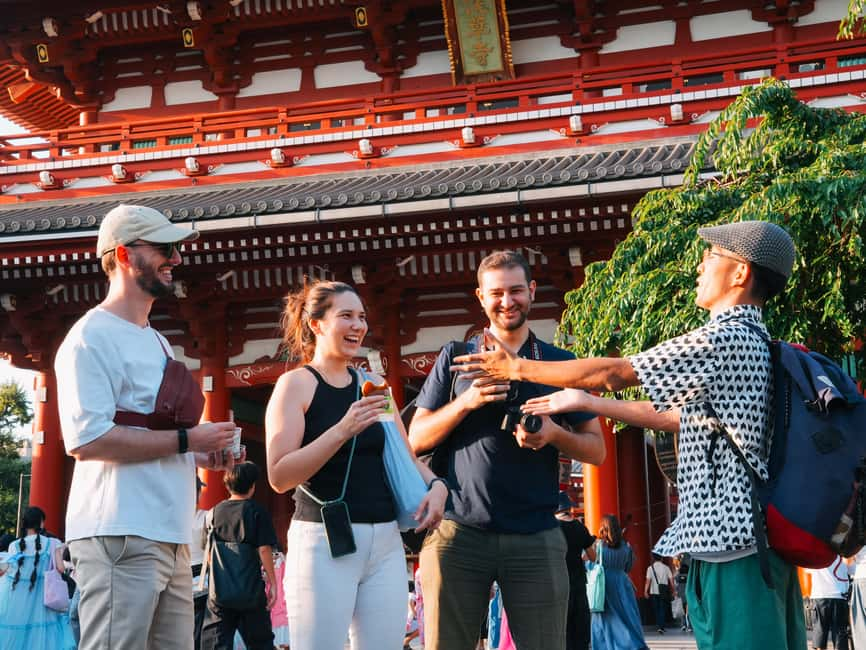
Senso-ji and Asakusa are interesting because they let you see Tokyo’s older layers without leaving the city’s modern rhythm. I like the focus on real temple streets and the way the route naturally builds from gate, to shop lane, to main grounds. You’ll also get a guide who can turn what you see into story, not just stops on a map.
My favorite part is the pairing of iconic sights with small side moments you might miss on your own. One possible drawback to plan for is that most of the tour stays in one concentrated area, so if you want lots of different neighborhoods in one go, this won’t feel like a city-wide sampler.
Key things that make this Asakusa walking tour worth your time
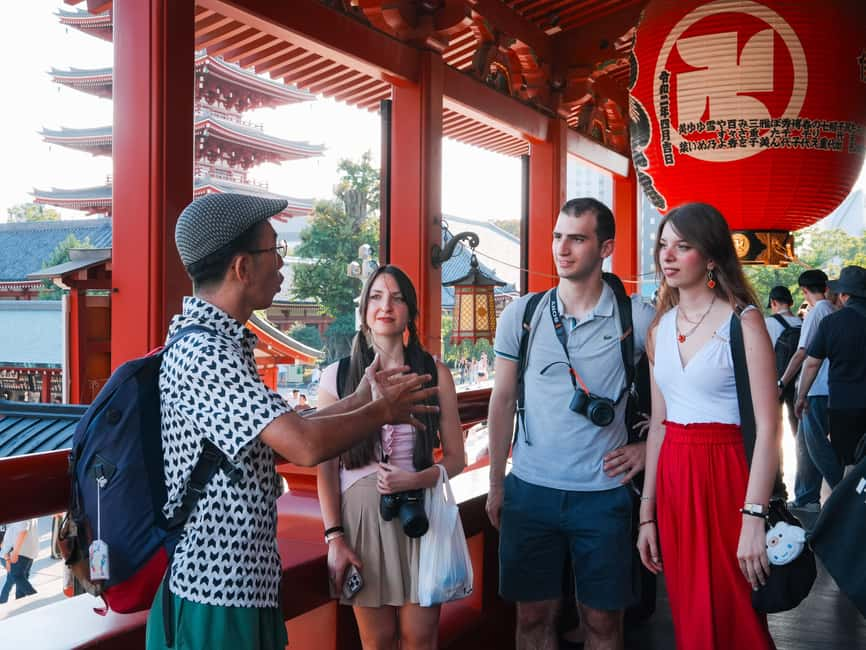
- Kaminarimon Gate to Nakamise Street, a classic photo walk with the right pacing for crowds
- Senso-ji explanations you can use, so the rituals and legends make sense as you’re standing there
- A small group (up to 10), which helps you actually hear the guide and move together comfortably
- Legends tied to what you’re looking at, including talk of Edo-era scenes and lesser-noticed shrines
- Value-heavy pricing for a guided, admission-included 2-hour cultural walk
Tokyo’s Oldest Temple, Explained in a Way You’ll Actually Remember
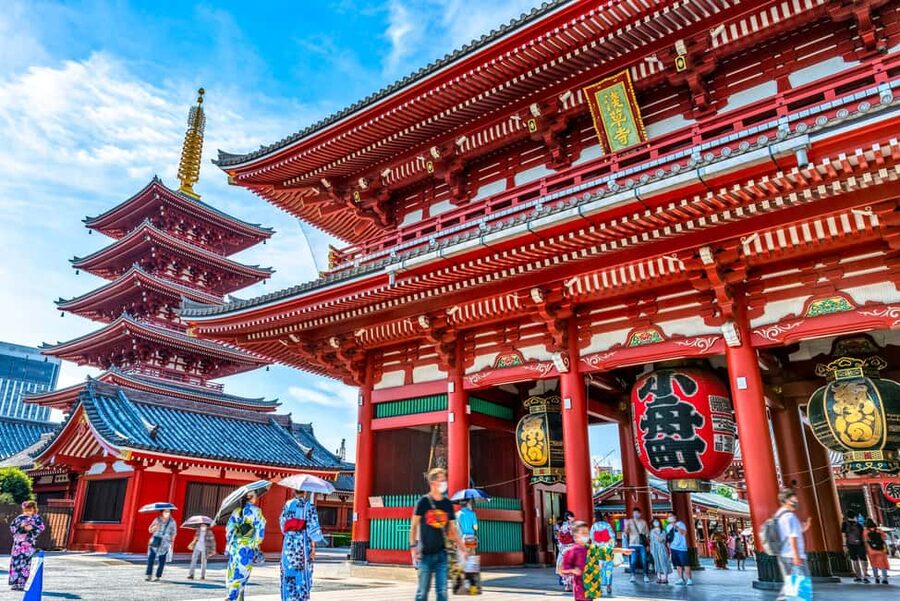
Senso-ji is Tokyo’s best-known temple, and the reason it hits so hard is simple: it’s been here for centuries, yet the street life in front of it still feels lived-in. You arrive at a place that’s visually loud, but you leave with a clearer sense of why people keep coming back.
I like that the tour is built around walking through the same atmosphere you see in photos, rather than rushing you through a checklist. You start at the gate area, move into the shopping lane, then settle into the temple grounds long enough to actually look, pause, and take pictures.
If you enjoy cultural context, you’re in the right place. A good guide makes the place feel less like a set and more like a tradition you can understand in plain terms, especially when they connect stories to the things you spot along the route.
More Temple & Shrine Tours in Tokyo
- Tokyo: Meiji Shrine, Asakusa, Skytree Bus Tour and Cruise
★ 4.7 · 1,986 reviews - Tokyo: Asakusa Walking Tour with Sensoji Temple Visit
★ 4.8 · 1,583 reviews - Nikko: Kegon Falls, Lake Chuzenji & Toshogu Temple
★ 4.6 · 1,577 reviews
Getting There and Starting at 雷門交番 (Kaminari-mon Police Station)
The meeting point is雷門交番, Kaminari-mon Police Station. It’s a smart choice because it’s right where the Senso-ji area starts, so you aren’t spending the first 20 minutes figuring out which street is which.
You’ll want to arrive a few minutes early, even though the tour is short. In this area, people flow in every direction, and it’s easier to get your bearings fast when your group is already formed.
Because this is a walking tour, your comfort matters more than usual. Wear shoes you can stand in and move in. You’ll have time to browse, but you’re also going to be walking steadily for a couple hours.
Nakamise Street Shopping Lane: Snack Strategy and Photo Wins
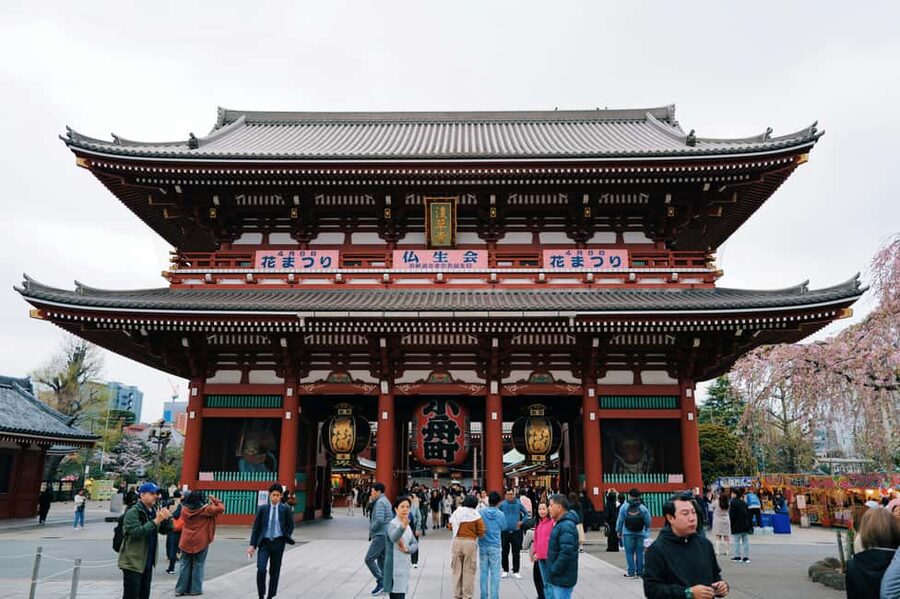
Nakamise Street is where Asakusa shows you its older, street-market face. The vibe is food-first: aromas, counter displays, and plenty of small treats that tempt you to spend before you’ve even reached the temple grounds.
What I like about this stop is that it’s not just a quick pass-through. You get about an hour here to walk at a relaxed pace, browse traditional-style shops, and stop for photos where the street looks its best. If you’ve ever felt that shopping lanes can blur together, this one stays memorable because it’s right next to Senso-ji’s gravitational pull.
Practical tip: set a small budget for snacks and souvenirs, then decide in the moment. It’s easy to overbuy here because you’ll see familiar sweets and also things that look fun but cost more than you expected.
Also, keep your eyes up while you shop. You’ll see the classic facades and signs that give this street its look, and the guide can often help you interpret what you’re seeing, which makes browsing feel less random.
Kaminarimon Gate to Senso-ji Temple Grounds: Where Stories Meet Ritual
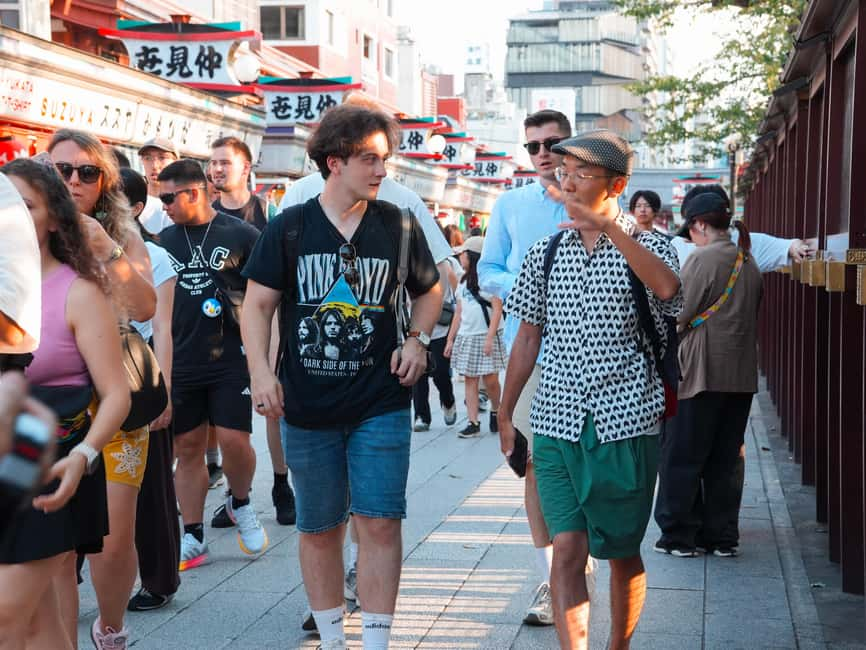
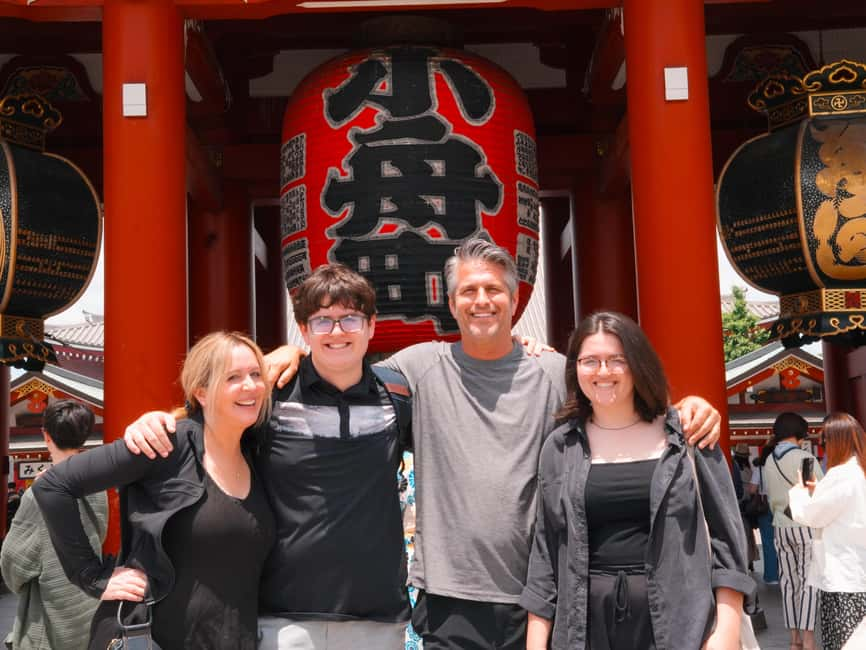
Then you pass under the dramatic Kaminarimon Gate, and suddenly the mood shifts from shopping energy to sacred space. This is one of those transitions that you can feel physically, and it’s exactly why this tour works: it times the change so you’re not distracted while you’re trying to focus.
At Senso-ji, you’ll get a chance for a photo stop plus time to visit the main temple area. The best part of doing it with a guide is that you’re not just taking pictures, you’re learning what things mean as you encounter them. When a guide explains the legends and the temple’s long past in connection with what you’re viewing, you stop treating it like set dressing.
Etiquette matters here. Keep your movements respectful, pause when others are praying or handling offerings, and avoid blocking view lines around key areas. You’re on a working temple site, not a theme park stage.
If your goal is “I want the highlights,” Senso-ji will satisfy you fast. If your goal is “I want to understand what I’m seeing,” the guide component is the whole point.
More Walking Tours in Tokyo
- Tokyo Tsukiji Fish Market Food and Culture Walking Tour
★ 5.0 · 3,184 reviews - Tokyo: Imperial Palace and Shogun Historical Walking Tour
★ 5.0 · 2,251 reviews - Tokyo: Shinjuku Local Bar and Izakaya Guided Walking Tour
★ 4.9 · 1,794 reviews - Tokyo: Tsukiji Fish Market Food and Walking tour
★ 5.0 · 1,724 reviews
Asakusa Beyond the Big Sights: Side Streets, Shrines, and Edo Memories
After Senso-ji, the tour moves into Asakusa’s wider atmosphere. This is where you start seeing the neighborhood feel, not just the landmark. Expect talk of how Asakusa connects to Edo-era Tokyo, including references to past entertainment districts and the way the area changed through time.
You’ll also get time in the area after the temple visit, with around 80 minutes for exploring Asakusa. The guide helps you notice things that are easy to miss when you’re only chasing the most photographed structures. That might be a smaller shrine corner, a tucked-away street rhythm, or details in how locals use the space.
I like this part because it gives you a more human view of the district. You’re not only looking at history, you’re watching how the neighborhood carries it forward in everyday life.
One thing to consider: because it’s focused on Asakusa, you’ll likely cover a smaller geographic area than on multi-district tours. For many first-timers, that’s a plus. For people who want maximum sprawl, it can feel concentrated.
Your Guide and the English Advantage: What to Expect From the Group Experience
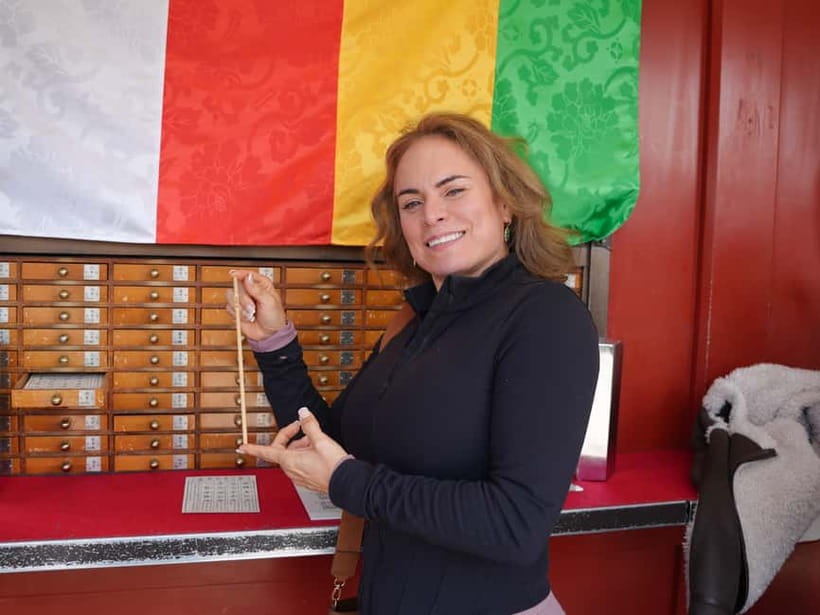
This tour runs with an English live guide, and the group is limited to 10 participants. That small size matters in a place like Asakusa, where crowding can turn a “short walk” into a constant shoulder-to-shoulder shuffle.
I’ve also seen guides like Lax and Shoma described as friendly, passionate, and clear in English. The big takeaway for you is not just that they speak the language. It’s that they can explain cultural differences in a way that helps you interpret what you’re looking at, from temple practices to everyday manners.
You can also learn a bit of humor and personality, which helps on a short tour. A guide who keeps the mood lively makes it easier to stay focused while you’re surrounded by distractions like snack displays and photo lines.
That said, one caution: a 2-hour walk around one core area means the guide’s storytelling style really affects how fun it feels. If your guide keeps it too “route-like,” you might want more context at each stop. The good news is that English guides have the flexibility to tailor the story to what your group is asking about.
Price and Value: Why $11 for Two Hours Can Make Sense
At about $11 per person for a 2-hour walk, the value is mostly about what’s included. You’re paying for a guide plus walking time, and the tour also lists admissions connected to the sights you visit, including Senso-ji and access related to the Nakamise area.
In practical terms, that can be cheaper than doing the same landmarks on your own if you’d otherwise pay for guided interpretation or get stuck paying for extra transport time. You’re not only buying entry, you’re buying context, and that’s the part that makes the experience feel “finished” instead of like a photo session.
It also helps that the group size is capped. A crowded tour often turns into time-wasting and missed explanations. Here, the small group setup usually makes your money go further.
If you’re the type who likes to walk, pause, read small details, and ask questions, this price feels especially fair. If you want a long sightseeing sweep, you may prefer a longer or broader tour even if the per-hour cost is higher.
Timing, Crowds, and How to Make the Most of Your Photo Stops
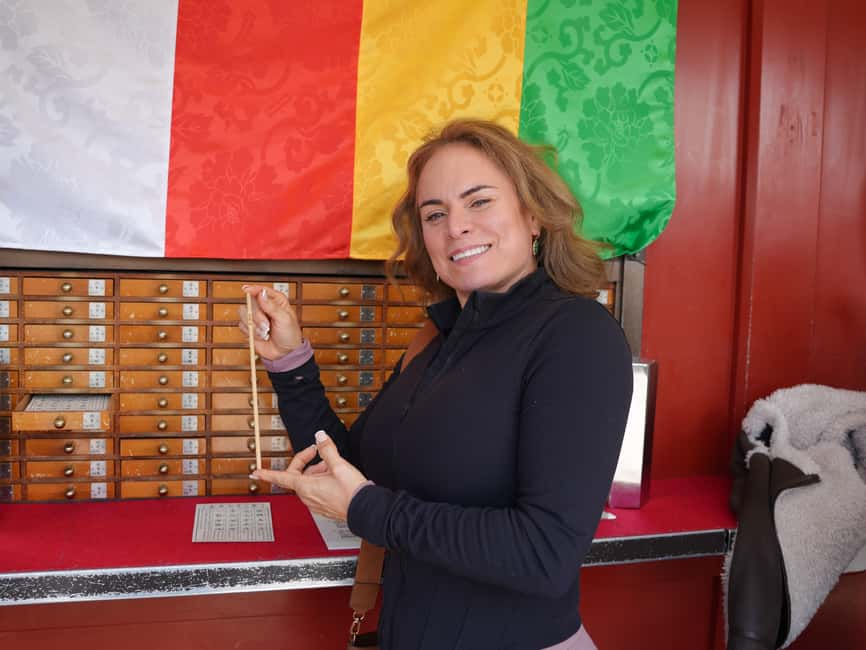
This area can get busy, especially near the gate and along Nakamise Street. Even with a guide, you should plan your expectations: you may not always get a perfectly empty shot.
The way to win is to treat photos as a series, not one goal. Take the iconic gate shot, then take a few seconds to frame close-up details like lanterns, shop displays, and temple entrances. The street scenes look great even when it’s crowded because the energy is part of what makes Asakusa feel alive.
Also, pace yourself with snacks. Nakamise Street tempts you early, and it’s easy to burn time hovering at sweets. If you’re hungry, choose one or two things you really want and save a second purchase for later, so the shopping doesn’t eat your whole hour.
Bring a small amount of cash if you prefer to pay quickly at stalls. Even where card payments exist, convenience can vary by shop. Pack light, keep your hands free for photos, and don’t stress if you skip one item you can find elsewhere.
Who This Tour Is Best For (and Who Might Skip It)
You’ll love this tour if you’re a first-timer to Asakusa and you want the core classics explained clearly. It’s also a good fit for history and culture lovers who like hearing legends tied to real places, not just generic background.
It’s a solid choice if you like a short, focused walk with time for photos and browsing. You’ll get enough temple time to feel like you visited, plus enough street time to feel like you explored.
You might skip it if your priority is wide coverage across many different Tokyo neighborhoods, or if you dislike guided tours and prefer to roam freely with no structure at all. The route is concentrated, and the value is tied to the guide’s storytelling at those specific stops.
Should You Book This Asakusa and Senso-ji Walking Tour?
Book it if you want an easy win: Senso-ji plus Asakusa streets in about two hours, with English guidance and time to browse, photograph, and understand what you’re seeing. The small group size and admission-included setup make it hard to argue with on value.
Hold off if you’re chasing variety across Tokyo, or if you tend to prefer self-guided exploring where you can set your own stops without a guide’s pace. For most people, though, this is an efficient way to connect with one of Tokyo’s most meaningful temple districts.
If you do book, show up rested, wear good shoes, and come ready to look up as much as you look forward. Asakusa rewards attention, and this tour is built to help you notice.
FAQ
How long is the tour?
It lasts 2 hours.
Where do I meet the group?
You meet at 雷門交番 (Kaminari-mon Police Station).
What’s included in the price?
The tour includes a guide, a walking tour, and admission related to Senso-ji Temple plus what’s listed for Asakusa and Nakamise Shopping Street.
Is hotel pickup or drop-off included?
No, hotel pickup and drop-off are not included.
Is the tour offered in English?
Yes, the live tour guide is available in English.
Is there free cancellation?
Yes, you can cancel up to 24 hours in advance for a full refund.
Latest write-ups near Tokyo
- Tokyo Nights: Shibuya Photo Adventure★ 5.0 · 20 reviews
- Wagyu & Sake 8 Course Tasting Dinner in Shinjuku★ 4.9 · 20 reviews
- Making Japanese desserts Nerikiri & drinking matcha in Tokyo★ 5.0 · 20 reviews
- Japanese Whisky Hunting《HIGH-QUALITY-ONLY》Rare Tasting Class★ 5.0 · 20 reviews
- Mt. Fuji 5th Station, Owakudani Ropeway, Pirate Ship plus Outlet shopping!★ 4.5 · 20 reviews
- Kintsugi Experience with Arita Ware in Tokyo (English Guide)★ 4.8 · 20 reviews
- This is Asakusa! A Tour Includes the All Must-Sees!★ 5.0 · 20 reviews
- Ebisu Local Food Tour: Shibuya’s Most Popular Neighborhood★ 5.0 · 20 reviews
Temple & Shrine Tours, compared.
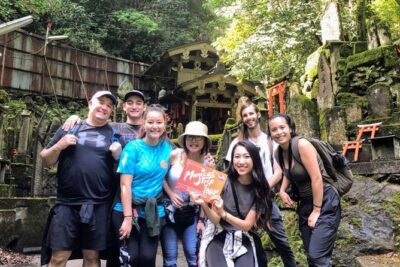
Fushimi Inari, Kinkakuji, Bamboo Grove 1 Day Bus Tour
Read our review →
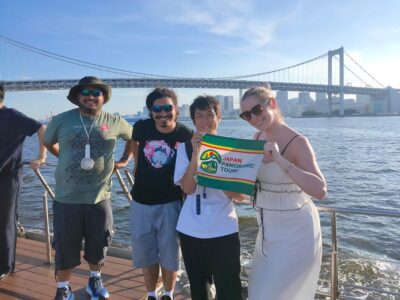
Meiji Shrine, Asakusa, Skytree Bus Tour and Cruise
Read our review →
Osaka/Kyoto:Kinkakuji,Arashiyama,FushimiInariShrine,NaraPark
Read our review →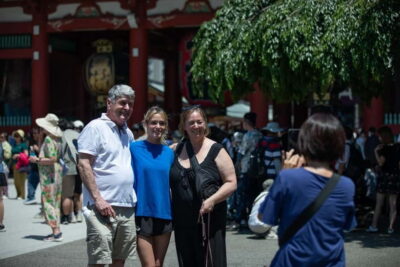
Asakusa Walking Tour with Sensoji Temple Visit
Read our review →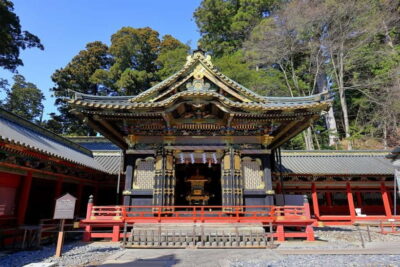
Nikko: Kegon Falls, Lake Chuzenji & Toshogu Temple
Read our review →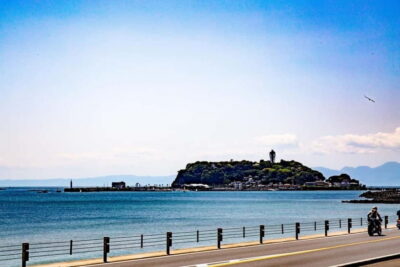
Kamakura & Enoshima Day Trip including Temple Tickets
Read our review →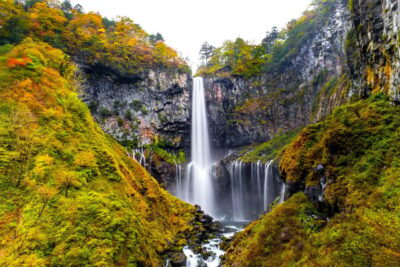
Nikko Toshogu Shrine and Kegon Waterfall Tour
Read our review →Browse the lists this tour appears in