
Reviewed · WALKING TOURS
Tokyo: Asakusa Walking Tour with Japanese Comedian
This Asakusa walking tour is interesting because it mixes classic temple-street Tokyo with English comedy, guided by local performer Ryo. I like the way he builds context before you even reach Sensō-ji, with stops such as Tokyo Skytree, Asahi Beer Company, and a free view over Asakusa. I also like his approach as a Japanese comedian, turning cultural explainers into something you can actually remember.
The main thing to consider is the structure. This is a sightseeing-first route, and the guide won’t stop for food or souvenir browsing along the way, so if you want long shopping detours, plan that for after the tour.
Key things you’ll notice on this Asakusa walk
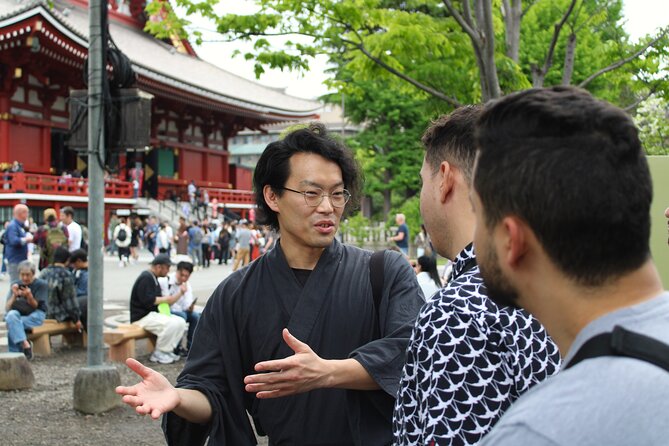
- Small group, max 8 people means more chances to ask questions in English or Japanese.
- No ticket-line stress, since you skip the ticket line for the main temple area.
- Buddhist and Shinto side-by-side is the core theme, not an afterthought.
- Kaminarimon photo stop gives you the landmark moment most first-timers want.
- Comedy angle through Ryo’s background, with humor tied to real aspects of Japanese culture and temple life.
Asakusa with a local comedian named Ryo: why this tour works
Asakusa can feel like a lot when you first arrive. You see huge gates, incense smoke, souvenir stalls, and a mix of Buddhist and Shinto symbols all in one neighborhood. The smart move is to go in with someone who can point out what you’re looking at and why it matters.
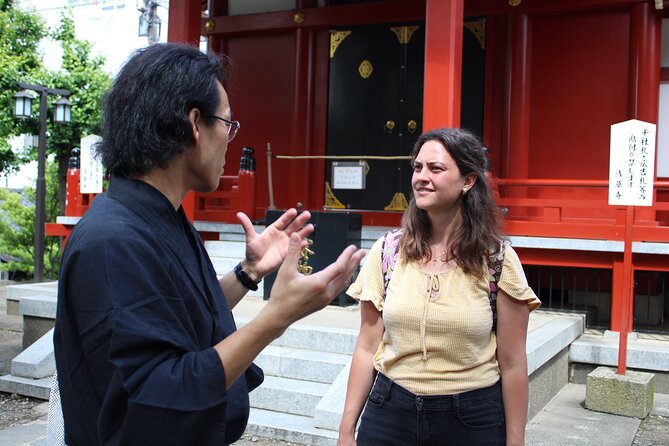
That’s the sweet spot here. Your guide is Ryo, a local in Asakusa who has worked for years as a rickshaw driver and now uses his experience to teach people what they’re seeing. He’s also a comedian, so the explanations come with timing and perspective, not just a lecture. For many first-time visitors, that combination is exactly what helps the area “click” fast.
The tour also aims for practical pacing. It’s only 90 minutes, so you’re not stuck on a slow loop while others wait around. You still get a full sweep of the most important areas, but the time pressure keeps the walk focused.
More Walking Tours in Tokyo
- Tokyo Tsukiji Fish Market Food and Culture Walking Tour
★ 5.0 · 3,184 reviews - Tokyo: Imperial Palace and Shogun Historical Walking Tour
★ 5.0 · 2,251 reviews - Tokyo: Shinjuku Local Bar and Izakaya Guided Walking Tour
★ 4.9 · 1,794 reviews
Price and time: what you really get for $31
At $31 per person for a 90-minute guided walk, you’re paying for three things.
First, you’re paying for local interpretation. Asakusa isn’t hard to walk through on your own, but the meaning behind things like gate symbols, temple origins, and deity statues takes more time than most people have.
Second, you’re paying for a guide who can handle questions in English or Japanese. That matters because Asakusa is culturally layered, and a tour guide can translate the “why” behind what looks similar to you and me.
Third, you’re paying for saved time at the temple. The tour includes skipping the ticket line, which helps you spend your energy on the sights instead of queue management.
If you’re the type who loves to “get your bearings fast,” this price can feel like good value. If you already have a detailed plan and you’re mostly there for photos, you might find some parts overlap with what you’d do anyway. Still, even in that case, the context and humor tend to make the sights feel less repetitive.
Where you meet and how to start smoothly
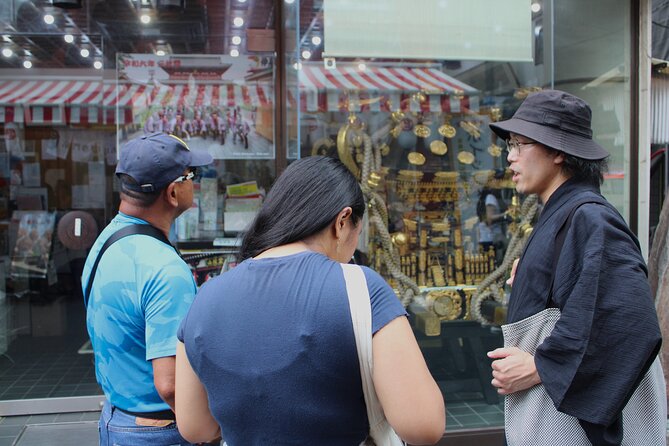
Meeting point is in front of Tokyo Cruise, the water-bus station at the Asakusa pier. From Asakusa Station (Tokyo Metro Ginza Line), it’s a short walk, around 1 to 2 minutes.
Plan to arrive 5 minutes early. The tour starts on time and the guide can’t wait for late arrivals. This matters more than you’d think, because once you start walking, the group moves with purpose.
Also note the end of the tour: you’ll finish at Hondō (the main hall area), and the guide can’t pick you up later or walk you to another station. So treat it as a clean, efficient “guided segment” that ends right where many people want to be anyway.
Before Sensō-ji: Skytree, Asahi Beer Company, and a free view over Asakusa
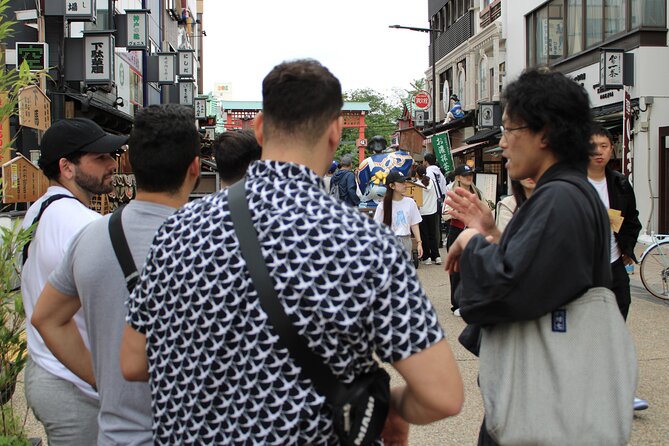
One of my favorite parts of this tour design is that it doesn’t treat Sensō-ji as the first stop. Before you hit the temple streets, Ryo sets up the neighborhood.
You’ll see Tokyo Skytree and the Asahi Beer Company area as background landmarks. That matters because Asakusa is not frozen in time. It exists next to modern Tokyo, and those landmarks help you understand how the old and new sit side by side.
Then you get a free view from the top of a nearby building. Even if you’ve seen photos of Asakusa online, seeing the layout in real space helps you orient fast. You can spot where the main street and major temple approach sit relative to the river and surrounding blocks.
This “orientation first” approach is one reason the tour is especially useful for a first visit. You’re not just collecting stamps on a checklist. You’re building a mental map you’ll use later when you wander on your own.
A change of pace from Tokyo:
- Mt Fuji and Hakone 1-Day Bus Tour Return by Bullet Train
★ 5.0 · 26,383 reviews - 1-Day Tokyo Bus Tour
★ 5.0 · 14,250 reviews - Tokyo: TOKYO SKYTREE® Admission ticket
★ 4.5 · 11,192 reviews - Tokyo: teamLab Planets TOKYO Digital Art Museum Entry Ticket
★ 4.6 · 9,779 reviews
Sumida Park: a calmer start that sets your pace
After the pre-temple warmup, the route includes Sumida Park. This part is a breather, and it’s also a viewpoint transition.
Why it helps: as you move from city landmarks to the temple area, your eyes need a reset. Park space gives you that. It also gives you a little breathing room to catch up with the group and get comfortable with walking in that older-street environment.
The tour framing here is useful if you tend to rush through cities. You learn to slow down for landmarks, then speed up when the street gets more visual and sensory.
Kaminarimon: photo stop, but also the meaning behind the gate
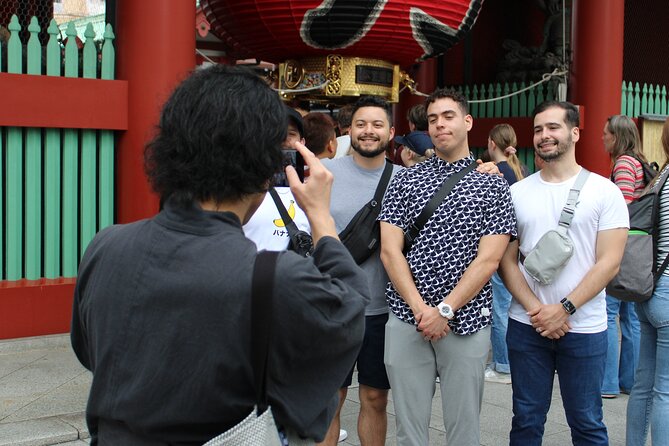
Next comes Kaminarimon, the big iconic gate that most people recognize even if they can’t place it. You’ll have a photo stop and a guided walk-through of what you’re seeing.
The standout value is interpretation. The gate isn’t just an impressive entrance. It’s a shorthand for how Asakusa signals faith, festival energy, and public access to religious space. Ryo also explains Asakusa’s unusual dual identity: a Buddhist temple and a Shinto shrine side by side.
That pairing is one of the biggest “aha” moments for many visitors. It helps you understand why people in Japan can treat both religious traditions with normal everyday respect rather than seeing them as strict opposites.
If you’re worried this will feel too “touristy,” here’s the reassurance: the gate is tourist-famous for a reason, but your guide’s job is to make it more than a postcard.
Nakamise Shopping Street: walking it with origin stories, not a shopping detour
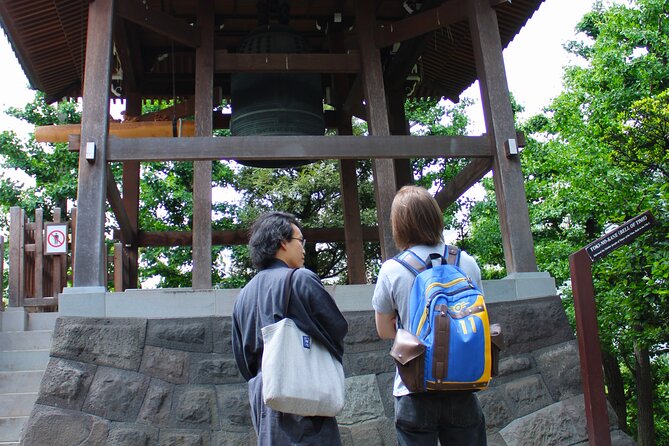
After Kaminarimon, you’ll walk through Nakamise Shopping Street. This is where Asakusa becomes visually loud in the best way.
The important thing for your expectations: the tour route includes the shopping street for sightseeing and explanation, but it does not include stopping to shop for food or souvenirs. You’ll see stalls and likely pass things you’ll want, but the guide keeps the pace moving.
So how do you still get value here? Ryo explains the origin of Senso-ji Temple using illustrations, and he connects the temple’s story to the people who supported it over time. He covers how the temple was loved and maintained by a range of supporters, from local community figures to officials across different periods.
That changes Nakamise from a “buy stuff here” street into a narrative corridor. You’re not just walking between shops. You’re walking through context.
If you want souvenirs or snacks, plan that for right after the tour. The guide will give recommendations, but the route itself stays focused.
Asakusa Shrine: religious views explained in plain language
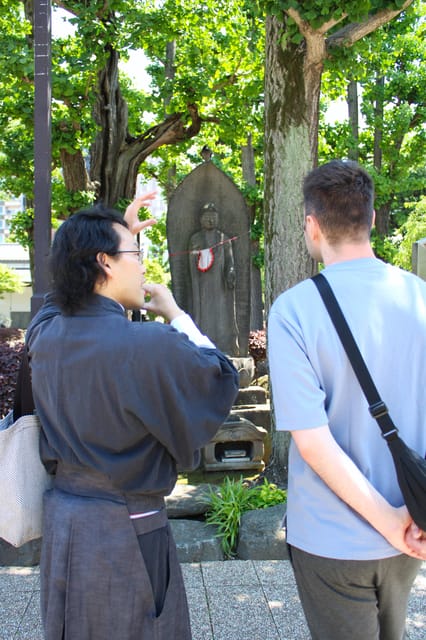
Your itinerary includes Asakusa Shrine before you reach the Sensō-ji temple complex. This stop matters because it reinforces the core theme: you’re not visiting a single religious “type.” You’re looking at a neighborhood where traditions overlap in daily life.
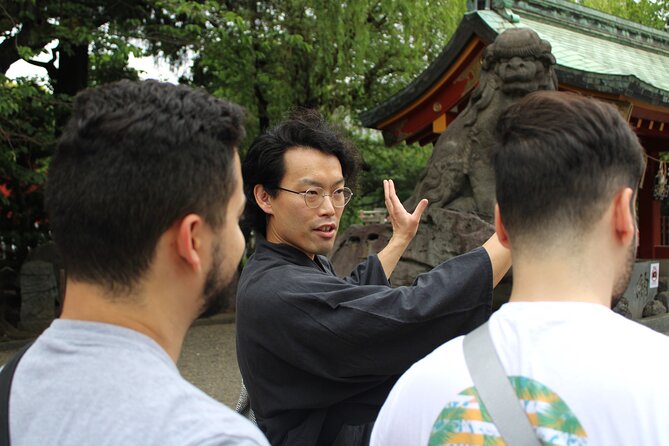
Ryo talks about religious views among Japanese people and why the shrine and temple pairing feels natural in this area. That explanation helps you avoid the common mistake of treating these places as separate tourist attractions with different vibes.
At the shrine, pay attention to symbols and how people behave. You’ll likely see visitors acting with calm routine. That’s part of the lesson, even if you don’t realize it at first.
The tour is also wheelchair accessible, which is a major comfort factor if your mobility needs extra planning. The walk is designed to be manageable for more people than the typical “steep stairs plus sprint” sightseeing day.
Sensō-ji Temple: what to notice in the deity statues and the temple story
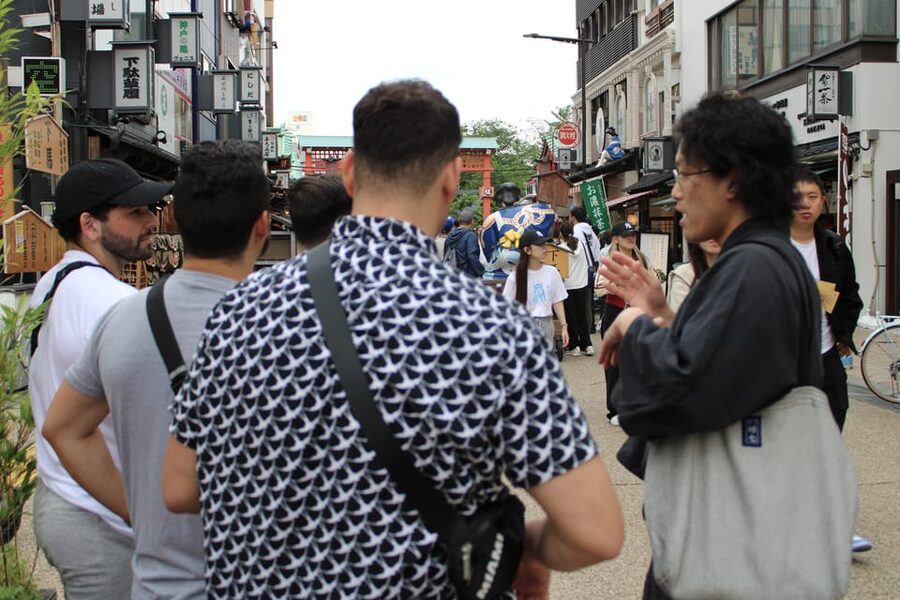
The main event is Sensō-ji Temple. This is where you want to slow down, and Ryo helps you do it.
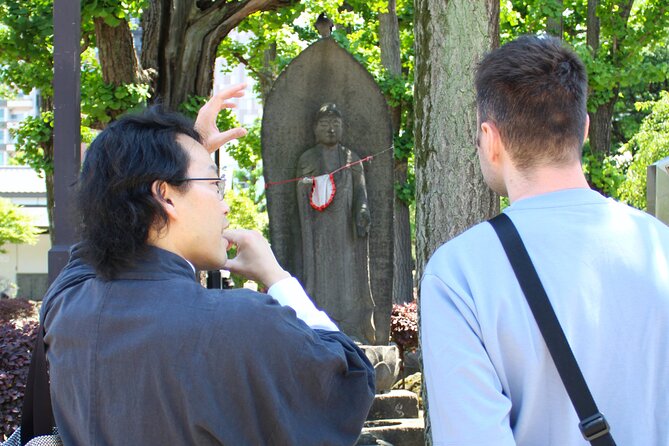
One of the most praised elements of the tour is how the guide handles the temple details. You’ll see statues of Buddhist deities, and Ryo introduces their significance, not just their names.
That matters because deity statues can look like decorative clutter if nobody explains why they exist or how they connect to worship. With Ryo’s guidance, you’re more likely to recognize what you’re looking at and feel less lost in the crowds.
You also get the temple’s story through the Nakamise context and then through the temple itself. Ryo connects the idea of Senso-ji’s support across eras, including how different people helped keep it part of the community. This is the sort of background that makes you appreciate why the space keeps drawing people back, generation after generation.
There’s also a “rhythm” element to the tour. You don’t just march. You get photo moments, explanation moments, and then walking moments. That pacing is ideal for a small group of up to 8, because the guide can keep the group together without forcing it to act like a single file line.
The comedy touch: how humor fits the culture lesson
This tour isn’t just “temples with a funny guy.” The comedy is tied to Ryo’s perspective as a local performer and communicator, including humor in English.
What I like about that approach is that jokes often act like memory hooks. A person laughing is more likely to remember a point than someone who’s only listening. In a place like Asakusa, where you’re seeing multiple religious traditions and lots of symbols, memory aids are actually useful.
There’s also a small seasonal bonus mentioned by someone who booked the tour, even during winter: the chance to spot a cherry blossom tree. You should treat that as a possibility, not a promise, but it’s a good reminder to bring a little openness. The neighborhood has seasonal visuals even when you don’t expect them.
One caution from a more mixed perspective: if you’re looking for a high-energy hype-man, you might find Ryo’s style more measured. The tour is informative first, and the humor is integrated, not staged as a constant standup routine.
Should you expect shopping, snacks, or long stops?
No. This route is not built around eating your way through Nakamise or buying souvenirs at each stall. The plan is sightseeing-first, and Ryo will not stop for food or souvenir shopping along the way.
What you should do instead:
- Plan to use the route to learn what you’re seeing
- Save your food and shopping time for after the tour, using the guide’s suggestions
That trade-off is worth it if you want structure and clarity. If you want a flexible afternoon with frequent breaks to taste street snacks, you might prefer a different type of tour.
Practical tips that make the walk easier
- Wear shoes you’re comfortable in for a steady 90 minutes of walking.
- Bring a light layer. Temple-area days can change quickly with wind and shade.
- Keep your camera ready around Kaminarimon, since the tour includes a photo stop.
- If you’re using public transit, aim to be at the Tokyo Cruise meeting point early so you can settle your group before it starts.
Also, since the tour is limited to 8 participants, you’ll likely feel the difference compared to big bus-style tours. Questions can be answered without waiting for the guide to catch up to a crowd.
Who this tour is for
This is a strong fit for:
- First-time visitors who want context and orientation fast
- People who enjoy culture explanations that are not dry
- Travelers who want a small group and the ability to ask questions
- Anyone curious about how Buddhism and Shinto show up side-by-side in daily life
It might be less ideal if:
- You already know Asakusa’s main points and you’re mostly there for independent exploration
- You want a shopping-heavy itinerary with lots of time to snack and browse
Should you book this Asakusa walking tour with Ryo?
If you want a guided start that helps Asakusa make sense, I’d book it. For the money, you’re getting more than a list of stops. You’re getting interpretation of the temple layout, deity symbolism, and the Buddhist-plus-Shinto pairing that defines this area.
I’d particularly recommend it if this is your first day in Tokyo, or if you like walking tours that give you a mental map you can use afterward. And if you’re open to humor used as a learning tool, Ryo’s comedian perspective is a real advantage.
Skip it only if you’re mainly after free wandering time, long shopping breaks, or you’re already so familiar with Asakusa that you’d rather spend the 90 minutes independently.
Latest write-ups near Tokyo
- Tokyo Customized Private Tour: See Top Attractions in 1 Day★ 4.8 · 67 reviews
- From Tokyo: Top 5 Scenic Spots of Mount Fuji Full-Day Tour★ 4.5 · 67 reviews
- Traditional Japanese Music ZAKURO SHOW in Tokyo★ 5.0 · 67 reviews
- Tokyo: Shinjuku Izakaya and Golden Gai Bar Hopping Tour (2h)★ 4.9 · 67 reviews
- Tsukiji: Unlimited Sake Tasting Experience★ 4.9 · 67 reviews
- Private Harajuku Omotesando Architecture Walking Tour★ 5.0 · 67 reviews
- Samurai Ninja Museum Asakusa: Kid-Friendly Ninja Training★ 4.7 · 67 reviews
- Tokyo: Not a show- a professional sumo practice with experts★ 4.9 · 67 reviews
Walking Tours, compared.
Kyoto Geisha Walking Tour: Gion District & Hidden Gems
Read our review →
Tokyo Tsukiji Fish Market Food and Culture Walking Tour
Read our review →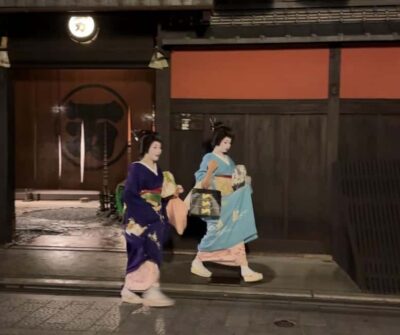
Gion Magical Night Walking Tour with Geisha Trivia
Read our review →
Imperial Palace and Shogun Historical Walking Tour
Read our review →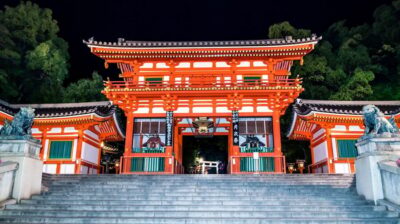
Gion Geisha District Walking Tour – Stories of Geisha
Read our review →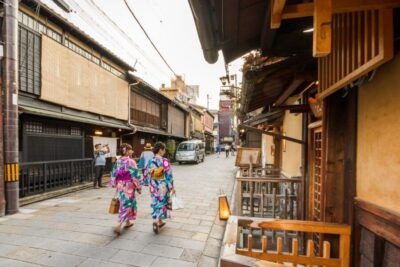
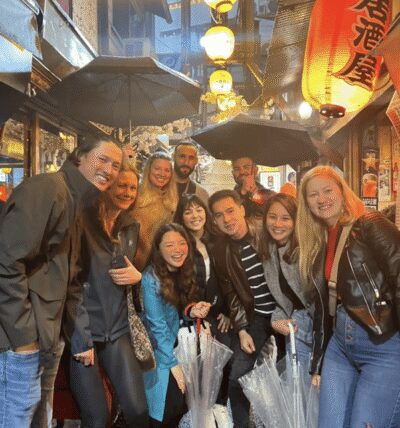
Shinjuku Local Bar and Izakaya Guided Walking Tour
Read our review →
Browse the lists this tour appears in