Reviewed · TICKETS
Tokyo: Hop-On Hop-Off Sightseeing Bus Ticket
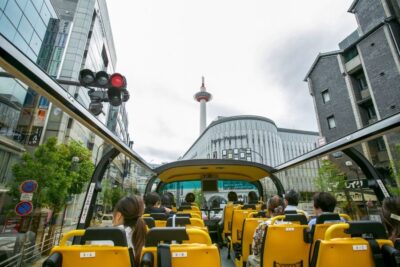
Tokyo is huge, and the easiest way to get your bearings fast is by taking a hop-on hop-off bus that loops the main sights. The real reason this one works is the open-top ride, so you get panoramic city views while the audio guide keeps you oriented.
I also like the flexibility. With one ticket you can keep jumping on and off as you please, then build the rest of your day around what you want to see. My one caution: the bus is open-air with no air-conditioning, so hot afternoons and windy moments can be rough, and you may have to wait for the next bus if you hop off mid-route.
Key things I’d plan around on this Tokyo bus ticket
- Unlimited access to all routes so you can skip what you’re not feeling and repeat what you love
- Open-top panoramic views from the second-floor passenger seating
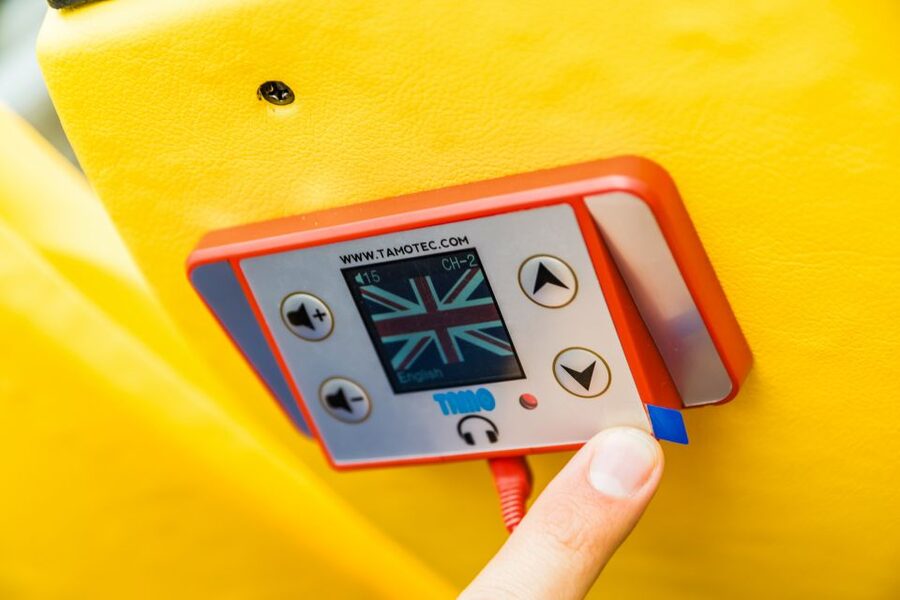
- Audio guide on your own smartphone with 10 languages, plus vehicle-mounted audio on some buses
- Three course options that cover Tokyo Skytree, Tokyo Tower and Tsukiji, and Shinjuku plus Shibuya and Harajuku areas
- Weather rules you should take seriously, including ponchos if needed and no umbrellas onboard
- Longish gaps between buses at times, so plan your hops with a little slack
Price and value: what $30 buys you in Tokyo
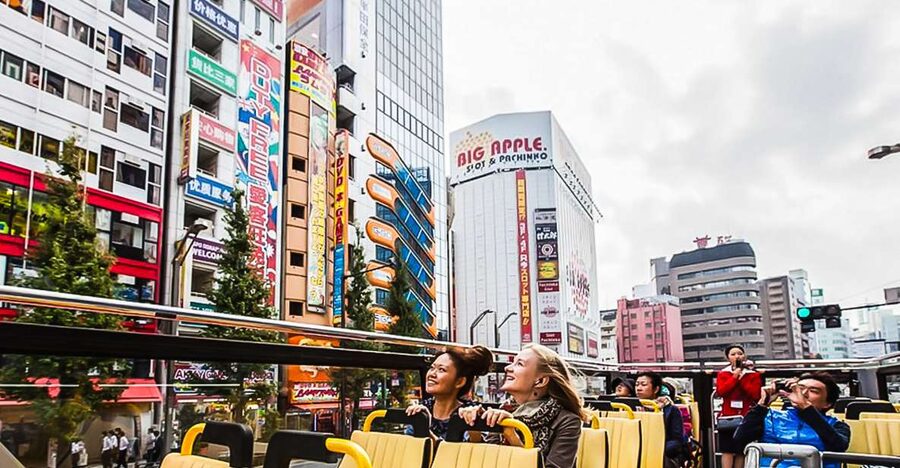
At about $30 per person for a 1 to 2 day ticket, you’re not really paying for a single attraction. You’re paying for a practical loop through central Tokyo, plus the ability to stop when something catches your eye.
That value only holds if you actually use the flexibility. If you commit to just one stop and then walk back, you might feel like you paid for convenience and got only part of it. But if you treat the bus as your moving base, it can save you from zigzagging across the city with tired feet.
You also get audio built in. That matters in Tokyo because neighborhoods can feel close together on a map, but they take time to reach. A guided loop helps you pick where to spend your next hour on foot.
Also on the shortlist for Tokyo:
- Mt Fuji and Hakone 1-Day Bus Tour Return by Bullet Train
★ 5.0 · 26,383 reviews - 1-Day Tokyo Bus Tour
★ 5.0 · 14,250 reviews - Tokyo: TOKYO SKYTREE® Admission ticket
★ 4.5 · 11,192 reviews
Where you board: Mitsubishi Building meeting point and QR access
The main meeting point is in front of the Mitsubishi Building. That’s helpful because it gives you one clear anchor on your first day.
You can also board directly at bus stops across Tokyo using the QR code sent with your voucher. That’s a big deal when you’re already in the middle of an exploration plan. You’re not forced to trek back to the start every time you want another loop.
One practical habit I like: once you’re on, pay attention to the stop names that match where you plan to get off next. The more you line up your hops with real locations, the less stressful it feels when buses are busy.
How the hop-on hop-off system really feels in practice
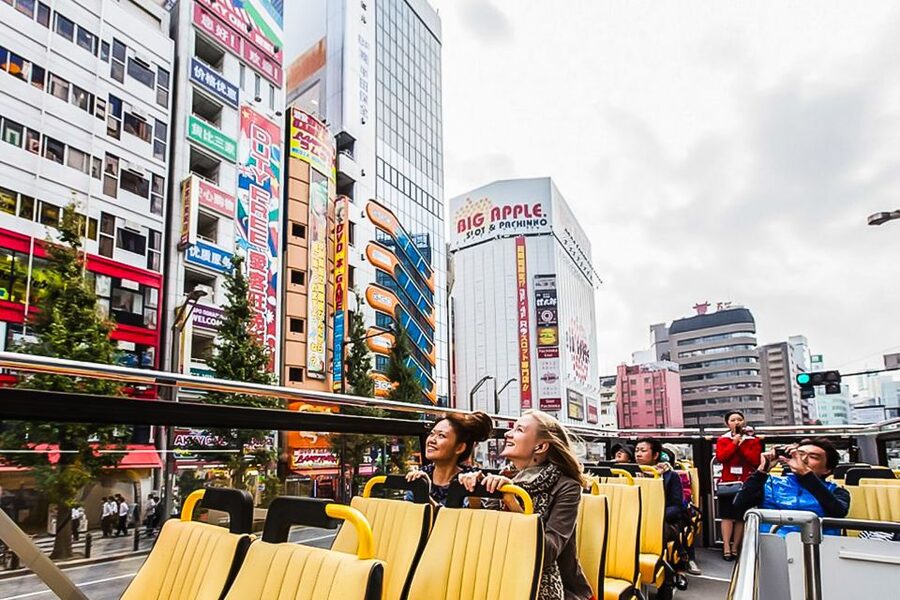
This isn’t a reservation-based experience where you’re guaranteed a seat. If a bus is full, you board the next one.
In other words, you’re buying a rhythm, not a promise. When the traffic is bad or the buses are between runs, your timeline will stretch a bit. The upside is that you’re not locked into a schedule once you’re within the route system.
Also remember: traffic congestion can delay the bus, so don’t build your day around a hard appointment with a tiny buffer. Build your plans around the idea that this is flexible transport plus commentary, not a bullet train.
Open-top reality check: no AC, ponchos, and bus etiquette
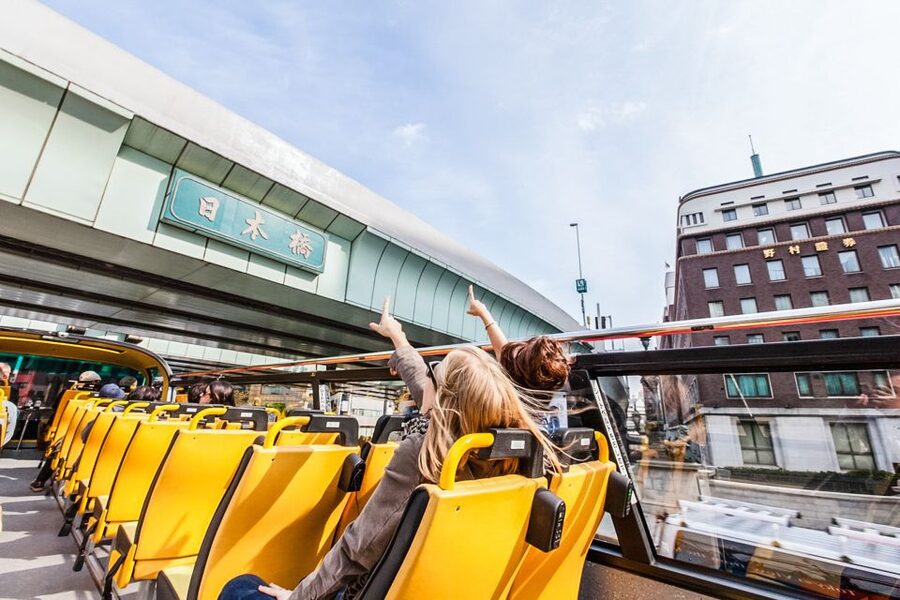
This bus is open-air and there is no air-conditioning. That’s the biggest make-or-break point.
In cool weather, open-air is a gift. In summer heat, it can feel brutal. I’d pack for sun and wind, since the ride is exposed. If you come during a hot spell, you’ll want to hydrate before you board and plan your route so you’re not stuck waiting outside for too long.
Rain and safety rules are clear:
- Raincoats are distributed if needed
- Umbrellas are prohibited on the bus
- Standing is prohibited while the bus is in motion
One comfort tip: passenger seats are only on the second floor, while the first floor is for storage. If you want a calmer ride, aim for the second floor early, especially on busy days.
A change of pace from Tokyo:
- Tokyo: teamLab Planets TOKYO Digital Art Museum Entry Ticket
★ 4.6 · 9,779 reviews - Mt Fuji & Hakone Cruise, Drum Show Bullet Train 1 Day from Tokyo
★ 4.0 · 7,413 reviews - Tokyo: Sumo Show Experience with Chicken Hot Pot and a Photo
★ 4.8 · 6,678 reviews - Tokyo: Shinjuku Food Tour (13 Dishes at 4 Local Eateries)
★ 5.0 · 6,603 reviews
Audio guide on your phone: 10 languages and what to bring
You get multilingual audio, and it’s designed to be listened to on your own device.
Here’s the key setup:
- Bring your own smartphone or tablet
- Bring earphones
- Data charges may apply, and that’s on you
The audio system supports 10 languages: Japanese, English, Korean, Chinese, French, German, Spanish, Thai, Vietnamese, and Indonesian. On some buses, you may also have vehicle-mounted audio in a smaller language set, but it might not be available on every bus.
My advice is simple: assume you’ll use your device audio. That way you’re not disappointed if the bus you get has no vehicle-mounted option.
Also, the commentary is meant to sync with stops, so when you’re watching out for landmarks, the audio gives you context instead of random background noise.
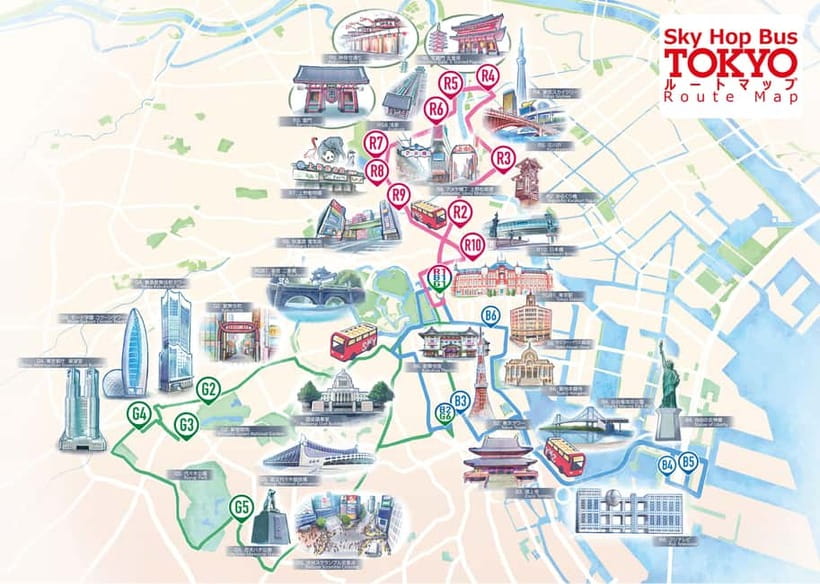
Route 1: Tokyo Skytree course from Ryogoku to Akihabara
This course is a strong pick if you want a slice of Tokyo that mixes major sights with a lot of recognizable districts. The loop starts at Marunouchi Mitsubishi Building, then heads through Kodemmacho Station, Ryogoku Edo-Tokyo Museum, and onward to TOKYO SKYTREE station.
From there, the route continues to Asakusa Hanakawado and Asakusa Tawaramachi, then drops you near Ueno Matsuzakaya and Akihabara (Suehirocho). The final stretch goes to Shin-Nihombashi Station and returns to the Marunouchi Mitsubishi Building.
Why this route works:
- It links several central stops in one continuous loop, so you can hop off at one area and still reach others without re-planning every transit step
- It’s a good “orientation course” because it touches multiple neighborhoods you’ll hear about during any first visit
A drawback to watch for: this route can feel busy because it hits a lot of popular pickup and drop-off zones. If you’re planning to hop off repeatedly, give yourself time to stand in line for the next bus and to find your stop again.
Route 2: Tokyo Tower, Zojo-ji, Tsukiji and Ginza loop
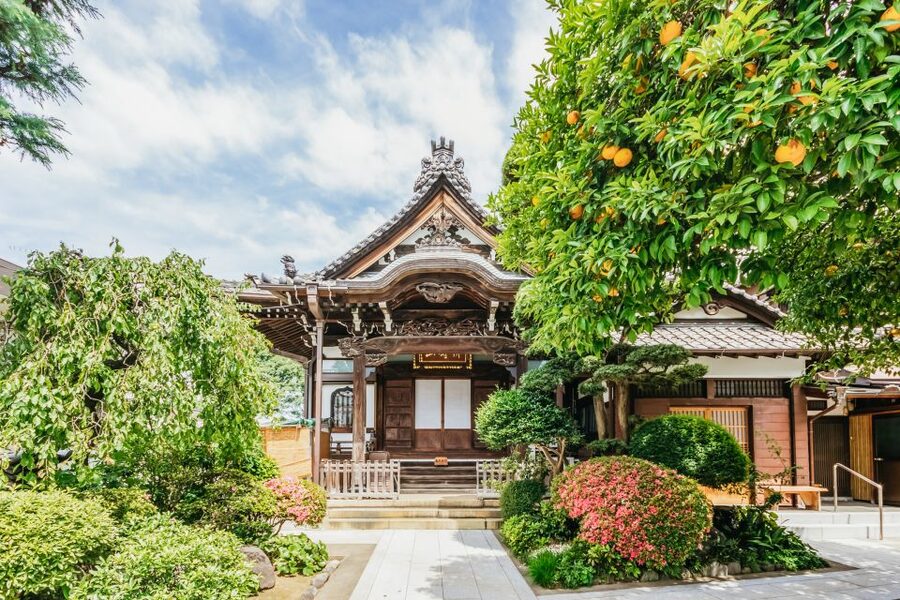
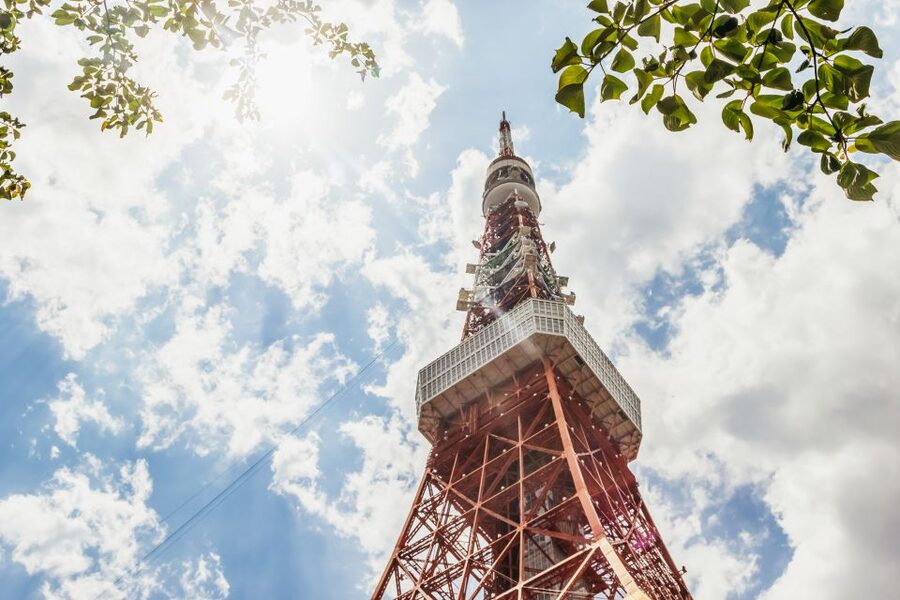
This course is built around skyline icons and classic central Tokyo areas. It runs from Marunouchi Mitsubishi Building to Tokyo Tower, then toward Tokyo Prince Hotel/Zojo-ji Temple.
Next you ride along to Tokyo Teleport Station, then the route brings you to Tsukiji Ginza before returning back to Marunouchi Mitsubishi Building.
Why I like it:
- Tokyo Tower is an easy visual anchor, so it’s a great course for first-day orientation
- Tsukiji Ginza and the surrounding central area make this route a natural choice when you want to spend time exploring on foot after getting off
One practical note: you’ll still be dealing with city traffic like everyone else, so if you want photos from specific angles, don’t rely on the bus schedule alone. Use the hop-off flexibility to your advantage, and give yourself extra time to wander once you get off.
Route 3: Shinjuku and Shibuya course with Harajuku and Meiji Jingu
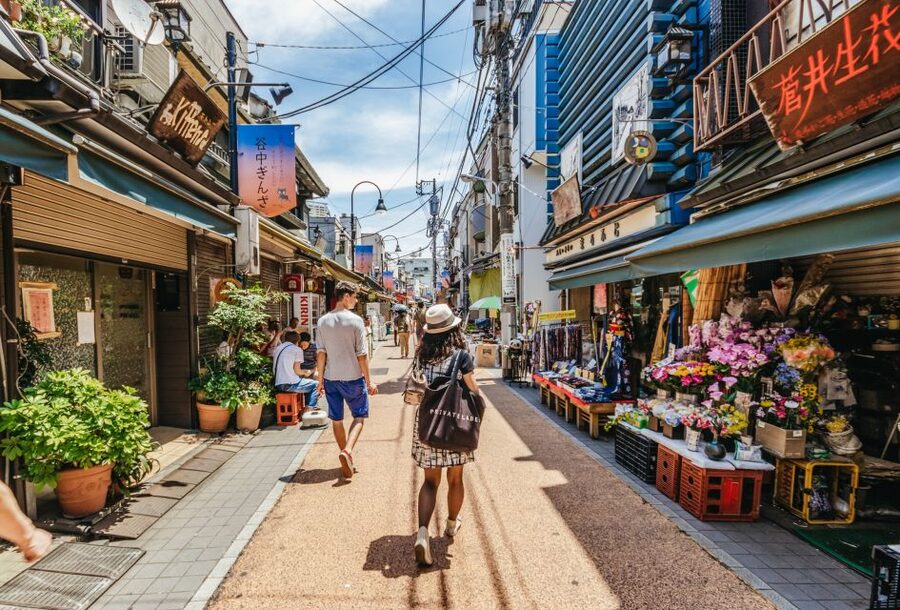
If you want Tokyo’s energy and big-city contrast, this is the course. It starts at Marunouchi Mitsubishi Building and moves to Shinjuku-gyoemmae Station, then to Shinjuku Station South Exit and the Hotel Century Southern Tower area.
From there, the bus goes through Shinjuku Mitsui Building (Nishi-Shinjuku), then heads toward Shibuya City Hall, Harajuku, and Meiji Jingu Shrine. The loop finishes back at Marunouchi Mitsubishi Building.
Why this route is worth your time:
- It groups the Shinjuku and Shibuya areas together, so you can understand the city’s “two hubs” without sprinting between neighborhoods
- It gives you a clean path to hop off near key points, then reconnect with the bus later to continue the loop
The main consideration is that the Shinjuku and Shibuya zones can be crowded. If you’re hopping off near peak times, expect lines and slower boarding.
Timing and bus frequency: how to avoid missed rides
The experience can be smooth when you stay on board longer stretches. But the tradeoff is that bus frequency can mean longer waiting gaps.
I like two strategies when I’m doing a hop-on hop-off bus in a city like Tokyo:
- Plan fewer hops per day, so you spend more time riding and less time waiting.
- When you do get off mid-route, take a photo of the stop timetable and mark it in your maps. That way, you’re not relying on memory when you want to get back on.
Also, buses can get delayed due to congestion. If you have a timed dinner or show, build in a buffer, then treat this as your moving option rather than a strict arrival tool.
Free shuttle service: how it helps your day
A free shuttle service is included, but the exact route details aren’t spelled out here. What I can tell you is that it can reduce friction once you’re figuring out where you want to start your circuit.
If you’re staying nearby to the Mitsubishi Building area, you may not need it. If your hotel is outside the easiest walk to the route, the shuttle can help you avoid wasting your first hours.
Either way, the main anchor stays the same: start at the Mitsubishi Building or use your QR code at bus stops.
Best ways to use this bus ticket for a great first Tokyo day
If it’s your first time in Tokyo, I’d use this bus for orientation, then go deeper on your favorite stops the next day. One practical way to do that is:
- Do a full loop or two to understand where districts connect
- Note the stops you want to revisit
- Use your second day to spend longer periods off the bus
This is also a smart choice if you don’t want to spend your whole day planning trains. The bus is slower than a subway, but it gives you something the train won’t: built-in commentary and a calm visual overview.
And if you’re visiting during a clear evening window, the after-dark ride can be a highlight. City lights have a way of making long routes feel shorter.
Who this Tokyo hop-on hop-off bus is best for
This experience is especially suited to:
- First-time visitors who want an easy orientation around central Tokyo
- People with limited time who want to cover major sights in one or two days
- Anyone who prefers listening to context while they ride, instead of sorting guidebooks at each stop
- Travelers who can handle open-air comfort and plan around weather
It may be less ideal if you’re sensitive to heat and wind, since there is no air-conditioning and umbrellas are not allowed onboard.
Should you book this Tokyo bus ticket?
Book it if you want a low-stress way to see major Tokyo areas without committing to one neighborhood. The combination of unlimited access across routes, open-top views, and the option to use your phone for multilingual audio is the real value.
Skip or think twice if open-air rides are a dealbreaker for you, or if you prefer tight, timed itineraries where every minute must be controlled. Also, if you rely on vehicle-mounted audio only, bring your own device anyway, because that option may not be available on every bus.
If you’re flexible and want an efficient, guided overview, this ticket is a sensible buy for Tokyo.
FAQ
How much does the Tokyo hop-on hop-off bus ticket cost?
The price is listed as $30 per person.
How long is the ticket valid?
The ticket is available for 1 to 2 days. You should check starting times based on the option you choose.
Where is the meeting point for the bus?
The meeting point is in front of the Mitsubishi Building. You can also board at participating bus stops using the QR code sent with your voucher.
Does the ticket include an audio guide, and what languages are offered?
Yes, the audio guide is included. You can use your own smartphone or tablet for a 10-language audio guide, and bring earphones. Vehicle-mounted audio may also be available on some buses with a smaller set of languages.
Is the bus air-conditioned, and can I use an umbrella onboard?
No, the bus has no air-conditioning and it is open-air. Raincoats may be distributed if needed, but umbrellas are prohibited on the bus.
Can I hop on and off multiple times?
Yes. Your ticket provides unlimited access to all routes, so you can hop off and back on at your convenience.
Latest write-ups near Tokyo
- Harajuku Private Tour: Kawaii Fashion & Animal Cafe Included★ 5.0 · 69 reviews
- Mt Fuji Customizable Private Tour English Speaking Driver Pick-up★ 5.0 · 69 reviews
- Tokyo Night Cooking Class: 5 Home-Cooked Japanese Dishes★ 5.0 · 70 reviews
- Tokyo: Sumida Aquarium Entry Ticket★ 4.6 · 70 reviews
- Private Customizable Walking Tour of Tokyo★ 5.0 · 70 reviews
- Wagyu Beef and Sake Pairing Foodie Tour in Tokyo★ 5.0 · 71 reviews
- Official Japan Go-Kart Through Tokyo Bay / Ginza (IDP Required)★ 4.5 · 71 reviews
- Experience Big soba knife Soba Making Class in Tokyo Kappabashi★ 5.0 · 71 reviews
Tickets, compared.

teamLab Planets TOKYO Digital Art Museum Entry Ticket
Read our review →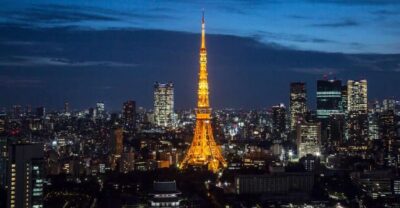
Japanese Dance Cabaret Theater Asakusa-Kaguwa Ticket
Read our review →