Reviewed · TICKETS
Kyoto: Hop-on Hop-off Sightseeing Bus Ticket
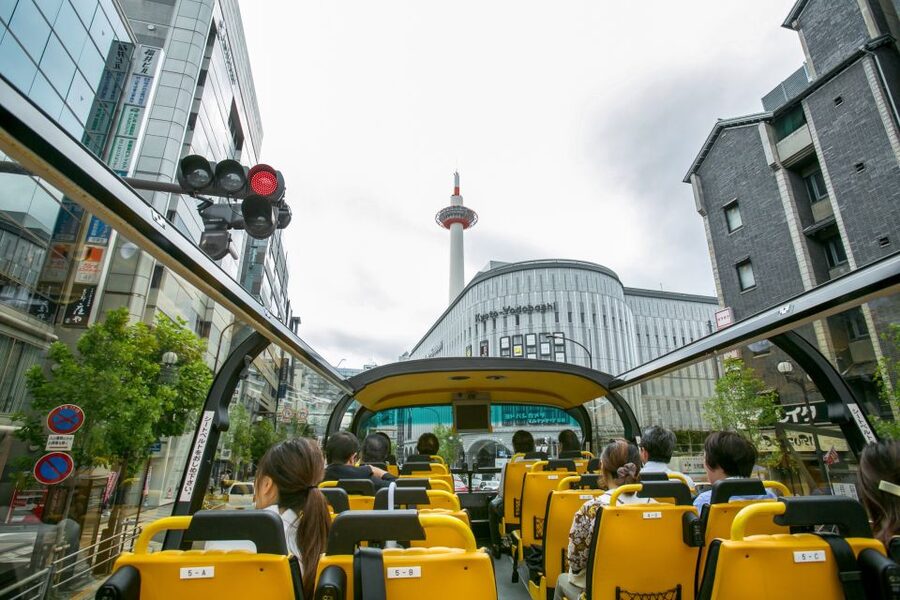
Kyoto is big, spread out, and just crowded enough to make you second-guess your plans. This hop-on hop-off bus turns your day into something simpler, with easy on and off access plus open-top panoramic views as you glide between key sights.
I like that the system is built for freedom, not rushing. You show a mobile voucher, ride as much as you want within your 1 to 2 day ticket, and use the stops to decide what deserves your feet and time. The main thing to consider is that the audio is best for orientation, not deep lectures, and the open top means you’ll be in direct sun most of the day.
Key takeaways before you ride
- Unlimited riding for your ticket window makes it feel like flexible transportation, not a one-shot tour
- Open-top double-decker views are great for getting your bearings fast
- Audio commentary in 7 languages helps you understand what you’re passing and where to get off
- Stops are positioned near major sights, so you spend less time crossing Kyoto
- Weather matters: rain gear is provided, but the bus may not run in severe storms
Kyoto Hop-On Hop-Off Bus: when convenience beats planning chaos
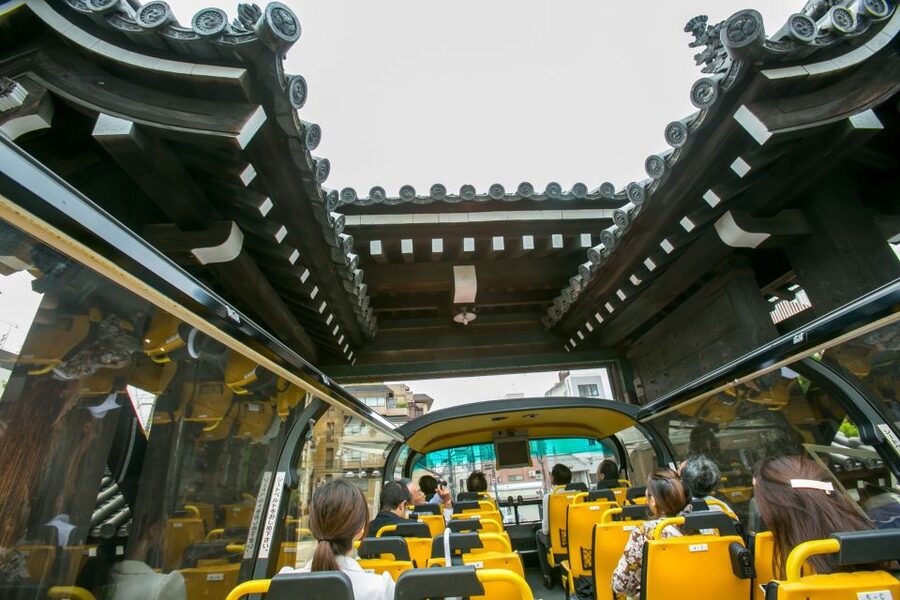
This is one of the easiest ways to see classic Kyoto without building a spreadsheet of bus routes and train transfers. The idea is simple: you hop on at one of the posted stops, ride past the top sights, and get off when something catches your eye.
What makes it work so well is the rhythm. The route threads together some of Kyoto’s most famous places, then leaves you with choices. You can do a quick look at a temple, linger at a market street, or sit down somewhere to people-watch in Gion. When you’re done, you’re already back on the bus, which is a huge relief when Kyoto gets hectic.
The bus also gives you a moving “map” of the city. From the upper deck, you can spot landmarks and neighborhoods, which makes it easier to return on foot later. And if you’re worried about language barriers, the onboard audio in English, French, Japanese, Korean, Chinese, Spanish, and German does a lot of the explaining.
The one caution I’d flag is your mindset. Treat this as a high-efficiency overview and transportation tool. It helps you prioritize, but it doesn’t replace taking your time inside the temples, gardens, and museums.
Also on the shortlist for Kyoto:
- PERFECT KYOTO 1-Day Bus Tour
★ 5.0 · 13,518 reviews - Kyoto: Fushimi Inari, Kinkakuji, Bamboo Grove 1 Day Bus Tour
★ 4.8 · 4,316 reviews - Kyoto: Tea Ceremony in a Traditional Tea House in Kiyomizu
★ 4.9 · 3,519 reviews
Price and value: what $27 buys, and what it does not
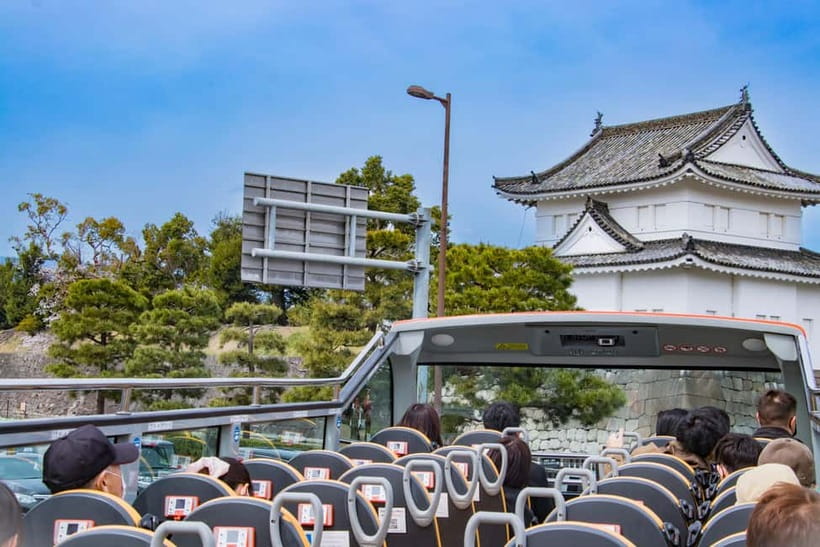
At about $27 per person, this ticket is priced like a “smart shortcut.” You’re paying for the bus access, the planned route, and the onboard commentary, not for entrance tickets.
Here’s the value math that matters:
- Your ticket is valid for 1 to 2 days (depending on which option you buy).
- You get unlimited rides during that validity window.
- You get audio guidance in multiple languages.
- Entrance fees to temples and attractions are not included, so you’ll still budget for what you want to actually go into.
That separation is important. If your plan is to visit several major sites, this ticket helps you reach them with less stress. But if your priority is only one or two paid attractions, you might feel like you’re spending extra for transportation time.
Still, the overall deal is strong, especially when your itinerary includes distance. Kyoto’s top sights are spread out, and hopping between them efficiently is where this type of pass shines.
Getting on board in Kyoto Station: the exact starting point
You can board at any of the available stops along the route. The first stop is at Kyoto Station, and the practical detail that helps most is this: use the north central exit of Kyoto Station, then look for the sightseeing bus stop in front of the Isetan department store.
That matters on arrival day. Kyoto Station is busy, and finding your bus quickly means you start your day with momentum instead of standing around with your phone at max brightness.
Also, you do not need to worry about printing anything. The bus staff accepts your mobile voucher as your pass to get on.
How the ride feels: open-top views, audio in 7 languages, and real onboard rules
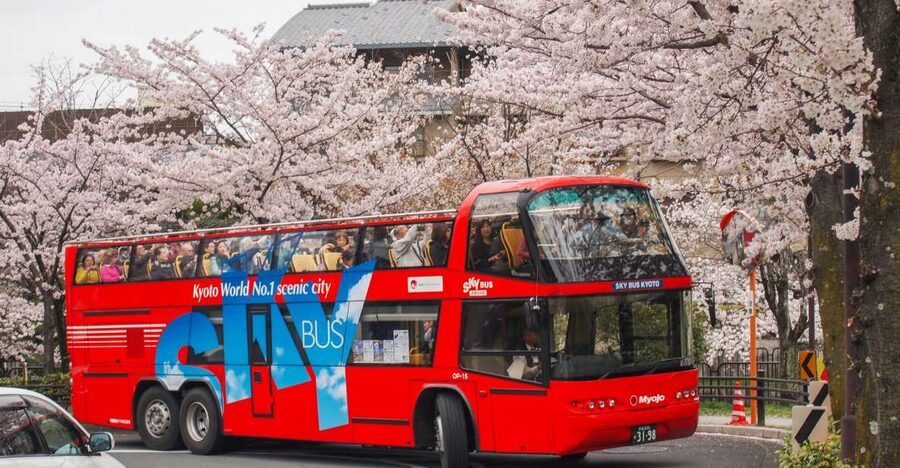
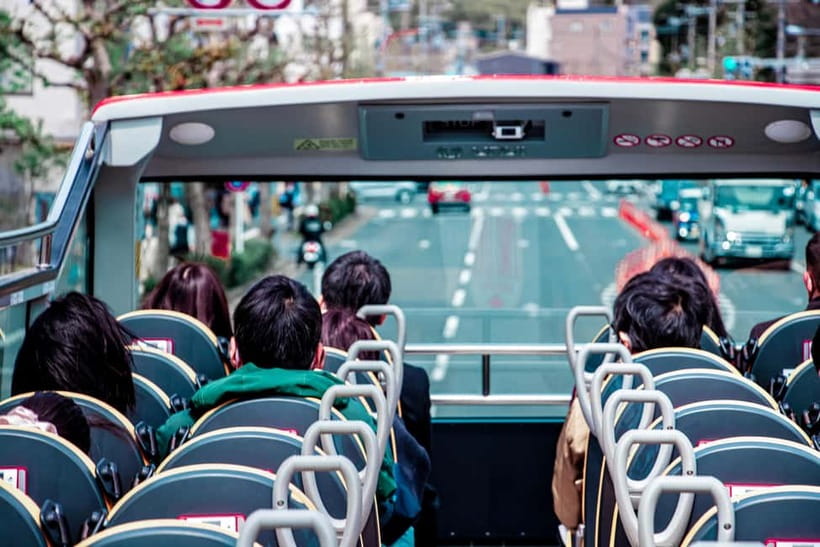
The double-decker setup is the core experience. The upper deck is open-top, so you get panoramic views as you travel. Translation: great photos, but no hiding from the sun.
If you’re heat-sensitive, plan your pacing. Use the bus for movement and orientation, then shift to shade and indoor time when you need it.
A change of pace from Kyoto:
- Kyoto Geisha Walking Tour: Gion District & Hidden Gems
★ 4.7 · 3,273 reviews - Kyoto: Tea Ceremony Ju-An at Jotokuji Temple
★ 4.9 · 3,207 reviews - Kyoto: Gion Magical Night Walking Tour with Geisha Trivia
★ 4.9 · 2,393 reviews - Kyoto: 45-Minute Tea Ceremony Lesson Experience
★ 4.3 · 2,378 reviews
Audio: helpful, but expect an overview
The onboard audio guide covers major sights and is available in 7 languages. It’s included, and it’s designed to help you understand what you’re approaching and where you might want to get off.
A few riders noted that the narration can feel more like a quick explanation than a full history lesson, so I’d treat it as your “what is this?” and “should I get off here?” tool. For anything deeper, you’ll still want to read at the site, join a short guided explanation if offered, or use your own guidebook while you’re on the ground.
Onboard Wi-Fi status
Wi-Fi is listed as included, but it has been reported as temporarily suspended. If your phone plan is limited, download what you need ahead of time.
Rules that affect your day
These are the onboard restrictions to note:
- No smoking
- No selfie sticks
- No food in the vehicle
- No umbrellas
- No alcoholic drinks
You can bring soft drinks with lids (plastic bottles, coffee). If you’re traveling with snacks, plan on eating them outside before or after the bus ride.
Weather: raincoats are provided, and storms can shut things down
The bus may not operate in severe weather like typhoons or thunderstorms. If rain hits, raincoats are provided.
Because umbrellas are not allowed, a compact rain jacket is more than a style choice. It keeps you flexible, especially when the bus stop life is a mix of waiting and sudden downpours.
Stop-by-stop Kyoto: what each location gives you (and what to watch for)
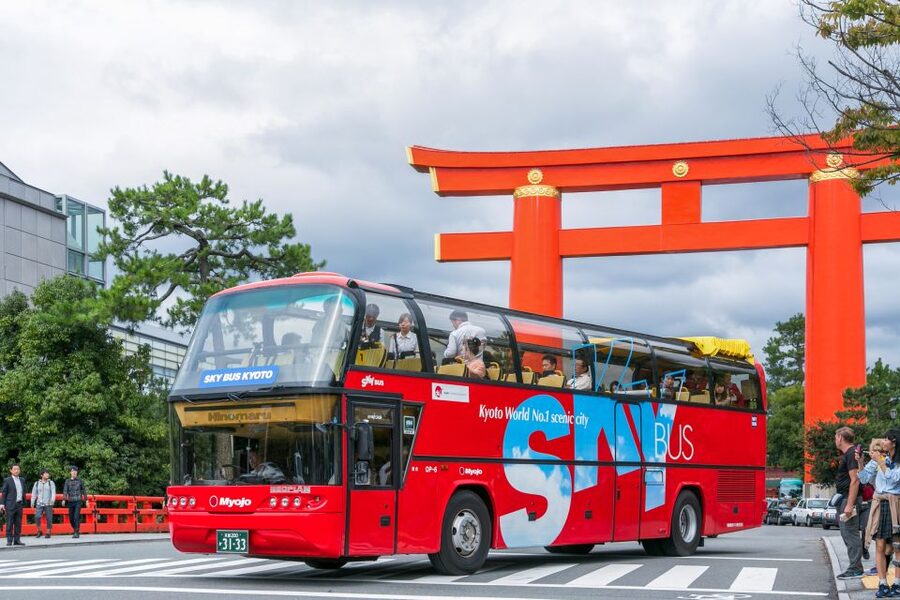
This route strings together some of Kyoto’s biggest names, plus a few areas that feel more like neighborhoods than museum districts. Below is the practical meaning of each stop, so you can decide where to spend your time.
Kyoto Station
This is your easiest reset button. If you’re arriving fresh from travel, it’s a clean place to start, regroup, and buy what you forgot at the last minute. It’s also convenient when you want to end your day back at a place with more food options.
Nishihonganji (Kyoto Tokyu Hotel)
You’re in a temple-and-street corridor area, close to a major transit hub. It’s a good early stop if you want a calmer first look rather than jumping straight into the biggest tourist clusters.
Shijo Karasuma / Nishiki-ichiba Market
This is where Kyoto turns into a sensory snack map. Nishiki Market area is known for food shopping and street energy, so it’s a smart place to hop off for a browse.
If you’re building a one-day plan, consider using this stop mid-morning or early afternoon so you can eat while it’s still manageable.
Nijo-jo Castle (Nijo Castle)
One of Kyoto’s UNESCO heavyweights, Nijo Castle is a strong choice when you want architecture and atmosphere in a single stop. It’s also useful as a planning anchor: once you’re here, you understand what Kyoto’s “palace power” looks like.
Kitano-tenmangu Shrine / Kamishichiken
This area is a great contrast stop. After the biggest headline sites, Kitano-tenmangu gives you a different Kyoto flavor and the chance to stroll through streets that feel less like a single attraction line.
Kinkakuji Temple (Golden Pavilion)
Kinkakuji is the Kyoto photo everyone has seen, but it still delivers in person because of its setting and the visual punch. Also, there’s a practical money detail to remember: one rider noted that Kinkakuji only accepts cash and there is no ATM on site. If you want to avoid stress, carry some cash before you get here.
It’s also an obvious stop to plan around. Expect crowds and plan to take your time, not just do a quick snap.
Daitokuji Temple
If you like the idea of moving from one major attraction to something that feels more reflective, Daitokuji can work well. It’s a stop that suits travelers who want quieter temple vibes between the headline sights.
Kyoto Imperial Palace (Doshisha University)
This is more about palace grounds and historic context than hands-on temple drama. It’s a good “walk and breathe” stop if you need a breather from ticket lines.
Ginkakuji Temple (Silver Pavilion)
Ginkakuji is often less intense than the Golden Pavilion, and that makes it a good second temple anchor. It’s an excellent stop for pacing: you can enjoy the gardens without feeling like you’re constantly fighting for viewing space.
Heian-jingu Shrine / Okazaki Park
Okazaki Park is one of those places where a stop feels like a mini outing, not just a location on a checklist. If the weather is decent, you’ll likely want time to walk around nearby streets and let the area sink in.
Gion (Kotowa-Kyoto Yasaka)
This is Kyoto at its most iconic street-level: shops, old-world atmosphere, and a lot of energy. It’s a great place to get off for dinner planning or just to wander while the light changes.
If you’re doing a shorter trip, Gion is one of the best places to spend an hour instead of rushing to the next stop.
Gojozaka (Kiyomizu-dera Temple / Gion)
This is a smart stop if your priority includes Kiyomizu-dera area. The Gojozaka vicinity is where you tend to feel the change in terrain and the classic Higashiyama vibe.
Plan for walking from the stop to the temple area. This is not a “sit on the bus and watch it all” type of stop.
Sanjusangendo / Kyoto National Museum (Hyatt Regency Kyoto)
This pair is for people who like temples plus culture. Sanjusangendo is a memorable temple experience, and the nearby museum option makes it easier to build a half-day that isn’t all outdoors.
1 day vs 2 days: how to pace Kyoto without burning out
A 1-day ticket can work if you pick your priorities and accept that you will not see everything in depth. The bus is ideal for covering the “must-get-to” sights and then picking one or two to linger at.
I generally think a 2-day ticket is where the value really clicks, because Kyoto rewards slow movement. With two days, you can:
- Use day one to get your bearings and learn how far each area actually feels on foot
- Use day two to return to the stops that matched your taste, whether that is temples, markets, or Gion streets
A practical trick: ride the bus early so you know where the stops land. Then, later in the day, you can time your get-offs better and avoid rushing in between.
Crowd reality and timing: what to expect on busy Kyoto days
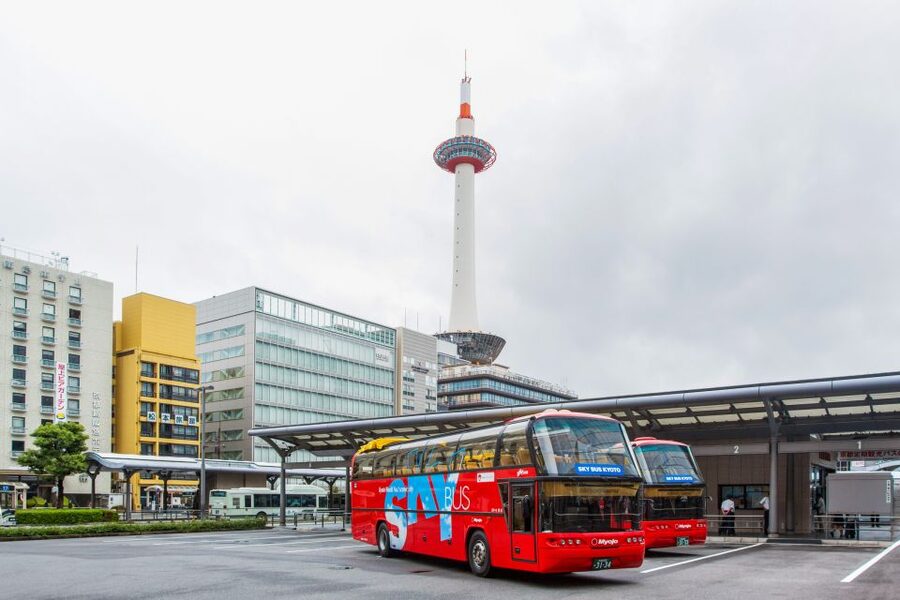
Kyoto’s top sights are popular for a reason, so crowds are part of the deal. The bus helps because you skip some of the stress of figuring out transit connections while also keeping your day flexible.
Still, do not assume perfect smooth sailing at every hour. One rider noted that there can be a rarer number of buses between 10am and 12pm, with waits around 45 minutes when the schedule stretches.
If your day is built around a timed entry or a very specific lunch slot, add buffer time. This is especially true for the most famous stops like Kinkakuji and Kiyomizu-dera area.
Also, a quick reality check on photos: while you’re riding, you may not see everything clearly from the road. The bus is best for reaching sights and getting the wide context. Once you’re off, that’s when the real views start.
Final verdict: should you book this hop-on hop-off bus in Kyoto?
Book it if:
- You want simple, flexible transportation to major Kyoto sights without stress
- Your schedule is short and you need a fast way to cover big highlights
- You like the idea of using the bus as your navigation backbone, then spending real time on foot
Skip it if:
- You want a deep, site-by-site guided lecture, because the onboard audio is more of an overview tool
- You hate waiting at stops when the schedule stretches during peak times
- You plan to visit just one attraction and nothing else, since entrance fees are extra
If you do book, my biggest advice is mindset plus timing: treat the bus ride as your getting-oriented layer, then spend your attention once you step off at the stop that matches your vibe. And pack cash for any sites that require it, especially around the Golden Pavilion area.
Latest write-ups near Kyoto
- Kyoto: Nishiki Market Tour with a Local Foodie & Tastings★ 4.5 · 67 reviews
- Kyoto Kimono Rental mimosa |Kimono/Yukata Rental Couple Plan★ 4.8 · 67 reviews
- Kyoto: Traditional Kimono Fabric Handicrafts Workshop★ 5.0 · 67 reviews
- Kyoto Tea Ceremony and Samurai Photo Session★ 5.0 · 70 reviews
- Kyoto: Replica food making experience★ 4.8 · 70 reviews
- Kyoto: Kinkakuji, Golden Pavilion Guided Tour★ 4.7 · 71 reviews
- Private departure transfer from Kyoto city to Kansai International airport★ 5.0 · 72 reviews
- Uji: Green Tea Tour with Byodoin and Koshoji Temple Visits★ 4.8 · 72 reviews
Tickets, compared.
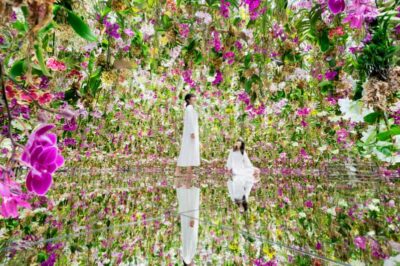
teamLab Planets TOKYO Digital Art Museum Entry Ticket
Read our review →
Japanese Dance Cabaret Theater Asakusa-Kaguwa Ticket
Read our review →