
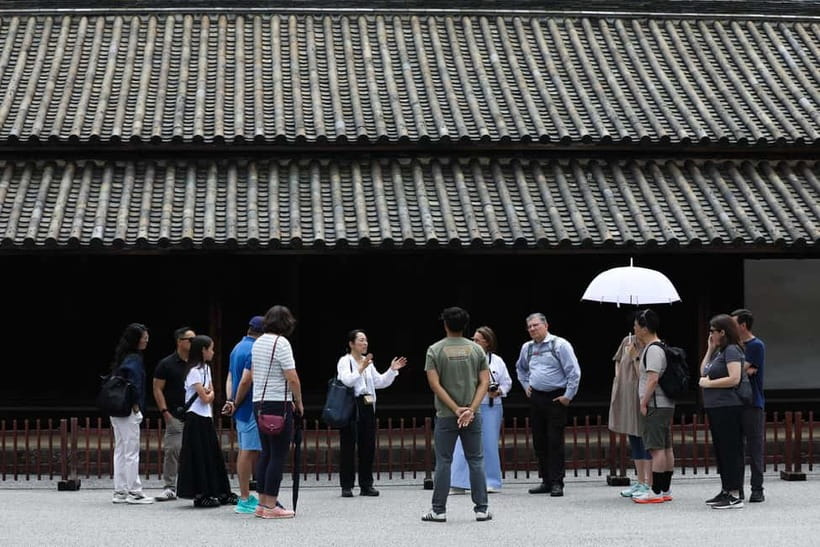
Reviewed · WALKING TOURS
Tokyo: Imperial Palace East Gardens Walking Tour
Tokyo’s Imperial Palace East Gardens are interesting because they sit right in the middle of a megacity, yet they feel like a quiet time machine. You’re walking former Edo Castle grounds, where the Tokugawa shoguns once ruled from this exact area.
I especially love how the tour mixes garden design with readable history, so the ponds, bridges, and pruned bonsai are not just scenery. I also like the Honmaru area focus, where you can spot the defensive logic behind what’s left of Edo Castle.
One drawback to plan around: this tour does not go inside the Imperial Palace itself. You are seeing the East Gardens and the former castle remnants, not stepping into the palace grounds.
Key points at a glance
- Seasonal beauty built into the route: cherry blossoms in spring, fall foliage in autumn.
- Honmaru remnants you can actually interpret: foundations, gates, and defensive structures.
- Ninomaru Garden’s classic layout: stone lanterns, carefully arranged trees and shrubs.
- Old Tokyo meets New Tokyo: shogun stories tied to what you see around you.
- Stones and artifacts that add texture: stone walls, guard houses, and watch towers.
- Good pacing for a 150-minute walk: time for stops, questions, and photos.
Imperial Palace East Gardens: why this walk is more than pretty parks
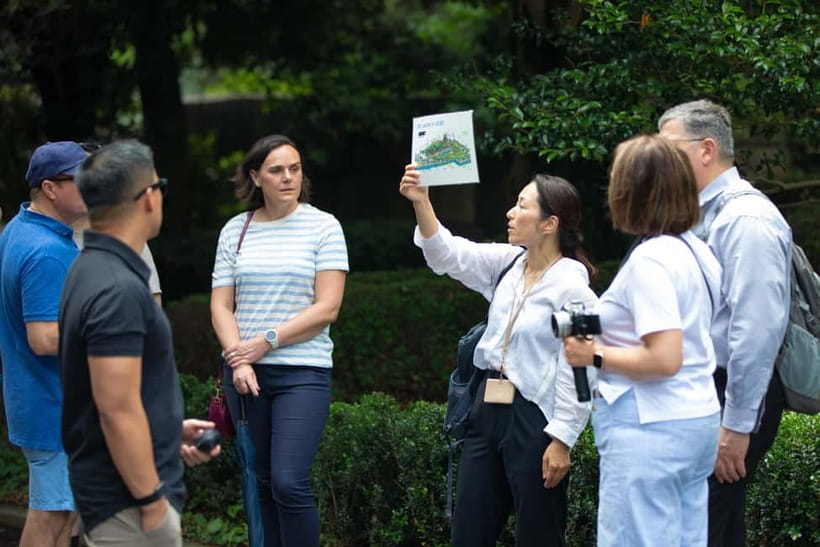
If your Tokyo days feel like non-stop trains, crossings, and lines, this tour is a reset button. You get a long, guided stroll through one of the city’s most historically significant green spaces, the former Edo Castle grounds that became the East Gardens.
The best part is how the guide turns a peaceful walk into a story you can follow. You’re not just passively admiring ponds and bridges. You learn how the Tokugawa shoguns used this space, and why the layout matters. That makes the garden feel purposeful, not random.
More Walking Tours in Tokyo
- Tokyo Tsukiji Fish Market Food and Culture Walking Tour
★ 5.0 · 3,184 reviews - Tokyo: Imperial Palace and Shogun Historical Walking Tour
★ 5.0 · 2,251 reviews - Tokyo: Shinjuku Local Bar and Izakaya Guided Walking Tour
★ 4.9 · 1,794 reviews
Where you start at Starbucks, and how the tour is set up

Your meeting point is Starbucks Coffee at Kokyo Gaien Wadakura Fountain Park, near the Imperial Palace area. It is an easy landmark for first-timers. You can check the surrounding streets and orient yourself before the walking starts, which helps a lot once you’re in a large park-like complex.
The tour runs about 150 minutes, with an English live guide. The format is simple: you walk through the East Gardens with stops for interpretation. There’s no attempt to rush you through. This is not a sprinting, headlong sightseeing style tour.
Also, do not plan on palace entry. The activity focuses on the East Gardens and the former castle grounds. So if you were hoping to go inside the main Imperial Palace buildings, this is not that.
The East Gardens walk: ponds, bridges, bonsai, and stone history
Once you’re moving, the tour balances calm nature with built details. You’ll pass through meticulously maintained areas, and you’ll also see features that explain the site’s former role as a stronghold.
Expect to notice a lot of the traditional garden elements:
- Lush greenery and manicured pathways that make it easy to slow down
- Tranquil ponds and graceful bridges that set the mood fast
- Meticulously pruned bonsai trees, where the care is part of the design
- Traditional landscaping that feels planned rather than accidental
Then the guide brings in the “why.” You do not just hear that the Edo Castle era mattered. You learn what to look for when it comes to defenses and boundaries. That’s where the stone walls, guard houses, and watch towers show up as more than decoration. They give you clues about how people moved, watched, and protected the area.
Honmaru area remnants: reading Edo Castle from what’s left
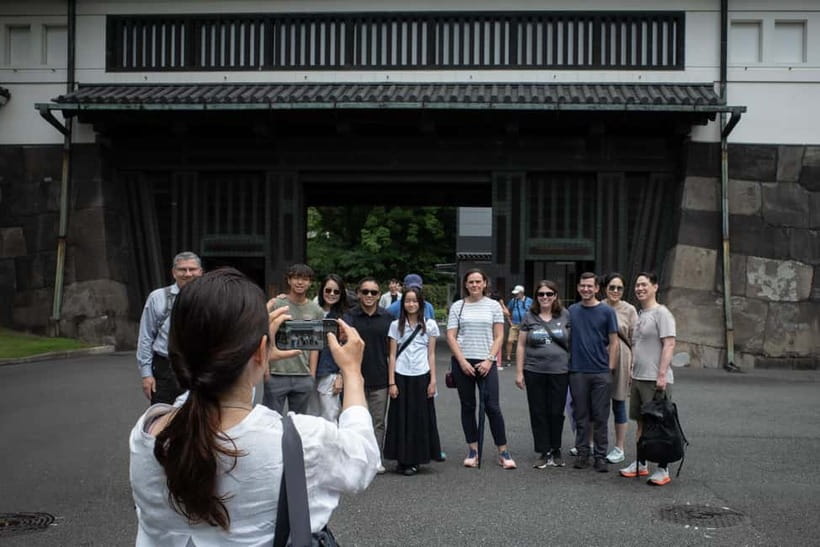
The most satisfying history moment is the Honmaru area. This is the heart of Edo Castle, and what you can see today are remnants that help you understand the original layout.
Instead of grand buildings, you’re working with foundations, gates, and defensive structures. That can sound underwhelming before you’re there, but it actually helps your brain. You get to compare the idea of a castle to the physical evidence on the ground.
What makes this stop especially useful:
- You learn the castle’s layout and how the defenses worked, not just dates and names
- You get practice spotting structure logic, even when buildings are gone
- You understand why walls, gates, and sight lines mattered
It also connects your Japan timeline. The tour frames the shogun era as a lived system, not as vague “samurai history.” If you like historical details that stick, this is where they tend to land.
A change of pace from Tokyo:
- Mt Fuji and Hakone 1-Day Bus Tour Return by Bullet Train
★ 5.0 · 26,383 reviews - 1-Day Tokyo Bus Tour
★ 5.0 · 14,250 reviews - Tokyo: TOKYO SKYTREE® Admission ticket
★ 4.5 · 11,192 reviews - Tokyo: teamLab Planets TOKYO Digital Art Museum Entry Ticket
★ 4.6 · 9,779 reviews
Ninomaru Garden: traditional design that feels made for quiet thinking
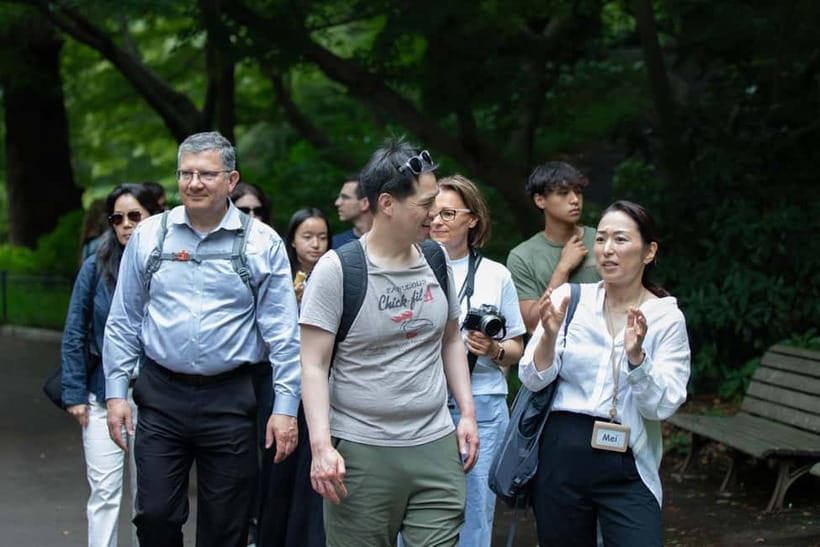
After the more strategic Honmaru area, the Ninomaru Garden shifts the tone. This is the part many people find relaxing because it is built around traditional Japanese design and careful arrangement.
You’ll see the typical “look closely” elements:
- Meticulously arranged trees and shrubs
- Stone lanterns placed to guide your eye
- A peaceful atmosphere that makes it easier to slow your pace
The key value here is contrast. You move from the mindset of defense and control to a space that is meant for contemplation. Even if you are not the type to sit still in museums, the garden tends to do the job for you.
If your guide hands out visual aids like maps or photos at certain points, this is the kind of stop where it can help. A good reference makes the layout click faster, especially when you’re looking at ruins or garden sight lines.
Old Tokyo, New Tokyo, and shogun stories you can connect to today
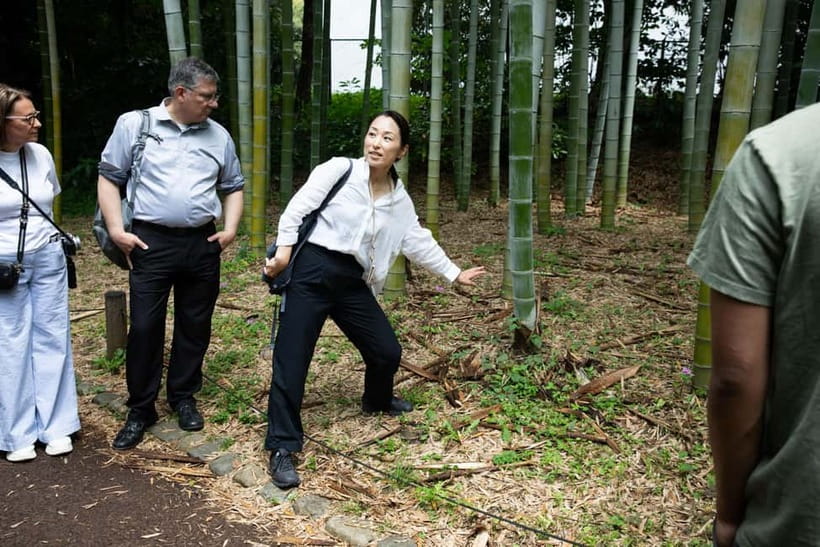
One of the tour’s strengths is that it connects the past to the present without turning it into a lecture. You hear stories about the shogun and you also catch references to Japan’s later royal world and modern identity, depending on your guide’s style.
Guides such as Kei, Mei, Laura, Wakana, and Miko have been praised for mixing clear explanation with humor and real Q and A. That matters because Tokyo can make you feel like you’re constantly missing something. A guide who can answer your questions keeps you from wandering off with half-understood facts.
You’re also walking in a part of Tokyo where the modern city is never far away. That edge matters. You can feel how Tokyo became Tokyo, not in a textbook way, but by standing on the ground where power shifted.
When to go: cherry blossoms in spring, fall foliage in autumn
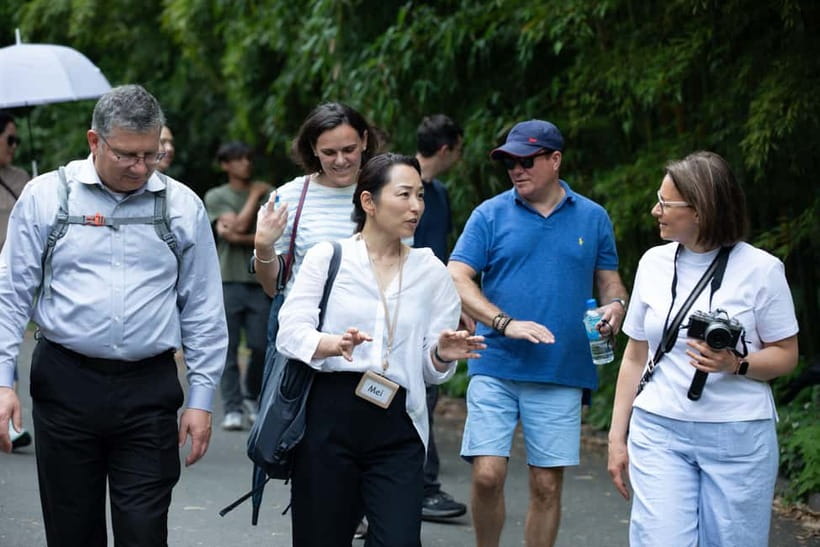
If you’re flexible, timing is a big deal here. The route is especially memorable when the gardens hit their seasonal peak.
- In spring, cherry blossoms can turn parts of the walk into picture territory.
- In fall, colorful foliage gives you that warm, late-season feel while you’re hearing historical context at the same time.
The practical takeaway: bring a camera-ready mindset and also comfortable walking shoes. The scenery is best when you slow down. For a 150-minute walk, you want your legs ready for pauses, not just motion.
Price and value: why $19 can feel like a bargain
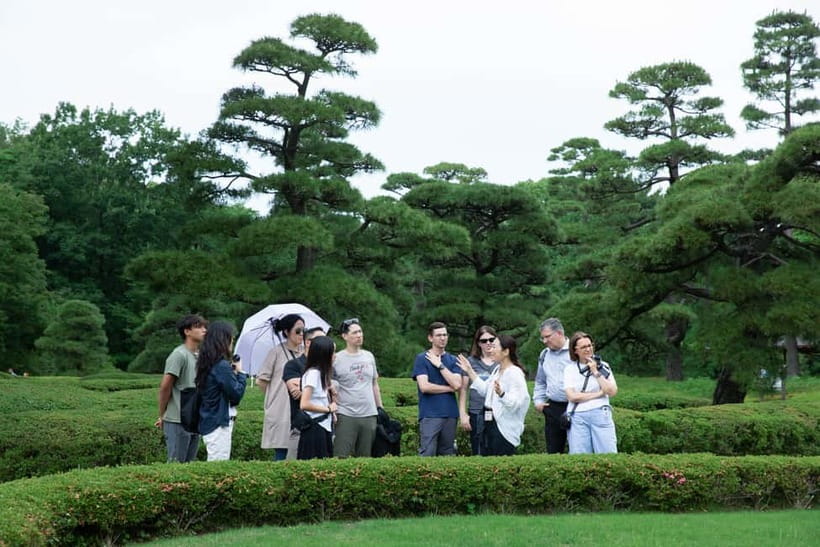
At $19 per person for a 150-minute guided walking tour, the value is strong. You’re paying for more than access to a park. You’re paying for interpretation of a historically significant site that would be hard to fully understand on your own.
This is especially true because the tour does not require paying for Imperial Palace entry. Your cost stays focused on the guide-led experience inside the East Gardens area.
So the “value equation” looks like this:
- One guide, English, for about two and a half hours
- A focused route tied to historical features you would otherwise overlook
- Seasonal garden viewing plus context that helps the time make sense
If you’re trying to keep costs down while still getting a meaningful Tokyo experience, this is one of the easier yeses.
Who should book this tour, and who should skip it
This tour is a great match if you:
- Want history that you can see on the ground, not just read in a guidebook
- Like gardens, but want the design explained
- Prefer a slower, guided pace with time for questions and photos
- Are visiting for a short window and want maximum meaning without complicated logistics
You may want a different option if you:
- Specifically want to enter the Imperial Palace buildings
- Prefer purely scenic, unstructured walking with no historical stops
In other words, think of this as a “garden with a brain,” not just a stroll.
Should you book it?
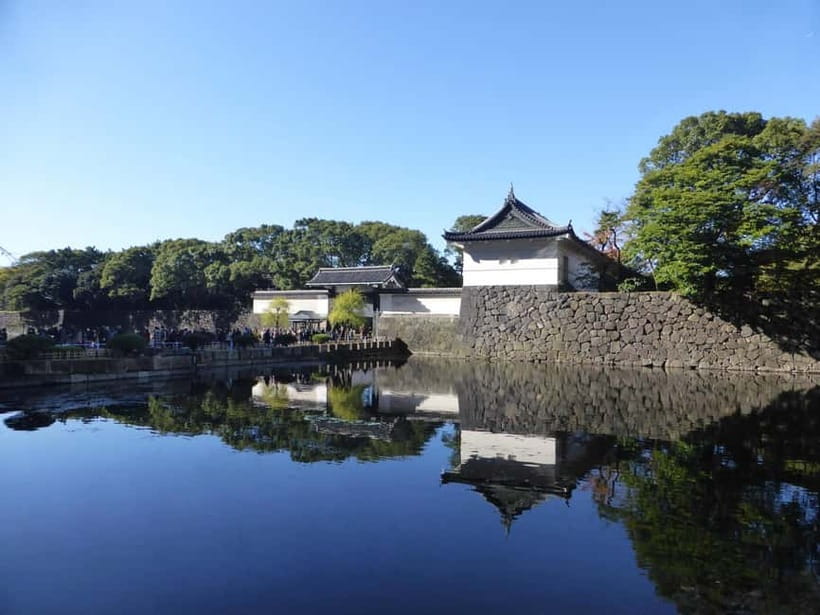
Yes, I think this is worth booking. The East Gardens can feel like a pretty place you walk through, but with a strong English guide it turns into a clearer picture of Edo Castle space and purpose. The seasonal cherry blossoms and fall colors add real payoff, and the $19 price makes it hard to justify skipping if history and gardens are your thing.
Just go in with the right expectation: you are touring the East Gardens and remnants, not the interior of the Imperial Palace.
FAQ
Does the tour include entry into the Imperial Palace?
No. The tour does not go inside the Imperial Palace, and entry to the Imperial Palace is not included.
How long is the Imperial Palace East Gardens walking tour?
The tour lasts about 150 minutes.
Where do we meet the guide?
Meet at Starbucks Coffee – Kokyo Gaien Wadakura Fountain Park, near these coordinates: 35.68299330000001, 139.7611971.
Is the guide English-speaking?
Yes. The live tour guide speaks English.
What’s included in the ticket price?
It includes the walking tour and the guide.
Is the tour wheelchair accessible?
Yes, the tour is wheelchair accessible.
What seasonal sights can I expect?
You can enjoy cherry blossoms in spring and colorful foliage in fall.
What are the cancellation and payment options?
You can cancel up to 24 hours in advance for a full refund, and you can reserve now and pay later.
Latest write-ups near Tokyo
- Tokyo Customized Private Tour: See Top Attractions in 1 Day★ 4.8 · 67 reviews
- From Tokyo: Top 5 Scenic Spots of Mount Fuji Full-Day Tour★ 4.5 · 67 reviews
- Tokyo: Shinjuku Izakaya and Golden Gai Bar Hopping Tour (2h)★ 4.9 · 67 reviews
- Traditional Japanese Music ZAKURO SHOW in Tokyo★ 5.0 · 67 reviews
- Tsukiji: Unlimited Sake Tasting Experience★ 4.9 · 67 reviews
- Tokyo: Not a show- a professional sumo practice with experts★ 4.9 · 67 reviews
- Samurai Ninja Museum Asakusa: Kid-Friendly Ninja Training★ 4.7 · 67 reviews
- Private Harajuku Omotesando Architecture Walking Tour★ 5.0 · 67 reviews
Walking Tours, compared.
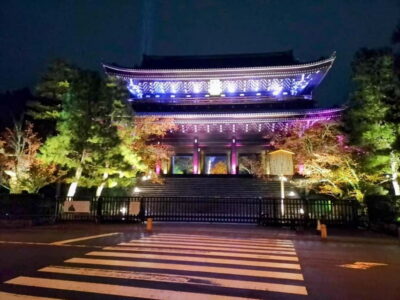
Kyoto Geisha Walking Tour: Gion District & Hidden Gems
Read our review →
Tokyo Tsukiji Fish Market Food and Culture Walking Tour
Read our review →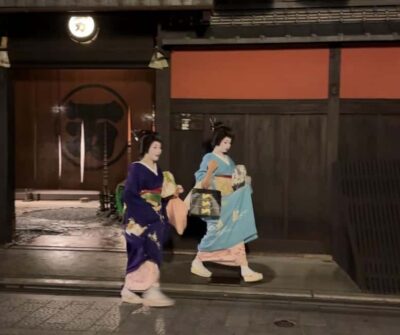
Gion Magical Night Walking Tour with Geisha Trivia
Read our review →
Imperial Palace and Shogun Historical Walking Tour
Read our review →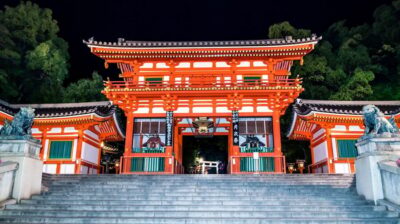
Gion Geisha District Walking Tour – Stories of Geisha
Read our review →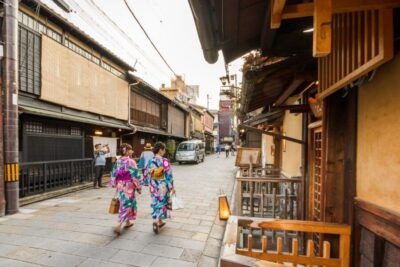
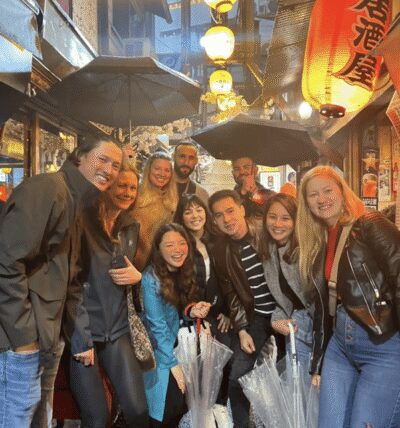
Shinjuku Local Bar and Izakaya Guided Walking Tour
Read our review →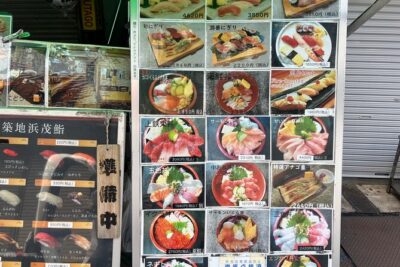
Browse the lists this tour appears in