
Reviewed · HISTORICAL TOURS
Tokyo: Imperial Palace, the history of Japan (ENGLISH GUIDE)
Tokyo’s Imperial Palace East Gardens are interesting because you’re walking where power used to be, not just looking at things from behind a fence. I like how the guide turns ordinary paths into a story of Edo Castle to modern Japan, with stop by stop context. I also love the practical bits, like pointing out the best places to photograph the grounds. One thing to consider: you won’t get inside the inner palace, so you’re there for history and views, not interiors.
When the guide is someone like Nicolas, a Franco-Japanese guide who can connect plants, mythology, and everyday Japan, the walk feels personal and easy to ask questions on. This tour is also built for clarity, you follow the route as a group and learn how the palace grounds work. The main drawback is language uncertainty, since the tour info here lists French, so if you need English, confirm before you book.
Key things I’d watch for
- Edo Castle history on foot: You trace how the former base of Edo Castle connects to Japan today.
- Oriental garden walking: Expect calm paths and garden details that make sense once the guide explains them.
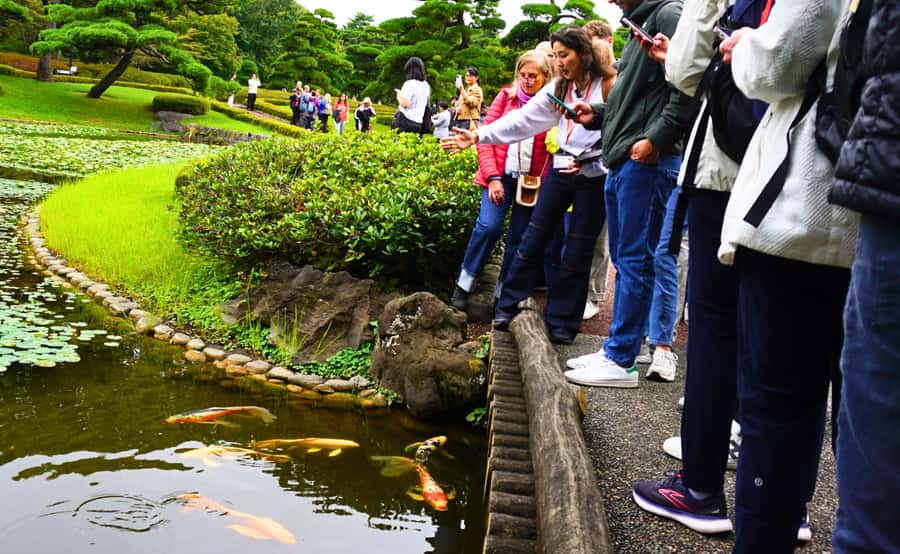
- A specific koi highlight: You’ll see a koi type that can only be found here.
- Strong photo stop guidance: The guide points out the angles that make the Imperial Palace grounds look postcard-ready.
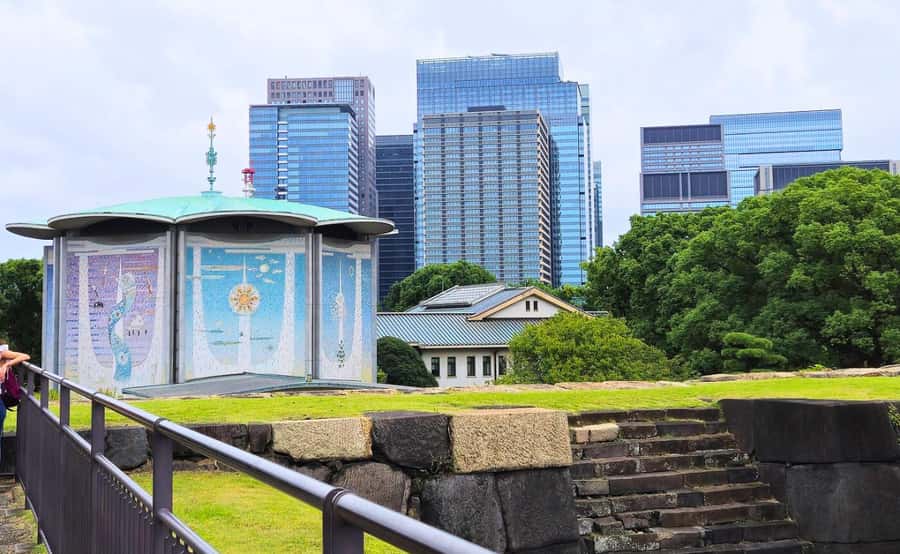
- Miniature former palace structure: When the main castle no longer exists, you still get a scale model view.
Where to Meet: Starbucks by Wadakuramon Fountain Park
You’ll start in central Tokyo, and that’s a big part of the value. The meeting point is at Wadakuramon Fountain Park, near Tokyo Station or Otemachi Station. From either station, it’s about a 5 to 10 minute walk, which keeps the “getting there” part pretty painless.
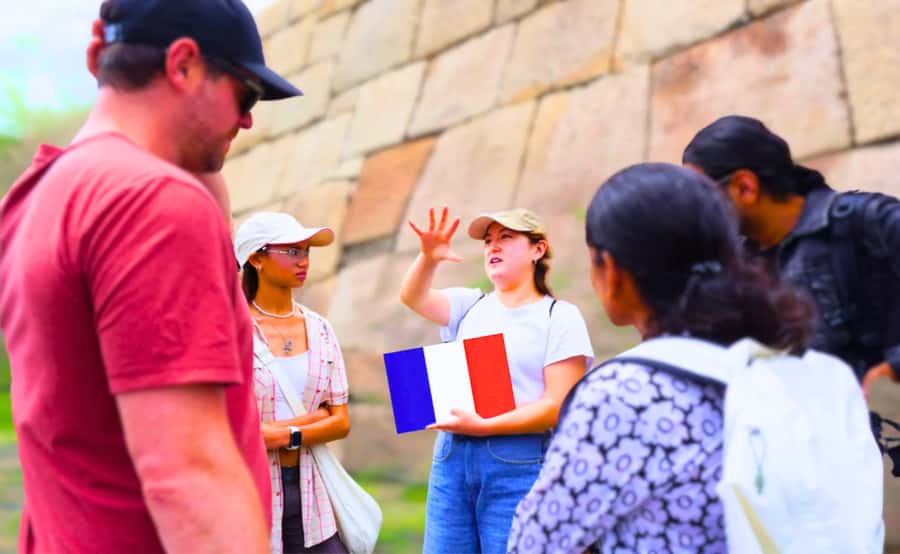
Meet your guide at Starbucks in the park. Your guide will hold a sign with the logo SUNRISE ADVENTURE, so it’s not a guessing game. If you’re trying to avoid stress, I’d arrive a bit early, grab a coffee if you like, and then double-check your group before you step into the palace grounds.
Two practical notes. First, this is a walk, so dress for the weather. The tour goes in good weather or bad. Second, don’t be late. If you arrive more than 10 minutes after the meeting time, they’ll start without you.
More Historical Tours in Tokyo
- Tokyo: Imperial Palace and Shogun Historical Walking Tour
★ 5.0 · 2,251 reviews - Tokyo: Imperial Palace Japanese History Walking Tour
★ 4.9 · 987 reviews - Tokyo: Shinjuku Historical Walking Tour & Secret Backstreets
★ 5.0 · 530 reviews
Otemon Gate to the East Gardens: Reading the Grounds Like a Story
Once you’re together, you head to the palace’s large main gate, called otemon. That moment matters. The guide uses the gate and the space beyond it to set the rules of the place, where the former Edo Palace layout shaped movement and power.
From there, you follow your guide on a walking route that focuses on the eastern gardens and the palace grounds. This is not a “random stroll with facts.” It’s more like the guide teaches you how to look. You’ll learn what you’re seeing and why it was built where it was, and the calm garden atmosphere becomes part of the explanation.
As you move along, you’re shown different layers of the site, from palace ruins to garden features. You’ll also get a clear sense of how Japan evolved into the modern country you’re visiting now. If you like history that connects big events to real geography, this portion is where the tour clicks.
The Main Castle Is Gone, and That Is the Point
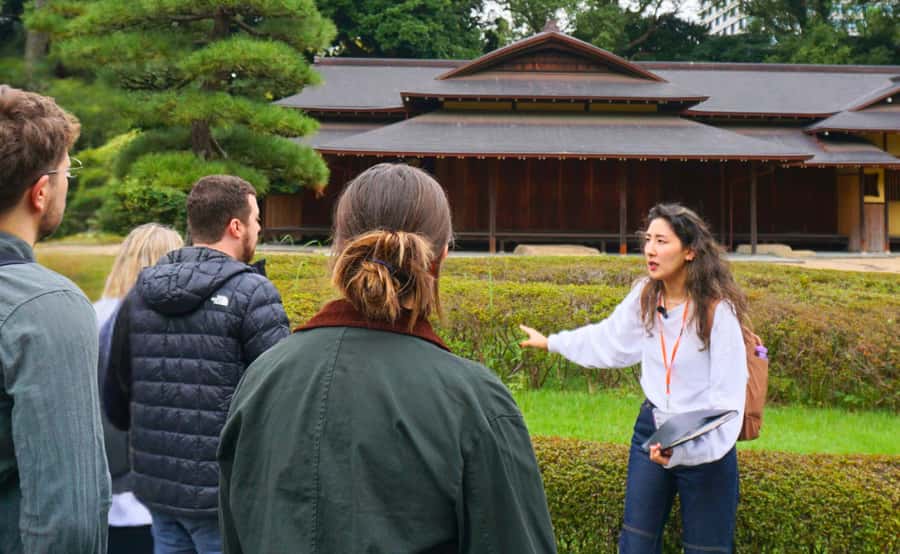
One of the most interesting parts is what you are not seeing. The main castle no longer exists, and the guide will explain why during the tour. That’s a key part of understanding the Imperial Palace area. In other words, the absence is not a problem, it’s part of the story.
You also get a way to picture what used to be there: you can see a miniature structure of the former palace. For me, that is the smart compromise. You don’t get the full building, but you do get scale and orientation. It helps you place what you’re walking past instead of treating everything like a set of disconnected garden sights.
So yes, you’ll miss the grand interior experience that some visitors expect. But you’ll gain a better understanding of how history is preserved here, and why the site looks the way it does today.
Former Soldiers’ Barracks, Edo Castle Roots, and Koi That Only Live Here
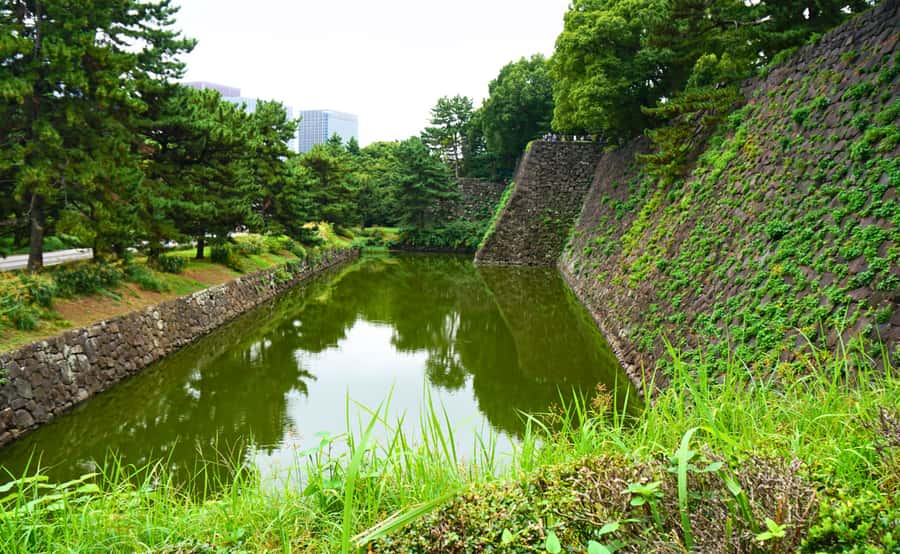
As the walk continues, the tour shifts from scenic gardens to more “how did this machine of power work?” context. You’ll explore the history connected to former soldiers’ barracks, which helps explain why the palace grounds were not just decorative. They were functional.
Then comes a standout moment: learning about the former base of Edo Castle, more than 350 years ago. That historical reference is more than a date on a wall. It links the political center of Japan’s Edo period to the place you’re standing in now. You start to understand why the layout and the surrounding grounds mattered so much.
And then there’s the part that surprises people in the best way. You meet a special breed of koi that can only be found here. A koi fish may not sound like a chapter in national history, but that’s what makes it fun. The guide uses it as a living example of how the site has unique features, not just generic “pretty ponds.”
If you’re the type who likes your history human-scale, this blend works. You get big context, then you get something you can point to and say, I saw that, right there.
A change of pace from Tokyo:
- Mt Fuji and Hakone 1-Day Bus Tour Return by Bullet Train
★ 5.0 · 26,383 reviews - 1-Day Tokyo Bus Tour
★ 5.0 · 14,250 reviews - Tokyo: TOKYO SKYTREE® Admission ticket
★ 4.5 · 11,192 reviews - Tokyo: teamLab Planets TOKYO Digital Art Museum Entry Ticket
★ 4.6 · 9,779 reviews
Trees From Different Prefectures: A Quiet Way to Talk About Japan
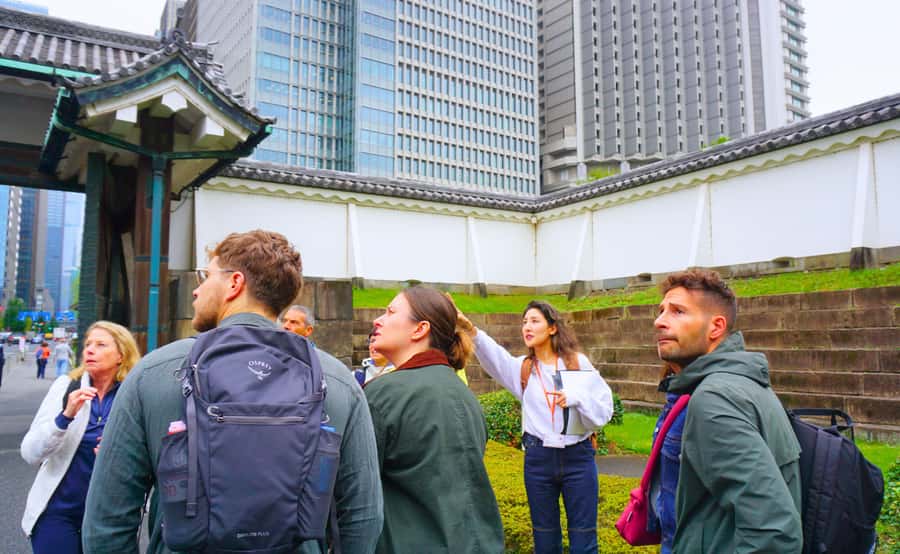
Another part I appreciated is how the tour uses the gardens to talk about Japan beyond Tokyo. You can marvel at trees from different prefectures of Japan. It’s a subtle detail, but it changes how you think about the palace grounds.
Instead of treating the Imperial Palace as only a Tokyo story, the guide ties it to a broader sense of place across the country. That’s one of the reasons the garden walk feels more meaningful than a typical “park tour.” You notice the mix, and then the explanation helps you understand why that mix exists.
Also, it keeps the pace varied. If you’re someone who gets tired by constant talking, the garden sections give your eyes a break. You’re still learning, but the learning is spread out.
Photo Spots in the Oriental Gardens: Where to Point Your Camera
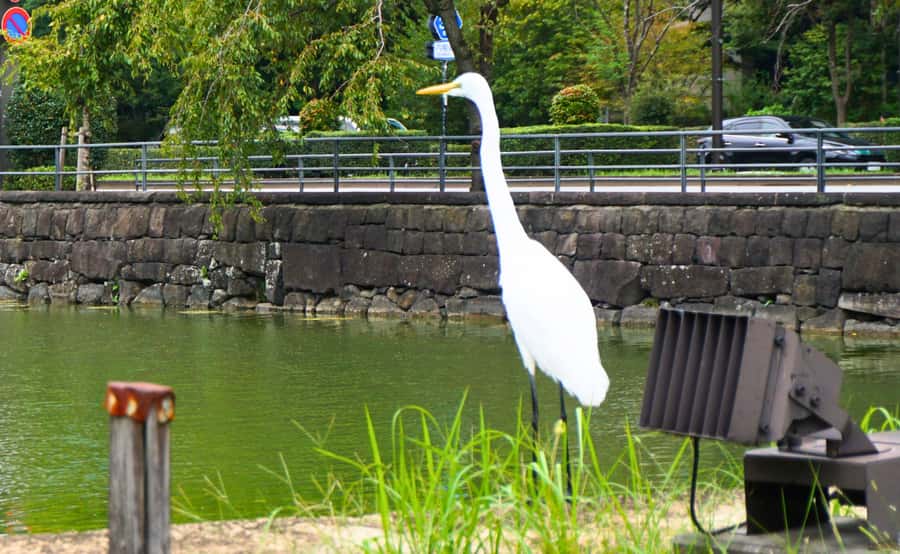
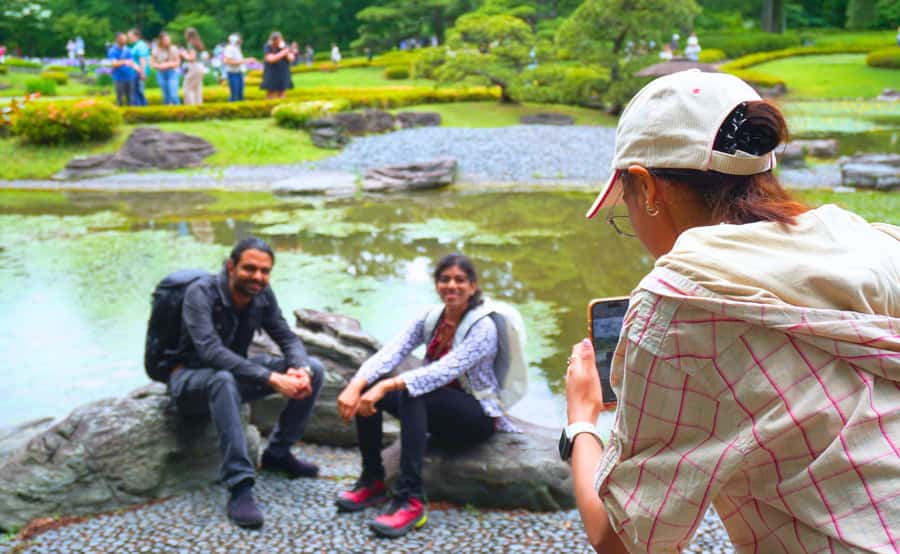
This tour is built for photos without turning it into a photo shoot. You’re guided to some of the best spots for taking great photos, and that saves time. In a place like the Imperial Palace grounds, it’s easy to walk past good angles if you don’t know what to look for.
You’ll get chances to photograph the garden layout, the calm spaces, and views that show you the scale and symmetry of the grounds. The guide also helps you time where to stand so you’re not stuck shooting against the wrong background.
My practical advice: wear shoes you can walk in for a while, and keep your camera ready when you get near the garden transitions. The most photogenic moments often happen around the places where the guide is explaining the meaning of what you’re seeing.
Price and Value: Is $40 Fair for a Palace History Walk?
At $40 per person, this is not a cheap add-on, but it also isn’t trying to be an all-day private extravagance. For this price, you’re paying for an English-focused experience in spirit, but with French listed as the guide language. Either way, you’re getting a structured historical walking tour plus a guide who knows how to connect details.
What you get that you can’t easily replicate alone is the way the tour explains the site. The main castle absence, the miniature structure, the barracks history, the Edo Castle base context, and the special koi are all things you’ll miss if you just wander. In Japan, wandering is great, but it can also leave you with a long list of “pretty things” instead of a story you understand.
So the value question depends on what you want:
- If you want guided context in a calm setting, $40 can feel fair.
- If you only want quick selfies and you don’t care about history, you might feel you could do it cheaper on your own.
Language Check: French Guide, So Confirm Your Comfort

Here’s the honest practical point. The tour info lists French as the guide language. One review mentions a Franco-Japanese guide named Nicolas, and the conversation included mythology and Japan in general, so the guide style is interactive.
If you speak French, you’ll likely enjoy it a lot. If you need English, I’d confirm directly before booking. You don’t want to arrive expecting one language and get stuck with another.
The good news is that even if your language skills are limited, visual sites like palace grounds still help you follow along, because the guide points out physical features as they explain them. But I can’t promise how much history you’ll absorb without shared language.
Rules and Timing: Simple Things That Keep the Tour Smooth
The tour has a clear set of “please don’t” rules, and they’re normal for public heritage areas. Smoking is not allowed. Drones are not allowed. Alcohol and drugs are not allowed. No littering. No skateboards.
This matters because it keeps the space quiet and the experience respectful. You’re visiting a place tied to national identity, so the calm tone is part of the point.
Timing matters too. Be there on time. If you miss the meeting window by more than 10 minutes, the group starts without you. That rule keeps the guide’s schedule intact, and it protects the experience for everyone who arrived ready.
Who This Imperial Palace Tour Fits Best
This tour suits you if you want:
- A history-forward walk that connects Edo Castle roots to modern Japan
- Garden time without losing the plot
- Photo guidance so you don’t waste your best light guessing angles
- A guide who can answer questions and keep the pace friendly in a small group setting
It also helps if you like variety. You’re not stuck with one topic. You’ll move between palace grounds, garden features, barracks context, Edo-era references, and the koi highlight.
Should You Book This Imperial Palace History Walk?
I’d book it if you like guided context more than you like sightseeing checklists. The combination of Edo Castle history, the explanation behind the missing main castle, the miniature structure, and the koi detail makes it feel more “about the place” than just “around the place.”
I would think twice if:
- You specifically want access to the inner palace, because this tour does not include it.
- You need English narration and you cannot confirm the language in advance.
- You prefer your history self-guided with no group walk.
If you’re in Tokyo with a morning open and you want a calmer, smarter way to understand the Imperial Palace grounds, this one is worth considering.
Latest write-ups near Tokyo
- Tokyo Customized Private Tour: See Top Attractions in 1 Day★ 4.8 · 67 reviews
- From Tokyo: Top 5 Scenic Spots of Mount Fuji Full-Day Tour★ 4.5 · 67 reviews
- Tokyo: Shinjuku Izakaya and Golden Gai Bar Hopping Tour (2h)★ 4.9 · 67 reviews
- Traditional Japanese Music ZAKURO SHOW in Tokyo★ 5.0 · 67 reviews
- Tsukiji: Unlimited Sake Tasting Experience★ 4.9 · 67 reviews
- Tokyo: Not a show- a professional sumo practice with experts★ 4.9 · 67 reviews
- Samurai Ninja Museum Asakusa: Kid-Friendly Ninja Training★ 4.7 · 67 reviews
- Private Harajuku Omotesando Architecture Walking Tour★ 5.0 · 67 reviews
Historical Tours, compared.
World Heritage Shirakawa-go and Experience Tours from Kanazawa
Read our review →
Imperial Palace and Shogun Historical Walking Tour
Read our review →
World Heritage Kyoto & Nara Uji Authentic Matcha Experience
Read our review →
Kyoto Gion: 2-Hour Geisha Culture & History Walking Tour
Read our review →
World Heritage Shirakawa-go Morning Guided Tour
Read our review →
Hiroshima Peace (Heiwa) Walking Tour at World Heritage Sites
Read our review →
Shinjuku Historical Walking Tour & Secret Backstreets
Read our review →Browse the lists this tour appears in