
Reviewed · TEMPLE & SHRINE TOURS
Tokyo: Meiji Shrine Walking Tour – Shintoism & Imperial System
Meiji Shrine has a way of slowing Tokyo down fast. This small-group walk mixes Shinto rituals with the meaning behind Japan’s imperial system, all in about 90 minutes of peaceful forest paths. I love that you get a guided, step-by-step route instead of wandering and guessing. I also like that the experience stays practical, you learn what to do at the shrine, not just what to look at.
One thing to consider: you are walking outdoors under trees for most of the tour, so plan for heat or rain. If you want a lot of free time to roam on your own, this structured format may feel a bit tight. Still, guides such as Yuuki A, Nana, and Nonoka have a knack for keeping the pace easy and the explanations clear, even for first-timers.
Key highlights to expect
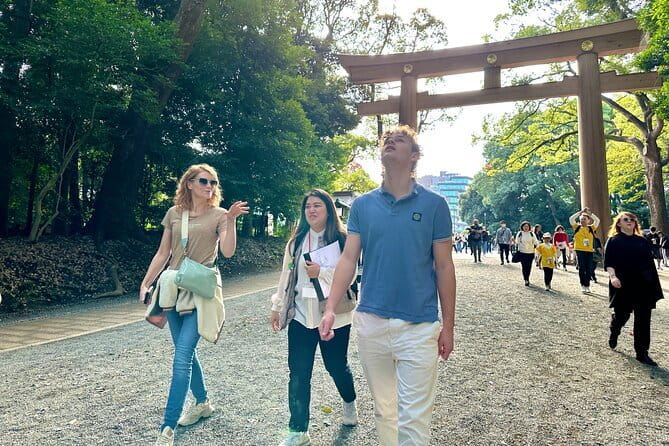
- Forest-to-shrine walking route that actually teaches you how to move through the grounds
- Giant wooden torii made from ancient cypress brought from Taiwan
- Hands-on Shinto moments like prayer, purification, omikuji, ema, and omamori
- Garden admission included so you do not have to sort out ticket details
- Small group feel with room to ask questions without getting rushed
- Mori no Terrace stop for a calm end to your visit, plus gift shop browsing
Meiji Shrine, Torii Gates, and Shinto Basics on a 90-Minute Walk
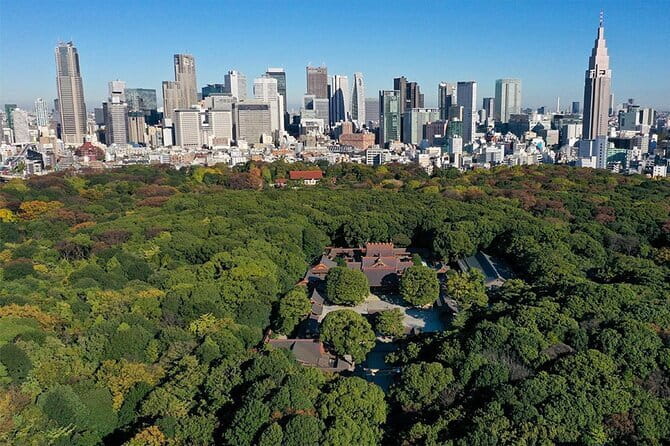
This is the kind of Tokyo experience that changes your mental tempo. You start near Harajuku, then walk into a forest that feels cooler and quieter right away. The shrine grounds are famous, but the real win here is learning how the place works as a living religious space.
The tour keeps it focused. You are not stuck in a long museum-style briefing, and you are not left to decode things on your own. Along the route, you get context for the rituals you see, including the meaning behind the purification step and how prayers and offerings fit into Shinto practice.
By the time you reach the main shrine, you are ready to participate. You can offer a prayer, draw an omikuji (a fortune), write a wish on an ema, and explore omamori charms. That matters because these are not just souvenirs. They are part of what gives the shrine its personal feel.
More Temple & Shrine Tours in Tokyo
- Tokyo: Meiji Shrine, Asakusa, Skytree Bus Tour and Cruise
★ 4.7 · 1,986 reviews - Tokyo: Asakusa Walking Tour with Sensoji Temple Visit
★ 4.8 · 1,583 reviews - Nikko: Kegon Falls, Lake Chuzenji & Toshogu Temple
★ 4.6 · 1,577 reviews
Where the Tour Starts: Harajuku Station and the Immediate Change of Pace
The meeting point is by Harajuku Station, at 1 Chome-18 Jingumae in Shibuya. It is convenient because Harajuku is easy to reach, and you can pair this with other neighborhoods afterward.
Timing is also smart. You get about 1 hour 30 minutes of guided walking, which is long enough to cover the key sights without eating your whole day. The tour offers two time options, so you can pick the slot that best avoids your worst crowds and heat.
What I like most about starting here is the shift you feel in the first few minutes. One moment you are near Tokyo’s buzz, the next you are walking a wide path under dense trees. Several guides have a friendly, patient style, which makes a difference when you are trying to understand new cultural rules while also moving at a comfortable pace.
Stop by Stop: Harajuku Gate, Giant Torii, and the Purification Moment
Your walk begins at the Meiji Jingu area through the Harajuku gate. From there, you follow a wide path into the grounds, with giant torii gates showing up along the way. These gate moments are more than photo stops. They create a rhythm, and your guide helps you understand what you are passing through and why it feels significant.
One highlight is the long stretch of forest path. It is pleasant and practical because it gives you space to slow down and look around. In summer, the foliage can make things noticeably cooler than you expect in central Tokyo, which is a genuine comfort factor if you plan your day around weather.
Then comes the big torii: a massive wooden torii gate made from ancient cypress brought from Taiwan. The scale is the obvious wow. The guide adds the why, so it lands as a story, not just a landmark. If you love architecture or materials, this part is especially satisfying because you get history tied to what you are seeing.
As you continue, you will also get a chance to follow what happens around purification. The grounds include the purification fountain area, and your guide explains the basic flow so you know what you are doing and why. Even if you have never visited a Shinto shrine before, that guidance helps you avoid awkward guesswork.
At the Main Shrine: Omikuji, Ema, and Omamori Without Guesswork

The main shrine visit is the heart of the tour. This is when participation becomes part of the experience. You can offer a prayer, draw an omikuji, write your wish on an ema, and explore omamori charms.
If you have ever looked at omikuji or ema and thought, I am not sure how this works, you will appreciate having a guide explain the steps. It is easy to miss the practical points when you are reading signs in a second language. Here, you get what you need at the moment you need it.
Omikuji adds a fun, personal element. You leave with a written fortune, and your guide can help you understand what you are holding so it does not feel like a random paper keepsake. Ema works the same way. Writing a wish becomes meaningful because you know what the ritual represents and how people use it.
And omamori are not just pretty charms. They have a role as protective talismans people carry or keep for specific intentions. Your guide walks you through the variety, so you are not just buying the first thing you see. That is the difference between a purchase and a cultural moment.
More Walking Tours in Tokyo
- Tokyo Tsukiji Fish Market Food and Culture Walking Tour
★ 5.0 · 3,184 reviews - Tokyo: Imperial Palace and Shogun Historical Walking Tour
★ 5.0 · 2,251 reviews - Tokyo: Shinjuku Local Bar and Izakaya Guided Walking Tour
★ 4.9 · 1,794 reviews - Tokyo: Tsukiji Fish Market Food and Walking tour
★ 5.0 · 1,724 reviews
The Imperial System Story You Hear While You Walk
The tour is not only about shrine etiquette. It also includes Shintoism and the Japanese Imperial system, explained along the route. You will hear how the shrine connects to Japan’s broader historical narrative, which helps explain why the grounds are presented with such ceremonial care.
This is valuable because Meiji Shrine can feel impressive but a bit overwhelming if you only look at it as scenery. When your guide ties what you see to the imperial-era story, the rituals feel less random. They start to make sense as traditions that have been maintained and honored over time.
I like that the information is delivered while you are moving. It stays tied to real sights: torii gates, offerings, prayer spaces, and the overall layout of the shrine grounds. That approach helps your brain file the details instead of letting them float by.
Mori no Terrace Café Break and Gift Shop Timing

At the end of the visit, the group heads to CAFÉ Mori no Terrace near the shrine grounds. This is a smart closing stop. It gives you a calm place to rest your legs without leaving the sacred zone entirely.
The café offers light meals and drinks in a quiet forest setting. That matters on a short tour because you will likely be standing and walking more than you expect. If you have been outside in warm weather, this is a practical decompression moment.
Right next to it is a gift shop. You can browse charms, traditional goods, and Meiji Jingu exclusive items. The key is that you finish your cultural participation first, then you shop with context. You are not scrambling for souvenirs while you are still trying to figure out what you just did at the shrine.
Group Size, Pace, and Who This Tour Suits Best

This is a small-group tour with a maximum of 15 travelers. That size is ideal for questions. You are also more likely to get a guide who can read the room, slow down when someone needs a hand, and keep the group together without a rushed vibe.
The pace feels designed for first-timers. You get a smooth route, not a sprint. You spend roughly 30 minutes at the shrine areas, with shorter breaks at key photo and ritual moments like the big torii. You also get around 15 minutes at the café and shop, which is enough to rest without dragging the tour longer than it needs to be.
This fits you best if:
- You want a clear introduction to Shinto shrine behavior
- You prefer learning from a local guide rather than translating signs all on your own
- You are visiting Tokyo for the first time and want a high-impact cultural stop close to major transit
It may feel less ideal if you want a long, unstructured wander or if you are hoping for multiple major attractions beyond the shrine grounds.
Price and What $21.22 Actually Buys You
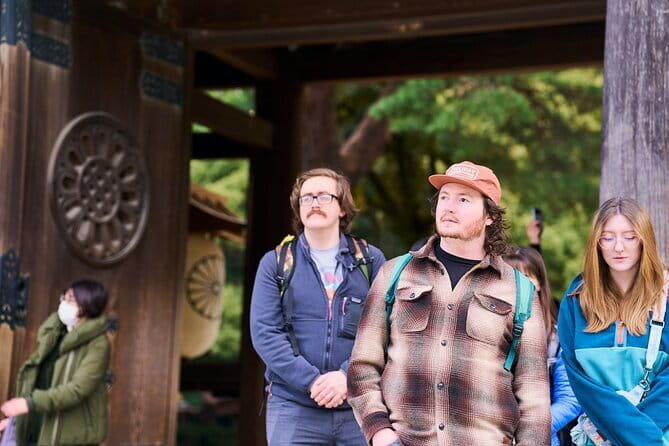
At $21.22 per person, this tour is priced like an affordable cultural primer. The value comes from three things you do not get on your own: guided interpretation, a structured route, and included admission for the Meiji Shrine Garden.
You might notice that some parts of the visit are listed as free for entry, but the garden admission is called out as included. In practical terms, that means less ticket hassle and a smoother experience once you arrive.
The guide component is the real multiplier. For a shrine, it can be hard to know what matters most. The tour keeps the focus on key ritual experiences like purification, omikuji, ema, and omamori. That turns a famous site into a personal, understandable experience, which is exactly where the money goes.
Should You Book This Meiji Shrine Walking Tour?
Book it if you want an easy win in Tokyo: a guided walk through one of the city’s most calming cultural spaces, with the ritual parts explained so you can actually take part. The small group size helps, and the fact that you get the garden admission included saves you time and mental energy.
I would skip it only if your priorities are purely sightseeing photos with no interest in ritual context, or if you dislike any walking outdoors. Otherwise, this is a strong choice for first-timers and for anyone who wants Shinto basics explained in plain, patient language.
If you do book, plan your clothing for comfortable walking and bring a light rain layer if the forecast looks iffy. Then let the guide do the heavy lifting, so you can focus on what Meiji Shrine feels like once you are inside the trees.
FAQ
How long is the Meiji Shrine Walking Tour?
It lasts about 1 hour 30 minutes.
Where is the meeting point?
The tour starts at Harajuku Station, 1 Chome-18 Jingumae, Shibuya, Tokyo.
How large is the group?
The group size is capped at 15 travelers.
Does the tour include admission fees?
Yes, the tour includes admission fees for the Meiji Shrine Garden.
What can I do at the main shrine during the tour?
You can offer a prayer, draw an omikuji, write your wish on an ema, and explore omamori charms.
Are there different tour times to choose from?
Yes, you can choose between two tour times to fit your schedule.
What is the cancellation policy if plans change?
You can cancel for a full refund up to 24 hours before the experience starts. If you cancel within 24 hours of start time, the amount paid is not refunded.
Latest write-ups near Tokyo
- Tokyo Customized Private Tour: See Top Attractions in 1 Day★ 4.8 · 67 reviews
- From Tokyo: Top 5 Scenic Spots of Mount Fuji Full-Day Tour★ 4.5 · 67 reviews
- Tokyo: Shinjuku Izakaya and Golden Gai Bar Hopping Tour (2h)★ 4.9 · 67 reviews
- Traditional Japanese Music ZAKURO SHOW in Tokyo★ 5.0 · 67 reviews
- Tsukiji: Unlimited Sake Tasting Experience★ 4.9 · 67 reviews
- Samurai Ninja Museum Asakusa: Kid-Friendly Ninja Training★ 4.7 · 67 reviews
- Tokyo: Not a show- a professional sumo practice with experts★ 4.9 · 67 reviews
- Private Harajuku Omotesando Architecture Walking Tour★ 5.0 · 67 reviews
Temple & Shrine Tours, compared.
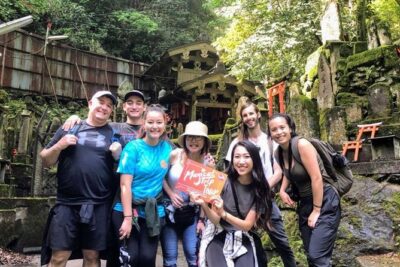
Fushimi Inari, Kinkakuji, Bamboo Grove 1 Day Bus Tour
Read our review →

Meiji Shrine, Asakusa, Skytree Bus Tour and Cruise
Read our review →
Osaka/Kyoto:Kinkakuji,Arashiyama,FushimiInariShrine,NaraPark
Read our review →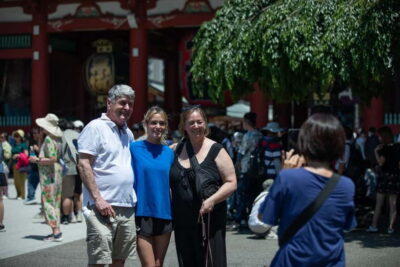
Asakusa Walking Tour with Sensoji Temple Visit
Read our review →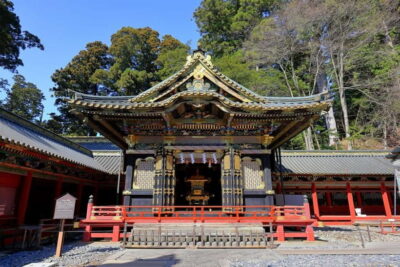
Nikko: Kegon Falls, Lake Chuzenji & Toshogu Temple
Read our review →
Kamakura & Enoshima Day Trip including Temple Tickets
Read our review →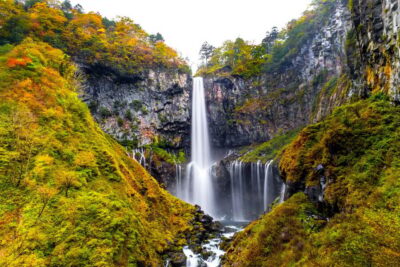
Nikko Toshogu Shrine and Kegon Waterfall Tour
Read our review →Browse the lists this tour appears in