
Reviewed · MARKET TOURS
Tokyo Morning Tour: Meiji Shrine, Asakusa & Fish Market
Tokyo works best early, and this route is built for that. You start with quiet-spiritual Meiji Jingu Shrine, then slide into the food chaos of Tsukiji Outer Market, and finish in Asakusa’s classic temple-town streets. The timing alone makes it feel like you get Tokyo’s two personalities, calm and loud, without wasting your whole day.
What I like most is the way the morning food is handled, especially the chance to taste fresh sushi and sashimi in the market area. I also love that you get an English guide who connects what you see to Japanese customs and daily life, with guides like Yosuke, YoYo, Remu, Lex, and Ken showing up in recent groups.
One thing to keep in mind: you will still need to budget for public transportation to get to and from the meeting point area, since it is not included (around 550 yen is mentioned).
Key points before you go
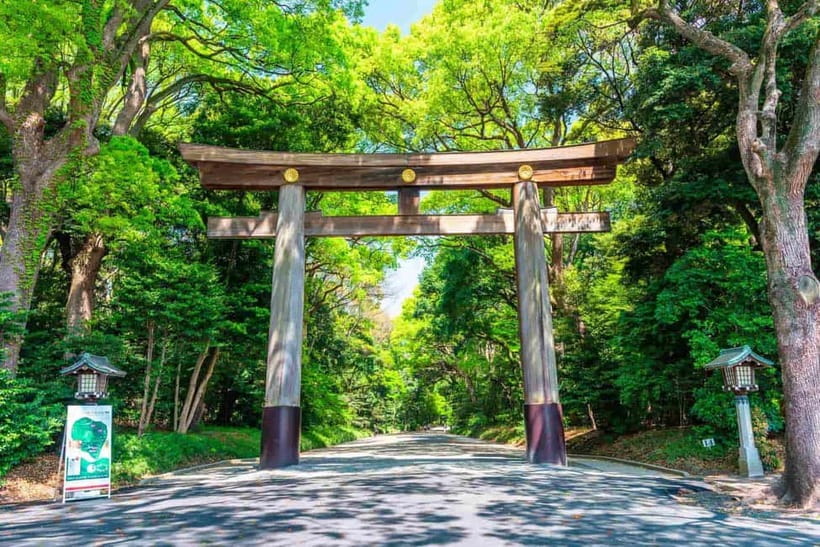
- Meiji Jingu first, for calm and context before the crowds build
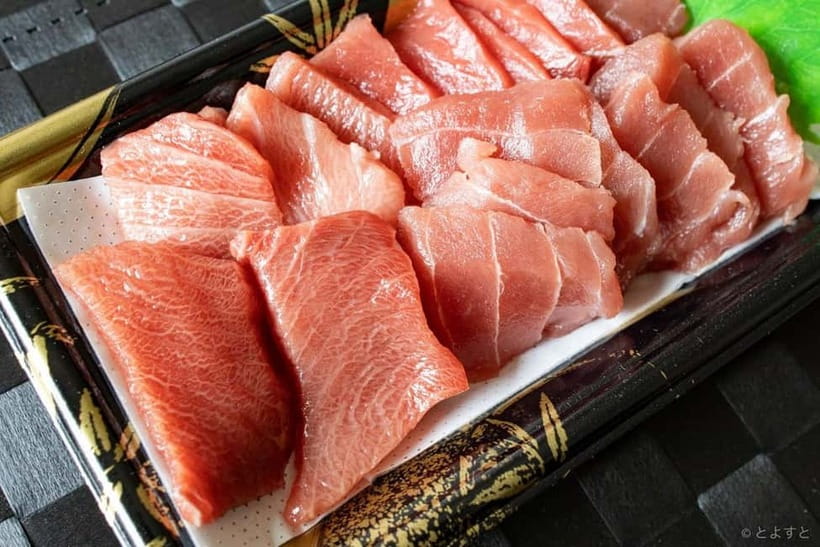
- Tsukiji Outer Market tastings focused on fresh sushi and sashimi
- Asakusa snacks plus temple sights, including Senso-ji
- English-speaking guides with strong explanations (names like Yosuke, YoYo, Lex, Remu, Ken, and Lax show up often)
- Admissions included for Meiji Jingu, Tsukiji, and Senso-ji, so you avoid ticket hunting
- Finishes in Asakusa, which makes it easy to keep wandering after the tour ends
Meeting at IKEA Harajuku, then easing into Tokyo’s morning
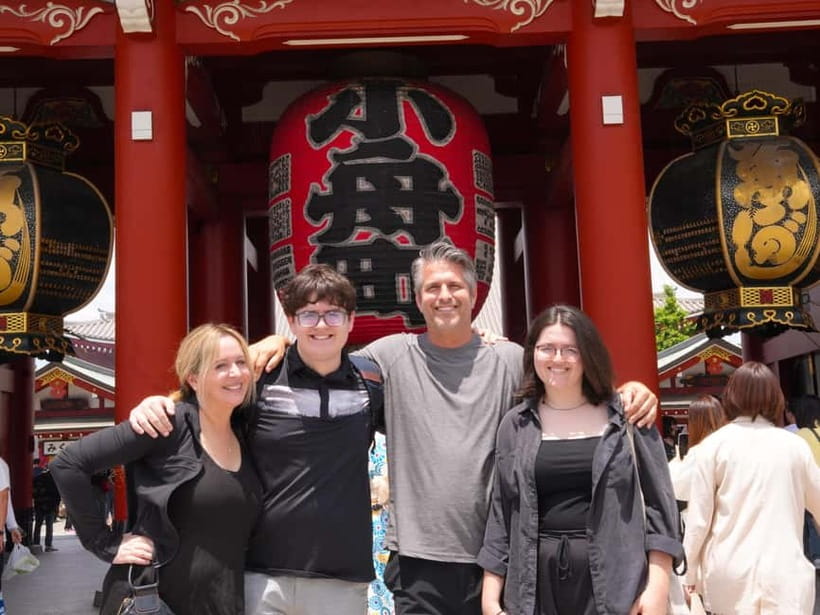
You meet at IKEA HARAJUKU, right in a part of Tokyo that is easy to reach if you are already using Harajuku/Shibuya as your base. It is a practical choice for a morning tour because you avoid the headache of figuring out a smaller backstreet meeting spot.
From there, the day is paced like a proper Tokyo morning. You do a spiritually centered stop first, then head toward food, then finish with classic sightseeing and shopping vibes in Asakusa. That flow matters, because Tokyo can feel like sensory overload, even for people who love cities.
Also, the tour is designed for comfort during walking time. The total duration is 270 minutes, with planned time at each major area, so you are not constantly guessing whether you will have enough time to eat, buy a snack, or slow down for photos.
More Market Tours in Tokyo
- Tokyo Tsukiji Fish Market Food and Culture Walking Tour
★ 5.0 · 3,184 reviews - Tokyo: Tsukiji Fish Market Food and Walking tour
★ 5.0 · 1,724 reviews - Tokyo: Tsukiji Fish Market Guided Walking Tour
★ 4.9 · 1,397 reviews
Meiji Jingu Shrine: calm Shinto mood and what your guide points out
Meiji Jingu Shrine is the “exhale” part of this morning. You get about one hour here, which is just enough time to move at a human pace through the grounds and actually take in the atmosphere, not just speed through for a photo.
What tends to land well is the way the guide explains what you are seeing. Recent guide feedback highlights people learning the customs behind the visit, and several notes touch on the spiritual side, including how Japan’s religious traditions are understood and practiced day to day. Meiji Jingu is Shinto, but your guide is there to connect the dots so it is not just sightseeing you quickly forget.
If you are the type who likes to know the “why” behind rituals, you will likely appreciate the tone here. It is not just facts, it is the feel of the place, and how to behave respectfully without turning your brain into a checklist.
One more practical detail: because this is a morning stop, you are more likely to experience the shrine grounds in a calmer rhythm than you would later in the day. That is not a guarantee, but the early timing is clearly part of the tour design.
Tsukiji Outer Market: sushi and sashimi tasting with a smart eating plan
The heart of the food portion happens at Tsukiji Outer Market, where you spend 110 minutes. This is not a long stop, so the guide’s role becomes important. You are going to want to eat without overthinking, and to know what to order or how to manage a quick sequence of tastings.
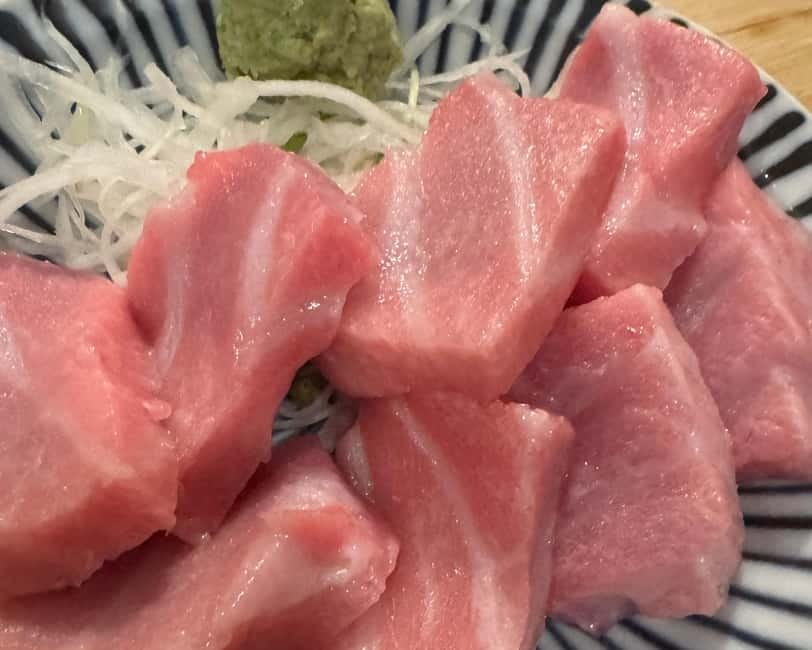
The highlights focus on fresh sushi and sashimi taken straight from market stalls. In practical terms, that means you are not just walking through a market and window shopping. You are actually tasting Tokyo at street level, in the place where the city’s seafood culture is front and center.
What makes this part of the tour feel high value is that you are doing it with context. Guides like Yosuke and Lex are repeatedly praised for connecting food to history, culture, and religion in an understandable way. You are not left standing there with a plate in your hand, wondering what you are supposed to notice.
A small piece of advice for your own comfort: bring your appetite, and expect you will be eating more than once. Since the tour later includes Asakusa sweets and croquettes, you do not want to show up at Tsukiji with a full breakfast already locked in.
Also, Tsukiji can be crowded, and mornings are better. Still, you will be standing, moving, and squeezing between stalls. Wear shoes you can walk in for a while, because this section is where your legs will be busy.
Asakusa after the rush: croquettes, sweets, and Senso-ji temple time
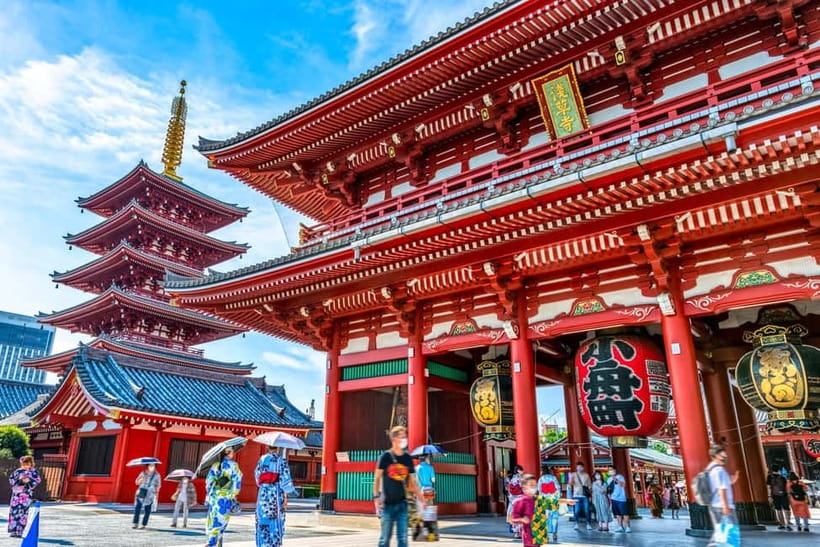
After Tsukiji, the energy shifts again. You head to Asakusa for about one hour, with time to walk, shop, and sightsee, including Senso-ji Temple. This is the part of the tour that feels like classic Tokyo postcard material, but it is handled in a way that still keeps it fun and snack-forward.
The tour is built around tasting croquettes and traditional Japanese sweets while you stroll. That is a smart choice because Asakusa is one of those places where it is easy to get stuck in a long souvenir loop. Food gives you a reason to keep moving, and it anchors your time in the area.
What you can look for is how your guide frames the temple experience. Several accounts of spiritual storytelling and explanations show up in guide feedback, including time spent talking about Shinto and Buddhism, and how rituals and practices make sense in Japan’s culture. It turns a temple visit from a quick checkmark into something more memorable.
One more benefit: the tour finishes in Asakusa. That means you can keep going at your pace after the guided portion ends, whether that is more street food, shopping, or simply wandering toward viewpoints and side streets.
More Shopping Tours in Tokyo
- Tsukiji Fish Market Guided Tour and Sushi Making with Pro Chef
★ 5.0 · 775 reviews - Tokyo: Tsukiji Fish Market Food and Culture Walking Tour
★ 4.7 · 757 reviews - Tsukiji Fish Market: Street Food & Culture Walking Tour
★ 5.0 · 669 reviews - Tsukiji Fish Market Small-Group Food Walking Tour
★ 5.0 · 621 reviews
Price and value: $83 for a guided morning that covers the heavy lifting
At $83 per person, this tour sits in the mid-range. The value is in what you get without having to plan every step yourself.
Here is what is clearly part of the package:
- English-speaking guide
- Photos taken during the tour
- Historical and cultural insights tied to each area
- Entry/admission included for Meiji Jingu Shrine
- Entry/admission included for Tsukiji Fish Market
- Entry/admission included for Senso-ji Temple
On top of that, you are doing three major areas in one morning block: Meiji Jingu, Tsukiji Outer Market, and Asakusa. Tokyo is a city where travel time can quietly eat your day, so bundling stops like this is often worth paying for.
The one add-on you should plan for is public transportation. The tour notes around 550 yen, which is not huge, but it is still real money. If you are already staying near Harajuku or can reach the meeting point easily, your out-of-pocket stays manageable.
If you like structure, this tour gives you it. If you hate structure, you might still find it useful because someone else handles the timing and flow, so you can focus on tasting, walking, and listening.
How long is 4.5 hours, and what pacing feels like
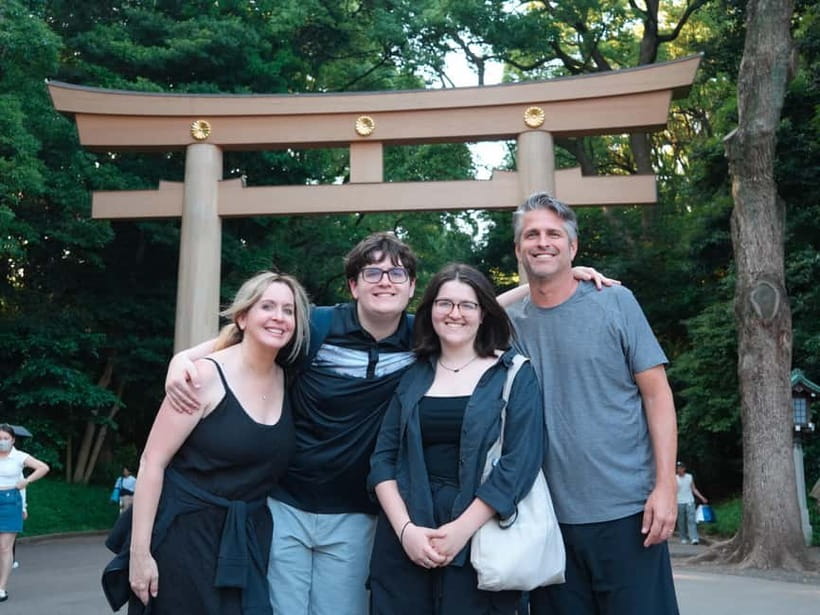
270 minutes total is long enough to be meaningful, but not so long that you feel cooked by lunchtime. It also splits nicely across the three areas, with one hour at Meiji Jingu and one hour in Asakusa, plus the longer 110-minute market stretch.
What I appreciate about this kind of pacing is that it matches the way these places actually work. Shrines are slower and more contemplative. Markets reward attention but can swallow time if you do not eat and move with purpose. Asakusa is best when you mix walking with quick snack stops and some browsing.
Your guide’s job is to keep that balance. In the reviews, people repeatedly praised guides for being active, positive, and tuned in to the group, including caring attention to kids and making sure the experience stays clear and comfortable.
So the pacing is not just about time. It is about keeping you from getting lost, hungry, or tired at the wrong moment.
What to do when the group gets hungry or you want extra time
This tour is food-forward, but you may still want to adjust your own pace. Here is how I’d handle it.
At Tsukiji, eat what is offered and do not try to turn it into a huge meal. That keeps you from feeling heavy before Asakusa sweets. If you are the type who loves taking photos, remember that food lines and stall spacing can slow you down, so keep your camera ready but do not hold up the tasting rhythm.
At Asakusa, you have a shopping window. If you find something you want, grab it during the guided walk rather than planning to come back later. Since you finish in Asakusa anyway, you will have time after the tour to keep wandering, but it is safer to purchase what you truly want during the window you have.
Finally, if you are traveling with someone who needs an easier pace, this kind of morning tour is often flexible because you are moving between specific points, not trekking across the city with no structure. The guide feedback includes examples of caring attention to family needs, which is a good sign if you value comfort.
Guide quality is the real difference (names you can look for)
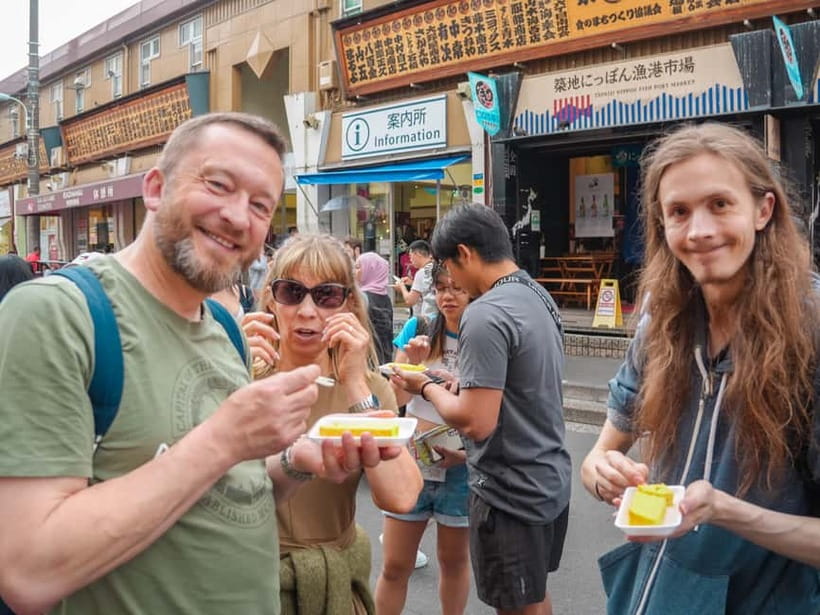
In Tokyo, the city can do half the entertaining. The other half is your guide, because they decide what you notice and how you understand it.
Based on guide names that came up often, you might be with someone like Yosuke, YoYo, Lex, Remu, Ken, or Lax. The common thread is strong English, lively energy, and explanations that go beyond saying what a place is. People highlight the guide’s ability to answer questions and provide context in a way that feels practical rather than like a lecture.
If you enjoy learning how Shinto and Buddhism are experienced in everyday life, you will probably like this tour. Several comments point to spiritual storytelling and the difference between the traditions, and that fits naturally with Meiji Jingu and the Senso-ji stop.
Who this tour suits best
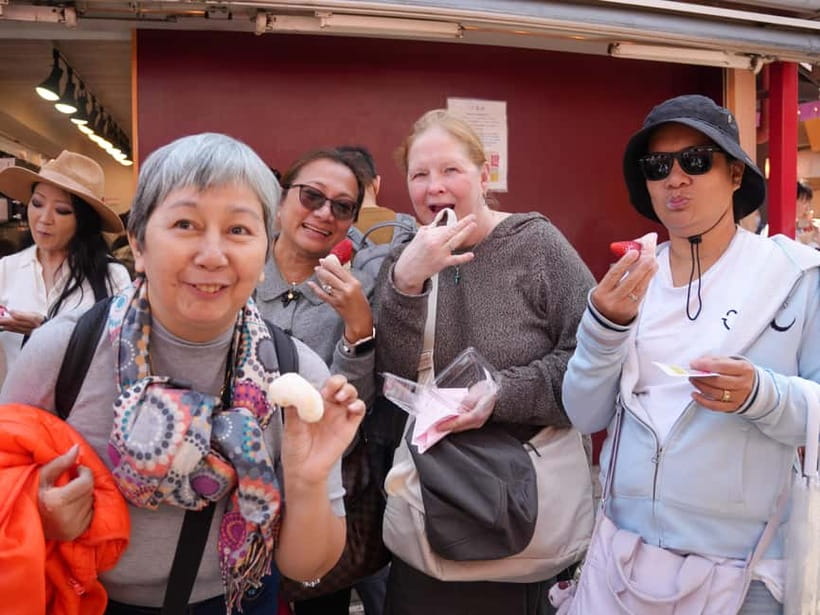
This is a great fit if:
- you want Tokyo culture and food in one morning without planning three separate days
- you like a guided route but still want time to walk and browse
- you care about understanding customs, not just seeing landmarks
- you value early timing, when Tokyo feels more manageable
It may be less ideal if:
- you want total freedom to wander at every stop with no group timing
- you hate tasting menus or eating in short bursts
- you plan to sleep in and show up late, since this is built around the morning flow
Should you book this Tokyo morning tour?
Yes, if you want the smart, efficient version of a Tokyo first-morning experience. You get major stops, included admissions, and a guide who helps you turn the sights into something you understand, especially around religion and customs.
I’d book it if you are excited by food and want fresh sushi and sashimi as part of your day, plus Asakusa snacks that make sightseeing feel lighter. And I’d particularly recommend it to first-timers, because it gives you an overview of three different Tokyo moods in one go.
If you are already a Tokyo regular with a tight plan and you hate structured tastings, you could DIY it. But for most people, the guide, the admissions, and the morning pacing make this an easy value call.
FAQ
Where does the tour start?
The meeting point is in front of IKEA HARAJUKU.
Where does the tour end?
The tour finishes in Asakusa.
How long is the tour?
It lasts 270 minutes.
What does the tour include?
It includes an English speaking guide, photos taken during the tour, historical insights, entry/admission for Meiji Jingu Shrine, Tsukiji Fish Market, and Senso-ji Temple.
Is public transportation included?
No. Public transportation fare is not included, and the tour notes around 550 yen.
Is the tour offered in English?
Yes, the tour language is English.
What is the main food experience on the tour?
You’ll taste fresh sushi and sashimi at the fish market, plus croquettes and traditional Japanese sweets while in Asakusa.
Are photos included in the price?
Yes. The tour includes photos taken during the tour.
Is there free cancellation?
Yes. Free cancellation is available if you cancel up to 24 hours in advance for a full refund.
How much does the tour cost?
The price is $83 per person.
More Temple & Shrine Tours in Tokyo
- Tokyo: Meiji Shrine, Asakusa, Skytree Bus Tour and Cruise
★ 4.7 · 1,986 reviews - Tokyo: Asakusa Walking Tour with Sensoji Temple Visit
★ 4.8 · 1,583 reviews - Nikko: Kegon Falls, Lake Chuzenji & Toshogu Temple
★ 4.6 · 1,577 reviews - Tokyo: Nikko Toshogu Shrine and Kegon Waterfall Tour
★ 4.5 · 1,266 reviews
Latest write-ups near Tokyo
- Tokyo Customized Private Tour: See Top Attractions in 1 Day★ 4.8 · 67 reviews
- From Tokyo: Top 5 Scenic Spots of Mount Fuji Full-Day Tour★ 4.5 · 67 reviews
- Tokyo: Shinjuku Izakaya and Golden Gai Bar Hopping Tour (2h)★ 4.9 · 67 reviews
- Traditional Japanese Music ZAKURO SHOW in Tokyo★ 5.0 · 67 reviews
- Tsukiji: Unlimited Sake Tasting Experience★ 4.9 · 67 reviews
- Samurai Ninja Museum Asakusa: Kid-Friendly Ninja Training★ 4.7 · 67 reviews
- Tokyo: Not a show- a professional sumo practice with experts★ 4.9 · 67 reviews
- Private Harajuku Omotesando Architecture Walking Tour★ 5.0 · 67 reviews
Market Tours, compared.
Tokyo Tsukiji Fish Market Food and Culture Walking Tour
Read our review →
Nishiki Market Brunch Walking Tour (7 Tastings + Brunch)
Read our review →
Tokyo Sushi Making Class in Tsukiji with Professional Chef
Read our review →
Tsukiji Fish Market Guided Tour and Sushi Making with Pro Chef
Read our review →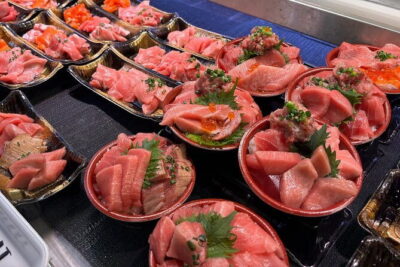
Tsukiji Fish Market: Street Food & Culture Walking Tour
Read our review →Browse the lists this tour appears in