Reviewed · MARKET TOURS
Tsukiji Fish Market: Street Food & Culture Walking Tour
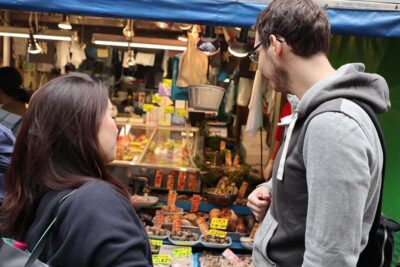
Tsukiji is Tokyo at its most edible and hands-on, from the theater of fish cutting to quick street bites. I love the guided street-food routing that helps you know what to look for, and I love seeing traditional fish-cutting techniques up close. One drawback to plan for is the pace and crowd level, which can make it feel like you are constantly moving.
You also start from Tsukiji Hongwanji Temple, which gives you quick cultural context before the market chaos. I like that the tour is wheelchair and stroller accessible, and that it is a small-group setup where guides like George and Tomo are praised for clear English and culture talk.
Key Points Before You Go
- Small-group feel (max 30) so you are not lost in a giant herd.
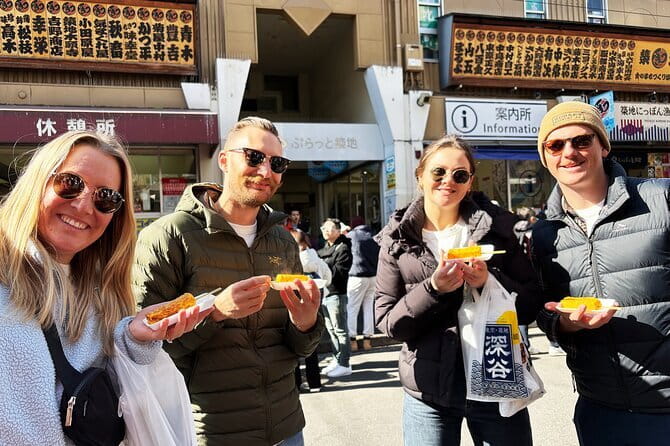
- Street-food stop at Tsukiji Jogai Market (45 minutes) guided so you can actually find the good stuff.
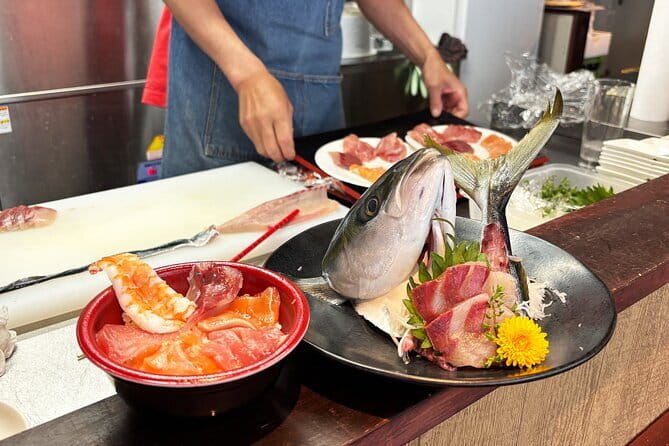
- Fish-cutting show with a chef (30 minutes) showcasing how a fish gets filleted with traditional technique.
- Working trader atmosphere at Tsukiji Fish Market (30 minutes) not just a photo walk.
- Tsukiji Hongwanji Temple (15 minutes) for Buddhism context and a calmer pause from the market noise.
Tsukiji at Street-Food Speed, With a Real Market Show
This is not a slow, history-class tour. It is a guided walk through Tsukiji with real food culture front and center, plus a standout performance moment: the fish-cutting show.
At the price point, what you are really buying is a human shortcut through the maze. You get someone to point out what matters, when to look, and how to think about what you see. That matters here because Tsukiji is sensory overload. Even when you are a confident traveler, you can end up spending time on the obvious stuff and missing the rhythm of the market.
I also appreciate the structure. The tour keeps moving, but it is not random. You have a street-food section for tasting and learning, a chef moment that turns ingredients into craft, and then a look at the working fish market where traders do their thing. The quick temple stop adds cultural grounding, so the whole experience feels more like Tokyo than a food court.
More Food & Drink in Tokyo
- Tokyo: Shinjuku Food Tour (13 Dishes at 4 Local Eateries)
★ 5.0 · 6,603 reviews - Tokyo Tsukiji Fish Market Food and Culture Walking Tour
★ 5.0 · 3,184 reviews - Tokyo: Shinjuku Food Tour (15 Dishes and 4 Eateries)
★ 4.9 · 2,033 reviews
What You Actually Do on This 2-Hour Tsukiji Tour
The tour runs about 2 hours total, and it uses a mobile ticket. Group size is capped at 30, and it returns back to the meeting point. That last part matters in Tsukiji because backtracking through tight lanes is not fun.
The time blocks are tight, so expect a guided flow:
- A street-food visit at Tsukiji Jogai Market
- A fish-cutting show with a chef, followed by time when you can eat a seafood bowl
- A market atmosphere walk where professional traders operate
- A short temple visit at Tsukiji Hongwanji
You might find the order of the temple stop varies slightly depending on crowd flow. Since the meeting point is at Tsukiji Hongwanji Temple’s main hall, you are very likely to get temple context early or very close to the start, with the market stops later.
Stop 1 at Tsukiji Jogai Market: Street Food Culture in 45 Minutes
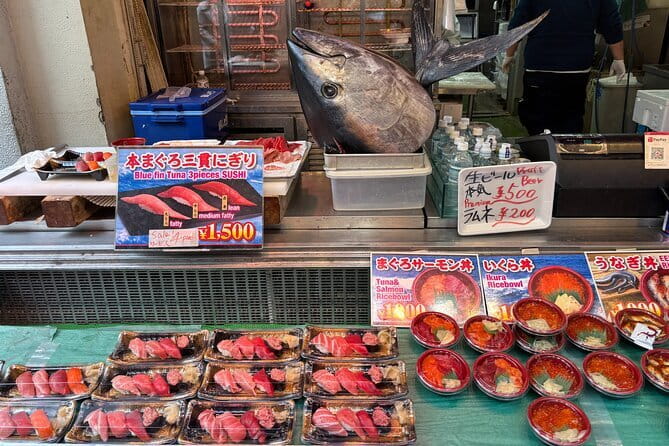
Your first chunk is at Tsukiji Jogai Market, around 45 minutes, and it is the portion designed for street-food culture. The idea is simple: eat your way into understanding what this place is about.
This is the part where a guide earns their fee. Without help, you can easily wander among stalls and only sample things that look easy or familiar. With a guide, you get a path that matches the local food logic of Tsukiji. You also get explanations tied to ingredients and how Japanese cooking thinks about flavor and quality.
One practical note: street food time can turn into standing time fast, especially in thick crowds. A few guests have said there is a lot of stopping and waiting during portions like this. So plan to be patient and accept that Tsukiji’s “quick bite” culture often means “queue first, taste second.”
Still, if you like eating and learning at the same time, this is the right opening. It gets you fed, oriented, and mentally ready for the fish-cutting show.
Stop 2: The Fish-Cutting Show at Tsukiji Jogai Market
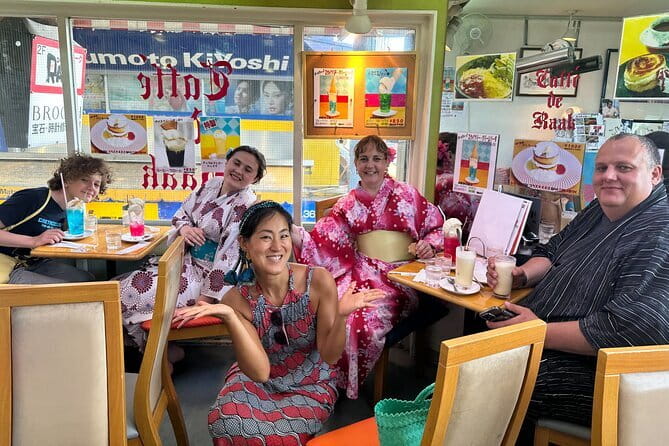
This is the headline moment: a fish-cutting show at Tsukiji Jogai Market. You get about 30 minutes here, and the show is marked as included.
You will see a skilled chef fillet a whole fish using traditional technique. That is what makes it more than a spectacle. It turns ingredients into craftsmanship. You start noticing details you would otherwise skip, like how precision creates yield and how knife work is part of the food outcome.
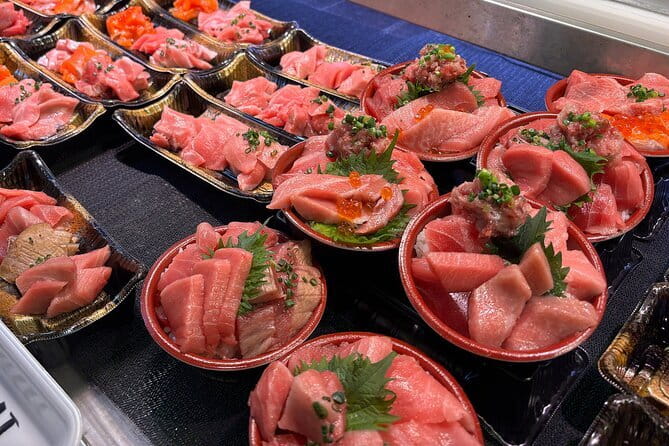
After the show, you have a chance to get a fresh seafood bowl. The tour does not include meals, so budget extra if you plan to eat. But even if you keep it light, this is a great moment to connect the dots between what you see and what you might order afterward.
How to make this worth your time:
- Pay attention to the method, not just the speed.
- Use the explanations to think about why this is done this way.
- If you are sensitive to heat or glare, consider positioning so you are not baking while everyone else watches.
Some guests have mentioned hearing can be tricky in crowded spaces. So if you want to catch the explanation, try to stay nearer the front where your guide’s voice has a better shot at cutting through the noise.
More Market Tours in Tokyo
- Tokyo: Tsukiji Fish Market Food and Walking tour
★ 5.0 · 1,724 reviews - Tokyo: Tsukiji Fish Market Guided Walking Tour
★ 4.9 · 1,397 reviews - Tokyo Sushi Making Class in Tsukiji with Professional Chef
★ 5.0 · 1,177 reviews - Tsukiji Fish Market Guided Tour and Sushi Making with Pro Chef
★ 5.0 · 775 reviews
Stop 3: Tsukiji Fish Market, Where Traders Keep the Place Alive
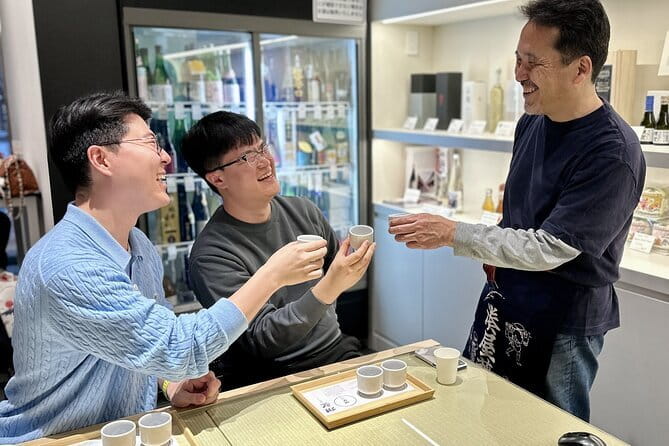
Next comes Tsukiji Fish Market itself, about 30 minutes. This stop is about atmosphere and how the market works when professionals are operating.
In practice, this means fewer lectures and more observing. You are looking at the business side of Tsukiji, not just the eating side. That is valuable because it keeps the story grounded. The food culture here did not appear out of nowhere. It grew out of how fish gets processed, traded, and brought to the people who cook it.
One downside to flag: market environments can feel hectic. There have been comments about the tour being busy and even hectic at times, with people skipping stalls because it was too crowded. So treat this as a “see it, learn it, move through it” segment. Do not expect a calm, slow photo session.
If you want the working market experience without pressure, arrive with realistic expectations. You will get more from this stop if you focus on what you are seeing rather than trying to cover every corner.
Stop 4: Tsukiji Hongwanji Temple, Buddhism Context in 15 Minutes
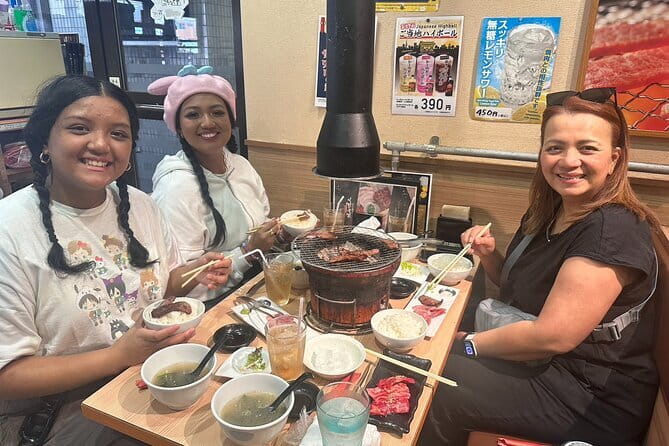
You spend about 15 minutes at Tsukiji Hongwanji Temple with a local guide. The purpose is not to turn it into a long worship visit. It is to connect Japanese food culture and daily life to the broader cultural background, including Buddhism.
This stop is short, so the value depends on your interest in cultural context. Some guests have said the temple portion did not add much for them. That is fair. If you come mainly for food, you might see it as a palate cleanser rather than a must-see.
But even as a brief detour, it can help you reset. The market is loud and intense. A temple stop gives your brain a breather, and it helps explain why Tokyo’s traditions sit close to its modern commerce.
If you prefer action over explanation, just know this is a short stop designed for context, not a deep dive into architecture.
Price and Value: Is $33.16 Worth It?
At $33.16 per person, this tour is priced like an affordable guided experience, not a luxury food day. You also get a mobile ticket and a guided route that helps you use your limited time in Tsukiji.
Here is how I think about value for this one:
- You are paying for guidance through a crowded, complex area.
- You get included access to the fish-cutting show.
- You also get insights into Japanese cooking and ingredients, plus some history and culture facts from your guide.
Meals are not included, so your final food spend depends on what you choose to buy. That said, Tsukiji street food is part of the point. You are not being locked into a set menu. You can taste, then decide.
Is it worth booking versus just wandering Tsukiji on your own? If you like structure, the included show, and learning along the way, yes, this can be strong value. If you hate crowds, dislike group pacing, or want a quieter self-guided pace, then it might feel overpriced because you are paying for time you would rather control.
Also, crowd timing matters. One comment specifically flagged New Year season as extra busy. If you are traveling then, keep yourself flexible and stick close to your guide.
Guides, Group Pace, and How to Avoid the Common Frustration
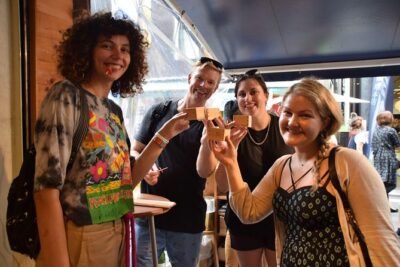
A lot of your experience will hinge on how well the guide handles crowd flow. The good news is you are not stuck with a random script. Guides like George and Tomo have been praised for taking people to excellent spots and explaining history and culture clearly.
But there are also legitimate friction points to watch for:
- If you end up behind the group in tight lanes, you may lose key parts of the story.
- If you have sun sensitivity, you might want to say so early, because waiting outside can happen during market hours.
- If you are very independent and dislike being told when to stop, the guided cadence may feel like it adds waiting rather than value.
My practical advice is to decide what kind of experience you want before you book. If your priority is guided eating plus a chef show, this tour fits. If your priority is maximum freedom to roam and snack at will, you may prefer walking Tsukiji without a timed structure.
Tips to Get More From Tsukiji (Without Getting Frazzled)
Tsukiji is not a place you “casually” visit. It rewards focus. You can make it smoother with a few smart moves:
- Wear comfortable shoes you can walk in for a couple of hours in a crowded market setting.
- Plan for heat and glare. Some guests have mentioned issues with stops happening in full sun, so bring protection and think about your comfort.
- Stay near the guide at decision points. When the group moves, Tsukiji moves with it.
- Go in knowing this is a guide-led food walk, not a slow museum-style tour. If you like hands-on learning through food, that mismatch problem disappears.
Also, remember that this tour is weather-dependent. The experience requires good weather, and if it gets canceled due to poor weather you should expect a different date or a refund.
Should You Book This Tsukiji Street Food and Culture Tour?
I would book it if you want a guided Tsukiji experience that mixes street food, a real fish-cutting show, and a quick cultural anchor at Tsukiji Hongwanji Temple, all in about 2 hours. The price is reasonable for the included chef show and the guidance through a place that can easily chew up your time.
Skip it or consider a self-guided plan if crowds and group pacing make you anxious, or if you know you prefer deep history lectures over food-and-motion sightseeing. If you are the type who wants to fully control the route and linger where you like, you may find the structure limiting.
If you do book, I’d treat the tour as a fast way to get oriented and eat well, not as a slow, comprehensive history lesson. Done that way, Tsukiji feels like a living food world, not a checklist.
More Walking Tours in Tokyo
- Tokyo: Imperial Palace and Shogun Historical Walking Tour
★ 5.0 · 2,251 reviews - Tokyo: Shinjuku Local Bar and Izakaya Guided Walking Tour
★ 4.9 · 1,794 reviews - Tokyo: Asakusa Walking Tour with Sensoji Temple Visit
★ 4.8 · 1,583 reviews - Tokyo Castle & Imperial PalaceーShogun Walking Tour
★ 4.7 · 1,068 reviews
More Shopping Tours in Tokyo
- Tokyo: Tsukiji Fish Market Food and Culture Walking Tour
★ 4.7 · 757 reviews - Tsukiji Fish Market Small-Group Food Walking Tour
★ 5.0 · 621 reviews - Tokyo: Tsukiji Fish Market Sushi Making Class with Pro Chef
★ 4.9 · 506 reviews - Tokyo Food Tour Taste Fresh Delights at Tsukiji Market
★ 5.0 · 429 reviews
Latest write-ups near Tokyo
- Tokyo Customized Private Tour: See Top Attractions in 1 Day★ 4.8 · 67 reviews
- From Tokyo: Top 5 Scenic Spots of Mount Fuji Full-Day Tour★ 4.5 · 67 reviews
- Tokyo: Shinjuku Izakaya and Golden Gai Bar Hopping Tour (2h)★ 4.9 · 67 reviews
- Traditional Japanese Music ZAKURO SHOW in Tokyo★ 5.0 · 67 reviews
- Tsukiji: Unlimited Sake Tasting Experience★ 4.9 · 67 reviews
- Samurai Ninja Museum Asakusa: Kid-Friendly Ninja Training★ 4.7 · 67 reviews
- Tokyo: Not a show- a professional sumo practice with experts★ 4.9 · 67 reviews
- Private Harajuku Omotesando Architecture Walking Tour★ 5.0 · 67 reviews
Market Tours, compared.
Tokyo Tsukiji Fish Market Food and Culture Walking Tour
Read our review →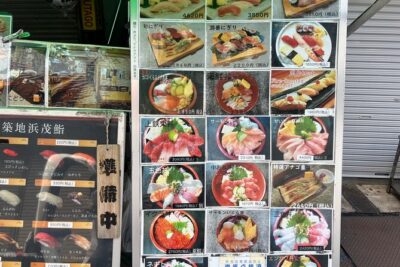
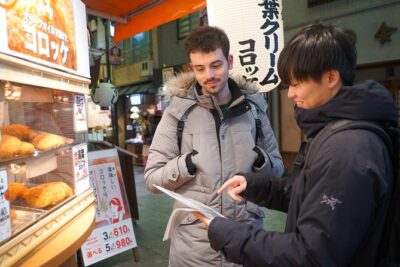
Nishiki Market Brunch Walking Tour (7 Tastings + Brunch)
Read our review →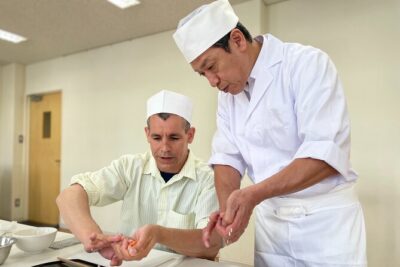
Tokyo Sushi Making Class in Tsukiji with Professional Chef
Read our review →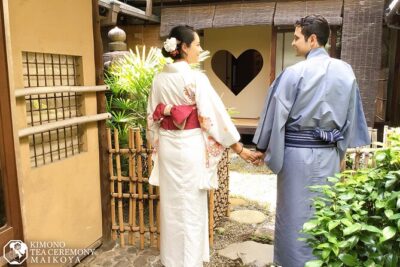
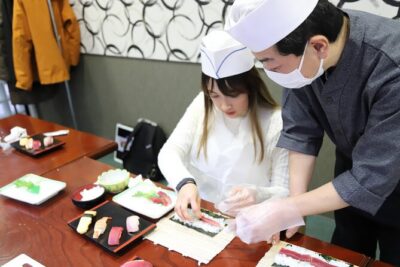
Tsukiji Fish Market Guided Tour and Sushi Making with Pro Chef
Read our review →