Reviewed · PRIVATE
Tokyo : Must-see attractions private tour
Tokyo’s best sightseeing days often fail for one reason: you spend energy figuring out where to go next instead of enjoying what’s in front of you. This private tour format fixes that by giving you a customizable walking route and a human who can steer the day around your pace and interests.
I love the way the guide gives practical, real-life advice beyond the main sights, so you leave knowing what to do next in Tokyo. I also love the added benefit of hotel meet-up and a guide who knows how to move through the neighborhoods efficiently without making your day feel like a race.
One thing to consider: if you’re hoping for heavy historical and cultural storytelling at every stop, you’ll want to speak up early. One guide, Lucas, was described as friendly, but a review noted a need for more basic historical and cultural context.
Key things I’d zero in on
- Hotel meet-up, private pace so you’re not squeezed into someone else’s schedule
- Guide advice beyond sightseeing meaning you get useful ideas for the rest of your Tokyo trip
- Flexibility with your priorities from photo stops to browsing specific shops
- Culture and etiquette tips like how locals act on public transport and around food
- Major sights plus smart exploring rather than just one landmark after another
How a 2 to 8 Hour Private Tokyo Walk Really Feels
This is built around walking, plus public transport when it makes sense. That matters because Tokyo is easiest when you’re moving with a plan, not bouncing randomly between distant points. The tour is private, so you’re not dealing with a big group deciding what to do at each corner.
You choose the length (from 2 to 8 hours), and then the guide shapes the day. A shorter window works best for a tight cluster of sights, while a full-day option is where you can mix classic icons with neighborhoods you’ll want to revisit on your own later.
Since the guide meets you at your hotel, you also avoid the common Tokyo hassle of figuring out the first meetup point. If you want to sleep in a bit and still have a smooth start, this “door-to-door” style beginning is a genuine advantage.
Also on the shortlist for Tokyo:
- Mt Fuji and Hakone 1-Day Bus Tour Return by Bullet Train
★ 5.0 · 26,383 reviews - 1-Day Tokyo Bus Tour
★ 5.0 · 14,250 reviews - Tokyo: TOKYO SKYTREE® Admission ticket
★ 4.5 · 11,192 reviews
Price, value, and what $53 per person buys you
At $53 per person, the value comes from two places: it’s private, and it’s customizable. In Tokyo, a lot of costs are the same no matter what you do, like train fares and entrance fees. What you’re paying for here is time savings, better route choices, and the guide’s ability to adjust when your energy level changes.
If your goal is just to hit the biggest names, a self-guided day can be cheaper. But if you want a plan that adapts, plus context you can’t reliably get from signs, the guide becomes the value. Reviews also highlight pacing. One guest praised Fernando for not treating the day like a checklist and for letting the group move at their own tempo, including time for photos and shopping.
The hotel meet-up and the guide you get in English (and more)
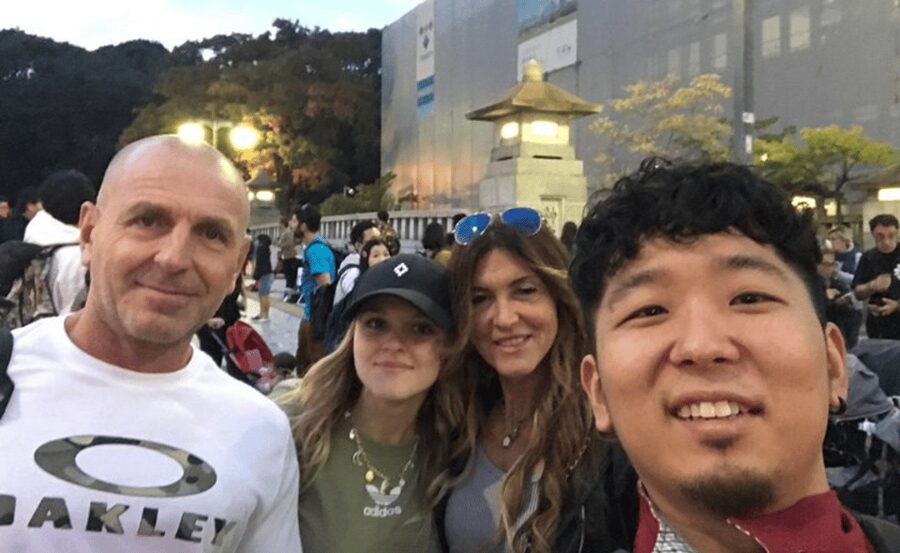
This tour is private and the guide will meet you at your hotel. It also runs with English, French, Italian, Spanish, Japanese, Chinese, and Traditional Chinese. That matters in Tokyo because small language gaps can make you second-guess things like where to stand for a good view, what to do at a shrine, or how to order street food.
In real-world terms, this is where the tour usually shines. Guides described Karl as helpful with etiquette norms, like not talking on public transport and not eating on the street while walking. That kind of guidance is small, but it helps you avoid awkward moments and feel more at ease in local spaces.
Tsukiji Outer Market: food, pace, and where a guide helps
One of the best ways to start Tokyo is with a market that makes your senses work immediately. Tsukiji Outer Market is the classic choice for street bites, seafood stalls, and snack-style shopping.
With a guide, you get two practical benefits. First, you can navigate quickly, since the market layout can feel chaotic. Second, you’re more likely to order confidently because a guide can explain what you’re looking at and what’s worth trying.
The drawback with market days is timing and crowds. If you only have 2 hours, you’ll want to choose a simple plan: a few must-try bites, one photo moment, and then a smooth walk to the next area. When you have more time, you can spread out tastes so you’re not stuck eating too fast just to keep moving.
A change of pace from Tokyo:
- Tokyo: teamLab Planets TOKYO Digital Art Museum Entry Ticket
★ 4.6 · 9,779 reviews - Mt Fuji & Hakone Cruise, Drum Show Bullet Train 1 Day from Tokyo
★ 4.0 · 7,413 reviews - Tokyo: Sumo Show Experience with Chicken Hot Pot and a Photo
★ 4.8 · 6,678 reviews - Tokyo: Shinjuku Food Tour (13 Dishes at 4 Local Eateries)
★ 5.0 · 6,603 reviews
Senso-ji and Asakusa: temple etiquette you’ll actually use
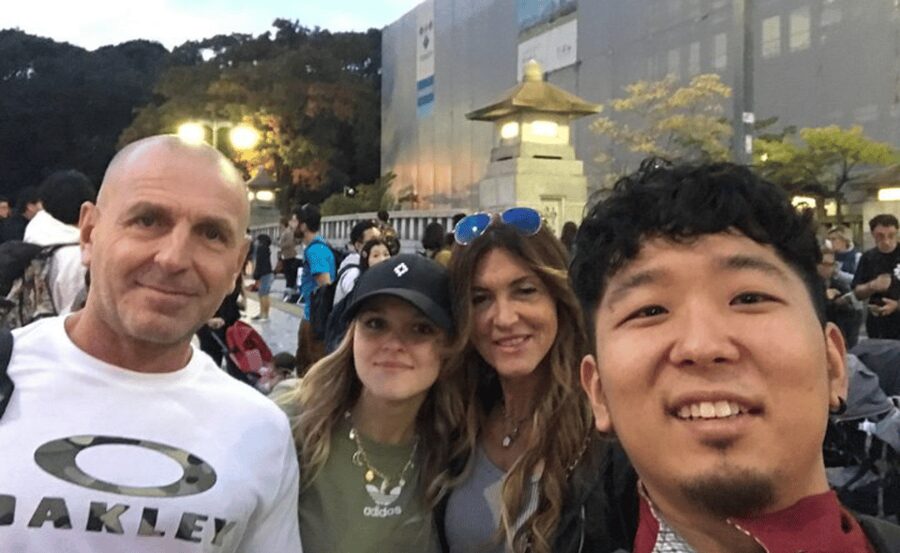
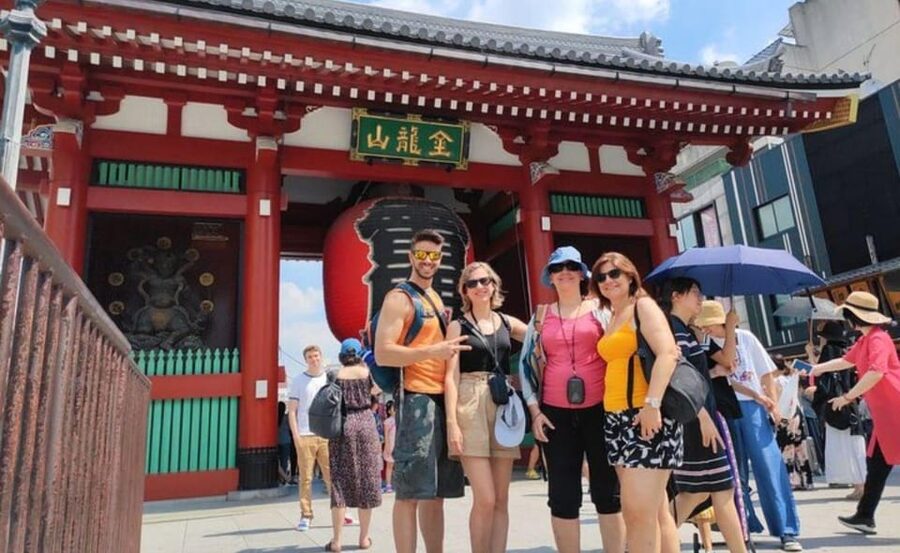
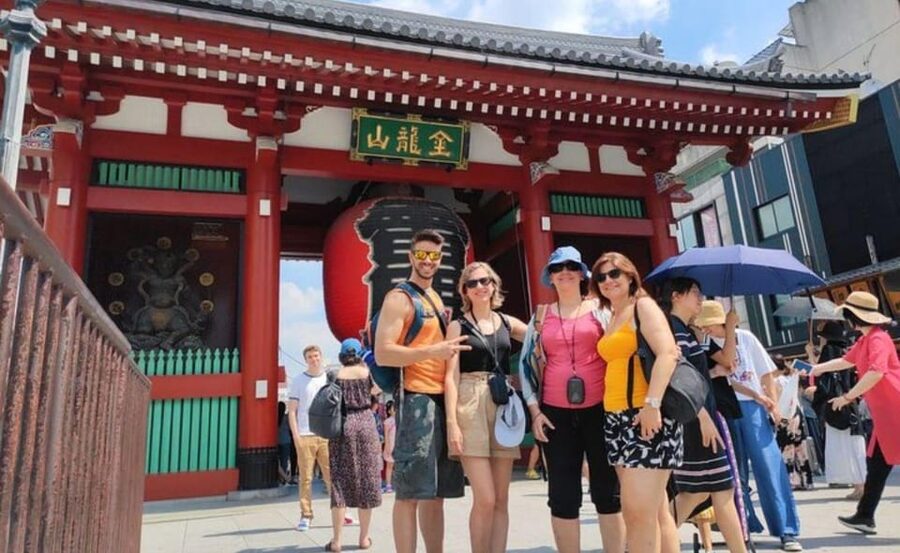
Senso-ji in Asakusa is one of Tokyo’s signature experiences, full of history, big energy, and traditional ritual space. A guide can help you understand what you’re seeing, including the significance of the Thunder Gate area and how to handle common visitor rituals without turning them into a tourist-only photo stop.
This is also where etiquette tips matter. Tokyo rewards respectful behavior, and temple rules are often clearer in person than on a poster. A guide can point out what’s expected, where to stand, and how to move through the flow of visitors without getting in people’s way.
If you’re worried about feeling rushed, you’re in good hands with a private group. One review emphasized that the guide took time for photos and browsing instead of pushing for maximum checkmarks. For a place like Senso-ji, that relaxed pacing can make the experience better, not slower.
Meiji Shrine: quiet forest mood, explained simply
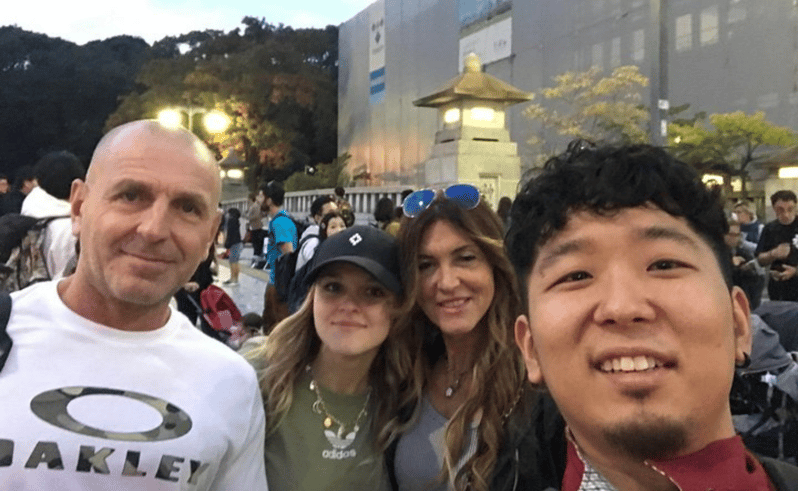
Meiji Shrine offers a sharp contrast to the city’s noise. You step toward a shrine space that feels calmer, with the torii gates and surrounding greenery changing the feel of your walk.
A guide adds value by sharing Shinto context and explaining the meaning behind the torii gate and local ritual flow. You don’t need a textbook to enjoy Meiji, but a few clear explanations turn a walk through trees into something more meaningful.
If your schedule is tight, remember this: shrines work best when you slow down. Even if you only spend a short time, aim to keep some space for just walking, looking, and taking in the atmosphere, since that’s the point of this stop.
Akihabara: electronics, anime, and what to look for
Akihabara is where Tokyo’s pop culture side becomes physical. If you care about electronics, gaming, anime, and collector-style shopping, a guide can help you find the shops and areas that match what you actually want to buy or explore.
A good guide here does more than list store names. They can explain the cultural context behind what you’re seeing, and they can steer you toward less obvious areas if you want something beyond the most crowded storefronts.
One possible consideration: Akihabara can be a shopping trap. If you go in with no plan, you can lose time and end up overwhelmed. The private format helps because you can tell the guide what you want, like a quick electronics scan versus a deeper walk through themed streets. If you want to browse freely, ask for a route that leaves time for that, rather than a stop-and-go schedule.
Tokyo Skytree: views that feel worth the climb
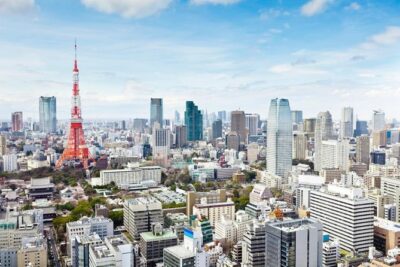
When you get to Tokyo Skytree, the attraction is the scale and the skyline view. A guide can offer practical background about the tower’s significance and share interesting construction and city facts.
The main advantage of having a guide for a view stop is timing and decision-making. You’ll want to know where to stand for photos, what to watch for in the background, and how to make the most of your time at the observation decks.
If you’re visiting during a busy period, views can be worth it but also crowded. A guide can help you manage your photo plan so you’re not standing in the wrong spot waiting for the line to move.
Ginza: shopping and city mood, with smart choices
Ginza is Tokyo’s upscale shopping and entertainment district. It’s also a place where it’s easy to wander and feel like you’re just window-shopping, unless you have a plan.
With a guide, you can explore Ginza with context and practical direction. That includes how the area developed historically and how to spot good shopping and dining options that fit your taste and budget.
One reason this works well with a private tour is decision speed. Instead of checking reviews for every store, you can tell the guide what you like, and they can suggest the type of shop that matches, then you decide what’s worth your time.
Odaiba: futuristic waterfront angles for photos
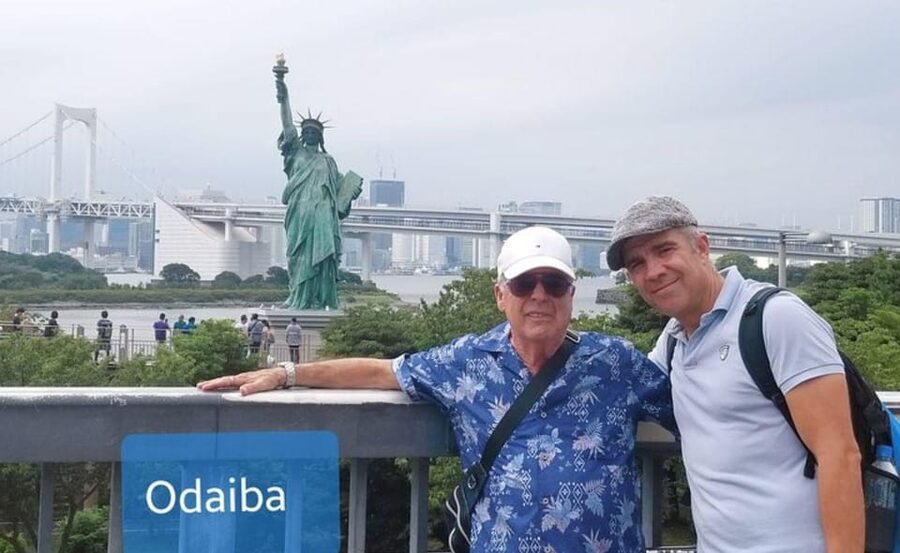
Odaiba is an artificial island with a more modern Tokyo feel and entertainment complexes that can change the mood of your day. A guide can explain how the island fits into Tokyo’s story and what makes the architecture and layout interesting.
Photo lovers benefit most here. With a guide, you can find better viewpoint angles and avoid spending 20 minutes walking in circles just to get one good shot of the skyline.
If your day is already packed, Odaiba can become “one more stop.” The fix is simple: treat it as a photo-and-walk block, then move on. Private time helps you keep it fun instead of exhausting.
Ueno Park: museums, seasons, and why context matters
Ueno Park is one of those places where Tokyo’s cultural side and leisure side overlap. It can include museums and attractions, and it also has seasonal appeal, especially during cherry blossom viewing season.
A guide can help you decide what makes sense based on your interests and timing. They can also share why Ueno is culturally important, which helps when you’re surrounded by art buildings, temple-like areas, and walking paths.
If you want a mix of sights without overplanning, Ueno is a strong choice. It’s also a good place for a slower pace since it’s built for strolling. Just know that if you want multiple museums, you’ll likely need a longer tour window than a quick half-day.
Roppongi Hills: art, modern Tokyo energy, and clean logistics
Roppongi Hills is a modern district with shopping, entertainment, and art. With a guide, you can plan your visit so the time doesn’t get wasted. They can also provide context about the architecture and point you toward major anchors like the Mori Art Museum area.
If you like modern Tokyo and want a change from temples and markets, Roppongi is a useful counterweight. It’s also where private guides shine because they can guide you through practical navigation in a district that’s spread out.
A small consideration: if you’re mainly after traditional Tokyo experiences, Roppongi can feel like a different planet. In that case, focus on it only if your tour length allows it, or pair it with a more classic neighborhood block.
Pacing, flexibility, and real guide habits I’d expect
This tour’s biggest strength shows up in the small details. Reviews highlight that guides adapt to personal needs and don’t just herd you through the city.
For example:
- Fernando was praised for pacing that allowed time for photos and store browsing, and for solid knowledge of local history and traditions.
- Karl was praised for explaining etiquette norms, including how to behave on public transport and how to eat.
- One review praised a guide’s openness to questions and adaptability, which is exactly what you want in a private setup.
- One review felt the historical and cultural information could be stronger, especially for the basics you’d expect on a cultural tour. That’s a good reminder to start with your expectations.
To get the best day, I’d recommend you tell your guide up front what you want more of: stories, food, shopping, photo stops, or just efficient sight coverage. Private tours work best when you act like a co-pilot.
Who this tour fits best (and who should rethink it)
This tour is a great fit if you:
- Want a private plan without map anxiety
- Prefer walking and transit with guidance instead of figuring everything out solo
- Like having someone explain context, especially at shrines and market areas
- Want your day to adjust based on your energy and interests
It may be less ideal if you:
- Want a strict, museum-heavy itinerary with set drop-offs and long indoor time, since this is fundamentally a walking and sightseeing tour
- Care only about the headline photos, with minimal interest in cultural context or etiquette tips
Should you book this Tokyo private must-see tour?
If you’re coming to Tokyo for the first time and you want your day to feel organized without feeling rigid, I’d book it. The combination of hotel meet-up, private pacing, and the guide’s ability to offer both practical advice and culture context is the difference between a checklist day and a Tokyo day that feels like it has direction.
Do book it especially if you’re the kind of traveler who likes asking questions. Reviews include multiple mentions of guides being open, adapting, and answering questions. If you’re also picky about history and cultural storytelling, message that in advance or tell the guide early that you want more context, not just navigation and photo stops.
FAQ
How long is the Tokyo private walking tour?
The tour duration is listed as 2 to 8 hours, depending on the option and availability.
Where does the guide meet us?
The guide meets you at your hotel.
Is this a private tour or a shared group?
It is a private group tour.
What languages are available for the live guide?
The live guide is available in English, French, Italian, Spanish, Japanese, Chinese, and Traditional Chinese.
Do we use public transport during the tour?
The tour includes a walking tour and public transport, except if you select one of the options.
Is the tour wheelchair accessible?
Yes, it is listed as wheelchair accessible.
How much does it cost per person?
The price is listed as $53 per person.
Latest write-ups near Tokyo
- Tokyo Nights: Shibuya Photo Adventure★ 5.0 · 20 reviews
- Wagyu & Sake 8 Course Tasting Dinner in Shinjuku★ 4.9 · 20 reviews
- Making Japanese desserts Nerikiri & drinking matcha in Tokyo★ 5.0 · 20 reviews
- Japanese Whisky Hunting《HIGH-QUALITY-ONLY》Rare Tasting Class★ 5.0 · 20 reviews
- Mt. Fuji 5th Station, Owakudani Ropeway, Pirate Ship plus Outlet shopping!★ 4.5 · 20 reviews
- Kintsugi Experience with Arita Ware in Tokyo (English Guide)★ 4.8 · 20 reviews
- This is Asakusa! A Tour Includes the All Must-Sees!★ 5.0 · 20 reviews
- Tokyo: Karate Experience with Former All-Japan Champion★ 5.0 · 20 reviews
Private, compared.
Tokyo 6hr Private Tour with Government-Licensed Guide
Read our review →
Private Tour to Mt. Fuji and Hakone (Fully Licenced Operator)
Read our review →
Fushimi Inari Hidden Hiking Tour (Private Option Available)
Read our review →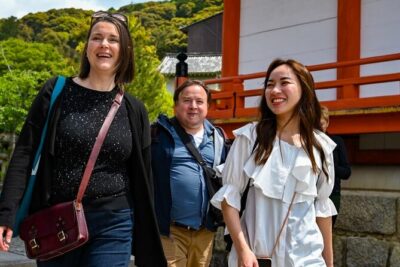
Private Kyoto Tour with a Local, Highlights & Hidden Gems, Personalised
Read our review →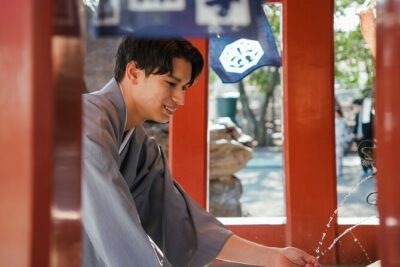
Tokyo Customized Private Tour (Must See Places in 1 Day)
Read our review →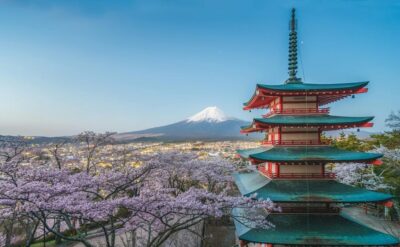
Mount Fuji Full-Day Private Tour from Tokyo (Customizable)
Read our review →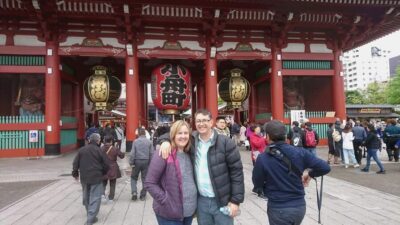
Private City Highlights Tour with Local Guide
Read our review →