
Reviewed · WALKING TOURS
Tokyo Private Customized Walking Tour (Option Car Tour Available)
Tokyo is a city where a good plan matters. This private tour is interesting because you are not locked into a rigid route, you pick the pace and the priorities, then a guide threads you through the neighborhoods you care about most.
I especially like the one-on-one customization and the hotel pickup. A guide can steer you away from crowd bottlenecks and toward the exact sights, shopping streets, and food stops that match your mood.
One consideration: attraction tickets and food are not included, and you should expect real walking on the walking option (great for first-time orientation, less great if your energy is limited).
Key things that make this tour worth your time
- Private guide, private pacing so you can spend longer where you want and skip what does not click.
- Hotel pickup within Tokyo saves the first-stress part of the day.
- Transit help that actually matters (people highlight Shinjuku station and learning the rail system).
- Route flexibility from shrine and temple areas to markets and shopping districts.
- Real-world guide examples like Kenta in Shinjuku, Olivier for classic Tokyo landmarks, and Joe for Yanaka.
A Tokyo private tour that feels like a local plan, not a checklist
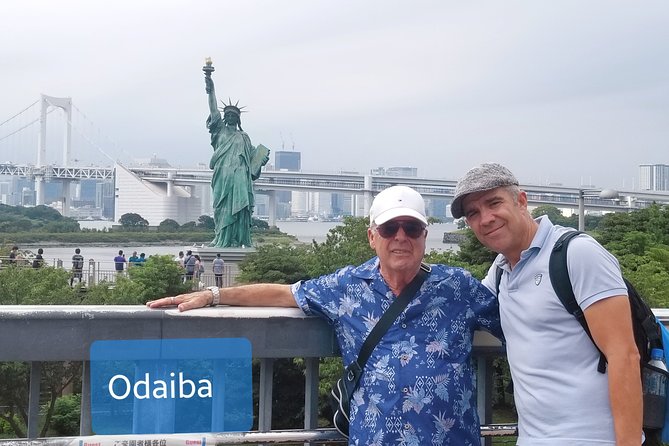
Tokyo can be overwhelming on your own. Stations are layered, signage changes, and crowds can make famous places feel more like traffic than sightseeing. On a private tour, you get someone who can keep your day logical, not just packed.
The best part is the customization. You might want history and temple etiquette, or you might want shopping streets and practical how-to for getting around. Your guide can shape the route so you are not spending your limited time wandering through areas you did not care about.
Also, you are not stuck with a silent group tour vibe. Many guides in this program use the conversation to translate what you are seeing into something you can remember. For example, Albert’s style is praised for connecting history and culture with what you are walking past, not just reciting facts.
More Walking Tours in Tokyo
- Tokyo Tsukiji Fish Market Food and Culture Walking Tour
★ 5.0 · 3,184 reviews - Tokyo: Imperial Palace and Shogun Historical Walking Tour
★ 5.0 · 2,251 reviews - Tokyo: Shinjuku Local Bar and Izakaya Guided Walking Tour
★ 4.9 · 1,794 reviews
How the 2 to 8 hours window helps you design the day
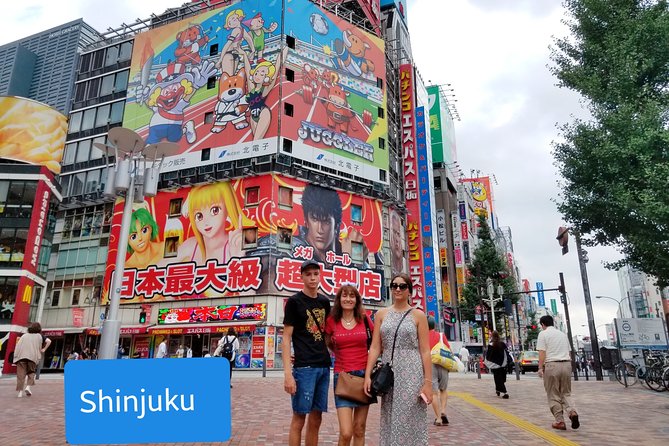
This tour runs from about 2 hours up to a full 8 hours. That time range is the sweet spot for Tokyo. You can do a focused first-day orientation, or you can go deeper across multiple districts without turning the day into one endless train ride.
Here is how to think about it:
- 2 to 3 hours works well when you want a confidence boost, like learning how to move through a big area and seeing one or two major highlights.
- Half-day (roughly 4 hours) is ideal for a classic neighborhood loop, where you can hit a major shrine or temple and then spend time eating and shopping nearby.
- Full day (up to 8 hours) is for a bigger mix, like pairing a palace area and a skyline viewpoint with temple time and a market or shopping district.
You will also like the fact that guides frequently adjust timing in real time. One guide went over the schedule to fit in everything the group wanted, and another planned around weather and closures. That flexibility is a big part of why people rate this so highly.
Hotel pickup and transit support, especially when stations look impossible
Hotel pickup within Tokyo is a real quality-of-life win. Even if you are comfortable with transit, the first hour in a new city can be clumsy. Pickup reduces friction, and it also helps your guide get you started in the best location, not the most convenient for them.
The other big value is navigation help. Tokyo station routing can be tricky, especially in places like Shinjuku, where you can walk for minutes and still feel like you are going in circles. People specifically call out guides who helped them navigate Shinjuku station and figure out how to ride the rail system confidently afterward.
A good example: Kenta is praised for meeting guests early at the hotel and then walking them through Shinjuku station before moving on to Meiji Shrine. That is the pattern you want if it is your first trip. You start with “how to move,” then you earn time to enjoy “what to see.”
Practical tip for you: if your schedule includes a must-do museum or a specific neighborhood market, tell your guide early. Guides can often steer your walking blocks to reduce backtracking.
Walking loop options: Meiji Shrine, Harajuku streets, and Shibuya Crossing
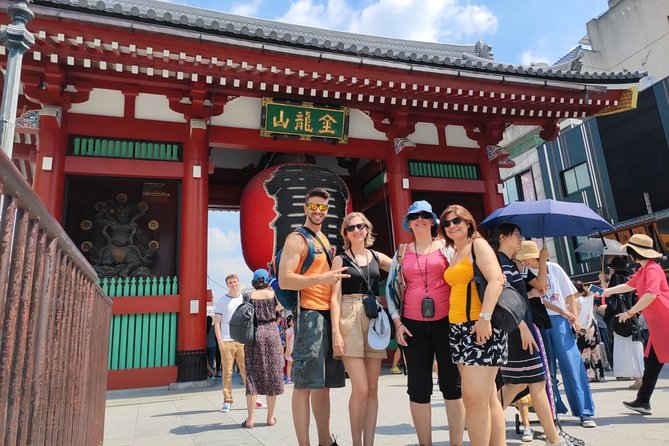
One common style of route blends iconic Tokyo with the neighborhoods that people actually walk through.
A popular combination goes from Shinjuku into Meiji Shrine, then out toward Harajuku and Shibuya Crossing. This works because it gives you contrast. You start with a quiet, ceremonial space (shrine grounds), then you shift into youth-oriented street life (Harajuku), then you end at the most famous crossing in the city (Shibuya).
Meiji Shrine is often described in the reviews as a standout moment. That makes sense. Even if you have seen shrine photos online, being there in person changes the scale. You also learn small but meaningful details, like how to approach the grounds and what to notice. When guides explain protocols and history while you are still walking, it clicks faster.
Harajuku is different. It is not about one monument; it is about streets, storefront energy, and people watching. A private guide can help you choose which streets and side lanes to prioritize, so you do not get stuck doing random photo stops that do not match your tastes.
Shibuya Crossing is the finale for many routes, because it is where you can collect a few “I did Tokyo” memories in one place. Guides also help you find good photo positioning, which is useful because the crossing is busy and fast.
If you prefer your day to feel less like a highlight reel and more like a neighborhood story, ask your guide about alternative local districts. Yanaka, for example, gets praise for being a calmer style of Tokyo that many visitors miss.
A change of pace from Tokyo:
- Mt Fuji and Hakone 1-Day Bus Tour Return by Bullet Train
★ 5.0 · 26,383 reviews - 1-Day Tokyo Bus Tour
★ 5.0 · 14,250 reviews - Tokyo: TOKYO SKYTREE® Admission ticket
★ 4.5 · 11,192 reviews - Tokyo: teamLab Planets TOKYO Digital Art Museum Entry Ticket
★ 4.6 · 9,779 reviews
Temple mornings and market time in Asakusa and Tsukiji
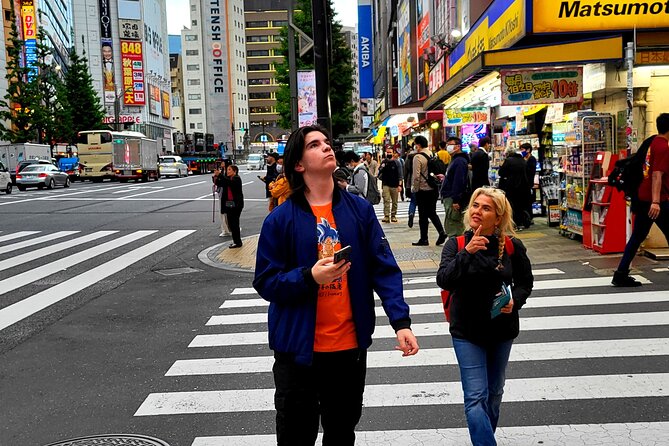
Another strong route pattern focuses on temples and food culture, often using Asakusa and nearby areas as the anchor.
For temple time, people talk about Sensoji Temple and the Asakusa area as a memorable chapter. This is where you can see classic Tokyo in a concentrated area, with enough street activity that you can learn what you are looking at while still wandering.
For market time, Tsukiji comes up, including the temple and market area. One guide specifically recommended meeting at the market around 8am to avoid the worst crowd crush, and that advice is exactly the kind of practical thinking that makes private tours work.
Here is what you should expect from a market-oriented plan:
- Your guide helps you time the visit so the experience feels manageable.
- You can ask questions about what you are seeing, instead of guessing.
- The day naturally blends sight-seeing with eating, even if you pay out of pocket for food.
Market tours are also good for first-timers because they teach you how Tokyo food culture works: what looks like a snack, what is a meal, and what to try depending on your comfort with trying new things.
Small drawback to keep in mind: market areas are sensory and can be crowded even with early timing. If you are sensitive to noise, tell your guide. They can adjust the plan with quieter side stops.
Classic Tokyo stops: Imperial Palace area, Tokyo Tower, and Ginza
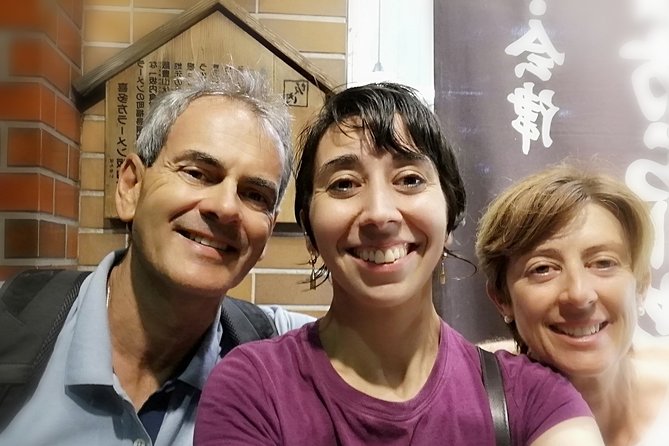
If you want postcard Tokyo without losing the personal feel, you can build a day around landmarks and then let the guide connect the dots.
People mention:
- Imperial Palace area as a key stop, including photo opportunities and a well-planned food moment for a box lunch near the palace area.
- Tokyo Tower as part of a classic skyline day.
- Ginza as a shopping and strolling finish.
What makes these stops work on a private tour is how your guide handles timing. One review notes that a landmark was not open due to a holiday, and the guide still handled the day with other meaningful stops. That is a big deal. In Tokyo, closures and special days are common, and you want a guide who can adapt without making you feel like the day fell apart.
Also, a private guide can help you choose where to take photos. Cristiano is praised for knowing the right photo spot, and that matters when you are sharing your day with traffic and crowds.
If you do the “classic Tokyo” plan, use it as your structure, not your cage. Add one quieter neighborhood chapter and one food-focused moment. That mix keeps the day from turning into a museum of famous buildings.
Food and local culture: ramen breaks and small restaurants with locals
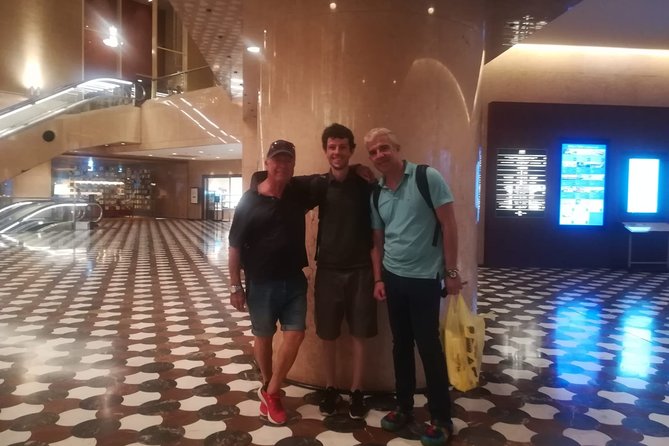
The listing says you can drop by hip ramen restaurants, and the reviews show that guides often go beyond the obvious choice.
Olivier is credited with finding a great lunch spot called Mizuguchi Shokudou, and groups also praise guides for picking places where they could relax and eat without feeling rushed. Another standout example is a small hidden restaurant experience, described as locally filled and welcoming. The theme across these stories is simple: a guide uses the route to make food feel like part of the culture, not an afterthought.
You should know what is included and what is not. Food and drinks are not included, so you are the one paying for meals. The value is that you are less likely to pick a tourist-trap location near the landmark, and more likely to eat where the day makes sense.
Practical move for you: tell your guide your comfort level. If you want ramen, say so. If you want a calmer meal, say that too. Guides can also adjust if someone in your group has dietary restrictions, but you will need to communicate that clearly up front.
Ticket help and what you will still pay for
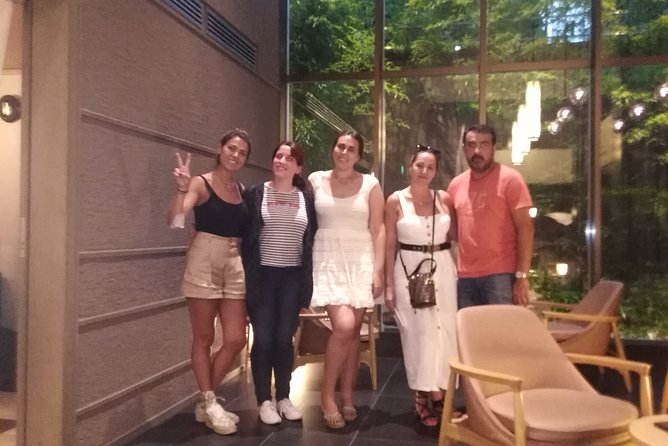
One included benefit is assistance with booking tickets for attractions. That can save time, especially if you are trying to plan around opening hours or tickets that require advance actions.
What is not included is tickets to attractions and any food or drink. So think of this tour as the planning, the route, and the guide, while you handle the paid entrances and meals.
You might also get extra practical help beyond attraction tickets. Karl is mentioned as helping with bullet train tickets to Osaka, which is the kind of “on the fly logistics” support that makes a short Tokyo stay smoother. Still, do not assume this will happen for every itinerary. Treat it as a bonus when your guide has the bandwidth.
Quick tip: ask your guide what you are likely to need to pay for during the day. Then you can decide which attractions to prioritize, instead of scrambling for decisions in the middle of sightseeing.
Price and value at $52.19 per person
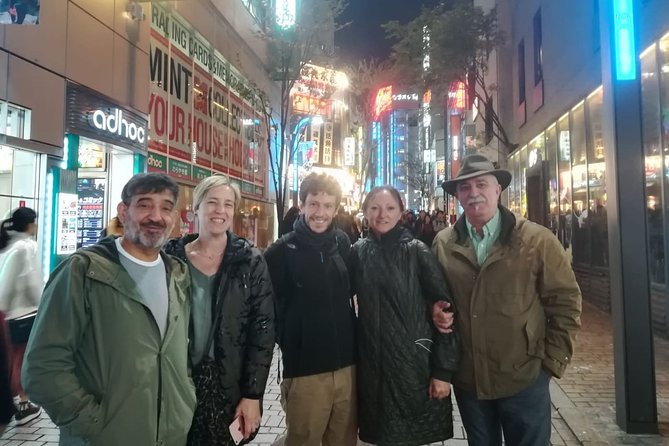
At $52.19 per person, this tour is positioned as a practical way to buy time and reduce stress. You are not just paying for walking. You are paying for route design, transit confidence, and a guide who can adapt when your priorities shift.
Here is how to judge value for your own trip:
- If you are a first-timer who wants to learn how to move around, the guide support can feel like a time machine.
- If you already know Tokyo transit and you mainly want photos, you might get less value from the transit coaching. Still, customization and pacing can keep the day from feeling wasted.
- If you want a mix of big sights plus quieter neighborhoods, the flexibility matters because Tokyo is not a straight-line city.
The car option can add value if your day includes longer distances, if weather is rough, or if you want to reduce fatigue before the main walking blocks. One group said the car upgrade was worth it for their route and conditions.
Also note the recent booking volume. Strong recent demand usually means the company is staffing and scheduling consistently, and you are less likely to end up with delays around guide availability.
Who this tour fits best
This is a great match if:
- You want a private day and hate the feeling of being rushed.
- You like history and culture but also want practical tips for daily life in Tokyo.
- You are visiting for a short time and want to see more with less planning.
It can also work well for multi-generation trips because the private pacing lets your guide adjust. If someone in your group has mobility limits, choose your walking blocks carefully and consider the car option.
It is not the best fit if you want to be fully independent and you already have a detailed plan for your districts. In that case, you could DIY with transit apps and a printed list. But if you want a guide to think for you, this tour is built for that.
Should you book this private customized Tokyo walking tour?
Yes, if you want Tokyo to feel personal and navigable. The strongest reason to book is the combination of private customization plus real transit and neighborhood know-how. Guides like Kenta and Albert are highlighted for turning transit chaos into a calm plan and for making cultural explanations practical while you are there.
Skip it only if you have a very low budget for paid entrances and meals, because tickets and food are separate costs. Also, plan around walking time if you choose the walking option.
If your goal is to get your bearings fast and then enjoy the city on your terms, this is an easy yes.
FAQ
How long is the Tokyo private customized walking tour?
The tour runs from about 2 to 8 hours, depending on the option you select.
Is hotel pickup included?
Yes. Hotel pick-up within Tokyo is included.
Can I upgrade to a private car?
Yes. There is a private vehicle option available.
Is this tour private or shared with other groups?
It is private. Only your group will participate.
Does the tour include attraction tickets?
No. Tickets to attractions are not included.
Does the tour include food and drinks?
No. Drink or food is not included.
Does the guide help with tickets for attractions?
Yes. The tour includes assistance with booking tickets for attractions.
Is there a mobile ticket?
Yes. The tour provides a mobile ticket.
Is free cancellation available?
Yes. You can cancel up to 24 hours in advance for a full refund.
Are service animals allowed?
Yes. Service animals are allowed, and the tour is near public transportation.
Latest write-ups near Tokyo
- Tokyo Customized Private Tour: See Top Attractions in 1 Day★ 4.8 · 67 reviews
- From Tokyo: Top 5 Scenic Spots of Mount Fuji Full-Day Tour★ 4.5 · 67 reviews
- Tokyo: Shinjuku Izakaya and Golden Gai Bar Hopping Tour (2h)★ 4.9 · 67 reviews
- Traditional Japanese Music ZAKURO SHOW in Tokyo★ 5.0 · 67 reviews
- Tsukiji: Unlimited Sake Tasting Experience★ 4.9 · 67 reviews
- Tokyo: Not a show- a professional sumo practice with experts★ 4.9 · 67 reviews
- Samurai Ninja Museum Asakusa: Kid-Friendly Ninja Training★ 4.7 · 67 reviews
- Private Harajuku Omotesando Architecture Walking Tour★ 5.0 · 67 reviews
Walking Tours, compared.
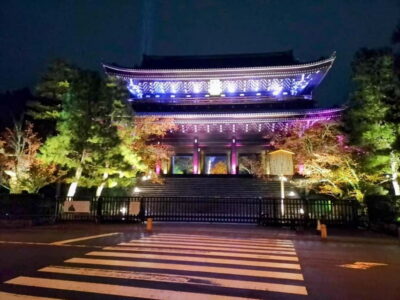
Kyoto Geisha Walking Tour: Gion District & Hidden Gems
Read our review →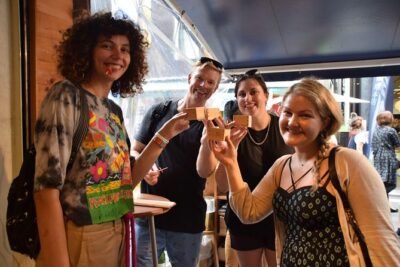
Tokyo Tsukiji Fish Market Food and Culture Walking Tour
Read our review →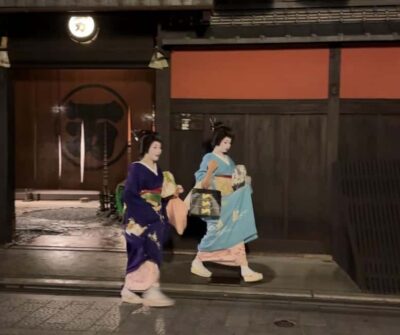
Gion Magical Night Walking Tour with Geisha Trivia
Read our review →
Imperial Palace and Shogun Historical Walking Tour
Read our review →
Gion Geisha District Walking Tour – Stories of Geisha
Read our review →
Shinjuku Local Bar and Izakaya Guided Walking Tour
Read our review →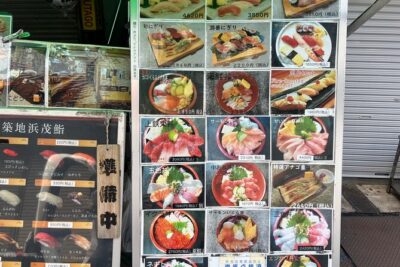
Browse the lists this tour appears in