Reviewed · PRIVATE
Tokyo Private Tour
Tokyo’s hard part is not seeing sights, it’s fitting them together. This private day tour strings together the big neighborhoods and a few quieter favorites into one organized route. I like the hotel pickup and I like the onboard Wi-Fi.
The main consideration: it is a packed 8-hour run, and you will handle extra costs like lunch and dinner, plus Hama Rikyu Gardens admission is not included.
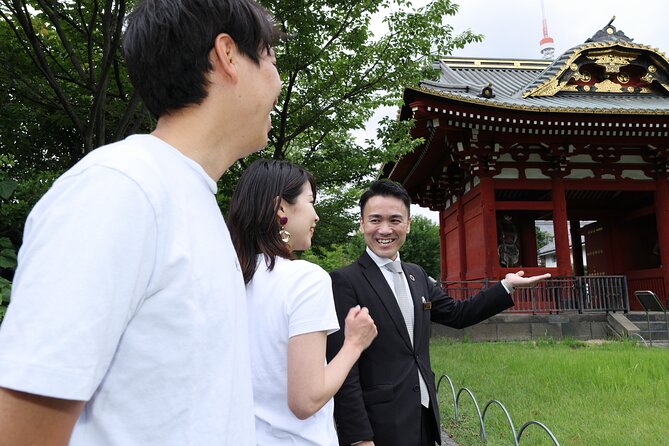
You’ll ride in an air-conditioned vehicle with a private guide, so the day feels built around your pace instead of the group’s. Based on past outings, you might get a guide like Soya, Richie, Tomoya, or Moe, and the better guides flex when someone’s tired, curious, or has specific needs.
Key things to know before you go
- Hotel pickup plus a comfortable AC vehicle means you spend less energy figuring out trains and more on Tokyo.
- Onboard Wi-Fi, bottled water, and snacks keep you moving through long stretches between stops.
- Most admissions are free, but Hama Rikyu Gardens is the one notable exception.
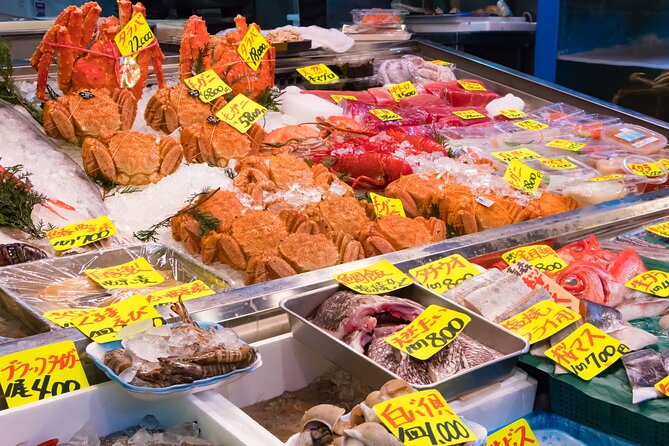
- Tsukiji lives on in the outer market, even after the main market moved to Toyosu in 2018.
- A smart Tokyo mix of old temples, imperial-area landmarks, and modern shopping streets.
- Guides can tailor hard when families need adjustments, including wheelchair support reported in the feedback.
The value of a private Tokyo loop, not a scattershot plan
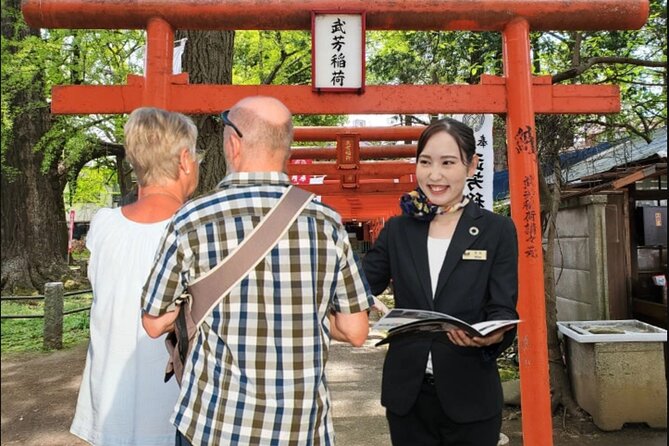
Tokyo can feel like a choose-your-own-adventure book. The problem is that the best chapters are spread across the city. This tour saves you the “where do we go next?” headache by building a route that hops between neighborhoods without wasting half your day in transit.
You cover a lot of ground, but the goal is not to rush through photos only. The guide gives you context so the stops make sense together. You start in the food-and-market world at Tsukiji, swing through polished shopping streets in Ginza, dip into the imperial area, and then pivot into pop culture around Akihabara. After that, you move into classic Tokyo temple territory in Asakusa, then finish with modern energy in Shibuya before easing into a calmer boutique vibe in Daikanyama.
If you want Tokyo highlights in one go, while also learning how the neighborhoods connect, this is a strong format.
Also on the shortlist for Tokyo:
- Mt Fuji and Hakone 1-Day Bus Tour Return by Bullet Train
★ 5.0 · 26,383 reviews - 1-Day Tokyo Bus Tour
★ 5.0 · 14,250 reviews - Tokyo: TOKYO SKYTREE® Admission ticket
★ 4.5 · 11,192 reviews
Price and group size: when it feels like a steal
The price is $743.26 per group, up to 9 people. That pricing model matters. If you fill all 9 spots, you are effectively paying around $83 per person. If you are a small group of 2 or 3, the per-person cost rises quickly.
What you are buying at this price is more than transportation. You’re paying for:
- hotel pickup and private transport
- a full day with a guide who can steer your priorities
- onboard Wi-Fi plus bottled water and snacks
- a route that reduces train juggling across far-apart areas
So the “value” is best when you travel with family or friends and want a guided day that would otherwise take multiple day tickets, planning sessions, and compromises.
My practical take: if you are traveling as a trio or larger, this can be a very efficient way to see Tokyo without turning your holiday into logistics homework.
Comfort and timing: how to use an 8-hour day well
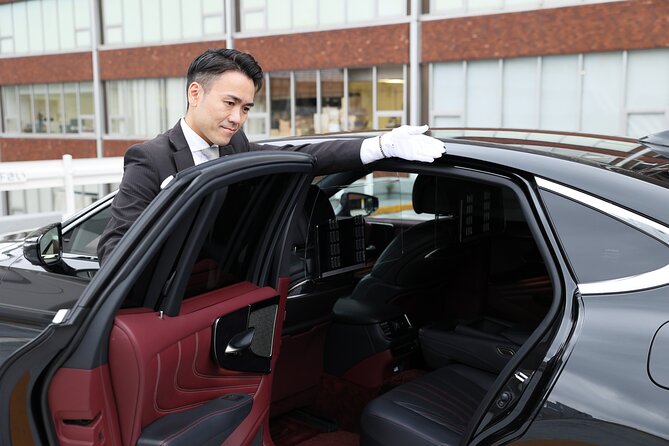
The tour runs for about 8 hours. That is enough time to visit multiple districts, but not enough time to treat each stop like a full half-day outing. The best mindset is to plan for a “highlights with meaning” day.
You get an air-conditioned vehicle, plus bottled water and snacks. In summer, that matters more than people think. Even if you love walking, Tokyo in the heat can flatten your mood fast. A comfortable ride gives you a reset between neighborhoods.
The route is also timed in chunks. For example:
- Tsukiji outer market is about 40 minutes
- Hama Rikyu Gardens is about 40 minutes
- Ginza is about 1 hour
- Shibuya crossing is short at about 15 minutes
- several other stops land around 30 to 60 minutes
Translation: you’ll see a lot, but you’ll want to arrive ready to move. Wear comfortable shoes. Bring something for shade if you run hot. And be ready to keep your expectations aligned with a day plan, not a slow museum morning.
Tsukiji outer market, Hama Rikyu, Ginza, and the imperial-area contrast

This first stretch is where you learn Tokyo’s rhythm: food streets and market energy, then landscaped calm, then clean city polish.
A change of pace from Tokyo:
- Tokyo: teamLab Planets TOKYO Digital Art Museum Entry Ticket
★ 4.6 · 9,779 reviews - Mt Fuji & Hakone Cruise, Drum Show Bullet Train 1 Day from Tokyo
★ 4.0 · 7,413 reviews - Tokyo: Sumo Show Experience with Chicken Hot Pot and a Photo
★ 4.8 · 6,678 reviews - Tokyo: Shinjuku Food Tour (13 Dishes at 4 Local Eateries)
★ 5.0 · 6,603 reviews
Stop 1: Tsukiji outer market (about 40 minutes, free)
The main Tsukiji Market moved to Toyosu in 2018, but the outer market still has plenty of stalls, shops, and casual places to eat and browse. I like this stop because it feels like Tokyo’s daily life, not just a landmark. You get a real sense of what people shop for and how fast the area moves.
You can treat this as a sampler stop. Even if you do not eat a full meal here, you’ll leave with a better idea of what Japanese seafood and kitchen staples look like in real storefronts.
Stop 2: Hama Rikyu Gardens (about 40 minutes, admission not included)
Then you switch gears to a feudal-era garden that has served multiple roles over centuries. It started as a feudal lord’s Tokyo residence and duck hunting grounds, then became a formal garden. The biggest payoff here is the pause. After busy streets, the garden gives you space to breathe.
Budget note: admission is not included, so factor that into your day planning.
Stop 3: Ginza (about 1 hour, free)
Ginza is polished, modern, and shopping-forward. Think eclectic boutiques, galleries, traditional craft shops, and a strong restaurant scene. I find Ginza especially useful on a first Tokyo day because it shows the city’s “top tier” retail side without feeling like a theme park.
If shopping is not your thing, focus on architecture and people-watching. It is one of those places where Tokyo looks like it is always in costume.
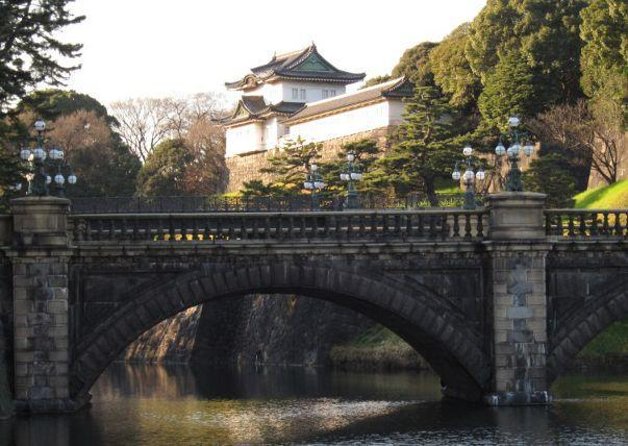
Stop 4: Imperial Palace area (about 30 minutes, free) plus the National Diet building
You also visit the Imperial Palace grounds area, which links back to the era when the Tokugawa shogun family held power and then shifted to the palace era under Emperor Meiji. Nearby, the National Diet (Parliament) building is a rare survivor of the 1945 air raids, built in 1936.
This is a good segment for perspective. Tokyo is modern, but it is also careful about continuity. You’ll feel that more after hearing the guide’s explanation than by reading a sign yourself.
Akihabara, Senso-ji, and the art of switching Tokyo moods
Now you hit the part of Tokyo that most people think they know, but rarely see in context.
Stop 5: Akihabara (about 1 hour, free)
Akihabara is gaming, anime culture, and electronics shopping, all packed into a district that moves fast. You’ll find everything from small component-focused stalls to larger electronics retailers.
What I like about adding Akihabara to a highlights route is that it is not just neon and collectibles. It is also a shopping ecosystem. Even if you do not buy anything, you learn how broad the electronics culture is, and why people travel specifically to browse here.
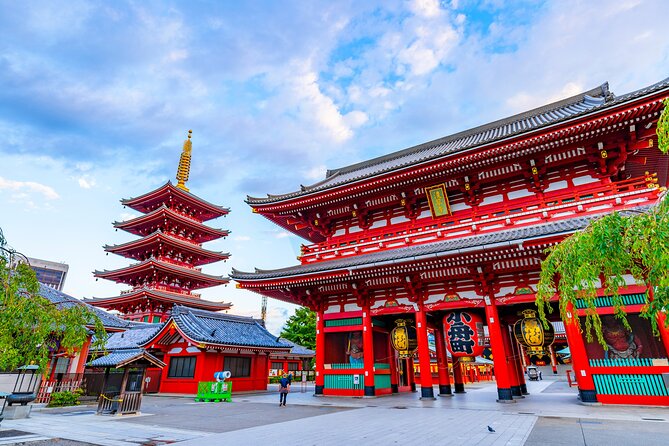
Stop 6: Senso-ji Temple in Asakusa (about 1 hour, free)
Senso-ji is Tokyo’s oldest temple. The name Asakusa connects to an early legend involving a Kannon statue found by fishermen. This stop is a sensory reset from Akihabara. You get more traditional textures, incense atmosphere, and the classic temple approach that defines old Tokyo.
This is also a place where you may want to slow down for a few minutes if the crowd allows it. Since you only have about an hour, you’ll likely want to pick your priorities: main hall area, the approach streets, and a quick photo sweep.
Stop 7: Omotesando (about 30 minutes, free)
Omotesando is known for architecture by prominent designers and for a fashion-forward vibe. If you like walking streets that feel designed rather than random, this is a satisfying stop.
Even with short timing, the payoff is seeing how Tokyo mixes high fashion with street-level life.
Stop 8: Harajuku (about 30 minutes, free)
Harajuku gives you a window into youth culture. You’ll notice unusual fashion trends and bold building styles. It can be a lot visually, so treat it like a “look and learn” segment. If something catches your eye, you’ll have just enough time to get a sense of it.
Meiji Jingu, Shibuya Crossing, and the quieter finish in Daikanyama
This is where the tour often feels like it finds balance. After temple and shopping streets, you get nature calm, then a modern city peak, then a more relaxed neighborhood ending.
Stop 9: Meiji Jingu Shrine (about 30 minutes, free)
Meiji Jingu has a pleasant atmosphere, and it’s a real break from the busiest streets. One bonus mentioned in the itinerary: on Saturdays and Sundays, you might be able to see a traditional Japanese wedding ceremony.
So if you are flexible with day-of-week, this stop can be extra memorable.
Stop 10: Shibuya Crossing (about 15 minutes, free)
Shibuya Crossing is famous for a reason. It is the busiest intersection vibe, and it makes Times Square feel slow in comparison. The timing here is short, which makes sense. You are not trying to wander all day around Shibuya. You’re trying to experience the moment, then move on.
If crowds make you impatient, it helps to remember that the point is the crossing itself, not lingering in a traffic circle.
Stop 11: Daikanyama (about 30 minutes, free)
Daikanyama and Nakameguro sit in a calmer lane. You get boutiques and cafés, with less of the hectic pace than more headline districts.
I like ending here because it gives you a softer landing after Shibuya. It also helps if you want to shop lightly for nice souvenirs or pick a casual snack spot after the tour ends.
How guides make this tour, and how to get the best day for you
The itinerary covers major Tokyo anchors, but the private format is what makes it work. The guide’s role is to turn a list of stops into a personal day.
From the feedback you provided, the strongest guide skills show up again and again:
- adjusting when someone needs a slower pace (including wheelchair support in one case)
- communicating clearly in English
- tailoring the day when you share interests
- recommending well-priced local food and making restaurant suggestions
- handling special requests, including booking reservations ahead for a requested café in one outing
So here is what I would do if I were planning your day. Before pickup, send a short list with:
- 3 must-see stops (from the route)
- 1 preference: food, photos, shopping, history, anime and electronics, or gardens
- 1 constraint: mobility limits, early dinner needs, or you want fewer crowds
Then when the guide starts steering, you can say yes fast when a suggestion matches your style. You’ll feel the difference right away, especially in places like Akihabara and Harajuku where there are many directions to take.
Who should book this, and who might want a different approach
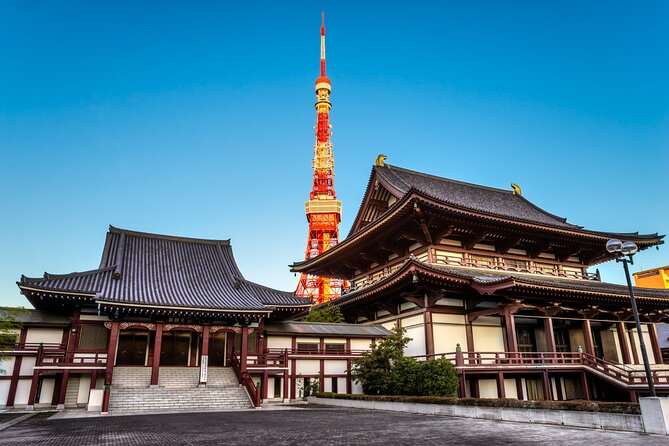
This tour is a good fit if:
- it’s your first time in Tokyo and you want a clear orientation
- you want major neighborhoods in one day without train stress
- you travel as a family or small group where private transport makes financial sense
- you value explanations that connect what you see, not just checklists
It may not be the best fit if:
- you want deep time at only one theme, like temples only or shopping only
- you hate crowds at all, especially around Shibuya and temple approach streets
- you prefer long, slow meals as the core of the day, since lunch and dinner are not included and the timing is tight
Should you book this Tokyo private tour?
If you want a well-structured first day that hits Tsukiji outer market, Ginza, Akihabara, Senso-ji, and ends with Shibuya and Daikanyama, this is an easy recommendation. The private vehicle, onboard Wi-Fi, and snack-and-water setup make the day feel doable, even when Tokyo is hot or busy.
Book it when:
- your group is 4 to 9 people and you want to spread the cost
- you like the idea of a guided loop that mixes old and new Tokyo
- you want someone to handle the route so you can focus on what you actually came for
Consider a different option when:
- your trip is short and you want one neighborhood with longer time
- your group’s top priority is a single specialized theme that is not emphasized by this route
If you book, do one smart thing: tell your guide what you care about most. That is where this tour turns from sightseeing into a day that feels built for you.
FAQ
What is the price for this Tokyo private tour?
The price is $743.26 per group, up to 9 people.
How long does the tour last?
The duration is about 8 hours.
Is hotel pickup included?
Pickup is offered, and the tour includes private transportation.
Is Wi-Fi provided during the tour?
Yes. Wi-Fi on board is included.
What is included in the price?
Included items are bottled water, snacks, an air-conditioned vehicle, WiFi on board, and private transportation.
What is not included?
Lunch and dinner are not included. Admission for Hama Rikyu Gardens is also not included.
Do I need to buy tickets for the stops?
Most stops list admission tickets as free, and the tour uses a mobile ticket. Hama Rikyu Gardens is the one stop noted as not included.
Is this tour private?
Yes. It is a private tour/activity, and only your group will participate.
Where is the meeting point?
The meeting point is near public transportation.
Can I cancel for a full refund?
Yes, free cancellation is available. You can cancel up to 24 hours in advance for a full refund. If you cancel less than 24 hours before the start time, the amount paid is not refunded.
Latest write-ups near Tokyo
- Tokyo Customized Private Tour: See Top Attractions in 1 Day★ 4.8 · 67 reviews
- From Tokyo: Top 5 Scenic Spots of Mount Fuji Full-Day Tour★ 4.5 · 67 reviews
- Tokyo: Shinjuku Izakaya and Golden Gai Bar Hopping Tour (2h)★ 4.9 · 67 reviews
- Traditional Japanese Music ZAKURO SHOW in Tokyo★ 5.0 · 67 reviews
- Tsukiji: Unlimited Sake Tasting Experience★ 4.9 · 67 reviews
- Tokyo: Not a show- a professional sumo practice with experts★ 4.9 · 67 reviews
- Samurai Ninja Museum Asakusa: Kid-Friendly Ninja Training★ 4.7 · 67 reviews
- Private Harajuku Omotesando Architecture Walking Tour★ 5.0 · 67 reviews
Private, compared.
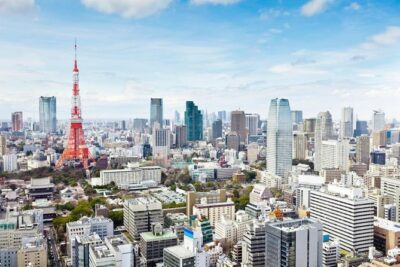
Tokyo 6hr Private Tour with Government-Licensed Guide
Read our review →
Private Tour to Mt. Fuji and Hakone (Fully Licenced Operator)
Read our review →
Fushimi Inari Hidden Hiking Tour (Private Option Available)
Read our review →
Private Kyoto Tour with a Local, Highlights & Hidden Gems, Personalised
Read our review →
Tokyo Customized Private Tour (Must See Places in 1 Day)
Read our review →
Mount Fuji Full-Day Private Tour from Tokyo (Customizable)
Read our review →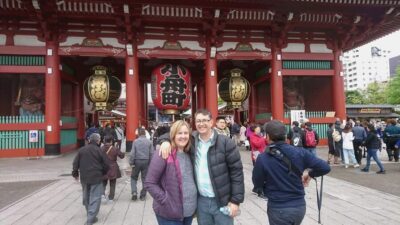
Private City Highlights Tour with Local Guide
Read our review →