
Reviewed · WALKING TOURS
Tokyo: Private Walking Tour with a Local Guide
This experience is interesting because it treats Tokyo like a puzzle you solve with a local, not a checklist you race through. You get a private walking route that can mix famous sights with places that feel more everyday, led by Tokyo native guides like Miwa and Rika.
I really like two things about it. First, the day is built around your picks and pace, with the final plan usually shared with your guide about 24 hours before. Second, the guide helps you handle the city by public transport and also includes temple and shrine entrance fees, so the day feels smoother and more predictable.
One possible drawback: you will be walking, and it is not a good fit if you have mobility limits. The tour also does not allow baby strollers or baby carriages, so plan accordingly.
Key things to love about this Tokyo Vibes private walk
- A real local guide, in English, with strong communication and careful pacing
- Custom itinerary based on your interests, not a one-size route
- Public transport help, including efficient train and subway navigation
- Temple and shrine entrance fees covered, so you can spend more on experiences
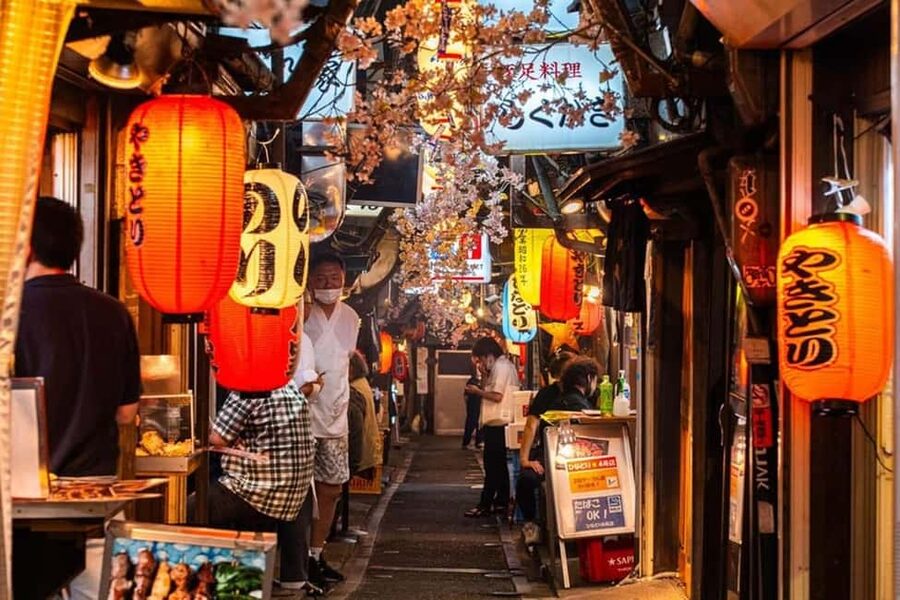
- Off-the-beaten-path focus, including quieter alleys and less obvious photo spots
From pickup to first station, how this tour starts
Tokyo tours sink or swim on the first hour. This one starts with pickup at your hotel or accommodation in central Tokyo, or at a preferred meeting point. There are lots of central pickup options across neighborhoods like Shinjuku, Shibuya, Chiyoda, Minato, and more, which makes it easier to begin without a whole pre-game metro scramble.
Then your guide meets you and moves you onto the right trains and station exits. This matters in Tokyo. Even for people comfortable with transit, a wrong turn can eat an hour fast, especially around rail hubs.
More Walking Tours in Tokyo
- Tokyo Tsukiji Fish Market Food and Culture Walking Tour
★ 5.0 · 3,184 reviews - Tokyo: Imperial Palace and Shogun Historical Walking Tour
★ 5.0 · 2,251 reviews - Tokyo: Shinjuku Local Bar and Izakaya Guided Walking Tour
★ 4.9 · 1,794 reviews
Custom routing in a city that never stops
Tokyo is enormous, and most first-timers lose time bouncing between far-flung areas. The big win here is that you choose what you want to prioritize, whether that is temples and shrines, shopping streets, modern neighborhoods, or a specific vibe like food, culture, or photography.
The tour is designed as a flexible, private walk. Each location has its own time window, so you are not forced into a rigid sprint. Also, the itinerary you see is a sample, and your actual route and duration (2, 4, 6, or 8 hours) get finalized with your guide roughly a day ahead.
What to send before you meet is simple: list your must-sees, your must-avoids, and the rhythm you want. One pattern I saw in guides like Momo, Miwa, and Hina is how they ask early questions and then adjust without making it weird.
Senso-ji and Asakusa: the old-Tokyo heart you can actually walk
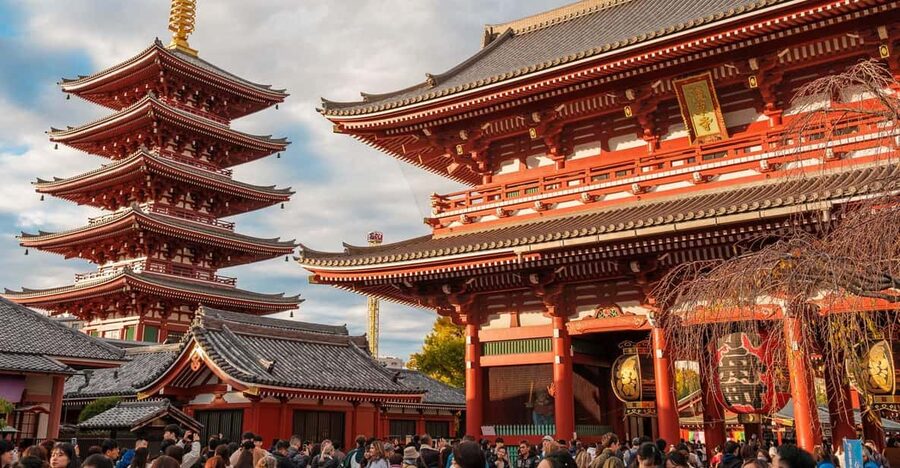
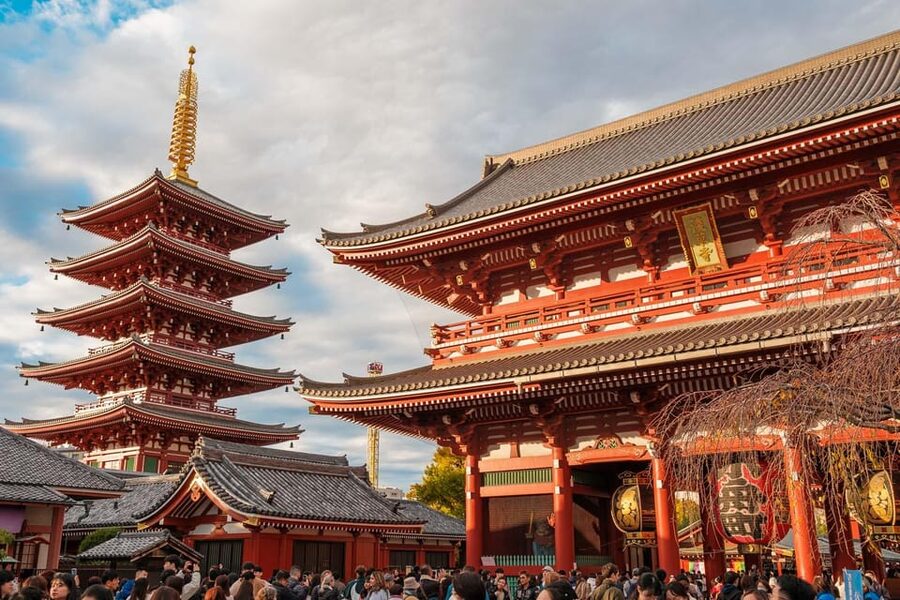
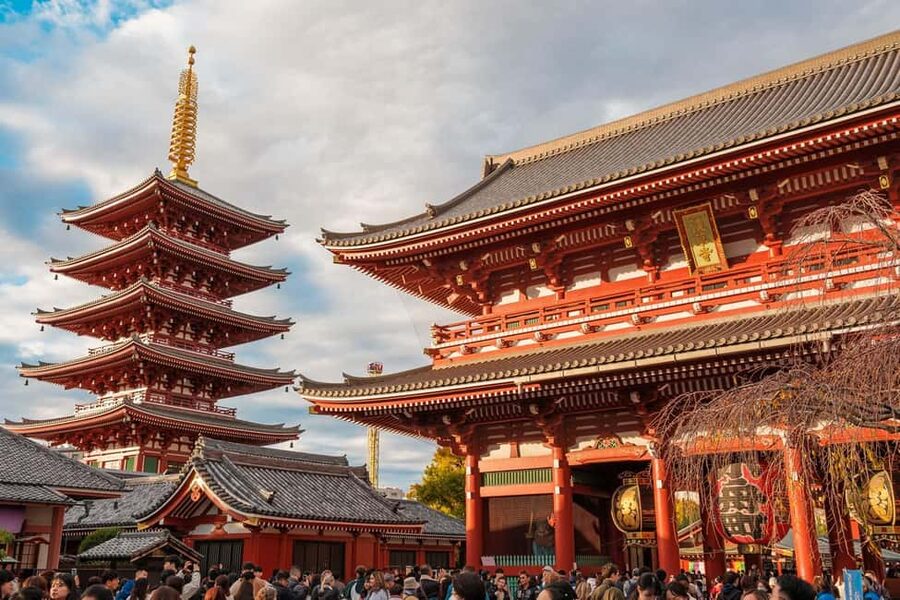
A common anchor for this tour is Senso-ji Temple in Asakusa. This is one of Tokyo’s most meaningful Shinto-Buddhist crossroads, with a real sense of ritual energy around it. You will not just see buildings. Your guide can help you make sense of what you are looking at, including how people behave there and why the space feels important.
From Senso-ji, Asakusa often follows naturally. The best part is the human scale. Instead of rushing between attractions, you get short walks that let you notice small things: how the streets funnel, where people pause, and which directions feel calmer.
A practical note: Asakusa can be crowded, especially when tour groups stack up. The private part helps, because your guide can time the stops and keep you moving at a comfortable speed.
Ueno and Ameya-Yokocho: museums nearby, street life in between
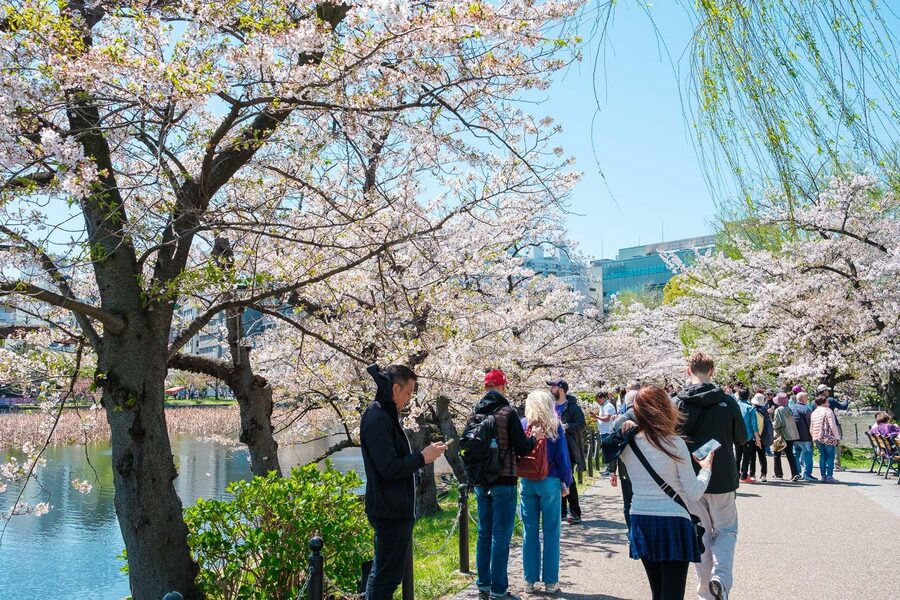
Another strong stop pairing is Ueno and Ameya-Yokocho. Ueno gives you a calmer, more cultural base. Ameya-Yokocho, on the other hand, is where Tokyo street commerce feels lively and human.
If you like markets, this is often where you start to get that Tokyo feel that photos do not fully capture. You may also find easy ways to snack and wander without the pressure of a formal meal.
One reason I like this segment for first-timers is that it offers contrast. It mixes traditional and everyday urban life in close proximity, so you spend less time in transit and more time actually seeing.
A change of pace from Tokyo:
- Mt Fuji and Hakone 1-Day Bus Tour Return by Bullet Train
★ 5.0 · 26,383 reviews - 1-Day Tokyo Bus Tour
★ 5.0 · 14,250 reviews - Tokyo: TOKYO SKYTREE® Admission ticket
★ 4.5 · 11,192 reviews - Tokyo: teamLab Planets TOKYO Digital Art Museum Entry Ticket
★ 4.6 · 9,779 reviews
Akihabara: tech, pop culture, and an easy place to browse
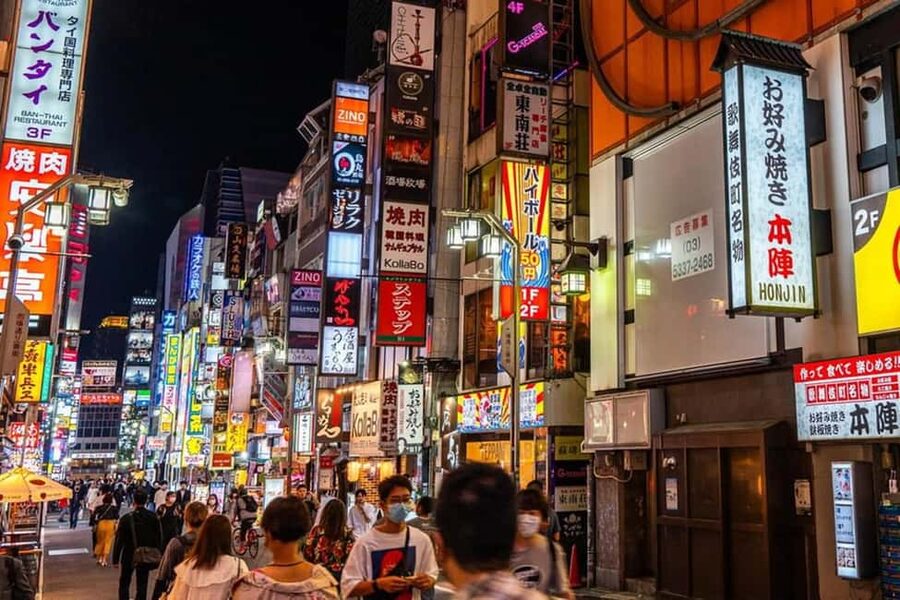
Akihabara shows up on many versions of this day, and for good reason. It is one of the clearest places in Tokyo where modern pop culture has geography. You can walk along and see how tastes and subcultures shape the storefronts.
This is also a friendly neighborhood to customize. If you are into gadgets, game culture, anime shopping, or electronics, you can slow down and let the guide point out what is worth your time. If you are not, you can still treat it as a window into Tokyo’s modern identity and then move on.
Shibuya Crossing and Harajuku: modern icons with crowd-level reality
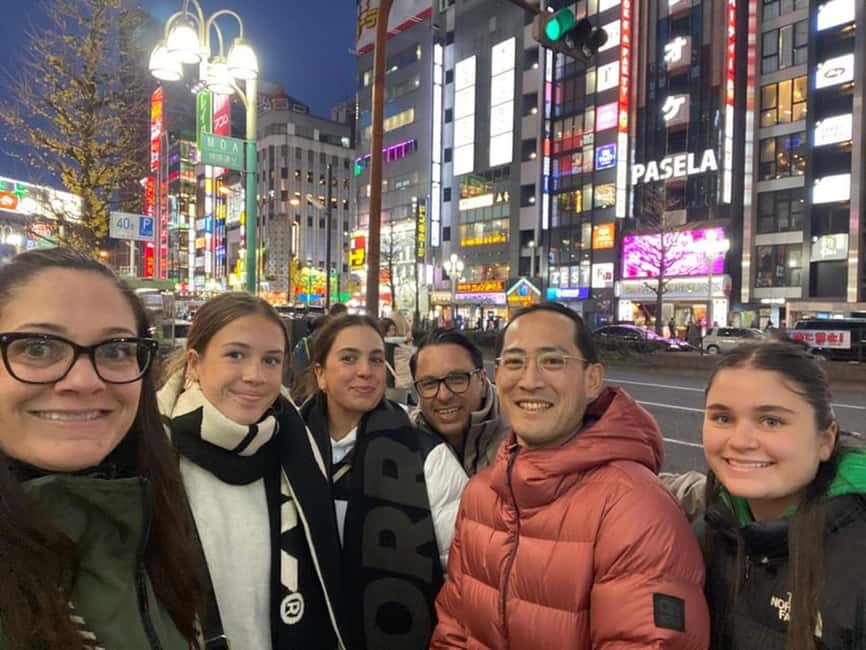
Most first visits to Tokyo include Shibuya Crossing, and this tour can add it as a highlight. It is iconic for a reason, but it is also one of the busiest places in the city. If you dislike crowds or just want the famous photo without lingering, tell your guide early. In one case, a guest later felt Shibuya Crossing was the only pick they would not choose again, which is exactly the kind of feedback your guide can use to adjust.
Then Harajuku can bring a different tone right after. Harajuku often feels more playful, and it pairs well with Shibuya because you can go from a giant urban intersection to streets where style and youth culture show up fast.
If you are sensitive to noise and crowds, ask your guide to build in short breaks. One review pointed out how a guide paced things with cooling rest stops on hot, humid days, which is the difference between enjoying the day and feeling fried.
Meiji Shrine: a break from the city rush
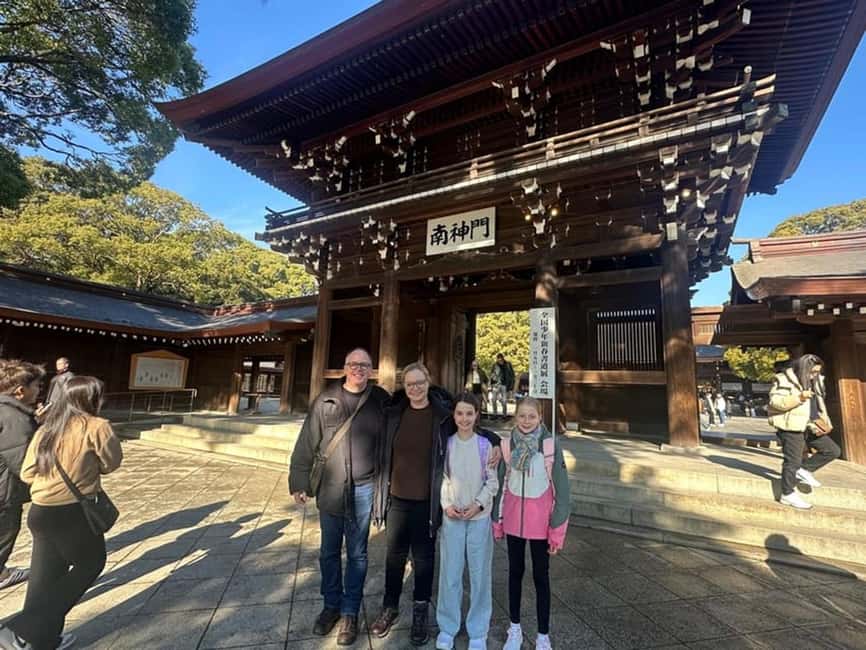
When your feet are tired of neon and high-rise views, Meiji Shrine is the reset button. The area tends to feel calmer, and it gives context to Tokyo that you cannot get from shopping streets alone.
This is also a stop where your guide’s explanations matter. The experience is more than walking through a pretty space. You get better at reading what the rituals mean, and how visitors are expected to move and behave respectfully.
Tsukiji Outer Market and Ginza: food energy plus upscale contrast
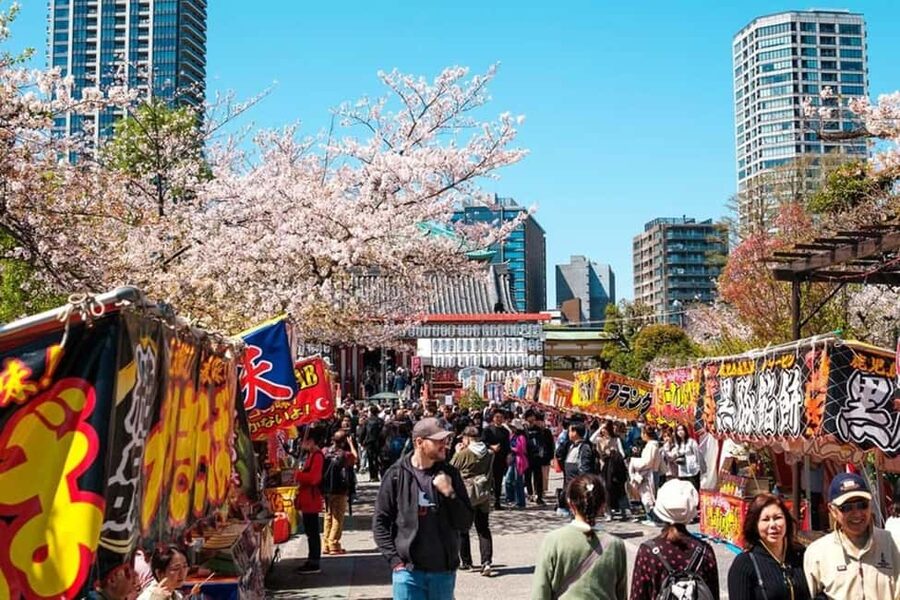
Many Tokyo itineraries have a market stop, and here that often means Tsukiji Outer Market. This is a practical choice because you can sample as you walk, instead of committing to one long sit-down meal.
One guest talked about free taste tests and grilled seafood as part of their experience here. That gives you an idea of what the market vibe can feel like, especially if you like trying small bites without a formal booking.
Then Ginza can add contrast. Ginza shifts toward a more polished, shopping-focused atmosphere. Pairing a market with Ginza works well because it lets you see how Tokyo can feel both gritty and elegant in the same day, without you needing long travel.
Tokyo Imperial Palace area and Shinjuku: where Tokyo’s layers show
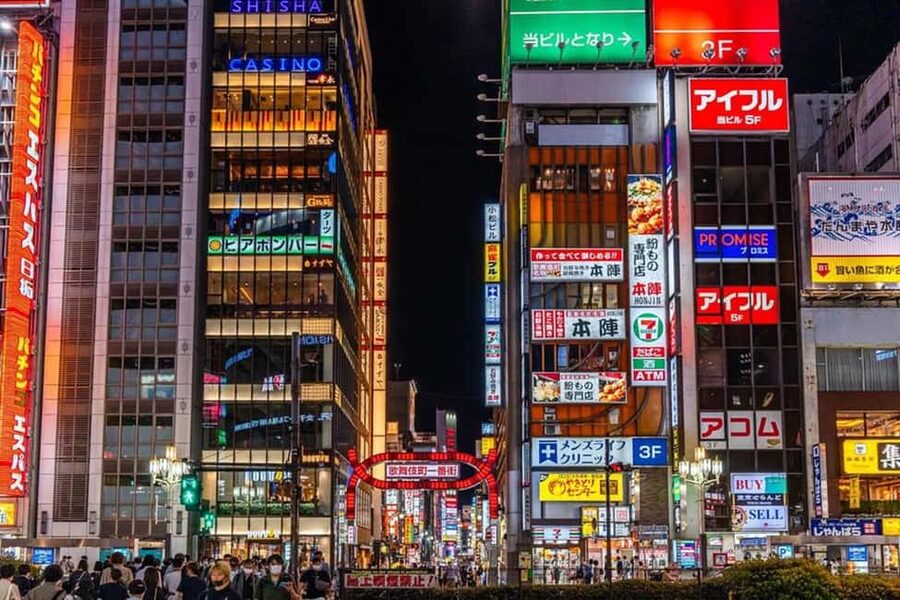
Tokyo Imperial Palace can be included for a quieter, civic feel. Even if you are not obsessed with government history, it helps you understand Tokyo as a capital city, not just a collection of neighborhoods.
From there, Shinjuku brings you back into modern Tokyo power mode. It is a good place for skyline views, big-street energy, and that sense that Tokyo never really turns off. It also gives you an easy wrap-up zone, because it is full of transit options and plenty of places to grab food afterward.
Public transport, walking pace, and the one thing to plan for
This tour is a walking experience, but it is not only walking. It typically uses public transport for efficiency, and guides are often very good at moving through stations quickly and choosing the right exits.
Still, pacing is personal. One review flagged that they spent a lot of time walking and standing on packed trains. The fix was also clear: if you need a mix of trains and taxis, say so early, and be ready that it can raise costs.
So here is my advice: tell your guide your walking tolerance before the first stop. If you prefer more transit time, less walking time, or more frequent restroom breaks, ask. The best guide response is proactive, not reactive.
Price and value: why $53 can actually feel fair
At $53 per person with a private guide, the value comes from what is included and how Tokyo is priced in time.
You are getting:
- a dedicated guide for the full walk
- hotel or central pickup and drop-off
- temple and shrine entrance fees covered
- public transport used to keep the route efficient
You are not getting:
- meals and beverages
- entrance tickets for extra attractions outside the covered temples and shrines
- airport pickup or extra transport in the sense of private cars unless arranged separately
Meals are the small surprise cost for some people. If you choose lunch or dinner during the tour, you are asked to invite the guide and cover their meal cost. That is normal for private guiding, but it changes your planning. If you want to eat on your own, tell the guide early so expectations stay clear.
For $53, I think the best use case is a day where you want structure, context, and less transit stress. If you already know how to move around Tokyo confidently and only want quick photo stops, you might feel a guide is less necessary. But if you want a first-day orientation or a culture-and-neighborhood mix, the math usually works.
Who this tour fits best
This is best for people who want:
- a custom day that you control
- a mix of classic Tokyo stops and modern neighborhoods
- help navigating trains and finding the right streets
- a guide who explains what you are seeing in clear English
It is not suitable for wheelchair users or people with mobility impairments. It also has rules like no strollers and no drones, so plan your day around that.
If you travel as a couple, friends group, or solo, the private format helps a lot. Even a single-person itinerary can still feel full, since guides can keep the conversation going and adapt the pace.
Should you book this Tokyo Vibes private walking tour?
Book it if you want a guided Tokyo day that feels tailored, not generic. The included temple and shrine entrance fees and the pickup setup reduce friction. And the guide quality shows up repeatedly in comments about communication, organization, and making time for photos and questions.
Skip it or rethink it if you dislike walking, hate crowded transit, or you only want a couple of famous sites with no interest in neighborhood context. In that case, a shorter self-guided plan might suit you better.
If you book, do one simple thing that makes the tour better: send your preferences early, including your pace and what you want to avoid. You will get a smoother route and a day that feels like it was built for you, not for a timetable.
FAQ
How long is the Tokyo private walking tour?
It runs for options from 2 up to 8 hours. You can check available starting times for the duration you pick.
Is this tour private?
Yes. It is a private group experience with a live English-speaking guide.
Where does pickup take place?
Pickup is included from your hotel or accommodation in central Tokyo, or a preferred meeting place in Tokyo. The guide meets you and travels with you using public transportation.
How will my guide contact me before the tour?
You are asked to download WhatsApp, since the guide reaches out within 24 hours prior to the tour date.
What language is the tour guide?
The guide speaks English.
Are temple and shrine entrance fees included?
Yes. Entrance fees for temples and shrines are covered.
Are meals included in the tour price?
No. Meals and beverages are not included. If you have lunch or dinner during the tour, you are asked to invite the guide and cover their meal cost.
Can I cancel for a full refund?
Yes. You can cancel up to 24 hours in advance for a full refund.
Is the tour suitable for wheelchair users or mobility impairments?
No. It is not suitable for people with mobility impairments or wheelchair users.
Latest write-ups near Tokyo
- From Tokyo: Top 5 Scenic Spots of Mount Fuji Full-Day Tour★ 4.5 · 67 reviews
- Tokyo Customized Private Tour: See Top Attractions in 1 Day★ 4.8 · 67 reviews
- Traditional Japanese Music ZAKURO SHOW in Tokyo★ 5.0 · 67 reviews
- Tokyo: Shinjuku Izakaya and Golden Gai Bar Hopping Tour (2h)★ 4.9 · 67 reviews
- Tsukiji: Unlimited Sake Tasting Experience★ 4.9 · 67 reviews
- Tokyo: Not a show- a professional sumo practice with experts★ 4.9 · 67 reviews
- Samurai Ninja Museum Asakusa: Kid-Friendly Ninja Training★ 4.7 · 67 reviews
- Private Harajuku Omotesando Architecture Walking Tour★ 5.0 · 67 reviews
Walking Tours, compared.
Kyoto Geisha Walking Tour: Gion District & Hidden Gems
Read our review →
Tokyo Tsukiji Fish Market Food and Culture Walking Tour
Read our review →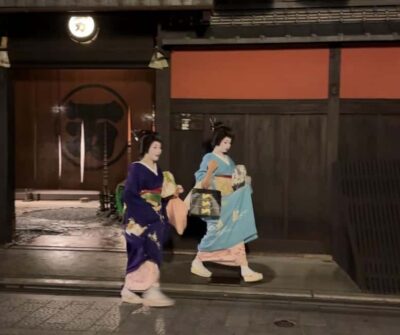
Gion Magical Night Walking Tour with Geisha Trivia
Read our review →
Imperial Palace and Shogun Historical Walking Tour
Read our review →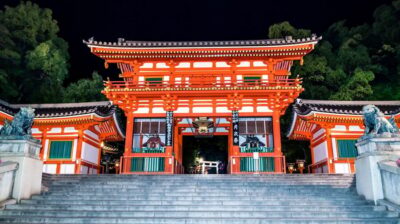
Gion Geisha District Walking Tour – Stories of Geisha
Read our review →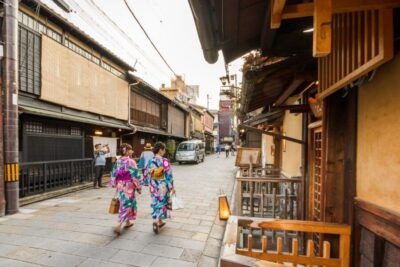
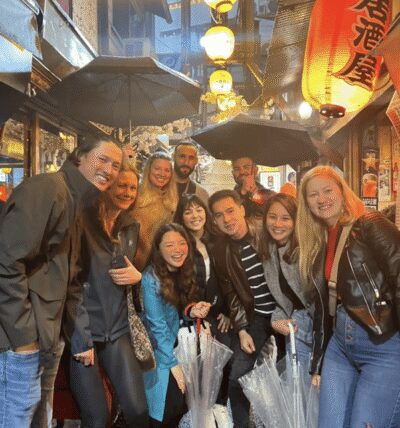
Shinjuku Local Bar and Izakaya Guided Walking Tour
Read our review →
Browse the lists this tour appears in