
Reviewed · TEMPLE & SHRINE TOURS
Uji: Green Tea Tour with Byodoin and Koshoji Temple Visits
Uji makes a great break from central Kyoto because you get Kyoto-level culture without Kyoto-level crowds, plus real tea-country scenery by the Uji River. On this guided half-day, you start at a tea house with roots going back to 1160 AD, then work your way through two major temple areas, including Byodo-in.
I especially love the way the tour treats tea as a craft, not a souvenir. You’ll sample gyokuro and learn how brewing affects flavor, and you even get a fun, salty-sour twist when you try the remaining leaves mixed with ponzu.
One possible drawback: this is a walk plus stairs, rain or shine. If you have mobility limits, a touchy back, or heart concerns, this is not the right outing, and comfortable shoes matter.
Key highlights to expect
- Gyokuro tea tasting with guidance on how brewing changes the flavor
- Visits to UNESCO sites in Uji, including Byodo-in and the Ujigami Shrine area
- A tea-house start dating to 1160 AD, with samurai-and-religion tea-culture stories
- Temple etiquette and meaning, with clear explanations of Shinto and Buddhist practice
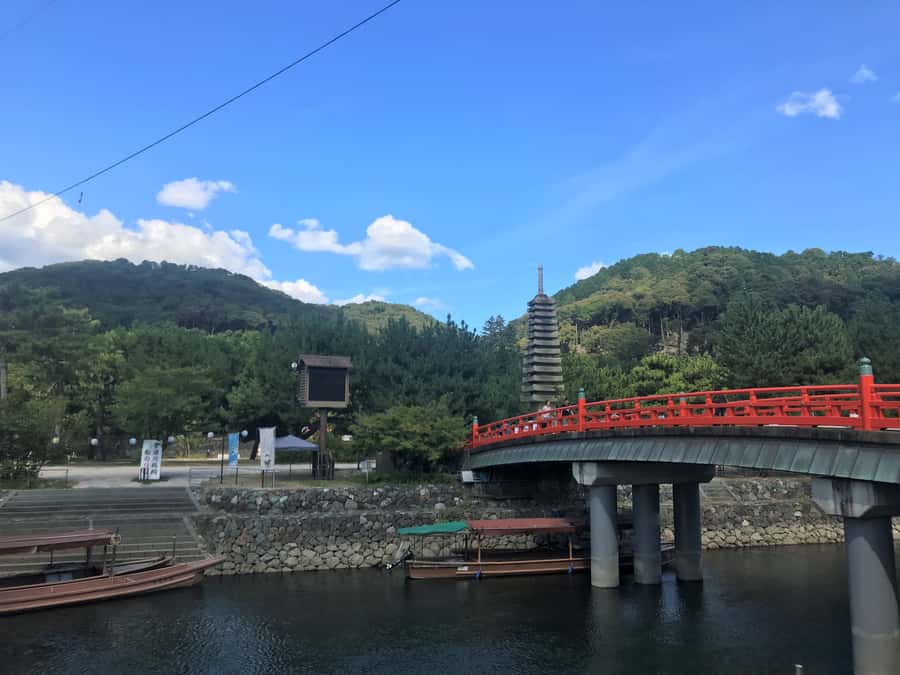
- Uji River and mountain views, plus a calmer pace away from the busiest Kyoto streets
- Koshoji Temple on the mountain side, for a calmer, Zen-style finish
Why Uji’s green tea feels different from Kyoto’s main sights
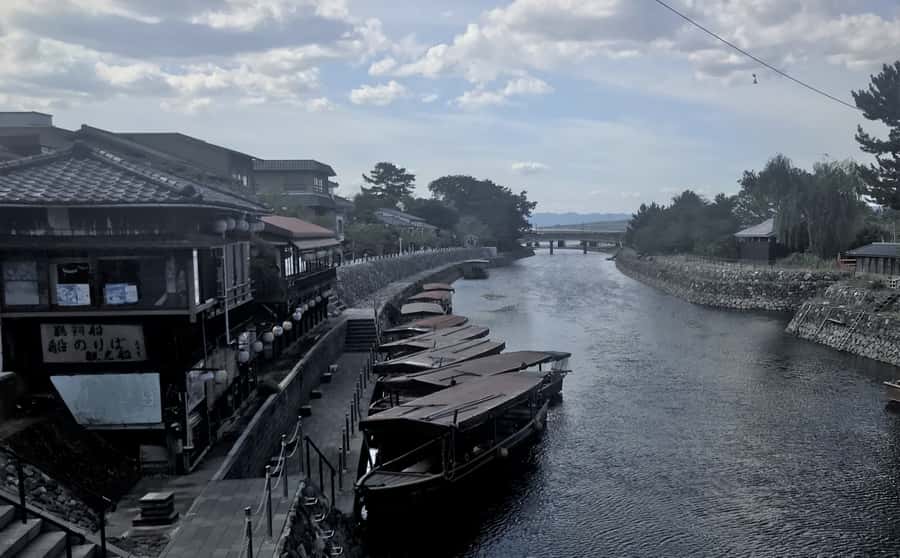
This is a Kyoto region experience that still feels like Japan’s daily life. Uji sits about 30 minutes by local train from common Kyoto starting points like Gion or Kyoto Station, and it shows in the vibe. You’re not just sightseeing buildings. You’re moving through the places where tea culture grew up, with river views, mountain slopes, and temple paths that feel older than tourism.
The tour also makes a smart pairing: tea first, temples second. That order matters because you learn why tea became part of worship and social life in this region. You’re not asked to memorize dates. You’re shown how samurai influence and religious practice fed into the local tea identity.
And yes, you get the UNESCO part too, close enough to feel connected. Uji is home to more than one UNESCO World Heritage site within a short walk of each other, so your time isn’t eaten up by long transfers.
More Temple & Shrine Tours in Kyoto
- Kyoto: Fushimi Inari, Kinkakuji, Bamboo Grove 1 Day Bus Tour
★ 4.8 · 4,316 reviews - Kyoto: Tea Ceremony Ju-An at Jotokuji Temple
★ 4.9 · 3,207 reviews - Osaka/Kyoto:Kinkakuji,Arashiyama,FushimiInariShrine,NaraPark
★ 4.1 · 1,596 reviews
Getting to Keihan Uji Station, then starting right where it matters
You begin at the only exit at Keihan Uji Station. There’s an escalator that goes up to ground level, which makes the start easier than it sounds. From there, you’ll be walking and transitioning between tea and temple spaces during the full 4-hour window.
Plan your day around that. This tour is designed as a single thread: station to tea house, then shrine and temples, then back to the meeting point. If you try to stack extra stops right before or right after, you risk feeling rushed instead of enjoying the slower Uji rhythm.
It runs rain or shine. That’s good because it means you’re not stuck waiting for weather. It also means you should dress for damp stone paths and bring footwear you trust on stairs.
Tea house traditions from 1160 AD and the samurai-to-religion story
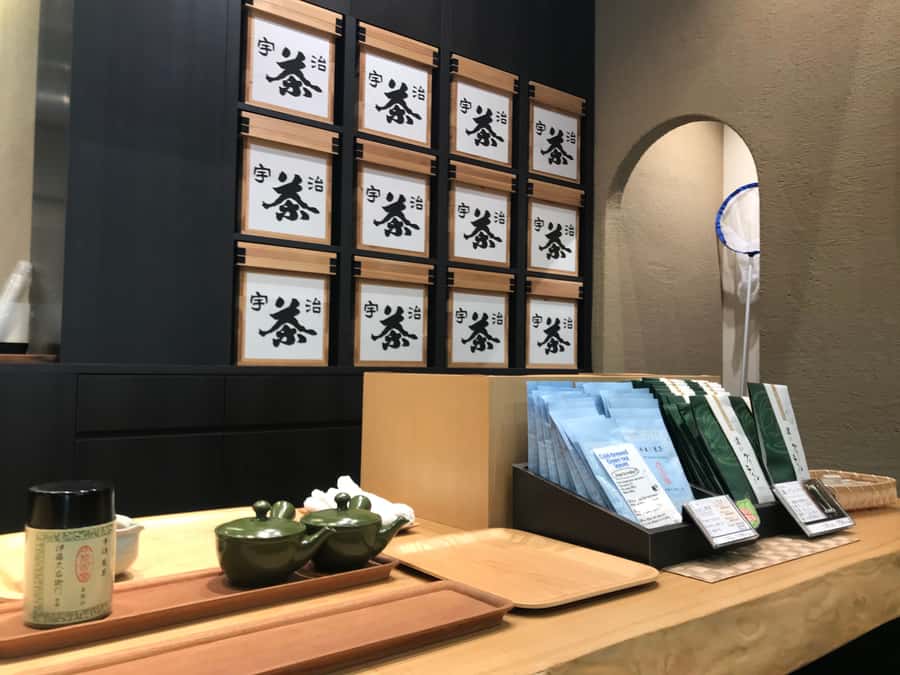
The tour starts at a tea house described as the world’s oldest still operating since 1160 AD. That’s not trivia you forget in five minutes. It gives your tasting context immediately: this is a craft that stayed alive for centuries, passed through generations, and shaped how people gathered.
You’ll hear a story that connects a family line to a samurai era. The big point is how tea became part of both social status and spiritual life. In Uji, tea culture didn’t exist in a vacuum. It grew alongside religious practice and the people who shaped Japan’s power structure.
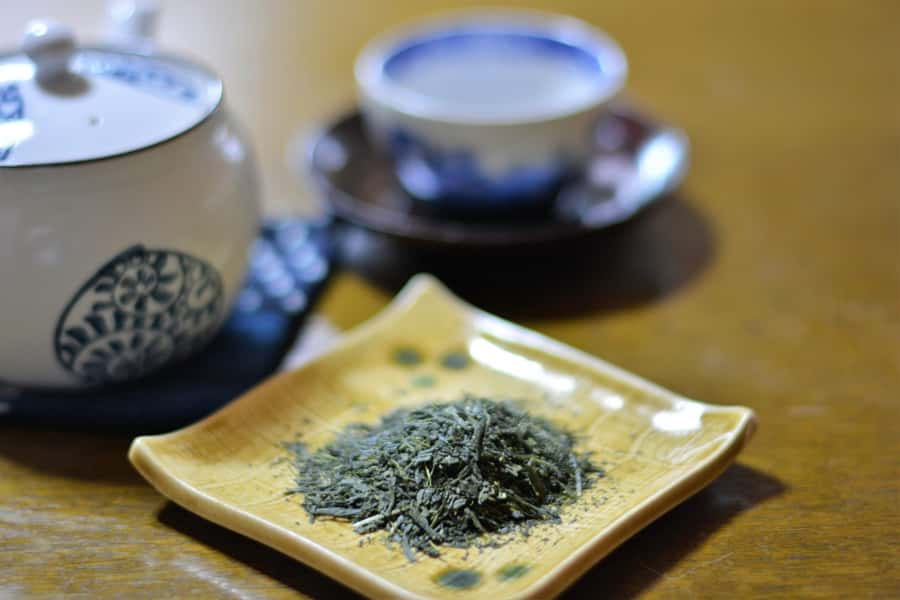
Then you move down the street for a special tea-drinking experience featuring a top grade green tea. In practical terms, this sets you up for what comes next: you’ll taste, you’ll learn what to pay attention to, and you’ll start noticing details you’d normally miss if you just ordered tea and moved on.
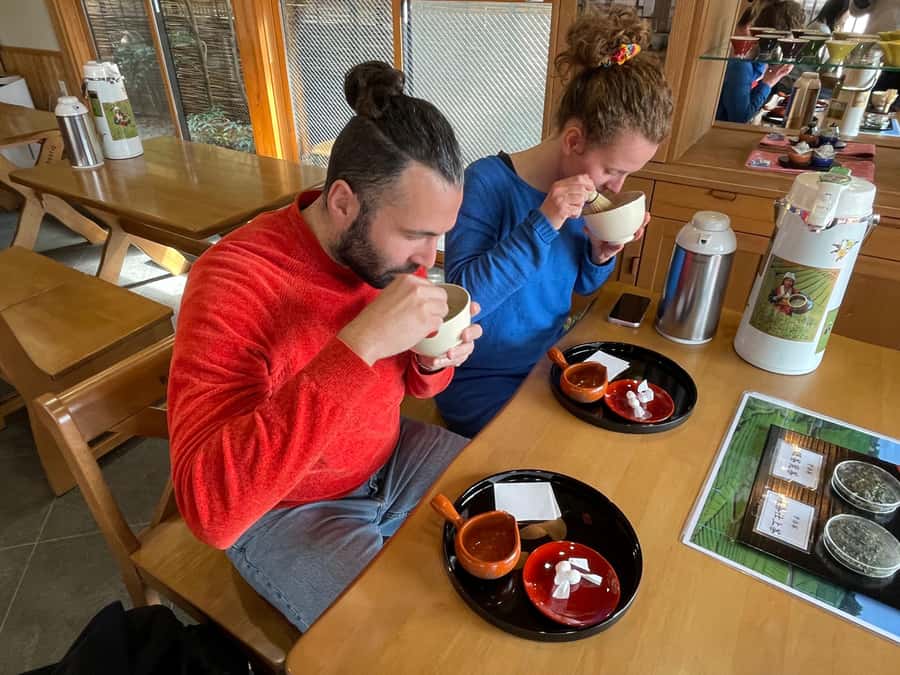
The gyokuro lesson: how brewing changes flavor in real time
This is where the tour earns its keep. A lot of tea experiences in Japan stop at tasting. Here, you get an explanation of how tea leaves and brewing methods change the flavor profile.
You’ll learn how the tea is grown and what makes this style special. Then you’ll see how brewing works, and why small shifts can make a tea taste sweet, smooth, or more intense. If you’ve ever wondered why matcha at one place feels one way and matcha somewhere else feels totally different, this is the kind of context that makes those differences make sense.
One detail I really like for your own learning: you’re tasting enough to compare. The experience isn’t just one sip and a walk. It’s a sequence, with guidance so you know what you’re tasting and why it tastes that way.
And then comes the part that feels most like local custom. After savouring your cups, you mix the remaining tea leaves with ponzu sauce and eat them as is. It’s an unusual moment, but it helps you understand that tea culture can be about more than just the drink.
A change of pace from Kyoto:
- PERFECT KYOTO 1-Day Bus Tour
★ 5.0 · 13,518 reviews - Kyoto: Tea Ceremony in a Traditional Tea House in Kiyomizu
★ 4.9 · 3,519 reviews - Kyoto Geisha Walking Tour: Gion District & Hidden Gems
★ 4.7 · 3,273 reviews - Kyoto: Gion Magical Night Walking Tour with Geisha Trivia
★ 4.9 · 2,393 reviews
Ujigami Shrine purification, spring water, and why tea houses care

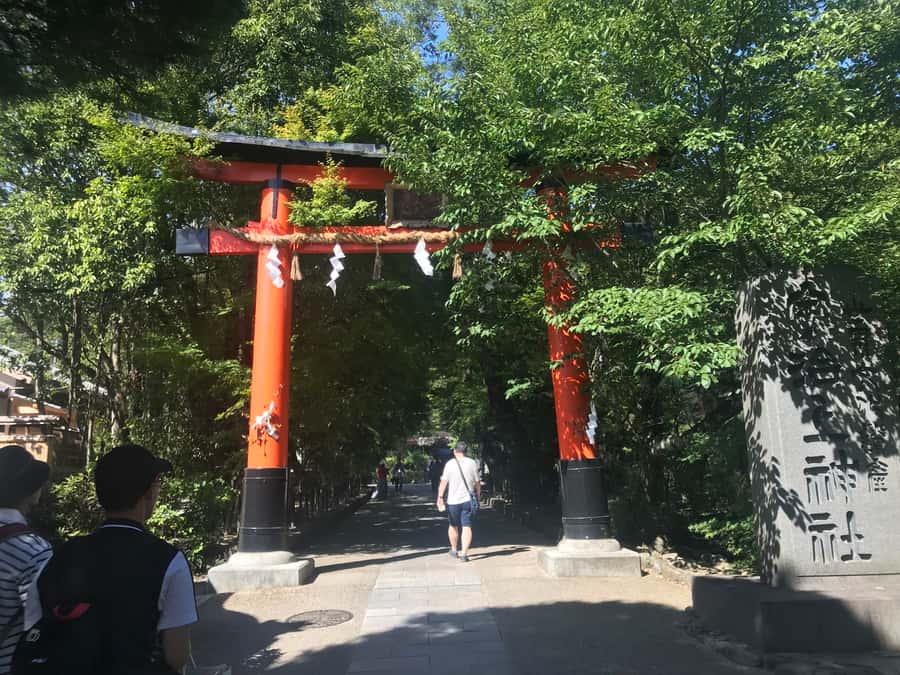
After the tea portion, you switch to nature and ritual. You head into the lush mountain area to see the oldest original Shinto shrine connected with Uji’s guardian deities. This site is also a UNESCO World Heritage Site, which makes your stop feel weighty without turning it into a rushed checkmark.
The shrine area includes the natural spring water detail that matters for tea lovers. Many tea houses still collect water from this source to brew tea, so the story loops back to your tasting. It’s not just about tea leaves. Water, too, is part of the flavor equation.
You’ll step into the stone grotto and purify yourself with the water. If you’ve only done temple visits casually, this is the moment where you learn the basic “how to” of respectful participation. You’re guided through the idea behind the ritual, not just told what to do.
Byodo-in Phoenix Hall and the museum stop (admission included)

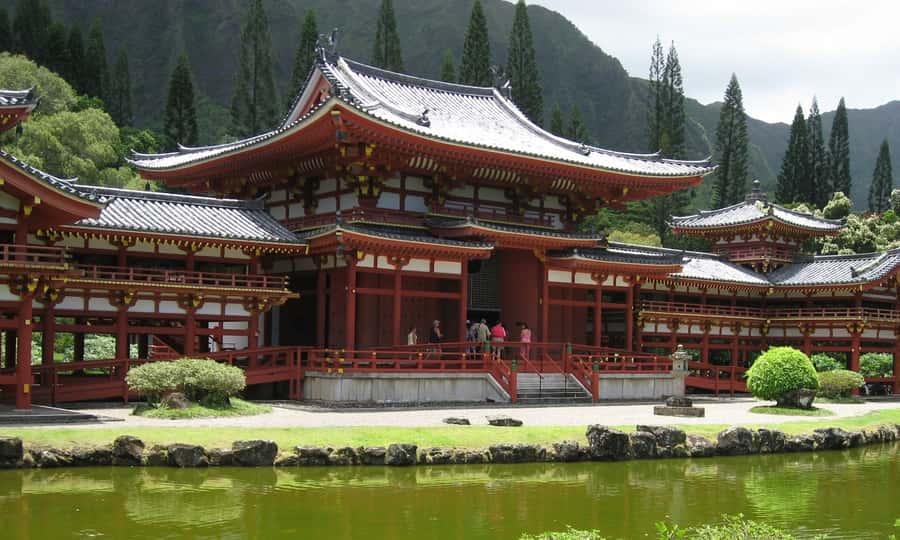
Next is Byodo-in, a UNESCO World Heritage temple that’s famous for its Phoenix Hall. The tour also includes admission to the modern museum, and that museum is useful because it gives you a clearer lens before you go see the hall itself.
This stop is one of the best examples of how Uji connects multiple worlds. Tea shops and pilgrimage paths sit in the same broader setting as samurai-era influence and Buddhist symbolism. By learning the context as you walk, the architecture becomes easier to read. You notice the storytelling in the building, not just the postcard view.
You’ll also get the sense of time passing through the site. The imagery at Byodo-in ties to themes of war, power, and religious meaning. It’s not history class, but it is grounded. And because you arrive with tea-culture context already in your head, the connections land more naturally.
Koshoji Temple on the mountain side for a calmer finish
After Byodo-in, the tour shifts again, this time to Koshoji Temple, which hugs the mountain. This ending matters for your energy level. Tea and major temple spaces can be mentally full. Koshoji gives you a different kind of quiet, with a setting that encourages slower walking and a bit of Zen-style attention.
You’re still moving, but the goal is different. Here, you’re meant to slow down, feel the air, and let the day settle before you head back toward your starting point.
Admissions are included, so you’re not stuck hunting tickets or worrying about whether you’ll hit the museum hours. That’s a small but real value-add when you want your day to flow.
What the 4-hour pace really feels like
A 4-hour tour sounds short until you see what’s packed into it. You’re going station to tea house, then through shrine and temple areas, with time for tasting and guided explanations. The good news is that the structure helps you stay focused. You’re not wandering and hoping something clicks.
The time window also tends to work well if you want an active morning or early afternoon plan. If you’re staying in Kyoto and want something more meaningful than a quick bus ride, this size of trip is ideal.
That said, don’t treat it like a relaxed stroll for the feet. There are stairs, and some surfaces can be uneven. If you’re the type who hates feeling rushed while climbing, this might feel like a bigger workout than you expect.
Price and value: $111 for tea tasting plus temple admissions
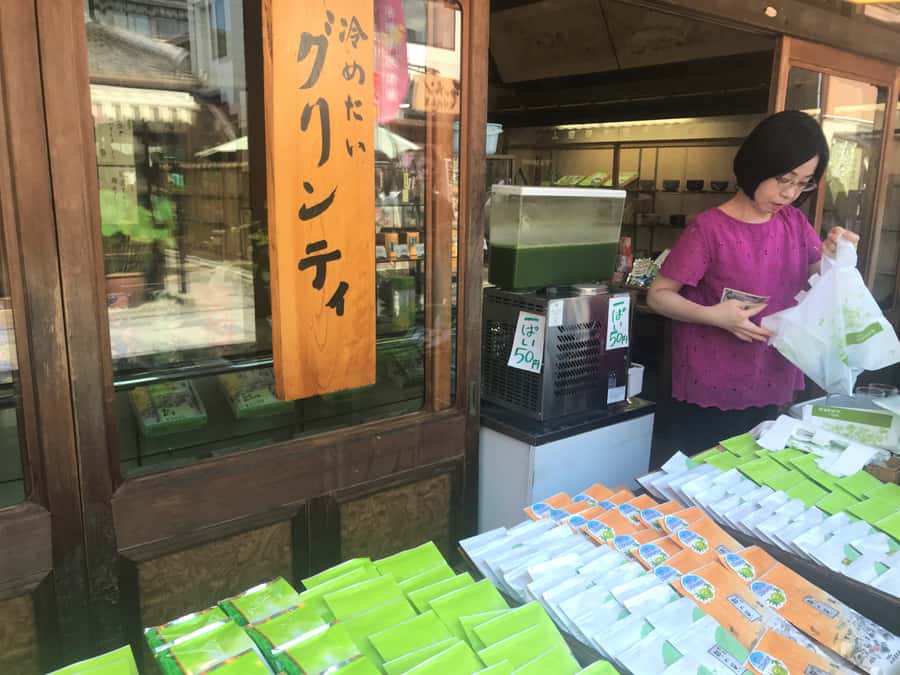
At $111 per person, you’re paying for more than entry tickets. The tour includes a guide, the Japanese gyokuro experience, tea tasting, and admissions for both Byodo-in and Koshoji Temple. That’s important because temples add up fast, and tea experiences often feel overpriced if they’re only one cup.
The value comes from the “why” being taught while you’re there. You’re not just paying to stand in front of famous places. You’re paying for context that makes the places easier to understand and remember.
Also, Uji itself is a short train ride from Kyoto, so you get a change of pace without burning half a day on logistics. If you’re trying to add depth to a Kyoto trip, this is one of those side trips that gives you more cultural connections than a checklist day.
Who should book this Uji green tea tour
Book this if you fit one of these boxes:
- You love tea, especially gyokuro, and want the “how and why,” not just the taste.
- You want UNESCO sites, but you’d rather connect them to local culture than treat them like isolated stops.
- You’re curious about how Shinto and Buddhism shape everyday behavior around shrines and temples.
- You want an outing that feels calmer than central Kyoto, with Uji River and mountain views as part of the experience.
Avoid it if stairs and uneven stone paths are an issue for you. The tour is not recommended for people with limited mobility, and it’s also not suitable for people with back problems or heart problems.
If you’re traveling with older family members, do a realistic check of mobility before you commit. Comfort shoes are not a casual suggestion here.
Should you book this Uji green tea tour?
I’d book it if you want a half-day with strong cultural meaning, real tea education, and two major temple areas without long travel days. The pairing of tea tasting with shrine and UNESCO temple visits makes the experience feel connected, not scattered.
Skip it if you need a fully flat route, or if temple stairs and grottos would stress you out. In Uji, the best moments often happen on paths that ask your legs to do their part.
If you can handle walking and stairs, this is one of the most satisfying ways to spend 4 hours near Kyoto, especially if you want to taste, learn, and leave with a better read on Japanese tea culture.
FAQ
How long is the Uji green tea tour?
The tour duration is 4 hours.
What is included in the price?
The price includes a tour guide, Byodo-in and Koshoji Temple entrance fees, a Japanese gyokuro green tea experience, and tea tasting.
Where do I meet the guide?
Meet at the only exit at Keihan Uji Station. There is an escalator that goes all the way up to ground level.
What should I bring?
Bring comfortable shoes, since there are stairs during the tour.
Is the tour outdoors?
It will take place rain or shine, and the route includes walking and temple areas.
Is it suitable for people with mobility issues?
This tour is not recommended for people with limited mobility. It is also listed as not suitable for people with mobility impairments.
What languages are available for the live guide?
The tour offers live guiding in English and Spanish.
Are the temple admissions included?
Yes. Byodo-in Temple entrance fees and Koshoji Temple entrance fees are included.
FAQ
Can I cancel for a refund?
Yes. You can cancel up to 24 hours in advance for a full refund.
Is it private or small group?
It’s offered as private or small groups.
Latest write-ups near Kyoto
- Kyoto: Nishiki Market Tour with a Local Foodie & Tastings★ 4.5 · 67 reviews
- Kyoto Kimono Rental mimosa |Kimono/Yukata Rental Couple Plan★ 4.8 · 67 reviews
- Kyoto: Traditional Kimono Fabric Handicrafts Workshop★ 5.0 · 67 reviews
- Kyoto Tea Ceremony and Samurai Photo Session★ 5.0 · 70 reviews
- Kyoto: Replica food making experience★ 4.8 · 70 reviews
- Kyoto: Kinkakuji, Golden Pavilion Guided Tour★ 4.7 · 71 reviews
- Private departure transfer from Kyoto city to Kansai International airport★ 5.0 · 72 reviews
- Kyoto: Geisha Dinner & Gion Cultural Walk★ 5.0 · 73 reviews
Temple & Shrine Tours, compared.
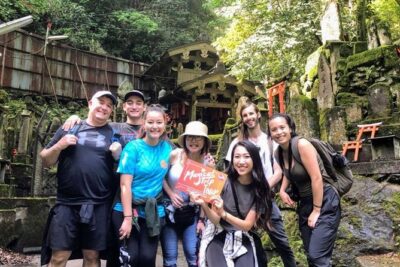
Fushimi Inari, Kinkakuji, Bamboo Grove 1 Day Bus Tour
Read our review →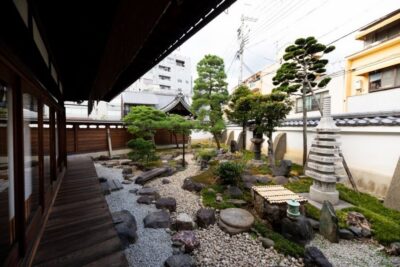

Meiji Shrine, Asakusa, Skytree Bus Tour and Cruise
Read our review →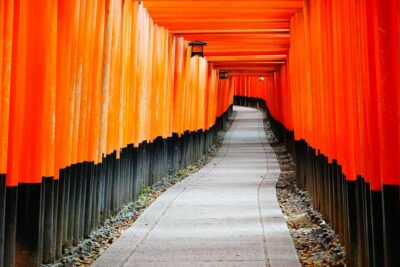
Osaka/Kyoto:Kinkakuji,Arashiyama,FushimiInariShrine,NaraPark
Read our review →
Asakusa Walking Tour with Sensoji Temple Visit
Read our review →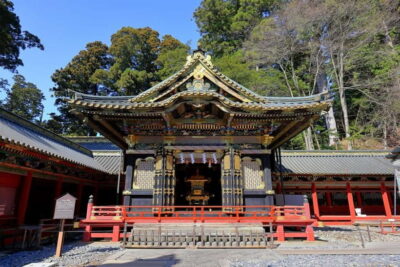
Nikko: Kegon Falls, Lake Chuzenji & Toshogu Temple
Read our review →
Kamakura & Enoshima Day Trip including Temple Tickets
Read our review →
Nikko Toshogu Shrine and Kegon Waterfall Tour
Read our review →Browse the lists this tour appears in