
Reviewed · HISTORICAL TOURS
Yanaka Historical Walking Tour in Tokyo’s Old Town
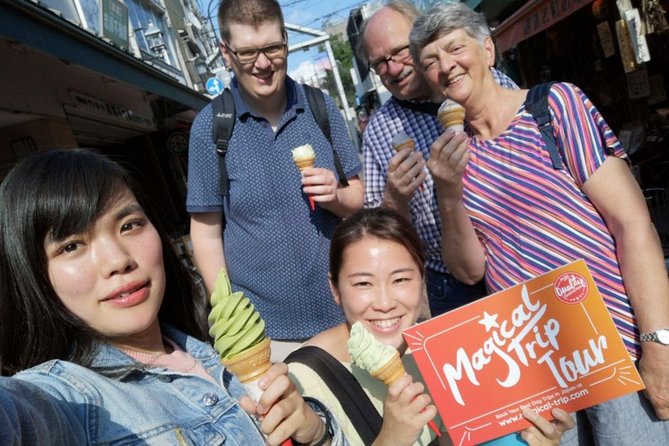
Yanaka Ginza is one of Tokyo’s slower, more human neighborhoods, and this walking tour is built for that mood. You get guided stops that show the side of the city most first-time visitors miss. I especially like the small-group pace and the way the route takes you off main corridors into calmer residential streets.
Two things I also like a lot: the Nezu Shrine torii-gate experience (it’s visually striking) and the included break at Cafe Neko-e-mon where you make a lucky cat craft. The main consideration is timing and food expectations, because you’ll get tastings, not a full lunch or dinner, and you need to start on time.
Key highlights to know before you go
- Nezu Shrine at the start: a memorable intro to Shinto with continuous torii gates
- Small group max 7: you can ask questions without feeling rushed
- Food tastings included: enough to snack and learn, not enough for a full meal
- Cafe Neko-e-mon craft time: paint a maneki-neko cat doll while you rest
- Yanaka Ginza shopping street stroll: nostalgic atmosphere with street-food browsing
- Leisurely route: designed for most people with moderate fitness
Why Yanaka Ginza feels like Tokyo’s quiet back pocket
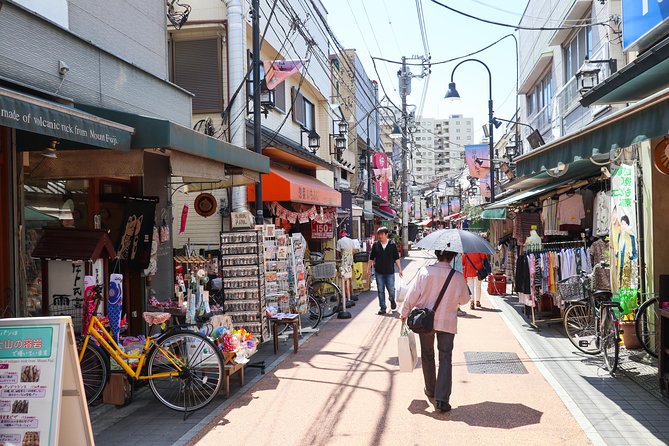
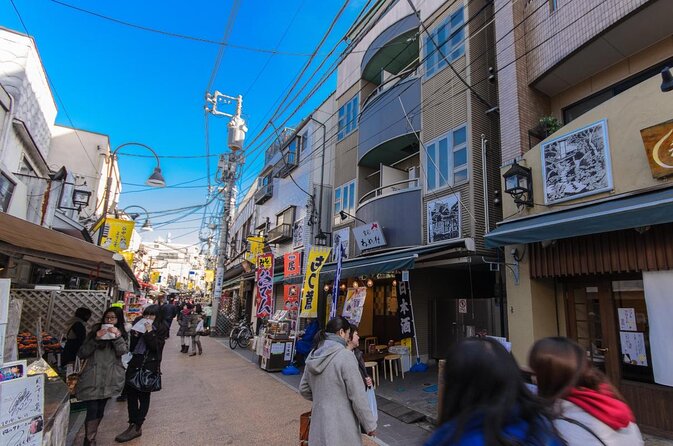
Yanaka Ginza sits in Tokyo like a preserved pocket of old town life. The streets don’t push you forward. Instead, they encourage you to look at doorways, small shops, and the everyday rhythm of people going about their afternoon.
What makes this tour work is that it’s not trying to cram in “see everything” sightseeing. It’s more like a guided walk through textures of the neighborhood, with clear story stops. And the 3.5-hour length is long enough to feel like you actually covered ground, without turning into a marathon.
If you’re the type of traveler who likes asking questions, this style helps. You’re not just looking at sights from a distance. The guide’s commentary is part of the walk, so you’re learning as you go.
More Historical Tours in Tokyo
- Tokyo: Imperial Palace and Shogun Historical Walking Tour
★ 5.0 · 2,251 reviews - Tokyo: Imperial Palace Japanese History Walking Tour
★ 4.9 · 987 reviews - Tokyo: Shinjuku Historical Walking Tour & Secret Backstreets
★ 5.0 · 530 reviews
Meeting point, pace, and what the small group really changes
You’ll start at 1-chōme-3-7 Nezu, Bunkyo City, Tokyo 113-0031, beginning at 1:30 pm. The tour ends in Yanaka, and the guide directs you to your next destination.
The pacing is described as leisurely, and that matters. Yanaka is a neighborhood where the payoff is in details, not speed. A slower walk lets you notice small architecture, side streets, and the way shrines and local shops sit inside residential streets.
Also, the group size is capped at 7 travelers, and that’s a big deal for comfort. Smaller groups tend to mean more personal attention. Based on the overall rating of 4.9 and 98% recommended (from 182 ratings), the tour seems to deliver on that “chat with a local guide” feel.
Two practical notes:
- You need to start on time. If you miss the group due to lateness, you can’t join, and there’s no refund or reschedule for that specific issue.
- You’ll want your own footwear strategy. This is walking, and while the pace is easy, it’s still a walking tour.
Nezu Shrine: torii gates, Shinto atmosphere, and a strong opening
The tour’s first major stop is Nezu Shrine, where you’ll see continuous torii gates. The effect is instantly memorable. It also helps orient you, because it gives you a visual frame for understanding what shrine visits feel like in daily Tokyo life.
This stop is also a good “culture warm-up.” You get a Shinto vibe as you cross a bright red arch, and the guide’s commentary gives you context so it’s not just a photo moment. Nezu is a place where the route and the architecture work together, so you’re not standing in one spot the whole time.
Timing here is about 30 minutes and entry is listed as free. In practice, that means you’ll get enough time for the torii-gate moment and a bit of learning without dragging out the start of your afternoon.
If you like hearing stories, this is where some guides shine. One guide example from past participants is Nao, known for weaving in family history connections, including WWII-related stories. You might not get the same story every time, but it’s a sign the guides tend to bring more than just facts.
Yanaka streets and a traditional lunch window you control
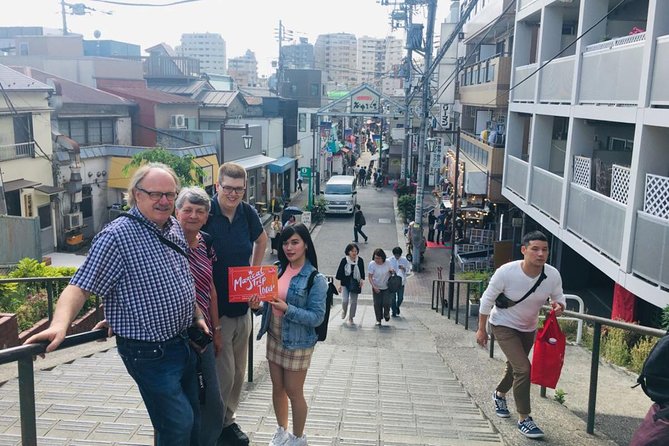
Next comes the Yanaka area itself, with about 1 hour focused on strolling through neighborhood lanes. This is where the tour becomes “walk like a person who lives here,” not like a postcard collector.
A key point: the tour includes traditional food time, but it’s framed as local lunch-style sampling rather than a packaged meal you sit down for at a single restaurant. That’s why it helps to understand your own appetite. The tour description also suggests you should eat beforehand because the tour provides tastings, not a full lunch or dinner.
What you’re looking for here:
- Residential side streets where daily life is visible
- Traditional spaces you would likely skip if you only stayed on big roads
- Opportunities to try several local foods in a low-pressure way
If you’re curious about Japanese habits and neighborhood life, this part is often the “aha” section. You start seeing how shrines, small shops, and everyday living blend together.
More Walking Tours in Tokyo
- Tokyo Tsukiji Fish Market Food and Culture Walking Tour
★ 5.0 · 3,184 reviews - Tokyo: Shinjuku Local Bar and Izakaya Guided Walking Tour
★ 4.9 · 1,794 reviews - Tokyo: Tsukiji Fish Market Food and Walking tour
★ 5.0 · 1,724 reviews - Tokyo: Asakusa Walking Tour with Sensoji Temple Visit
★ 4.8 · 1,583 reviews
Passing by Nezu Museum: a quick link to what you just saw
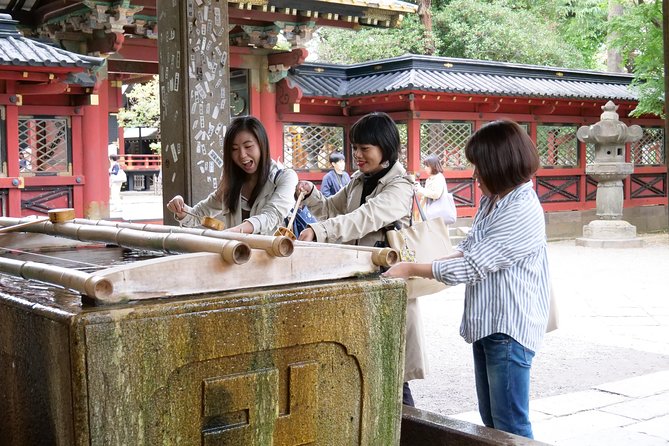
There’s a stop listed as passing by Nezu Museum. That may sound minor, but it can be a useful connector. When you’ve just walked the shrine area, a quick pass by the museum helps tie together the idea that cultural spaces here are part of a larger local ecosystem.
You should treat this as a “glance and orientation” moment rather than a sit-and-read stop. The tour keeps moving, which helps maintain the leisurely overall flow.
If you’re the kind of traveler who wants to go deeper, you might want to plan a separate time to visit indoor collections. This tour is designed for walking, street-level context, and cultural stops you can feel right away.
Cafe Neko-e-mon: the relaxing lucky cat craft break
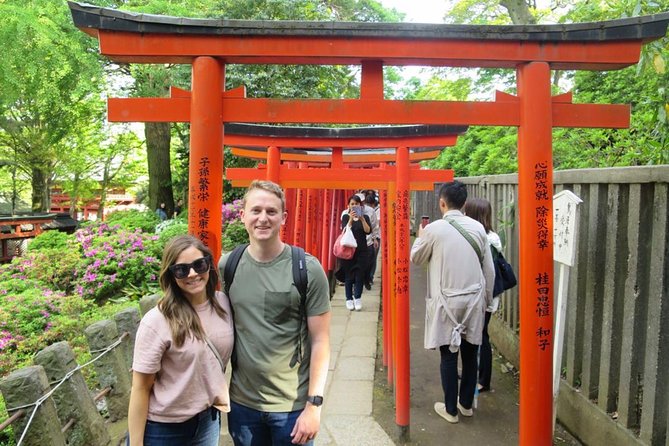
About halfway through, you’ll reach Cafe Neko-e-mon, and this is one of the most memorable “hands-on” segments on the schedule.
Here, you’ll experience painting a Japanese cat doll (a maneki-neko style lucky cat) while having dessert and a drink. The craft element turns the tour from pure sightseeing into a small creative souvenir you can actually take home. That’s the kind of activity that also helps you slow down, which matters on a summer afternoon or a chilly winter walk.
This stop is listed as 1 hour, and it includes the activity and refreshments. In other words, it breaks the walking rhythm at a time when you likely want a breather.
One practical advantage of doing this mid-tour: you can recharge your energy before the Yanaka Ginza shopping street portion. Also, the craft is structured, so you do not need to know Japanese or be artsy.
If you’re traveling with kids, this kind of tactile stop often works well, though the tour is framed as “most travelers,” so you’ll want to keep an eye on your child’s tolerance for walking and group flow.
Yanaka Ginza shopping street: nostalgia, small shops, and snacks
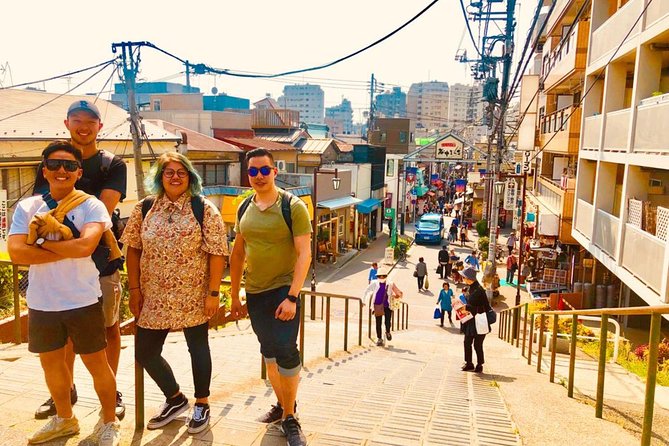
The final core zone is Yanaka Ginza Shopping Street, with about 30 minutes of strolling and street-food sampling.
This is the fun “browse and nibble” portion. You get that nostalgic old-town atmosphere, with small places that feel like they have regular customers, not just tourists. The tasting element keeps it playful, so you’re not just window-shopping.
One thing to expect from this segment is variety in what you can see and smell. Tokyo street food culture is full of bite-sized items. This tour’s approach works because you’re not committing to one big purchase. You sample, learn, then move on.
If you’re a picky eater, keep in mind that the tour includes some tastings, but there’s no guarantee every person’s preferences will be accommodated. Dietary requests made on the day of the tour cannot be accommodated. You’ll need to inform the provider at least one day ahead if you have dietary restrictions or allergies. And even then, allergy-free assurances are not guaranteed because food preparation happens in kitchens that are not owned by the tour operator.
Food strategy: why tastings fit, and why you still need to eat
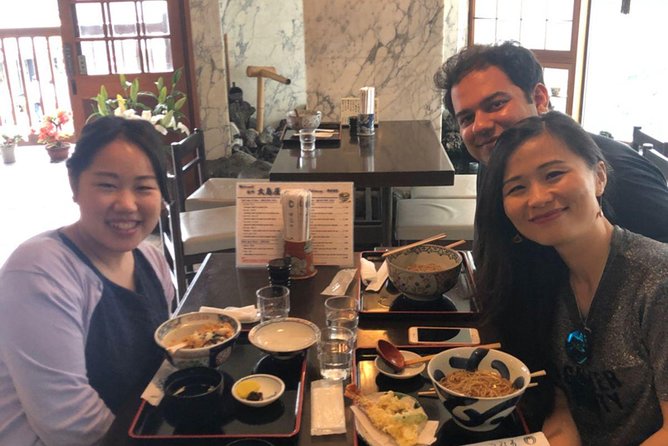
The tour includes food tastings, but not a full lunch or dinner. The provider is explicit that you should have a meal beforehand to get the most out of your afternoon.
Here’s how I’d think about it:
- If you eat lightly before the tour, the tastings may feel satisfying enough.
- If you normally need a full meal to stay comfortable, plan on eating before you arrive and maybe grabbing something after you finish in Yanaka.
Also note the tour includes dessert and a drink at Cafe Neko-e-mon. That’s a clear built-in “calorie and comfort” moment. But the shopping street segment is more of a snack crawl than a full dining experience.
If you’re visiting during hot or cold weather, your appetite can swing. The tour itself mentions Tokyo’s climate has become more extreme, with summer highs up to 40°C (110°F) and winter lows down to -5°C (20°F). So plan your food and water accordingly. Bring a small bottle, and wear layers if temperatures drop.
Price and value: is $81.26 worth it?
At $81.26 per person, you’re paying for a guided walking route, shrine and neighborhood context, included dessert and drink, and the lucky cat craft at Cafe Neko-e-mon.
Is it “cheap”? No. But it’s also not just a sightseeing walk. The craft time has built-in value because you’re not only paying for instruction. You’re paying for the activity structure and the materials, plus a café break.
It’s also a small-group tour with a max of 7 travelers, and that usually increases value. It’s easier to ask questions and get more personalized commentary when the group stays small.
Where you might feel price sensitivity is if you prefer self-guided exploring, or if you don’t want crafted souvenirs. If you want only photos and you don’t care about food tastings or a cat doll, you could DIY Yanaka. But if you like a guided, story-led walk where something hands-on happens mid-tour, the price starts to make sense.
Weather, timing, and staying comfortable on a 3.5-hour walk
This is a walking tour, and the provider notes it requires good weather. If it’s canceled due to poor weather, you’ll be offered a different date or a full refund.
Tokyo weather can be intense, and that matters for comfort. Wear breathable clothing in summer, and don’t assume shade will save you. In winter, layers matter because the walk is outdoors for much of the time.
The tour also asks you to respect timing by arriving early. Starting on time isn’t just about schedules. It keeps the group together so everyone gets the full experience at each stop.
If you plan your day around it, you can make it a smooth afternoon. This starts at 1:30 pm, so it’s a good bridge between a late lunch and early evening plans.
Who should book this Yanaka historical walking tour
This tour fits best if you want:
- A quieter Tokyo experience in a neighborhood that feels more local than central landmarks
- A guided route that explains what you’re seeing, especially Shinto and old-town life
- A mix of walking plus one relaxing, creative break at Cafe Neko-e-mon
- Small-group interaction, with enough time to ask questions
It may be less ideal if:
- You want a full sit-down meal included
- You have serious dietary needs and need strict allergy-free handling (the tour can’t guarantee allergy-free cooking)
- You are uncomfortable with walking for roughly 3.5 hours (the pace is leisurely, but it’s still a walking schedule)
From past participant highlights, guides like Aoi and Hana have been described as personable and local, with one guide example noting family and local perspective. Chihero is associated with taking guests through back streets and traditional houses. Kazu has been described as helpful and answering questions. That pattern suggests the tour leans on story and human context, not just checklist sightseeing.
Should you book? My practical call
I’d book this if you’re craving Tokyo that feels lived-in. Yanaka Ginza is the kind of place where being told where to look makes your experience better. The Nezu Shrine opener, the lucky cat craft break, and the street-food stroll give you variety without turning the afternoon into chaos.
Skip it only if you’re chasing big-ticket monuments or you need a fully scheduled indoor day. This is a neighborhood walk, and the value comes from the in-between moments, plus the included café craft.
If you do book, plan to eat beforehand, bring water, and show up a few minutes early so you do not risk missing the group.
FAQ
How long is the Yanaka Historical Walking Tour?
It runs about 3 hours 30 minutes.
How many people are in the group?
The tour has a maximum of 7 travelers.
What is included in the price?
The tour includes food tastings, and it includes the Cafe Neko-e-mon dessert/drink plus the lucky cat painting activity.
Where does the tour start and end?
It starts at 1-chōme-3-7 Nezu, Bunkyo City, Tokyo 113-0031 and ends in Yanaka, Taito City (you’ll be directed onward by your guide).
What if I have dietary allergies or restrictions?
Dietary requests made on the day of the tour cannot be accommodated. You should inform the provider at least one day before the tour. Allergy-free guarantees are not provided because food may be prepared in kitchens that are not owned by the tour operator.
What happens if I am late to the tour start?
The tour must start on time. If you are late and miss the group, you will not be able to join, and there is no refund or reschedule for that situation.
Latest write-ups near Tokyo
- Tokyo Customized Private Tour: See Top Attractions in 1 Day★ 4.8 · 67 reviews
- From Tokyo: Top 5 Scenic Spots of Mount Fuji Full-Day Tour★ 4.5 · 67 reviews
- Tokyo: Shinjuku Izakaya and Golden Gai Bar Hopping Tour (2h)★ 4.9 · 67 reviews
- Traditional Japanese Music ZAKURO SHOW in Tokyo★ 5.0 · 67 reviews
- Tsukiji: Unlimited Sake Tasting Experience★ 4.9 · 67 reviews
- Tokyo: Not a show- a professional sumo practice with experts★ 4.9 · 67 reviews
- Samurai Ninja Museum Asakusa: Kid-Friendly Ninja Training★ 4.7 · 67 reviews
- Private Harajuku Omotesando Architecture Walking Tour★ 5.0 · 67 reviews
Historical Tours, compared.
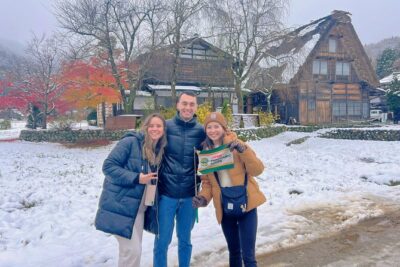
World Heritage Shirakawa-go and Experience Tours from Kanazawa
Read our review →
Imperial Palace and Shogun Historical Walking Tour
Read our review →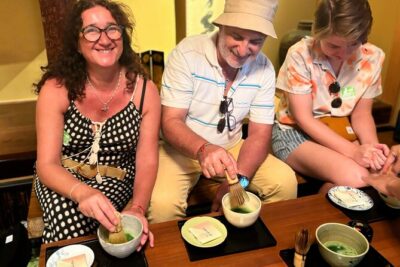
World Heritage Kyoto & Nara Uji Authentic Matcha Experience
Read our review →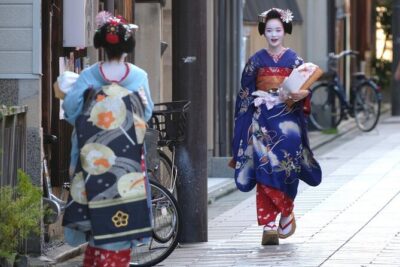
Kyoto Gion: 2-Hour Geisha Culture & History Walking Tour
Read our review →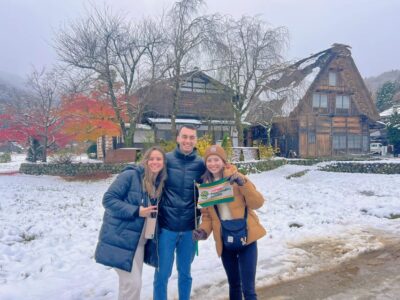
World Heritage Shirakawa-go Morning Guided Tour
Read our review →
Hiroshima Peace (Heiwa) Walking Tour at World Heritage Sites
Read our review →
Shinjuku Historical Walking Tour & Secret Backstreets
Read our review →Browse the lists this tour appears in