
Reviewed · ZEN & MEDITATION
Kyoto: Zen Experience in a Hidden Temple
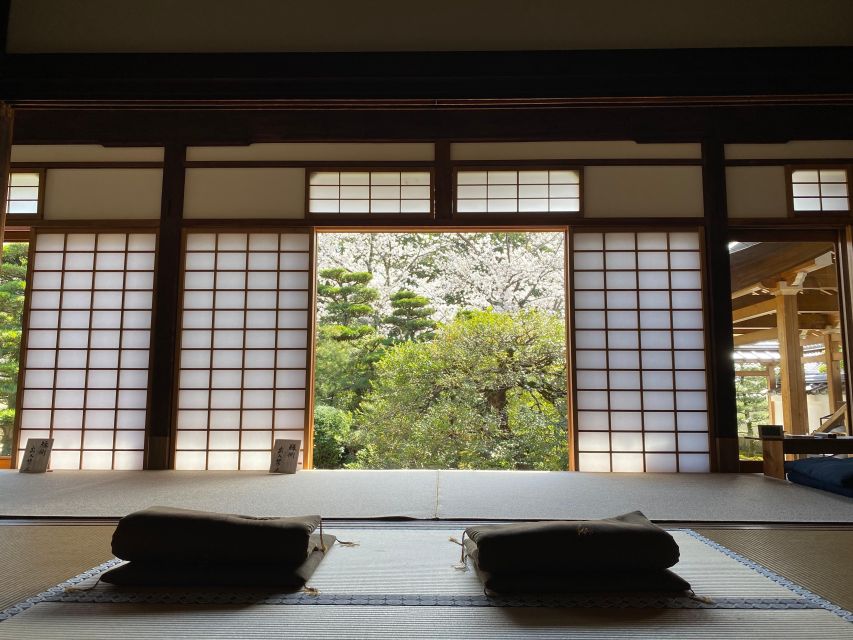
Kyoto has plenty of temples, but this one feels different right away, because you are learning zazen meditation inside Jusho-in, a sub-temple tied to Myoshin-ji. Then the day shifts gears in a gentle way, with a guided matcha experience that connects tea, etiquette, and Zen practice.
Two things I really like here are the chance to hear from Eitetsu Nishida, the 16th generation abbot, and to get hands-on help through two sets of sitting. I also like that the tea is not an afterthought, you taste matcha with seasonal sweets while you look out on a garden connected to Eitoku Kano, and it is designed to match the seasons.
One consideration: this is real meditation. Sitting upright and still for 20 minutes at a time can be challenging, and comfort depends on your body and setup. You can use chairs, but it is not wheelchair accessible, and you are advised not to wear a rented kimono for better comfort.
Key things that make this Kyoto Zen practice worth your time
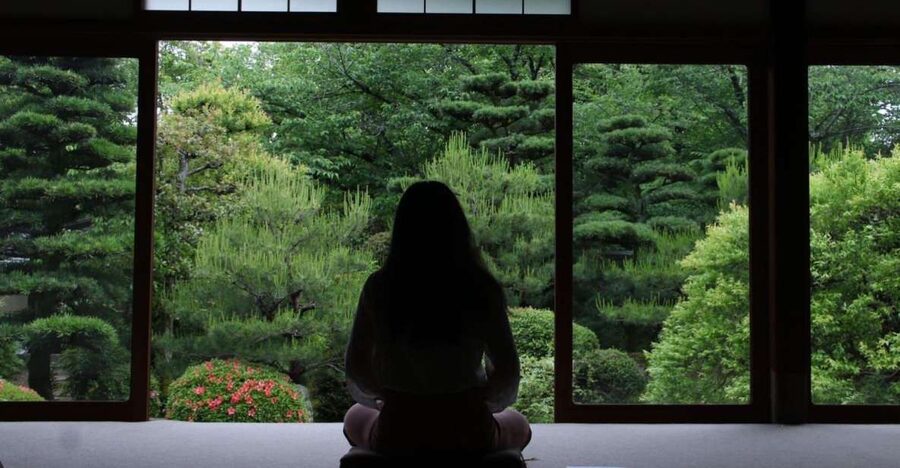
Two rounds of zazen (20 minutes each), with guidance that helps you stop “trying to think.”
Eitetsu Nishida’s sermon and teaching gives you Zen context instead of just silent sitting.
Matcha and seasonal sweets are part of the spiritual practice, not just a snack break.
A garden tied to Eitoku Kano offers spring, summer, autumn, or winter scenery depending on when you go.
Photo keepsakes are handled by a photographer so you can stay present.
Real comfort options like chairs are available during zazen, plus practical support from the guide team.
Why Jusho-in feels quieter than most Kyoto temple stops
This experience is built around one quiet idea: if you want Zen, you need less performing and more practice. Jusho-in is one of the sub-temples within Myoshin-ji, Japan’s largest Zen temple complex. Jusho-in itself traces back to 1599, and the setting is part of the teaching. You are not rushing across a checklist of photo spots. You are walking in with the group, settling into the temple space, and focusing on one thing at a time.
I also like the location choice. Myoshin-ji is huge, and Jusho-in is one of its quieter corners. Several comments underline that the vibe stays calm and “not touristy,” which matters in a city where it is easy to turn every sightseeing morning into a crowded slog.
And then there is the garden. You are not just looking at greenery. This garden is attributed to Eitoku Kano, a renowned 16th-century painter, and the design is described as unchanged since its creation. That means your tea moment is paired with a space that has held the same kind of seasonal rhythm for a long time.
More Temple & Shrine Tours in Kyoto
- Kyoto: Fushimi Inari, Kinkakuji, Bamboo Grove 1 Day Bus Tour
★ 4.8 · 4,316 reviews - Kyoto: Tea Ceremony Ju-An at Jotokuji Temple
★ 4.9 · 3,207 reviews - Osaka/Kyoto:Kinkakuji,Arashiyama,FushimiInariShrine,NaraPark
★ 4.1 · 1,596 reviews
Meeting at Myoshin-ji, then walking to Jusho-in
You meet at the north gate of Myoshin-ji Temple. There are two starting options noted, including 18 Taniguchisonomachi (北総門). From there, you walk with the guide to Jusho-in.
This small walk is more useful than it sounds. It buys you time to shift out of “Kyoto mode.” You also get your bearings before you step into the meditation space. In a city where entrances can be confusing and signs can blur together, having a guide lead the route is one less thing you need to think about.
Once you arrive, the group settles in according to the reservation order. Seats are assigned in that order, and that can matter if you have mobility needs. The good news is that chairs are available for those who need assistance during zazen.
Two 20-minute zazen sessions, guided with real structure
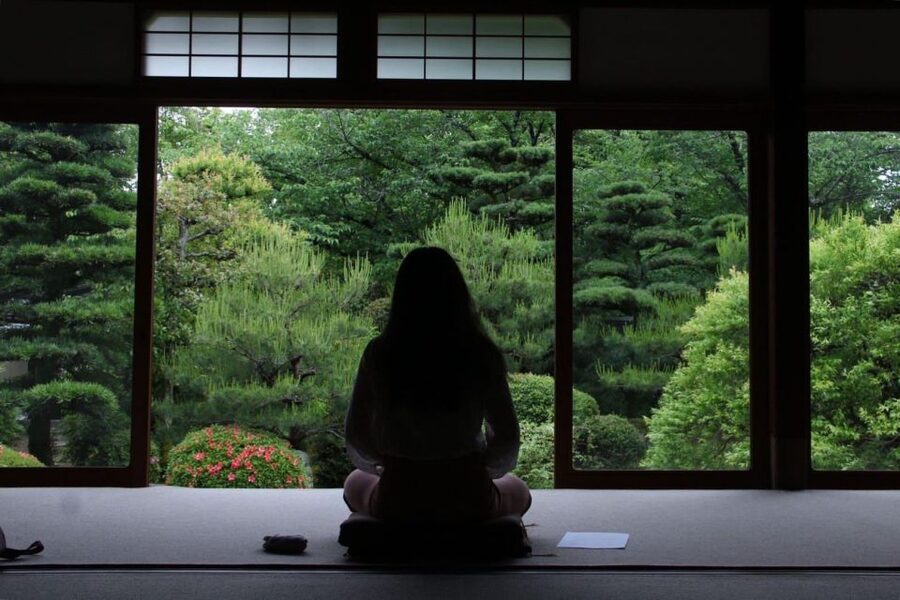
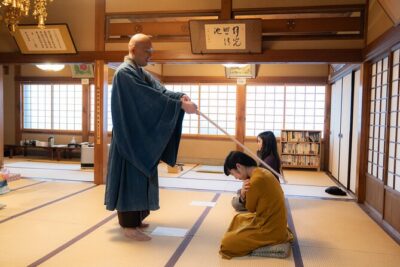
The core of the experience is zazen meditation guided by Eitetsu Nishida, the 16th generation abbot at Jusho-in. The whole practice is designed to be doable, but it still takes effort because meditation is not about filling the mind. It is about learning what it feels like when you stop wrestling with thoughts.
Here is the rhythm you can expect:
Two sets of 20 minutes of zazen, with a break between.
Guidance and instructions before you sit, so you understand how posture and attention are meant to work.
A chance to ask questions, after the sitting part starts or between the sessions (depending on the flow for that day).
A theme that shows up clearly in feedback is that 20 minutes can feel like less time than you fear. One common worry is that beginners will struggle. In practice, the instruction and pacing help. The sitting itself still feels hard for many people, because “empty mind” is harder than it sounds, but the structure prevents it from turning into pure frustration.
If you need a comfort option, chairs are available. That is especially important because you are expected to sit upright and still, and some people find cross-legged posture difficult for the full sitting time.
Eitetsu Nishida, Zen philosophy, and Rinzai context that makes sense
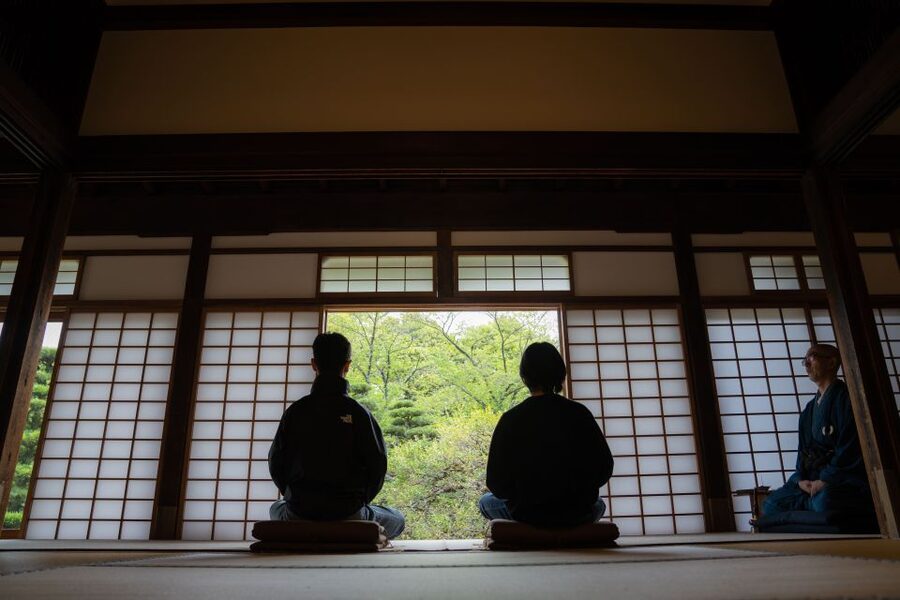
A lot of meditation experiences give you a slogan and then tell you to sit. This one gives context. After the meditation, Eitetsu Nishida shares explanations tied to Zen practice and the Zen worldview.
The experience specifically references Rinzai Buddhism, which in Japan is known for intense practice and a focus on sudden realization, often described as satori. The point is not to turn you into a scholar. The point is to help you understand what you are doing while you are doing it.
I like that Eitetsu Nishida is not portrayed as a distant figure. He has a backstory noted as well: he previously worked as a national public servant for 10 years before becoming a monk, and after rigorous training lasting three and a half years, he is described as cheerful and animal-loving. That personality matters because it makes the lesson easier to accept, even if you came with zero background in Zen.
Also, you may find translation support varies by group. Some groups have mentioned interpreters such as Ursula or Nicolas supporting the teaching. If clear English is important to you, stay engaged with your guide, and ask questions in a way that helps the translator relay your intent accurately.
More Zen & Meditation in Kyoto
- Kyoto Zen Meditation & Garden Tour at a Zen Temple with Lunch
★ 5.0 · 441 reviews - Kyoto: Tea Ceremony Meditation – Make Matcha with Tea Master
★ 4.8 · 406 reviews - Kyoto: Zen Meditation at a Private Temple with a Monk
★ 5.0 · 202 reviews - Kyoto: Zen Garden, Zen Mind (Private)
★ 5.0 · 126 reviews
How the matcha tea part connects to Zen practice
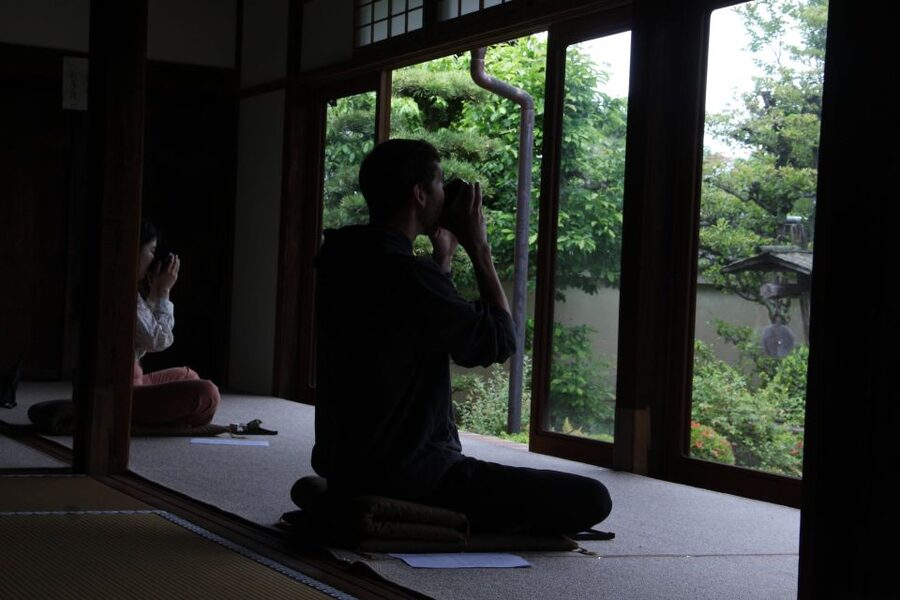
After the zazen, you shift into matcha. This is not a generic tea tasting. You learn how to enjoy matcha, including its history, from Eitetsu Nishida. Then you drink matcha with traditional seasonal sweets.
Tea matters in Zen because it is slow, precise, and sensory. The ritual teaches attention. If you just sat in silence trying to notice your mind, the matcha moment gives your focus something concrete to hold. It also gives you a bridge between meditation and daily life, because drinking tea is something you can actually repeat after the tour.
You will be served matcha and wagashi, and the pairing is part of the experience design. Feedback repeatedly calls out that the matcha and sweets are a highlight, with people describing wagashi served in a refined way and chosen carefully.
One practical detail: if you have dietary restrictions, you should ask in advance. The specific sweets are seasonal, and the experience states you are served traditional seasonal sweets, but it does not list allergy accommodations in the provided details.
The 16th-century garden you see while you drink tea
The garden experience is timed to feel like a natural continuation of meditation. The garden is described as remaining unchanged since its creation and attributed to Eitoku Kano. That matters because the scenery is not random. It is built around seasonal beauty, which is listed as:
cherry blossoms in spring
fresh greenery in summer
autumn leaves
snow in winter
In other words, you are not just eating sweets in a pretty yard. You are part of a seasonal observation practice. The garden becomes a shared reference point for calm and reflection, which is exactly the kind of focus zazen trains you to notice.
Several comments also mention the garden view while meditating or during tea, and it is hard to ignore why. The setting helps you settle without forcing it.
Etiquette and comfort tips that keep the meditation from going sideways
This tour is calm, but it still has rules and real-body needs. Here are the practical bits that actually affect your experience.
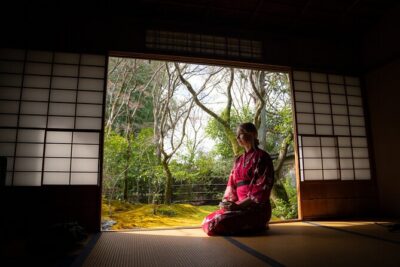
First, dress and posture comfort matter. There are no special requirements listed, but you are specifically told not to wear a rented kimono if you can avoid it. Sitting comfortably for meditation can be difficult in a rental kimono.
Second, be ready for all weather. The experience runs rain or shine. Cold days can affect comfort, and in at least one case people described meditating with doors to the garden open and being offered blankets. That tells you something useful: layer up, and if you get cold, speak up. Comfort support is part of how they keep you able to participate.
Third, bathrooms are available according to feedback. If you need this kind of reassurance, plan it early. When you are about to sit, a quick check helps you avoid stress later.
Lastly, no sharp objects, and no alcohol or drugs are allowed. It is a temple setting and a meditation environment, so keep your day simple.
The photo keepsake, and why it helps you stay present
A lot of people fear meditation tours become awkward picture sessions. Here, a photographer takes photos during your experience using a single-lens reflex camera. You receive the photo data a few days after the tour ends.
That matters because it removes a common distraction. You do not have to remember to take shots while you are learning posture and breathing attention. You can focus on listening and sitting, and then enjoy photos later when you have more mental space.
If you prefer minimal photos, you can still participate. The key is that the photographer role is scheduled, rather than turning every moment into a camera moment.
Getting more from your Kyoto day, without turning it into a rush
This is a short, focused tour, so you may have time before or after to explore Myoshin-ji on your own. One useful tip shared is that after the Zen experience, you can take time to walk around the wider complex. There is a mention of the main temple area with a dragon on the ceiling, plus an access fee (500 yen was noted for entry), and that photos are not allowed there. Another spot mentioned is the Bell of Good Connections.
You do not have to do any of that. But if your goal is to step away from crowds and slow down, having the option helps. Your Zen practice experience can become the “tone setter” for the rest of the day.
Price, group size, and value for a 2-hour Kyoto morning
The price is listed at $109 per person, for about 2 hours including explanations of zazen and tea. At first glance, that can feel like a lot if you compare it to a self-guided temple visit. But this is not just entry. It is training time with a chief priest at Jusho-in, tea and sweets, and professional photo documentation.
What you are getting for your money:
guide support and temple entry ticket
the chief priest’s sermon and explanation around practice
matcha and Japanese sweets
photos taken during the experience, delivered afterward
You also get a structure that self-guided temple visits cannot provide. Learning posture, how to sit, and how to approach meditation etiquette takes human guidance, especially if this is your first time.
Group style is listed as private or small groups available. That matters in Kyoto because small groups usually mean fewer interruptions, more patience, and a calmer experience for questions.
Also note: there is no hotel pickup or drop-off. You will need to handle getting to the north gate meeting point, and then you will return to the designated drop-off area (also listed as 北総門 and 18 Taniguchisonomachi depending on the option).
Who this Zen experience is best for
This tour is ideal if you want something meaningful that still feels approachable.
It suits you if:
you want to learn zazen rather than just watch it from afar
you like structured experiences with time for questions
you want a calm Kyoto morning away from heavy crowds
you care about cultural context, not just aesthetics
you enjoy matcha, tea etiquette, and seasonal sweets
It may not suit you as well if:
you need a fully wheelchair accessible setup (it is not wheelchair accessible)
you are not comfortable sitting still for 20 minutes at a time
- you plan to wear a rented kimono, since that can make meditation posture harder
Should you book this Jusho-in zazen and matcha experience?
If your goal is a calm, high-touch introduction to Kyoto Zen, I think booking makes sense. The biggest strength is the pairing of practice and explanation. You sit, you get guided, then you shift into tea with matcha history and seasonal sweets in a garden tied to an artist and multiple centuries of continuity.
The other reason to book is practical: the experience is tightly timed at two hours, it has comfort support like chairs during zazen, and it gives you a photo keepsake so you can stay present.
My only caution is your comfort with stillness. If you can handle sitting upright in a quiet room, even for short stretches, this will likely feel restorative. If you cannot, plan for the chair option and set expectations that meditation takes effort, not because you are failing, but because that is the point.
FAQ
What is the duration of the Kyoto Zen Experience in a hidden temple?
The experience lasts about 2 hours, including explanations of zazen and the matcha tea time.
Where do I meet, and where do I get dropped off?
You meet at the north gate of Myoshin-ji Temple. Two meeting options are listed, including 18 Taniguchisonomachi (北総門). Drop-off locations also include 北総門 and 18 Taniguchisonomachi, depending on the option booked.
What happens during the zazen meditation portion?
You practice zazen meditation with guidance. The flow includes two sets of 20-minute zazen sessions.
Is there English support during the tour?
Yes. The live tour guide is listed as English.
Will I be able to sit comfortably during meditation?
Seating is assigned in the order of reservations, and chairs are available for those who need assistance during zazen. There is also advice not to wear a rented kimono because it can be difficult to sit comfortably.
What is included with the tea experience?
You will have a matcha tea experience with Japanese sweets. The chief priest also guides you on how to enjoy matcha, including its history.
Is the tour wheelchair accessible?
The tour is not wheelchair accessible. Chairs are available for those who need assistance during zazen, but a wheelchair-friendly setup is not listed.
Latest write-ups near Kyoto
- Kyoto: Nishiki Market Tour with a Local Foodie & Tastings★ 4.5 · 67 reviews
- Kyoto Kimono Rental mimosa |Kimono/Yukata Rental Couple Plan★ 4.8 · 67 reviews
- Kyoto: Traditional Kimono Fabric Handicrafts Workshop★ 5.0 · 67 reviews
- Kyoto Tea Ceremony and Samurai Photo Session★ 5.0 · 70 reviews
- Kyoto: Replica food making experience★ 4.8 · 70 reviews
- Kyoto: Kinkakuji, Golden Pavilion Guided Tour★ 4.7 · 71 reviews
- Private departure transfer from Kyoto city to Kansai International airport★ 5.0 · 72 reviews
- Uji: Green Tea Tour with Byodoin and Koshoji Temple Visits★ 4.8 · 72 reviews
Zen & Meditation, compared.
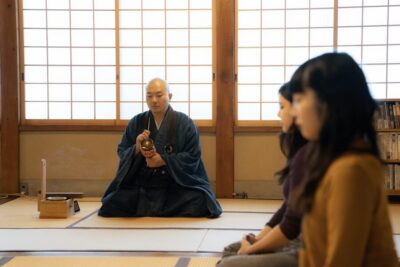
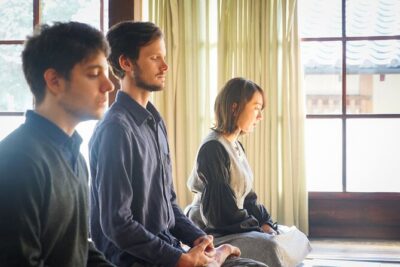
Kyoto Zen Meditation & Garden Tour at a Zen Temple with Lunch
Read our review →
Tea Ceremony Meditation – Make Matcha with Tea Master
Read our review →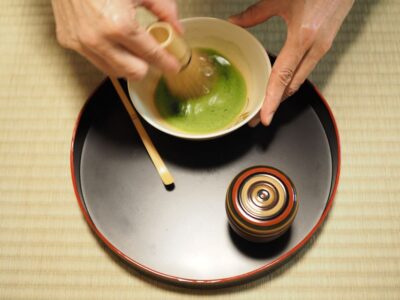
Tokyo Zen Meditation at Private Temple with Monk
Read our review →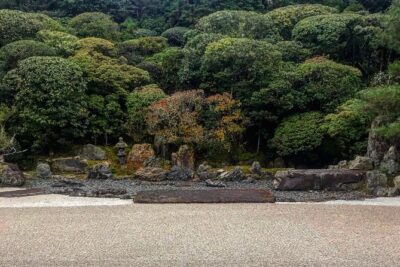
4.5-Hour Kyoto Bike Tour with Lunch and UNESCO Zen Temples
Read our review →Browse the lists this tour appears in