
Reviewed · MARKET TOURS
Kyoto: Nishiki Market Brunch Walking Tour-7 Tastings+Brunch
This tour is interesting because it turns Kyoto’s food scene into a guided morning walk, not a random hunt through stalls. I like the small-group pacing through classic backstreets, and I love that you start with calm Gion air before you land in the Kitchen of Kyoto. One thing to keep in mind, the route is not friendly for wheelchairs or strollers, and there are also no guaranteed vegan or gluten-free options.
You’ll walk from Gion toward Nishiki Market with a local English guide, then stop at a shrine before you eat. Many guides also share practical context you can’t pick up from a guidebook, like how to read the shrine space and what’s happening locally during your visit. The best part is that the market visit is built around tastings, so you spend less time guessing and more time eating.
Key highlights you should care about
- A guided morning route through Gion and nearby lanes, when Kyoto feels quieter than at night
- Nishiki Tenmangu Shrine stop to add meaning, not just photos
- 7 tastings plus brunch at a restaurant, so you get both variety and a proper meal
- English guide who answers questions about food culture and Kyoto day-to-day life
- Photo help on the walk so you get group shots in the best spots
- Cash needed since extra food and drinks are on you
The Best Way to Start Kyoto: Quiet Gion, Then Nishiki Market
Kyoto mornings have a different rhythm. At night, everything feels louder and more performative. In the morning, the streets loosen up. That’s exactly why this style of tour works: you’re moving while the area is calmer, then you transition to the market with an appetite that actually matches what’s in front of you.
I also like how the guide-led approach helps you “get oriented fast.” Nishiki Market can look like one long stretch of stalls at first, and it is. But a good guide shows you how to navigate without getting slowed down by indecision or by lines. You’re not just there to shop. You’re there to learn what to look for and what makes certain items worth trying.
And yes, you’ll still see typical market energy once you arrive, but the tour structure keeps it organized. With a cap of 7 participants, the pace stays workable even when streets tighten up.
More Market Tours in Kyoto
- Nishiki Market Brunch Walking Tour (7 Tastings + Brunch)
★ 5.0 · 1,355 reviews - Kimono Tea Ceremony at Kyoto Maikoya, NISHIKI
★ 5.0 · 911 reviews - Kyoto Nishiki Market Food and Culture Walking Tour
★ 5.0 · 412 reviews
Gion Morning Walk: From Gion Shijo Area to Shijo-ohashi Bridge and Pontocho
The tour begins near Gion Shijo Station, with your guide holding a sign for MagicalTrip. From there, you head out on foot through the Gion area in the early part of the day. This matters because Kyoto’s “classic” streets can turn into a photo jam later. A morning start gives you space to walk, notice details, and hear the guide without shouting.
You’ll also make short sightseeing stops along the way, including Shijo-ohashi Bridge and Pontocho. These pauses are practical. They’re not long detours, but they help you connect what you’re seeing to the story the guide is telling. Pontocho in particular is a great example of how Kyoto preserves old street form while still living as a modern food and nightlife district. Even if you have limited time in Kyoto, this quick “context walk” makes the later market visit feel more grounded.
One small caution: you should expect a walking tour feel, not a ride. Shoes matter. So does weather gear. Japan’s climate has been more extreme, with summer highs around 40°C (110°F) and winter lows around -5°C (20°F), so dress for the season and bring layers if the forecast looks weird.
A Shrine Stop That Actually Teaches You How to Look
Before you dive into food, you visit Nishiki-Tenmangu Shrine. This isn’t a random altar stop where everyone rushes past. It’s there to slow you down and teach you how to notice what you’re seeing.
Shrines in Kyoto are full of cues. They look simple until you realize there’s a rhythm to how locals approach a sacred space. Some guides are especially good at explaining basic etiquette, like what you do at a shrine and how to interpret the setting. In many groups, guides also explain the difference between shrines and temples, which is a useful skill if you plan to keep sightseeing after the tour.
This stop also gives you a mental reset. You get a calm break right when your schedule could otherwise just become one long food sprint. It’s a better flow for the rest of the market visit, and it makes your food sampling feel tied to place, not just “shopping calories.”
Nishiki Market: The Kitchen of Kyoto, With a Tasting Plan That Cuts the Guesswork
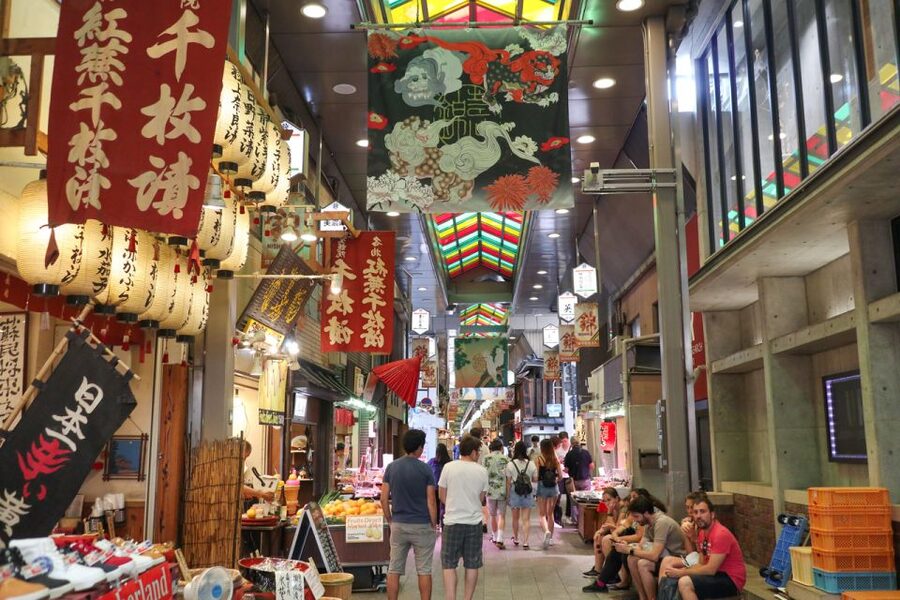
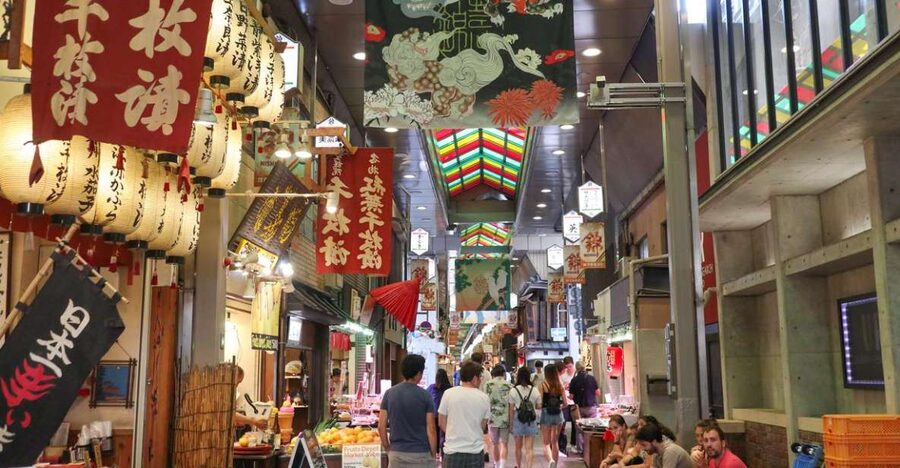
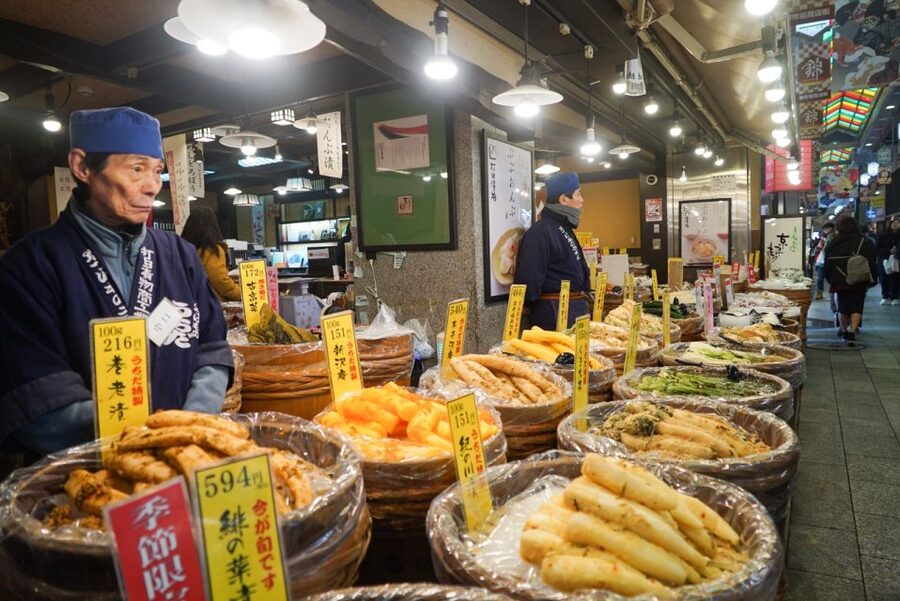
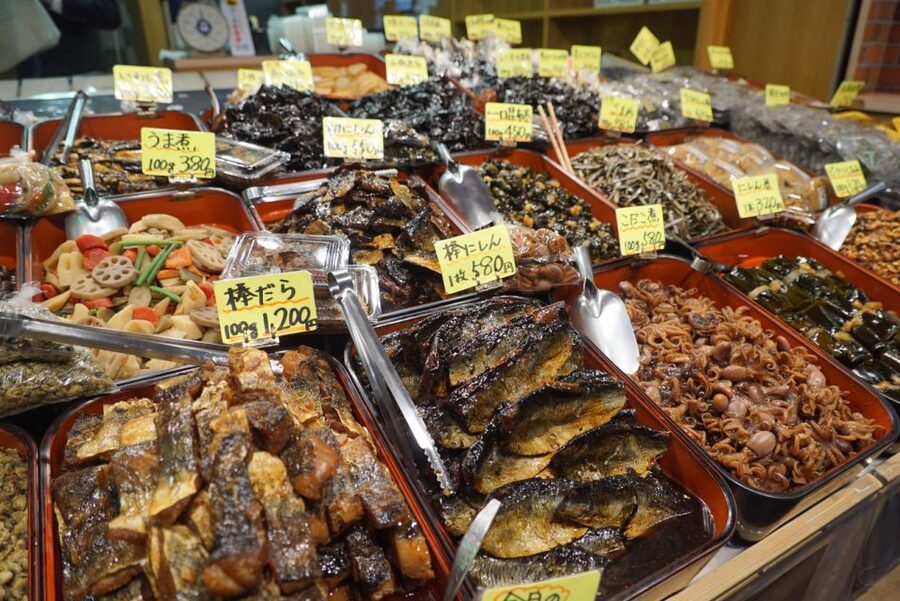
Then you reach Nishiki Market, a market known locally for centuries of food culture, often called the Kitchen of Kyoto. It’s easy to understand why. The market is packed with snack-sized items, lunch staples, and small gifts, all squeezed into a narrow stretch.
Here’s what you’ll feel right away: the market is not organized like a mall. It’s more like a long corridor of stalls plus storefronts. One review noted it clearly, food stalls sit alongside retail like soaps and honey, so you can drift off mentally unless someone keeps the group on track. That’s where the tour design helps most.
More Shopping Tours in Kyoto
- Kyoto: Nishiki Market Tea Ceremony with Koto Performance
★ 4.8 · 294 reviews - Kyoto: Local Food Tasting Tour at the Nishiki Market
★ 4.7 · 135 reviews - Kyoto: Nishiki Market and Depachika Food Tour with a Local
★ 4.7 · 76 reviews - Kyoto: Nishiki Market Tour with a Local Foodie & Tastings
★ 4.5 · 67 reviews
How the tastings work
You get 7 kinds of tastings as part of the experience, then you move into a brunch meal at a restaurant included in the price. The tastings are the point. They’re small enough to try widely, but guided well enough that you’re not stuck with only one type of item.
This tasting model is great value for two reasons:
- It reduces the cost of sampling. You’re trying multiple items without paying full prices for everything.
- It reduces risk. If you’re not sure what you’ll like in Japan, tastings let you experiment.
If you’re the kind of person who always wonders, What should I try here? this tour answers that question with structure.
Photos are part of the package
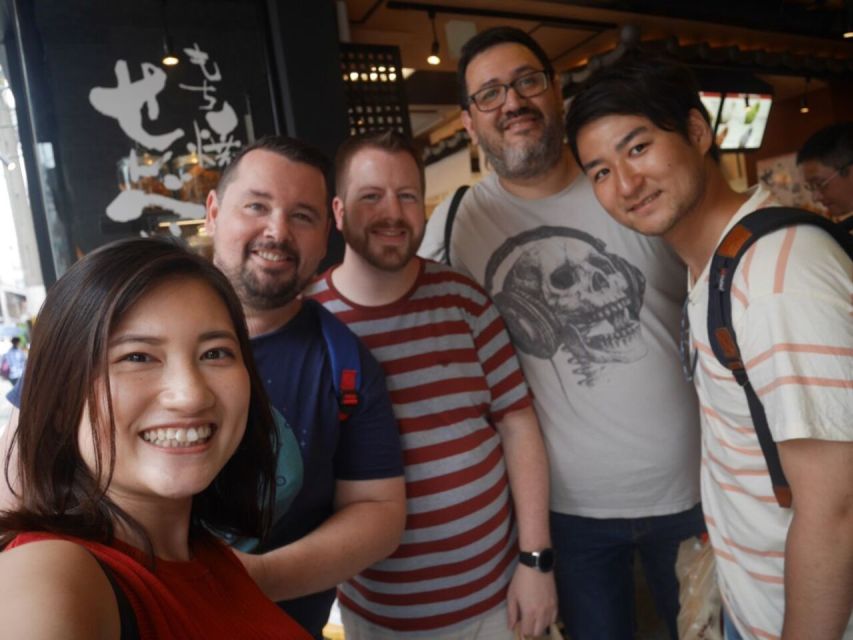
You’ll get photos during the walk. Many groups also report that guides act as the group photographer, helping you get shots in good spots. This is a small thing, but it changes how the tour feels. You’re not juggling your camera while trying to keep up.
The Brunch Meal: What You’re Paying For, and How to Choose Smartly
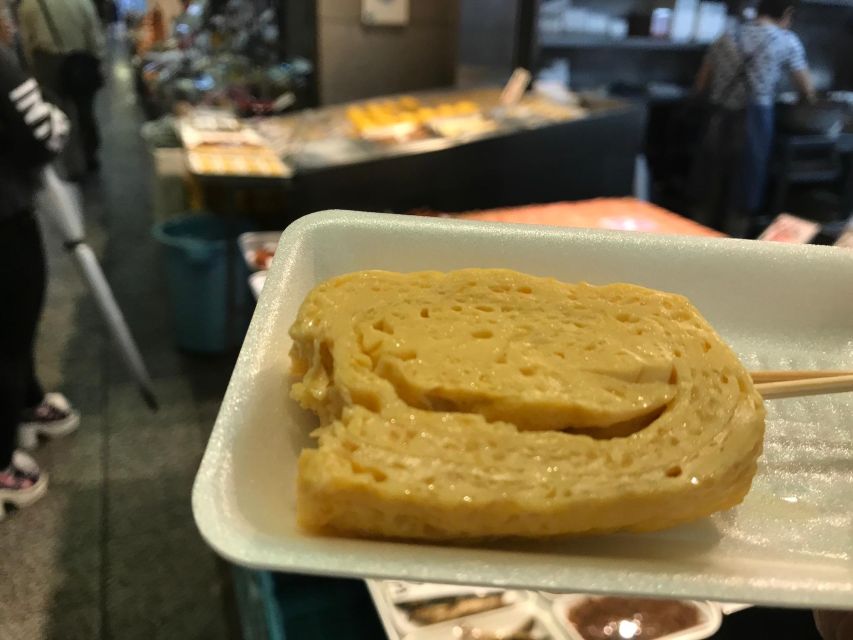
The “brunch” part is not just an afterthought. It’s included, and it anchors the tour after the tastings. That’s why the price makes sense on paper. You’re paying for:
- about 3 hours of guide time in a high-skill format (walking plus food coordination),
- 7 tastings, and
- a sit-down restaurant meal.
At $66 per person for a half-morning experience, it’s not cheap compared to self-guided market wandering. But when you factor in multiple tastings plus a full restaurant meal, you’re paying for convenience and curation, not just food.
You should also know what is not included. Additional food and drinks are extra, so keep some cash aside if you want more than what the tour covers.
Diet details are important here. The tour is not set up to accommodate vegan or gluten-free requests, and you can’t assume allergy-free meals. The food is prepared in kitchens that don’t belong to MagicalTrip, so the safest move is to treat this as a general tasting tour, not a special-diet guarantee. If you have dietary needs, inform the provider at least one day before the tour so they can mention it, but substitutions are not guaranteed.
One more practical tip: many guides encourage you not to eat heavily before the start, because the market sampling is the real draw. If you arrive full, the tastings can feel like “extra” instead of “the point.”
Small-Group Feel: Why 7 People Changes Everything in a Crowded Market
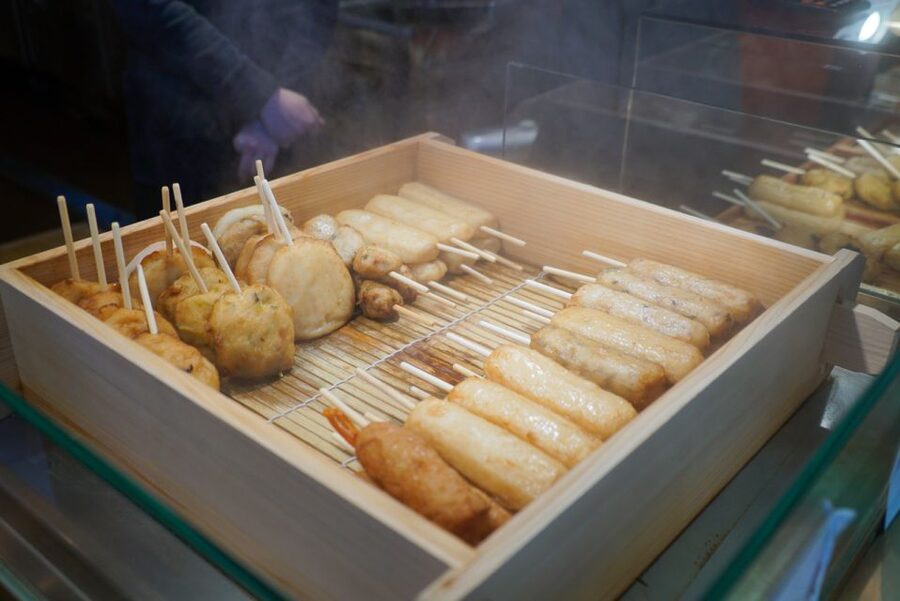
A market tour can go one of two ways. Either you’re split up and it turns into stress, or you’re herded so tightly you can’t enjoy the food. The difference here is the group size cap of 7 participants.
In that kind of group, your guide can:
- answer questions without rushing you,
- keep an eye on everyone in narrow lanes,
- adjust pacing if someone needs a second to look at a stall, and
- help with photo stops without making it a bottleneck.
I also like that your guide can usually answer questions on history and culture, so you can connect what you’re eating with why it exists in Kyoto. Many guides are praised for clear English and friendly interaction, including guides like Reiko, Takaya, Yusuke, Chie, and Yuma, who are repeatedly mentioned for making the walk feel personal and easy to follow.
If you’re short on time and want to “do Kyoto right,” this kind of structure is a smart shortcut. You still get the real atmosphere of the market, without losing hours to indecision.
Practical Tips That Make the Tour Smoother From Minute One
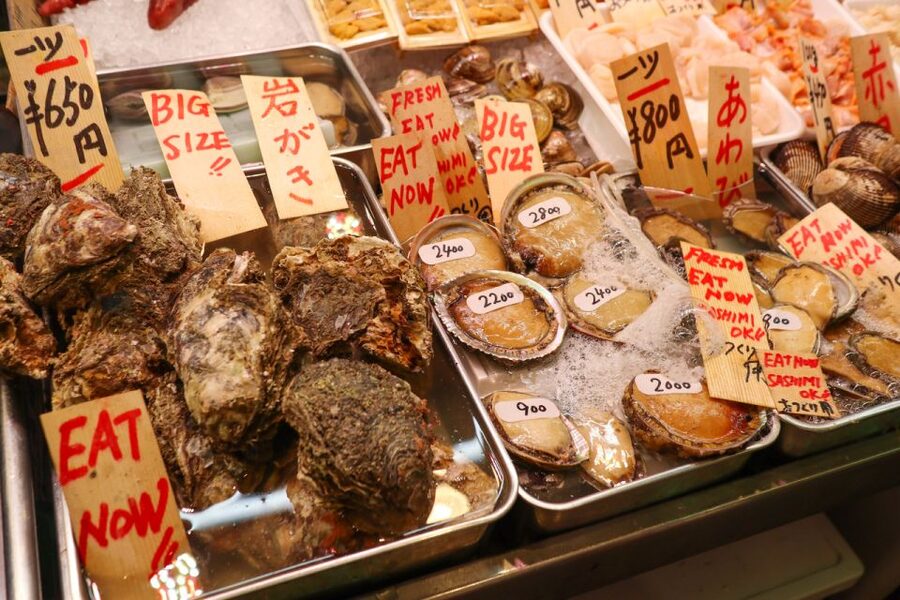
A few details will help you have an easier morning.
- Bring cash. You’ll want it for anything beyond what’s included. The tour explicitly calls for cash.
- Wear comfortable shoes. It’s a walking experience around bridges, alleys, and a market corridor.
- Dress for the weather. Summers can be brutal, and winters are cold. Layering helps.
- Keep expectations realistic about dietary restrictions. Vegan and gluten-free requests are not accommodated, and allergy-free meals are not guaranteed.
- Watch your hands and pace in the market. Nishiki is narrow and busy. If you stop to read every sign, you’ll fall behind. Use the tastings as your guide for what to try.
- Go in hungry, but not frantic. You’ll get tastings and brunch, so you don’t need a big breakfast beforehand.
Who This Tour Is Best For (And Who Should Skip It)
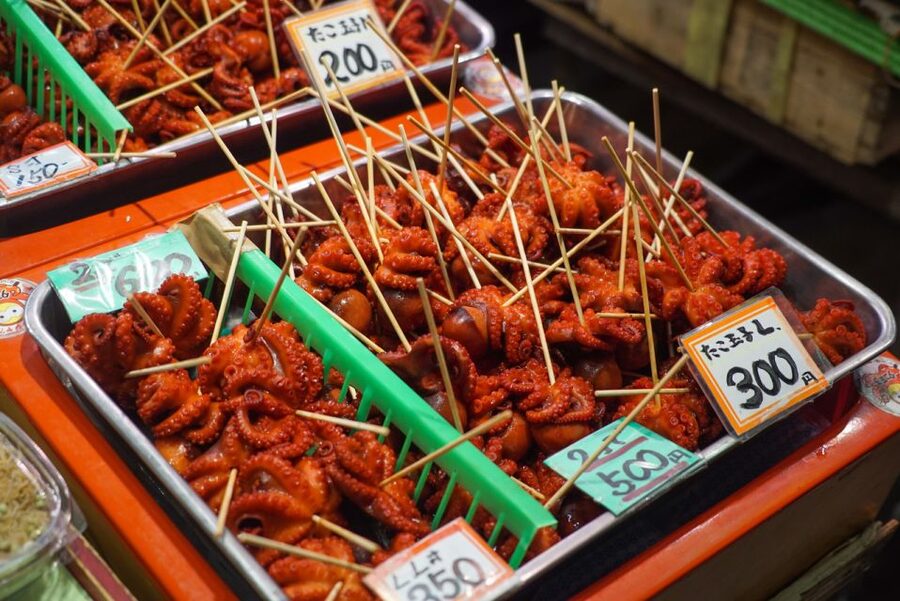
This tour is a great fit if you:
- want a food-focused way to see Kyoto fast,
- like learning cultural context along with what you eat,
- enjoy walking and small-group interactions,
- want help picking what to try in Nishiki Market without paying for trial and error.
It’s less ideal if you:
- need wheelchair or stroller access, since the route includes places not accessible by wheelchair or stroller,
- require gluten-free or vegan meals as a firm requirement, because that cannot be guaranteed.
If you’re flexible and excited about Kyoto’s food culture, you’ll probably get a lot more out of this than a generic sightseeing morning.
Should You Book This Nishiki Market Brunch Walking Tour?
I’d book it if your goal is to eat your way through Kyoto with a guide who keeps the morning organized and meaningful. The combination of 7 tastings plus brunch, the calm start through Gion, and the shrine stop gives you more than a “snack crawl.” It gives you a structured way to understand why Nishiki Market matters.
Skip it if you need guaranteed dietary accommodations, or if mobility access is a must. Also, if you hate walking tours, this probably won’t match your style, since everything is on foot for about 3 hours.
If you want an efficient, local-feeling morning that makes Nishiki Market easier to enjoy, this one is a strong choice.
FAQ
Where do I meet the guide?
You meet at Gion Shijo Station, right outside Exit 5. The guide will be holding a sign that says MagicalTrip.
How long is the Kyoto Nishiki Market brunch walking tour?
The tour lasts 3 hours.
How much does the tour cost?
The price is $66 per person.
What’s included in the price?
The tour includes brunch at a restaurant, 7 kinds of tastings, a 3-hour walk with an English-speaking local guide, and photos during the tour.
How many tastings will I get?
You’ll get 7 tastings.
What language is the tour guide?
The live tour guide speaks English.
Is this a small group tour?
Yes. It is limited to a small group, with up to 7 participants.
Is the tour wheelchair or stroller accessible?
No. Some locations on the route are not accessible by wheelchair or stroller.
Can I request vegan or gluten-free meals?
No. Vegan and gluten-free requests are not accommodated for this tour, and allergy-free meals cannot be guaranteed.
What should I bring?
Bring cash, especially since additional food and drinks are not included.
Is there free cancellation?
Yes. You can cancel up to 24 hours in advance for a full refund.
More Walking Tours in Kyoto
- Kyoto Geisha Walking Tour: Gion District & Hidden Gems
★ 4.7 · 3,273 reviews - Kyoto: Gion Magical Night Walking Tour with Geisha Trivia
★ 4.9 · 2,393 reviews - Kyoto: Gion Geisha District Walking Tour – Stories of Geisha
★ 4.7 · 2,187 reviews - Night Walk in Gion: Kyoto’s Geisha District
★ 4.5 · 2,003 reviews
Latest write-ups near Kyoto
- Kyoto: Nishiki Market Tour with a Local Foodie & Tastings★ 4.5 · 67 reviews
- Kyoto Kimono Rental mimosa |Kimono/Yukata Rental Couple Plan★ 4.8 · 67 reviews
- Kyoto: Traditional Kimono Fabric Handicrafts Workshop★ 5.0 · 67 reviews
- Kyoto Tea Ceremony and Samurai Photo Session★ 5.0 · 70 reviews
- Kyoto: Replica food making experience★ 4.8 · 70 reviews
- Kyoto: Kinkakuji, Golden Pavilion Guided Tour★ 4.7 · 71 reviews
- Private departure transfer from Kyoto city to Kansai International airport★ 5.0 · 72 reviews
- Uji: Green Tea Tour with Byodoin and Koshoji Temple Visits★ 4.8 · 72 reviews
Market Tours, compared.
Tokyo Tsukiji Fish Market Food and Culture Walking Tour
Read our review →
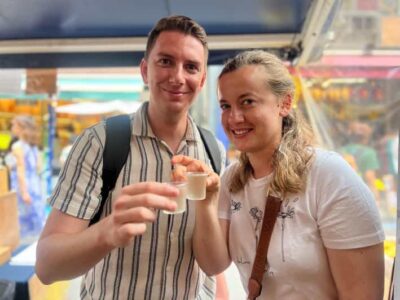
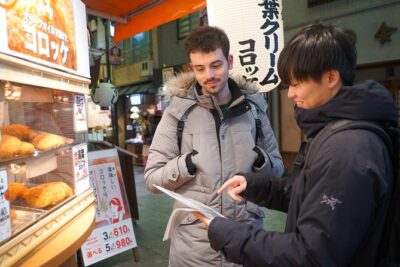
Nishiki Market Brunch Walking Tour (7 Tastings + Brunch)
Read our review →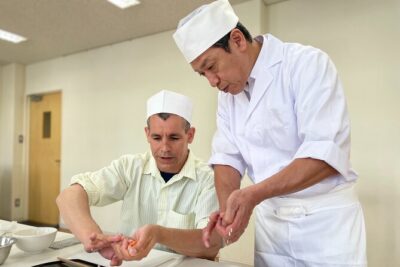
Tokyo Sushi Making Class in Tsukiji with Professional Chef
Read our review →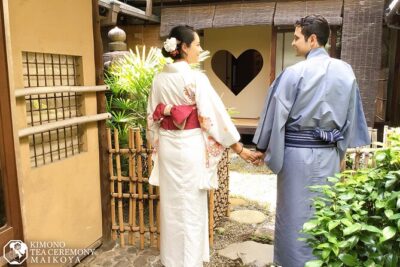
Tsukiji Fish Market Guided Tour and Sushi Making with Pro Chef
Read our review →
Tsukiji Fish Market: Street Food & Culture Walking Tour
Read our review →Browse the lists this tour appears in