Reviewed · WAGYU & KOBE BEEF EXPERIENCES
Wagyu & Sake Pairing in Shinjuku – Steak, Shabu-Shabu & More
This wagyu and sake pairing in Shinjuku is interesting because it trains you to taste the beef by comparing it with different Japanese craft sake styles, not just pouring alcohol on the side. You also get help decoding Japanese menu language, which matters in Tokyo where menus are often written fast and in code.
I love the small group size, capped at 8 people. I also like that the meal is truly full-course, with multiple wagyu preparations plus a sake pairing built for each one.
One possible drawback: this is served in a restaurant setting that can feel compact, and you may be seated fairly close when the group is 6 to 8. Also, if you need vegetarian, vegan, or gluten-free meals, options are limited, so you’ll want to plan ahead.
Key highlights you should not miss
- Japanese menu help so you can order with confidence after the tour
- Sake paired to every wagyu course, with multiple serving styles
- A full wagyu menu lineup, including tongue, tataki, sirloin, hotpot, and dashi udon
- Original sake cocktails designed for the beef, not generic pairings
- Hosts like Chi, Tadashi, Joe, Andrea, and Miyuki, often praised for keeping things fun and easy to follow
- Small group pacing, usually relaxed and personal
Why wagyu and sake belong together in Shinjuku
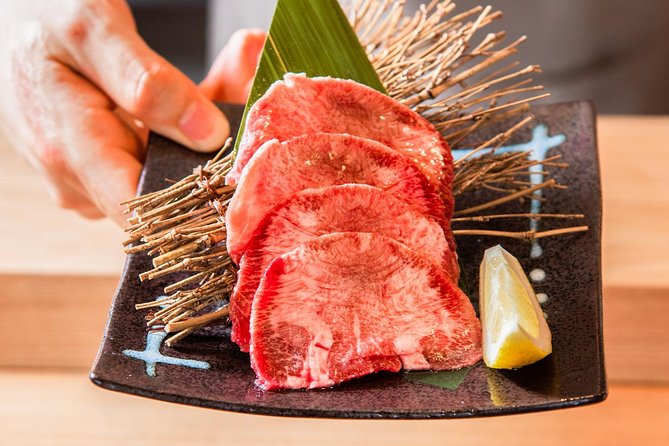
If you love meat, you already know wagyu is not like regular steak. It’s rich, buttery, and it can taste different depending on how it is cooked and how the fat melts. The clever part of this experience is that it sets you up to notice those differences by tasting them alongside sake that is served and prepared in distinct ways.
Sake is not just one drink. In Japan, the same ingredient can taste totally different based on brewing style and how it is served. Pairing wagyu with those differences is the fastest way to learn what each style is doing to the palate, from smoothing richness to cutting through heaviness.
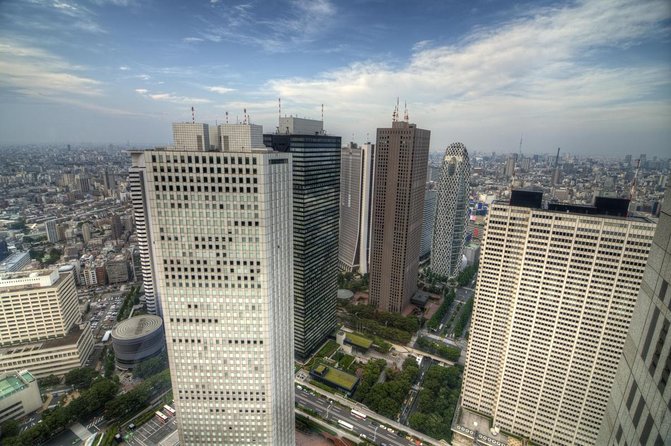
Shinjuku is also a smart place for this type of evening. You get a classic Tokyo food mission in a neighborhood packed with restaurants, so you can easily roll into a longer night on your own afterward.
More Food & Drink in Tokyo
- Tokyo: Shinjuku Food Tour (13 Dishes at 4 Local Eateries)
★ 5.0 · 6,603 reviews - Tokyo Tsukiji Fish Market Food and Culture Walking Tour
★ 5.0 · 3,184 reviews - Tokyo: Shinjuku Food Tour (15 Dishes and 4 Eateries)
★ 4.9 · 2,033 reviews
Getting there: the 6:00 pm start and the Shinjuku meeting point
This runs for about 3 hours and starts at 6:00 pm. That timing is ideal because you’re not rushing from daytime sightseeing, and you get to eat while the city is shifting into evening mode.
Meet at Ushinobi Shinjuku (Wagyu & Sake NSK Building, 201, 1-chōme-22-1 Hyakuninchō, Shinjuku City). It is near public transportation, which keeps things simple if you are using trains and walking.
Also plan on an early appetite. This is a full-course meal, and the pace is built around several courses and multiple sake servings, so dinner here is not a light snack stop.
Welcome aperitif: learning the language of sake and beef
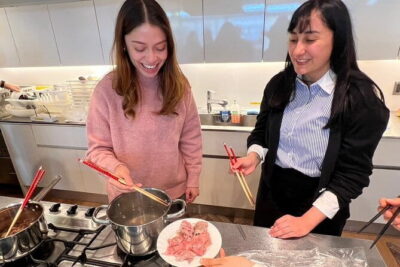
You’ll be welcomed into the team’s own restaurant. Before the meal starts, you get a short aperitif and a guided talk about sake and wagyu, including how they relate and how they differ by region. It’s meant to set your “tasting brain” on before the food hits.
This is where the menu help becomes useful in a real way. If you’ve never ordered from a Japanese menu, you know the usual problem: you can see the items, but you miss what the terms mean. The host’s explanations help you map Japanese words to flavor cues, so you are not just eating blindly.
In the way people describe the hosts, the conversation is relaxed and easy to follow. Several named hosts, including Tadashi and Joe, are credited with making the explanations clear in English. Others, like Chi and Miyuki, are praised for being engaging and welcoming.
How the small group changes the whole experience
The group max is 8, which is a big deal for a food tasting. In a big crowd, you usually end up watching your plate and trying to decode the drink on your own. Here, you can ask questions and get answers while the course is still relevant to what you are tasting.
You’ll also eat more than you would if you were just splitting a single dinner among your own group. That variety is one of the main reasons this works, because wagyu is more interesting when you compare multiple cuts and preparations.
There is one trade-off. The restaurant space can be small, and if the group is on the higher end, you may sit close. If you prefer lots of personal space, go in knowing this is an intimate setting, not a wide open dining room.
More Sake Tastings in Tokyo
- Ramen and Sushi Cooking Class with Sake Pairing Set in Tokyo
★ 5.0 · 291 reviews - Sake Tasting Masterclass in Shinjuku (8+ Varieties with a Pro)
★ 5.0 · 271 reviews - Sake Omakase in Tokyo: Guided Tasting by Certified Sommeliers
★ 5.0 · 239 reviews - Tasting All Types of Sake with Sommelier
★ 5.0 · 151 reviews
The wagyu full-course meal: what you’ll actually eat
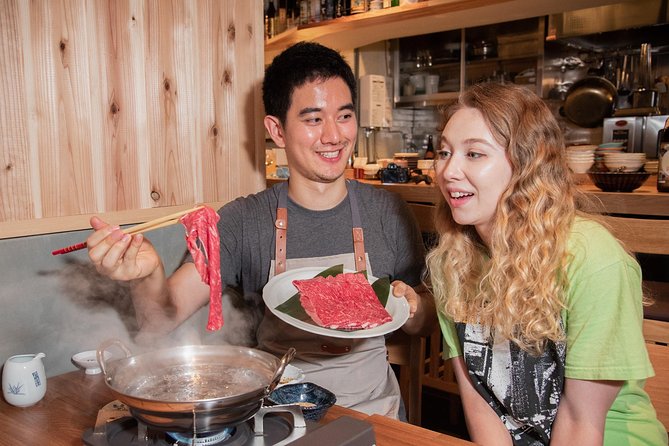
The meal is built as a sequence, not a single steak plate. You’ll get appetizers, salad, multiple wagyu courses, a starch or noodle course, and dessert. The exact cuts and preparations can vary by date, since they serve the best cuts available for your experience day.
Here’s a sample menu of what you can expect, and what each part is doing for your tasting.
Two kinds of appetizers
You start with two appetizer courses. This gives your palate something to settle into before the richer wagyu hits. It also helps you learn how the hosts guide you into each dish, rather than throwing you into a full tasting without context.
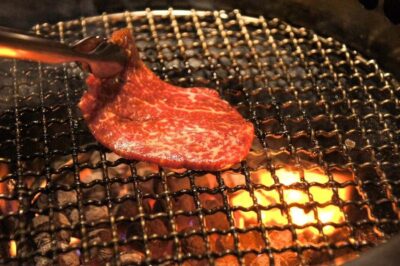
Grilled wagyu beef tongue with an original sake cocktail
Tongue is a classic “show me the craft” dish. It brings a different texture and flavor from more familiar cuts. Pairing it with an original sake cocktail is the point: you learn how contrast works, not just which alcohol you happen to like.
Wagyu chuck flap tataki with warm sake
Tataki is typically about quick searing and letting flavors sit right at the surface. Warm sake shifts the aroma in a different direction than chilled pours, so you get another tasting dimension. This course is a good example of how serving temperature can change what you notice.
Seasonal salad
You get a seasonal salad to reset your palate. Even in a tasting built around rich flavors, a lighter course matters. It gives your tongue a chance to come back online before the next wagyu cut.
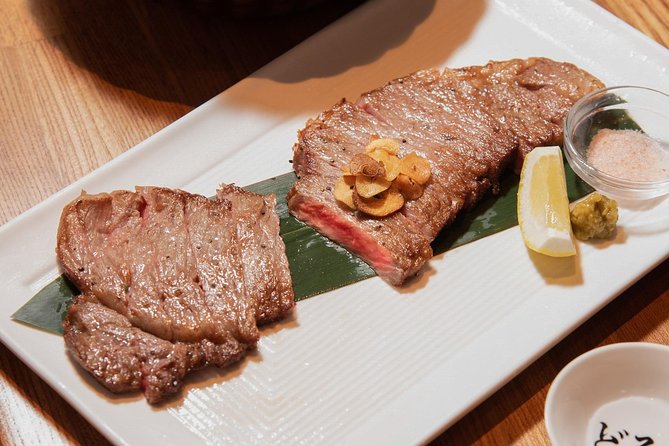
Wagyu sirloin steak with nigori
Nigori sake is cloudy, and it tends to feel rounder on the palate than crystal-clear styles. When you pair that with sirloin, you’re basically testing how “milky” or “silky” textures in the drink interact with the melt of the steak fat.
Wagyu chuck hotpot with unpasteurized sake
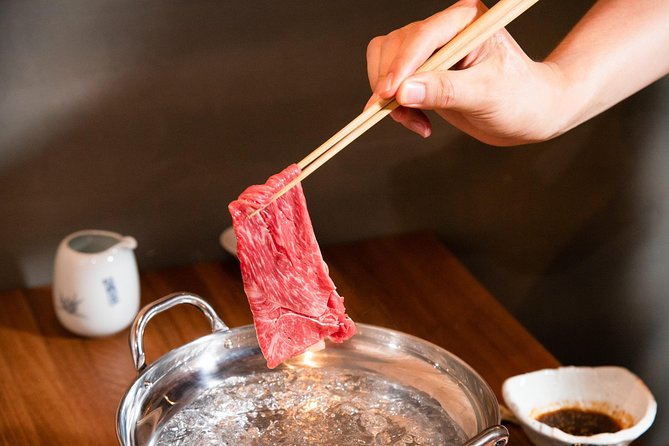
Hotpot changes the game because it adds broth and heat into the equation. Unpasteurized sake is another shift in style, and it can taste more alive and textured. This is one of the most interesting comparisons in the meal because you are tasting both cooking method and drink character at the same time.
Wagyu dashi udon
Dashi udon pulls the meal together. It’s also a practical win if you want something cozy after several heavier courses. The key here is that you still taste wagyu flavor, but through a different medium: broth and noodles rather than just steak.
Dessert with a surprise sake element
Dessert is not just sweet on its own. You’ll have sake with a surprise, which keeps the pairing theme going through the finish line.
Craft sake pairings: what makes them worth your time
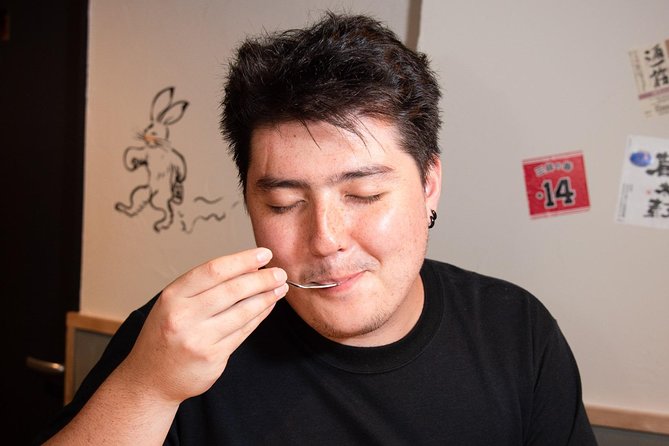
Sake pairings are not all the same. In this experience, you’ll taste craft sake prepared in different ways for each wagyu dish. Some courses are paired with warm sake, others with nigori, and the menu includes unpasteurized sake as well.
You may also get some of the styles that stand out most for first-timers, like aged or fermented sake. People specifically call out those types in the experience, especially when paired with high-end wagyu.
One detail I really like: the pairing is not generic. The description says they use original cocktails designed for wagyu. That matters because generic pairings can be fine, but they don’t teach you as much.
In practice, the hosts also help you learn what you are drinking. Some named guides are praised for explaining how sake is made and how wagyu is graded. If you walk in with curiosity, this part will give you a simple mental map you can reuse later when you shop for sake in Japan.
Wagyu grading: how to tell what you are tasting
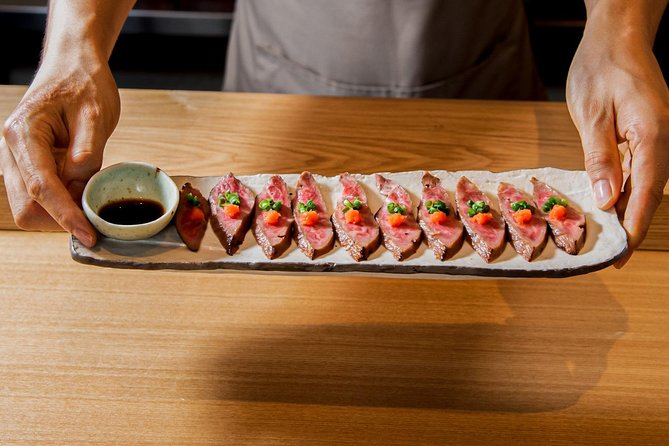
Wagyu can feel like magic if you only focus on the hype. This experience helps you understand the grading system so the labels start making sense. Once you know how grading works in Japan, you can taste with more confidence, not just awe.
The same idea applies to sake. When you understand basics like how sake is brewed and what makes one style feel different from another, you stop treating sake like a random drink and start treating it like a flavor tool.
That’s why the menu decoding and the pairing explanations matter. They don’t just make you feel informed, they help you decide what you want next when you are on your own in Tokyo.
What about the price: is $148.65 a good value?
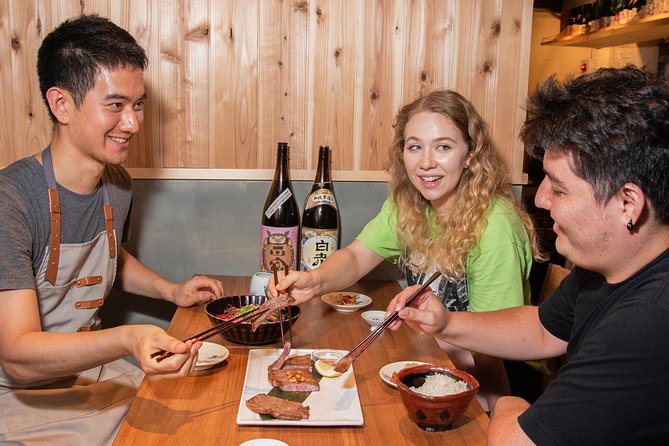
At $148.65 per person, this is not a cheap dinner. But it is also not priced like a single entrée night. You’re paying for a guided tasting, a multi-course wagyu meal, and multiple sake pairings across the evening.
Value comes from three things:
- Variety: multiple wagyu cuts and preparations in one sitting.
- Pairing education: you are guided through how sake style changes the taste experience.
- Small group time: a host can explain and answer questions during the meal.
If you already planned to spend serious money on wagyu and then add sake bars afterward, this can be a simpler way to get the learning component without hopping around. If you only want one or two bites and a single drink, you might find it pricey.
Who this tour fits best
This is a great fit if:
- You are a first-time Japan visitor who wants a structured introduction to sake and wagyu in one evening.
- You like learning through eating, not just looking at food photos.
- You want English support from hosts, including Joe, Tadashi, Chi, Andrea, and Miyuki, who are specifically mentioned for their hosting style.
- You want help ordering later, since you get tailored foodie tips for the rest of your trip.
It may be less ideal if:
- You have strict dietary needs. Vegan, vegetarian, and gluten-free options are limited, and changes can’t be made at the last minute.
- You dislike compact spaces. The restaurant can be small, and seating can feel tight depending on the group size.
Practical tips so you enjoy every course
Go in with an appetite. People talk about portions and the amount of food and sake, and the menu sequencing supports that. If you skip lunch and arrive hungry, you’ll enjoy this more.
If you have food restrictions, send a message at least a week before the date. The team can’t accommodate last minute food requests, and limited dietary options need advance planning.
If you want to use what you learn, ask your host what to look for when buying sake later. Some guides provide helpful guidance for purchasing sake on your own, which makes the evening useful beyond the restaurant.
Finally, plan something simple after. This ends back at the meeting point, so you can continue your night in Shinjuku without complicated logistics.
Should you book Wagyu & Sake Pairing in Shinjuku?
I’d book this if you want a high-impact introduction to Japan’s classic flavors, wagyu and sake, with a guided pairing approach that teaches you why each pour works with each cut. The small group size and the full-course structure make it feel like more than a standard dinner.
I would think twice if you need lots of dietary flexibility or if you strongly prefer wide, roomy seating. Also, if you’re on a strict budget and only want light tasting, the $148.65 price may feel heavy compared with a normal restaurant meal.
If you want to leave Tokyo feeling like you can actually order sake and talk about wagyu without guessing, this is the kind of night that gets you there.
FAQ
How long is the Wagyu & Sake pairing experience?
It lasts about 3 hours.
What time does it start?
The start time is 6:00 pm.
Where do I meet for the tour?
You meet at Ushinobi Shinjuku, Wagyu & Sake NSK Building, 201, 1-chōme-22-1 Hyakuninchō, Shinjuku City, Tokyo 169-0073.
What is the maximum group size?
The tour has a maximum of 8 travelers.
What is included in the price?
The experience includes a full course meal, with sake pairings served as part of the courses.
Are there options for vegan, vegetarian, or gluten-free diets?
Vegan, vegetarian, and gluten-free options are limited. You should message the team at least a week before your tour date if you have restrictions.
Can I request changes to my meal at the last minute?
No. The info says they cannot accommodate last minute food requests, so you need to message in advance.
Is it near public transportation?
Yes, it is near public transportation.
Is there free cancellation?
Yes, you can cancel up to 24 hours in advance for a full refund.
More Wagyu & Kobe Beef in Tokyo
- Tokyo Night Foodie Tour in Shinjuku – Seasonal Sushi, Wagyu Beef
★ 5.0 · 1,161 reviews - Tokyo: Wagyu and 7 Japanese Dishes Cooking Class
★ 4.9 · 273 reviews - Small-Group Wagyu Beef and 7 Japanese Dishes Tokyo Cooking Class
★ 5.0 · 190 reviews - Tokyo Wagyu & Sake Pairing Tasting Experience with Local Flavors
★ 5.0 · 108 reviews
Latest write-ups near Tokyo
- From Tokyo: Top 5 Scenic Spots of Mount Fuji Full-Day Tour★ 4.5 · 67 reviews
- Tokyo Customized Private Tour: See Top Attractions in 1 Day★ 4.8 · 67 reviews
- Traditional Japanese Music ZAKURO SHOW in Tokyo★ 5.0 · 67 reviews
- Tokyo: Shinjuku Izakaya and Golden Gai Bar Hopping Tour (2h)★ 4.9 · 67 reviews
- Tsukiji: Unlimited Sake Tasting Experience★ 4.9 · 67 reviews
- Samurai Ninja Museum Asakusa: Kid-Friendly Ninja Training★ 4.7 · 67 reviews
- Tokyo: Not a show- a professional sumo practice with experts★ 4.9 · 67 reviews
- Private Harajuku Omotesando Architecture Walking Tour★ 5.0 · 67 reviews
Wagyu & Kobe Beef Experiences, compared.
Tokyo Night Foodie Tour in Shinjuku – Seasonal Sushi, Wagyu Beef
Read our review →
Small-Group Wagyu Beef and 7 Japanese Dishes Tokyo Cooking Class
Read our review →
Tokyo Wagyu & Sake Pairing Tasting Experience with Local Flavors
Read our review →
Kyoto Food Tour of 10 Tastings with Wagyu, Mochi & More Surprises
Read our review →
Wagyu Beef and Sake Pairing Foodie Tour in Tokyo
Read our review →