
Reviewed · WAGYU & KOBE BEEF EXPERIENCES
Tokyo: Wagyu and 7 Japanese Dishes Cooking Class
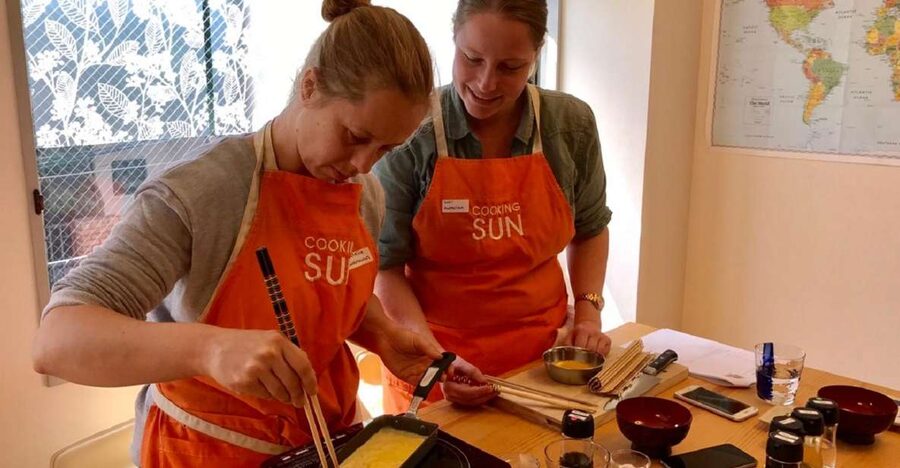
What makes this class so interesting is the format. You cook a full Japanese meal at a real neighborhood studio, with Wagyu as the star, then you sit down and eat what you made. It is hands-on, but guided, in a way that feels practical instead of showy.
I especially like the small group setup, limited to 8 people, so the English-speaking instructor can actually help when you get stuck. I also like how the lessons connect flavor to technique, like making dashi from scratch for miso soup and learning how Japanese seasonings work together. One possible drawback: the meeting studio is in a residential area, so you will want to use the directions and plan a little extra time to find the right entrance on the second floor.
Key Points You Should Know Before You Go
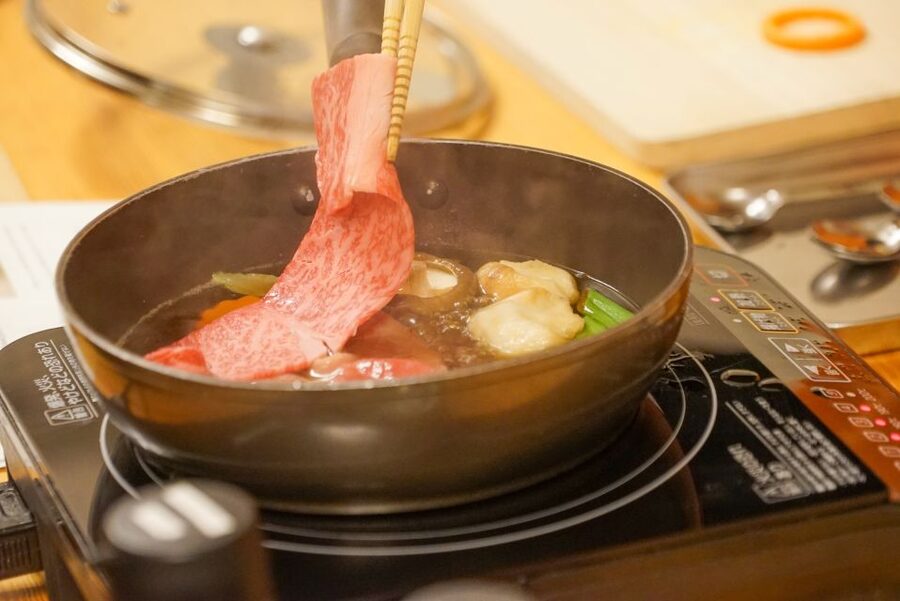
- Wagyu is the highlight, cooked into a Japanese-style hot pot experience you can taste and recreate later
- Small group (up to 8) means you get real step-by-step help instead of watching from across the room
- English instruction with local hosts and clear explanations, including the background stories behind what you’re cooking
- A full-course meal happens in about 3 hours, so you leave fed and skilled
- Recipes are included, so you can cook these dishes again at home without guessing
Inside the Cozy Studio: Why This Class Feels More Like a Home Meal
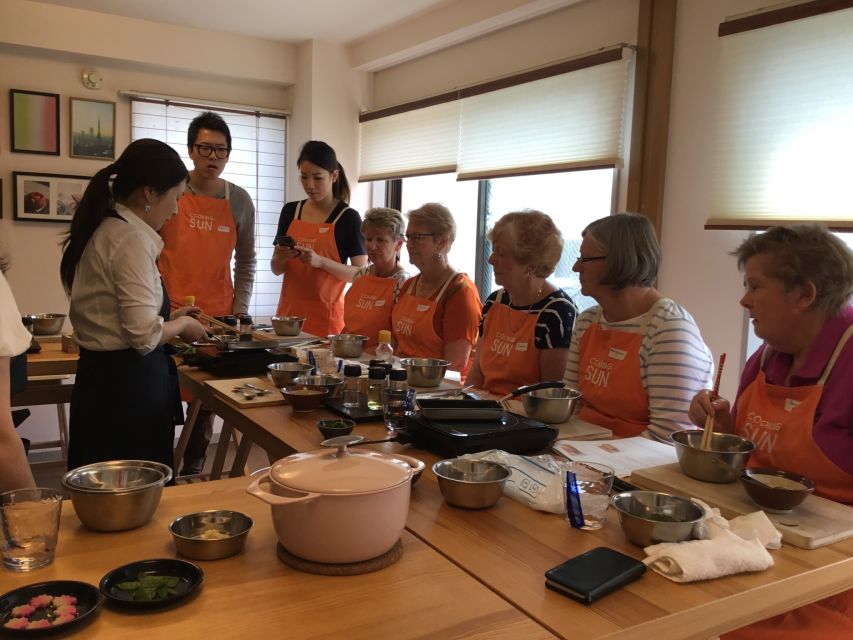
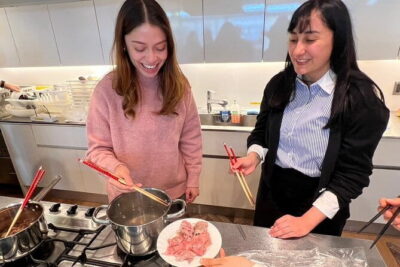
The setting matters. This takes place in a homey studio in a quiet residential part of Tokyo, not a glossy tourist kitchen. The space is clean, well lit, and set up for real cooking, including tools and workspace that make it easier to follow along.
When you arrive, you are not just a ticket number. You get a welcome tea, then you shift into cooking mode. Reviews consistently describe the studio as spotless, organized, and comfortable. That matters because Japanese cooking can feel precise, and a calm workspace helps you focus on the task, not the chaos.
You will also appreciate the instructor style. People call out hosts such as Aya, Kaori, Bifuka, and the team members named Yuki, Yuki, and Yuko. That is a good sign. It usually means the teaching is consistent, friendly, and patient, with enough language clarity for non-Japanese speakers.
More Cooking Classes in Tokyo
- Ramen & Gyoza Cooking Class in Tokyo with Local Supermarket Visit
★ 5.0 · 823 reviews - Tokyo: Easy Ramen Cooking Experience in Kabukicho, Shinjuku
★ 4.6 · 321 reviews - Ramen and Sushi Cooking Class with Sake Pairing Set in Tokyo
★ 5.0 · 291 reviews
A 3-Hour Game Plan: From Appetizer Timing to Dessert Finishing
This is set up like a full Japanese meal, not one random dish demo. In total, you will cook around 8 dishes (the class is branded around 7 Japanese dishes, with the course running as a full lineup). You spend roughly 2.5 hours actively cooking, then you eat what you made.
A typical flow goes like this:
1) You get the basics and start cooking the first components
2) You build toward the savory middle of the meal, including dashi, miso soup, and main dishes
3) You finish with a sweet course that feels very Japanese, like pancakes for dessert
4) Everyone sits down together to eat the full set
The main benefit of this schedule is momentum. You learn by doing, and you get a satisfying payoff at the end because you are not leaving before the meal is ready. It also makes it easier to connect flavors. When your dashi turns into miso soup, and later your main dish tastes like the same ingredients are speaking the same language, the lesson sticks.
What You Cook: The Japanese Dishes That Actually Teach Skills
The menu can vary depending on timing and ingredient availability, but the dish set described in the class experience and student write-ups points to a strong mix of textures and techniques. Here are the kinds of dishes you can expect, based on what people commonly make:
Dashi and Miso Soup: The Flavor Foundation
One of the biggest learning moments is making dashi from scratch for miso soup. Dashi is the backbone of so much Japanese cooking. When you make it yourself, you stop treating soup as just soup. You start tasting the difference between stock flavors and seasoning balance.
You also learn how the soup fits into the meal. It is not heavy. It cleans your palate and makes the later dishes taste even better.
More Wagyu & Kobe Beef in Tokyo
- Tokyo Night Foodie Tour in Shinjuku – Seasonal Sushi, Wagyu Beef
★ 5.0 · 1,161 reviews - Small-Group Wagyu Beef and 7 Japanese Dishes Tokyo Cooking Class
★ 5.0 · 190 reviews - Wagyu & Sake Pairing in Shinjuku – Steak, Shabu-Shabu & More
★ 5.0 · 112 reviews - Tokyo Wagyu & Sake Pairing Tasting Experience with Local Flavors
★ 5.0 · 108 reviews
Egg Preparation and Knife-Friendly Prep
You may make an egg dish, and it is usually paired with small, specific cooking skills. A lot of hands-on cooking classes can be vague, but this one tends to teach process: how to handle ingredients, how to time stages, and how to keep things from going sideways.
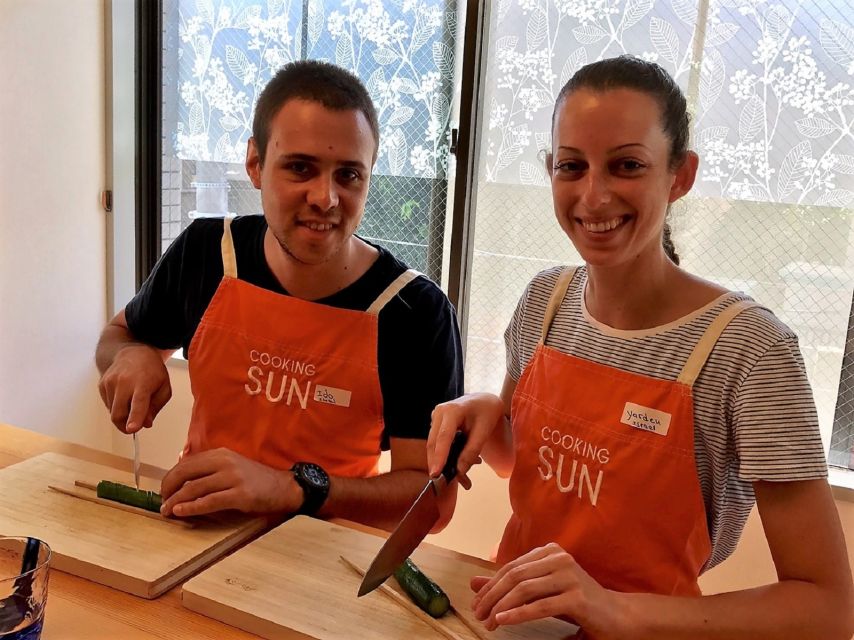
Reviews mention making an omelette, plus structured cutting tasks like accordion-style cucumber prep. That kind of practice sounds small, but it builds confidence fast, especially if you are a beginner.
Salad and Side Dishes That Show Japanese Balance
You are not only cooking meat. You might make a sesame potato salad and a cucumber salad. These are the dishes that teach balance: creamy against crunchy, nutty sesame against cool vegetables.
This is where you learn why Japanese food often feels layered without being complicated. The flavors are gentle, but they are not bland.
Tofu and Meat Dishes: Comfort Food With Technique
A dish like tofu stuffed with ground chicken, ginger, and edamame shows how Japanese cooking turns everyday ingredients into something that feels special. Tofu becomes the base, filling adds scent and savor, and ginger keeps it bright instead of heavy.
Then comes the main event: the Wagyu course.
Japanese Sweets, Like Dorayaki-Style Pancakes
For dessert, you might make Japanese sweets such as dorayaki-style pancakes (a flour pancake filled like a classic sweet). It is a nice way to end because it shows you that Japanese cooking includes baking-adjacent techniques, not just savory dishes.
Even better, it gives you a home recipe you can actually pull off without a culinary degree.
The Wagyu Moment: Suikiyaki Flavor and Why It’s Worth the Price
Wagyu is not just a flex here. It is the central ingredient that shapes the meal’s taste.
In many class menus, Wagyu shows up in a Japanese hot pot style dish, commonly described as sukiyaki. When you cook Wagyu this way, the meat’s texture and fat behavior become part of the learning. You can taste how it turns rich and tender, without needing restaurant-level equipment.
It also changes how you think about cooking beef. In a regular Western meal, you might focus on searing and salt. Here, you focus on harmony between sweet, savory, and aromatics in the pot, plus timing so the meat stays juicy.
And yes, the Wagyu usually gets big compliments. People specifically mention it being tender and more impressive than a restaurant experience, which is a practical metric. If the main ingredient is good and prepared well, the whole class feels worth it.
Equipment, Ingredients, and the Little Details That Make It Work
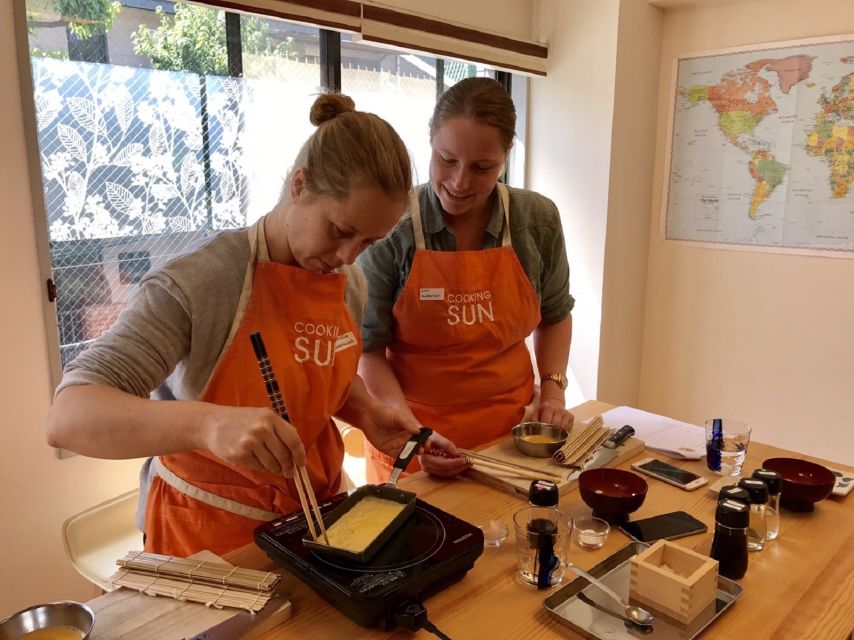
One reason this class earns such strong scores is that it runs like a real kitchen lesson.
Students mention:
- Clean, bright space with good tools
- Quality knives and pans
- Steps that are hands-on, not just watching
- A balance of prep work and involvement, so you are not standing around waiting for your turn
You also get towel and apron rental, plus all ingredients and utensils. That matters in Japan. In many cooking classes, you get a lesson but still have to hunt for supplies. Here, you walk in and cook.
Recipes also go home with you. These are not just vague reminders. People describe them as including sensible tips and being easy to replicate later.
Dietary Needs: Substitutions Are Part of the Plan
If you have dietary requirements, this class is set up to handle substitutions. You can request changes for allergies, gluten-free needs, religious dietary restrictions, vegetarian preferences, and more.
The key practical move is simple: tell them when you book. That gives the kitchen time to adjust ingredients and keep the lesson on track. For many people, this is what makes a cooking class actually workable, instead of stressful.
Meeting Point Tips: How to Find the Studio in a Residential Area
This is the one part that can trip you up if you assume it is like a museum kiosk.
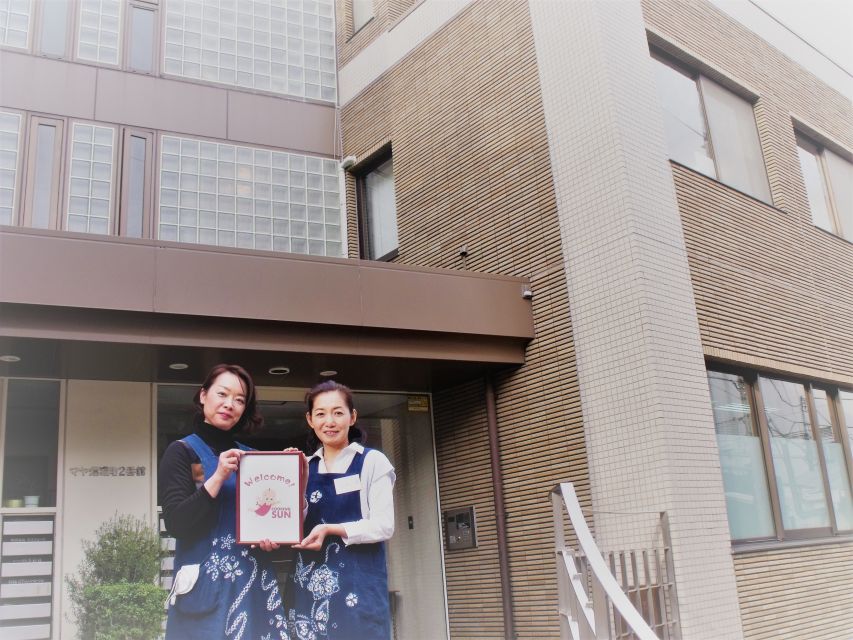
The studio is on the 2nd floor of a beige residential building in a quiet neighborhood. At the entrance, there are two doors. Use the right-side door to reach the studio. If you need to call, you press 314 on the intercom.
If you have Wi-Fi, use Google Maps and search for Cooking Sun Tokyo with the address Shinanomachi 18-39, Shinjuku-ku, Tokyo. If you do not have Wi-Fi, check detailed directions ahead of time so you do not wander in circles.
Also plan for no curbside chaos. If you arrive by private vehicle, they ask you not to stop or wait in front of the building. If your driver needs to wait, use a nearby coin-operated parking lot.
This is a small request, but it shows respect, and it also protects the neighborhood relationship that makes these classes possible.
Value Check: Why $67 Feels Fair for This Setup
At $67 per person for about 3 hours, you are paying for more than instruction. You are also paying for:
- All ingredients and utensils
- Towel and apron rental
- Welcome tea
- Recipes to take home
- English-speaking teaching time
- A small group format that keeps quality high
The Wagyu component is expensive anywhere. Add that to the fact that you are not just tasting, you are cooking and learning techniques tied to real dishes, and the price starts to make sense fast.
Is it cheaper than buying groceries? Sure, but you are paying for the guided cooking experience, equipment, and the ingredient quality. In a city like Tokyo, where single meals can add up quickly, this often feels like a smart “eat and learn” swap, especially for first-timers who want a hands-on foundation.
Who Should Book This Class, and Who Might Not
This class is a great fit if you want:
- A beginner-friendly way to learn Japanese cooking basics
- A full meal outcome, not a quick tasting session
- A class designed for real cooking skills, with recipes you can use later
- A small group with an English instructor
It may be less ideal if:
- You strongly prefer cooking with no guidance at all. This is structured teaching, not free-form culinary art.
- You get annoyed by finding places in residential streets. The studio is straightforward once you follow the directions, but you need that bit of patience.
Should You Book This Wagyu and 7 Dishes Cooking Class?
Yes, if you want Tokyo experience that goes beyond eating and actually gives you skills. I like that the meal is structured like a proper Japanese course, that Wagyu is treated as the centerpiece, and that the recipes and tips make it practical after you fly home.
Book it early in your trip if you can. A cooking class like this tends to make the rest of Japan food more legible, because you finally understand why dashi, miso, and seasonings taste the way they do.
Just do one thing before you go: set aside time to find the studio and arrive calm. Once you’re there, this is the kind of class that turns into a highlight for a very simple reason, you eat what you cooked, and it tastes like Tokyo.
FAQ
How long is the Wagyu and 7 Japanese Dishes Cooking Class?
The class lasts about 3 hours, with roughly 2.5 hours spent learning to prepare the meal and then eating what you cooked.
How many people are in the class?
It is a small group with a maximum of 8 participants.
Is Wagyu beef included in the class?
Yes. Wagyu beef is the main highlight of the meal you cook and then enjoy at the end.
What is included in the ticket price?
You get recipes, all ingredients and utensils, towel and apron rental, and a welcome tea.
Is the instructor English-speaking?
Yes. The instructor teaches in English.
Can the class accommodate dietary restrictions?
Yes. The studio can substitute ingredients for allergies, gluten-free diets, religious dietary restrictions, vegetarian preferences, and more. You should inform them when booking.
Is hotel pickup or transportation included?
No. Hotel pickup and transportation are not included.
Where is the meeting point and how do I find it?
The studio is in a residential area, on the 2nd floor of a beige residential building. Use the right-side door at the entrance, and press 314 on the intercom if you need to call. With Wi-Fi, search for Cooking Sun Tokyo on Google Maps.
What cancellation and payment options are available?
You can cancel up to 24 hours in advance for a full refund. You can also reserve now and pay later, so you can book without paying today.
Latest write-ups near Tokyo
- Tokyo Customized Private Tour: See Top Attractions in 1 Day★ 4.8 · 67 reviews
- From Tokyo: Top 5 Scenic Spots of Mount Fuji Full-Day Tour★ 4.5 · 67 reviews
- Tokyo: Shinjuku Izakaya and Golden Gai Bar Hopping Tour (2h)★ 4.9 · 67 reviews
- Traditional Japanese Music ZAKURO SHOW in Tokyo★ 5.0 · 67 reviews
- Tsukiji: Unlimited Sake Tasting Experience★ 4.9 · 67 reviews
- Tokyo: Not a show- a professional sumo practice with experts★ 4.9 · 67 reviews
- Samurai Ninja Museum Asakusa: Kid-Friendly Ninja Training★ 4.7 · 67 reviews
- Private Harajuku Omotesando Architecture Walking Tour★ 5.0 · 67 reviews
Wagyu & Kobe Beef Experiences, compared.
Tokyo Night Foodie Tour in Shinjuku – Seasonal Sushi, Wagyu Beef
Read our review →
Small-Group Wagyu Beef and 7 Japanese Dishes Tokyo Cooking Class
Read our review →
Wagyu & Sake Pairing in Shinjuku – Steak, Shabu-Shabu & More
Read our review →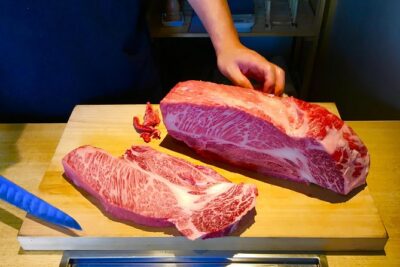
Tokyo Wagyu & Sake Pairing Tasting Experience with Local Flavors
Read our review →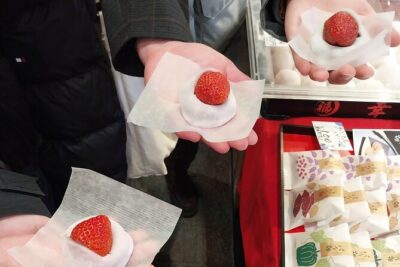
Kyoto Food Tour of 10 Tastings with Wagyu, Mochi & More Surprises
Read our review →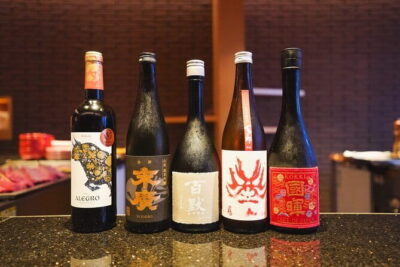
Wagyu Beef and Sake Pairing Foodie Tour in Tokyo
Read our review →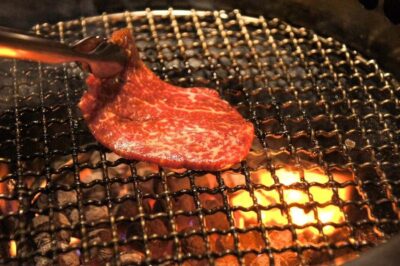
Browse the lists this tour appears in