
Reviewed · DAY TRIPS IN KYOTO
Kyoto: Miyama Village, Amanohashidate & Ine Bay Day Trip
This day trip is interesting because it compresses three very different sides of Japan into one smooth 10-hour loop. You start with Ine Bay and its water-laced funaya boat houses, then shift to Amanohashidate’s famous pine-covered sandbar, and end in the mountains at Miyama Kayabuki no Sato with thatched roofs that feel like a time machine.
I like two things a lot. First, the guide support is strong, with English and also Traditional Chinese and Japanese, and many days run with guides like Liu San or Cave who keep the group organized while explaining what you’re seeing. Second, you do get breathing room, including free time to wander each stop without the constant rush.
One drawback to consider is that it is a full day with significant driving between regions, so some stops can feel quick if you’re the type who wants hours in one place instead of a guided circuit.
Key points before you go
- Funaya boat houses at Ine Bay put you face-to-face with a seaside way of life that still works with the tides
- Amanohashidate View Land via the cable car is the payoff for the day’s long scenic build-up
- Temple stops with clear purpose, including places associated with praying for academic success
- Miyama Kayabuki no Sato is all about thatched architecture details you can actually spot up close
- Multilingual guiding style helps you follow the plan even in a mixed-language group
- Free time at each stop lets you choose pace, photos, and snack breaks instead of only following the guide
From Osaka to Ine Bay: how this day starts fast
The day kicks off in the Osaka Namba area. Plan to arrive early and meet at Nipponbashi Station Exit 2, where the group meets at 7:05 AM and leaves at 7:20 AM. That early start matters because Ine Bay and Amanohashidate take you out of city life quickly, and the bus is the main way you’ll get there without hassle.
Once you’re aboard, you’ll be on a comfortable air-conditioned coach. This is one of the easiest ways to reach places that would be a headache by train plus transfers in a single day. You also get onboard storytelling from an English-Japanese-Chinese speaking guide, which is helpful because these sites reward you most when you know what to look for.
A small practical note: some areas around scenic spots can draw birds, and you should be cautious of eagles in the area. It isn’t a reason to panic, just a reminder to keep your head up while you’re photographing.
More Day Trips in Kyoto
- PERFECT KYOTO 1-Day Bus Tour
★ 5.0 · 13,518 reviews - Kyoto: Fushimi Inari, Kinkakuji, Bamboo Grove 1 Day Bus Tour
★ 4.8 · 4,316 reviews - 10 Must-see Spots in Kyoto One Day Private Tour (up to 7 people)
★ 5.0 · 1,108 reviews
Ine Bay and the funaya boat houses: why this sea village feels different
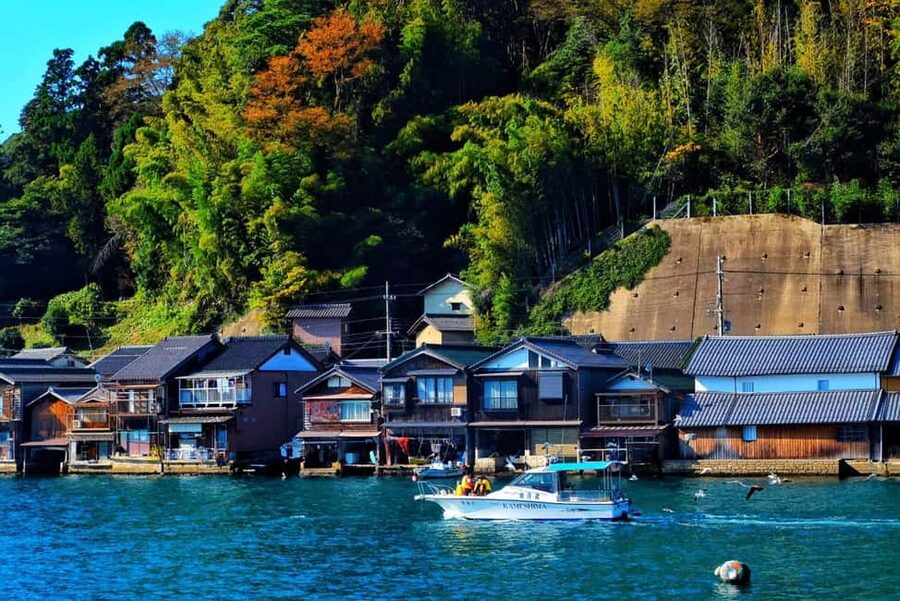
Ine is the kind of place where you slow down just from seeing how people built for the water. The headline here is the funaya: traditional boat houses that sit right above the bay. In the village, there are around 230 of these structures, and many are still used as homes or workspaces. That’s the key point for you as a visitor, this is not a museum set. It’s a living setup shaped by tides.
On this tour, you’ll get a photo stop and guided sightseeing in Ine, plus time to look around at street level. Expect quiet lanes, bay-facing views, and plenty of photo angles that are hard to replicate if you just arrive and rush.
What I especially like about Ine Bay as a stop on a day trip is the way it gives you contrast right away. Amanohashidate is all about a single sandbar view, and Miyama is all about mountain textures. Ine is instead about daily rhythm. You’ll feel the difference between land pace and water pace, and that makes the later scenery land harder.
Quick tip: wear comfortable shoes. Even if the route is not long, you’ll likely do more walking than you expect while you hop between viewpoints.
Amanohashidate: the pine sandbar, View Land, and luck rituals
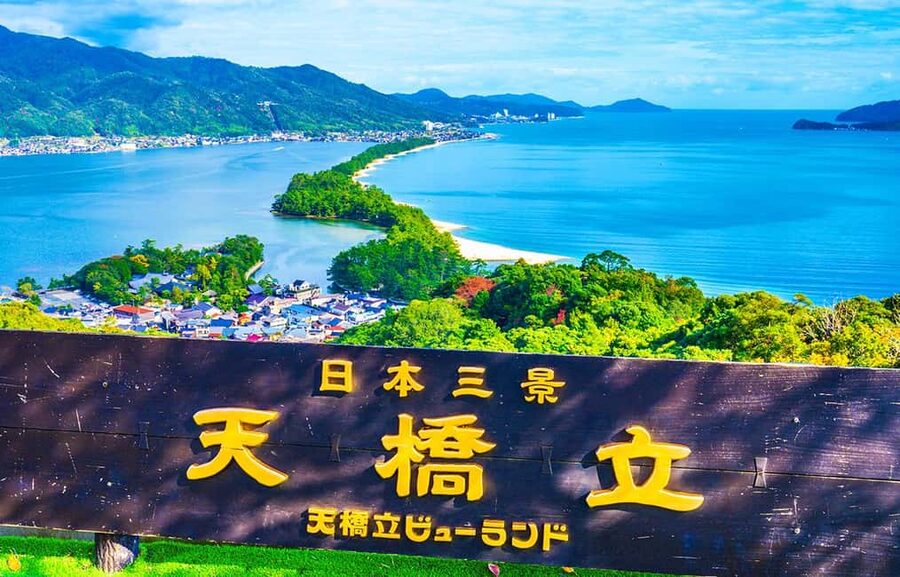
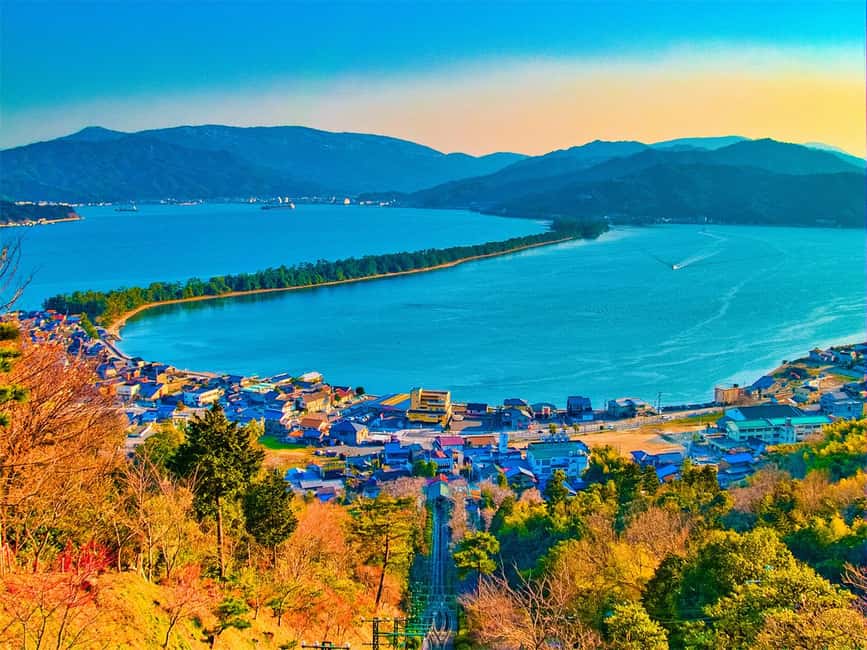
Then you switch to Amanohashidate, literally the bridge to heaven, and one of Japan’s three most iconic scenic spots. The main attraction is the 3.6 kilometer sandbar lined with over 8,000 pine trees, stretching across the bay like a green dragon. It’s the kind of scene that looks almost too perfect from a distance, then becomes more interesting as you realize you’re seeing a natural feature with seasonal character and deep cultural meaning.
On your tour day, you’ll have a guided photo stop plus sightseeing time here, and you’ll also have the option of the cable car to View Land. That self-paid ride is the move for the best panoramic angles, often called the Flying Dragon View.
Two small “do this while you’re there” suggestions:
- If you’re up for a quirky tradition, you can try the upside-down viewing ritual, where people look at Amanohashidate upside down between their legs for good fortune. It sounds goofy, but it’s part of the experience.
- At the shrine area, you’ll want to cleanse your hands before making a wish at Isoshimizu Spring and Amanohashidate Shrine.
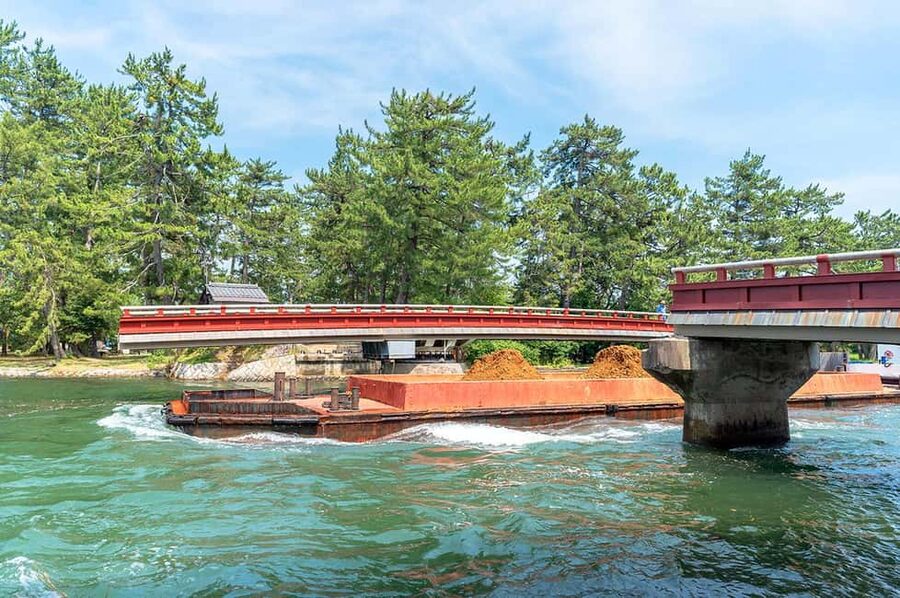
Also keep an eye out for something people don’t always plan for: the rotating bridge that turns to let ships pass. It’s rare and fun to catch, and it adds motion to a place that otherwise feels still and postcard-straight.
What could feel like a drawback? The cable car adds extra cost and time, and because this is a shared group schedule, you’ll want to be ready to move when the group is called back. If you hate lotteries with timing, choose your viewpoints early and do not overthink it.
Chion-ji and Monju-do: temple time for academic hopes
Amanohashidate isn’t only about views. You also get a temple stop, including Chion-ji Temple and Monju-do Hall. These are sacred places where people pray for academic success, so the mood is different from the waterfront scenery.
This part of the day is brief compared with the outdoor stops, but it adds meaning. You’re not just collecting photos. You’re seeing how this region holds important cultural priorities, especially around study, exams, and achievement. If you’re traveling with kids, students, or anyone who enjoys respectful rituals, this is a good pause.
You’ll typically have a guided visit and photo stop time here. Dress respectfully, and take it slow. Temples reward quiet attention more than speed.
A change of pace from Kyoto:
- Kyoto: Tea Ceremony in a Traditional Tea House in Kiyomizu
★ 4.9 · 3,519 reviews - Kyoto Geisha Walking Tour: Gion District & Hidden Gems
★ 4.7 · 3,273 reviews - Kyoto: Tea Ceremony Ju-An at Jotokuji Temple
★ 4.9 · 3,207 reviews - Kyoto: Gion Magical Night Walking Tour with Geisha Trivia
★ 4.9 · 2,393 reviews
Amanohashidate Beach and a seaside break
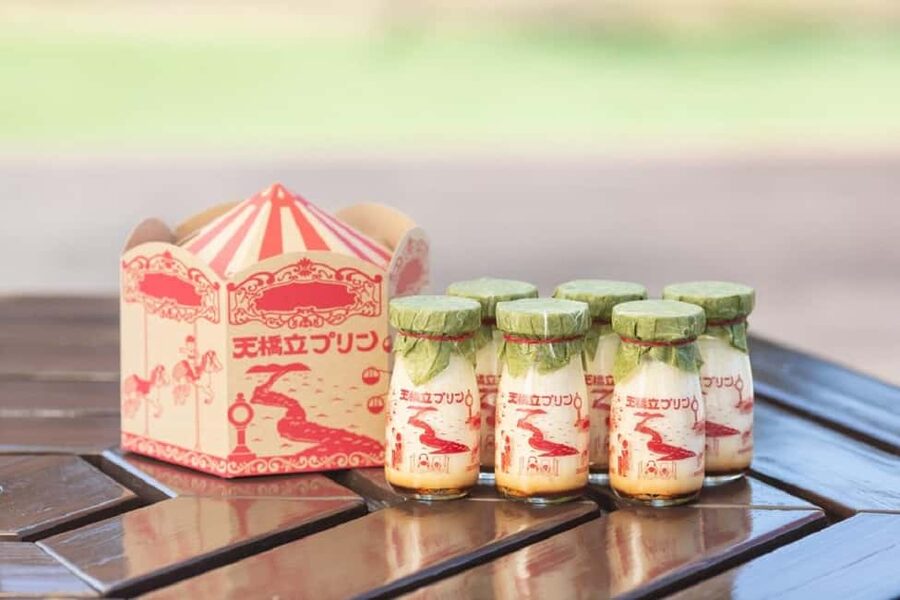
After the main viewpoints and temple stops, you’ll get free time near the beach for photos and casual wandering. This is your chance to cool down, grab a snack, and slow your brain down after pine-and-sandbar intensity.
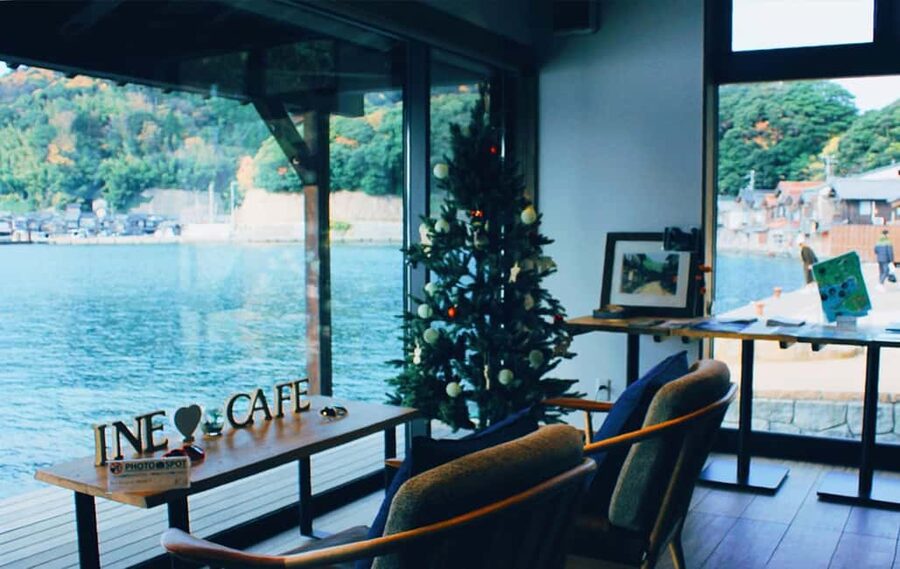
You’ll also pass by or stop for a local café photo moment. This is where the tour gives you small food and drink opportunities without locking you into a formal lunch plan.
One practical tip: lunch is not included, so plan a budget for a meal or quick bites. It’s also a cash-friendly day. You may find some scenic spot shops only accept cash, so don’t run the card-only experiment.
Miyama Kayabuki-no-Sato: thatched roofs, chigi beams, and quiet mountain air
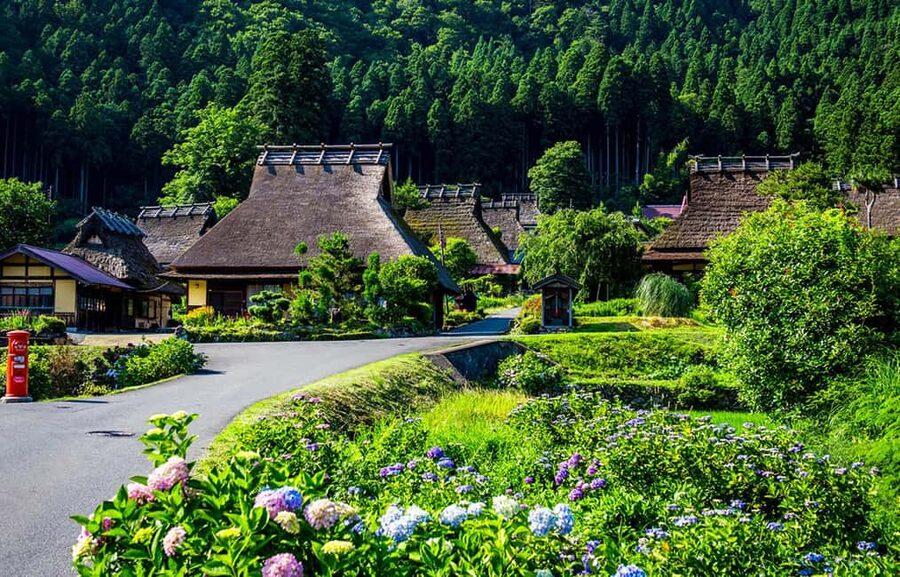
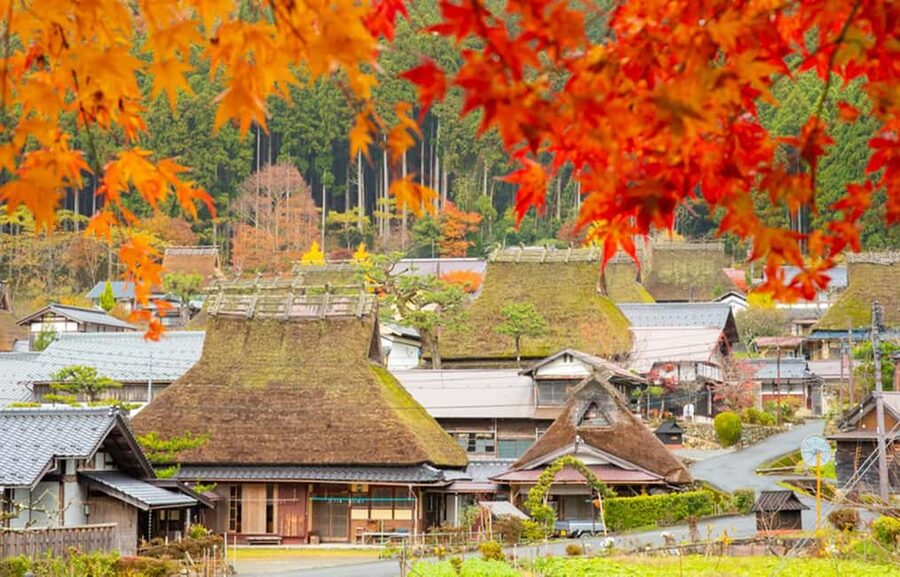
The final destination is Miyama Kayabuki no Sato, a storybook thatched-roof village in Kyoto’s northern mountains. It’s known as one of Japan’s three remaining thatched-roof villages, alongside Shirakawa-go. Here, you can see 40+ Edo-period style houses that have largely stayed intact.
This stop works well at the end of the day because it shifts you from coast and iconic scenery to something intimate and detailed. Instead of a single panorama, you’ll notice architecture. The most interesting part is learning what you’re looking at in the roof structure and how it was built to manage snow.
When you visit, you’ll hear about:
- Chigi, the crisscrossed beams that shape the roof and structure
- Yukiwari, snow-cutting rods designed for winter conditions
If you like architecture, rural design, and the kind of craft you can spot with your eyes, this is the payoff. And if you’re more of a mood person, Miyama delivers that too. The village lanes feel calmer, and the mountain setting gives you space to just look.
You’ll also likely get a guided visit through preserved interiors and artifacts tied to traditional rural life. Plus, there’s time for a treat. One popular stop is Café Gallery Saika, where you can enjoy creamy local ice cream while you watch the village scenery.
Pacing on a 10-hour group tour: what feels good, what feels tight
This trip is built to get you to three major regions without you planning trains or transfers. You’ll move by bus from Osaka, then spend guided time at each destination, with limited free time sprinkled in.
In practice, it often feels like:
- A strong start early in the morning
- A long middle filled with iconic scenery
- A calmer, detail-oriented finish in Miyama
However, the pacing does have one edge. The distances between stops are long enough that you may feel you want more time at the last one or two villages. If your ideal day is slow, this may test your patience a bit. If your ideal day is packed with variety and you’re happy to see the highlights without spending half a day on one spot, you’ll likely love it.
The upside is that the coach makes the long travel part less exhausting. Also, the guides do a good job of keeping the group together and giving you clear next-step cues during free time.
Price and value: what you really pay for
The tour price is about $63 per person for a full 10-hour day. That number makes more sense when you consider what’s bundled:
- A multilingual guide (English, Japanese, Traditional Chinese)
- Comfortable round-trip bus transport and a professional driver
- Parking fees
The big thing not included is lunch and personal expenses. Also, at least one key scenic add-on is explicitly self-paid, the cable car ride to the View Land area at Amanohashidate.
Some people also end up paying for additional optional experiences tied to the day’s sightseeing. So if you’re budgeting, set aside extra money for any self-paid activities you choose. I’d rather you start the day with a cushion than feel surprised mid-trip.
Is it a bargain? For most first-timers leaving Osaka who want a coherent “Kyoto north highlights” day without transit headaches, yes, it’s good value. If you already know how to ride trains and you can afford to spend more time per stop, you could DIY it. But most people choose this tour because it saves effort and keeps the schedule functional.
What to bring and how to handle real weather
This is Japan, so your clothing plan matters. I’d bring:
- Comfortable shoes
- Sunglasses (pine and sandbar views can be bright)
- Camera
- Cash for places that might not take cards
- Weather-appropriate clothing since conditions can change
One more thing: the tour is a shared group. That means you should expect the schedule to run smoothly, but you also need to be ready to follow the guide and return on time during transitions.
If rain or crowds spike on holidays, you might see delays on the way back. The tour may shorten, reschedule, or adjust some parts to protect the overall timing. So do not schedule tight onward plans right after the tour.
Who this day trip suits best, and who should skip it
This tour is a strong fit if you want:
- A packed day that still includes guided context
- Major icons plus lesser-known rural texture
- A comfortable bus day trip from Osaka instead of transit planning
It may not fit if you have mobility impairments, since the tour is not suitable for that.
It also may not fit if you hate group travel timing. You will get free time, but you’ll still be on a shared clock.
Should you book this Kyoto, Miyama, and Amanohashidate day trip?
Book it if you want a high-value day trip that trades city crowds for sea views, pine panoramas, and thatched-village calm, without you doing logistics work. The multilingual guidance and the comfortable bus ride are the secret sauce, especially if you’re new to the region.
Skip it or consider a different plan if you’re the type who needs long, unstructured time in one place. The schedule is built to cover three priorities, and that means you may finish the day wanting just a bit more time in the last stops.
If you do book, plan to arrive early, bring cash, and keep your expectations aligned with a highlight-focused day. Then this Kyoto north route will feel like exactly what it is: three unforgettable scenes, delivered in one practical package.
FAQ
What time do I need to meet at Nipponbashi Station?
Meet at 7:05 AM and the bus departs at 7:20 AM from Nipponbashi Station Exit 2 in the Namba Shinsaibashi area. Arrive about 15 minutes early since the bus leaves on time.
How long is the day trip?
The total duration is 10 hours.
What is included in the tour price?
The tour includes a English-Japanese-Chinese speaking guide, comfortable bus transport, the driver, and parking fees.
What is not included?
Lunch and personal expenses are not included. Some activities such as the cable car ride to Amanohashidate View Land are not included and are self-paid.
Do I need cash?
It’s recommended to bring some cash, since some scenic spots, restaurants, and other places may only accept cash payments.
What should I bring for the day?
Bring comfortable shoes, sunglasses, a camera, cash, and weather-appropriate clothing.
Can I cancel for a refund?
Yes. You can cancel up to 24 hours in advance for a full refund.
Is the tour suitable for people with mobility impairments?
No. The tour is listed as not suitable for people with mobility impairments.
Latest write-ups near Kyoto
- Kyoto: Nishiki Market Tour with a Local Foodie & Tastings★ 4.5 · 67 reviews
- Kyoto Kimono Rental mimosa |Kimono/Yukata Rental Couple Plan★ 4.8 · 67 reviews
- Kyoto: Traditional Kimono Fabric Handicrafts Workshop★ 5.0 · 67 reviews
- Kyoto Tea Ceremony and Samurai Photo Session★ 5.0 · 70 reviews
- Kyoto: Replica food making experience★ 4.8 · 70 reviews
- Kyoto: Kinkakuji, Golden Pavilion Guided Tour★ 4.7 · 71 reviews
- Private departure transfer from Kyoto city to Kansai International airport★ 5.0 · 72 reviews
- Uji: Green Tea Tour with Byodoin and Koshoji Temple Visits★ 4.8 · 72 reviews
Day Trips in Kyoto, compared.
Fushimi Inari, Kinkakuji, Bamboo Grove 1 Day Bus Tour
Read our review →
10 Must-see Spots in Kyoto One Day Private Tour (up to 7 people)
Read our review →
Kyoto Customized Private Tour: See Top Attractions in 1 Day
Read our review →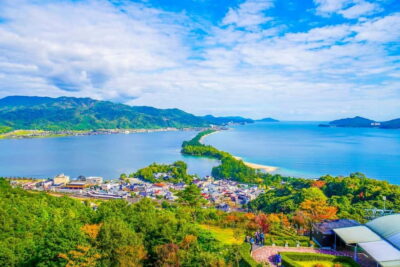
From Kyoto / Osaka: Kyoto Must-see Spots & Nara Park One Day Tour
Read our review →Browse the lists this tour appears in