
Reviewed · FOOD & DRINK IN TOKYO
Experience Old local Tokyo & traditional food in Yanaka Ginza
Yanaka Ginza is the kind of Tokyo neighborhood that still feels like it has neighbors, not just crowds. This private tour focuses on older streets and traditional food stops, with a guide walking you through the small shops people actually use.
I especially like that the plan mixes quick, fun errands (like making a name stamp at Shinimonogurui) with real food moments (menchi-katsu at Niku no Suzuki, and sweets built around chestnuts at Waguriya). The second big win is the pacing: you’re strolling, not rushing, so you can actually look at signs, shop displays, and street details.
One consideration: most of the experience is paid on site. The tour price is fair, but you’ll want to bring cash and budget for snacks, drinks, and optional add-ons like the hand puppet show.
Key highlights worth your attention
- A private group tour with time to ask questions and linger at the good spots
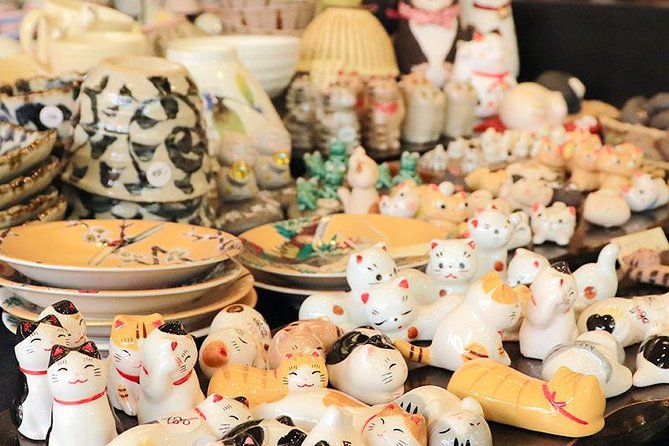
- Cat-themed shopping, including a stamp shop and a cat-tail shaped snack stop
- Old-Tokyo viewpoints and lanes, from Yuyake Dandan to Snake Road
- Tea ceremony and sweets, plus fried street food like menchi-katsu
- Nezu Shrine red torii tunnel, a standout cultural stop in the middle of the day
- Optional cultural entertainment, with the puppet show as the big non-included item
Yanaka Ginza: where old Tokyo still shows up on the sidewalk
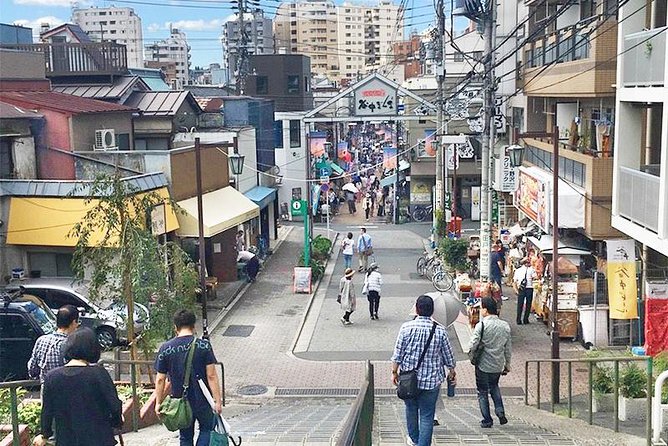
Yanaka Ginza sits in a pocket of Tokyo that feels quieter and more human scale than the big sightseeing corridors. You’re not just seeing architecture and temples from a distance. You’re walking the street level, with time to notice storefronts, shop rhythms, and the little everyday patterns that tourists often skip.
You start in the Nippori area and then work your way toward Sendagi, crossing through the Yanaka side of Tokyo where the mood is older, slower, and more local. Even if you only have half a day, the neighborhood gives you variety: small alleys, storefront snacks, a shrine visit, and a cemetery stop that adds a thoughtful Tokyo layer beyond shopping.
More Food & Drink in Tokyo
- Tokyo: Shinjuku Food Tour (13 Dishes at 4 Local Eateries)
★ 5.0 · 6,603 reviews - Tokyo Tsukiji Fish Market Food and Culture Walking Tour
★ 5.0 · 3,184 reviews - Tokyo: Shinjuku Food Tour (15 Dishes and 4 Eateries)
★ 4.9 · 2,033 reviews
How the private walk actually feels (and why it matters)
A private tour changes the whole feel. With your own guide, you’re not stuck matching the slowest or fastest person in a group. You can ask why a shop exists, what a local snack is, or what to watch for in a shrine area.
You’ll also get a practical kind of guidance. Some stops are short by design, so having a guide to steer you to the right thing saves time. That matters in Japan, where small shops can have strict entry rules or limited payment options.
The tour is listed at about 4 hours 30 minutes, and you should plan on a steady walking day. Comfortable shoes are not a suggestion here.
Yuyake Dandan and the easy start to an old-Tokyo mood
Stop one is Yuyake Dandan, a set of stairs between Gotenzaka and Yanaka Ginza. This is one of those places locals use for a sunset view, looking toward Yanaka Ginza. You may not be watching golden hour if you’re touring at midday, but the staircase itself is a great warm-up. It sets the tone, and it gets you oriented to the neighborhood’s layout quickly.
It’s also the kind of stop that makes the whole day work. If you come in jet-lagged or overwhelmed, a short viewpoint stop helps you settle in.
Cat-stamp fun at Shinimonogurui, plus the mini souvenir you’ll actually use
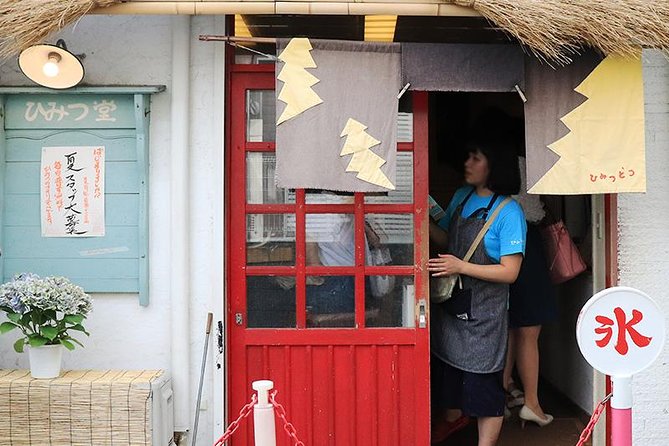
Next up is Evil Stamp Shop Shinimonogurui, a cat-friendly stamp-making spot. You make a name stamp with cute illustrations, and the shop is recognizable by a large cat sign.
This is a smart tourist choice even if you’re not a big souvenir person. A stamp is useful, compact, and it connects to Japan’s habit of personal marks. It also gives you something to do that doesn’t require long waits or reservations.
Heads up for timing: on Thursdays and Fridays, this shop is closed. The tour will show an alternative spot instead.
A change of pace from Tokyo:
- Mt Fuji and Hakone 1-Day Bus Tour Return by Bullet Train
★ 5.0 · 26,383 reviews - 1-Day Tokyo Bus Tour
★ 5.0 · 14,250 reviews - Tokyo: TOKYO SKYTREE® Admission ticket
★ 4.5 · 11,192 reviews - Tokyo: teamLab Planets TOKYO Digital Art Museum Entry Ticket
★ 4.6 · 9,779 reviews
Yanaka Shippoya: the donut stick that looks like a cat’s tail
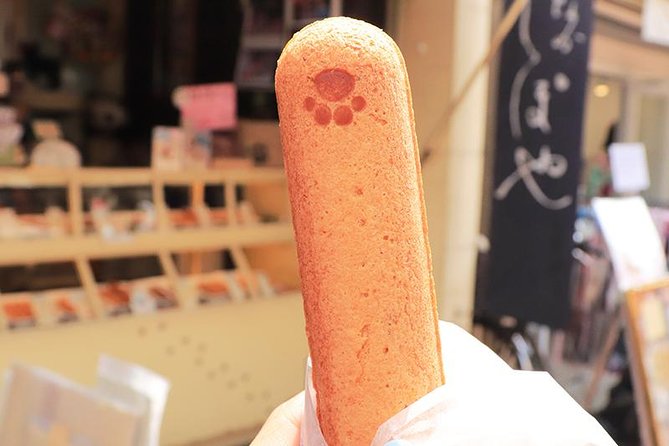
At Yanaka Shippoya, you’ll find a snack built around the shape and pattern of a cat’s tail. The famous item is a donut stick styled for that exact look, and the creamy versions are the favorites mentioned for this stop.
This is the kind of street food stop that works well mid-walk. It’s portable, it’s quick, and it gives you something fun to eat while you keep moving.
Tea ceremony gear at Kanekichien (a shop stop with purpose)
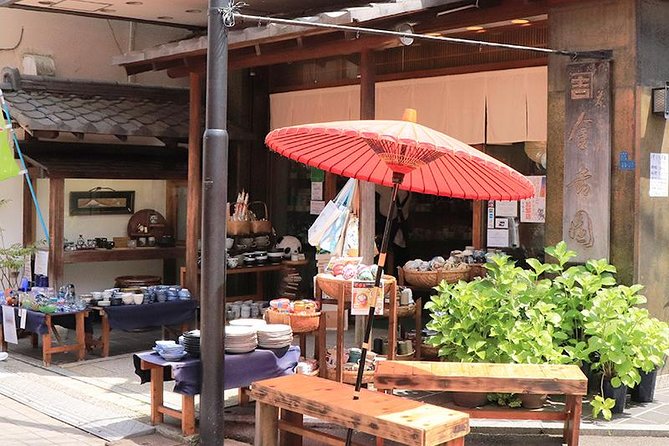
Kanekichien is a lovely shop focused on equipment used in Japanese tea ceremony. Even if you don’t plan to host tea at home, the value here is seeing how a craft shows up as everyday objects, not museum pieces.
You’ll get a chance to browse what’s available and understand what tea culture looks like when it’s still alive in specialty shops. This is also a nice break from eating, since the tour already stacks several food moments.
Menchi-katsu at Niku no Suzuki, fried and seriously satisfying
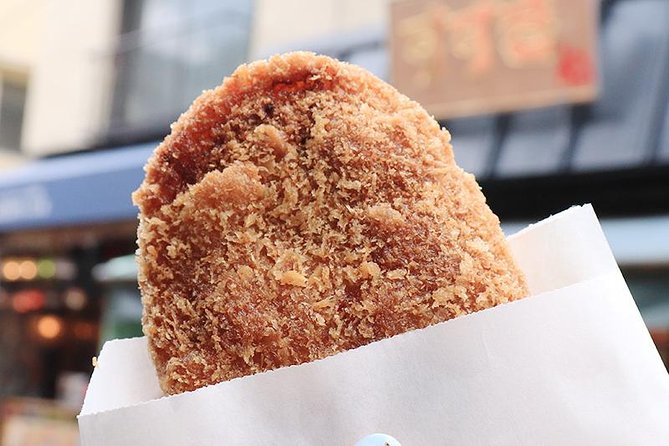
Then comes Niku no Suzuki, known for freshly fried menchi-katsu. Menchi-katsu is Japan’s comfort-food energy: minced meat formed, breaded, and fried until it’s crisp on the outside and rich inside.
This is one of those stops where the quality is the whole point. When something is freshly fried, waiting a few minutes can be worth it, and your guide helps you time your visit so you get it at its best.
Chestnuts in Japanese form at Waguriya
Waguriya is the chestnut specialist. The shop is said to be the only store in Japan focused on Japanese chestnuts and it also has its own farm. That level of focus shows up in the sweets, which highlight the natural flavor of chestnuts.
If you’re the type who likes food memories that don’t taste like every other theme snack, this one is a strong match. Chestnut flavor is distinct, and when it’s treated like the main event, you can really taste it.
Echigoya Saketen: Japanese beer and sake the local way
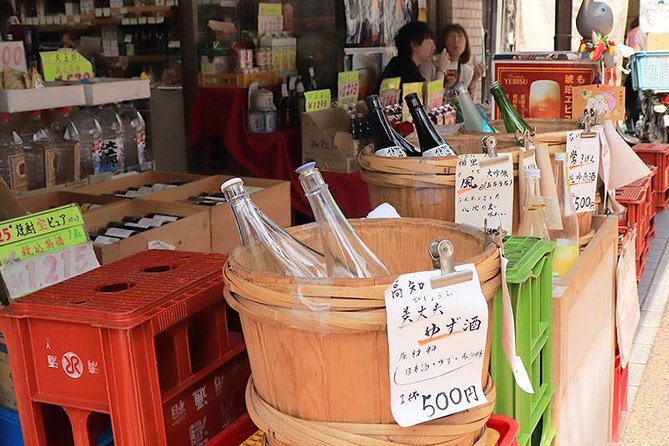
At Echigoya Honten (Echigoya Saketen), you’ll taste Japanese beer and sake, and you’ll also hear about how locals enjoy drinking, with kadouchi mentioned as the style.
This is a social break in the middle of a walking tour. If you like food plus a bit of culture, this is one of the most meaningful stops.
Just note the policy detail that matters: children can enter, but alcohol service requires being at least 20 years old to drink.
Hand Puppets Shokichi: the longer stop that adds real show energy
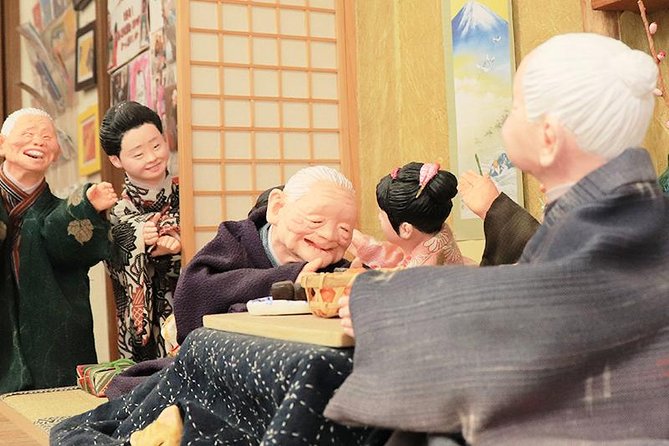
One of the biggest differences between an ordinary food walk and this one is the stop at Hand Puppets Shokichi. This includes a puppet show by professional puppeteers and is listed at 40 minutes, with admission not included.
If you want Japan to feel theatrical and not just culinary, don’t skip it. It’s also the kind of stop that breaks up shopping and snacking, so your feet get a rest.
Since this is the main ticketed item called out as not included, it’s also where your budget can swing. If you’re trying to keep costs tight, decide up front whether you want to spend on this performance.
Snake Road behind Yanaka Ginza: a curved alley with a past
Behind Yanaka Ginza is Snake Road, an alley that curves like a snake. The description notes that it used to be small rivers, which adds an interesting layer to the walk. Even if you don’t know the area’s exact old layout, the physical shape gives you an easy visual story.
This stop is short, but it’s one of those moments that makes a neighborhood tour feel special. It’s not a big-ticket attraction. It’s a street you’d miss without guidance.
Nezu Shrine and the red torii tunnel: the spiritual highlight
Nezu Shrine is often called a power spot, and this tour doesn’t rush it. You visit the shrine’s central area, walk through the tower gate, and then go into the tunnel of bright red torii gates.
This is one of the most photogenic cultural stops in the itinerary, but it’s more than photos. You slow down. You watch the flow of people. You notice details you’d otherwise skip when you’re concentrating on food stops.
Plan about 30 minutes here, enough time to follow the main path and take in the shrine atmosphere without feeling like you’re in a timed line.
Kayaba Coffee and the old Yoshidaya Sakayaten liquor shop setting
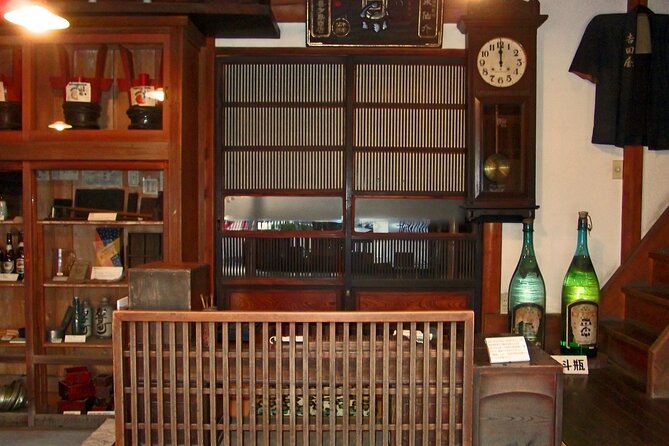
Next is Kayaba Coffee, listed as an experience in the Shitamachi Museum Annex area, specifically Old Yoshidaya Sakayaten, described as built in 1910 (Meiji 43). It was an actual liquor shop at the time.
This stop is about context. It helps you see how Tokyo businesses evolve, from a working liquor shop to an area you can visit while learning the neighborhood story. It’s also a good pause before your final stretch.
It’s listed at 15 minutes, and admission is noted as free for the stop.
Yanaka Cemetery: famous names, plus everyday graves
The route ends with a visit to Yanaka Cemetery. The description notes that it includes graves of famous people, including generals who once ruled Japan, literary giants, and also ordinary people.
This is a quieter ending, and it changes the tone of a food-focused tour in a good way. You get to see Tokyo as a place with memory, not just entertainment. If you prefer high-energy shopping as your final act, this might feel slower. But if you like the deeper side of a neighborhood, this is a thoughtful wrap.
Price and logistics: does it make sense for value?
The tour price is $86.71 per person, booked on average about 120 days in advance. You’re paying for a private guide and their necessary guide expenses, with the tour itself lasting about half a day.
The catch is spending on site. The estimate given lists 5050 JPY per person for tour costs, with breakdown showing 700 JPY for the Hand Puppets Shokichi admission and 0 JPY listed for meal costs. It also lists optional experience costs separately at 4350 JPY per person. Translation: the core tour is guided, but food, drinks, and add-ons are where your budget goes.
Some shops also may not take credit cards, and the information explicitly says to bring cash, including places serving alcohol. So if you want a stress-free day, withdraw money ahead of time.
The private factor helps justify the price. For couples, small families, or friends traveling together, the guide adds a lot of value by keeping you from wasting time and pointing you to the right local buys and bites, especially in small shops like the stamp maker and the specialty snack stops.
Who should book this private Yanaka Ginza food and culture walk
You’ll likely love this if you:
- Want old Tokyo streets with a guide, not a checklist of big sights
- Like food that’s small and specific, like menchi-katsu and cat-tail shaped snacks
- Prefer browsing local shops with purpose, not hunting through maps alone
- Want a private pace, with time to ask questions and shop without feeling rushed
You might want to skip if you:
- Want mostly major landmarks and museum-style attractions
- Hate walking or need frequent long stops every hour
- Don’t want any on-site spending beyond the tour price
Also, if you need a specific language, there’s at least one example of the provider arranging a professional Cantonese-speaking guide for the tour. That’s a good sign if language support matters to you.
Should you book this one?
Yes, if your goal is Yanaka Ginza the way locals experience it, with street food, small specialty shops, and a shrine stop that doesn’t feel shoehorned. The private format is a real advantage here because the experience is made of small moments, not just one huge attraction.
Book it especially if you’re excited by cat-themed stops, street snacks, and the idea of finishing with Nezu Shrine plus a cemetery visit. If you’re allergic to cash-based, on-site spending, plan ahead and decide which optional items you’ll say yes to, so the day stays enjoyable rather than budget-stressful.
FAQ
How long is the Yanaka Ginza old Tokyo and traditional food tour?
It runs for about 4 hours 30 minutes.
What is the meeting point and where does the tour end?
You meet at Nippori Station (Tokyo Metro, Chiyoda Line area), and the tour ends at Sendagi Station (Tokyo Metro Chiyoda Line).
What does the tour price include?
The tour includes a tour guide, a private tour for your party, and the necessary expenses for the guide during the tour.
What costs are not included?
An estimated amount is listed for tour costs per person, including an admission fee for Hand Puppets Shokichi. Optional experience costs are also listed separately, and you may pay for food and drink at stops.
Do I need cash?
Yes. Some visited spots do not accept credit cards, and this includes places where alcoholic beverages are served.
Is this a private tour or a group tour?
It is a private tour. Only your group participates.
Is the hand puppet show included?
The puppet show at Hand Puppets Shokichi is listed as admission not included, so you would pay separately if you attend.
Can children join, and can everyone drink alcohol?
Children can enter, but to drink alcohol you must be at least 20 years old.
Latest write-ups near Tokyo
- Tokyo Nights: Shibuya Photo Adventure★ 5.0 · 20 reviews
- Wagyu & Sake 8 Course Tasting Dinner in Shinjuku★ 4.9 · 20 reviews
- Making Japanese desserts Nerikiri & drinking matcha in Tokyo★ 5.0 · 20 reviews
- Japanese Whisky Hunting《HIGH-QUALITY-ONLY》Rare Tasting Class★ 5.0 · 20 reviews
- Mt. Fuji 5th Station, Owakudani Ropeway, Pirate Ship plus Outlet shopping!★ 4.5 · 20 reviews
- Kintsugi Experience with Arita Ware in Tokyo (English Guide)★ 4.8 · 20 reviews
- This is Asakusa! A Tour Includes the All Must-Sees!★ 5.0 · 20 reviews
- Tokyo: Karate Experience with Former All-Japan Champion★ 5.0 · 20 reviews
Food & Drink in Tokyo, compared.
Shinjuku Food Tour (13 Dishes at 4 Local Eateries)
Read our review →
Tokyo Tsukiji Fish Market Food and Culture Walking Tour
Read our review →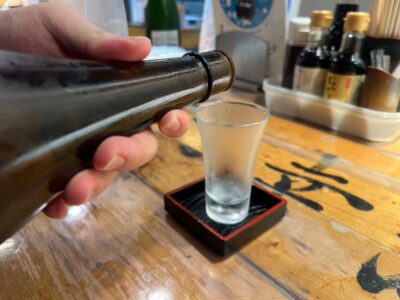
Shinjuku Food Tour (15 Dishes and 4 Eateries)
Read our review →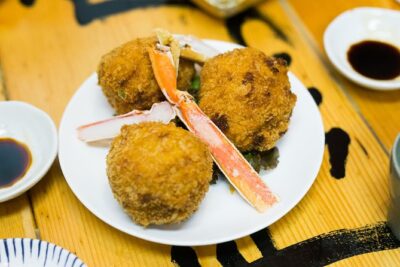
Best of Shinjuku: Izakaya Food Tour (4 Stops, 14+ Tastings)
Read our review →
Eat and Drink Like a Local: Tokyo Ueno Food Tour-Taverns&Ramen
Read our review →
Tsukiji Fish Market: Street Food & Culture Walking Tour
Read our review →Browse the lists this tour appears in