
Reviewed · SAMURAI & NINJA EXPERIENCES
Ninja Samurai 2-hour hands-on lesson by Japanese master in Tokyo
Tokyo has plenty of martial-arts shows, but this one feels different because it is hands-on, small-group training with ninja and samurai basics taught in English. I really like the max six-person group setup, because you get closer coaching instead of watching from the back. One drawback to keep in mind, the studio is in Shiomi and up on the East 4th floor, so you should plan a little extra time to find it, and stairs may be involved.
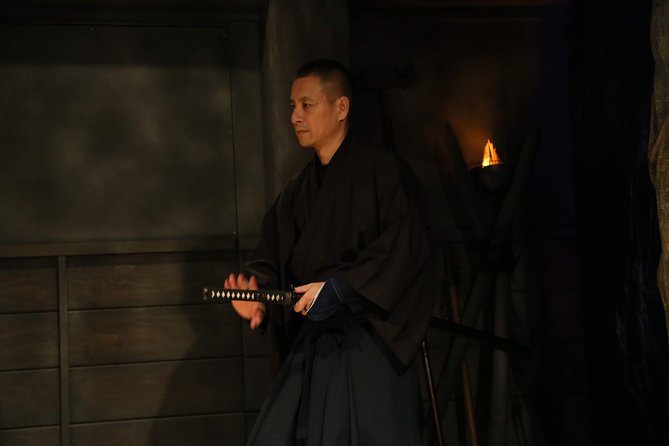
You will get into training mode right away with ninja outfit rental, then move through a structured lesson that includes ninja meditation (Kuji-In), weapon tools like shuriken and a blowgun for dart practice, and samurai sword technique like drawing and swinging. It is a fun way to learn more than just movie-style myths, but the pace is still active, so wear shoes and clothes you can move in.
Key things I think are worth your attention
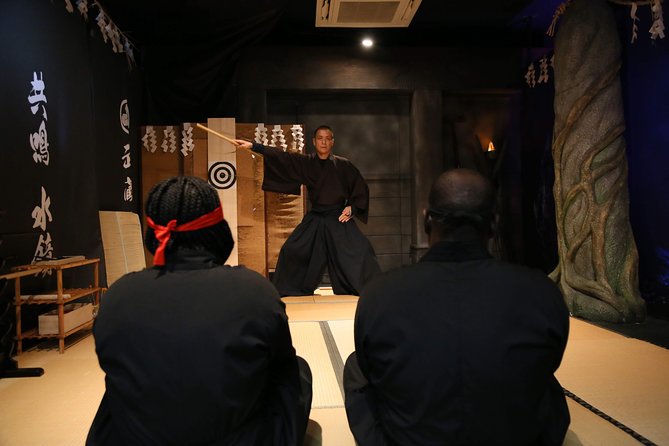
- Max six people means the instructor can correct your form, not just talk.
- Ninja + samurai in one 2-hour session so you do not have to choose one track only.
- Kuji-In ninja meditation gives the lesson a mental side, not only physical moves.
- Hands-on weapon practice including shuriken and blow darts, plus sword training.
- You dress the part with ninja clothes rental, which also makes the experience feel real.
Ninja Samurai Tokyo, Shiomi: what the 2 hours is really like
This class is designed as a short, punchy introduction to two related traditions, ninja arts and samurai sword culture. The core idea is simple: you learn the tools and techniques, then you practice them with a Japanese master (sensei) in English.
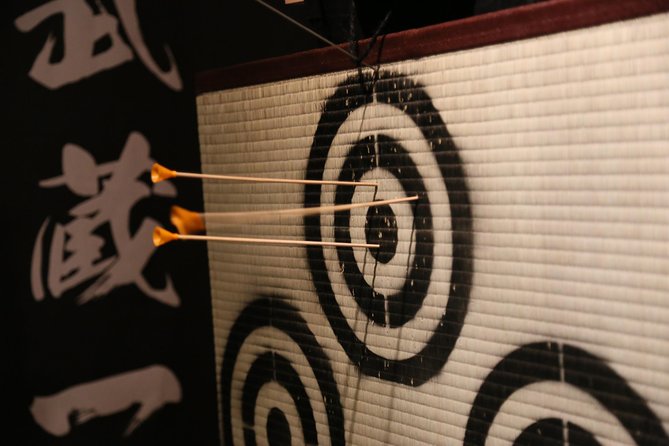
You should expect a lot more doing than watching. In the ninja part, you work through meditation basics, learn about gear, and practice throws and target work with shuriken and blow darts. In the samurai part, you practice the sword side with guidance on how to draw and use the sword, then you even get to perform some of what you learn.
The whole experience is built for a mix of ages and skill levels. One of the best signs for this is that classes often include everything from kids to adults, and people do not need to be athletes to take part. That said, it is still movement-based training, so go in expecting you will be standing, stepping, and practicing a sequence.
More Samurai & Ninja Experiences in Tokyo
- Tokyo: Samurai Restaurant Show Ticket with 2 Drinks
★ 4.5 · 1,307 reviews - Tokyo: Samurai Ninja Museum Guided tour and Experience
★ 4.6 · 1,010 reviews - Tokyo: Samurai Sword & Archery Class from Samurai Descendant
★ 5.0 · 603 reviews
Finding the place: Ninja Samurai Tokyo and the East 4th floor
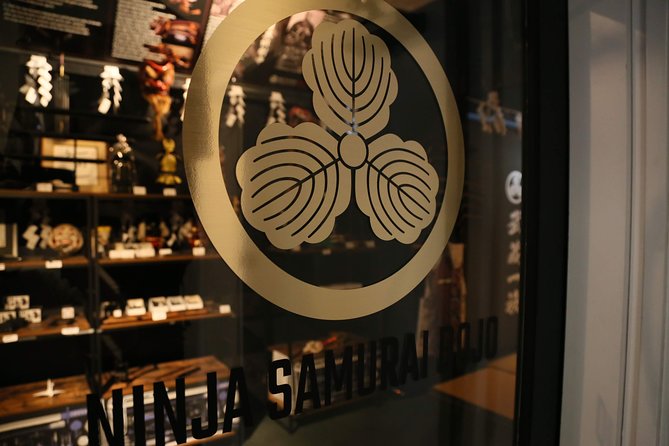
Your meeting point is Ninja Samurai Tokyo at Bayfrere Shiomi, East 4階 in Koto City, Shiomi. The location is listed as near public transportation, which matters because you do not want to burn time on logistics before a 2-hour class.
Two practical points to plan for:
- The address is on the 4th floor. If you are someone who prefers stairs avoidance, build in time, and consider arriving with a little buffer.
- One prior participant noted the elevator was not working, so having a backup plan for stairs is smart.
Also, bring your mobile ticket. You will start and end at the same meeting point, so once you are checked in, you do not need to worry about a long walk or changing locations.
Ninja outfit rental: why it is more than a costume
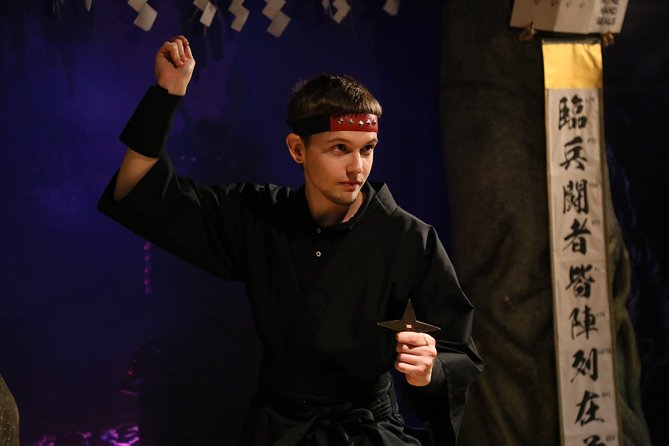
You will get ninja clothes rental during training. For me, that is not just for photos. Dressing the part helps you take the session seriously in the moment, and it also keeps the training consistent across students.
It is also a good reminder to travel light. Pick clothing that works under the rented outfit and keeps your range of motion. If you have long hair, tie it back before you arrive so you do not spend time fixing it while learning steps and aiming.
One more detail that matters for value: you are encouraged to record your experience with your phone or camera. With a small group size, it is easier to capture moments that include you, not just the instructor.
Kuji-In ninja meditation and the ninja skills block
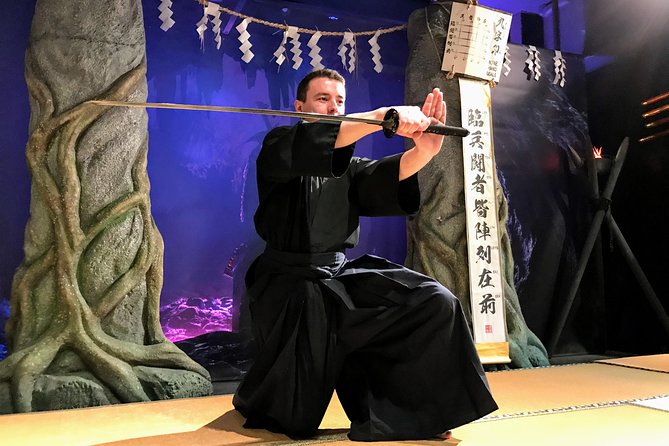
The ninja half of the lesson starts with fundamentals and mindset. You will practice ninja meditation called Kuji-In. Even if you have no martial-arts background, this part helps you understand what the training is trying to do beyond tricks: control, focus, and calm.
From there, you move into ninja tools and training segments. The class includes:
- An introduction to ninja weapons and tools
- A ninja trick house style gimmick (a fun way to get you moving and thinking in the ninja mindset)
- Demonstration and hands-on ninja sword training
- Shuriken (ninja star) training
- Ninja blowgun (blow darts) training
A change of pace from Tokyo:
- Mt Fuji and Hakone 1-Day Bus Tour Return by Bullet Train
★ 5.0 · 26,383 reviews - 1-Day Tokyo Bus Tour
★ 5.0 · 14,250 reviews - Tokyo: TOKYO SKYTREE® Admission ticket
★ 4.5 · 11,192 reviews - Tokyo: teamLab Planets TOKYO Digital Art Museum Entry Ticket
★ 4.6 · 9,779 reviews
Shuriken and blow darts, the practical way
This is where you get the real satisfaction. Shuriken training is not just a photo op. You practice throwing to targets and you learn the basic ideas behind stance and aim. Blowgun dart training is similar. You learn how to handle the tool and then you practice aiming at targets.
From the way instructors teach, you should expect corrections on safe handling and technique, not just letting everyone “try and hope.” Past students have also described using real metal ninja stars, and at least one person noted training with real metal sword materials during their session. I would still treat it as class-dependent, so listen closely to safety guidance from your sensei.
Ninja sword basics, plus the key contrast
You will also practice ninja sword training. That matters because it sets up the later samurai part: you start to notice the difference in spirit and usage between the ninja sword approach and the samurai sword approach.
If you love the history side, this is a good moment to connect the dots. You will not just learn moves. You will also hear explanations about Japanese feudal times and how these fighting cultures are often portrayed incorrectly in pop culture.
Samurai sword training: drawing, swinging, and a short performance
The samurai section focuses on samurai techniques and spirits with the Japanese samurai sword. The big practical skills here are:
- How to use and draw the sword
- How to swing it as you practice the taught movements
- Watching, then playing a samurai performance you learn
For a lot of people, the drawing and handling part is the most memorable. It is one thing to see sword routines in a show. It is another to practice the sequence yourself with a sensei explaining what you are doing and why.
You will also get a sense of the “spirit” side. The class is positioned as historical and traditional training, taught in English, so you can follow along even if you know little about Japanese martial terms.
And yes, you will end up performing some of what you learn. That is not about stage theatrics. It is about giving you a structured way to show what you practiced, and it makes the class feel like an achievement instead of a trial run.
Sensei instruction in English, and what makes the coaching work
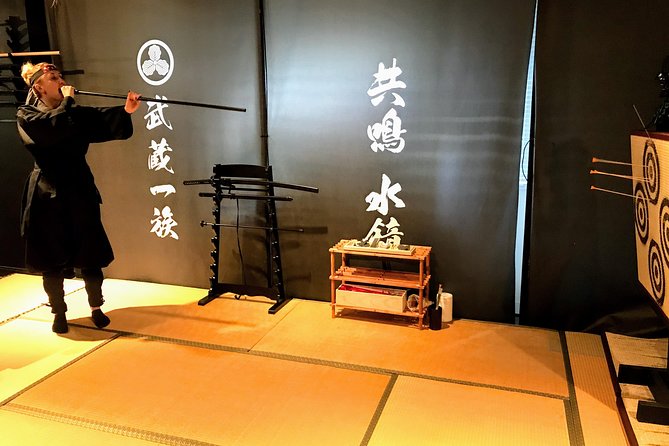
The experience is taught by a Japanese sensei master who has trained in ninja arts, and the sessions are in English. You should take that seriously when planning your expectations. A lot of martial-arts classes assume you already know the basics. Here, the language support helps you learn the sequence and the safety rules quickly.
Instructors you may encounter include names like Hyoga sensei, Onel, Asami, and Buddy (described as a master in past sessions). Across the board, the consistent theme is that the teaching is patient and funny, with a clear focus on getting everyone to participate.
This is also why the group limit works so well. With up to six people, you get corrections in real time. You can adjust your stance and grip right when you need it, instead of after the session ends.
Active, but not athlete-only
The class is active. Some people should expect running or jumping movements as part of training. The good news is that past classes have included a wide age spread, including kids and older adults, which suggests the instructor can scale the lesson so most people can finish it.
If you have any mobility concerns, ask yourself one question before booking: can you comfortably climb stairs and stand for a structured 2 hours with weapon training practice? If the answer is no, you might want to choose a different kind of activity in Tokyo.
Price and value: is $86.22 for 2 hours a good deal?
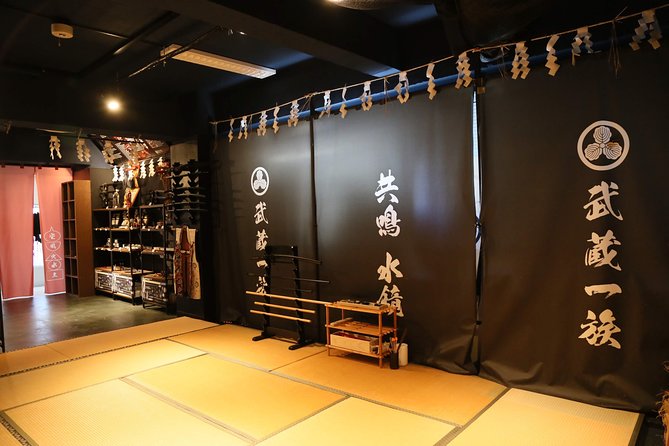
At $86.22 per person for about 2 hours, the price can feel surprising at first, until you look at what is included and what is being taught.
Here is what you get as part of the cost:
- English instruction from a Japanese sensei master
- Ninja clothes rental during training
- Admission fee
Not included items are also straightforward:
- Bottled water is not included
- Private transportation is not included
So where is the value? It is in the combination of three things:
- Small-group size (max six) so you get real feedback.
- Hands-on practice with shuriken, blow darts, ninja sword training, and samurai sword drawing and swinging.
- Cultural context, including ninja meditation Kuji-In and explanations tied to Japanese feudal times.
If you are the type of traveler who likes museums but also wants a body-in-the-experience activity, this is a strong match. If you only want passive sightseeing, you might find it too active. But for many people, it becomes a highlight because it is memorable in a physical, not just visual, way.
What to bring and how to prepare for a safe, fun session
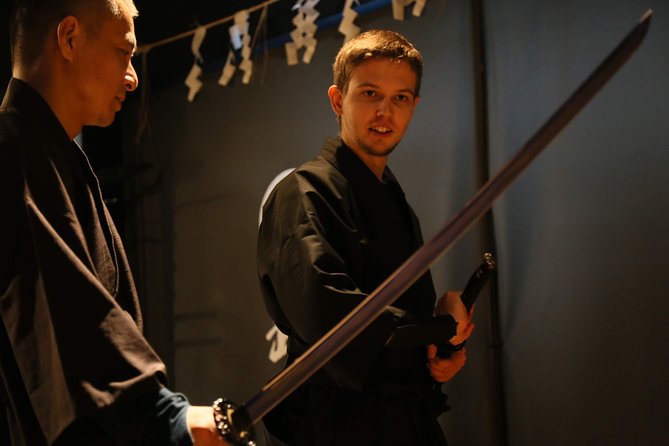
The class includes ninja outfit rental, so you do not need to pack costume gear. Still, you do want to show up ready to move and aim.
My practical checklist:
- Wear comfortable clothing that lets you move your arms and legs freely.
- Wear closed-toe shoes with grip. This matters when you are taking steps and practicing target throws.
- Tie back long hair and secure anything loose.
- Bring water, since bottled water is not included.
- Bring your phone or camera if you want to record, but keep it manageable so you can focus during training.
Most importantly, go in with the right mindset: this is a lesson. You will do better if you listen for the instructor’s safety cues and take corrections without rushing.
Who should book Ninja Samurai Tokyo?
This lesson fits best if you want a hands-on Tokyo experience that is different from the usual photo-and-walk itinerary.
You will likely enjoy it if:
- You want ninja and samurai training in English in one session
- You like interactive experiences, not just watching
- You want a family-friendly activity that can work across age groups
- You enjoy learning history and philosophy, not only movie-style moves
It is also a smart pick if you have already done a few mainstream sights and want something more personal and active. The small-group size helps the lesson feel like a real class, not a crowd event.
Should you book this ninja and samurai hands-on class in Tokyo?
I think it is worth booking if your travel style includes learning by doing. The class checks the boxes that matter for value: small-group coaching, practical hands-on weapon training with shuriken and blow darts, ninja meditation Kuji-In, and samurai sword drawing and swinging, all taught in English by Japanese sensei masters.
I would hesitate only if you have trouble with stairs or active movement, or if you prefer purely visual sightseeing with no practice. And because the studio is on the East 4th floor in Shiomi, it pays to arrive early so you are not rushing when it is time to change and start.
If you want a memorable 2 hours that feels like you actually learned something, not just watched it, this is a strong Tokyo choice.
FAQ
How long is the Ninja Samurai lesson?
The lesson lasts about 2 hours.
What is the group size limit?
The group size is limited to a maximum of 6 travelers.
What techniques and activities are included?
You will learn ninja meditation (Kuji-In), receive an introduction to ninja weapons and tools, practice ninja sword training, train with shuriken (ninja stars), and practice with a ninja blowgun (blow darts). You will also learn samurai techniques with a Japanese samurai sword, including how to draw and use the sword, and you can watch and play a samurai performance you learn.
What is included in the price?
The price includes instruction by a Japanese sensei master who teaches in English, ninja clothes rental during training, and an admission fee.
Where is the meeting point?
Meet at Ninja Samurai Tokyo, Bayfrere Shiomi, East 4階, 2-chōme 39 Shiomi, Koto City, Tokyo, Japan 135-0052. The activity ends back at the meeting point. It is near public transportation.
What is the cancellation policy?
You can cancel for free up to 24 hours in advance for a full refund. If you cancel less than 24 hours before the experience starts, the amount you paid is not refunded. The experience also requires good weather, and if it is canceled due to poor weather you will be offered a different date or a full refund.
Latest write-ups near Tokyo
- From Tokyo: Top 5 Scenic Spots of Mount Fuji Full-Day Tour★ 4.5 · 67 reviews
- Tokyo Customized Private Tour: See Top Attractions in 1 Day★ 4.8 · 67 reviews
- Traditional Japanese Music ZAKURO SHOW in Tokyo★ 5.0 · 67 reviews
- Tokyo: Shinjuku Izakaya and Golden Gai Bar Hopping Tour (2h)★ 4.9 · 67 reviews
- Tsukiji: Unlimited Sake Tasting Experience★ 4.9 · 67 reviews
- Tokyo: Not a show- a professional sumo practice with experts★ 4.9 · 67 reviews
- Samurai Ninja Museum Asakusa: Kid-Friendly Ninja Training★ 4.7 · 67 reviews
- Private Harajuku Omotesando Architecture Walking Tour★ 5.0 · 67 reviews
Samurai & Ninja Experiences, compared.

Samurai Ninja Museum Guided tour and Experience
Read our review →
Kendo and Samurai Experience with Uniform and Gear
Read our review →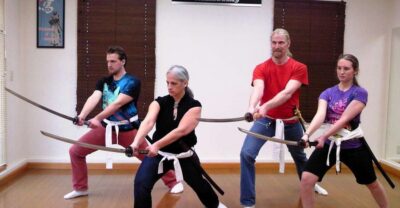
Samurai Sword Class by Experts in Traditional Arts
Read our review →
Skip the lines Basic Ticket at SAMURAI NINJA MUSEUM KYOTO
Read our review →
Samurai Sword & Archery Class from Samurai Descendant
Read our review →
Browse the lists this tour appears in