
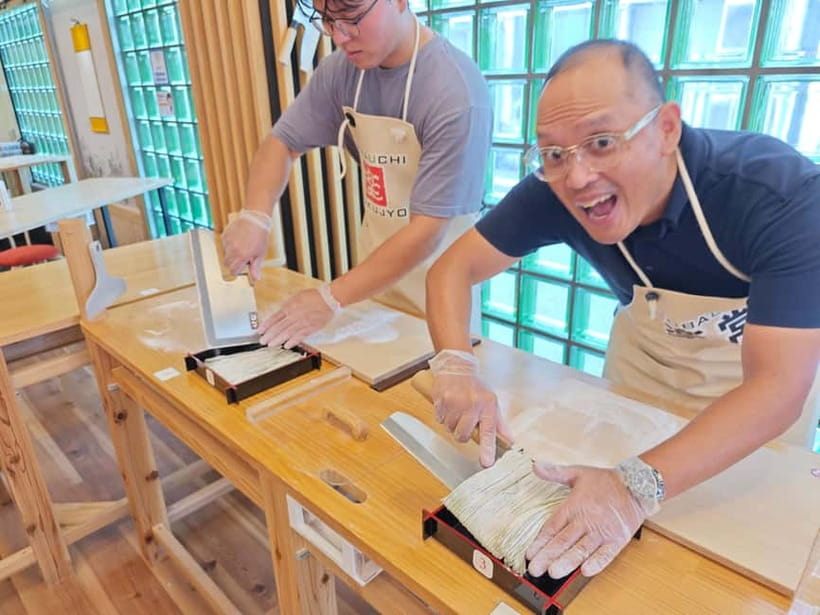
Reviewed · RAMEN EXPERIENCES
Made from flour in 30min! Ramen-noodle Making Experience!
This is a ramen class where you actually make the noodles from flour, by hand, using a big knife in an open-kitchen studio in Asakusa. The whole thing is designed to move fast, so you’re cutting and eating the same day without stealing half your sightseeing.
I especially like the 30-minute noodle-making sprint, and I love that the meal includes several broth styles, including vegetarian and vegan options. One possible drawback: this is not a sit and watch show, so you’ll need to order and eat, not just pop in for observation.
Key Things to Know Before You Go
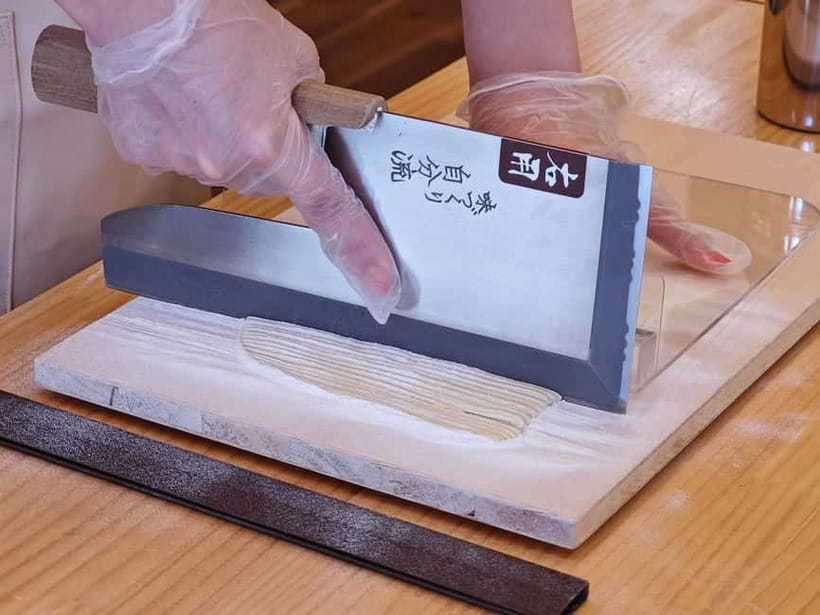
- Knife-cut noodles, one strip at a time: You skip the machine vibe and learn manual cutting with a specially made noodle knife.
- A tight 50-minute rhythm: Reception, hand washing, about 30 minutes making noodles, then staff cooks and you eat with snacks.
- Multiple ramen styles, including vegan: Expect soy sauce, miso, shio, and vegan options like vegan soup curry ramen.
- One free drink plus all-you-can-eat snacks: It’s built to be an easy meal, not just a tasting.
- Small group feel: Limited to 6 participants, which helps the instructor keep an eye on form and safety.
- Clean, bright studio setup: It feels like a real Japanese shop on the first floor, not a dusty workshop room.
Entering the First-Floor Studio in Asakusa’s Kitchen Tool Street
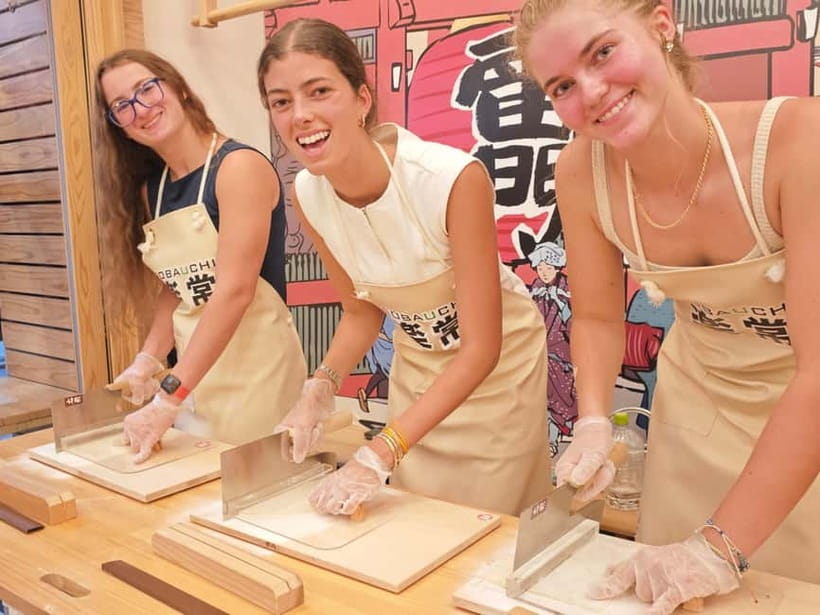
SOBAGIRI-RAKUJYO sits in Asakusa’s Kappabashi area, in the kitchen tool specialty district. The location is practical if you’re already doing the Asakusa loop, since it’s about a 25-minute walk from Sensoji Temple.
The meeting point is easy to spot once you know what to look for: you’ll find it diagonally across from a food sample specialty store with a large beetle objet d’art on Kappabashi Kitchenware Street. Aim to arrive about 10 minutes early so you can check in without rushing.
Inside, the studio is described as bright, clean, and stylish, with an authentic table setup for the experience. It also has enough room to handle up to 30 people at a time, but the actual class group stays small, which helps the whole session feel more hands-on than chaotic.
More Ramen Experiences in Tokyo
- Eat and Drink Like a Local: Tokyo Ueno Food Tour-Taverns&Ramen
★ 5.0 · 957 reviews - Ramen & Gyoza Cooking Class in Tokyo with Local Supermarket Visit
★ 5.0 · 823 reviews - Tokyo: Ramen Tasting Tour with 6 Mini Bowls of Ramen
★ 4.9 · 432 reviews
The 50-Minute Flow: Hand Wash, Noodles, Then You Eat
The timing is one of the best reasons to book. The full session is listed as 50 minutes, and the noodle work itself is about 30 minutes.
Here’s how it typically runs:
- Reception happens about 10 minutes before your start time.
- You wash your hands to get set up properly.
- You do ramen noodle making for roughly 30 minutes.
- Staff cook the noodles for you.
- Then you get free time to eat, plus snacks.
This fast pace matters because it fits real travel days. If you’re the kind of traveler who hates losing an entire block to a single activity, this design makes sense. You’re also not stuck waiting forever with only the smell of flour as entertainment.
Making Ramen Noodles by Knife, Not Pasta Machine
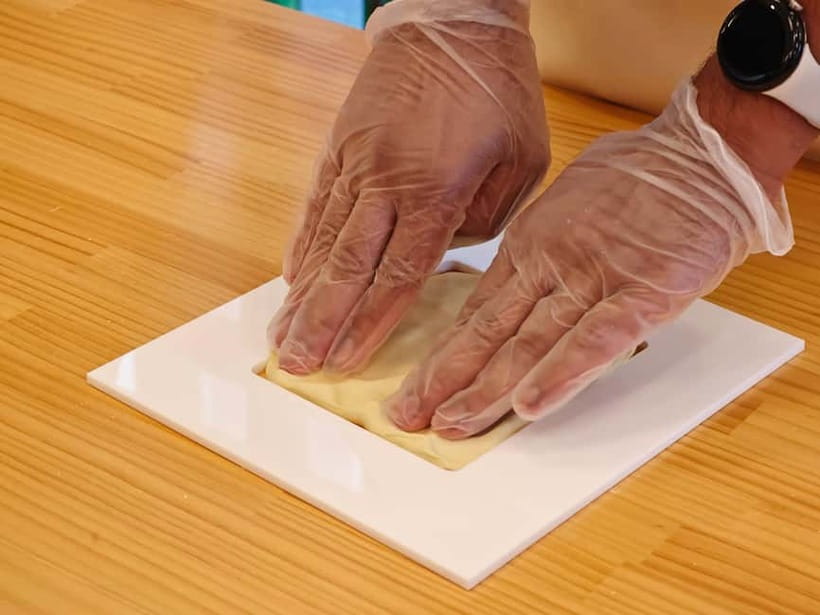
The core experience is learning how to cut noodles manually from scratch. You start with flour and learn the technique of mixing flour with water, kneading, stretching flat, and cutting into thin strips.
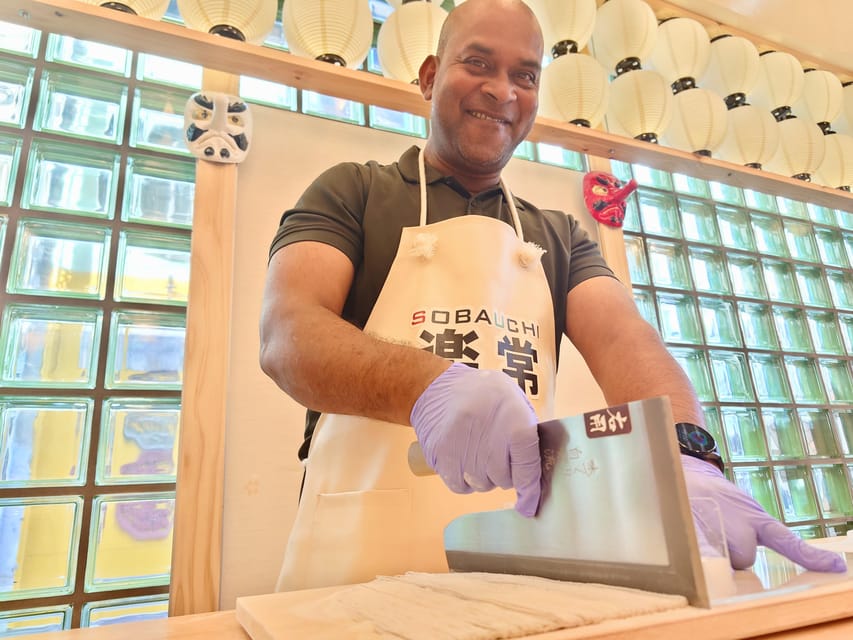
They train the safety and delicate cutting technique, using a large knife designed specifically for noodle cutting. If you have only seen ramen made with a pasta machine, this will feel refreshingly old-school. It’s also why the class is tied to a technique passed down since Japan’s Edo period (1603 to 1868).
What I like is that they focus on execution, not just watching. You’re not just getting a generic demo. The instructor teaches you how to handle a heavy knife carefully and how to cut with control.
And the goal is that the whole complex process fits inside 30 minutes. That’s the difference between a fun craft moment and an actual skill you can point to. You leave knowing how the noodles are shaped, not only what ramen tastes like.
Staff-Cooked Ramen From Your Own Noodles
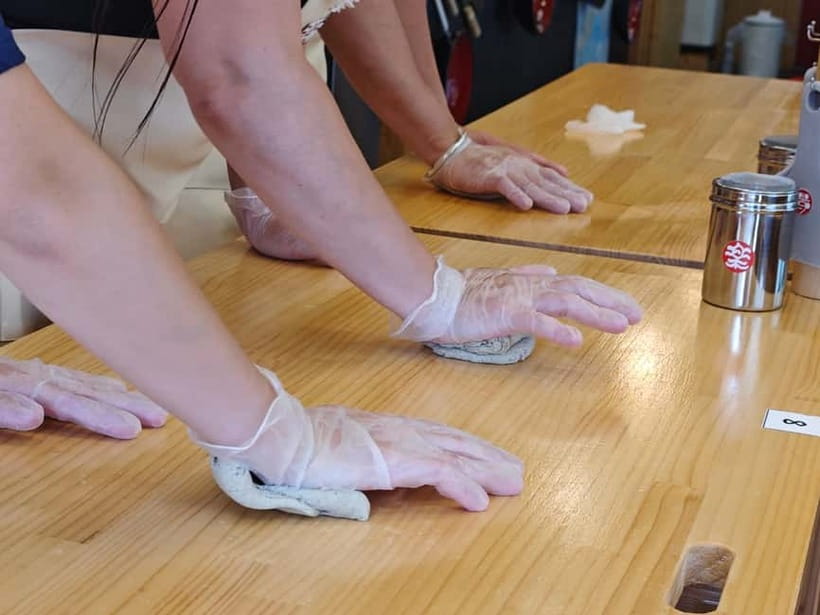
Once you finish cutting, the staff takes over the cooking. That’s important, because cooking noodles to the right texture is hard to do perfectly in a workshop setting, especially while you’re still learning the cutting technique.
You then eat ramen made with the noodles you produced. The class frames it as a meal, snack, or a base for different flavors, and that matches what you’ll actually feel at the table. You’re not waiting for a separate dish. Your work turns into food you can taste right away.
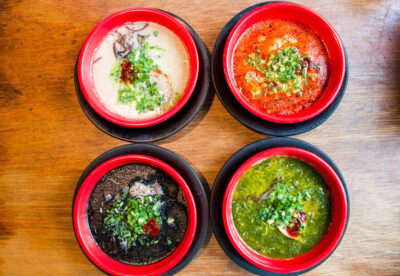
There are multiple broth flavors to choose from, including:
- Miso ramen
- Soy sauce ramen
- Shio ramen
- Vegan ramen
- Vegan soup curry ramen
If you’re traveling with people who don’t all eat the same way, the menu variety helps. You can still keep the group together because everyone can find a ramen style that fits.
A change of pace from Tokyo:
- Mt Fuji and Hakone 1-Day Bus Tour Return by Bullet Train
★ 5.0 · 26,383 reviews - 1-Day Tokyo Bus Tour
★ 5.0 · 14,250 reviews - Tokyo: TOKYO SKYTREE® Admission ticket
★ 4.5 · 11,192 reviews - Tokyo: teamLab Planets TOKYO Digital Art Museum Entry Ticket
★ 4.6 · 9,779 reviews
The Bonus: One Free Drink and All-You-Can-Eat Snacks
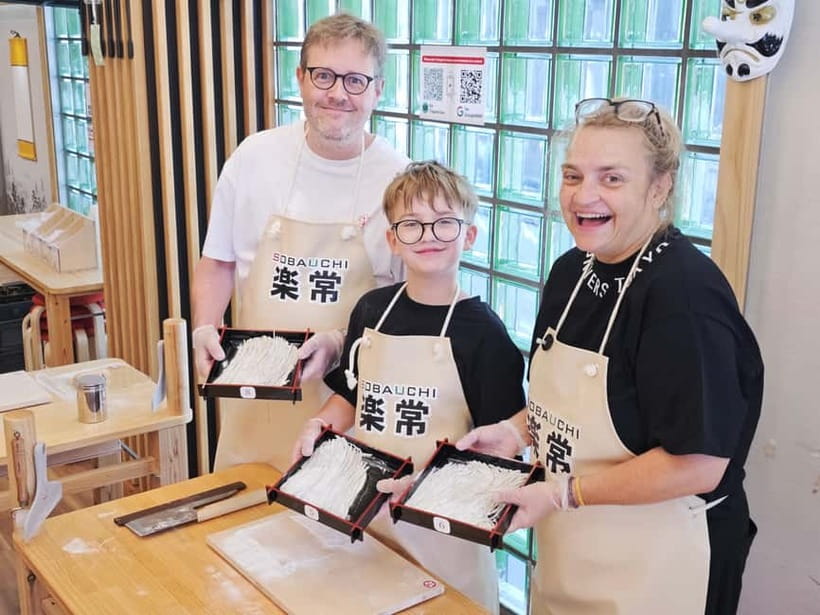
This workshop behaves like a proper meal add-on. Included in the experience are:
- One free drink (options include beer, highball, lemon sour, juice, non-alcoholic beer, and more)
- All-you-can-eat snacks from Japanese manufacturers
That combination makes the price feel less like a pure activity fee. You’re paying for a skill experience, then getting fed afterward, with extras to keep you comfortable while you snack.
One small caution: refill charge for drinks is not included. So if your free drink turns into a second round plan, keep that in mind and budget accordingly.
Space, Clean Setup, and Those Photo-Friendly Flour-Free Moments
The interior setup is designed to look good and feel good during the workshop. The interior is described as spacious and photogenic, and the workspace is presented as clean and professionally arranged.
A detail I really appreciate, because it affects your day-to-day travel experience: staff take professional-style photos during the workshop so your phone doesn’t become a flour casualty. The photos are then shared via QR code, including some edited versions. If you want a couple nice shots without turning your camera into a handheld batter bowl, this helps.
Also, you’ll want to take the small-group element seriously. The class is limited to 6 participants, and there’s a clear rule that three participants per table won’t be allowed. That keeps the setup from becoming crowded, and it gives the instructor room to correct hands-on technique.
Who This Workshop Suits Best, and Who Should Think Twice
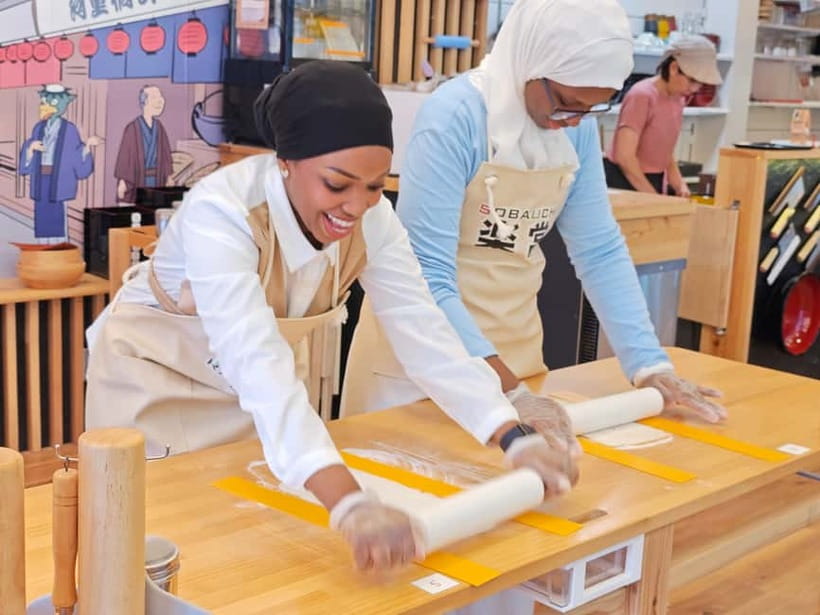
This is a hands-on class, so it fits best if you’re willing to do a little work with your hands and follow instructions closely. It’s also a good fit for families, couples, friends, and groups, including people using wheelchairs.
That said, there are practical limits you should check before you book:
- Buckwheat allergy: those with buckwheat allergies are not allowed to participate.
- Gluten intolerance: not suitable for people with gluten intolerance.
- Sickness: people with a cold are listed as not suitable.
- Children: the venue lists not suitable for children under 2 years, under 3 years, and babies under 1 year.
There’s also a rule that matters if you’re bringing kids: parents are responsible for children, and kids solo experience requires the ability to knead and use a large heavy knife by themselves. If that seems difficult, kids may be paired with a parent, and one adult must accompany each child in that parent-child pairing.
Safety is handled through instruction, but the policy also states that any injuries are the participant’s responsibility. That’s normal for hands-on classes, but it’s still worth respecting if you’re traveling with older travelers or anyone with limited hand strength.
One more important “don’t waste your time” note: it’s not possible to enter for observation only. You’ll need to order your meal, not just watch from the side.
Price and Value: Why $57 Can Feel Worth It in Asakusa
At $57 per person, this isn’t the cheapest thing in the neighborhood. But you’re not just buying a taste of ramen. You’re buying:
- A hands-on noodle-making session where you cut from flour
- Staff cooking your noodles into ramen
- A free drink
- All-you-can-eat snacks
That mix changes the math. Food is expensive in central Tokyo and around major sightseeing spots, and a workshop that also includes a drink and snacks reduces the cost of your “after workshop” hangry moment.
The other value boost is time performance. With about 30 minutes to make noodles and 30 minutes for eating, you’re not sacrificing half a day. In a place like Asakusa, where you might also want time for the temple area and Kappabashi shopping, that speed is a real currency.
One practical travel note: the small group setup and the rule against observation-only access both help the experience feel structured. It also means you should arrive ready to participate and eat.
Finally, keep your expectations realistic about schedules. One account included an arrival where the schedule was canceled by the owner, which is upsetting. I can’t predict how often that happens, so I’d treat it as a good reason to keep your confirmation details handy and show up early rather than right on time.
Should You Book SOBAGIRI-RAKUJYO?
If you like making things with your hands and you want an Asakusa activity that fits a tight schedule, I’d book it. You’ll get a real technique, manual knife-cut noodles, then sit down to eat ramen built from what you made.
Skip it if:
- You need gluten-free options, because gluten intolerance is listed as not suitable
- You or someone in your group has a buckwheat allergy
- Your plan is to watch only, because observation-only entry isn’t possible
- You’re traveling with someone sick with a cold, based on the listed restrictions
If your day is already packed, this is one of those rare classes that respects your itinerary. It’s short, structured, and it ends with food that you can genuinely say you made.
FAQ
How long is the ramen noodle making experience?
The duration is listed as 50 minutes, with the noodle making taking about 30 minutes and a reception period before it starts.
What is included with the price?
The experience includes ramen noodle making, dining on ramen cut by yourself, one free drink, and all-you-can-eat Japanese snacks.
What languages are available during the workshop?
The instructor is listed as Japanese and English, and an English audio guide is included.
What types of ramen can I eat after making the noodles?
You can choose among several flavors, including miso ramen, soy sauce ramen, shio ramen, vegan ramen, and vegan soup curry ramen.
Is there a free drink included?
Yes, one free drink is included. Refill charges for drinks are not included.
Are there dietary restrictions?
Buckwheat allergies are not allowed to participate, and the activity is listed as not suitable for people with gluten intolerance.
What are the age limits for children?
It is listed as not suitable for children under 2 years, children under 3 years, and babies under 1 year.
Is the venue wheelchair accessible?
Yes, the venue is listed as wheelchair accessible.
Can I just observe without eating?
No. As a rule, it is not possible to enter the restaurant for observation only, so you need to order your meal.
Latest write-ups near Tokyo
- Tokyo Nights: Shibuya Photo Adventure★ 5.0 · 20 reviews
- Wagyu & Sake 8 Course Tasting Dinner in Shinjuku★ 4.9 · 20 reviews
- Making Japanese desserts Nerikiri & drinking matcha in Tokyo★ 5.0 · 20 reviews
- Japanese Whisky Hunting《HIGH-QUALITY-ONLY》Rare Tasting Class★ 5.0 · 20 reviews
- Mt. Fuji 5th Station, Owakudani Ropeway, Pirate Ship plus Outlet shopping!★ 4.5 · 20 reviews
- Kintsugi Experience with Arita Ware in Tokyo (English Guide)★ 4.8 · 20 reviews
- This is Asakusa! A Tour Includes the All Must-Sees!★ 5.0 · 20 reviews
- Ebisu Local Food Tour: Shibuya’s Most Popular Neighborhood★ 5.0 · 20 reviews
Ramen Experiences, compared.
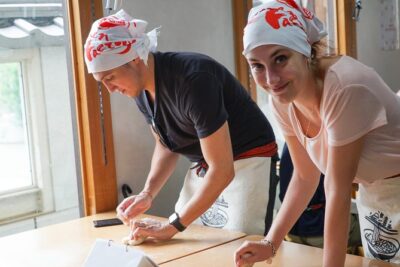
Ramen Cooking Class at Ramen Factory in Kyoto
Read our review →
Eat and Drink Like a Local: Tokyo Ueno Food Tour-Taverns&Ramen
Read our review →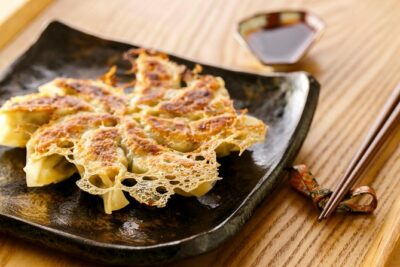
Ramen & Gyoza Cooking Class in Tokyo with Local Supermarket Visit
Read our review →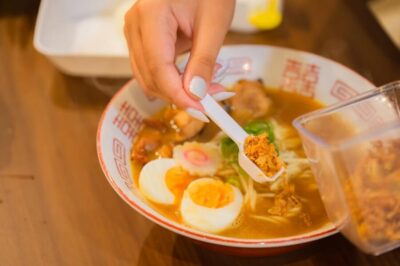
Ramen Cooking Class at a Ramen Factory with Souvenir
Read our review →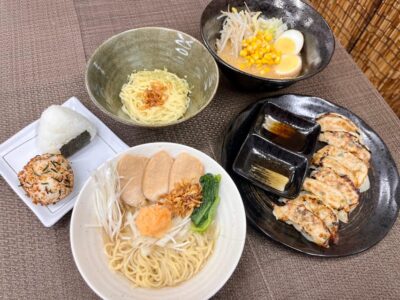

Five Must-See Highlights Walking Tour & Ramen Lunch
Read our review →
Browse the lists this tour appears in