
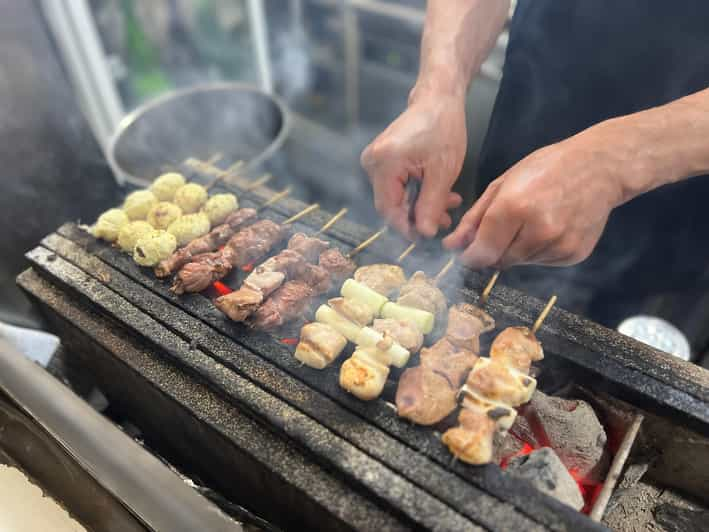
Reviewed · FOOD & DRINK IN TOKYO
Tokyo: Authentic Food Tour in Ginza and Shimbashi
Ginza is often about luxury shopping, but this tour shows the other side: the food-first Tokyo you only notice when someone points it out. The walk is short, the pace is easy, and the guide helps you order and choose like a regular, not a tourist with a camera held too high.
I like that you eat across Ginza, Yurakucho, and Shimbashi instead of looping in one neighborhood. I also like the way the guide turns meals into practical culture lessons, so you leave knowing how Japanese food life actually works. Guides such as Doren, Reo, Ryota, and Yota come through with upbeat, funny, considerate energy.
One consideration: this isn’t built for wheelchairs, and it’s a walking food tour, so you should be comfortable on your feet for a few hours.
Key highlights you will care about
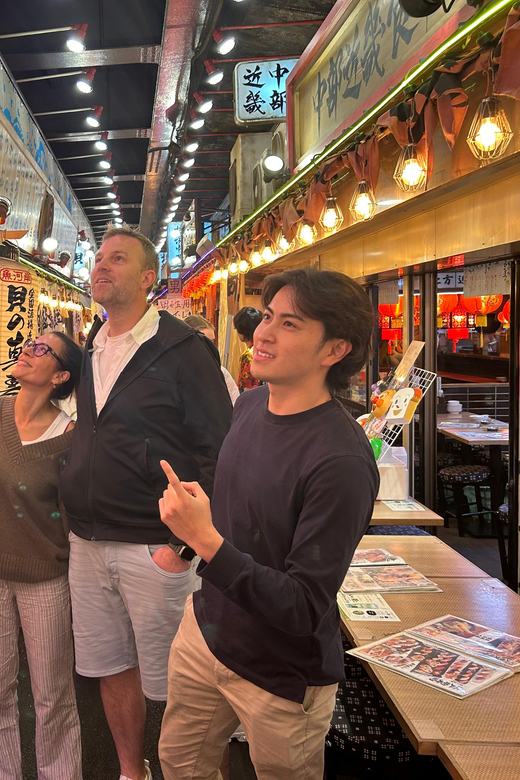
- Small group up to 10 people, which keeps questions easy and pacing relaxed
- Three food zones in about 3 hours, with guided visits in Ginza, Yurakucho, and Shimbashi
- English-speaking live guide who shares how to navigate Japanese food culture
- Secret, less-obvious restaurants that most visitors miss
- Traditional desserts plus savory dishes, so you get the full Tokyo flavor arc
Why Ginza and Shimbashi Make a Strong Food Tour Route
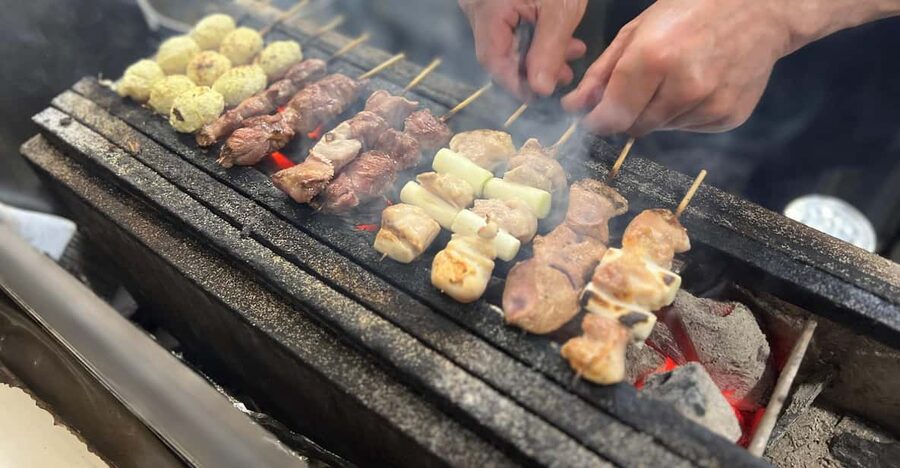
This tour picks two neighborhoods that most people treat as separate chapters. Ginza is the shiny, shopping-on-a-budget-you-can’t afford-to-stare-too-long district. Shimbashi feels more like the classic pre-night-out Tokyo area, where meals are less about showing off and more about doing things the local way.
The best part is how the route changes the mood without changing the goal. You’re still eating great Japanese food, but you’re also watching how daily food choices shift from one block to the next. That’s exactly what makes this kind of tour useful: it gives context, not just snacks.
You also get a guide who stays with you through the walking and the ordering. That matters in Tokyo, where menu options, etiquette, and timing can feel confusing at first. With a knowledgeable (and often humorous) guide like Doren, Reo, Ryota, or Yota, you get a smoother experience and you spend less time guessing.
More Food & Drink in Tokyo
- Tokyo: Shinjuku Food Tour (13 Dishes at 4 Local Eateries)
★ 5.0 · 6,603 reviews - Tokyo Tsukiji Fish Market Food and Culture Walking Tour
★ 5.0 · 3,184 reviews - Tokyo: Shinjuku Food Tour (15 Dishes and 4 Eateries)
★ 4.9 · 2,033 reviews
The 3-Hour Route: Tokyu Plaza Ginza, Yurakucho, and Shimbashi
The tour runs for 3 hours, and the structure is simple. You meet at Tokyu Plaza Ginza, then you move on foot to three food areas, with short walks between each one.
That design is practical. It keeps you from spending half the time commuting, and it also helps you build momentum. After one meal, you’re already in position for the next stop, instead of losing time crossing the city.
Here’s the flow:
- Ginza visit (about 50 minutes)
- Walk (about 5 minutes)
- Yurakucho visit (about 50 minutes)
- Walk (about 5 minutes)
- Shimbashi visit (about 50 minutes)
- Back to Tokyu Plaza Ginza to finish
The route also gives you a good mix of what you might want later. Once you’ve tasted the range with your guide, you’ll have clearer ideas about where you want to return on your own.
Finding Tokyu Plaza Ginza, the meeting point that actually makes sense
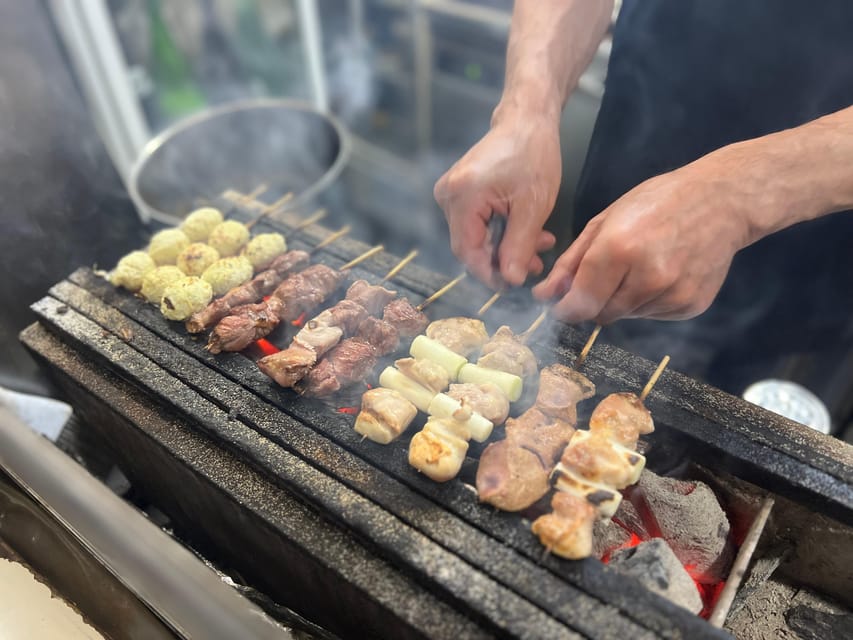
Meeting point stress is real in Tokyo. The good news here is the starting location is easy to spot once you know the anchor.
You meet at Tokyu Plaza Ginza, in front of the BOSS store. If you’re coming up from Ginza Station, take exit C2 or C3 to street level, then look for the BOSS storefront directly in front.
If you like having a backup, the provided coordinates are 35.672245025634766, 139.7624053955078. Save that in your phone map before you go, especially if you’re arriving after a long day.
The tour starts from a place that’s already connected to transit and easy to navigate. That means you’re not spending your energy figuring out where to stand. You can show up, meet your guide, and start eating.
Stop 1 in Ginza: How you get local choices, not random picks
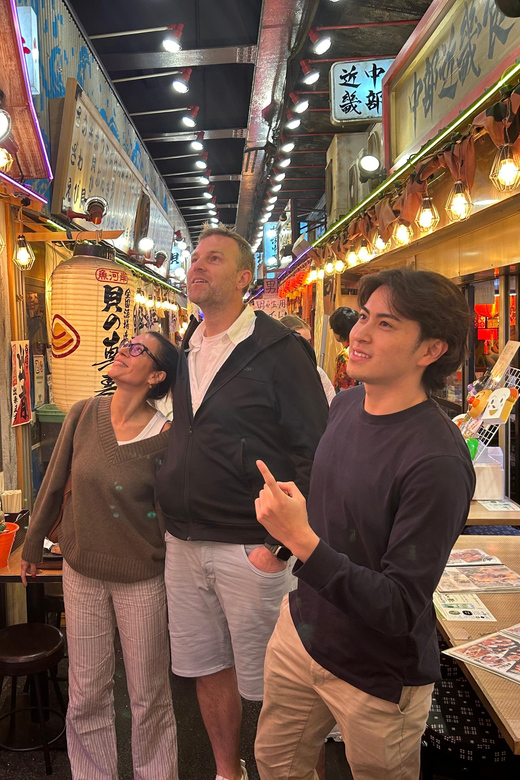
Your first main food time is in Ginza, where the tour leans into “local favorite” energy. You’ll visit restaurants that are harder to find on your own, including places tucked into the normal flow of the neighborhood rather than the obvious tourist strips.
This is where the guide’s role really shows. The tour is built around the idea that you’re trying Tokyo foods locals actually go for, not just what’s easiest for visitors to buy. That’s why you’ll get explanations as you go, so you understand what you’re ordering and what makes it worth it.
Ginza can be intimidating because it looks like everything costs more. A guided stop helps you avoid that trap. You don’t have to treat every menu like a high-stakes gamble. Instead, you follow the guide’s picks and learn the logic behind them.
One more benefit: Ginza is a great place to start because it’s easy to orient yourself. Even if you’ve never been there before, the area gives you a sense of direction for the rest of the evening.
A change of pace from Tokyo:
- Mt Fuji and Hakone 1-Day Bus Tour Return by Bullet Train
★ 5.0 · 26,383 reviews - 1-Day Tokyo Bus Tour
★ 5.0 · 14,250 reviews - Tokyo: TOKYO SKYTREE® Admission ticket
★ 4.5 · 11,192 reviews - Tokyo: teamLab Planets TOKYO Digital Art Museum Entry Ticket
★ 4.6 · 9,779 reviews
Yurakucho food time: where the Tokyo “mood” shifts
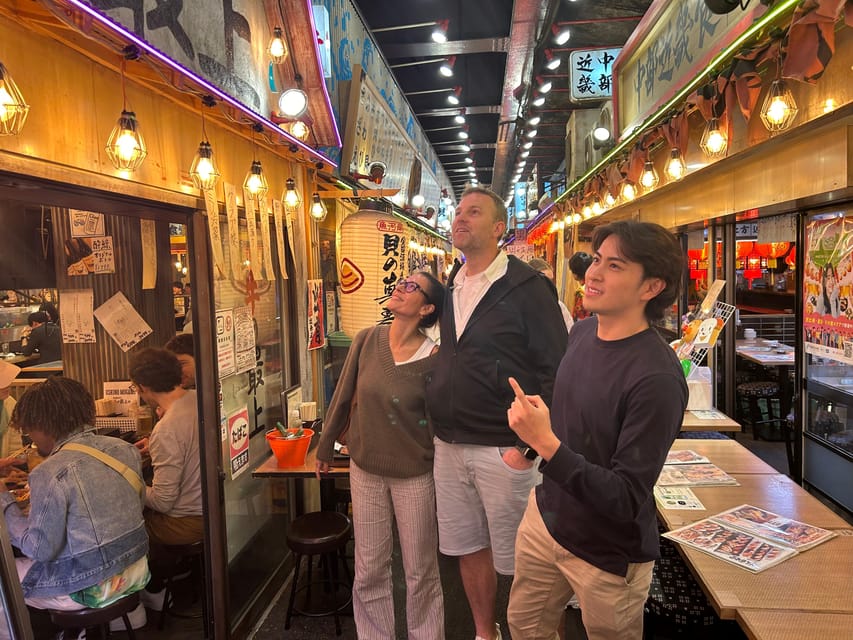
Next comes Yurakucho, with another focused stretch of time for eating. This is a smart move because it changes the feel of what you’re experiencing while keeping the tour’s food goal intact.
Yurakucho tends to feel more like a practical Tokyo neighborhood, where people go for dinner plans and quick after-work meals. That shift matters because food tastes better when you understand the setting. You’re not just consuming, you’re learning how locals time their meals and how they think about what to order for the moment.
The guide’s cultural insights help here. Based on the tour’s approach, you’ll hear about Japanese food culture and get practical advice you can use later. That includes how to think about navigating food areas when you’re on your own.
Also, you’re still within a short walking pattern. So you get a steady rhythm: eat, regroup with the guide, walk a little, repeat. That makes the 3-hour format feel lighter than a longer “wander and hope” food tour.
Shimbashi stop: the real Tokyo night-before vibe
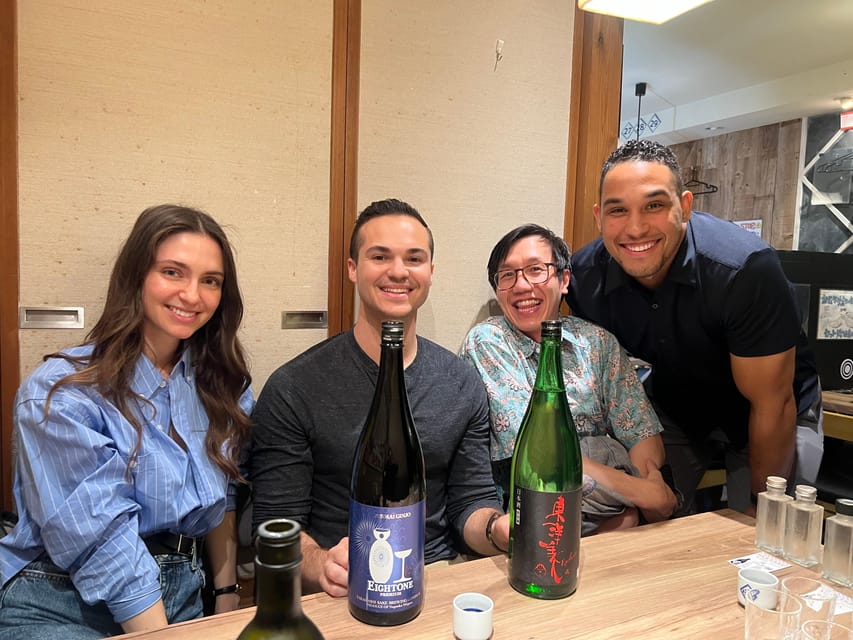
The final food zone is Shimbashi, and this is where many people find the most “Tokyo” energy. Shimbashi is often associated with evenings out, so it fits the tour’s goal of showing you what locals do around food after daytime shopping.
This stop gives you a chance to sample the flavors that fit the mood. The tour description points to a mix of amazing dishes plus traditional desserts, so your end stop should feel like the payoff. By the time you reach Shimbashi, you’ve already learned the basics from your guide, so everything feels more understandable.
If you’ve ever been in Japan and felt unsure what to order in a small place with a menu you can barely read, you’ll like this part most. The guide helps you choose and move through the process smoothly.
And because the group stays small, you can ask questions without feeling like you’re delaying the whole night. Many guide comments in the feedback highlight how much fun the conversations are, so Shimbashi often feels like the most relaxed part of the tour.
What you will eat: the point is the range, not just the quantity
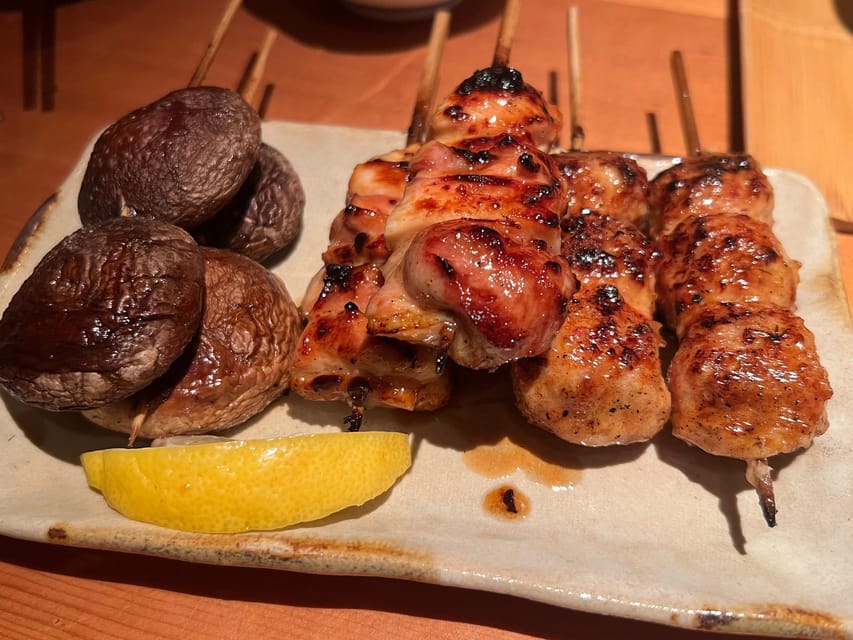
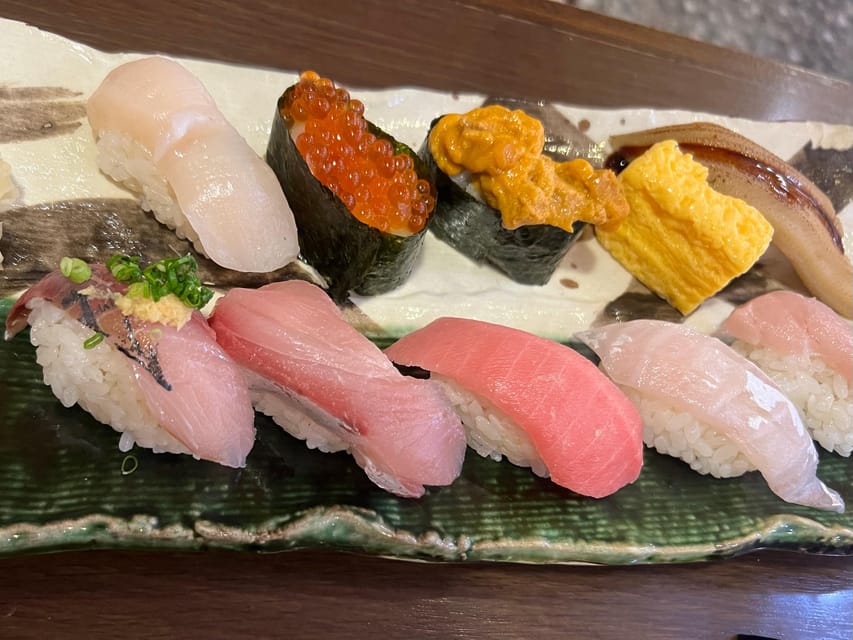
The tour is designed around tasting authentic Japanese foods and not just one type of dish. You’ll also include traditional desserts, which is a key detail because dessert is part of Tokyo food culture, not an afterthought.
The exact menu details aren’t listed here, but the structure tells you what you’ll get: multiple food stops across three areas, with the guide selecting options you can’t easily find on your own. That’s why people rate this tour so highly. They’re not walking into one place, having a single item, and calling it a win.
I also like that this isn’t framed as a lecture. The cultural insights are tied to what you’re eating and where you’re eating. That’s how you actually remember information later when you’re hungry and trying to decide where to go.
A practical mindset for you: during the tour, ask your guide what to do next. The goal is that you leave with an easier plan for your own itinerary, not just a full stomach right now.
Guides and group size: why the experience stays comfortable
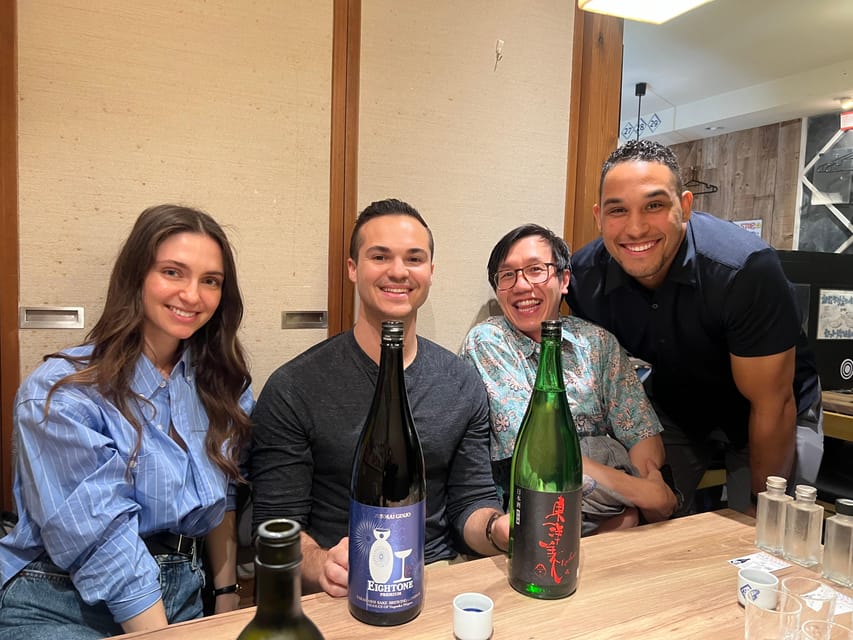
This is a small group tour, limited to 10 participants. That matters more than you’d think. In Tokyo, food experiences often depend on timing and spacing, and a large group can turn restaurants into a bottleneck. A smaller group keeps it more human.
The tour is also English with a live guide. That takes a huge pressure off you. Instead of translating the whole menu or guessing which ordering step comes first, you can focus on eating and learning.
The feedback patterns also emphasize guide personality. Guides such as Doren, Reo, Ryota, and Yota are praised for being passionate, considerate, funny, and fun to talk to. One of the biggest wins is that the guide doesn’t just feed you, they help you understand the food culture so you can navigate the city with less stress afterward.
There’s also one detail that can make the experience feel even more personal. In at least one booking, the group ended up effectively private because other spots didn’t fill. You should not count on that happening, but the small group format makes it a realistic possibility.
Price and value: is $146 for 3 hours a smart deal?
At $146 per person for 3 hours, this isn’t a “cheap and cheerful” add-on. But value in food tours is rarely about the hourly rate. It’s about what you buy with that money: access, guidance, and better choices.
Here’s the value logic that fits this tour:
- You’re paying for a guide who helps you find restaurants you might miss on your own
- You’re getting multiple food stops across three neighborhoods
- You’re getting culture context and advice you can use again after the tour
- You’re going with a small group instead of a big bus crowd, which makes the whole experience smoother
If you tend to wander and try to figure out food from scratch, this price starts to make sense fast. Tokyo eats up time when you’re searching. A good guide buys you back that time and reduces the chance you end up disappointed.
The best way to decide for yourself is simple. If you want a guided introduction plus a practical plan for where to go next, this is likely good value. If you already feel confident ordering and finding places, you might skip a tour and DIY your own meals.
Practical tips so your night runs smoothly
Here’s how to set yourself up for an easy start and a calm finish.
Wear comfortable shoes. Even though each walk is short, the total time includes several on-foot segments. In Tokyo food tours, the “walk time” is often the part where you’re most relaxed, not rushed, but your feet still do the work.
Go in with a light hunger, not a stuffed stomach. You’ll be eating multiple items and likely finishing with dessert. If you arrive after a big meal, the later stops can feel like effort instead of enjoyment.
Bring your curiosity. The tour is designed to give insights into Japanese food culture and help you plan your itinerary. If you ask a few good questions, you’ll get more than just food.
If accessibility is a concern, note the limitation. This tour is not suitable for wheelchair users, so plan something else if mobility is an issue.
Should you book this Ginza and Shimbashi food tour?
I’d book this tour if you want a structured way to taste Tokyo beyond the obvious tourist zones. You’re paying for three things that are hard to replicate on your own: guided restaurant access, smoother ordering, and culture context that helps you move confidently after the tour.
Skip it if you prefer totally independent dining and you already know your way around ordering and restaurant etiquette. Also, don’t choose it if you can’t handle the walking component, since it’s not set up for wheelchair use.
If you want a relaxed, small-group night that mixes Ginza polish with Shimbashi evening energy, this route is a very sensible choice.
FAQ
What is the duration of the Ginza and Shimbashi food tour?
The tour lasts 3 hours.
How many people are in the group?
The tour is a small group limited to 10 participants.
What language is the guide?
The live tour guide speaks English.
Where do I meet the guide?
You meet at Tokyu Plaza Ginza, in front of the BOSS store. From Ginza Station, you can reach it by going up to street level at exit C2 or C3.
Is the tour accessible for wheelchair users?
No. The tour is not suitable for wheelchair users.
Can I cancel or pay later?
You can cancel up to 24 hours in advance for a full refund. You can also reserve now and pay later.
Latest write-ups near Tokyo
- Tokyo Nights: Shibuya Photo Adventure★ 5.0 · 20 reviews
- Wagyu & Sake 8 Course Tasting Dinner in Shinjuku★ 4.9 · 20 reviews
- Making Japanese desserts Nerikiri & drinking matcha in Tokyo★ 5.0 · 20 reviews
- Japanese Whisky Hunting《HIGH-QUALITY-ONLY》Rare Tasting Class★ 5.0 · 20 reviews
- Mt. Fuji 5th Station, Owakudani Ropeway, Pirate Ship plus Outlet shopping!★ 4.5 · 20 reviews
- Kintsugi Experience with Arita Ware in Tokyo (English Guide)★ 4.8 · 20 reviews
- This is Asakusa! A Tour Includes the All Must-Sees!★ 5.0 · 20 reviews
- Tokyo: Karate Experience with Former All-Japan Champion★ 5.0 · 20 reviews
Food & Drink in Tokyo, compared.
Shinjuku Food Tour (13 Dishes at 4 Local Eateries)
Read our review →
Tokyo Tsukiji Fish Market Food and Culture Walking Tour
Read our review →
Shinjuku Food Tour (15 Dishes and 4 Eateries)
Read our review →
Best of Shinjuku: Izakaya Food Tour (4 Stops, 14+ Tastings)
Read our review →
Eat and Drink Like a Local: Tokyo Ueno Food Tour-Taverns&Ramen
Read our review →
Tsukiji Fish Market: Street Food & Culture Walking Tour
Read our review →Browse the lists this tour appears in