
Reviewed · GEISHA & GION TOURS
Kioto: Gion Tour, recorrido a pie (Español/Castellano)
What makes this tour interesting is how a local, Spanish-speaking guide turns Kyoto’s Gion lanes into a live lesson you can actually walk through, with guidance from people like José who know how to explain what you see. I like that it stays personal, not a fast cattle-herd shuffle.
I love the way the conversation goes beyond postcards, especially around maiko and geiko life. You get plenty of chances to ask questions, and the guide connects details to daily customs instead of just naming landmarks.
One drawback to plan for: seeing a maiko or geiko is not guaranteed, and Hanamikoji-dori is not included in the route. If that specific street is your top must-see, you should set expectations before you go.
Quick highlights worth knowing
- Small group (up to 6) means more questions and less waiting around
- Pontocho to Gion Kobu to Gion Higashi gives you a smart cross-section of the hanamachi area
- Yasaka Shrine ties the district name to the place where it all begins
- Maiko and Geiko routines get explained in plain language, with room for your curiosity
- Cherry blossom season can slightly reroute the walk to spotlight spring views
- 3.3 km in 2 hours is walkable, but comfortable shoes still matter
Gion is more than a postcard, and that’s the point
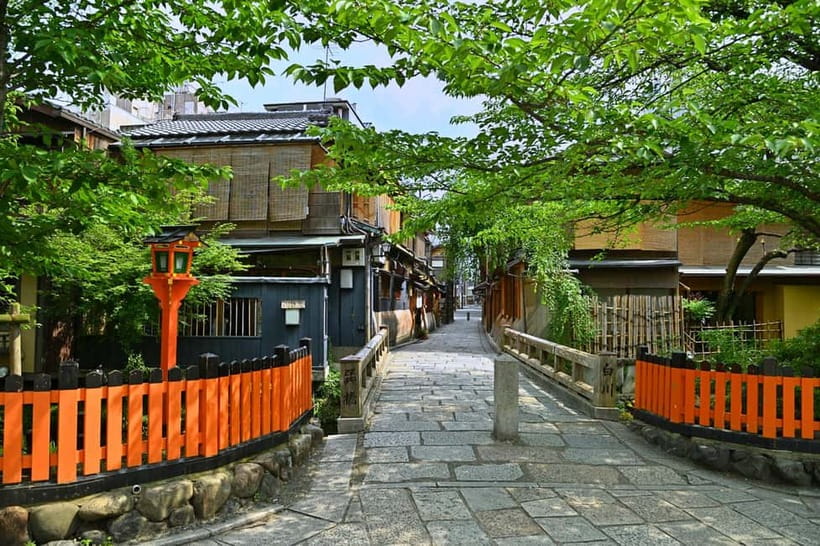
Gion gets marketed as the geisha district, and yes, that’s part of the story. But on this walk, you learn how Gion functions as an old downtown neighborhood where tradition and ordinary life sit close together.
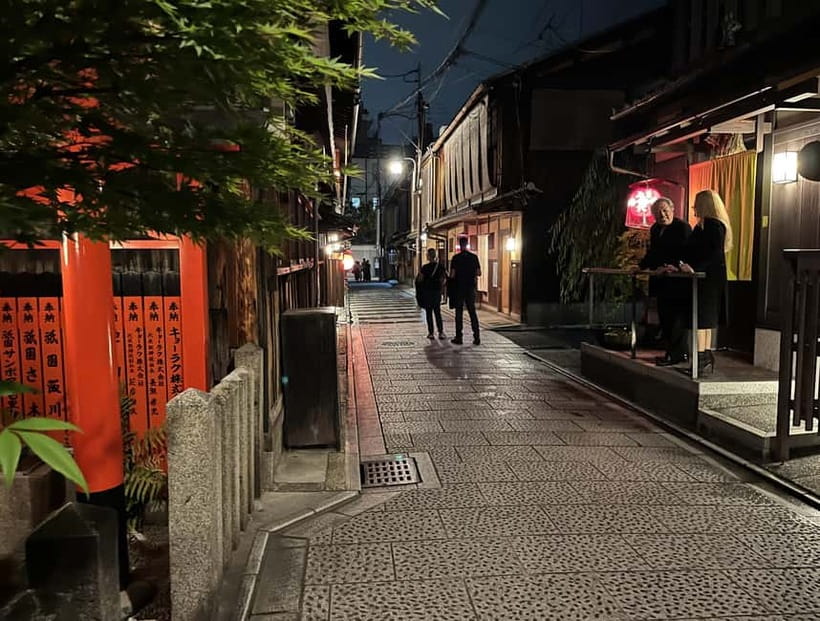
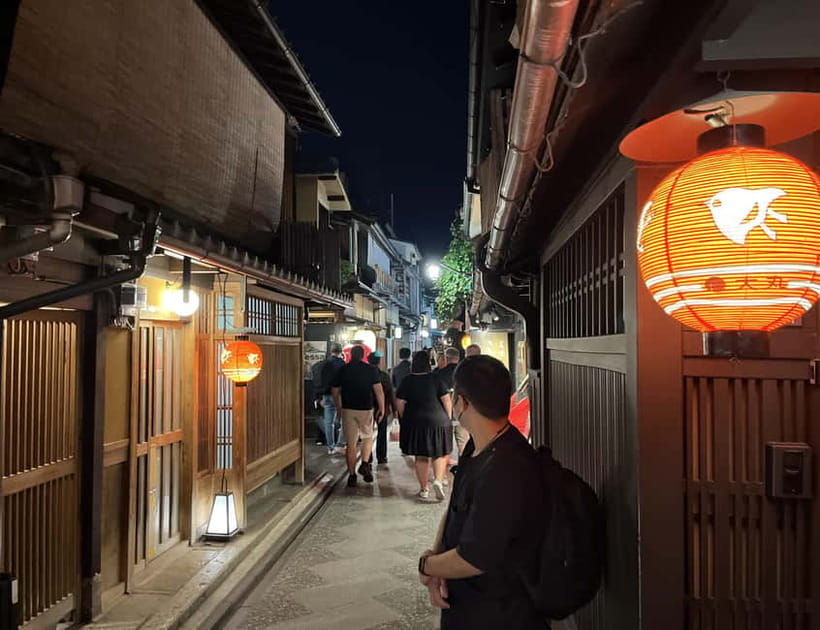
The best part is the pace and the way the guide frames what you’re seeing. You stop for meaning, not just photos. Instead of rushing past wooden machiya houses and narrow streets, you get context for why certain sights exist and how they connect to Kyoto’s wider past.
This is also a good fit if you like questions. The format is built around asking a lot, whether it’s about what a sign means, why an alley looks a certain way, or how specific customs work in the hanamachi.
More Geisha Experiences in Kyoto:
- Kyoto Geisha Walking Tour: Gion District & Hidden Gems
★ 4.7 · 3,273 reviews - Kyoto: Gion Magical Night Walking Tour with Geisha Trivia
★ 4.9 · 2,393 reviews - Kyoto: Gion Geisha District Walking Tour – Stories of Geisha
★ 4.7 · 2,187 reviews
How the guide-led flow keeps you from feeling lost
You meet your guide in front of the Disney store in Kyoto Shijo-Kawaramachi, the one location to look for in the area. The guide will be holding an iPad showing Kioto Gion Recorrido Guiado ESPAÑOL/CASTELLANO, so you should spot them quickly.
With a small group capped at 6 people, the walk stays conversational. That matters in Gion, where tiny turns and subtle details can be easy to miss if you’re wandering alone.
The tour is Spanish, so if you’re a beginner, still come with questions you want answered. Even if Spanish isn’t perfect, you can ask point-blank what something is and why it’s there. And from what you’ll experience on the ground, the guide’s job is to make sure you understand what you’re looking at, not just to recite facts.
Pontocho alley time, plus the Sanjo crossing that changes your perspective
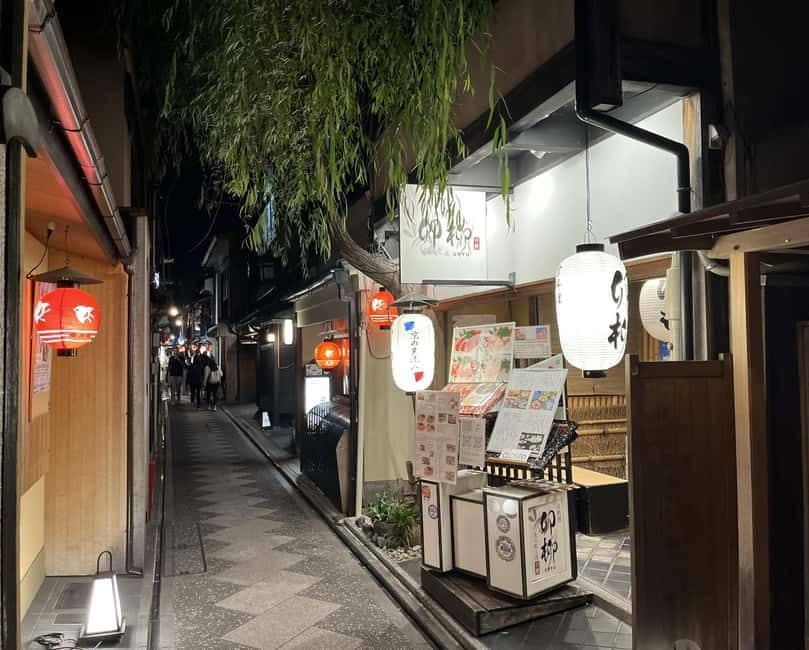
Your route begins in Pontocho, one of the most character-filled areas along Kyoto’s river lanes. You’ll move through Pontocho alleys where the atmosphere feels older than the surrounding streets, with views that change depending on where you stand.
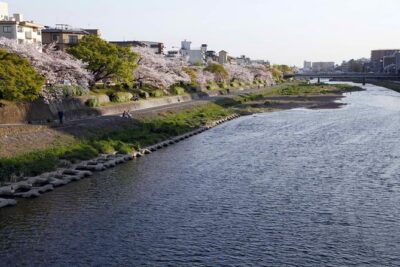
A standout moment is getting oriented around major river landmarks, including the Sanjo Ohashi bridge area. Bridges in Kyoto are more than convenient crossings. They often act like visual anchors for neighborhoods, and you’ll get help noticing how Gion-related streets connect from one side of the city to the other.
You’ll also pass through the kinds of small, specific sights that make a guided walk worth paying for. Even if you can’t fully process every detail in the moment, you’ll start linking them in your head. That’s when Gion stops feeling like a set of scenes and starts feeling like a neighborhood with logic.
Gion Kobu: where the hanamachi explanation becomes practical
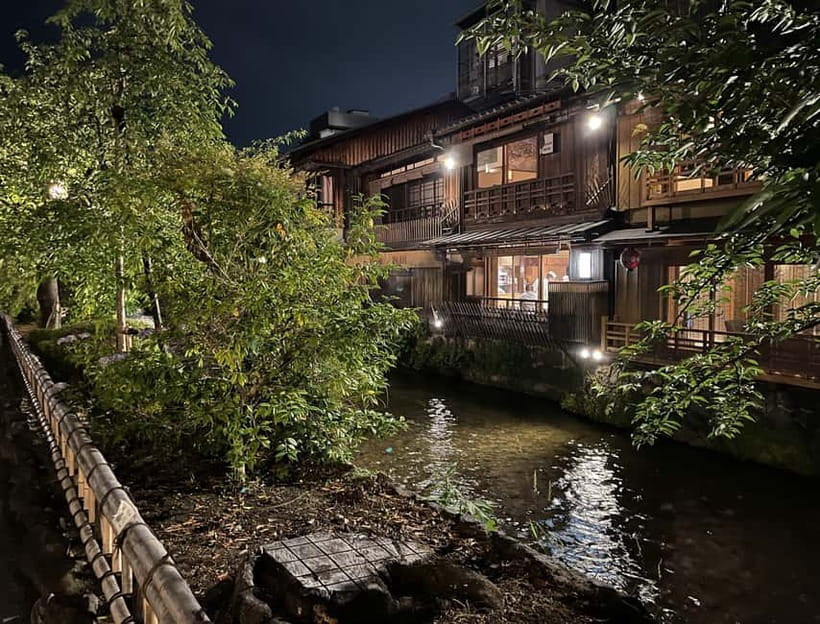
After Pontocho, you’ll head toward Gion Kobu, which is one of Kyoto’s main hanamachi districts. This is where the tour’s cultural explanations start to click, because you’re walking through the real space while the guide talks about how hanamachi life works.
You’ll cover key stretches such as Gion-Shinbashi dori and areas around Gion Shirakawa. These are the kinds of streets where machiya buildings line up in a rhythm, and the guide helps you notice what’s public, what’s subtle, and what’s typically hidden from first-time visitors.
The tour includes explanation of Maiko and Geiko life style, plus practices and daily routines. You’re not just getting a mini lecture. You’re learning how people’s roles fit into the neighborhood, and why certain traditions still show up in the street-level details you can see with your own eyes.
This is also a good part of the walk for people who want to understand social etiquette in Japan at a general level. Even if you come only for sightseeing, the guide’s answers can help you read what you’re seeing with a little less guessing.
A change of pace from Kyoto:
- PERFECT KYOTO 1-Day Bus Tour
★ 5.0 · 13,518 reviews - Kyoto: Fushimi Inari, Kinkakuji, Bamboo Grove 1 Day Bus Tour
★ 4.8 · 4,316 reviews - Kyoto: Tea Ceremony in a Traditional Tea House in Kiyomizu
★ 4.9 · 3,519 reviews - Kyoto: Tea Ceremony Ju-An at Jotokuji Temple
★ 4.9 · 3,207 reviews
The statues, lanes, and shrines that people usually skip

One of the smartest things about this walk is that it doesn’t only chase the obvious camera spots. You’ll pass by notable points like the Yagi-san and Kita-san statues and keep moving through side streets that many visitors ignore because they look too ordinary.
That might sound minor, but it’s exactly what makes it valuable. A neighborhood isn’t just the famous addresses. It’s how people move between places, how sight lines work, and how landmarks guide your understanding of the area.
On the way through Gion, you’ll also visit places like Tatsumi Jinja, plus bridge crossings such as Tatsumi Hashi. These stops are short, but they matter. Shrines and small bridges in Kyoto help you map the neighborhood’s old structure onto what you’re experiencing today.
Yasaka Shrine and why the name Gion exists at all
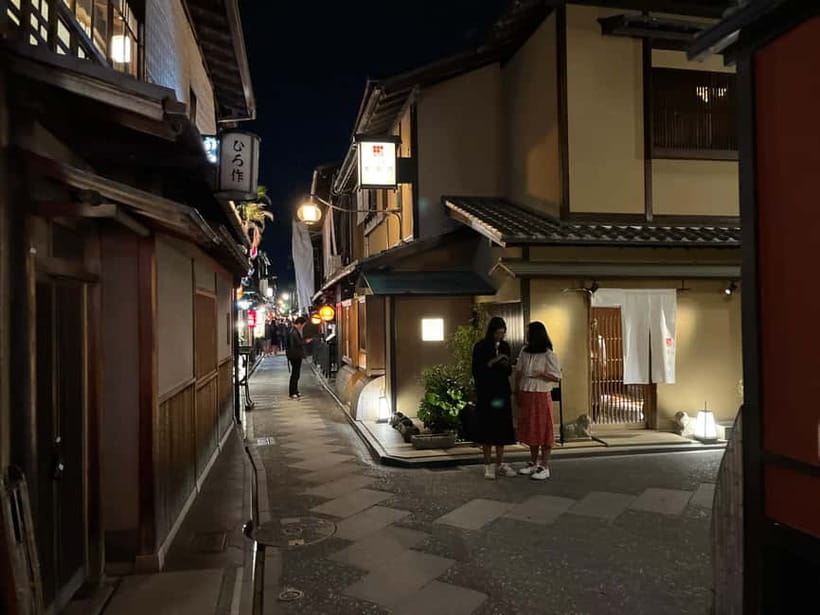
A key cultural anchor is the former Gion Shrine, now known as Yasaka Shrine. This is one of those facts that changes your sense of place: Gion’s name comes from here, so the district is literally branded by its own origin point.
If there’s time, the guide also explains the Gion Festival. You’ll learn why it’s one of the three most famous and important festivals in all Japan, and where it traces back to in the Gion district.
This part of the tour is valuable because it gives the neighborhood meaning that goes beyond entertainment and tourism. You understand that Gion isn’t just a stage that happens to be photogenic. It’s a long-running cultural system with deep local roots.
Hanamachi coverage: what you see, and what you won’t
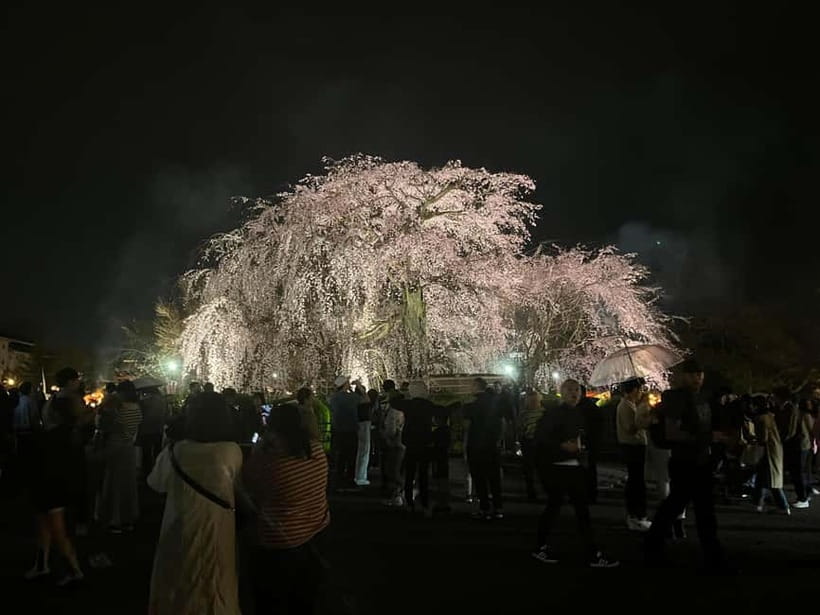
You visit 3 of the 5 hanamachi areas in Kyoto during the 2 hours. The walk covers Pontocho, Gion Kobu, and Gion Higashi.
That choice is smart for first-timers. It gives you variety without rushing you to chase every single district. But you should know your limits ahead of time so you don’t feel like the tour is missing something you wanted.
You should also know this: Hanamikoji-dori is not included. Many visitors go to Gion expecting Hanamikoji to be the whole story, so if that’s your personal priority, use this tour as a way to see more of the surrounding neighborhood rather than as a straight-to-your-favorite-street plan.
And again, a maiko or geiko sighting cannot be guaranteed. You can absolutely have the excitement of spotting someone, but the tour is set up for learning the neighborhood even if you don’t see performers on the street.
What you’ll learn about daily life, not just theater

The guide spends time on day-to-day details, including habits and routines tied to the hanamachi. That’s what turns Gion from a museum-like area into something you can understand as living culture.
You’ll also get explanations that connect Japan and Kyoto history to what’s right in front of you. For example, you might learn why certain houses look the way they do, how neighborhoods formed, and how longstanding traditions persist in small ways.
I especially like that you can ask about anything you notice. That includes odd questions, the ones that pop into your head when you see an object you can’t identify, a sign you can’t read, or a street feature that seems too deliberate to be random.
In practice, this approach helps you enjoy Gion more. You stop passively watching and start actively interpreting.
Price and value: why 35 dollars can work here

At about $35 per person for a 2 hour Spanish guided walk with a group limited to 6, the value comes from three places.
First, you get real-time help reading the neighborhood. In Gion, signage can be confusing and side streets can be misleading if you’re trying to figure things out alone. A guide saves you from the awkward “I think this means something” guessing game.
Second, you get personalization through questions. The group size matters here. If you’re with a big crowd, the guide’s attention is diluted. With a small group, you actually get answers.
Third, you cover multiple named districts, plus a shrine linked to the district’s origin story. In a compact time window, that mix is tough to replicate with self-guided wandering unless you’re already well prepared.
If your Spanish is solid, this tour is a great way to get more out of Kyoto without adding extra day time. If your Spanish is basic, still consider it, because the guide’s explanations and your questions help fill the gaps.
Walking distance and timing: comfortable shoes are not optional
You’ll cover about 3.3 km on foot over roughly 2 hours. That’s an easy distance for most visitors, but it still adds up on uneven sidewalks and narrow lanes.
The tour runs at 9:45 and 12:30 start times. If you choose the later extension, some departures can include a free visit to the Gion Gallery if you extend your time.
Also, in cherry blossom season, the route can shift slightly to showcase blossoms around Gion. Late March into early April is the general window for that kind of seasonal adjustment.
If you hate carrying things, plan ahead. Bring water and wear comfortable shoes. Bring a sun hat and sunscreen for bright days, and an umbrella because Kyoto weather can change its mind quickly.
Who should book this Gion walk, and who might skip it
This tour is ideal if you want:
- A structured way to explore Gion without getting tangled in side streets
- A Spanish guided explanation of hanamachi life and Kyoto connections
- A small group experience where you can ask lots of questions
It might be less ideal if:
- You only want the single most famous photo street, because Hanamikoji-dori is not part of this walk
- You’re going specifically for guaranteed maiko or geiko sightings, because none are promised
If you’re the type who enjoys learning as you walk, this fits. If you’re chasing certainty, pick a more flexible plan.
Should you book this Spanish Gion walk?
I’d book it if your goal is to understand what you’re seeing, not just where to stand for photos. The combination of Pontocho, Gion Kobu, Gion Higashi, plus Yasaka Shrine gives you a solid slice of the neighborhood’s story in 2 hours.
I’d skip it only if your top priority is a specific street not covered here, or if you need guaranteed performer sightings. Otherwise, this is a thoughtful, question-friendly way to make Gion feel real.
And one last practical thought. Go in curious. The more you point, ask, and react, the better this tour becomes.
FAQ
How long is the Kioto Gion walking tour?
It lasts 2 hours.
What is the price per person?
The price is $35 per person.
Is the tour guided in Spanish?
Yes, the live tour guide speaks Spanish.
How many people are in the group?
The group is small, limited to 6 participants.
What areas of Gion does the tour cover?
It includes Pontocho, Gion Kobu, and Gion Higashi.
Does the tour include Hanamikoji-dori?
No. Hanamikoji-dori is not included, so plan your expectations accordingly.
Can I count on seeing a maiko or geiko?
No, a maiko or geiko sighting cannot be guaranteed.
Is there an option to visit the Gion Gallery?
On the 9:45 and 12:30 tours, you may add a free visit to the Gion Gallery if you extend your tour time.
What should I bring?
Bring comfortable shoes, a sun hat, an umbrella, sunscreen, and water.
Where do I meet the guide?
Meet the guide in front of the Disney store in Kyoto Shijo-Kawaramachi. The guide will be holding an iPad with Kioto Gion Recorrido Guiado ESPAÑOL/CASTELLANO on it.
Latest write-ups near Kyoto
- Kyoto Private Tour Full Day with Local Guide&Nara Option(PerGroup★ 5.0 · 20 reviews
- Sacred Pathways: Discover the Philosopher’s Path of Kyoto★ 4.9 · 20 reviews
- Kyoto UNESCO World Heritage Site Private Tour with a Premium Van★ 5.0 · 20 reviews
- Hammer Pattering Experience of Ring★ 5.0 · 20 reviews
- KYOTO: Private Tea Ceremony in Hidden Townhouse (Kid-Friendly)★ 5.0 · 20 reviews
- Sushi or Traditional Japanese Cuisine in a Kyoto Home with Emika★ 5.0 · 20 reviews
- The Kyoto VIP Experience!★ 5.0 · 20 reviews
- Kyoto Customized Private Tour: See Top Attractions in 1 Day★ 4.7 · 20 reviews
Geisha & Gion Tours, compared.
Kyoto Geisha Walking Tour: Gion District & Hidden Gems
Read our review →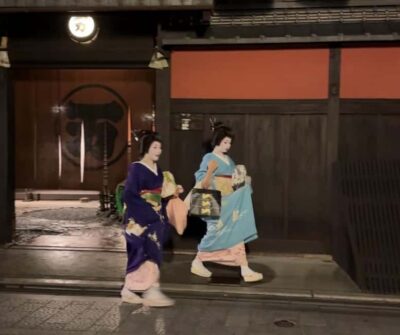
Gion Magical Night Walking Tour with Geisha Trivia
Read our review →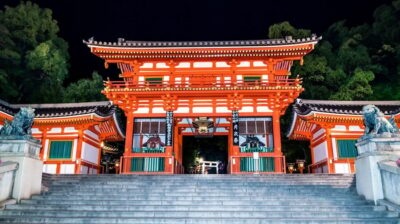
Gion Geisha District Walking Tour – Stories of Geisha
Read our review →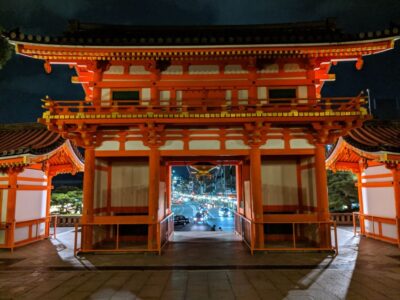
Best of Kyoto: Gion, Geisha, Pagodas & Cobblestones
Read our review →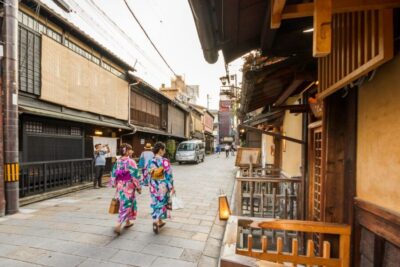
Kyoto Night Foodie Tour in Gion (9+ dishes + 6 Sake tastings)
Read our review →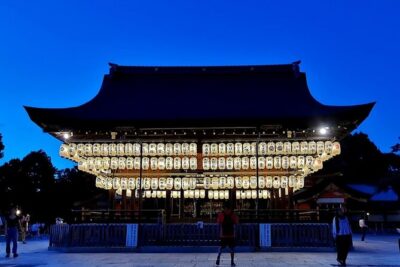
Kyoto Gion Geisha District Walking Tour – The Stories of Geisha
Read our review →
Kyoto Gion: 2-Hour Geisha Culture & History Walking Tour
Read our review →Browse the lists this tour appears in