
Reviewed · SUSHI MAKING CLASSES
Sushi Making in Tokyo at a Michelin-Listed Restaurant
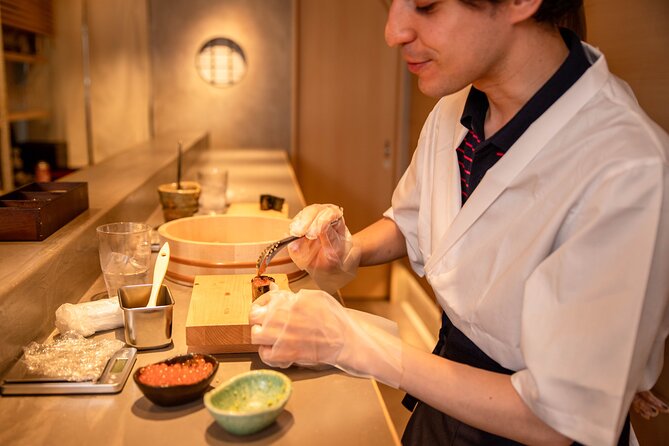
What makes this Tokyo experience interesting is that you are not just watching sushi. You are at the counter, in a sushi chef outfit, making nigiri sushi with an English guide in a small group at a Michelin-listed standing sushi restaurant in Shibuya.
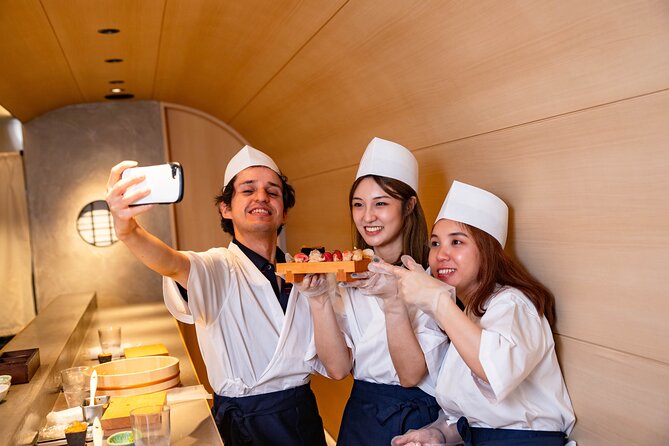
I love the ratio here. You make 10 pieces yourself, then you taste 10 pieces made by the chef, so you get instant comparison between your hands and a pro’s finish. I also like that you take home a practical souvenir, a pair of commemorative chopsticks, which feels tied to what you actually did, not a generic add-on.
One consideration: there was at least one reported case where the restaurant was closed after booking, due to an internal oversight. It is rare, but it is worth planning so you have a backup dinner option and you arrive prepared with your confirmation.
Key Things I’d Bookmark Before You Go
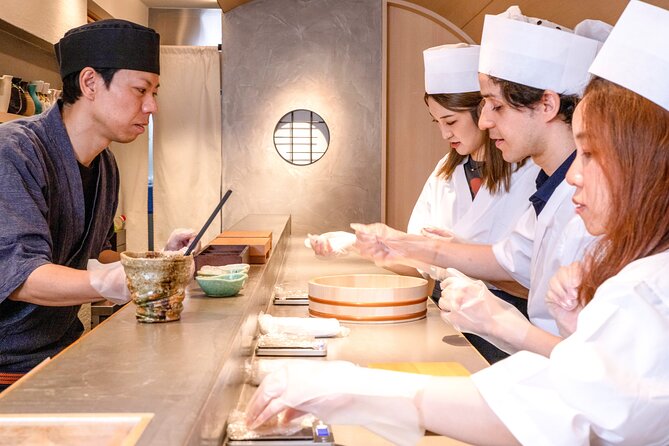
- Michelin-listed, standing-counter format at Tachiguisushi Sushikawa in Shibuya, so you learn like the locals eat.
- Chef-to-student contrast: you craft 10 nigiri, then taste the chef’s 10 with upgraded ingredients.
- Make it, then taste it: a direct way to fix technique fast, because you see what good looks like.
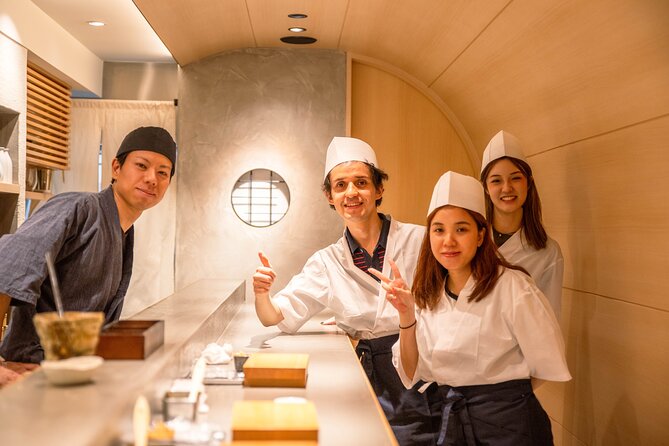
- Fun costume + real tools: you use the provided tools and get the sushi chef outfit as part of the class.
- A drink included: you choose Japanese tea or sake with your meal.
- Max 10 travelers: you should get more hands-on attention than big factory-style classes.
A Michelin-Listed Standing Counter in Shibuya: The Real Setup
This class takes place at Tachiguisushi Sushikawa, a Michelin-listed standing sushi restaurant in Shibuya. Expect a counter-style experience, where you are close to the action and the chef’s pace matters. That changes the vibe from kitchen-show to actual training.
The tour is built for a small group, up to 10 travelers, which is key if you want to ask questions and get feedback on your nigiri. You are also not stuck in a long lecture. The structure pushes you into doing, then eating.
And yes, you dress up. The costume is part of the experience, so you start the lesson in the right mindset, playfully, but still focused on technique.
More Dining Experiences in Tokyo
- Tokyo Bar Hopping Tour in Shinjuku (All-You-Can-Drink + Dinner)
★ 5.0 · 3,587 reviews - Tokyo: Sumo Show and Dining Experience
★ 4.8 · 2,742 reviews - Tokyo: Samurai Restaurant Show Ticket with 2 Drinks
★ 4.5 · 1,307 reviews
Price and Value Around $99: What You’re Getting for the Money
At $99.08 per person, this is not the cheapest sushi activity in Tokyo. But you also get more than a demo meal.
Here is the value math that matters:
- You make 10 pieces of nigiri.
- You eat 10 pieces made by the chef, with upgraded ingredients.
- You get Japanese tea or sake included.
- You receive a commemorative souvenir chopsticks pair.
- You have an English guide and all tools are included.
- The experience runs about 1 hour 30 minutes, so you are not losing most of your day.
For me, the best part is that you are not paying just to eat sushi. You are paying for guided practice and a comparison tasting. That is why the class format is worth it, especially if you love cooking and want something you can actually repeat at home.
Where You Meet, How Long You’ll Be There, and What to Expect
You start at a meeting point in Shibuya, Sasazuka at Prime Bliss Sasazuka (151-0073 Tokyo, Shibuya, Sasazuka, 1-chōme626). The activity ends back at the meeting point.
Plan for about 90 minutes total. This includes getting settled at the counter, putting on the costume, making your nigiri, then tasting what the chef prepares.
Transportation is not included, so you will want to use public transit and walk the last bit. The listing notes it is near public transportation, which is exactly what you want in Tokyo, since station-to-station travel is usually easier than taxi hunting.
Your Hands-On Nigiri Lesson: Costume On, Hands Working
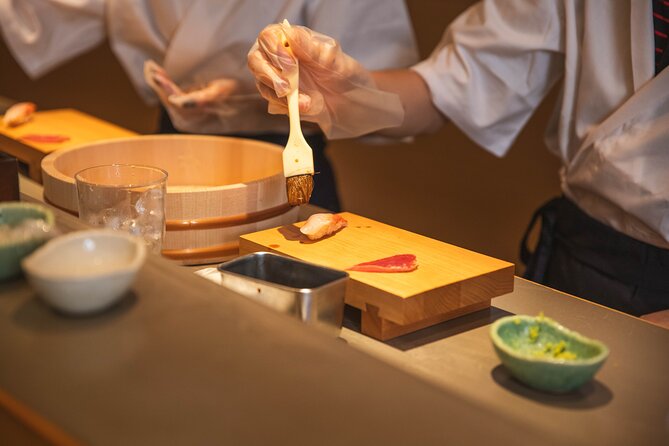
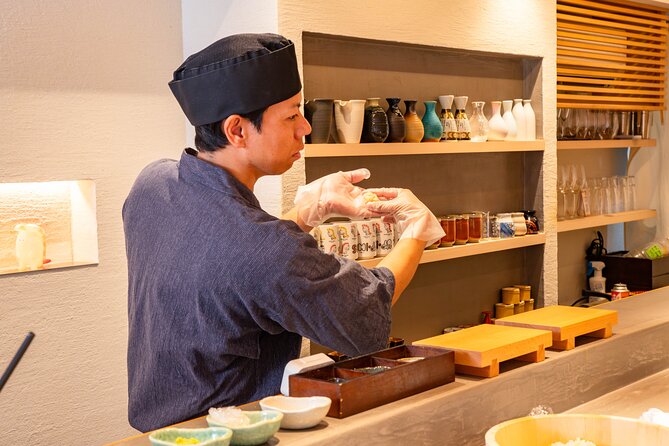
The class starts with you stepping into the role of a sushi chef. You get the costume and all the tools required for sushi making. That matters because you are not trying to figure out unfamiliar equipment while also learning rice and fish handling.
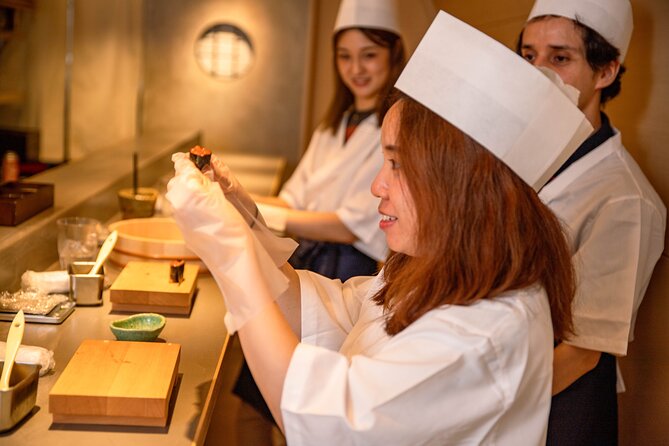
Then comes the core training: you learn to craft nigiri sushi under the guidance of expert sushi chefs. You will make 10 pieces yourself, so the lesson is not just about seeing a technique once. It is about repeating it enough times that you feel the rhythm.
When you practice nigiri, the challenge is usually in the details, rice pressure, shape, and how the fish sits cleanly on top. The experience described a common surprise, that the method looks deceptively simple, but it is hard to make your nigiri match a master chef’s look. That is good news for you, because it means the learning curve is real and you will likely feel progress by piece number three or four.
Practical tip: wear clothing you can move in. You will be standing at a counter, using both hands, and you do not want to worry about sleeves or anything too fussy.
More Sushi Making Classes in Tokyo
- Sushi Making Tokyo Roll and Authentic Japanese Sushi Class
★ 5.0 · 3,971 reviews - Tokyo: Roll and Authentic Sushi Making Class in Asakusa
★ 4.9 · 1,957 reviews - Make Sushi and Create Unforgettable Memories in Tokyo
★ 5.0 · 1,413 reviews - Tokyo: Sushi Making Class in a Happi Coat near a Famous Spot
★ 4.9 · 1,377 reviews
The Chef’s 10 Pieces + Your Drink Choice
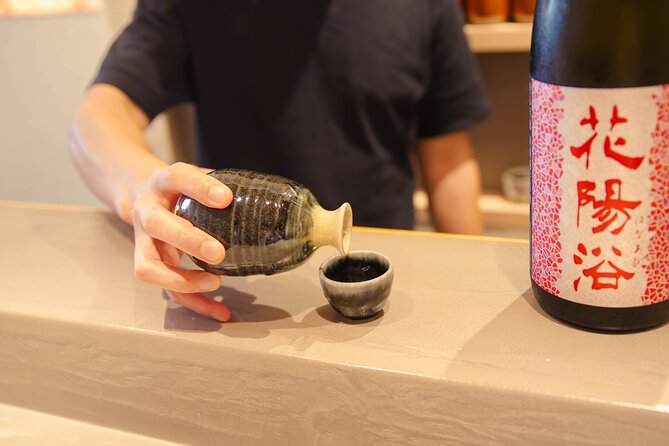
After you make your own nigiri, you get to savor what the chef made. You taste 10 pieces made by the chef, described as using upgraded ingredients compared with what you handle during your own making.
That chef portion is not just for eating. It is your live grade sheet. You will be able to look at the differences in appearance and how the sushi tastes when the chef controls everything, including the finishing details.
You also get a drink with the meal. You choose a Japanese tea or sake set. In a standing counter setting, the drink inclusion is useful, because it keeps you comfortable through the full 1.5 hours and pairs naturally with bite-sized sushi.
If you enjoy food experiences that teach by comparison, this chef tasting is the heart of the value.
What You Take Home: Chopsticks and Skills for Dinner Guests
You leave with a pair of commemorative chopsticks. It is a small thing, but it is tied to your actual class, so it feels earned.
More important is the skill you practice. This is the moment you should think about when you get home: what part can you replicate.
You likely will not be copying the exact fish quality or rice conditions in your home kitchen. But you can still bring back useful technique, like how to form consistent nigiri shapes, how to handle fish pieces carefully, and how to assemble a piece so it stays neat.
If your goal is to impress friends with sushi at home, this is one of the better ways to start. You are not just buying a restaurant experience. You are learning the steps with guided coaching.
Who will like this most?
- Food lovers who want hands-on instruction, not just a meal.
- People who already enjoy sushi and want to understand how nigiri is built.
- Anyone planning a Tokyo trip with a cookery or culture component.
Dietary Restrictions and How to Handle Them Without Stress
If you have food restrictions or you prefer vegetarian options, you should inform the team in advance. The experience notes they will consult with you to see suitable options are available.
That matters because sushi is ingredient-sensitive. Even if you can eat some items, cross-contact and fish-based components can be tricky. So do not wait until you arrive to ask for changes.
If you are flexible and careful with your communication, this kind of class can still work well for many dietary needs. Just make sure you get clarity early.
What Could Go Wrong: The One Closure Story and How to Reduce Risk
There is one notable negative report: the restaurant was closed when a booked guest arrived, due to an internal oversight. The frustration was intense, since they tried to contact the vendor with no response.
I cannot predict whether that situation will happen to you. But I can tell you the best ways to reduce your personal risk based on what the experience provides:
- Wait for confirmation after booking, which you are told you will receive within 48 hours of booking, subject to availability.
- Use the mobile ticket so you have your details ready at the start time.
- Plan your schedule so this is not your only planned dinner option that day.
- Arrive with a little buffer time, since you are meeting at a specific address and the restaurant is standing-counter style.
Tokyo runs on systems, but occasional mistakes happen. Your job is to give yourself enough slack that a hiccup does not ruin your evening.
Should You Book Sushi Making in Tokyo at This Michelin-Listed Counter?
Book it if you want a short, focused sushi class where you do the work, eat what the chef makes, and you leave with a souvenir and a technique you can practice. The 10 pieces you make plus 10 pieces you taste is a strong structure for real learning, not just a photo-friendly meal.
Skip it if you hate standing-counter setups or you prefer food experiences with no chance of operational mishaps. Also, if you need very specific dietary accommodations, ask early and confirm what options are actually available.
If you are the kind of person who loves learning by doing, this is one of the best-value ways to get expert guidance in Tokyo, without turning the day into a full expedition.
FAQ
How long is the sushi making experience?
It runs for about 1 hour 30 minutes.
Where does the experience take place?
The class is in Tokyo, in Shibuya, Sasazuka at the meeting point address listed for the tour, with the experience at the Michelin-listed standing sushi restaurant.
What is the price per person?
The price is $99.08 per person.
What is included in the tour?
Included are all tools needed for sushi making, the sushi chef costume, the sushi you make, the sushi made by the chef, a Japanese tea or sake set, a souvenir (commemorative chopsticks), and an English guide.
Do I get to eat what I make?
Yes. You eat the sushi you make as part of the meal.
Is the group small?
Yes. The maximum group size is 10 travelers.
Can I choose Japanese tea or sake?
Yes, you can choose Japanese tea or sake as part of what is included.
Are private transportation or transfers included?
No, private transportation is not included.
What if I have dietary restrictions?
You should inform the team in advance. They will consult with you to see if suitable options are available.
What is the cancellation policy?
You can cancel for a full refund if you cancel up to 24 hours in advance of the start time. If you cancel less than 24 hours before, the amount paid will not be refunded.
Latest write-ups near Tokyo
- Tokyo Nights: Shibuya Photo Adventure★ 5.0 · 20 reviews
- Wagyu & Sake 8 Course Tasting Dinner in Shinjuku★ 4.9 · 20 reviews
- Making Japanese desserts Nerikiri & drinking matcha in Tokyo★ 5.0 · 20 reviews
- Mt. Fuji 5th Station, Owakudani Ropeway, Pirate Ship plus Outlet shopping!★ 4.5 · 20 reviews
- Japanese Whisky Hunting《HIGH-QUALITY-ONLY》Rare Tasting Class★ 5.0 · 20 reviews
- Kintsugi Experience with Arita Ware in Tokyo (English Guide)★ 4.8 · 20 reviews
- This is Asakusa! A Tour Includes the All Must-Sees!★ 5.0 · 20 reviews
- Tokyo: Karate Experience with Former All-Japan Champion★ 5.0 · 20 reviews
Sushi Making Classes, compared.
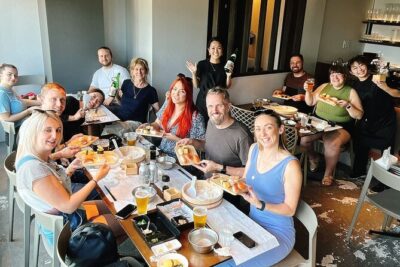
Sushi Making Tokyo Roll and Authentic Japanese Sushi Class
Read our review →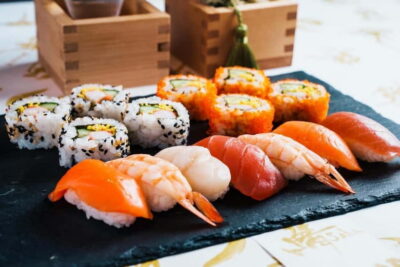
Roll and Authentic Sushi Making Class in Asakusa
Read our review →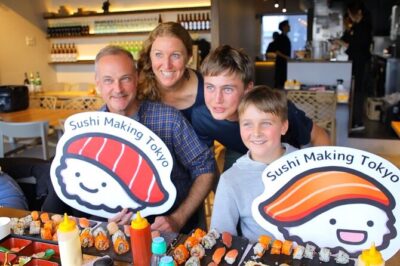
Make Sushi and Create Unforgettable Memories in Tokyo
Read our review →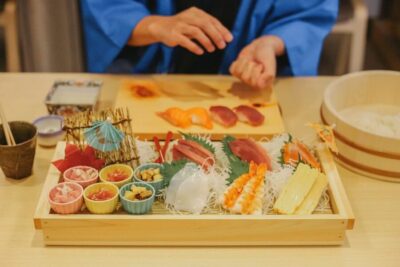
Sushi Making Class in a Happi Coat near a Famous Spot
Read our review →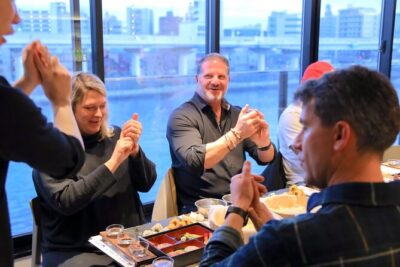
Sushi Making Osaka Roll and Authentic Japanese Sushi Class
Read our review →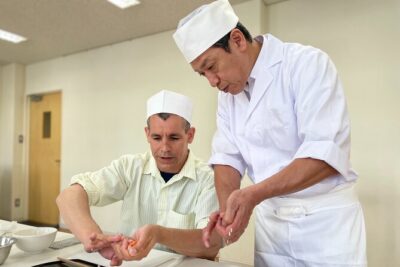
Tokyo Sushi Making Class in Tsukiji with Professional Chef
Read our review →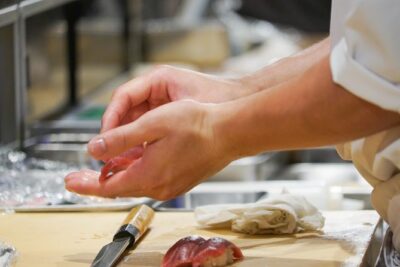
Tokyo Night Foodie Tour in Shinjuku – Seasonal Sushi, Wagyu Beef
Read our review →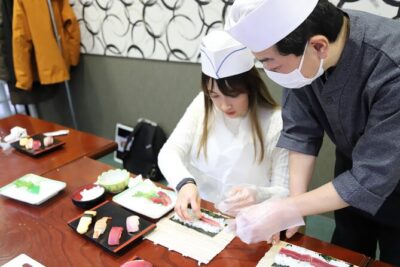
Tsukiji Fish Market Guided Tour and Sushi Making with Pro Chef
Read our review →Browse the lists this tour appears in