
Reviewed · SAMURAI & NINJA EXPERIENCES
Samurai Training in Tokyo: Swords, Bushido & Mental Discipline
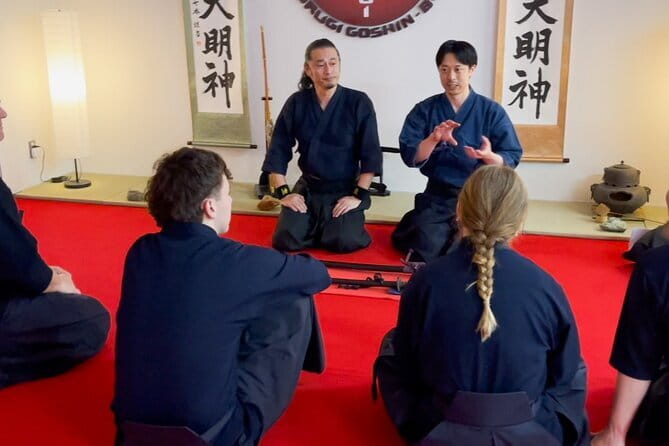
If you like Japan when it goes beyond photos, this private samurai training in Tokyo is a great pick. You start with Bushido etiquette and calm-your-mind exercises, then you move into hands-on sword work at a real dojo site in Kojimachi. One thing to consider: this is training, not a museum visit, so you’ll do physical drills with a wooden sword and posture work.
My favorite part is how much you’re included in the experience. You get a personalized scroll certificate with your name, plus a matcha break with traditional sweets and a photo in samurai-style clothing. If you’re expecting passive “watch and listen,” you might find that the best moments come when you actually practice.
Key points
- Private dojo training in English, designed so you can ask lots of questions
- Bushido comes first, with etiquette, breathing, and meditation before any sword work
- Hands-on kata and drills, including wooden sword practice and focused posture exercises
- Controlled sparring one-on-one, so you don’t just learn shapes, you learn how they feel
- Matcha green tea and Japanese sweets in a quiet cultural break area
- A scroll certificate and a traditional-dress photo to take home real souvenirs
Why Kojimachi Samurai Training Feels Like Practice, Not a Performance
Tokyo can be full of samurai-themed experiences, but this one is different because it’s built around training order and mental discipline. The class takes place in a dojo in the Kojimachi district, an area tied to Edo Castle’s inner grounds. That matters, because the whole flow feels like you’ve stepped into someone’s routine, not staged entertainment.
You’ll meet at Samurai Sword Tokyo in Kōjimachi, Chiyoda City. From there, you’ll be guided into a training environment where the instructor expects you to participate. That sounds obvious, but it’s the key to why people walk out feeling like they learned something real, not just saw sword tricks from the sidelines.
Plan for a focused, two-hour session. You’re not getting a long tour with stops and stories on repeat. Instead, you get a coherent lesson plan: mindset, movement, technique, and then the chance to test it. If you want a “Japan 101” overview, you may still enjoy the experience, but you’ll likely want to pair it with regular sightseeing.
More Samurai & Ninja Experiences in Tokyo
- Tokyo: Samurai Restaurant Show Ticket with 2 Drinks
★ 4.5 · 1,307 reviews - Tokyo: Samurai Ninja Museum Guided tour and Experience
★ 4.6 · 1,010 reviews - Tokyo: Samurai Sword & Archery Class from Samurai Descendant
★ 5.0 · 603 reviews
The Dojo Start: Etiquette, Bushido Spirit, and Meditation Breathing
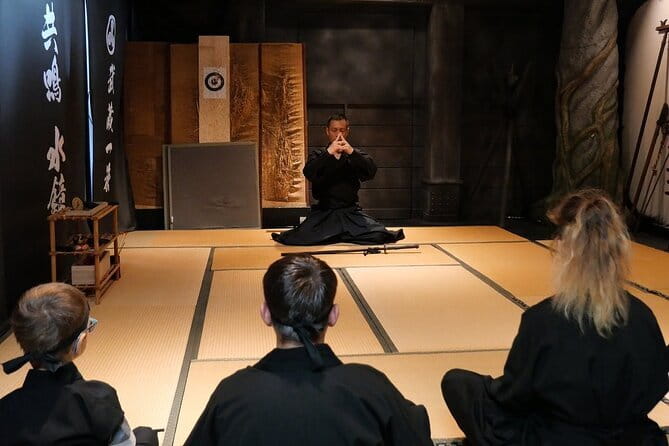
The session begins with the social and mental side of samurai life. You’ll learn samurai etiquette and the philosophy behind Bushido, framed in a way that’s understandable for beginners. Then the class shifts into breathing techniques and meditation exercises meant to calm your mind and steady your body.
This is not just a warm-up to make the sword part sound cooler. In practice, it changes how you move. When you’re learning sword skills, small habits matter: posture, timing, breathing control, and how you hold attention. If you’ve ever tried to learn a new physical skill while distracted, you’ll recognize the difference immediately. Here, the training starts by training your focus.
You’ll be in an English experience, and the guide is there to help you connect the dots between the mental side and the physical drills. And because it’s a private experience, you can ask questions as you go instead of waiting for an opening in a group schedule.
If you’re nervous about sounding awkward or asking questions, relax. The culture is more about respect and participation than performing confidence. That alone makes the start of the class feel welcoming.
Wooden Sword Drills, Heavy Stick Strength Work, and Silent Walking
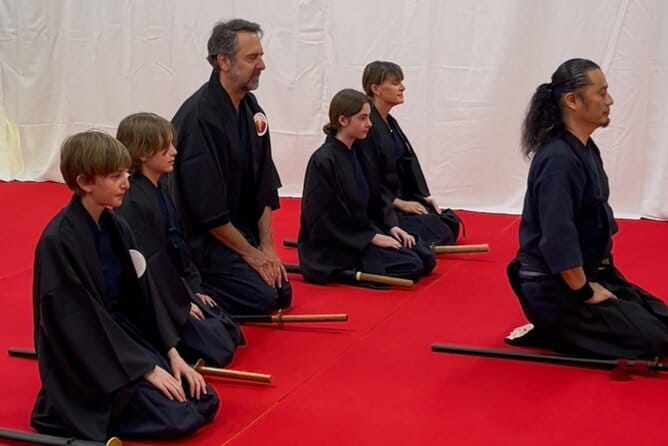
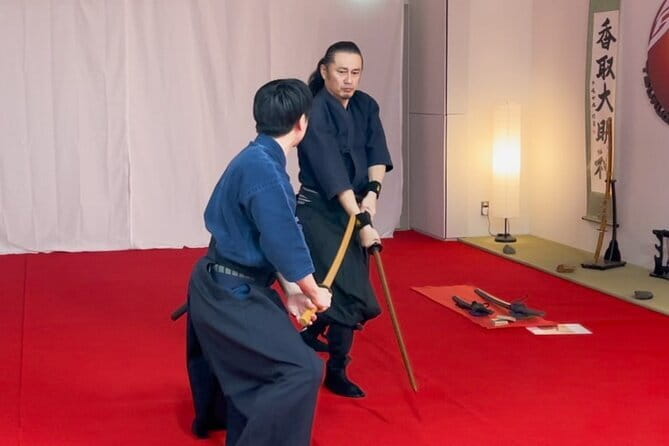
Once you’ve built the calm-and-ready mindset, you move into the body work. The training includes wooden sword drills, strength training with a heavy stick, and silent walking exercises that test your posture and focus.
Here’s what I like about this structure. It spreads the learning across your body, not just your arms. Wooden sword drills help you practice safe technique and correct movement patterns. The heavy stick strength work gives you something practical to feel, not just think about. And the silent walking sounds funny until you do it, because it pushes posture control and awareness in a way that translates directly to combat stance and balance.
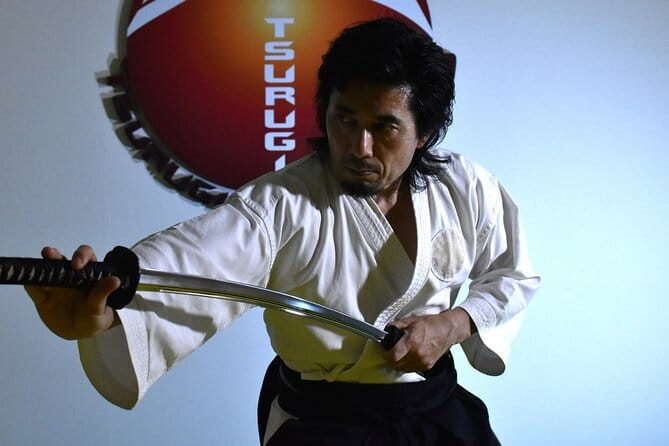
You’ll also get a live sword demonstration by the instructor. That’s useful because it gives your brain a reference point before you start repeating the motions. Then you go back to work and learn one authentic combat kata.
A small note: since this is hands-on, you should come ready to stand, move, and focus for the full two hours. If you have mobility limitations, you may still be able to participate since the experience says most travelers can take part, but don’t expect it to be purely seated or low-effort.
Learning One Authentic Combat Kata, Then Trying It in Sparring
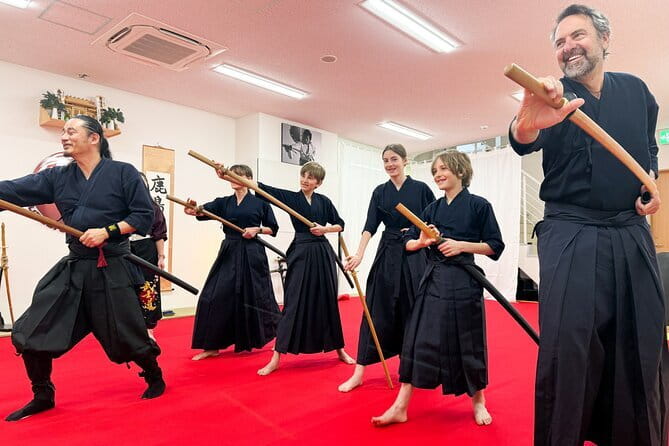
The heart of the class is where it gets satisfying. You’ll learn one authentic samurai combat kata, then apply what you practiced in one-on-one sparring with the instructor.
A kata is not just a sequence of movements. It’s a training tool that teaches timing, distance, and intention. Learning a full kata is also a confidence builder, because you can see your progress from early practice to a cleaner, more controlled run.
Then sparring gives you the reality check. You’re not doing chaotic fighting, and you’re not forced into reckless speed. Instead, you get a structured chance to feel how your movements hold up when you’re responding, not just performing. That one-on-one setup is important because it means the instructor can adjust to your level quickly.
This is also where you get to ask follow-up questions. The format is private, so you can clarify what you felt was off, or what you should focus on for better control next time. If you care about doing things correctly, this part is where you’ll feel the most benefit.
A change of pace from Tokyo:
- Mt Fuji and Hakone 1-Day Bus Tour Return by Bullet Train
★ 5.0 · 26,383 reviews - 1-Day Tokyo Bus Tour
★ 5.0 · 14,250 reviews - Tokyo: TOKYO SKYTREE® Admission ticket
★ 4.5 · 11,192 reviews - Tokyo: teamLab Planets TOKYO Digital Art Museum Entry Ticket
★ 4.6 · 9,779 reviews
The Matcha Break: Tea, Traditional Sweets, and Resetting Your Focus
After the training, you take a break with matcha green tea and traditional Japanese sweets. This pause matters more than you might expect. When you’ve just been working your breath, posture, and attention, you need a calm reset before you wrap up.
The class happens in a quiet cultural setting, so the break isn’t just a snack stop. It’s part of the rhythm of the dojo session. You’ll have a chance to come down from concentration, ask any last questions, and enjoy the tea the way the moment calls for, not like a rushed tourist pit stop.
Also, this is where the experience feels grounded. You’re not just “in” a sword class, you’re stepping into a mini cultural routine that includes respect, pace, and food that fits the setting.
If you’re a matcha fan, this will be a comfortable reward. If you’re not, the sweets help make the break feel complete. Either way, it’s a nice, human moment before you switch into photo and certificate mode.
Your Samurai Attire Photo and Personalized Scroll Certificate
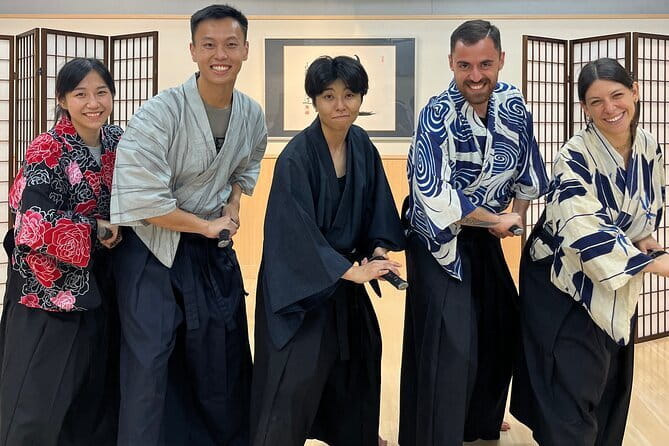
The wrap-up is built for keepsakes, and it’s not tacky. You’ll wear traditional samurai attire and take a commemorative photo. It’s a fun way to remember the training, and it also reinforces the point of the experience: this isn’t just about sword shapes, it’s about role, respect, and presence.
Then you receive a personalized scroll-style certificate with your name and the techniques you learned. That certificate is a strong souvenir because it links you to the specific class content, not just a generic stamp that says you attended.
These small details make a difference. Plenty of experiences give you a photo. Fewer give you something that feels like proof of learning. Here, the certificate makes the session feel real and personal, especially since you also learn a defined kata and technique set during the two hours.
One practical bonus: the building has toilets, and you’ll have uniform rental included. So you’re not scrambling to figure out what to wear or where to change at the last minute.
Price and Value: What You Get for $85.66 in Two Hours
At $85.66 per person for about two hours, the biggest question is value. For me, the value comes from two things you cannot easily replicate on your own: instruction quality and structured practice time.
You’re not paying mainly for a dramatic sword show. You’re paying for:
- A private, English-led lesson
- Hands-on drilling with wooden sword work and posture exercises
- A full kata to learn
- One-on-one sparring to pressure-test your understanding
- A matcha break and included souvenirs like the scroll certificate and photo
- Uniform rental, plus a live demonstration
That’s a lot of learning density for the time. If you’ve ever taken a class that includes mostly watching, the difference here is you do the work. And because it’s private, the instructor can focus on your pace, not just teach a room.
The only real “cost” is what you trade away: there’s no air-conditioned vehicle and no private transportation included. That means you’ll handle your own getting there, and you’ll likely arrive by public transit. But since the meeting point is near public transportation, it’s usually manageable.
If you want a Tokyo experience that feels like you learned a skill, not just consumed information, this price can make sense.
Who This Tokyo Samurai Class Suits Best
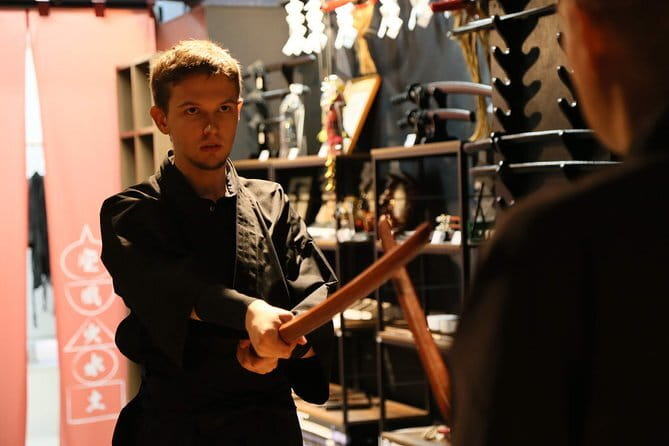
This experience is best for people who want something active and structured. You’ll enjoy it if you:
- Want to learn samurai etiquette and Bushido, not only sword technique
- Like hands-on practice with wooden swords and guided drills
- Prefer a private setting where you can ask questions in English
- Enjoy short cultural experiences that end with tea, sweets, and a keepsake
It also fits families and mixed ages, since the experience is described as beginner-friendly and said to work for all ages. That doesn’t mean it’s effortless. You still do physical work, so plan to be on your feet and focused.
If you’re the type who wants a long history lecture, you may still appreciate the Bushido explanation, but you’ll likely want additional sightseeing afterward. Think of this as training time first, storytelling second.
Should You Book Samurai Training in Tokyo?
Book it if you want a real, teachable experience. This is one of those Tokyo activities where you leave with both a mental takeaway and physical practice, plus a personal certificate that confirms what you learned.
Skip it only if you’re strictly looking for sightseeing and prefer passive experiences. This one asks you to participate, breathe, stand, and practice. If that sounds fun, you’ll probably have a memorable two hours.
FAQ
How long is the Samurai Training experience?
It lasts about 2 hours.
Is this a private experience?
Yes. It is a private experience where only your group participates, but there is a minimum of 2 participants required.
Is the class taught in English?
Yes. The entire experience is in English and beginner-friendly.
What is included in the session?
Included are samurai uniform rental, a live sword demonstration by the instructor, an English guide covering sword skills, Bushido, and samurai history, a personalized scroll-style certificate with your name and learned techniques, matcha green tea and Japanese sweets, and a commemorative photo. Toilets are available in the building.
Where does it take place and how do I get there?
The meeting point is Samurai Sword Tokyo in Kōjimachi, Chiyoda City, Tokyo. It’s near public transportation, and private transportation is not included.
What is the cancellation policy?
You can cancel for free up to 24 hours in advance of the experience for a full refund. If you cancel less than 24 hours before the start time, the amount paid is not refunded.
Latest write-ups near Tokyo
- Tokyo Nights: Shibuya Photo Adventure★ 5.0 · 20 reviews
- Wagyu & Sake 8 Course Tasting Dinner in Shinjuku★ 4.9 · 20 reviews
- Making Japanese desserts Nerikiri & drinking matcha in Tokyo★ 5.0 · 20 reviews
- Japanese Whisky Hunting《HIGH-QUALITY-ONLY》Rare Tasting Class★ 5.0 · 20 reviews
- Mt. Fuji 5th Station, Owakudani Ropeway, Pirate Ship plus Outlet shopping!★ 4.5 · 20 reviews
- Kintsugi Experience with Arita Ware in Tokyo (English Guide)★ 4.8 · 20 reviews
- This is Asakusa! A Tour Includes the All Must-Sees!★ 5.0 · 20 reviews
- Tokyo: Karate Experience with Former All-Japan Champion★ 5.0 · 20 reviews
Samurai & Ninja Experiences, compared.
Samurai Ninja Museum Guided tour and Experience
Read our review →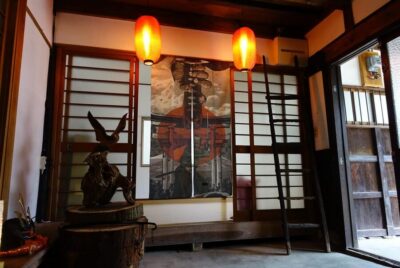
Kendo and Samurai Experience with Uniform and Gear
Read our review →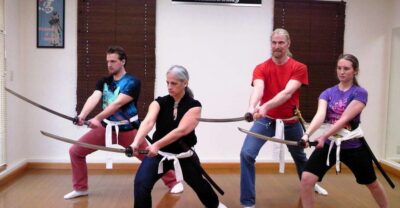
Samurai Sword Class by Experts in Traditional Arts
Read our review →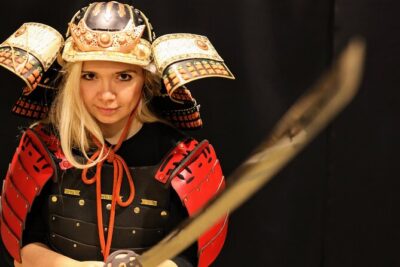
Skip the lines Basic Ticket at SAMURAI NINJA MUSEUM KYOTO
Read our review →
Samurai Sword & Archery Class from Samurai Descendant
Read our review →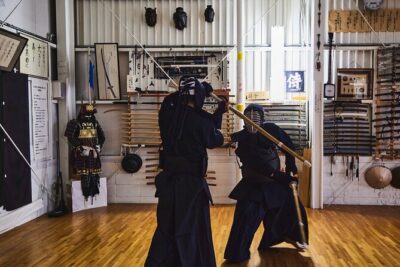
Browse the lists this tour appears in