
Reviewed · SAMURAI & NINJA EXPERIENCES
Tokyo 2-Hour Genuine Samurai Experience: Kendo in Japan
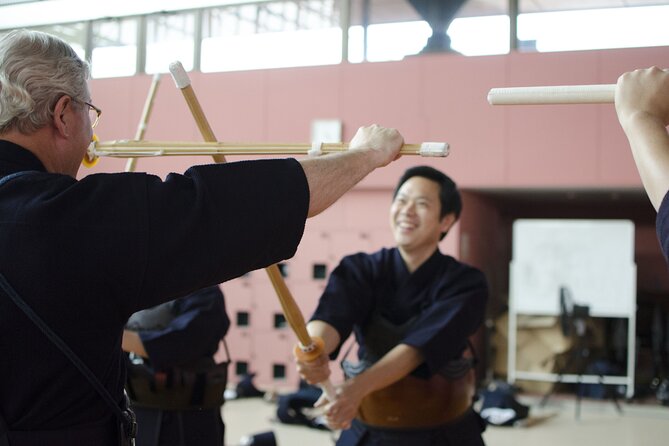
A two-hour Kendo session in Tokyo is interesting because it turns the samurai-sword movie fantasy into an honest, physical training routine with rules, targets, and lots of feedback. You’ll suit up, move for real, and experience what dojo life feels like for beginners and experienced folks. I like that it’s not a passive show, it’s hands-on.
I love two things here. First, the instruction is English-friendly, with clear coaching that keeps you moving even if you’re brand new to Kendo. Second, you don’t just watch techniques, you use them in a tournament-style combat game, so the time feels purposeful.
One consideration: this is active training. The protective gear is heavy fabric, you may do kneeling, and you should be ready for a solid workout in a short window. If your knees are touchy, tell the instructor so you can adapt.
Key Points You Will Actually Care About
Armor and equipment rental included, so you don’t hunt down gear before you go
Short, structured 2-hour session, with practical moves and a tournament-style game at the end
English instruction that aims to be easy to follow, even for true beginners
Small group size, up to 15 people, which helps you get more coaching and less waiting
Bottled water plus a souvenir Kendo towel, small perks that make the session easier
A real dojo neighborhood experience in northern Tokyo, not a hotel workshop in a generic room
What You Really Do in Two Hours of Kendo Training
This experience is built like a classic dojo lesson, compressed into two hours. You’ll start with the basics of how Kendo works, then you’ll go step-by-step into technique practice. That matters because Kendo looks simple from far away, then you try it with protective armor and a bamboo sword, and suddenly timing, distance, and posture matter a lot.
You’ll learn practical moves and then test them in a mock tournament setting. That final game is where the class stops feeling like a demo and starts feeling like training. Even if you never picked up a shinai before, you’ll understand the point of the footwork, the rhythm, and the idea of hitting specific targets cleanly.
And yes, it can be loud. Kendo has that call-and-response energy, plus the sound of strikes landing on padded armor. If you’re expecting a quiet cultural lecture, plan for exercise with etiquette.
More Samurai & Ninja Experiences in Tokyo
- Tokyo: Samurai Restaurant Show Ticket with 2 Drinks
★ 4.5 · 1,307 reviews - Tokyo: Samurai Ninja Museum Guided tour and Experience
★ 4.6 · 1,010 reviews - Tokyo: Samurai Sword & Archery Class from Samurai Descendant
★ 5.0 · 603 reviews
Entering The Dojo in Northern Tokyo: Where You Start and How You Arrive
You’ll meet at 誠道館ビル4 Chome-7 Higashinippori, Arakawa City, Tokyo 116-0014. It’s in a northern Tokyo neighborhood, and you’ll make your own way to the dojo.
Pickup is listed as offered, but hotel pickup and drop-off are not included. In real life, that means you should treat pickup as a convenience around the area, not a full door-to-door service from your hotel. If you want the smoothest experience, plan to arrive a few minutes early with your train route ready.
Good news: it’s near public transportation, so you’re not stuck with a long taxi bill. But still, Tokyo is Tokyo, so I recommend building a little buffer into your schedule. Wear shoes that are fine for short walks, because you’ll likely go from transit to the dojo on foot.
The Gear Lesson: Keikogi, Hakama, and Bogu Armor
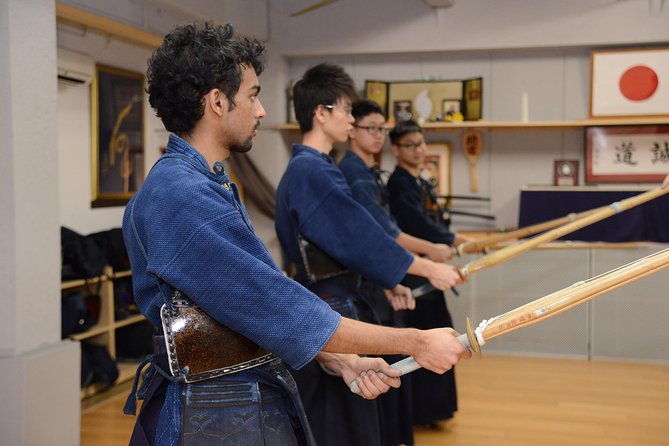
One reason this workshop is so fun is that you actually get to gear up, not just learn about the gear. You’ll be taught how to put on the Kendo uniform, including the keikogi (jacket) and hakama (the split trouser style). It’s a small moment, but it helps you take the class seriously. You’ll stand differently, move differently, and you’ll understand why uniform matters in a dojo setting.
Then comes the protective setup: you’ll wear Bogu armor for sparring and practice. That armor is meant to keep you safe while still letting you hit with intent. Reviews also highlight that the class can feel physically warm because of the heavy fabric and the full equipment. So plan for sweat.
Practical tip: wear athletic clothing underneath. If you show up in stiff jeans, you’ll hate your life for the first five minutes. If you have any mobility limits, mention them early. One participant specifically advised that if you have bad knees, tell the instructor so you can skip painful kneeling movements.
The session includes bottled mineral water, which helps you pace yourself. And you’ll also get a Japanese hand towel as a souvenir. It’s a small thing, but it’s useful and feels authentic.
The Teaching Style: Etiquette, English Coaching, and One-on-One Attention
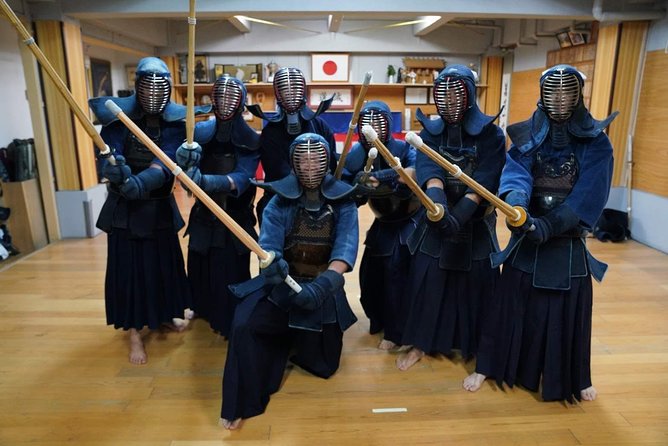
This is not a sword-shape lecture. It’s a guided training session led by a professional instructor who speaks English in an easy to understand way.
In a class like this, what you learn isn’t just how to swing. You learn how Kendo training is organized: the etiquette, the timing cues, and the idea that clean technique matters more than wild force. That’s why the coaching feel is so important. When someone corrects your posture or your distance, your next try is noticeably better.
You’ll also get instructor demonstrations. That helps because Kendo’s mechanics are hard to picture until you see them close up. And because the class has a max of 15 travelers, you’re not swallowed by a crowd. The experience is set up to work with you one-on-one during the session, which is exactly what you want when you’re learning something technical.
One name you might hear around the dojo is Keshi, mentioned by participants as part of the welcoming experience. Even if you don’t catch the name, you’ll likely notice the same vibe: patience, clear cues, and a focus on getting you safely involved.
A change of pace from Tokyo:
- Mt Fuji and Hakone 1-Day Bus Tour Return by Bullet Train
★ 5.0 · 26,383 reviews - 1-Day Tokyo Bus Tour
★ 5.0 · 14,250 reviews - Tokyo: TOKYO SKYTREE® Admission ticket
★ 4.5 · 11,192 reviews - Tokyo: teamLab Planets TOKYO Digital Art Museum Entry Ticket
★ 4.6 · 9,779 reviews
Hitting Targets and Learning Kote-Men Timing
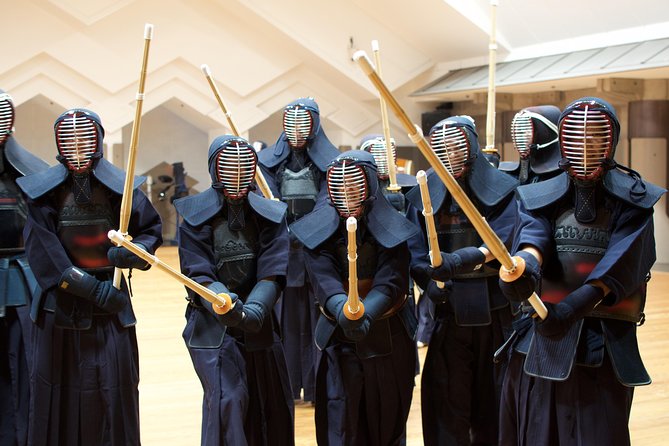
Kendo training is full of targets, not random “swing at the person” chaos. In practice, that means you work with correct striking spots. You’ll learn the basics of aiming and timing, and you’ll likely practice combinations tied to points, like kote and men.
That part is where the class clicks for many first-timers. The first few attempts can feel awkward. Then you learn what the instructor is watching, and suddenly it feels more like a skill you can improve rather than a sport you either magically have or don’t.
Also, Kendo is about control. A lot of the satisfaction comes from connecting cleanly and hearing the immediate feedback that tells you you landed the right thing with the right form. It’s motivating in a very physical way, like your body understands what your brain just figured out.
One more practical detail: be ready for the “try again” moment. Even experienced people reset their form constantly. Don’t take corrections personally. In a dojo, correction is the whole deal.
The Mock Tournament Game: Real Sparring Energy Without the Full Pressure
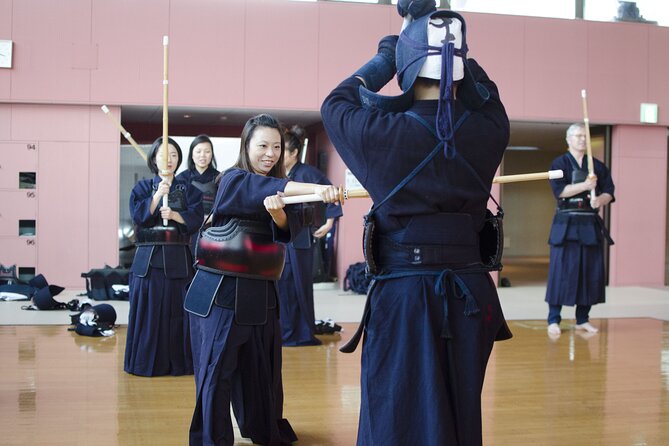
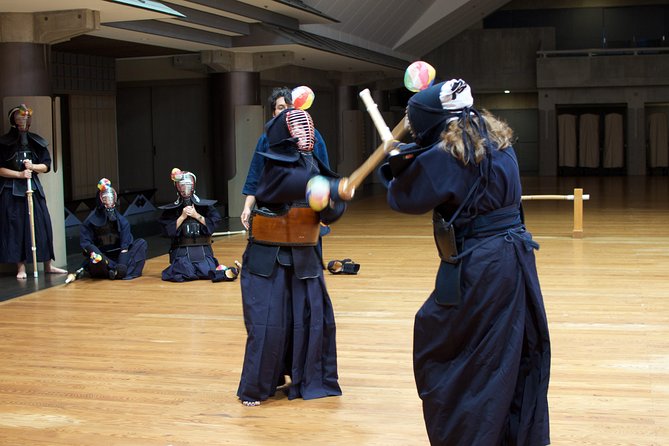
The highlight for most people is the tournament-style combat game. This is where you take what you practiced and apply it with rules and spacing. It’s not just showtime. You’ll face opponents in a structured way, which teaches you more in 20 minutes than you might expect.
If you’re worried about safety, that protective armor is the point. You’re not going to be doing unsafe swings. Instead, you’re learning how to engage while staying within the culture of controlled training.
Expect a mix of energy and laughter too. One participant described the vibe as fun and real martial arts at the same time. You’ll likely shout during exchanges and feel the adrenaline rise, but the instructor guidance keeps it moving in a productive direction.
This is also a great place to learn how experienced dojo students move. One participant noted that actual dojo students were present. Even if you don’t speak to them, watching and sharing space with regular students gives you a better sense of how Kendo looks when practiced consistently.
Price and Value: Is $118.92 Worth It?
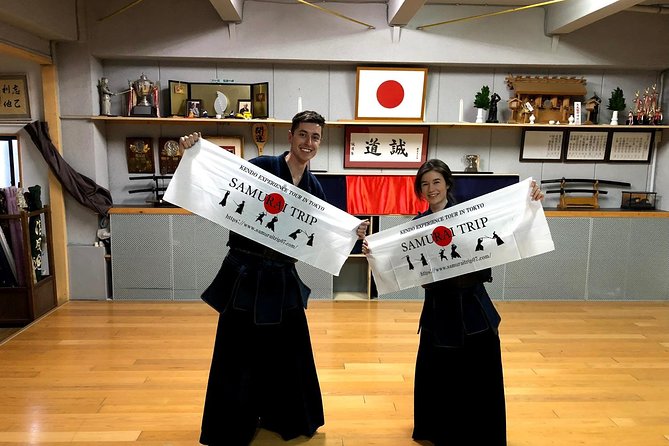
At $118.92 per person, this isn’t a budget activity. But the value is stronger than it looks at first glance because several costly pieces are included in the session.
You get:
- Professional instructor coaching
- Rental of kendo armor and equipment
- Bottled mineral water
- Japanese hand towel souvenir
Most standalone “try Kendo” experiences either limit coaching time or skip the full protective gear. Here, you’re paying for real instruction plus the full experience of suiting up and training. The two-hour format also matters: it’s short enough to fit into a Tokyo day, but long enough to learn basics and still use them in a game.
What you should budget outside the ticket:
- Transportation to the meeting point
- Food and drinks, since those are not included
If you’re traveling with family, this can still pencil out because it becomes an active group activity rather than a passive attraction. And since the minimum age is 9 and all experience levels are welcome, it’s one of the more inclusive martial arts styles for visitors.
Who Should Book This Kendo Experience, and Who Might Want to Skip
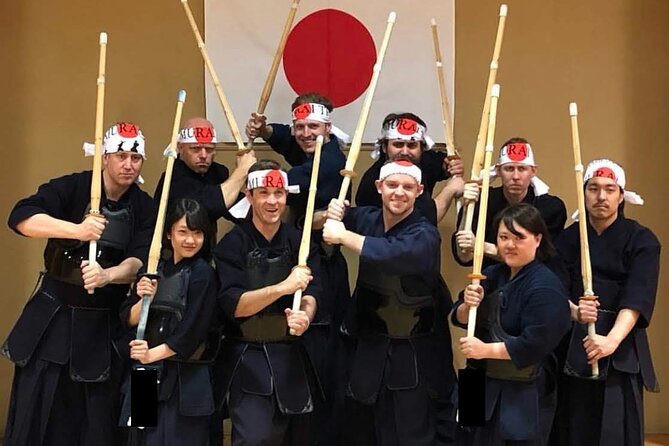
This is a great fit if you want:
- A hands-on Tokyo activity with real movement
- First-time Kendo that still includes practical drills and sparring
- English instruction and a friendly environment for learners
- A compact 2-hour block that feels like an event, not just a class
It’s especially good for couples, friends, and families who want something active. Reviews also suggest it works well for kids, as long as they’re ready for physical training and listening to instructions.
You might want to consider a different option if:
- You have serious knee issues and can’t do kneeling at all
- You hate heavy gear or get overheated easily
- You want a more relaxed, low-impact activity
If you do have physical concerns, tell the instructor. One participant specifically said to mention bad knees so painful movements can be adjusted.
The Big Picture: Why This Feels Authentic in a Way a Photo Tour Doesn’t
Kendo here isn’t just about sword aesthetics. It’s about behavior, spacing, and doing the right thing with intent. You learn etiquette alongside technique, which is what makes it more meaningful than a quick “hold the sword” moment.
And because the session ends with a tournament-style game, you leave knowing how it actually works in a training exchange. That’s the difference between reading about samurai culture and experiencing a modern Japanese martial art practice that still runs on discipline.
You’ll also come away with a souvenir towel and the kind of muscle memory you can’t get from watching videos. Even if you only practice for two hours, you understand the rhythm.
Should You Book This Tokyo Samurai Kendo Workshop?
I think you should book it if you want an authentic, active dojo experience with protective gear included and English-friendly guidance. It’s well suited for first-timers because the session is structured, you get coaching, and you finish with a game that makes the learning stick.
If you’re expecting a gentle cultural tour or a low-energy museum-style visit, skip it. This class is physical, gear-heavy, and focused. Bring athletic clothes, plan for sweat, and tell the instructor about any knee concerns right away.
If you line up those basics, this is one of the more memorable ways to spend a couple hours in Tokyo. It feels real. You’ll leave tired in the best way.
FAQ
How long is the Kendo experience?
The session runs for about 2 hours.
Is pickup included from my hotel?
Hotel pickup and drop-off are not included, but pickup is offered. You should still plan to get yourself to the meeting point by public transportation.
Do I need to bring kendo equipment?
No. Rental of kendo armor and equipment is included, along with the professional guide or instructor. Bottled mineral water and a hand towel are also included.
What is the minimum age?
The minimum age is 9 years old.
Do I need prior Kendo experience?
No. All experience levels are welcome.
What should I wear?
Wear athletic wear. The protective gear and uniform fabric can feel warm, and the activity is physical. If you have knee problems, tell the instructor so you can adjust movements.
Latest write-ups near Tokyo
- From Tokyo: Top 5 Scenic Spots of Mount Fuji Full-Day Tour★ 4.5 · 67 reviews
- Tokyo Customized Private Tour: See Top Attractions in 1 Day★ 4.8 · 67 reviews
- Traditional Japanese Music ZAKURO SHOW in Tokyo★ 5.0 · 67 reviews
- Tokyo: Shinjuku Izakaya and Golden Gai Bar Hopping Tour (2h)★ 4.9 · 67 reviews
- Tsukiji: Unlimited Sake Tasting Experience★ 4.9 · 67 reviews
- Tokyo: Not a show- a professional sumo practice with experts★ 4.9 · 67 reviews
- Samurai Ninja Museum Asakusa: Kid-Friendly Ninja Training★ 4.7 · 67 reviews
- Private Harajuku Omotesando Architecture Walking Tour★ 5.0 · 67 reviews
Samurai & Ninja Experiences, compared.
Samurai Ninja Museum Guided tour and Experience
Read our review →
Kendo and Samurai Experience with Uniform and Gear
Read our review →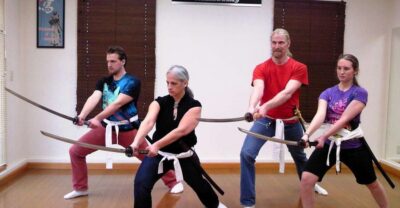
Samurai Sword Class by Experts in Traditional Arts
Read our review →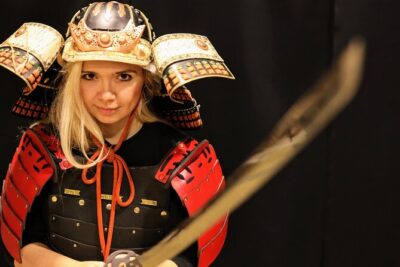
Skip the lines Basic Ticket at SAMURAI NINJA MUSEUM KYOTO
Read our review →
Samurai Sword & Archery Class from Samurai Descendant
Read our review →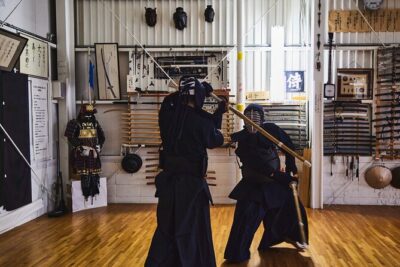
Browse the lists this tour appears in