
Reviewed · WALKING TOURS
Kyoto Early Riser Golden One-Day Walking Tour
Kyoto works best when you get moving early, and this private day is built around that idea. You’ll cover the core sights most people chase, then finish with a hands-on stroll through Nishiki Market so the day feels like real Kyoto, not just a checklist.
I like the private pace because it stays relaxed even when you’re walking a lot, and I also like that a guide handles the “how do we get there” part so you can focus on what you’re seeing. The only caution is simple: several temple entrances and meals are not included, so you’ll want to budget a bit extra on top of the tour price.
A big plus here is that this is a true full-day experience (about 8 hours) with a licensed guide and a route that makes sense in one shot: Fushimi Inari, Arashiyama, Ryoanji, Kinkakuji, and Nishiki Market. Based on past guests and how the guides work, your day will likely feel personal, even if you’re covering a lot of ground. The possible drawback is the footwear and stamina factor, because it’s a walk-heavy day with “moderate physical fitness” needed.
Key highlights and what they mean for your day
- Private Kyoto route with a licensed guide so you’re not stuck in a crowd shuffle
- Early-riser approach that helps you meet the big sights before peak crush
- UNESCO time at Ryoanji with the famous rock garden as a focused stop
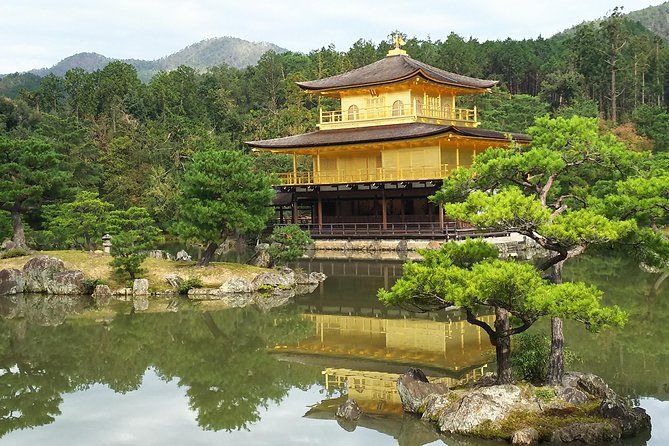
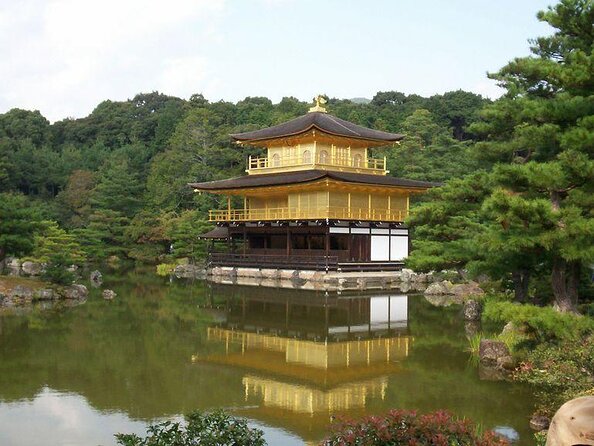
- Golden Pavilion at Kinkakuji for that iconic Kyoto photo moment
- Nishiki Market on foot with tasting-style shopping in a short, fun window
- Mobile ticket + public transit included by coordination so you spend less time figuring out logistics
Why This Private Early-Riser Day Makes Kyoto Easier
This tour is interesting because it’s designed for people who want the major highlights without turning their day into a sprint. Kyoto’s top sights are spread out, and moving between them on your own can be stressful when you’re trying to stay efficient and beat crowds. Here, the guide keeps the timeline workable, while you still get a feel for how locals travel, not just a ride from stop to stop.
I also like the specific mix of places. You start at the shrine that defines Kyoto’s famous gate imagery, then shift to the calm of Arashiyama, then to Zen atmosphere at Ryoanji and Kinkakuji, and finally to the lively street-food energy of Nishiki Market. That gives your day variety, not repetition.
One more practical point: this experience is often booked well ahead (the average booking window is around 84 days). If you’re traveling at a popular time, plan to reserve early so you can lock in your preferred date and guide assignment.
More Walking Tours in Kyoto
- Kyoto Geisha Walking Tour: Gion District & Hidden Gems
★ 4.7 · 3,273 reviews - Kyoto: Gion Magical Night Walking Tour with Geisha Trivia
★ 4.9 · 2,393 reviews - Kyoto: Gion Geisha District Walking Tour – Stories of Geisha
★ 4.7 · 2,187 reviews
Price and Value: What’s Included, What Costs Extra
The base price is $119.30 per person, and it includes a professional guide. A private licensed guide in Kyoto is usually where the value lives, because you’re paying for routing, interpretation, and making sense of what you’re looking at.
Here’s what you should budget separately based on what’s listed:
- Public transportation fare: ¥1,670 per person
- Ryoanji entrance fee: ¥1,100 per person
- Kinkakuji entrance fee: not included (amount not provided here)
- Meals: not included
That means your all-in cost will depend on how you handle entrance fees at Ryoanji and Kinkakuji and how you choose lunch. The good news is you control the food style. In past tours like this, guides often recommend lunch spots that match your preferences, and you’re not stuck with a set menu you didn’t choose.
Also note: since this is a private tour, the group size is yours. That can make the per-person value feel better when you’re a small family or a pair traveling together.
Meeting Point and How the 8-Hour Flow Actually Works
You meet at Kyoto Station (Kyoto Station Building, address listed as 901 Higashishiokōjichō, Shimogyo Ward). The tour ends back at the same meeting point, which matters more than it sounds. Getting home after a full day in Kyoto can be a puzzle if you’re tired, so this keeps your day tidy.
The day runs about 8 hours and includes “quite a bit of walking,” so your pacing matters. In the real world, the biggest time sinks in Kyoto are not only attractions, they’re walking distance between entry points, bathroom stops, and crowd movement. A strong guide helps you keep those friction points from hijacking the schedule.
Based on guide patterns shared by prior guests, you might use public transit such as subway and bus during the day, and in some cases a taxi can be used to save time when it makes sense. The point is that you’re not navigating blindly. You can also expect rest breaks to be part of how the day is managed, especially if the group needs a breather.
Stop 1: Fushimi Inari-taisha Gates With a Better Rhythm
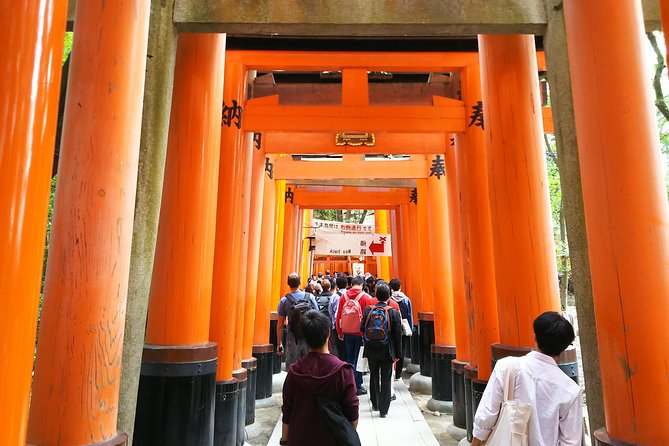
Fushimi Inari-taisha is the big-name stop, and it’s famous for a reason: those thousands of vermilion torii gates create a tunnel effect that looks like a Kyoto postcard because it truly is one. The listed time here is about 1 hour, and admission is free.
What makes this stop work on a guided day is context. The shrine is not just a pretty gate maze. It’s tied to religious practice and the idea of good fortune, and a guide can help you understand what you’re seeing instead of just walking through for photos. That turns the visit from a visual moment into something you’ll remember.
Potential drawback: this is also one of the most crowded places in the city on many days. Even with an early start, you’ll likely share space with other visitors in the main pathways. If you’re the type who hates bottlenecks, plan for slower movement at peak pinch points and treat the experience like a walk, not a race.
A change of pace from Kyoto:
- PERFECT KYOTO 1-Day Bus Tour
★ 5.0 · 13,518 reviews - Kyoto: Fushimi Inari, Kinkakuji, Bamboo Grove 1 Day Bus Tour
★ 4.8 · 4,316 reviews - Kyoto: Tea Ceremony in a Traditional Tea House in Kiyomizu
★ 4.9 · 3,519 reviews - Kyoto: Tea Ceremony Ju-An at Jotokuji Temple
★ 4.9 · 3,207 reviews
Stop 2: Arashiyama Bamboo Forest for Light, Silence, and Breathing Room
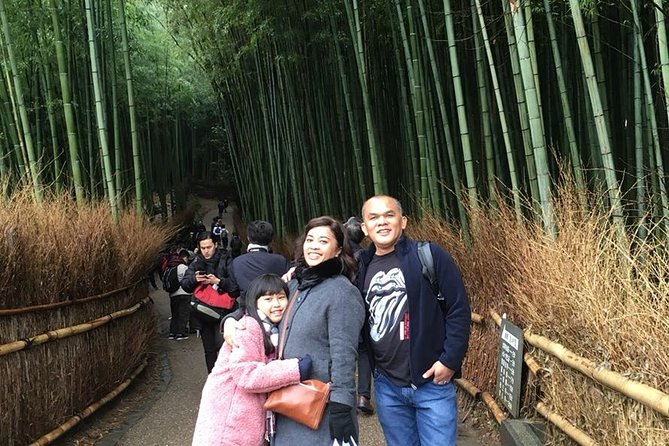
Next comes Arashiyama, with about 1 hour 10 minutes and admission free. The bamboo forest is famous for its subtle green tones and the way light filters through. The best part is the sensory feel: the leaves rustle, the trunks creak as they sway, and your brain gets a moment to slow down after the shrine crowds.
This stop also helps the overall day balance. After the shrine’s visual intensity, bamboo gives you calm. It’s a great reset before the more contemplative temples.
Here’s the reality check: Arashiyama is popular too, especially around the bamboo areas. The benefit of having a guide is that you can time your movement better and avoid wasting minutes zig-zagging through the area looking for the best path. Also, you’ll get pointers on where to look for the bamboo’s most photogenic light without burning your whole time on picture-taking.
Stop 3: Ryoanji Temple and the Rock Garden That Hits Hard
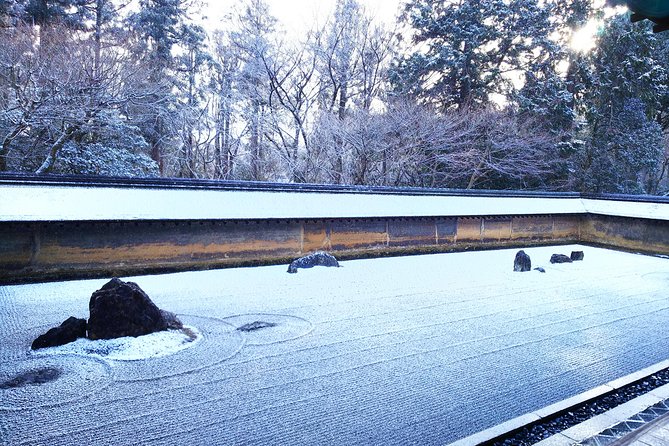
Ryoanji is a UNESCO World Heritage stop and it’s structured for a focused visit: about 50 minutes. The key attraction is the rock garden, which is simple, small, and famous for how it invites different interpretations depending on where you sit or stand.
Admission at Ryoanji is not included, and the entrance fee is listed at ¥1,100 per person. That means you should plan for a small added cost here and, if you’re budgeting tightly, include this in your “Kyoto temples total.”
Why this stop is worth your time: rock gardens can feel abstract if you don’t know what to notice. A good guide helps you look at the arrangement with the right mindset, like a quiet puzzle rather than a landscape painting. Even if you’re not a Zen expert, the feeling comes through once you know what the garden is trying to do.
Possible drawback: because it’s smaller than some other famous gardens, it can feel like “only a few minutes” if you don’t have guidance. The upside of this tour is that the time block is still long enough to slow down and really see it.
Stop 4: Kinkakuji Golden Pavilion for That Iconic Kyoto Moment
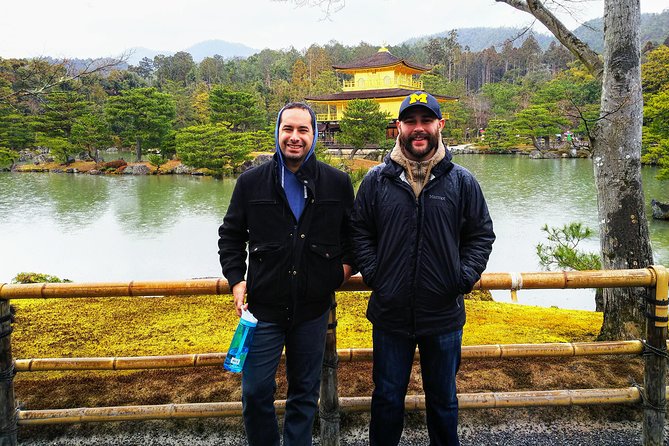
Then you’ll head to Kinkakuji, the famous Golden Pavilion, with about 50 minutes. Admission is not included here as well. This is one of those places where the icon lives up to the reputation: the gilded pavilion is striking and instantly recognizable.
What I like about including this stop on a private day is that you’re not just rushing for the main photo. A guide can help you understand the cultural connections tied to the temple’s identity and why Samurai-era history shows up in the way people talk about the site.
Potential drawback: Kinkakuji can be crowded, and popular temple spaces naturally limit how long you can spend in the exact best viewing spots. The smart move is to balance time between the main view and nearby perspectives, so you still get variety even if you can’t linger in the most packed area. A guide helps you do that without turning your visit into a frantic repositioning game.
Stop 5: Nishiki Market on Foot, Where Food Becomes the City
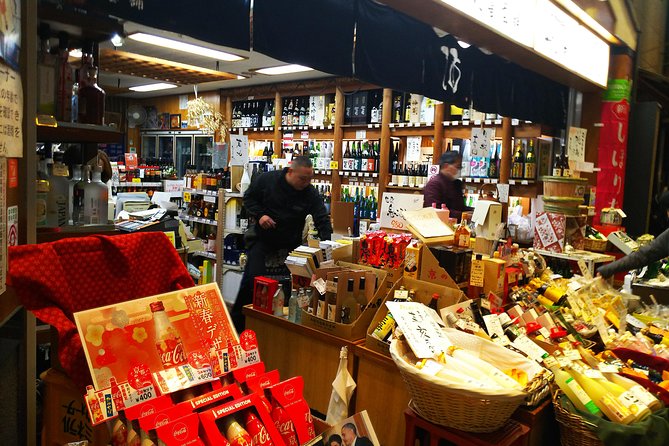
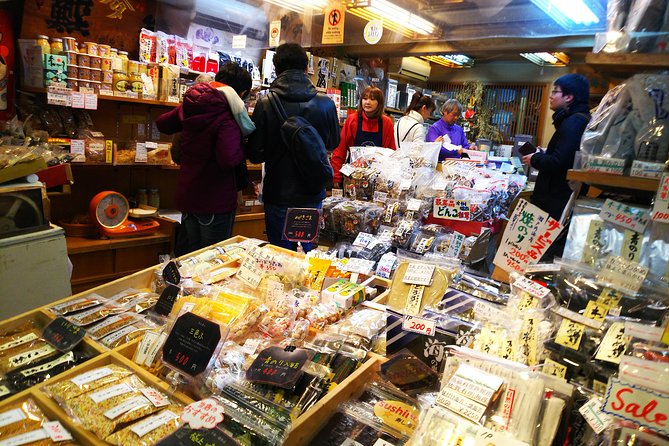
You finish with Nishiki Market Shopping District, about 40 minutes, and admission is listed as free. Nishiki is a 390-meter long stretch with a long history, and it’s packed with shops selling Kyoto-specific produce, pickles, and snacks.
This is a great closing stop because it’s active and flexible. You’re not sitting in a temple courtyard anymore. You’re walking and sampling small bites, and the market style encourages you to try things you might not pick on your own.
A practical tip: 40 minutes is not long, so you’ll want to decide what you care about most. If you love pickles, prioritize that. If you want sweets, go for the snack lane first. Since the tour ends back at Kyoto Station, you don’t want to lose the last minutes on indecision.
Also, this is where private guiding can really show value. Several guides on similar tours have helped with translation and shopping tips, so you’re not stuck guessing which stalls are best. You may even get lunch or dinner recommendations woven into the day, depending on your guide’s style.
Guide Matters, and the Best Ones Make the Day Feel Personal
The single biggest strength this tour type offers is the guide. The reviews attached to this experience are full of specific guide names and qualities, which tells you this is not generic commentary. For example, people praised licensed guides like Sumiko Yoshikawa, Tomoko, Toshi, Hiro, Satomi, Chie, Hironori, Kazuo, Meg, Michiko, Masa, Nozomi, and Keiko. The range matters because it shows how guides tailor the experience while still hitting the same core landmarks.
You’ll also see patterns in how guides operate:
- They keep the day organized and on time while still allowing breaks.
- They share history and cultural context at each stop so you know what you’re seeing.
- They help with practical stuff like navigating public transport, and sometimes translating while shopping.
- Some guides go the extra step as a helper, including helping with photo spots or assisting guests who need extra care getting around.
One note on expectations: every guide has their own personality. Some focus more on stories, some on logistics, some on photography help. The private format means you are less likely to feel ignored or rushed, and that’s a big deal when your day includes multiple major sites.
Comfort, Crowds, and Weather: Plan Like a Local
This is a walk-heavy day. You should wear comfortable shoes and be ready for uneven pacing as crowds shift. Even if each stop is timed fairly, the walking between stops and inside busy areas is what adds up.
Another factor is weather. The experience requires good weather, and if it’s canceled due to poor weather you’ll be offered a different date or a full refund. Kyoto can be dramatic in different seasons, so pack for changeable conditions, not a single forecast.
Heat is the most common challenge in Kyoto in the hotter months. One review described how the guide handled intense summer conditions with mindful rest stops. That’s a good reminder that you should plan to hydrate and slow down when you need to, even if the itinerary feels tight.
If you have mobility constraints, this tour can still work in some situations because a good guide can plan around you. But “quite a bit of walking” is the plain truth here, so consider your comfort level before booking.
Should You Book This Kyoto Early Riser Walking Tour?
Book it if you:
- Want Kyoto highlights in one day without the mental load of planning routes.
- Prefer a private experience with time for questions and a more relaxed pace.
- Like a mix of major landmarks plus a food and shopping finale at Nishiki Market.
- Are okay paying a bit extra on top of the base price for temple entry and transportation.
Skip it or think twice if:
- You hate walking and you’re sensitive to crowds, even early in the day.
- You want all-in pricing with meals included, because meals are not included here.
- You’d rather spend half-days slowly, because this is designed to cover a lot.
If you book, my best advice is to reserve early, since demand is strong, and to message about your priorities when you confirm your tour. If you care most about the shrine atmosphere, the Zen stops, or the market food, a good guide can shape the day around that focus.
FAQ
How long is the Kyoto Early Riser Golden one-day walking tour?
The tour is listed as about 8 hours.
What are the main stops on the tour?
You’ll visit Fushimi Inari-taisha, Arashiyama Bamboo Forest, Ryoanji Temple, Kinkakuji Temple, and Nishiki Market Shopping District.
Is admission included for Ryoanji Temple?
No. Ryoanji entrance is not included, and the listed fee is ¥1,100 per person.
Are meals included in the tour price?
No, meals are not included.
Do I need to pay for public transportation?
Yes. Public transportation fare is listed as ¥1,670 per person, and it is not included in the tour price.
Where do I meet the guide?
The meeting point is Kyoto Station Building, address listed as 901 Higashishiokōjichō, Shimogyo Ward, Kyoto.
What happens if the weather is poor?
The experience requires good weather. If it’s canceled due to poor weather, you’ll be offered a different date or a full refund.
Latest write-ups near Kyoto
- Kyoto Private Tour Full Day with Local Guide&Nara Option(PerGroup★ 5.0 · 20 reviews
- Sacred Pathways: Discover the Philosopher’s Path of Kyoto★ 4.9 · 20 reviews
- Hammer Pattering Experience of Ring★ 5.0 · 20 reviews
- Kyoto UNESCO World Heritage Site Private Tour with a Premium Van★ 5.0 · 20 reviews
- KYOTO: Private Tea Ceremony in Hidden Townhouse (Kid-Friendly)★ 5.0 · 20 reviews
- Sushi or Traditional Japanese Cuisine in a Kyoto Home with Emika★ 5.0 · 20 reviews
- The Kyoto VIP Experience!★ 5.0 · 20 reviews
- Kyoto Customized Private Tour: See Top Attractions in 1 Day★ 4.7 · 20 reviews
Walking Tours, compared.
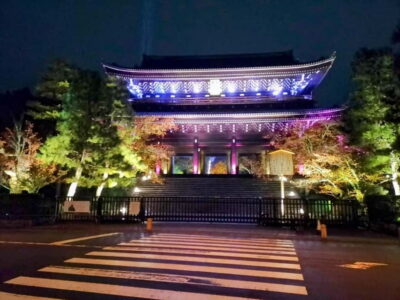
Kyoto Geisha Walking Tour: Gion District & Hidden Gems
Read our review →
Tokyo Tsukiji Fish Market Food and Culture Walking Tour
Read our review →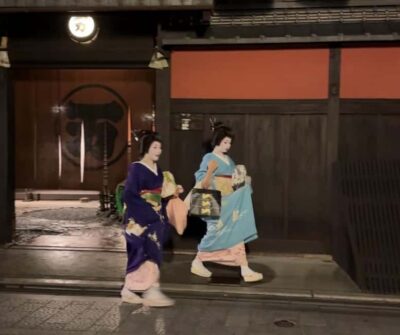
Gion Magical Night Walking Tour with Geisha Trivia
Read our review →
Imperial Palace and Shogun Historical Walking Tour
Read our review →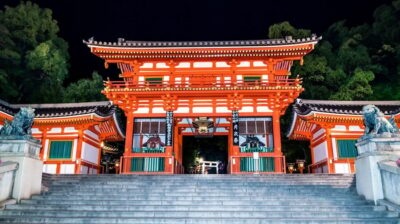
Gion Geisha District Walking Tour – Stories of Geisha
Read our review →
Shinjuku Local Bar and Izakaya Guided Walking Tour
Read our review →
Browse the lists this tour appears in