
Reviewed · CITY TOURS
4 Hour Private Hiroshima City Walking Tour
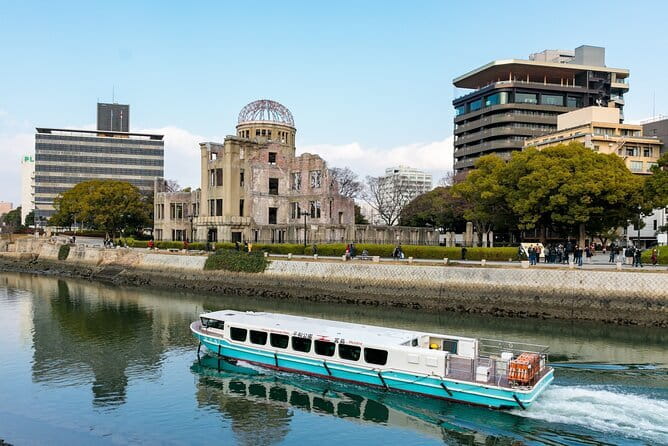
Hiroshima can feel heavy fast, but this private walking tour is interesting because it turns a tight 4 hours into a clear route through memory, architecture, and garden calm. You start at the Atomic Bomb Dome area, then move into the Peace Memorial Museum, and later you get the castle and Shukkeien Garden to reset your senses.
I like that it is truly private, so your guide can slow down, speed up, and shape the day around what you care about. I also like the practical hit list of stops in one compact area, each with entry handled for you at the Peace Memorial Museum, Hiroshima Castle, and Shukkeien Garden. One possible drawback is that it is an outdoor walking tour, and hot weather in Hiroshima, especially in August, can be intense.
Key things to know before you go
- Private, local English speaking guide with a route you can steer, not a fixed script.
- Atomic Bomb Dome and Peace Memorial Museum are handled with time built in, so you do not feel rushed.
- Included admissions at the museum, castle, and Shukkeien Garden help make the cost feel more “all-in.”
- Guides can add meaningful extras, like arranging a visit to a small surviving school museum, when possible.
- The end point is Shukkeien-Mae Station, which makes it easier to continue your day on foot or by transit.
- Heat planning matters since most of your time is spent outdoors.
Hiroshima in 4 hours, with a private guide you can steer
This tour is built for the traveler who has limited time in Hiroshima but still wants the places that matter most. In just a few hours, you cover the city’s core sites, and your guide helps connect the dots so it does not turn into a checklist.
You also get the best part of a private format: you are not stuck with whatever pace a random group sets. Guides have shown flexibility, including accommodating requests beyond the main stops when it is feasible, and tailoring the walk to what your group finds most meaningful or enjoyable.
The walking pace is generally efficient, so you should treat the tour as a guided route with stops, not a slow stroll where you can drift off. If you want maximum photo time at every corner, plan to tell your guide early so they can build that into the schedule.
More Walking Tours in Hiroshima:
- Hiroshima Historical Walking Tour – Why A-Bomb was Dropped
★ 4.8 · 893 reviews - Hiroshima Peace (Heiwa) Walking Tour at World Heritage Sites
★ 5.0 · 872 reviews - Hiroshima City 4hr Private Walking Tour with Licensed Guide
★ 5.0 · 437 reviews
Meeting point and walking rhythm: what to expect on the ground
You meet your guide at a clear landmark: a 7-Eleven at 1-chōme-1-21 Ōtemachi, Naka Ward. The tour runs as a walk the whole time, with your guide meeting you on foot, and it ends at Shukkeien-Mae Station near the garden.
Because the tour is compact and designed around nearby attractions, the walking is part of the experience. Still, you will want decent walking shoes, and you should bring a small bottle of water even if you think you will buy one later.
Timing matters because you have to balance museum time, castle viewing, and garden time inside the 4-hour window. Your guide will manage that, but the more you tell them your priorities, the less likely you are to feel rushed at the last stops.
Stop 1: Atomic Bomb Dome and the first “make it real” moment
The Atomic Bomb Dome is the starting emotional anchor. It is a building left in a form close to what it was after the bombing, so the shock comes fast, even if you have read about Hiroshima before.
What I like about starting here is that it sets the tone before you go indoors. When you later move to the Peace Memorial Museum, the artifacts and explanations land harder because you already have a visual reference in your head.
Also, this stop has a simple practical advantage: the area is accessible and the entry is free, so you can focus on the moment instead of ticket logistics. Just be ready for crowds depending on the time of day. If you can, pick a time that fits your energy level, because the first stop can be the most mentally intense.
If you are the kind of person who wants context on the spot, tell your guide what you want explained. Some guides naturally focus on historical facts, while others also talk about the way Hiroshima rebuilt. You will get more out of the Dome if you ask for the angle that matches your mindset that day.
Peace Memorial Museum: how to use the time without feeling overwhelmed
Right after the Dome, the Hiroshima Peace Memorial Museum takes center stage, with about 1.5 hours set aside. Admission here is free, which is rare and meaningful, and it encourages you to treat the visit as more than a tourist stop.
This is where you get the “how bad was it” reality: the museum was established to communicate the damage and its human impact so the world understands and pushes for abolition of nuclear weapons. You do not need to be a history expert to benefit. The guide helps connect key sections into a story that makes sense, without turning it into an exam.
I would plan this part as a slow, absorb-and-reset chunk, not a sprint. Even with a guide, you will want a few minutes to stand and read, especially around the exhibits that hit hardest.
A tip based on real experiences from earlier groups: if your group is particularly interested in survival stories or local remnants, ask whether the guide can suggest or add a related stop that may exist nearby. In past tours, guides such as Yui have accommodated a request to see a small museum connected to a surviving school, and that kind of detail can make the visit feel more personal.
Other Hiroshima plans readers weigh up
- Hiroshima: Private City Highlights Walking Tour
★ 4.9 · 73 reviews - Hiroshima History Tour : A-Bomb Dome, Peace Memorial & City
★ 5.0 · 43 reviews - Amazing Hiroshima: Private City Tour with a Local Guide
★ 4.3 · 32 reviews - Half Day Private Guided Walking Tour in Hiroshima City
★ 5.0 · 30 reviews
Hiroshima Castle: architecture, time periods, and the clock you cannot ignore
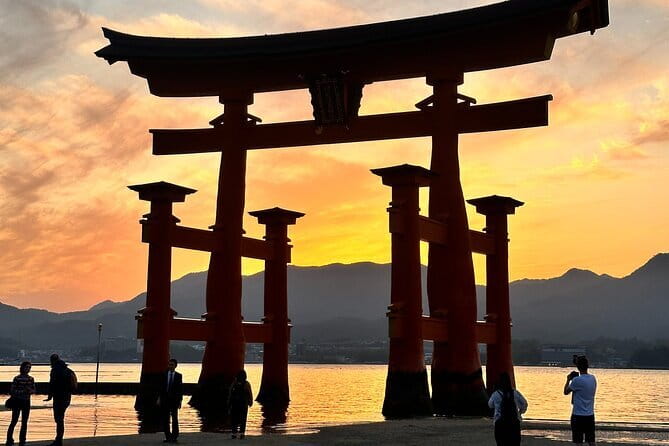
Next comes Hiroshima Castle, with about 1 hour and admission included. The castle connects you to Japan’s older eras, with a build tied to the Warring States period, and it is one of the easiest ways to see how the city looks beyond the bombing narrative.
I like this placement because it breaks the emotional intensity without skipping it. After the museum and memorial area, the castle gives you something different to analyze: architecture, design, and the visual language of defense and power.
There is one practical consideration you should not ignore. The tour lists Hiroshima Castle admission as included, but it also notes that Hiroshima Castle is closed for renovation from March 23, 2026. If you travel near or after that date, you should confirm how the tour handles the closure. The information provided does not promise an alternative replacement, so ask early.
A pacing note from experience: sometimes the castle portion can feel rushed if you want to read every display. If that is your style, tell your guide you prefer a slower museum-reading pace and less “line up and go.” They can adjust the emphasis, and that one change can make the whole castle stop feel satisfying instead of hurried.
Shukkeien Garden: ending with calm that still feels meaningful

To close, you head to Shukkeien Garden, where admission is included and you get about 1 hour. This is where you can breathe. The garden is described as a fusion of traditional Japanese garden beauty and craftsmanship, with seasonal views that change the feel of the space.
What I love about finishing here is the emotional rhythm. After the museum, your brain keeps replaying what you saw. The garden gives you something else to focus on: composition, water, pathways, and the quiet logic of a designed landscape.
From earlier tours, people have consistently called this part their favorite, praising the garden as calming and beautiful in the middle of the city. Guides have also been thoughtful about transitions, even helping people end with a good meal plan afterward.
If gardens are not usually your thing, I still suggest giving this one your full attention. The guide can point out details that you might otherwise miss, like how different sections of a garden are meant to be experienced in sequence as you walk through.
Price and value: is $104.10 per person fair?
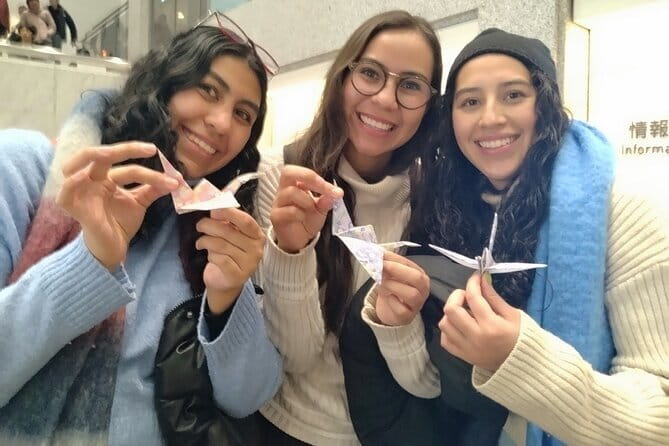
At $104.10 per person for a private 4-hour walk, you are not paying for a big bus. You are paying for your time savings and for the guide’s ability to shape the day.
Your value case gets stronger because multiple key items are included: the Peace Memorial Museum admission, Hiroshima Castle admission, and Shukkeien Garden admission, plus a local English speaking guide. That means you are less likely to waste time sorting tickets while also getting interpretation that helps you understand what you are seeing.
You should also consider the privacy factor. In Hiroshima’s main sights, groups can crowd together quickly. Having a private guide helps you navigate that with more control, and your guide can manage when you stop, where you pause, and how long you spend reading.
Where you might question the value is if you already plan to spend most of your time self-guided and do not care about historical context or site interpretation. If you want the “explain it so I get it” part, the guide is the reason this works.
A small practical point: the tour is described as typically booked about 42 days in advance on average, so if you have a narrow window in Hiroshima, book sooner rather than later.
How good guides make a big difference here
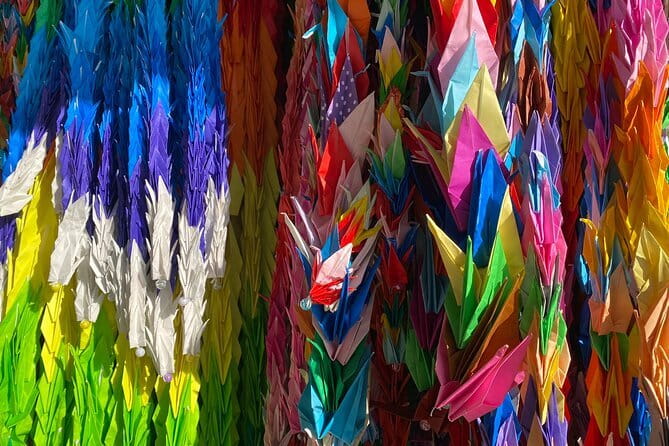
This itinerary is not just about places. It is about how those places get explained and paced.
From prior experiences shared by people who took this tour, guides like Masa, Yui, Yuki, and Yoshiko have been praised for being friendly, adjusting to what the group wants, and handling the emotional weight with care. A few specific examples show up again and again:
- A guide can tailor the pacing to your interests, not just follow a script.
- A guide can support small personal goals, like hunting for eki stamps during the walk.
- A guide can help you land well after the tour, including pointing you toward food, and in one case even dropping people at a cluster of okonomiyaki spots.
Even if you are not seeking extras, that kind of guidance changes your day. You stop feeling like you are guessing, and you start feeling like you have a local with a plan.
What to ask your guide before you start (so you leave happy)
You will get more out of a private tour if you give your guide one or two priorities up front. Here are practical questions that match the style of this experience.
- Do you want the bombing story explained in a straight timeline, or in themes like impact, rebuilding, and memory?
- Is your group more focused on photos and viewpoints, or on reading the displays carefully?
- Are there any interests like schools and survivors, architecture, or Japanese garden design where you want extra detail?
- How much time do you want to spend in the castle so it does not feel rushed at the end?
Guides have shown they can adapt based on arrival timing and interests, so you might as well use that strength.
Who should book this tour, and who should rethink it
This tour is a strong fit for you if:
- You want a private guide for Hiroshima’s most important sites.
- You have only a short stay and want the big anchors covered without spending time planning between stops.
- You would rather have a guide interpret the meaning than just scan signs.
You might rethink it if:
- You hate outdoor walking or you get exhausted in heat. This tour is partly outdoors and specifically flags that Hiroshima summers can exceed 35 degrees Celsius.
- You prefer total freedom to wander without any time boxing. Here, the 4-hour structure means you will likely move as a group.
If you fall into the “I want freedom” category, you can still do this as a guided route, but go in knowing the tour is designed to be efficient.
Should you book this private Hiroshima walking tour?
If you value guidance, this is an easy yes. For a single 4-hour block, you get a focused route through the Atomic Bomb Dome, the Peace Memorial Museum, Hiroshima Castle, and Shukkeien Garden, with key admissions handled and a guide who can tailor the pacing.
Book it if you want your time in Hiroshima to feel clear and meaningful, without forcing you to do a lot of map work or ticket juggling. The private format is especially worth it at emotionally heavy sites, where context and pacing can change your experience.
Hold off or confirm details if you are traveling around March 23, 2026 or later, since Hiroshima Castle is listed as closed for renovation. If you want that stop, you need confirmation on how the tour will adapt.
FAQ
How long is the Hiroshima private walking tour?
It is about 4 hours.
What is included in the price?
The price includes a local English speaking guide, the museum admission for the Hiroshima Peace Memorial Museum, admissions for Hiroshima Castle and Shukkeien Garden, and the tour is described as a private walking experience.
Where do we meet the guide?
The meeting point is a 7-Eleven at 1-chōme-1-21 Ōtemachi, Naka Ward, Hiroshima, and the tour ends at Shukkeien-Mae Station.
Is this a private tour?
Yes. It is private, meaning only your group participates.
Is Hiroshima Castle open during this tour?
Hiroshima Castle admission is included, but it is noted as closed for renovation from March 23, 2026.
What happens if the weather is bad?
The experience requires good weather. If it is canceled due to poor weather, you will be offered a different date or a full refund.
Latest write-ups near Hiroshima
- Hiroshima: Atomic Bomb Dome and Peace Memorial Museum 3 hours★ 5.0 · 20 reviews
- Hiroshima: City and Miyajima Bike and Boat Tour★ 5.0 · 20 reviews
- Hiroshima: Tour of Atomic Bomb Dome & Peace Memorial Museum★ 5.0 · 20 reviews
- Miyajima Guided Tour and Fresh Oyster Farm Tour★ 5.0 · 20 reviews
- Miyajima Highlights: Itsukushima Shrine & Island Nature★ 5.0 · 21 reviews
- Miyajima Highlights: Itsukushima Shrine & Island Nature★ 4.9 · 21 reviews
- Dinner Cruise on HANAIKADA (Raft-Type Boat) with Scenic View of Miyajima★ 5.0 · 21 reviews
- History of Hiroshima Group Walking Tour★ 5.0 · 23 reviews
City Tours, compared.
Private City Highlights Tour with Local Guide
Read our review →
Asakusa, Skytree & Akhihabara Go-Kart City Experience
Read our review →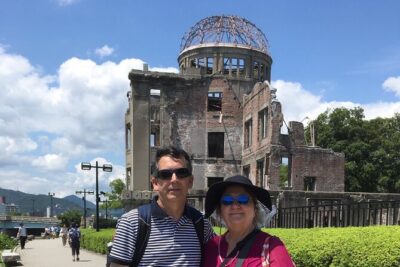
Hiroshima City 4hr Private Walking Tour with Licensed Guide
Read our review →

Private Haneda Airport (HND) to Central Tokyo City Transfer
Read our review →
3-hour Guided E-Bike Tour of the City’s Hidden Gems
Read our review →
Shibuya City: Daikoku PA GT-R R35, R34, R33 or R32 Tour
Read our review →Browse the lists this tour appears in