
Reviewed · SUSHI MAKING CLASSES
Osaka Sushi Making Experience
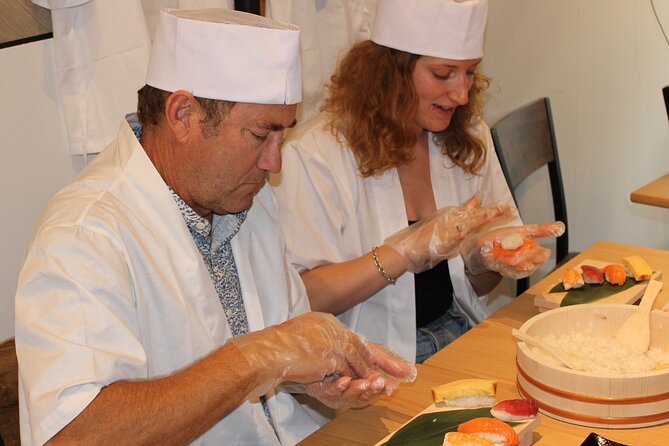
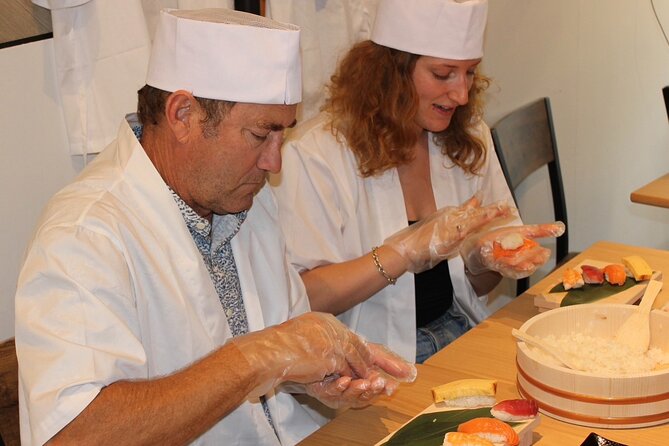
If you want an Osaka activity that feels practical and hands-on, this sushi making class hits the sweet spot. It is in the Dōtonbori area, and you learn to make nigiri and gunkan-sushi instead of just ordering something and moving on.
What I like most is the pay-off. You make 12 pieces, eat them while they are still good, and get teaching that stays clear even if your Japanese is limited, with instructors such as Mika and Kosei called out in past classes. One caution: the experience can feel a bit commercial or fast paced when the class is busy, so it is not the kind of slow, lingering lesson some people want.
Key highlights you will actually care about
- 12 pieces you make yourself: Enough sushi to feel like a real meal, not a snack.
- Two styles, nigiri plus gunkan-sushi: You practice more than one technique.
- Dōtonbori, Namba area location: Close to major sights, and near public transportation.
- Small group size (max 16): You are not stuck behind a line of people.
- Diet options on request: Vegetarian, vegan, and halal menus are available.
- Sushi-chef costume and keepsakes: Costume, photos, and a certificate with your name in kanji.
Why Dōtonbori sushi making feels different from a restaurant meal
Eating sushi in Osaka is great, but you learn more when you build it. In this class, you are working with ingredients and techniques, and the goal is simple: by the end, you have made 12 pieces you can eat immediately.
I also like the energy of the setting. You are in central Dōtonbori, an area where food and people-watching are part of the atmosphere. After you check in, the session has that friendly, “let’s get you cooking” feel, with instructors using English plus Chinese and Korean when needed.
More Sushi Making Classes in Osaka
- Sushi Making Osaka Roll and Authentic Japanese Sushi Class
★ 5.0 · 1,220 reviews - Osaka Sushi Making Class – Hands-On Nigiri & Rolls (Same-Day OK)
★ 5.0 · 352 reviews - Osaka: Roll and Authentic Sushi Making Class in Dotonbori
★ 4.9 · 239 reviews
What you make in 90 minutes: 12 pieces, nigiri and gunkan-sushi
The core promise is that you will make 12 pieces of sushi, including two types: nigiri and gunkan-sushi. The class is designed so you can finish within about 1 hour 30 minutes, which is important in Osaka because your day is never short on options.
You will also learn the ingredients required to make sushi at home. That is the part that matters for value. A lot of cooking classes teach a technique, but this one points you toward what you need after you go back to your kitchen.
One small detail I appreciate from real experiences: some people mention a very specific rice portion tip, like using exactly 10g of rice for the right ratio. Even if your class uses slightly different guidance, that kind of measurement talk tells you they are teaching you the “how,” not just the “what.”
The hands-on lesson flow, from ingredients to rolling and shaping
You start with instruction on the sushi-making process and then move into doing. Expect a lot of guided practice, including shaping and rolling steps. It is not a sit-and-watch class.
This is also where personalization shows up. Past sessions emphasize patient, helpful instructors who teach clearly and stay close enough to correct your grip, your shaping, and your timing. Instructors also explain differences between sushi styles, so even if your final pieces are not perfect, you understand what makes one type work versus another.
Getting help across languages, not just English
Even if you only know a few Japanese phrases, you are not stuck. The class provides guidance in English, Chinese, and Korean.
That matters more than it sounds. When you are learning something tactile like sushi shaping, you need the instructions to land fast. And when people mention chatting during class, it usually means the group finds enough shared language to ask questions without freezing.
A change of pace from Osaka:
- Osaka Go Karting Tour with Funny Costume
★ 5.0 · 2,658 reviews - Osaka Castle: Museum and Tower Entry Ticket
★ 4.5 · 2,380 reviews - Osaka: Shinsekai Food Tour with 13-15 Dishes at 5 Eateries
★ 4.8 · 2,204 reviews - Osaka Food Tour: 13 Dishes at 5 Local Eateries
★ 5.0 · 2,149 reviews
Eating your own sushi in the middle of Osaka time
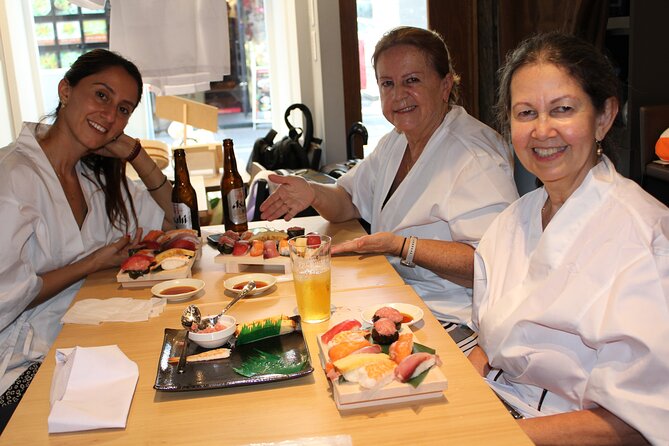
This class is built around eating what you make. You get snacks that include your 12 pieces of sushi, and the timing is flexible with afternoon and evening options, so you can match it to when you get hungry.
There is also mention of Japanese sake and beer in the experience. At the same time, the listing notes that alcoholic beverages are not included, so treat any alcohol as optional. If you want the tasting atmosphere without surprises, plan to stick with what is included in the meal and snacks.
What I like is that the eating feels like part of the lesson. You are not just cleaning up after cooking. You take a breath, compare pieces you made to the style you learned, and then move on.
Sushi-chef costume, photos, and your name in kanji
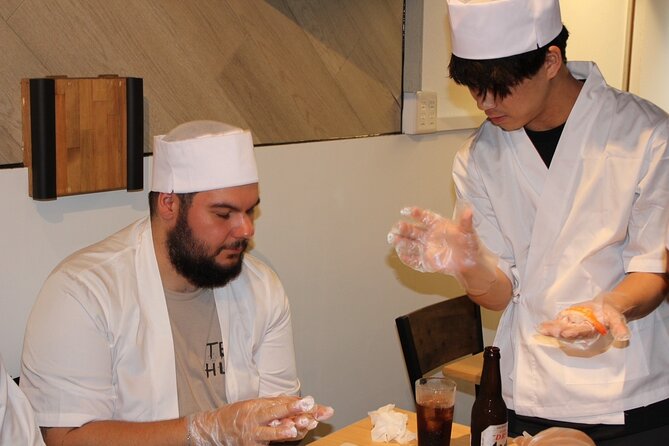
The end of class is where the experience turns into a souvenir, not just a meal.
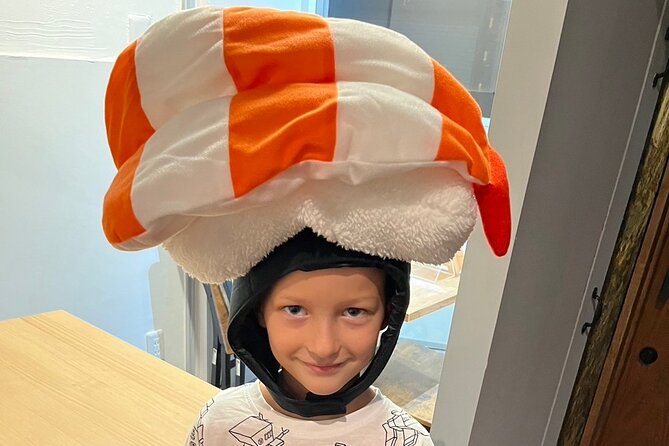
You may get a sushi-chef costume during the session, and you also get keepsakes like a certificate with your name written in kanji, plus a photo. Some people also mention extra fun details like a personalized item, which is the kind of touch that makes the class feel memorable.
This is especially good for couples and families. You get something to take home that is connected to what you actually did, not just a generic “activity ticket.”
Vegetarian, vegan, and halal sushi requests, with one practical trade-off
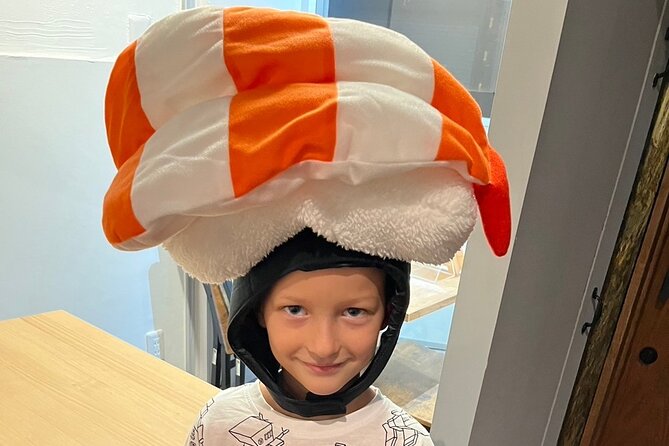
Food preferences are handled, at least with advance notice. The class offers vegetarian, vegan, and halal sushi menus upon request.
That is a real plus if your group includes someone who avoids seafood. It also means you can focus on the technique without feeling like you are being “handled” separately.
One caution from a past vegan experience: one person felt the vegan option had fewer vegetables than the seafood options. That does not mean your class will be the same, but it is a useful flag. If you are vegan, I would send a clear request early and ask what the vegan menu includes so you can set expectations about portion mix and variety.
Small group size, better attention, and when it might feel rushed
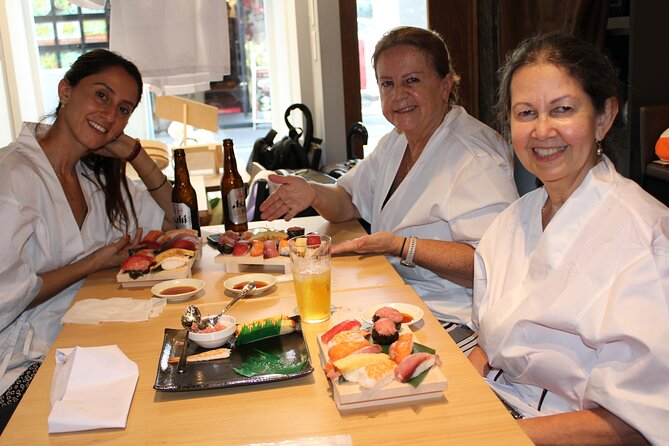
The maximum group size is 16, which is ideal for a hands-on cooking class. Smaller groups usually mean more time for corrections, and more chances to ask questions while your sushi is still in progress.
Still, balance matters. One shared concern is that when classes are busy, the vibe can feel a bit rushed or overly staged. If you prefer a slow pace where every step gets extra time, this might not be your style.
My take: it is still a strong class for beginners, because you are learning enough to go home confident. Just go in knowing the workshop is designed to finish on schedule.
Instructors you will likely remember by name
A big part of why this class has such a strong reputation is the teaching tone. People repeatedly mention instructors who are patient, friendly, and clear.
Names that come up include Mika and Kosei, plus other instructors like Yui and Mako, Shiori and Toshiki, and Hana. Even if your instructor is different, the pattern is consistent: you get real guidance, not just a quick demonstration.
Also, the best classes turn into casual conversation. Some people describe chatting about Osaka and even Japanese writing. That kind of talk is not required, but it is a sign the class is built for interaction, not a one-way lecture.
Location in Namba/Dōtonbori, and why you should plan your first-time route
You meet at Sushi Making Experience Namba 1A in the Namba area, at a specific address in Nishishinsaibashi (Chuo-ku). It ends back at the meeting point.
Two practical points:
- Dōtonbori is busy, so build in buffer time to find the exact storefront.
- If you are relying on maps on foot, double-check the pins for the Namba1A address before you go, because some people have said it can be tricky to locate on first try.
Once you are there, the experience moves smoothly and you return to the same place afterward, so you are not left scrambling through transit right after cooking.
Price and value: about $29.85 for a real sushi-making meal
At $29.85 per person, you are paying for instruction and ingredients plus the food you eat. The included value is not just the sushi, it is also the teaching time, the snacks (12 pieces), and all fees and taxes.
In plain terms: you are spending close to what you might pay for a casual meal, but you are getting a skill you can repeat later. That is the value shift. Food experiences often give you a taste. This one gives you a method.
Two notes to keep your expectations realistic:
- Alcohol is not included, even if sake and beer show up in the class atmosphere.
- Depending on dietary needs, the exact menu build could vary, including vegetable mix for vegan requests.
Who this class suits best
This class fits a lot of travelers because it is beginner-friendly and structured. It works well if you are:
- a couple looking for a memorable evening activity near major sights
- a family group, including kids, because the format is hands-on and the class produces edible results
- solo travelers who want a social setting without needing advanced cooking skills
It is also a good pick if you want an English-friendly environment with backup languages available. The class guidance includes English, Chinese, and Korean, and that reduces friction during the steps that usually trip people up.
Should you book Sushi Making Experience Namba?
Book it if you want a central Osaka activity that mixes technique with a satisfying payoff, and you like the idea of making 12 pieces instead of just tasting. The small group size and the keepsakes like your name in kanji make it feel worth your time.
Skip it, or at least approach it with eyes open, if you are the type who needs a slow, unhurried lesson, or you want a deeply quiet, low-key culinary workshop. It is organized to move, and when it is full, the pacing can feel more commercial than classroom.
FAQ
How long is the Osaka sushi making experience?
It runs for about 1 hour 30 minutes.
What will I make during the class?
You will make 12 pieces of sushi, including nigiri and gunkan-sushi.
Where does the class start and end?
You start at Sushi Making Experience Namba1A in the Namba area and the activity ends back at the meeting point.
Are vegetarian, vegan, or halal options available?
Yes. Vegetarian, vegan, and halal sushi menus are available upon request.
What is included in the price?
The price includes snacks (your 12 pieces of sushi) and all fees and taxes.
Are alcoholic beverages included?
No. Alcoholic beverages are listed as not included.
What languages are the instructions available in?
Guidance is provided in English, Chinese, and Korean.
How big is the group?
The class has a maximum of 16 travelers.
Is there free cancellation?
Yes. Free cancellation is available, and you can cancel up to 24 hours in advance for a full refund.
Latest write-ups near Osaka
- 90 min Shared Handmade Udon Experience★ 5.0 · 70 reviews
- Ramen and Gyoza Cooking Class in Osaka Dotonbori★ 5.0 · 73 reviews
- Osaka: Sushi Making in Spacious Studio (SAME-DAY OK!)★ 5.0 · 75 reviews
- Osaka E-Bike Tour With A Local Guide★ 4.7 · 75 reviews
- 1.5〜2 Hours Traditional Kintsugi Work Shop in Namba Osaka★ 5.0 · 75 reviews
- Retro Osaka Street Food Tour: Shinsekai★ 4.5 · 77 reviews
- Osaka: Osaka Castle Guided Tour with Local Guide★ 4.7 · 78 reviews
- Osaka Okonomiyaki Cooking Experience!★ 5.0 · 79 reviews
Sushi Making Classes, compared.
Sushi Making Tokyo Roll and Authentic Japanese Sushi Class
Read our review →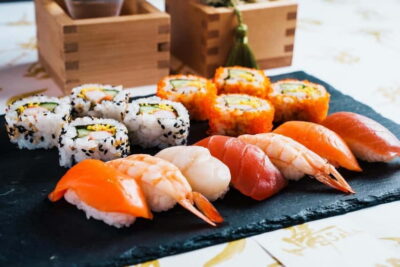
Roll and Authentic Sushi Making Class in Asakusa
Read our review →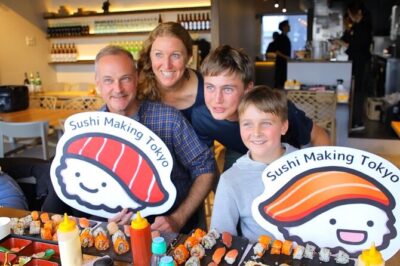
Make Sushi and Create Unforgettable Memories in Tokyo
Read our review →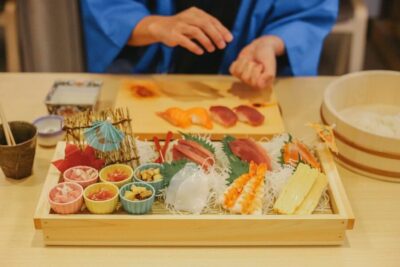
Sushi Making Class in a Happi Coat near a Famous Spot
Read our review →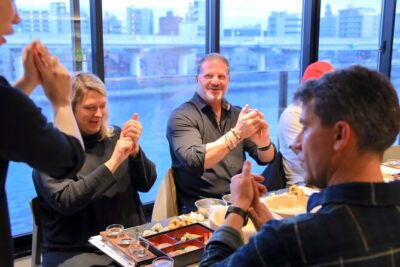
Sushi Making Osaka Roll and Authentic Japanese Sushi Class
Read our review →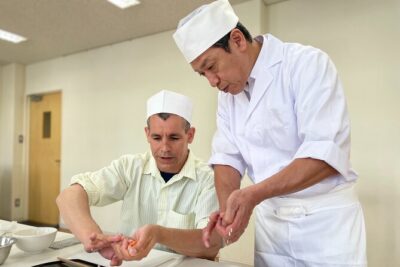
Tokyo Sushi Making Class in Tsukiji with Professional Chef
Read our review →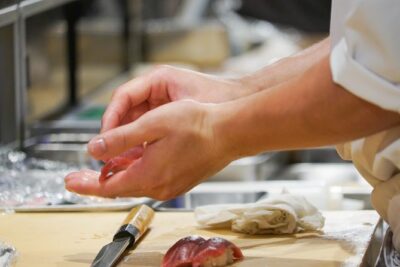
Tokyo Night Foodie Tour in Shinjuku – Seasonal Sushi, Wagyu Beef
Read our review →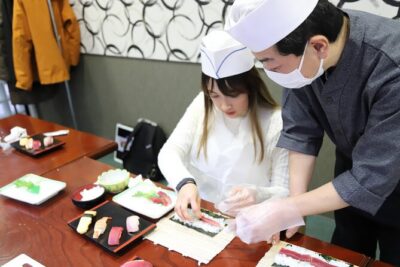
Tsukiji Fish Market Guided Tour and Sushi Making with Pro Chef
Read our review →Browse the lists this tour appears in