
Reviewed · WALKING TOURS
Osaka Walking Tour to Local Gems, Food & Culture
Osaka can feel like a highlight reel, but this tour is interesting because it helps you read the city like a local, not just snap photos. I really like the licensed guide approach, with guides such as Jay and Matt bringing history and humor into the walk. I also like the mix of food and shopping culture, especially the Kuromon Market stop and the tool-and-kitchen shopping streets.
One thing to plan for: snacks are not included. That is not a deal breaker, but it means you should budget for bites on your own and bring water, since you’ll be walking for about 2 hours 30 minutes.
Key things you’ll enjoy
- Shinsaibashi meetup in the Nishishinsaibashi area, easy to reach on public transit
- A small group, max 12 travelers, so you can actually ask questions
- Licensed guides you’ll recognize by name, like Jay, Matt, Calvin, and EJ from past tours
- Free-entry stops across parks, temples, markets, and shopping streets
- Street-level food and shopping context, including where cooks shop for kitchen gear
- Morning or afternoon tour times, so you can fit it into your Osaka schedule
Starting at Shinsaibashi, not at a random landmark
This tour starts at Apple 心斎橋 (Shinsaibashi), in Osaka’s Chuo Ward, specifically Nishishinsaibashi (Urban BLD 心斎橋, 1-chome-5, 542-0086). It is a smart choice because Shinsaibashi is one of the easiest areas to orient to, and you can usually reach it quickly using public transit.
You also end in a very useful place. The finish point is Namba Grand Kagetsu (11-6 Nanbasennichimae, Chuo Ward). That puts you right by the next wave of dining and nightlife, so you can roll right into your evening plans.
The tour uses a mobile ticket, so you should have your phone ready at the meeting point. Also, you are not herded around a stadium-sized group. The group size is capped at 12, which tends to make the whole experience smoother and more conversational.
More Food & Drink in Osaka
- Osaka: Shinsekai Food Tour with 13-15 Dishes at 5 Eateries
★ 4.8 · 2,204 reviews - Osaka Food Tour: 13 Dishes at 5 Local Eateries
★ 5.0 · 2,149 reviews - Hungry Osaka Street Food Tour:15 Tastings & 3 Drinks with a Local
★ 5.0 · 1,727 reviews
What the licensed guide actually adds (Calvin, Jay, Matt, EJ)
This is one of those tours where the guide matters more than the list of stops. You get licensed guidance, and the people leading the walk have a style that past groups have highlighted: clear answers to questions, good pacing, and humor that keeps things from turning into a lecture.
In the feedback, I saw names come up repeatedly. Jay is mentioned for being funny and for weaving history into what you see. Matt gets credit for being organized and sharing what is trending, plus practical shopping and dining tips. Calvin is praised for answering questions in a relevant way. EJ is described as a good storyteller who keeps people entertained, and one group noted that support helped them reconnect after a mix-up at the finish area.
What I like about this is simple: Osaka is full of details. A guide helps you notice them on purpose. You do not just walk through Dotonbori for the neon, you understand why certain places exist, how the city’s layout shapes daily life, and what to look for when you go back on your own.
Stop 1: Horie Park, a calm warm-up before the city noise
The first stop is Horie Park, about 20 minutes. This is an urban green space, with walking paths and well-kept gardens. It is a great warm-up because it breaks the day into two modes: city pace first, then quieter observation.
Why it is worth it: Osaka can be loud and fast. Starting with a park gives you a reset. You settle your footing, you get your bearings for what comes next, and it is a pleasant change before you hit shopping streets.
What to watch for: Horie Park is a short stop, so think of it as mood-setting, not as a long relaxation break. If you are photos-first, grab a couple pictures quickly and keep moving.
Stops 2 and 3: America-mura and Namba Hatch for street culture and events
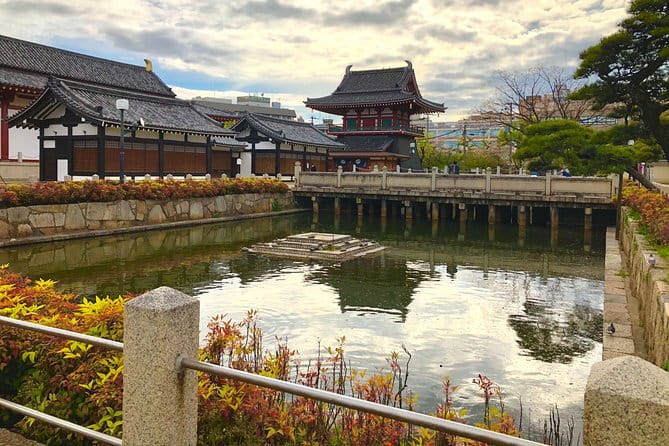
Next you move into America-mura (Amemura) for about 20 minutes. The name is short for American Village, and the vibe is recognizable: shops, cafes, and a style-forward crowd that mixes locals and tourists. It is a good place to learn how Osaka expresses itself through neighborhoods, not just monuments.
From there, you head to Namba Hatch for around 20 minutes. Namba Hatch is an events venue in the Namba area, used for live performances and concerts, with a capacity listed at about 1,200 people. Even if you are not catching a show that day, it helps explain how music and nightlife tie into Osaka’s daily rhythm.
Why these two stops work together: Amemura shows the city’s taste-making side. Namba Hatch shows the city’s energy and live-culture side. Together, they help you connect shopping street trends to the entertainment ecosystem around Namba.
Possible drawback: if you prefer purely historical sites, these two stops might feel more modern than you expected. But that is also the point, Osaka is not only old temples and castles. It is also style, scenes, and after-dark momentum.
More Walking Tours in Osaka
- Osaka: Hotspots & Hidden Gems Walking Tour Private or Group
★ 4.9 · 1,300 reviews - Osaka Local Foodie Walking Tour in Dotonbori and Shinsekai
★ 5.0 · 985 reviews - Osaka Bar Hopping Night Walking Tour in Namba (3 bars, 6 tastes)
★ 5.0 · 958 reviews - Osaka: Deep Backstreets Walking Tour with Dinner Option
★ 4.9 · 902 reviews
Stops 4 and 5: Dotonbori neon and Hozen-ji’s mossy pause
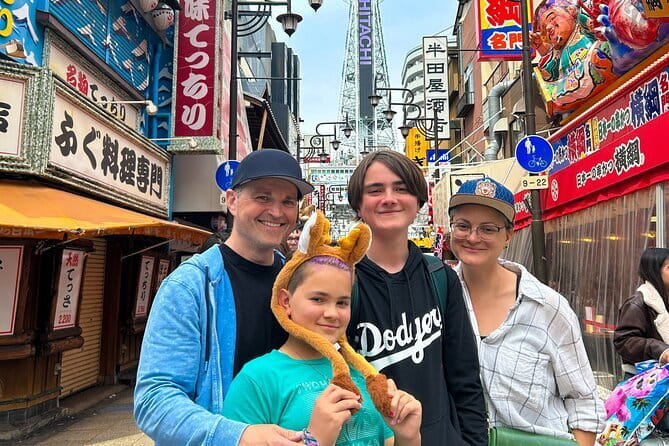
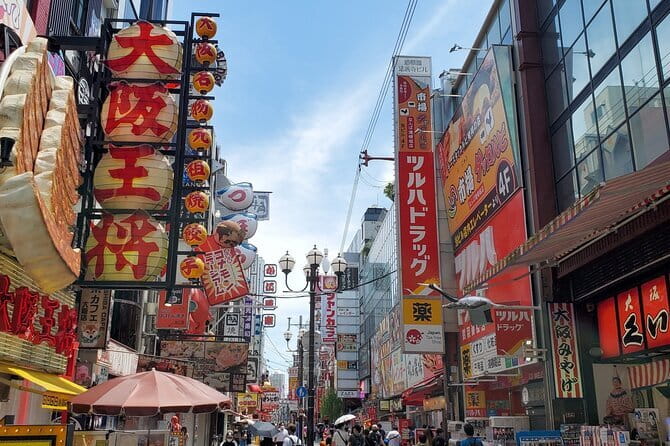
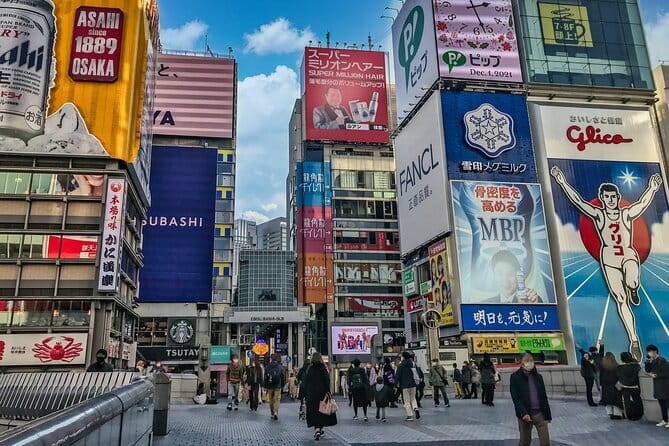
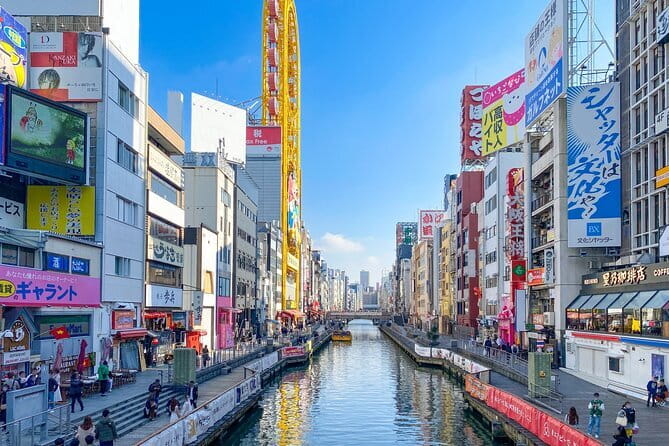
You then arrive at Dotonbori District for about 10 minutes. This is the canal-side entertainment zone, known for neon lights and lots of food options. Even in a short visit, you get the core atmosphere fast: bright signage, busy sidewalks, and the sense that people are out doing something, not just passing through.
After Dotonbori, you go to Hozen-ji Temple for about 20 minutes. Hōzenji (法善寺) is near Dotonbori and was founded in 1637. The star feature is the moss-covered statue of Fudō Myōō, a fierce deity. The contrast is immediate. Neon and food chaos outside, a quieter religious stop just moments away.
Why this contrast is valuable: it teaches you how Osaka layers old and new. This is not a city where you have to travel far to switch worlds. You can step from a canal-lined entertainment street into a temple space that has a centuries-old anchor.
What to watch for: because Dotonbori is famous, it can be crowded and photo-heavy. Keep your eyes open for small moments the guide points out, and don’t expect a long temple sit-down. The stop is timed for a walk-friendly experience.
Stop 6: Kuromon Market for real food-shopping energy
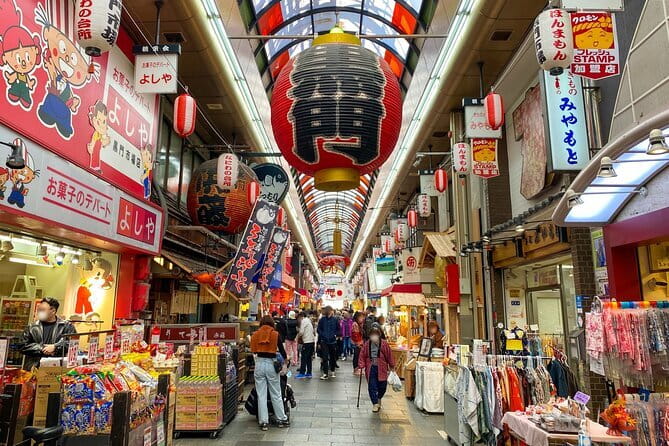
Kuromon Ichiba Market is one of the most practical stops on the whole tour, for about 30 minutes. This is a busy market area known for fresh seafood, produce, and local delicacies. If you like to eat while you travel, this stop gives you a sense of what Osaka looks like when people are shopping for dinner.
Why it is worth the time: markets are about daily life. Even when you do not buy much, you learn what locals are drawn to, what is seasonal, and what kind of flavors Osaka puts front and center. It also helps you avoid the trap of walking into a tourist spot later and ordering the first thing you see.
A heads-up from the tour design: snacks are not included, so you will likely want to buy what you want to try here. If your budget matters, you can set a spending limit before you enter, then treat your Kuromon bites like a planned tasting, not an impulse shopping spree.
Stops 7 and 8: Nipponbashi and Dōguya-suji for fandom and tools

Next is Nipponbashi for about 10 minutes. This area is known for electronics, anime, and otaku culture. It is the kind of stop that helps you connect Osaka to modern pop culture geography. Even if you are not an anime super-fan, you will get a strong sense of what younger crowds come for and what the city sells in terms of hobbies.
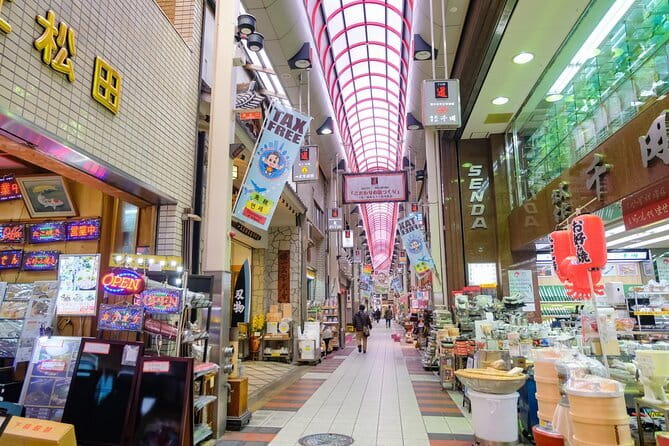
Then comes Kitchenware Street, also known as Dōguya-suji (道具屋筋) for about 20 minutes. This is the real food-worker connection on the route. The tour focuses on the street where many chefs in town go to buy their knives and kitchen tools. That is a powerful detail because it turns shopping into something more meaningful. You are not just looking at souvenirs. You are seeing where serious culinary gear gets sourced.
Why these two stops fit the tour: Nipponbashi shows pop-culture shopping. Dōguya-suji shows craft and utility shopping. Osaka does both, and it helps you understand why the city feels so different neighborhood to neighborhood.
Possible drawback: if you are not shopping-minded, Nipponbashi and Dōguya-suji can feel like you are walking through stores more than sights. Still, the guide makes it easier to understand what you are looking at and why those specific streets have that reputation.
Pricing and value: $25 for a timed tour with licensed guidance
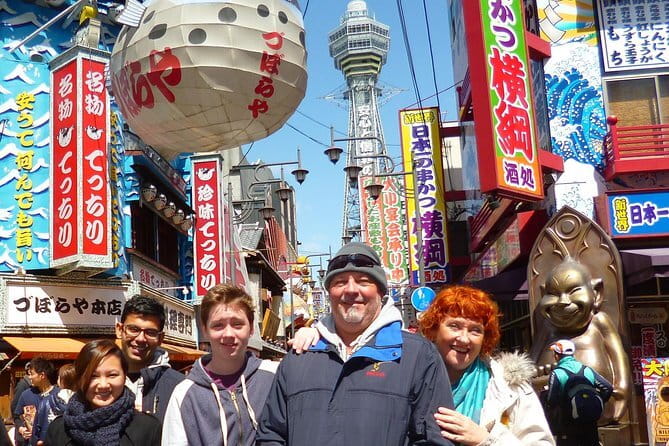
The price is $25.00 per person, for about 2 hours 30 minutes. At this level, you are paying primarily for two things: the guide and the structure.
The structure matters. The stops are timed, and the route connects areas that would take more effort to link yourself if you are also trying to get your bearings on day one. Plus, the tour includes all fees and taxes, and each stop lists free admission. That means your main costs are optional, like what you choose to buy at Kuromon Market.
Is it a bargain or a fair price? I think it is fair value, especially if you want a guided first orientation to Osaka plus food and culture stops you can actually build your future plans around. If you already have a tight personal itinerary and you hate walking, you might not need the guide. But if you want someone to point out what matters while you are moving, it is a good deal.
How to enjoy it: shoes, timing, and where to spend your money
This is a walking tour, so wear comfortable shoes. In the feedback, people specifically called out comfortable footwear, and one group mentioned the guide made time for stops to help people beat the heat. That is a good sign that pacing is handled.
Plan for one or two purchases. Since snacks are not included, you’ll probably want to try something at Kuromon Market. Keep it simple: choose one bite to taste, not a full grocery run. Then if you want more, you can add purchases at your own pace after the tour.
Also, because the route ends in Namba, you can treat the day like a two-part loop. You spend the earlier portion learning and tasting with the guide, then you expand the evening on your own. That is especially helpful if you want to chase dinner options without losing time.
Who this Osaka walk is best for (and who should skip it)
This tour is a strong fit for:
- First-timers who want an organized intro to Osaka neighborhoods
- People who like food culture and markets, especially Kuromon Market
- Families and groups, since the tour is capped at 12 and has worked well with teens and mixed ages
- Travelers who want a guide who answers questions and brings storytelling, not just stop-by-stop directions
You might skip it if:
- You hate shopping streets and prefer only temples or only museums
- You do not want to walk for roughly 2.5 hours
- You are traveling with a tight schedule and can’t spare the time for a multi-neighborhood route
Should you book this Osaka Walking Tour to Local Gems, Food & Culture?
I would book this if you want an easy, high-value way to get your bearings in Osaka while still hitting the places that shape daily life. The combination of Dotonbori’s famous atmosphere, Hozen-ji’s calm contrast, Kuromon’s market energy, and the chef-focused tool shopping street gives you more than a checklist of highlights.
My main reason to recommend it is the guide experience. The names coming up repeatedly, Jay, Matt, Calvin, and EJ, point to a consistent pattern: humor, clear answers, and good pacing. Add in the small group size and free entry at the listed stops, and you get a lot for your time.
The only clear caution is the snacks detail. If you want a food-heavy experience, plan to buy your own bites, especially at Kuromon. If that works for your style, this tour is a smart first-day move.
FAQ
Where does the tour start and end?
The tour starts at Apple 心斎橋 in Osaka, Chuo Ward, Nishishinsaibashi (1-chome-5-55 アーバンBLD心斎橋). It ends at Namba Grand Kagetsu (11-6 Nanbasennichimae, Chuo Ward, Osaka).
How long is the Osaka walking tour?
The duration is about 2 hours 30 minutes.
How much does the tour cost?
It costs $25.00 per person.
Is a licensed guide included?
Yes. A licensed guide is included in the tour.
Are tickets or entry fees required for the stops?
The tour’s listed stops show admission tickets as free.
Are snacks included?
No. Snacks are not included.
What group size should I expect?
The tour has a maximum of 12 travelers.
Can I cancel and get a refund?
Yes, you can cancel for a full refund if you cancel up to 24 hours in advance of the experience start time. If you cancel less than 24 hours before, the amount paid is not refunded.
Latest write-ups near Osaka
- PRIVATE 6hr, Food tour from Osaka Castle, Kuromon, Dotonbori.★ 5.0 · 68 reviews
- 90 min Shared Handmade Udon Experience★ 5.0 · 70 reviews
- Ramen and Gyoza Cooking Class in Osaka Dotonbori★ 5.0 · 73 reviews
- Osaka: Sushi Making in Spacious Studio (SAME-DAY OK!)★ 5.0 · 75 reviews
- Osaka E-Bike Tour With A Local Guide★ 4.7 · 75 reviews
- 1.5〜2 Hours Traditional Kintsugi Work Shop in Namba Osaka★ 5.0 · 75 reviews
- Retro Osaka Street Food Tour: Shinsekai★ 4.5 · 77 reviews
- Osaka: Osaka Castle Guided Tour with Local Guide★ 4.7 · 78 reviews
Walking Tours, compared.
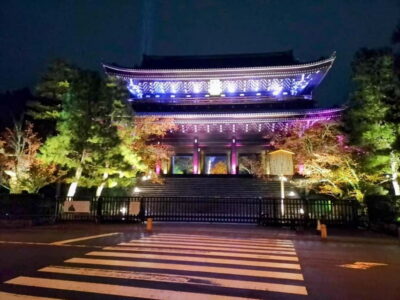
Kyoto Geisha Walking Tour: Gion District & Hidden Gems
Read our review →
Tokyo Tsukiji Fish Market Food and Culture Walking Tour
Read our review →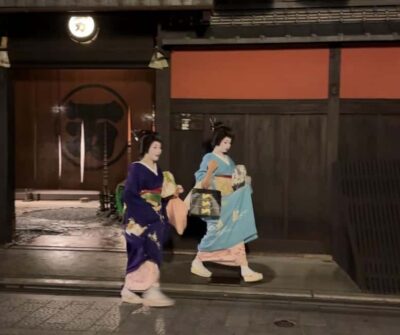
Gion Magical Night Walking Tour with Geisha Trivia
Read our review →
Imperial Palace and Shogun Historical Walking Tour
Read our review →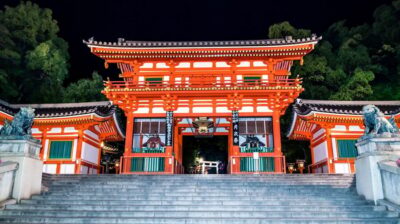
Gion Geisha District Walking Tour – Stories of Geisha
Read our review →
Shinjuku Local Bar and Izakaya Guided Walking Tour
Read our review →
Browse the lists this tour appears in