
Reviewed · TICKETS
Osaka: teamLab Botanical Garden Entry Ticket
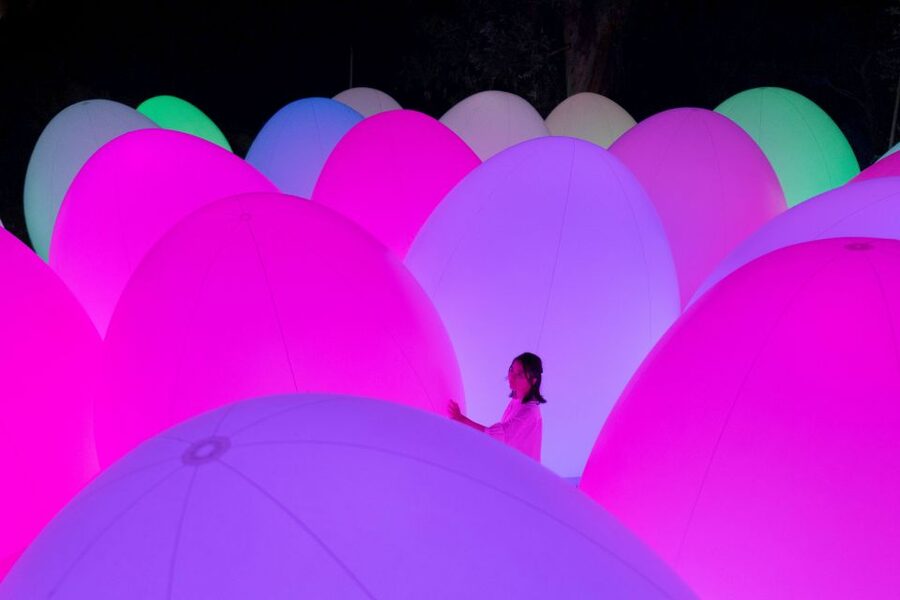
The most interesting thing about this Osaka ticket is how a living botanical garden turns into a nighttime art space. I love the Nagai Botanical Garden for its slow, green calm, and I love the interactive light installations that react as you walk through. It feels like the garden becomes a shared stage, not just something you look at.
One thing to keep in mind: this is an outdoor experience with rules that can limit comfort and spontaneity. There’s no food or re-entry, and you’ll want insect repellent and proper footwear since you’re moving around a lot in the dark.
Key Things I’d Focus On Before You Go
- 1,200 plant species, 240,000 square meters of garden space to explore before night art kicks in
- Day-to-night transformation that turns normal pathways into a light-and-sound walk
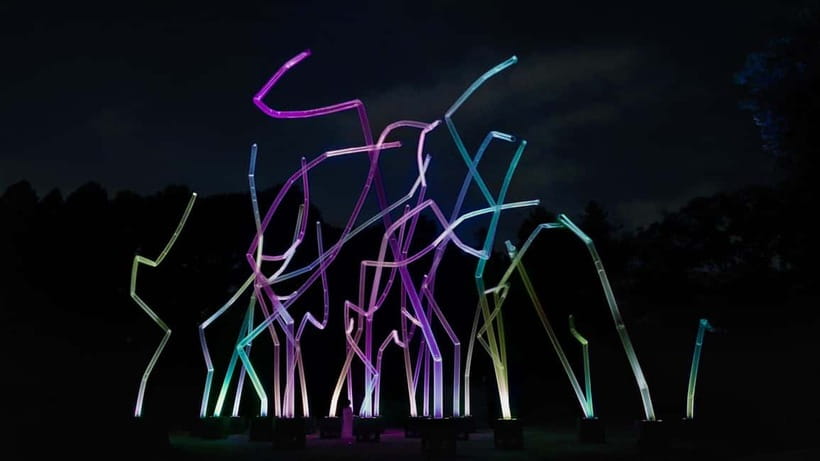
- Light displays designed to interact with nature and visitors so your movement changes the vibe
- Photo friendly, but flash and gear are not allowed so you’ll rely on timing and steadier phone shots
- Outdoor timing matters since the park fills quickly and darkness is part of the effect
Nagai Botanical Garden Goes Nighttime: What Your $11 Ticket Really Gives

This entry ticket bundles two experiences in one place on a single visit day. First, you roam the newly reopened Nagai Botanical Garden, which is run as a hybrid garden and art space by teamLab. Think daytime nature and nighttime digital art, tied together by the same paths and plant world.
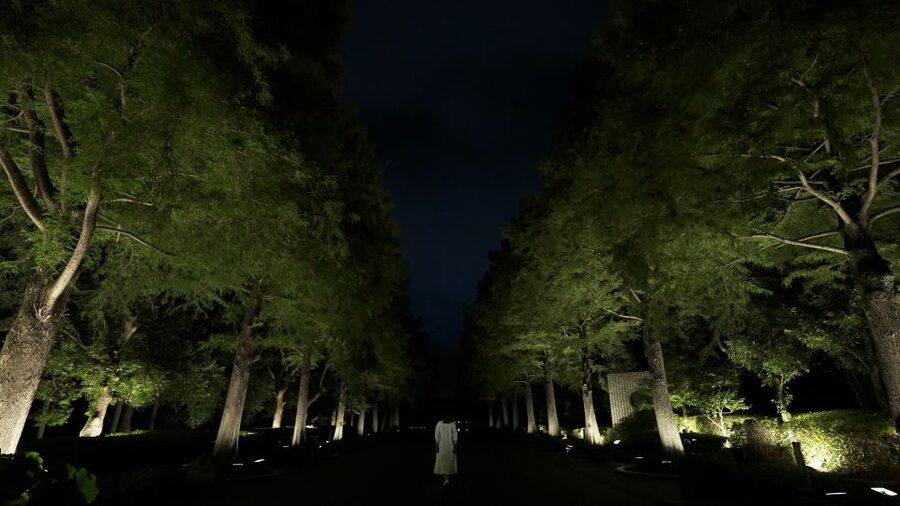
The garden itself is large, about 240,000 square meters, and it’s home to roughly 1,200 species of plants. There’s also a central pond area where you can pause and reset your brain before the lights start doing their thing. That mix matters, because the night portion lands better when you’ve already seen the calm, real garden by daylight.
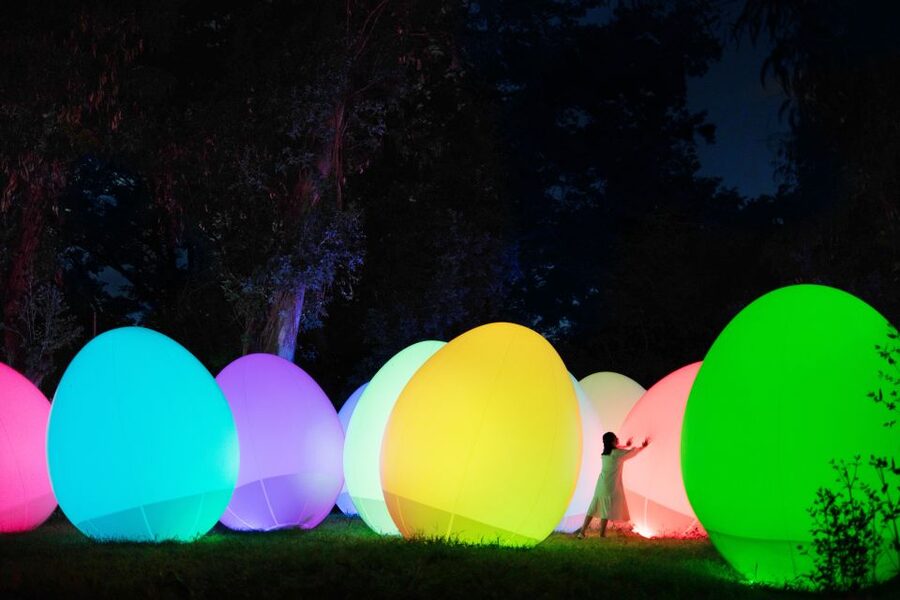
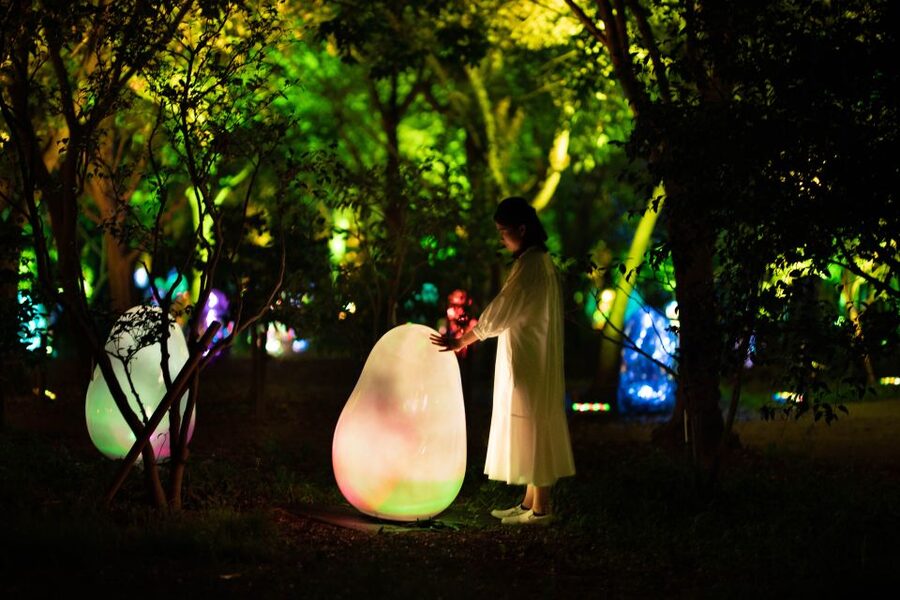
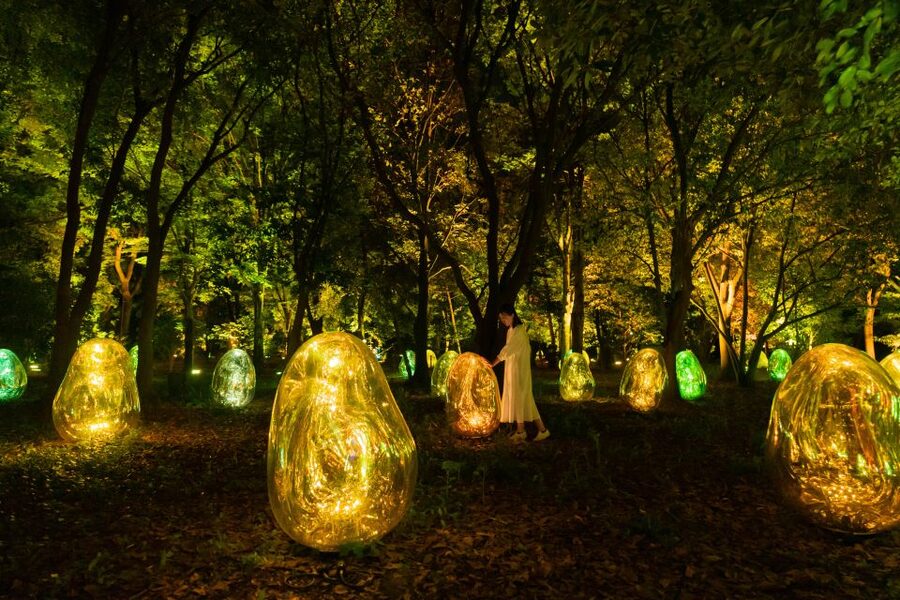
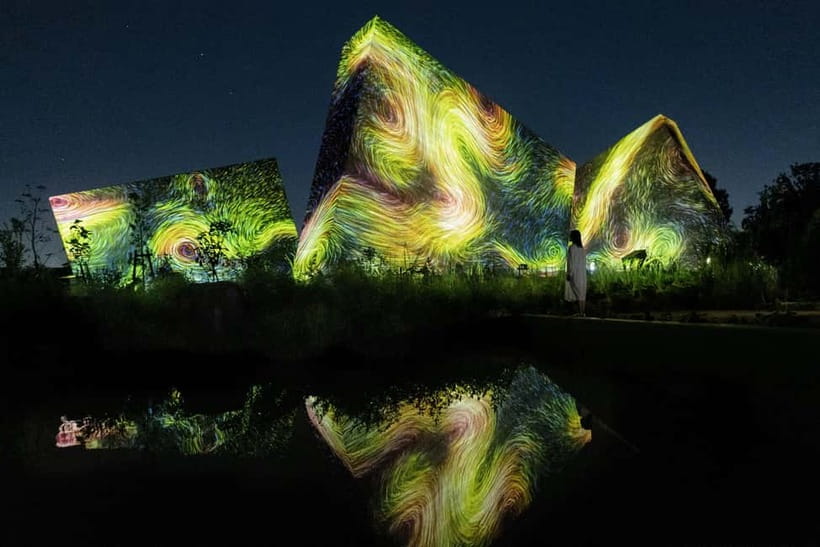
At night, teamLab uses non-material digital tech, mainly light displays, as a way to turn nature into art without harming it. You walk into installations where the light responds to the surrounding environment and to visitors. The result is not just a show you watch. You become part of what happens.
Also on the shortlist for Osaka:
- Osaka Go Karting Tour with Funny Costume
★ 5.0 · 2,658 reviews - Osaka Castle: Museum and Tower Entry Ticket
★ 4.5 · 2,380 reviews - Osaka: Shinsekai Food Tour with 13-15 Dishes at 5 Eateries
★ 4.8 · 2,204 reviews
Daytime Walk: Getting Your Bearings in a Real Botanical Garden
Your first task is simple: slow down. This place works best when you treat it like a garden first, art second. I like starting earlier in the day because you get the full benefit of the plant variety before the grounds darken.
You’ll get plenty of room to wander thanks to the sheer size and plant density. The garden is built for strolling, not sprinting, and you’ll likely end up circling through different areas rather than bouncing between a few highlights. If you’re the kind of person who hates crowds, the big grounds help you spread out.
One practical tip from the experience style here: expect uneven bits underfoot. Some visitors have pointed out things like protruding tree roots and unlit borders around flower beds. In daylight, you’ll spot more. In the dark, you’ll want to watch your step, even if the lights are pretty.
Also, there are no restaurants or cafes on site, so the daytime portion can’t be your full-day hangout with food stops. Plan to eat elsewhere before you go, and keep water in mind when you’re deciding when to start your walk.
Light and Sound Art That Changes as You Move
Night is where the ticket earns its keep. teamLab’s concept here is that light can create art in a way that leaves nature intact. Instead of huge physical sculptures, you’re walking through changing light patterns that interact with the garden’s textures, shapes, and living backdrop.
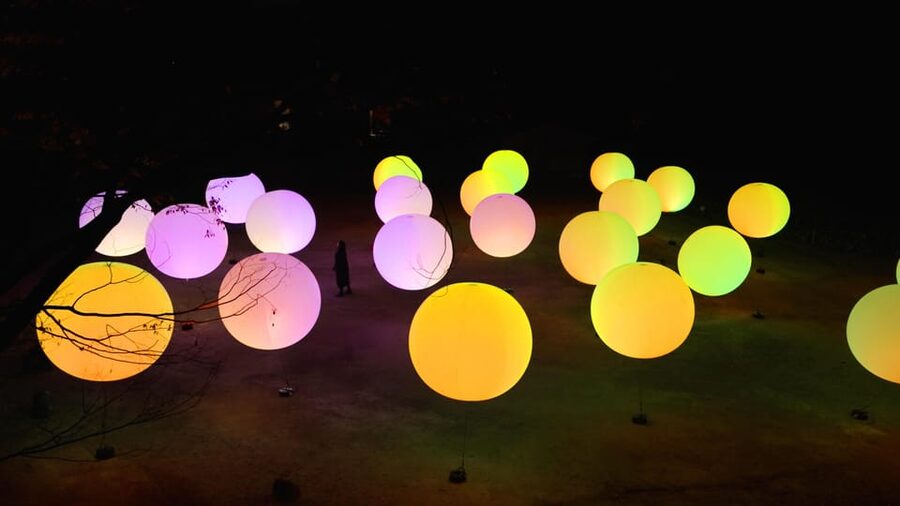
What makes it feel special is the interaction layer. The installations are designed to respond to animals and visitors as part of the artwork. That means your motion is not just incidental. It helps shape what you experience as you pass through each section.
Sound and music also show up as part of the nighttime feel. Many visitors describe it as magical and relaxing, especially once you’ve left the daytime paths and moved deeper into the light spaces. If you’re hoping for a walk-through that feels calm rather than hectic, this is the kind that supports that.
One thing I’d manage expectations on: the early installations can feel a little slow at first. Several people describe it as starting with simple effects, like bubbles or basic light forms, and then revealing more as you move forward. So if you don’t feel blown away in the first stretch, keep going. The experience builds.
Timing the Night Right: Go Early, Then Stay Until You See the Dark
This ticket is valid for one day, and entry is based on starting times you choose at booking. You’ll also be denied entry if you arrive after the final entry time, so don’t treat the start time like a suggestion.
Timing is not just a scheduling detail here. It’s part of the art. Many visitors recommend aiming for the window where it’s dark enough for the light effects to really pop, with around 6 pm often being a sweet spot. If you go too early, you’ll still enjoy the garden, but the light portion won’t hit the same.
Crowds matter too. The park can fill quickly, so going earlier helps you move through more comfortably and take your time. Some people also note that entry feels less chaotic because of how entrances are managed, which helps if you hate bottlenecks.
A key rule that affects your plan: re-entry is not allowed. Once you’re in, you’re in. That’s not a problem, but it means you should plan your dinner and any restroom breaks carefully so you don’t want to leave partway through.
A change of pace from Osaka:
- Osaka Food Tour: 13 Dishes at 5 Local Eateries
★ 5.0 · 2,149 reviews - Hungry Osaka Street Food Tour:15 Tastings & 3 Drinks with a Local
★ 5.0 · 1,727 reviews - Osaka: Tea Ceremony Experience
★ 4.9 · 1,426 reviews - Osaka Kickstart: Hotspots & Hidden Gems Tour
★ 5.0 · 1,306 reviews
Getting There and Leaving Osaka Without Stress
This garden sits on Honshu in Osaka, and most visits involve public transit plus a walk. One visitor described it as about a 15-minute walk from the nearest station, and others mention the walk from the subway isn’t too long, but it is a real stroll. Wear shoes you’d happily use for a long night walk, because the ground is part of the journey.
Leaving can be the trickier part. One review specifically warned about taxi availability after the event, saying it can be hard to find one nearby and that it may take some walking to get back to transit options. My advice is to plan your return route before you start the light section, and give yourself extra time at the end.
Also, the experience is outdoors, so check the weather before you go. If rain or strong humidity is in the forecast, decide whether you want to deal with slick paths and less comfortable footing.
What to Pack: Shoes, Bug Spray, and Clothing That Works After Dark
This ticket comes with a clear packing reality: you’re walking, often in the dark. Bring comfortable shoes first. Then bring layers that won’t make you miserable when the temperature shifts.
A few items are strongly suggested:
- Long-sleeved shirt
- Long pants
- Insect repellent
Why long sleeves and long pants? You’re in a botanical garden setting where insects can be part of the deal, especially later when it’s darker. Comfortable, breathable fabric helps you focus on the art instead of itchy distractions.
Photography is allowed, but only within limits. You can take photos, but flash photography is prohibited, and you also can’t use drones, tripods, selfie sticks, or a flashlight. That’s a big one for people who rely on phone light to see their way.
If you’re used to doing nighttime photo setups with a tripod, switch gears. This is more about walking, observing, and capturing what you can without extra equipment.
Rules That Shape Your Visit: No Food, No Smoking, No Big Bags
If you want the smoothest experience, read these rules before you leave your hotel. The venue does not allow:
- Food
- Smoking
- Pets
- Luggage or large bags
- Drones
- Selfie sticks
- Flash photography
- Tripods
- Alcohol and drugs
- Flashlight
Two rules in particular affect your day planning. First, there are no restaurants or cafes on site, so you can’t snack your way through the garden. Second, re-entry is not allowed, so once you’re in, you’re committed to finishing the walk in one go.
The luggage rule is also practical. If you’re traveling with a big suitcase, you’ll need to store it before arriving. Keep what you bring light, and avoid anything that looks like “equipment” since tripods and similar gear are not allowed.
Who This Experience Fits Best (And Who Should Rethink It)
This works really well if you want a mix of nature and tech, and if you enjoy walking at your own pace. It’s also a good first-night activity in Osaka because it helps reset you after a day of busy streets.
It can be less satisfying if you only want a quick photo stop. This is the kind of attraction that rewards time. Several people explicitly say they found it relaxing, and others recommend not rushing. If your plan is to sprint through and leave in 30 minutes, you might feel underwhelmed.
If you’ve done other teamLab sites in Japan and you’re comparing scale, adjust expectations. One review mentioned that it doesn’t feel like the largest teamLab experience, but it still delivers a decent, enjoyable evening walk. At this garden scale, you’re getting close to the plants and the paths rather than only chasing massive showpieces.
For kids, the rules are strict but straightforward. Children must be accompanied by an adult who is 18+, and there must be one accompanying adult for every three children. That adult ratio matters for entry, so don’t assume a loose plan will work.
For accessibility, wheelchair users and children in strollers may enter, but some artworks may not be accessible. If you have mobility concerns, you’ll want to contact the venue by phone to confirm which parts work best for your needs.
Small Details That Make It Better: Pace, Respect, and Staff Help
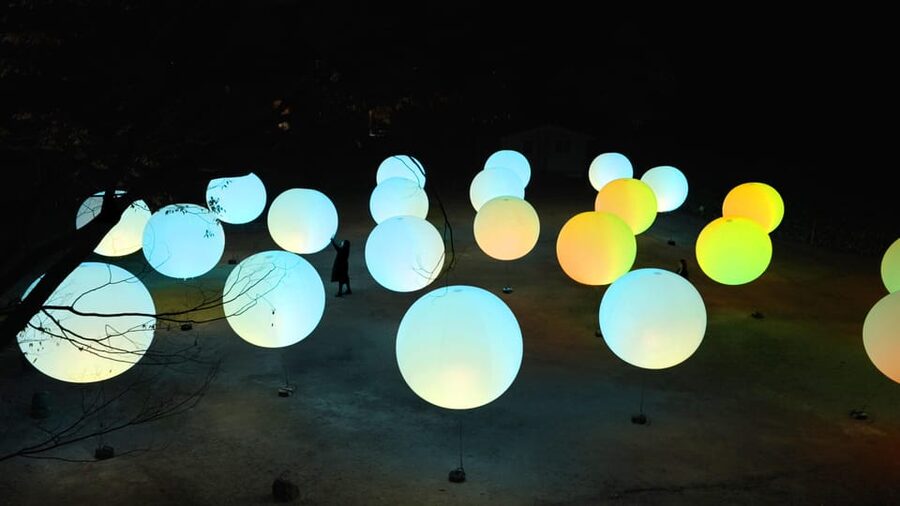
This is a garden where the lights don’t replace nature, they highlight it. So the best “strategy” is attitude. Walk slower than you think you need to. Look at the garden during the day walk, then notice how the same plant shapes become part of the light patterns at night.
There’s also a social side. Some people describe the experience as having fun, interactive moments, including light effects that create playful space around visitors. If you’re going with family, it’s the kind of setting where kids often stop being bored and start moving with the art.
And yes, there’s a human touch here. One visitor specifically thanked a guide named Tomoko Matsukiyo. I can’t promise you’ll have a guide on your visit, but it’s a good sign that the staff may be willing to help you navigate the experience in a way that makes it smoother.
Should You Book the Osaka teamLab Botanical Garden Entry Ticket?
Book it if you want value that isn’t just about photos. For $11, you’re getting a real botanical garden walk plus a nighttime light-and-sound art experience in one day, with plenty of room to move around in a large park.
Don’t book it if you need on-site food, if you dislike outdoor evening events, or if you depend on tripods, flash, selfie sticks, or extra lighting for photography. The rules are clear, and they do change what feels convenient.
My final take: if you’re in Osaka and you’re deciding on a night plan, this is one of the easiest “yes” picks. It’s calm, scenic, and genuinely interactive, especially once you reach the sections where the light and music tie into the garden around you.
FAQ
How long is the teamLab Botanical Garden Osaka ticket valid?
The ticket is valid for 1 day.
What is the price of the Osaka teamLab Botanical Garden entry ticket?
The price listed is $11 per person.
Is the ticket refundable?
No. This activity is non-refundable.
Are photos allowed inside the venue?
Yes, you can take photos, but flash photography is prohibited.
Are there restaurants or cafes on site?
No. There are no restaurants or cafes on site.
Can I bring food into the venue?
No. Food is not allowed.
Are there any major rules about what I should bring or avoid?
You should bring comfortable shoes, long sleeves, insect repellent, and long pants. You cannot bring large bags, pets, drones, selfie sticks, tripods, or a flashlight, and you also cannot smoke.
Latest write-ups near Osaka
- PRIVATE 6hr, Food tour from Osaka Castle, Kuromon, Dotonbori.★ 5.0 · 68 reviews
- 90 min Shared Handmade Udon Experience★ 5.0 · 70 reviews
- Ramen and Gyoza Cooking Class in Osaka Dotonbori★ 5.0 · 73 reviews
- Osaka: Sushi Making in Spacious Studio (SAME-DAY OK!)★ 5.0 · 75 reviews
- Osaka E-Bike Tour With A Local Guide★ 4.7 · 75 reviews
- 1.5〜2 Hours Traditional Kintsugi Work Shop in Namba Osaka★ 5.0 · 75 reviews
- Retro Osaka Street Food Tour: Shinsekai★ 4.5 · 77 reviews
- Osaka: Osaka Castle Guided Tour with Local Guide★ 4.7 · 78 reviews
Tickets, compared.

teamLab Planets TOKYO Digital Art Museum Entry Ticket
Read our review →


Japanese Dance Cabaret Theater Asakusa-Kaguwa Ticket
Read our review →

Kamakura & Enoshima Day Trip including Temple Tickets
Read our review →Browse the lists this tour appears in