
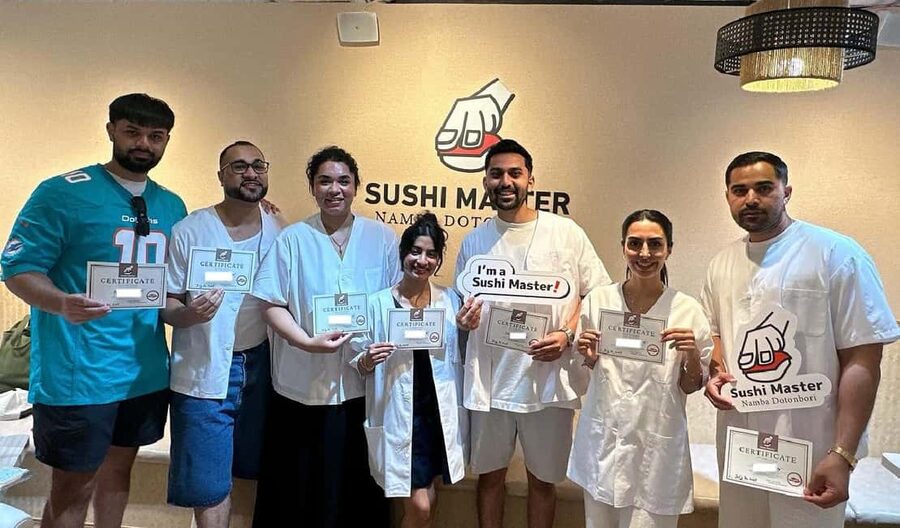
Reviewed · SUSHI MAKING CLASSES
Osaka: Sushi Making in Spacious Studio (SAME-DAY OK!)
This sushi class in Namba is interesting because you learn the steps, then you eat what you make, right there in a calm, roomy studio. I love the hands-on format and the fact you leave with a Sushi Master Certificate plus a small souvenir. One thing to consider is logistics: the Google map can be a little off, and you’ll need to find the 2nd floor of an orange narrow building.
I also like that instruction is available in English, with friendly, patient teachers such as Seina, Tsuki, Naho, Matsuri, and Aki. Still, plan to follow the rules, like no smoking and no outside food or drinks, so the class stays smooth for everyone.
Key things to notice before you go
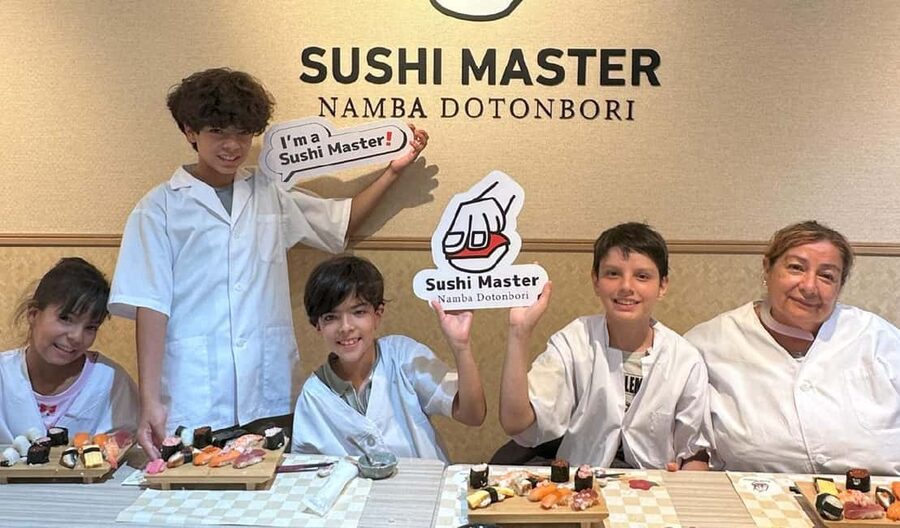
- Namba location with easy station access, about 3 minutes from Namba Station
- English-led teaching, led by instructors praised for clear, patient guidance
- You’ll make and eat sushi on the spot, not just watch and snack later
- Certificate and souvenir included, so it feels like a real accomplishment
- Vegetarian adjustments are possible, with fish toppings replaced by vegetable-based ingredients if you message ahead
Sushi Master Namba, Osaka: what makes this class worth your time
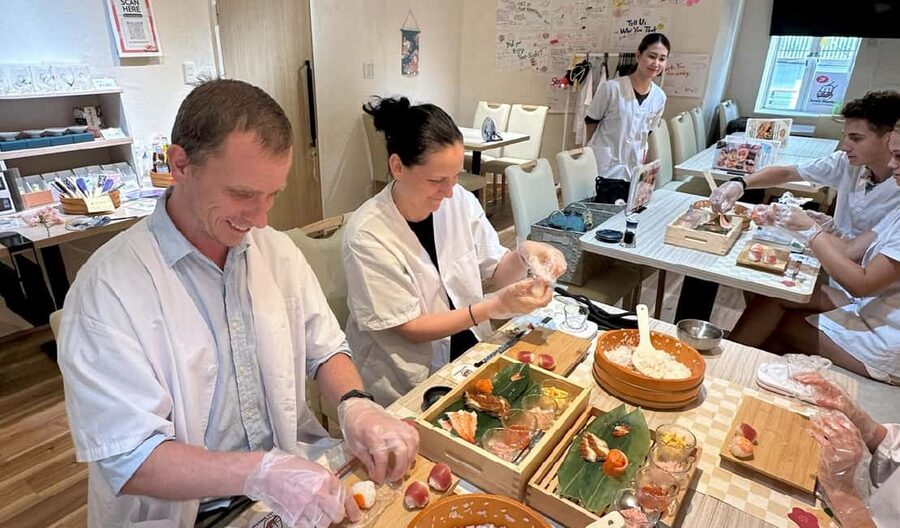
If you want an Osaka experience that’s fun and practical, sushi making is hard to beat. This one is set up so you don’t spend 90 minutes stuck at the sidelines. You’re actively building pieces, asking questions, and then tasting your results immediately. That hands-on rhythm is why it feels more like learning a skill than attending a performance.
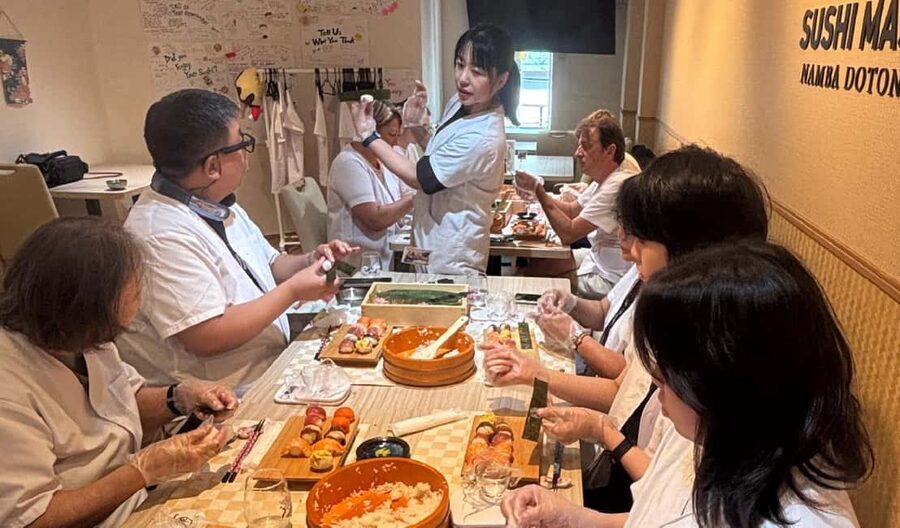
The setting helps too. The classroom is described as spacious, which matters more than it sounds. When you’re working with sticky rice and small tools, you want elbow room and a steady workflow. You also get a warm welcome and a quick intro to Japanese food culture in English, so first-timers can keep up without feeling lost.
I also appreciate the balance here: it is serious about technique, but the tone is friendly. Instructors get praised for patience and clear explanations, including teachers like Seina and Naho. You can tell they’re used to guiding different learning speeds, which is a big deal if you’re traveling solo, with family, or just rusty in the kitchen.
More Sushi Making Classes in Osaka
- Sushi Making Osaka Roll and Authentic Japanese Sushi Class
★ 5.0 · 1,220 reviews - Osaka Sushi Making Experience
★ 5.0 · 400 reviews - Osaka Sushi Making Class – Hands-On Nigiri & Rolls (Same-Day OK)
★ 5.0 · 352 reviews
Price and value: why $25 feels fair for what you get
At $25 per person, this class can be a smart value because the main costs are already inside the ticket. You’re paying for instruction, sushi ingredients, and the sushi meal that comes from your work. You’re also getting a certificate and a small Japanese souvenir at the end.
A lot of food experiences sell you the vibe and the location. This one sells you the process, and the process is where the value lives. The key is that you’re not just eating sushi. You’re learning sushi rice handling and building techniques so you can recreate something similar at home.
The class also offers 2 course options: the Premium course makes 10 pieces, and the Standard course makes 8 pieces. If you’re hungry and want a fuller outcome, the Premium option makes sense. If you just want a solid intro, Standard is still plenty for a satisfying meal plus the skill-building.
Drinks are not included. You can order soft drinks and alcohol during the class. That is a plus for people who don’t drink, and it keeps the base price reasonable. If you do want alcohol, you can choose what fits your taste and budget.
Getting to the meeting point near Namba Station
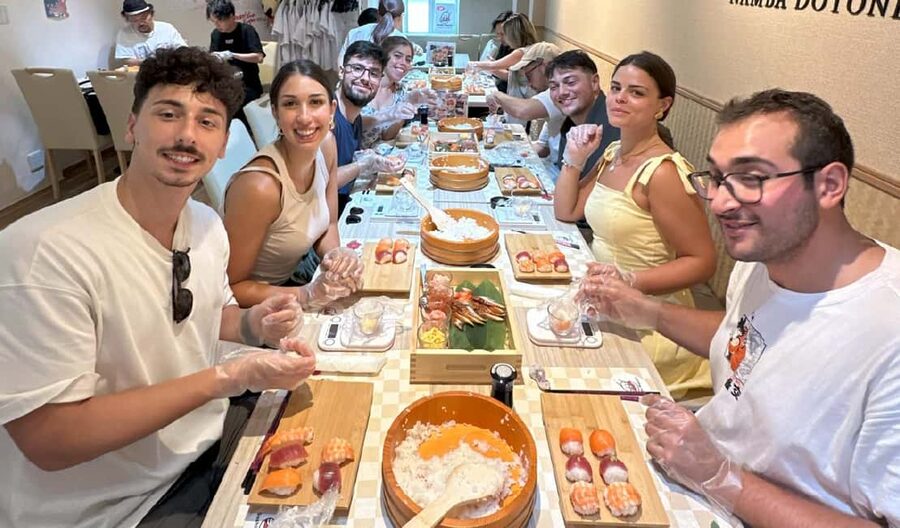
This is one of those experiences where a little prep saves time. The meeting point is Sushi Master Namba, which you find by searching that name in Google Maps. The map may be slightly misaligned, so don’t panic if the pin looks off.
Look for a narrow orange building, and go to the 2nd floor. When you arrive, it’s worth taking one minute to confirm you’re at the right building before you walk up, especially if you’re traveling at night or in wet weather.
If you get stuck, there’s a phone number listed, 0664848070, for help. Have it saved in your phone before you go. That small step turns a possible stress point into a non-issue.
Also note what’s not provided: there’s no hotel pick up or drop off. You’re doing this one by yourself, using local transit. The good news is the location is close to Namba Station, about a 3-minute walk, so you’re not fighting long transfers.
Inside the spacious studio: how the class actually runs
The experience starts with a welcome and an intro to Japanese food culture in English. This is practical, not fluffy. You get enough context to understand what you’re making and why the details matter, like rice texture and topping balance.
Then you jump into the core of the class. Most people do not start from a totally blank slate. In at least some sessions, instructors have already prepared key components such as the sushi rice base and fish or other toppings, plus items like egg and seaweed. That means your focus is on learning the steps that most beginners can actually mess up: cooling and seasoning the rice, handling it correctly, and assembling pieces cleanly.
There’s also often a video to set things up. That helps you get the big picture first, then your hands learn what your eyes already understand. If you like to learn in layers, this approach works well.
The vibe in the room is described as organized and hands-on. Instructors are praised for taking photos too, so if you want a record of your sushi creations, you usually don’t have to awkwardly ask after the fact.
One more tip from the way the class is described: come hungry, but don’t overthink your skills beforehand. Even if you’ve never formed nigiri before, the workflow is designed to teach you quickly and guide you through.
A change of pace from Osaka:
- Osaka Go Karting Tour with Funny Costume
★ 5.0 · 2,658 reviews - Osaka Castle: Museum and Tower Entry Ticket
★ 4.5 · 2,380 reviews - Osaka: Shinsekai Food Tour with 13-15 Dishes at 5 Eateries
★ 4.8 · 2,204 reviews - Osaka Food Tour: 13 Dishes at 5 Local Eateries
★ 5.0 · 2,149 reviews
Making sushi in 90 minutes: rice basics and assembly
The heart of the class is sushi rice and assembly. If you’ve ever had sushi rice that was too dry, too mushy, or bland, you know why this matters. Expect instruction on handling the rice so it stays cohesive and sticky in the right way.
From the course description, you’ll be taught how to make sushi with expert guidance in English. From the typical outcomes described by participants, you can expect to make pieces such as nigiri and gunkan. One guest specifically mentioned temari sushi, so depending on what your group does that day, you might see a variation.
Here’s what I’d watch for while you’re working:
- Rice temperature and texture are everything. If it’s too hot or too cool, the rice can behave differently in your hands.
- Clean assembly matters. You’re aiming for pieces that look neat because they’re built to be eaten, not displayed only.
- Portion sense is part of the lesson. You’ll be guided on how much filling and topping to use so the final bite has balance.
A big reason this class gets strong praise is that instructors are patient and explain step by step. Teachers named Seina, Tsuki, Naho, Matsuri, and Aki are repeatedly described as kind, helpful, and fun, with excellent English. That combination matters. Sushi is fiddly, and you want someone who can slow down without making you feel slow.
Vegetarian needs: how this class handles special diets
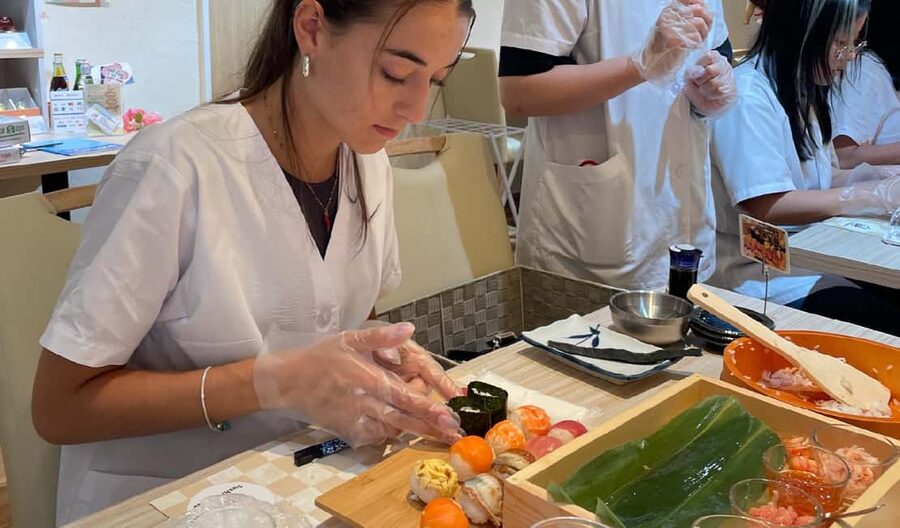
If you have vegetarian needs, this is one area where the communication is built in. The experience says that if your group includes vegetarians, you should message in advance, and the fish toppings can be replaced with vegetable-based ingredients.
That’s important because it means the class can adapt without you feeling like you’re sitting out a key part. You still learn assembly skills and you still get sushi to eat at the end, just with toppings that fit your diet.
If you have allergies, also let the organizers know in advance. The class asks you to tell them about allergies ahead of time, so they can plan ingredients accordingly.
If you’re traveling with mixed diets, message early so everyone gets the right setup and you don’t end up negotiating details on the day.
Eating what you make: the on-the-spot meal experience
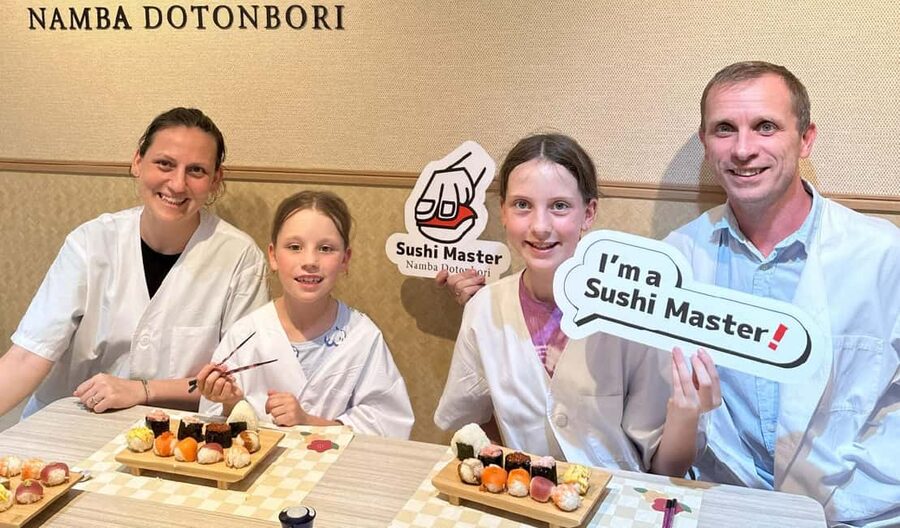
The payoff is straightforward: you eat your own sushi right there. That’s not a minor detail. There’s something satisfying about tasting what you built, in real time, while the technique is still fresh in your brain. It also helps you understand what worked and what you’d adjust next time.
The experience also mentions sake pairing, describing it as carefully selected. Since drinks are listed as not included, I’d treat this as part of the class flow rather than a guarantee of a free pour for everyone. If you want a specific drink, you can order soft drinks and alcohol during the session.
Either way, the on-the-spot meal is the moment the class becomes a memory. You’ll see the difference between sushi that’s made with care and sushi that’s assembled in a rush. Even if your first pieces aren’t perfect, they tend to be delicious, and the portion size is described as decent enough to feel like a real meal.
Certificate and souvenir: the small keepsakes that make it feel complete
At the end, you receive a Sushi Master Certificate plus a cute Japanese souvenir. This matters more than it sounds. Certificates turn a one-time activity into something you can show friends and keep for later, and they make the class feel like an achievement rather than a quick bite.
If you like collecting travel proof, this is a great option. It’s lightweight, easy to pack, and tied to something real you learned with your hands.
Instructors also seem to make the closing moment thoughtful, with gentle extras like small gifts described by participants. That kind of finish is what lifts the experience above “just another class.”
Who should book this sushi making class, and who should skip it
This class is a great fit if you want:
- A hands-on Osaka food experience you can do even if you’re a first-time cook
- English instruction in a guided, friendly setting
- A skill you can reuse later, especially sushi rice handling and assembly
- A fun plan that works for solo travelers, couples, and families
It may be less ideal if you:
- Don’t want to follow classroom rules like no smoking and no outside food or drinks
- Have very specific ingredient needs and haven’t messaged ahead (allergies should be shared in advance)
- Prefer long, slow cultural tours where you mostly observe rather than make
Because it’s 90 minutes, it’s also perfect if your schedule is tight. You get a full experience without losing half a day to transit.
Practical FAQ-style notes before you commit
No smoking is allowed during the activity. You also shouldn’t bring outside food or drinks into the class. If you have allergies, tell them in advance, so ingredients and substitutions can be handled correctly.
If you want vegetarian toppings, message ahead so fish toppings can be swapped with vegetable-based ingredients.
For planning flexibility, there’s free cancellation up to 24 hours in advance for a full refund and a reserve now, pay later option.
Should you book Sushi Master Namba in Osaka?
If you’re choosing between sushi as a meal and sushi as a skill, I’d lean toward this class. For the $25 price, you get structured teaching in English, ingredients, and the sushi meal you make, plus a certificate and souvenir. It’s one of those few food experiences where the value is obvious while you’re doing it, not just after you’ve left.
Book it if you want a short, satisfying Osaka plan near Namba Station, and you’ll enjoy learning something you can repeat at home. Skip it only if you truly hate hands-on cooking tasks or you don’t want to follow simple classroom rules.
If you’re traveling with a vegetarian in your group, send that message early. Get that one detail right, and the class can stay fun for everyone.
FAQ
How long is the sushi making experience in Osaka?
The class lasts 90 minutes.
How much does it cost?
The price is $25 per person.
Where do I meet for the class?
Search Sushi Master Namba in Google Maps. You’ll be on the 2nd floor of an orange narrow building, and the map pin may be slightly misaligned.
Is the class taught in English?
Yes. The instruction is available in English (and also Japanese).
Are drinks included in the price?
No. Drinks are not included. You can order soft drinks and alcohol during the class.
Can the class accommodate vegetarians?
Yes, if you include vegetarians, you should message in advance. The fish toppings can be replaced with vegetable-based ingredients.
Is hotel pickup or drop-off offered?
No. Hotel pickup and drop off service is not included.
Latest write-ups near Osaka
- 90 min Shared Handmade Udon Experience★ 5.0 · 70 reviews
- Ramen and Gyoza Cooking Class in Osaka Dotonbori★ 5.0 · 73 reviews
- Osaka E-Bike Tour With A Local Guide★ 4.7 · 75 reviews
- 1.5〜2 Hours Traditional Kintsugi Work Shop in Namba Osaka★ 5.0 · 75 reviews
- Retro Osaka Street Food Tour: Shinsekai★ 4.5 · 77 reviews
- Osaka: Osaka Castle Guided Tour with Local Guide★ 4.7 · 78 reviews
- Osaka Okonomiyaki Cooking Experience!★ 5.0 · 79 reviews
- Kamigata Ukiyoe Museum:Ukiyo-e Woodblock Printing Experience★ 4.9 · 79 reviews
Sushi Making Classes, compared.
Sushi Making Tokyo Roll and Authentic Japanese Sushi Class
Read our review →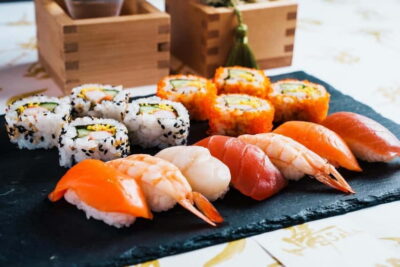
Roll and Authentic Sushi Making Class in Asakusa
Read our review →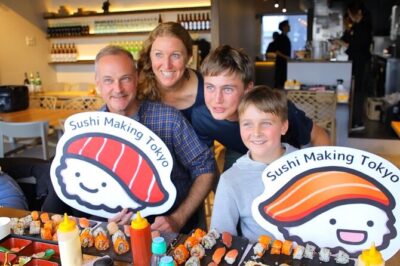
Make Sushi and Create Unforgettable Memories in Tokyo
Read our review →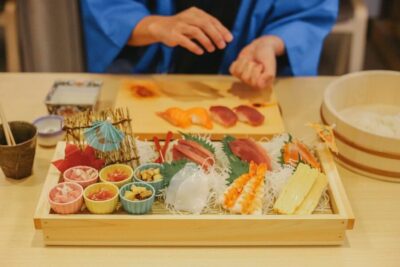
Sushi Making Class in a Happi Coat near a Famous Spot
Read our review →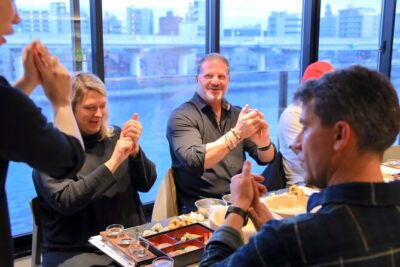
Sushi Making Osaka Roll and Authentic Japanese Sushi Class
Read our review →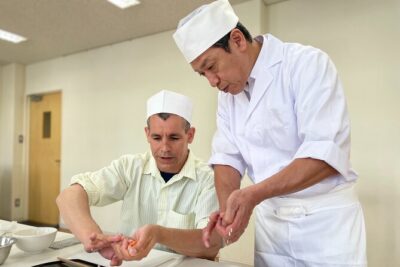
Tokyo Sushi Making Class in Tsukiji with Professional Chef
Read our review →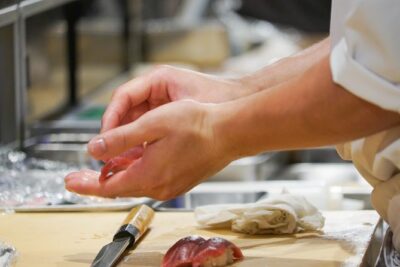
Tokyo Night Foodie Tour in Shinjuku – Seasonal Sushi, Wagyu Beef
Read our review →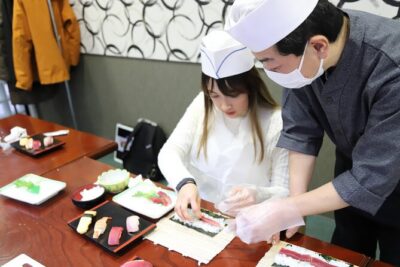
Tsukiji Fish Market Guided Tour and Sushi Making with Pro Chef
Read our review →Browse the lists this tour appears in