Reviewed · SAKE TASTINGS
Tokyo: Sushi and Ramen Cooking Class with Sake Pairing Set
This Tokyo class is interesting because you learn sushi and ramen in one hands-on afternoon, not as separate, disconnected activities. I love the very practical teaching, including the calm, patient way instructors like Sato and Haruko guide your hands step by step, and I also love that you get a structured meal with cultural context, not just a cooking demo. One consideration: it is not set up for vegans or vegetarians, since the menu centers on seafood and pork chashu.
The atmosphere is part of the point. Expect a small group (often around four, capped at 8), a cozy studio space in Tsukishima, and enough time to actually cook, eat, and ask questions without feeling rushed.
Key Points You Will Care About
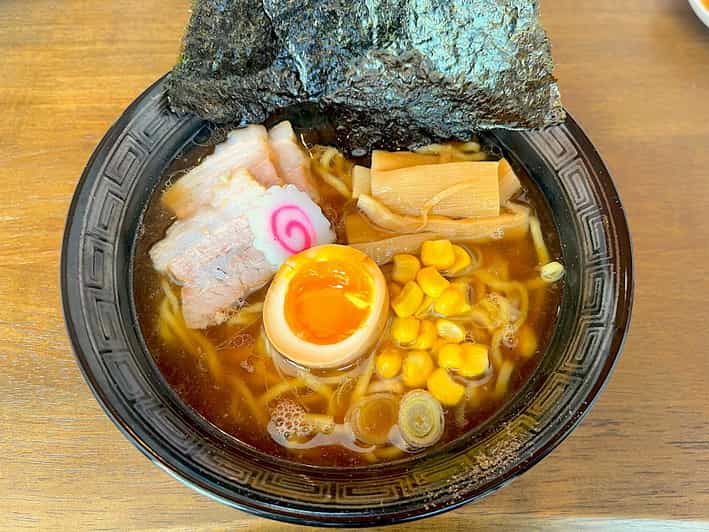
- One class, two skills: nigiri sushi technique and ramen broth plus chashu
- Small group coaching: limited to about 8 participants for real hands-on help
- Three-sake pairing: guided tastings selected by a certified sommelier
- Take-home tools: recipe booklet with instructions for ramen, gyoza, and sushi, plus souvenir chopsticks
- English-speaking instructors: you can follow along even if your Japanese is zero
Why This Tokyo Class Works for Real Travelers
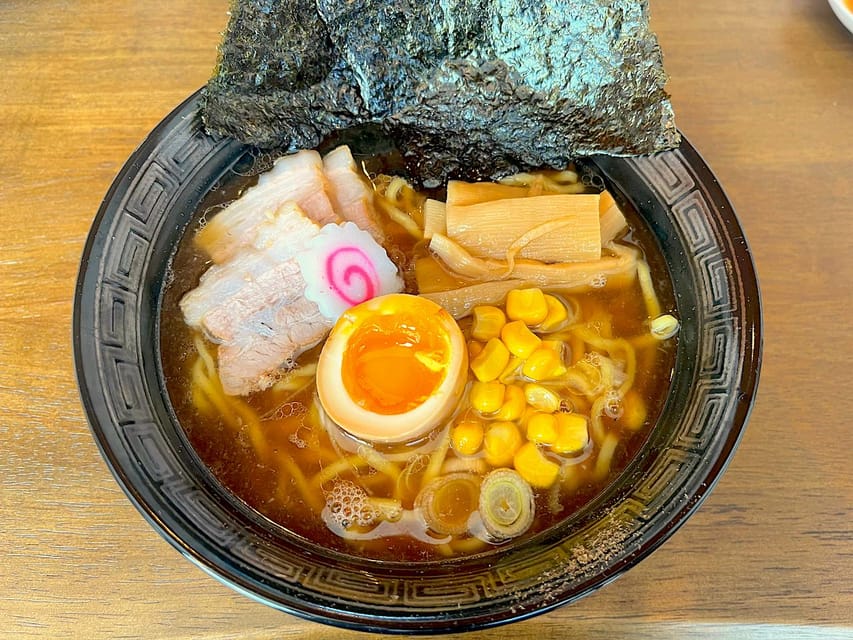
If you only have a short trip, it helps when one activity teaches you more than one thing. This is set up so you leave with practical skills for both ramen and nigiri, which means you can recreate a full Japanese “meal moment” at home instead of just remembering what you ate.
I also like that the teaching is built around technique you can repeat. You are not only tasting and nodding along, you are shaping rice, building flavor into broth, and learning what matters so you can adjust later.
The final meal is not an afterthought. You cook, then you eat what you made, and you get a focused sake pairing to tie the flavors together.
More Cooking Classes in Tokyo
- Ramen & Gyoza Cooking Class in Tokyo with Local Supermarket Visit
★ 5.0 · 823 reviews - Tokyo: Easy Ramen Cooking Experience in Kabukicho, Shinjuku
★ 4.6 · 321 reviews - Ramen and Sushi Cooking Class with Sake Pairing Set in Tokyo
★ 5.0 · 291 reviews
Getting to HAUS Tsukishima Without Stress
You meet at 2nd Floor, HAUS Tsukishima, 2-13-5 Tsukuda, Chuo-ku, Tokyo 104-0051. It is a 5-minute walk from Tsukishima Station, Exit 4, which is helpful because you do not need a complicated itinerary to get there.
If you are using a taxi, the Tokyo address shown for drivers is:
東京都中央区佃2-13-5 HAUS Tsukishima 2階
This is not in the middle of the busiest tourist core, so I recommend planning to arrive a little early. The class asks you to get there about 5 minutes before start, and that matters because you will want time to settle in, wash up, and get your station ready.
One small practical note: wear comfortable clothes that you do not mind getting a bit dirty. Even with careful cooking, ramen and sushi prep can get messy fast.
The 3-Hour Flow, and What Happens Behind the Scenes
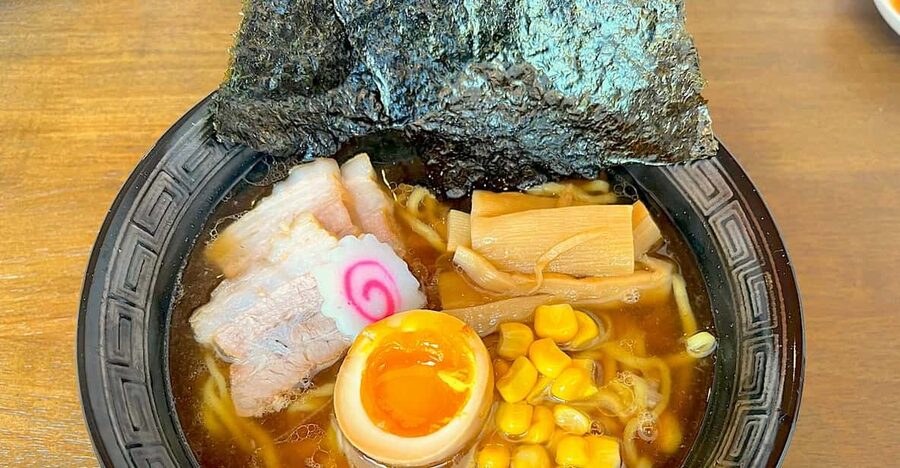
This class is designed to fit into a single 3-hour session. Some prep may be completed ahead of time so the timing stays smooth, but you still do the hands-on parts that matter for learning technique.
Think of the flow like this:
- You start with guidance and setup so you know what you are building.
- You move through ramen and chashu preparation.
- Then you shift to nigiri sushi, including hand-forming the pieces.
- Finally, you eat your results with sake pairing, plus you get take-home materials.
Because the group is small, instructors can slow down for you if you are stuck. That is a big deal when you are learning rice handling and broth flavor, which are both “feel it” skills.
Ramen From Scratch: Broth, Chashu, and the Flavor Logic
Ramen sounds simple until you try to recreate it. Here is the value: you learn how to create flavorful ramen soup from scratch, not just assemble toppings. That includes building broth depth and mastering melt-in-your-mouth chashu, a pork belly style that is a major part of classic ramen meals.
In practice, broth is where most home cooks feel lost. A good class makes the steps understandable. You get guidance on what to watch for while cooking, like how to get a rich broth base and what the chashu should look and feel like when it is ready.
You also get ingredient tips, including practical substitution ideas if you are cooking outside Japan. That is important because the hardest part of “making it at home” is not having the same cookware or the same store brands.
And because you are in the room for it, you can ask questions mid-process instead of waiting until you get home and realize something was off.
More Food & Drink in Tokyo
- Tokyo: Shinjuku Food Tour (13 Dishes at 4 Local Eateries)
★ 5.0 · 6,603 reviews - Tokyo Tsukiji Fish Market Food and Culture Walking Tour
★ 5.0 · 3,184 reviews - Tokyo: Shinjuku Food Tour (15 Dishes and 4 Eateries)
★ 4.9 · 2,033 reviews - Best of Shinjuku: Izakaya Food Tour (4 Stops, 14+ Tastings)
★ 5.0 · 1,863 reviews
Nigiri Sushi Technique: The Rice and the Press
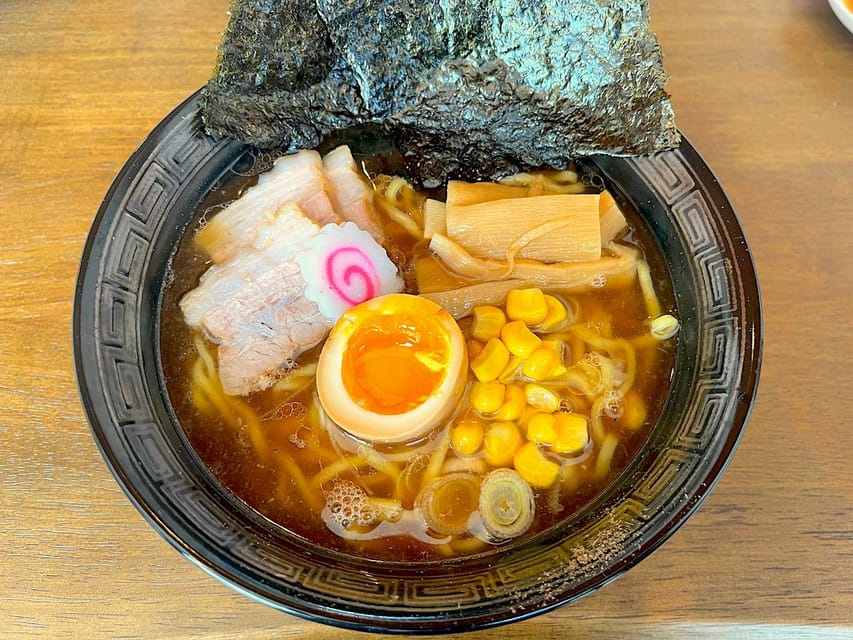
Making nigiri sushi at home is not hard in the way folding dough is hard, but it does require technique. In this class, you learn the origins of sushi and how nigiri fits into that story, then you practice making it with the ingredients and tools provided.
The key skill is the rice. Even if everything tastes good, the wrong rice texture ruins the balance. You will learn how to hand-form nigiri so it holds its shape and pairs correctly with the topping.
You are also taught to think like a sushi maker, not just a person assembling bites. That means paying attention to portion and the final press, so the nigiri feels cohesive rather than crumbly.
If you have never made sushi before, that matters. Multiple instructors in past sessions, including people like Risa and Alex, are described as patient and encouraging when you are learning the mechanics.
Sake Pairing That Actually Makes Sense
Food classes often stop at teaching one recipe. This one extends into tasting, and it is included in the experience.
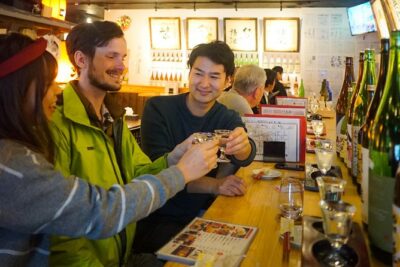
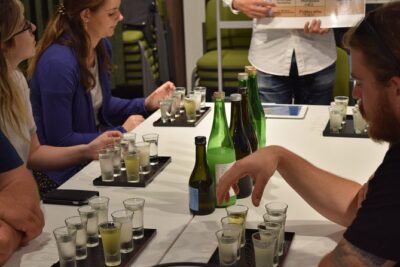
You enjoy three premium Japanese sakes selected for pairing, guided by a certified sake sommelier. The idea is not just to say you tried sake, it is to match it to what you cooked and help you notice how flavor changes as the sips and bites move together.
Some sessions include other drink options alongside sake, and you should expect a relaxed, social meal setting. That is part of the reason this works well as a “do something different” Tokyo afternoon.
If you like food, this is a smart way to expand your palate. If you do not normally drink sake, it is still worth it because the pairing guidance helps you understand what you are tasting.
Eating What You Made, and Getting the Cultural Notes

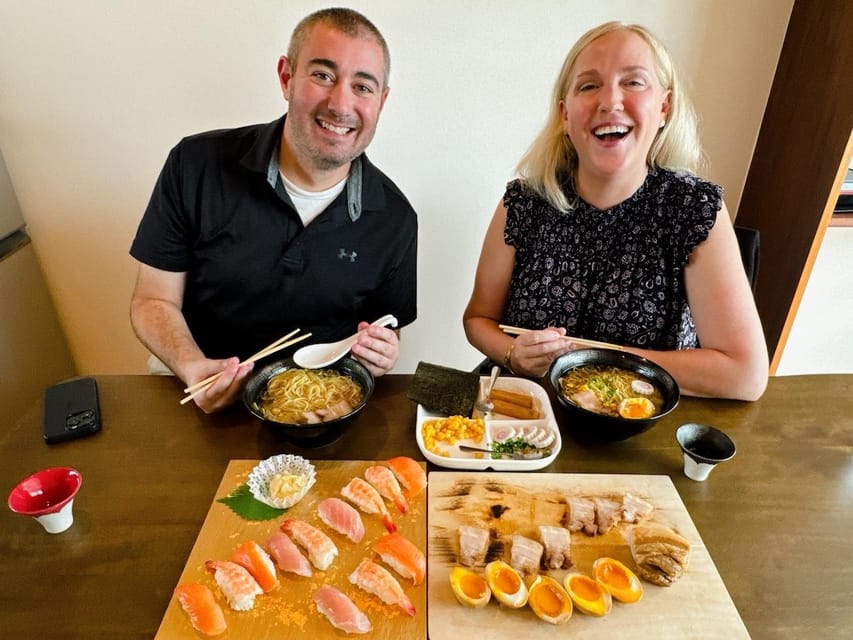
You end by eating the ramen and nigiri you created. That is more satisfying than it sounds, because you can connect technique to outcome immediately.
I also appreciate the cultural side that gets woven into cooking. You get insights into Japanese culinary traditions and practical ingredient tips, including how to approach substitutions overseas. You learn background too, like the origins of sushi and context around ramen, so the dishes stop being just menu items.
In some classes, instructors add interactive touches to keep people engaged. For example, there has been mention of a pop quiz that encourages everyone to work together and think about what they are learning, which is a fun way to make the class feel alive.
The Recipe Booklet, Chopsticks, and What You Actually Take Home
You get a professionally designed recipe booklet that you can use at home. The instructions cover ramen, gyoza, and sushi, so even if gyoza is not your focus while cooking, you still leave with a plan to expand.
This matters because many cooking classes end at the meal. Here, you get a guide you can follow when you are back in your kitchen and ready to test what you learned.
You also receive souvenir chopsticks, which sounds small, but it is a nice practical reminder. They are the kind of keepsake you can use, not just something you tuck into a drawer.
Price and Value: Is $129 Worth It?
At $129 per person for a 3-hour small group class, the value comes from what is included, not just the cooking.
You get:
- sushi making and ramen cooking instruction
- all necessary ingredients
- an English-speaking instructor
- a sake pairing with three premium sakes
- a recipe booklet
- souvenir chopsticks
- a small-group setup capped at 8
For Tokyo, that package is the point. You are paying for a guided, hands-on experience where you do the work, not just watch someone else cook. The sake pairing adds real value because it is guided, and it turns the meal into a structured tasting lesson.
If you are the type who likes to cook at home, you will likely feel the value right away. If you are only trying to eat a fun meal once and you never plan to cook again, it might feel like a lot.
Who This Class Fits Best (And Who Should Skip It)
This is a strong fit if:
- you want hands-on cooking, not passive watching
- you like sushi and ramen and want more than a restaurant visit
- you want small-group attention and a friendly English-speaking instructor
- you enjoy learning the “why” behind flavor and technique
It is not suitable for vegans or vegetarians, since the class centers on dishes that include meat and other non-vegetarian ingredients.
It also pairs well with a first-time Tokyo trip because it gives you a focused slice of food culture while still feeling like an actual activity.
Should You Book This Tokyo Sushi and Ramen Class?
I would book it if you want a practical Tokyo food skill session in a small group, with real technique and a sake pairing that adds context. The standout strength is the combination: ramen soup and chashu work on one side, nigiri technique on the other, then you eat what you made.
If you are trying to go fully plant-based, skip it. If you are short on time and want one activity that gives you two take-home skills plus a guided meal, this is a solid choice.
FAQ
How long is the Tokyo sushi and ramen cooking class?
The class runs for 3 hours.
What is the price per person?
The price is $129 per person.
How big is the group?
It is a small group limited to about 8 participants.
What languages are offered?
The class is taught in English.
What will I make in the class?
You will learn to make ramen (including soup and chashu) and nigiri sushi.
Is a sake tasting included?
Yes. You enjoy three premium Japanese sakes as part of the experience, guided by a certified sake sommelier.
Where is the meeting point?
The meeting point is 2nd Floor, HAUS Tsukishima, 2-13-5 Tsukuda, Chuo-ku, Tokyo 104-0051, a 5-minute walk from Tsukishima Station Exit 4.
Do I get hotel pickup or drop-off?
No, hotel pickup and drop-off are not included.
What should I wear?
Wear comfortable clothes that you do not mind getting a bit dirty.
Is it suitable for vegans or vegetarians?
No, it is not suitable for vegans or vegetarians.
Is there free cancellation?
Yes, free cancellation is available up to 24 hours in advance for a full refund.
More Sake Tastings in Tokyo
- Sake Tasting Masterclass in Shinjuku (8+ Varieties with a Pro)
★ 5.0 · 271 reviews - Sake Omakase in Tokyo: Guided Tasting by Certified Sommeliers
★ 5.0 · 239 reviews - Tasting All Types of Sake with Sommelier
★ 5.0 · 151 reviews - Wagyu & Sake Pairing in Shinjuku – Steak, Shabu-Shabu & More
★ 5.0 · 112 reviews
More Ramen Experiences in Tokyo
- Eat and Drink Like a Local: Tokyo Ueno Food Tour-Taverns&Ramen
★ 5.0 · 957 reviews - Tokyo: Ramen Tasting Tour with 6 Mini Bowls of Ramen
★ 4.9 · 432 reviews - Professional Ramen & Gyoza with Ramen Chef in a restaurant!
★ 5.0 · 223 reviews - Shibuya: Ramen Dojo Tokyo | Make All 3 (Tonkotsu/Shoyu/Miso)
★ 5.0 · 214 reviews
Latest write-ups near Tokyo
- Tokyo Customized Private Tour: See Top Attractions in 1 Day★ 4.8 · 67 reviews
- From Tokyo: Top 5 Scenic Spots of Mount Fuji Full-Day Tour★ 4.5 · 67 reviews
- Tokyo: Shinjuku Izakaya and Golden Gai Bar Hopping Tour (2h)★ 4.9 · 67 reviews
- Traditional Japanese Music ZAKURO SHOW in Tokyo★ 5.0 · 67 reviews
- Tsukiji: Unlimited Sake Tasting Experience★ 4.9 · 67 reviews
- Tokyo: Not a show- a professional sumo practice with experts★ 4.9 · 67 reviews
- Samurai Ninja Museum Asakusa: Kid-Friendly Ninja Training★ 4.7 · 67 reviews
- Private Harajuku Omotesando Architecture Walking Tour★ 5.0 · 67 reviews
Sake Tastings, compared.

Kyoto Night Foodie Tour in Gion (9+ dishes + 6 Sake tastings)
Read our review →
1-Day Snow Monkeys, Zenko-ji Temple & Sake in Nagano
Read our review →
3-Hour Kyoto Insider Sake Brewery Tour with Tastings & Pairings
Read our review →
Arashiyama Bamboo, Temple, Monkeys, or Secret Sake Brewery
Read our review →

Insider Sake Brewery Tour with Sake and Food Pairing
Read our review →