
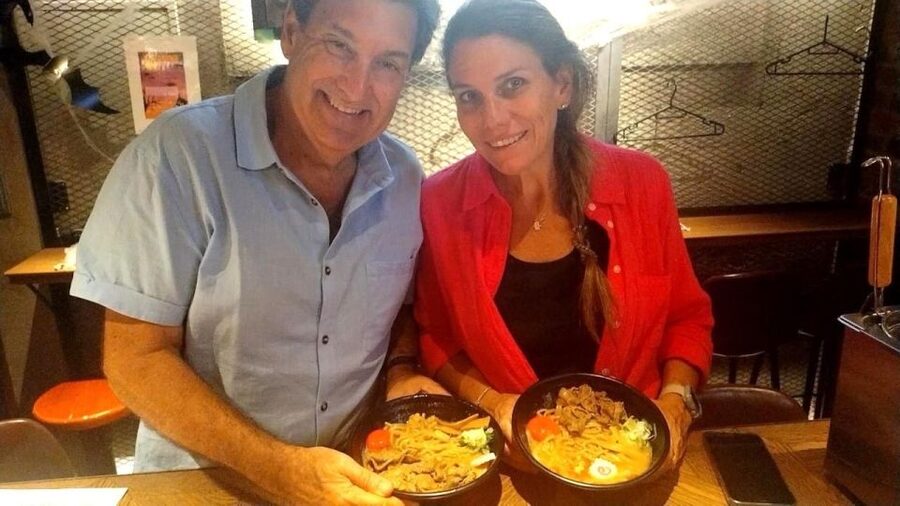
Reviewed · RAMEN EXPERIENCES
Tokyo: Easy Ramen Cooking Experience in Kabukicho, Shinjuku
This experience is interesting because you get to treat ramen like a skill, not just a dish. In Shinjuku Kabukicho, you’ll learn why ramen tastes the way it does, then you’ll make a shorter version and eat it right there in the neighborhood’s character-filled upstairs space. Guides like Tak and Kai also tend to turn the class into a chat, not a lecture.
I like two things most. First, you choose your soup and toppings, so your bowl actually feels like yours. Second, the staff keep it beginner-friendly, with step-by-step guidance even when language support is needed, and many guides have great English.
One consideration: it is a shortened recipe. They explain that real ramen takes a long time to make, and the class does not include making everything from scratch, so you should not expect a full multi-day noodle and broth workshop in 1 hour.
Key highlights you will care about
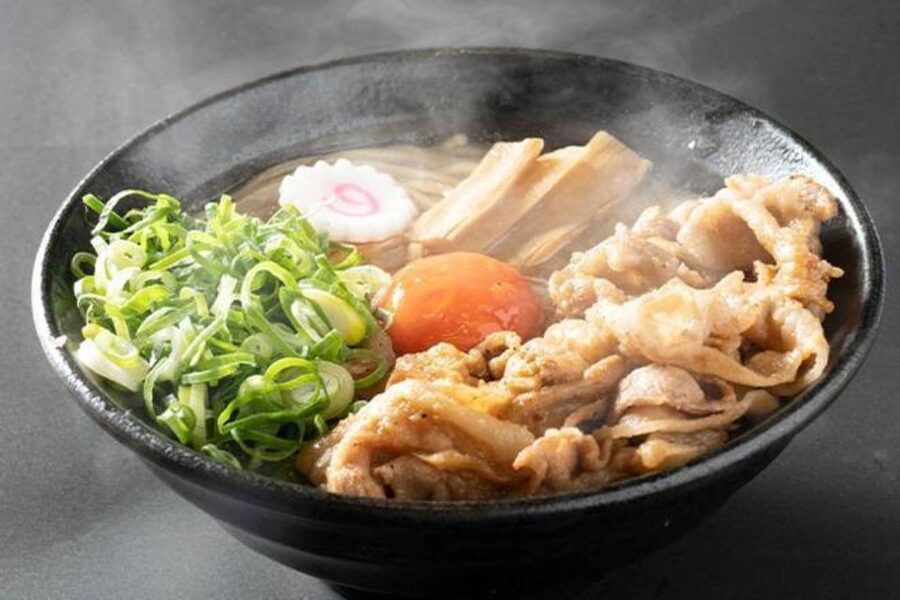
- Pick your soup and toppings, then assemble and eat what you make in Shinjuku
- A true ramen history lesson, including how ramen base flavors work
- A shortened ramen method focused on the parts you can realistically do in 1 hour
- Small groups that usually feel intimate, with lots of interaction time
- Upstairs Shinjuku Ale setting, near landmarks like the Godzilla area
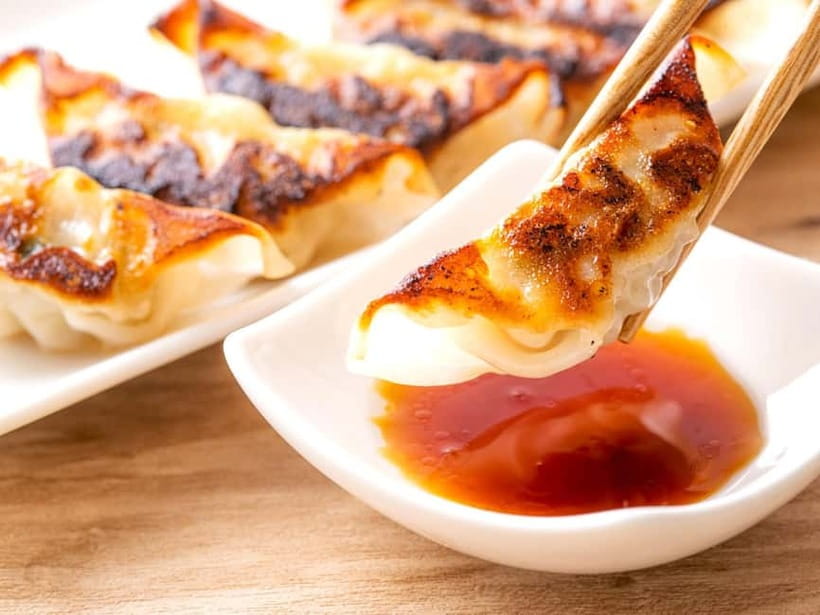
- Extra add-ons may be available, like gyozas or drinks, depending on your selected option
Shinjuku Ale, upstairs location, and finding the room fast
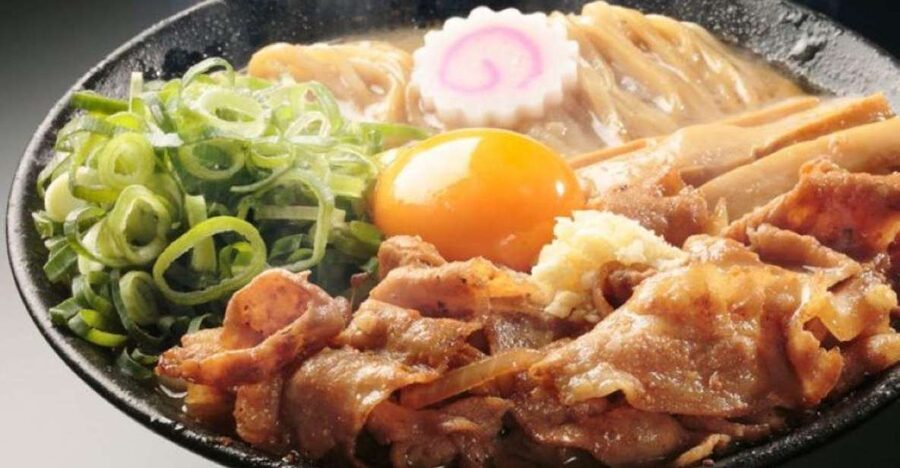
Your meeting point is Shinjuku Ale, in Kabukicho, Shinjuku. Plan to use the Google Plus Code link so you land at the right character-filled building, then look for staff who recognize your booking.
A practical heads-up: the class takes place on the second floor, and there is no elevator. If you do not do well with stairs after a long day in Shinjuku, factor that in.
When you arrive, tell the staff you are making a trial reservation. That small step helps everything run smoothly, and it matches how the experience is designed to manage trial bookings.
One more real-world tip from how people describe the area: Shinjuku Station and its surrounding streets can be confusing. Give yourself extra time so you are not rushing through crowds.
More Cooking Classes in Tokyo
- Ramen & Gyoza Cooking Class in Tokyo with Local Supermarket Visit
★ 5.0 · 823 reviews - Ramen and Sushi Cooking Class with Sake Pairing Set in Tokyo
★ 5.0 · 291 reviews - Tokyo: Wagyu and 7 Japanese Dishes Cooking Class
★ 4.9 · 273 reviews
The 1-hour format, and what you will not be making
This is a 1-hour experience, but it is not pretending ramen is quick. The instructors explain that making noodles and soup the traditional way takes days, and the class is built as a shorter version so you can cook and eat within the time limit.
So what happens in practice? You do the key hands-on steps you can do quickly: choosing your soup, boiling the noodles, and assembling toppings into your bowl. The broth and some base prep are handled ahead, so you are not stuck waiting through a long simmer.
You may hear that the broth is prepared in advance. That lines up with the idea that real ramen takes a long time and that the class focuses on the parts you can learn and perform today.
If you are the type who wants to make every element from scratch, this may feel a bit staged. If you want an efficient, fun ramen lesson plus a meal that you helped create, the structure makes a lot of sense.
The ramen story you get before the cooking starts
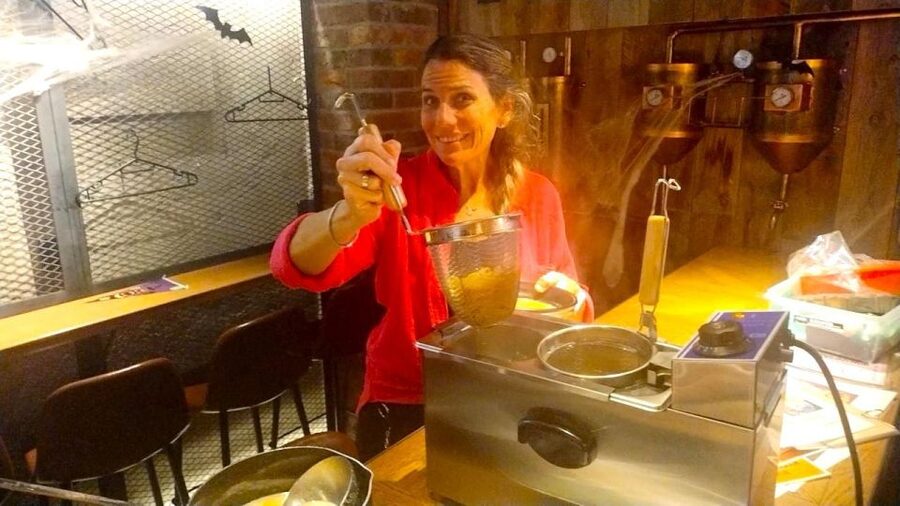
One reason this class works is that it teaches ramen as a system. You get an explanation of the history behind ramen, and you also learn the techniques and processes that shape the flavor.
A big takeaway for first-timers: ramen is not just noodles in a generic meat stew. People often walk in thinking the soup base is simple, then learn about how the soup base flavor is built and why different broths taste distinct.
The soup itself is described as containing pork, chicken, and beef. The recipe details are treated as a secret, so you will not get a full breakdown of every ingredient in the broth.
Still, you will learn enough to make better choices the next time you order ramen. You will understand why a bowl tastes different when the base changes, and that is a useful skill even if you never cook ramen again.
Hands-on cooking steps: soup choice, noodle boil, and your bowl assembly
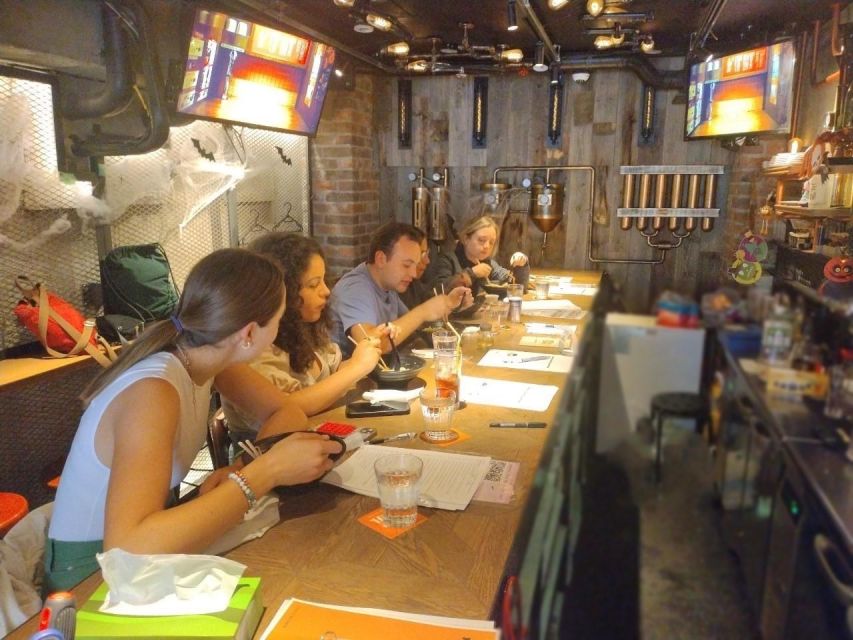
After the intro, you jump into the fun part. The class is designed so you do not need chef skills or special equipment to participate.
You start by choosing your soup. Then the staff guide you through the step where you boil your noodles. This is the moment where technique matters, because noodle texture can make or break the bowl.
Once your noodles are ready, you assemble your ramen. You add your toppings to the bowl following the class flow, and you get guidance on what goes where.
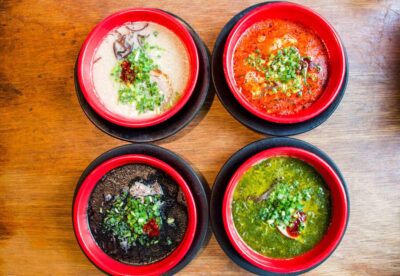
What makes this step feel better than a basic cooking demonstration is that you actually get to make choices. Many people love that their bowl reflects their preferences, especially if they like spicy, rich, or extra-heavy topping styles.
You also get to eat what you make as the end result. That turns the whole thing into something satisfying, not just a class where you watch someone else eat.
More Ramen Experiences in Tokyo
- Eat and Drink Like a Local: Tokyo Ueno Food Tour-Taverns&Ramen
★ 5.0 · 957 reviews - Tokyo: Ramen Tasting Tour with 6 Mini Bowls of Ramen
★ 4.9 · 432 reviews - Professional Ramen & Gyoza with Ramen Chef in a restaurant!
★ 5.0 · 223 reviews - Shibuya: Ramen Dojo Tokyo | Make All 3 (Tonkotsu/Shoyu/Miso)
★ 5.0 · 214 reviews
Eating in Shinjuku Kabukicho: the meal part is the payoff
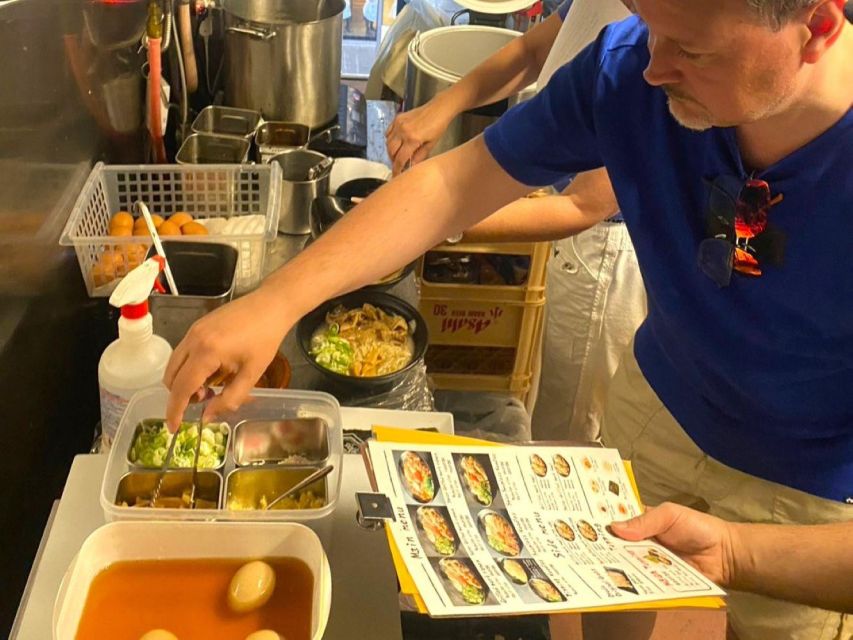
After cooking, you sit down to your finished ramen. This is not just tasting, it is a full meal, included in the price.
The setting helps. Multiple people describe it as a quirky upstairs bar feel inside the Shinjuku Ale venue, with atmosphere that matches the neighborhood. One review mentioned decorative elements like a pot still, and even a bar feature like habushu, snake wine, on-site.
There is also a practical side. People report you get water during the experience, and takeaway containers are available if you want to store food.
One more perk that stands out: many descriptions mention professional photos during the class. If you like souvenirs that do not require extra effort, this is a nice add-on. Just keep in mind that photo services can affect your final spend, which one person wished had been clearer.
Guides, language support, and how interactive it feels
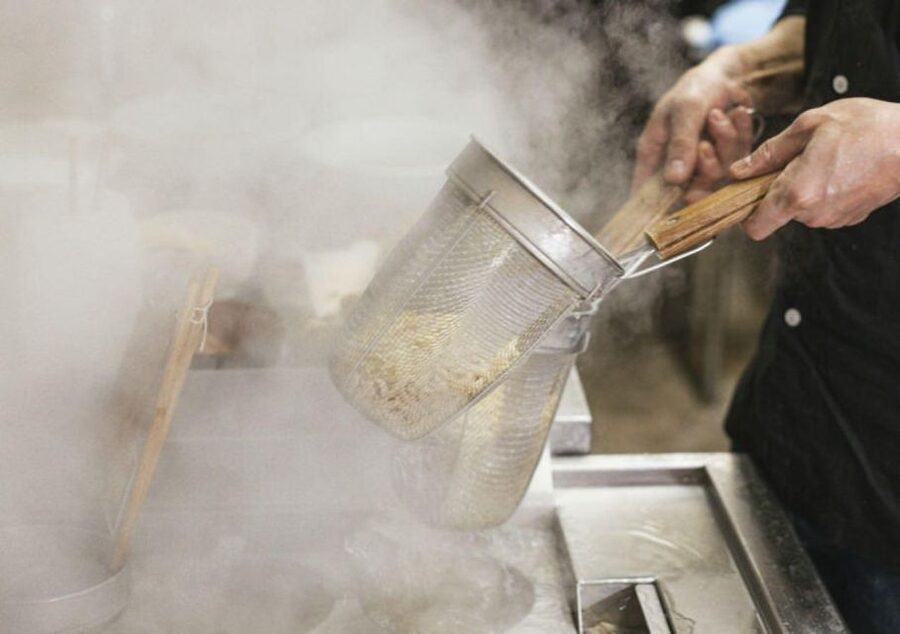
A major strength here is how the class moves. It is step-by-step, and guides make sure you can keep up, even if you are a first-time cook.
Language support is built in. Some staff may not be strong in English, and a translator machine may be used. At the same time, many people report excellent English from specific instructors.
Names that come up in the experience descriptions include Tak, Kai, Hinata, Mikhail, Nina, and Chihiro. When you see names like this tied to clear instruction and a friendly attitude, it usually means the staff know how to teach in a way that sticks.
Group size also changes the vibe. The experience is described as a small group, and at least one review mentions a max of 6 people, which makes questions easier and helps you actually get time at the stations.
If you want a cooking experience that feels personal, not like a factory line, this format usually delivers.
Price and value: $29 for a meal plus skills in Shinjuku
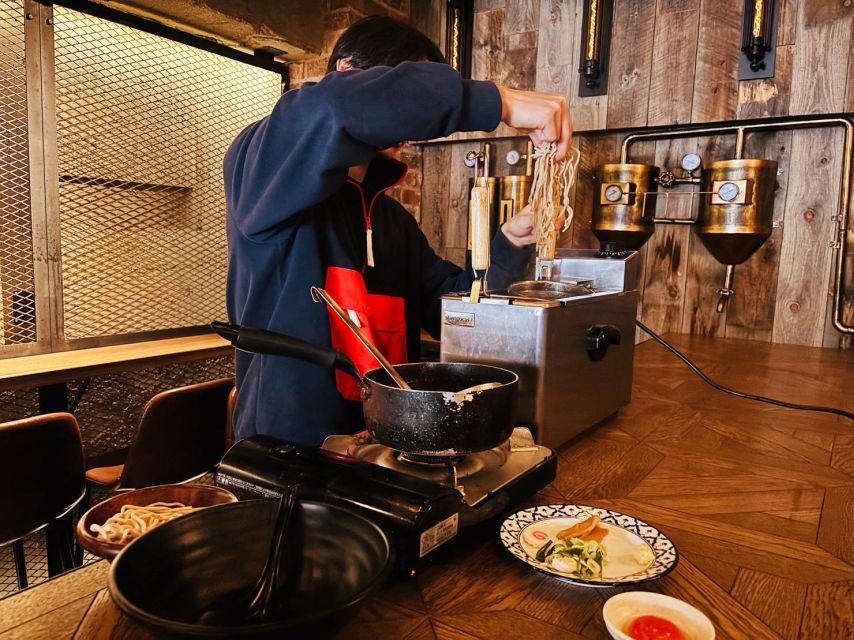
At $29 per person for 1 hour, you are paying for three things: instruction, ingredients and meal, and a Tokyo neighborhood experience you can only get by booking.
The meal is included, and that matters. If you treat the class as an affordable way to get dinner in a walkable area while also learning something hands-on, the value feels fair.
You can also customize your bowl by choosing your soup and toppings. That personalization is part of why people describe the ramen as satisfying, including claims that it is among the best they had in Japan.
One caution: extras can change the total. Some people mention add-ons like gyozas or a drink option, and there are also references to photos. If you are on a tight budget, decide upfront what you will skip.
Also, remember the time limit. Since this is a shortened version, it is not comparable to a multi-day ramen-from-scratch workshop. For what it is, though, the class gives you a lot in one hour.
Food limits: who should book, and who should not
This class is not for everyone.
It is listed as not suitable for vegans and vegetarians, and it is also not suitable for people with gluten intolerance. That is important because the broth includes pork, chicken, and beef.
Children guidance is also specific. It is not suitable for children under 4. Participants under 20 must be accompanied by a parent or guardian.
Alcohol follows the local legal rules. Underage drinking is prohibited by law for those under 20. If you are planning to drink during or with the experience, make sure everyone in your group is old enough.
If you fit the food and age guidelines, this is a great “learn and eat” format. If you do not, you might end up disappointed or stuck without appropriate alternatives.
If you book, what to expect on the day

Bring an ID card. A copy is accepted.
The experience is on the second floor with no elevator, so wear shoes you are comfortable in. If you arrive late, Shinjuku can swallow time fast, so give yourself room to find the building.
When you check in, tell staff it is a trial reservation. Then expect a quick flow: intro and history, soup and noodle steps, assembly, then eating.
Because staff may use translation support, you should still be able to participate fully. And because the process is explained step-by-step, you should not worry about cooking experience.
Should you book this ramen class in Shinjuku?
Book it if you want a fun, hands-on way to understand ramen in Tokyo without spending half your trip in the kitchen. I especially think it is worth it if you like customizing your food, asking questions, and ending with a meal that you made yourself in a cool Shinjuku setting.
Skip it if you are expecting full broth and noodle production from scratch in real time, or if your diet makes the pork, chicken, and beef broth a problem. Also skip if stairs are a deal-breaker, since it is second floor with no elevator.
If you match those basics, you will likely walk away feeling you learned something real, then you get to eat the proof.
FAQ
Where is the meeting point?
The meeting point is Shinjuku Ale in Shinjuku. The provided Google Plus Code link is https://maps.app.goo.gl/WFQbgLjFTVA9bwdL7.
How long is the experience?
It lasts 1 hour.
What should I tell the staff when I arrive?
When you visit, tell the staff that you are making a trial reservation.
What is included in the price?
The price includes the ramen cooking experience and meal.
Are bottled drinks included?
No. Bottled drinks are not included.
Does the class include making everything from scratch?
No. The explanation notes that making ramen noodles and soup takes days, and the class uses a shortened recipe so you can cook and eat in about an hour.
What’s in the ramen soup?
The ramen soup contains pork, chicken, and beef, but the exact recipe ingredients are secret and not shared.
Is the experience suitable for vegans or vegetarians?
No. It is listed as not suitable for vegans and not suitable for vegetarians.
Is it suitable for people with gluten intolerance?
No. It is listed as not suitable for people with gluten intolerance.
Is alcohol allowed?
Underage drinking is prohibited under the Minors’ Alcoholic Beverage Law. Drinking alcohol is prohibited for those under 20 years old.
Is there an elevator?
The experience is on the second floor and there is no elevator.
Latest write-ups near Tokyo
- Tokyo Customized Private Tour: See Top Attractions in 1 Day★ 4.8 · 67 reviews
- From Tokyo: Top 5 Scenic Spots of Mount Fuji Full-Day Tour★ 4.5 · 67 reviews
- Traditional Japanese Music ZAKURO SHOW in Tokyo★ 5.0 · 67 reviews
- Tokyo: Shinjuku Izakaya and Golden Gai Bar Hopping Tour (2h)★ 4.9 · 67 reviews
- Tsukiji: Unlimited Sake Tasting Experience★ 4.9 · 67 reviews
- Samurai Ninja Museum Asakusa: Kid-Friendly Ninja Training★ 4.7 · 67 reviews
- Tokyo: Not a show- a professional sumo practice with experts★ 4.9 · 67 reviews
- Private Harajuku Omotesando Architecture Walking Tour★ 5.0 · 67 reviews
Ramen Experiences, compared.

Ramen Cooking Class at Ramen Factory in Kyoto
Read our review →
Eat and Drink Like a Local: Tokyo Ueno Food Tour-Taverns&Ramen
Read our review →
Ramen & Gyoza Cooking Class in Tokyo with Local Supermarket Visit
Read our review →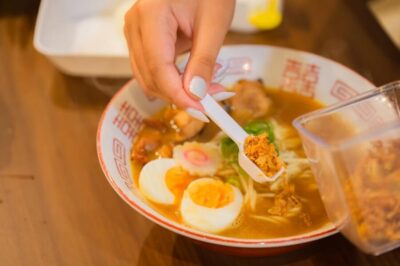
Ramen Cooking Class at a Ramen Factory with Souvenir
Read our review →

Five Must-See Highlights Walking Tour & Ramen Lunch
Read our review →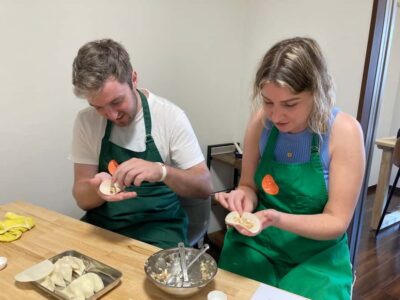
Browse the lists this tour appears in