
Reviewed · RAMEN EXPERIENCES
Shibuya: Ramen Dojo Tokyo | Make All 3 (Tonkotsu/Shoyu/Miso)
This Shibuya ramen workshop is interesting because you are not just tasting ramen, you are making it, three styles at once. I like that you learn tonkotsu, shoyu, and miso in the same session, side by side, so you can actually compare flavors. I also like the small-group format, so you get real help while kneading dough and using the noodle machine.
One possible drawback to keep in mind is the class is not suitable for several diet or allergy needs, including severe wheat (gluten), egg, or soy allergies, celiac disease, and strict vegan or religious diets.
Key Things to Know Before You Go
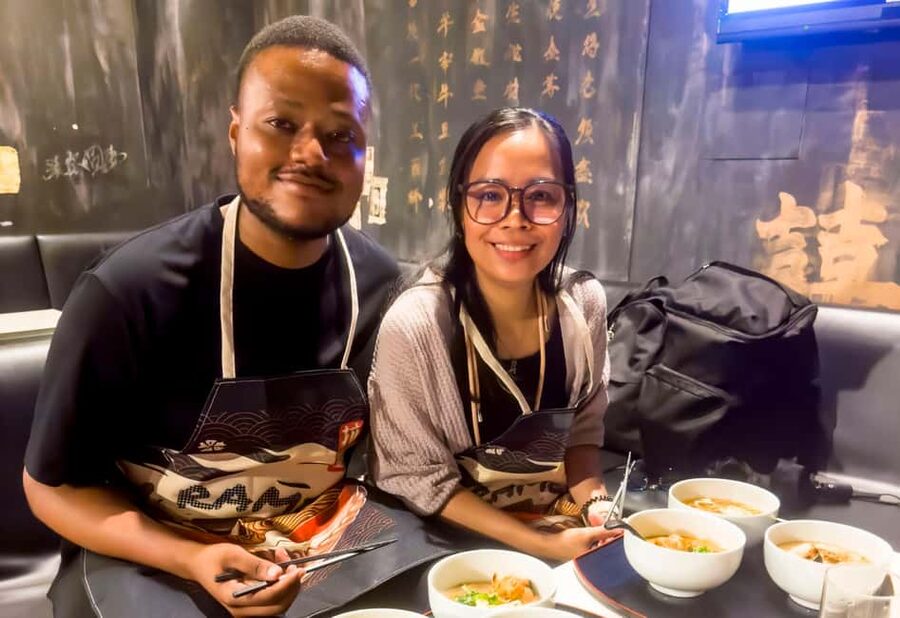
- You make noodles from scratch using a professional noodle machine and cutter.
- You taste three mini bowls (tonkotsu, shoyu, miso) in one go, with photo time.
- Soup is adjustable to your taste, not just a one-size-fits-all bowl.
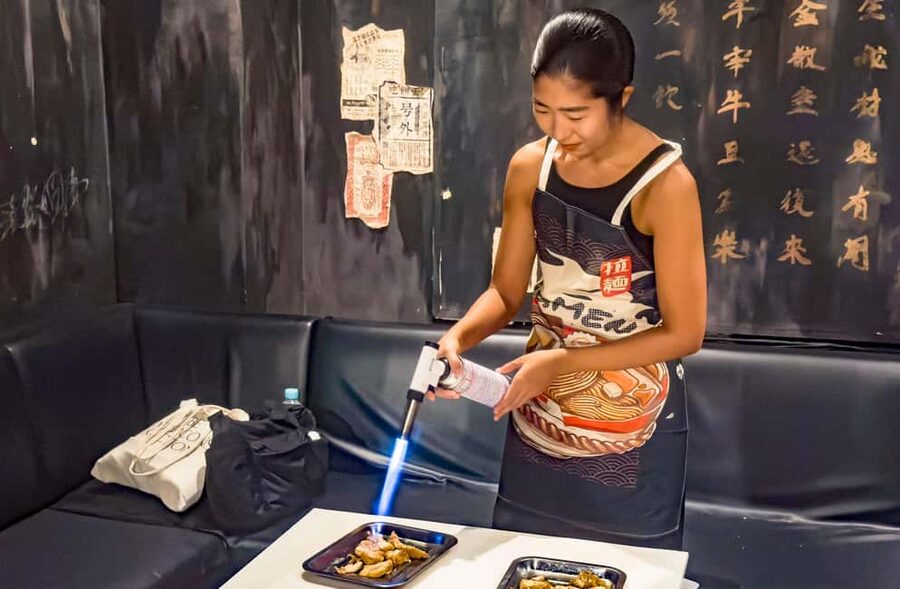
- Chicken chashu is part of the workflow, so you see the protein side too.
- Max 8 travelers means the instructor can actually stay close.
- Digital recipe after class helps you repeat the ramen at home.
Ramen Dojo Tokyo in Shibuya, Why It’s Worth Your Time
Tokyo has endless ramen shops, but this class gives you something those counters never can, the method. You get to see how noodle texture and broth flavor work together, and then you finish by eating what you made. If you have ever wondered why some ramen tastes thicker, saltier, or more umami-heavy, this is the kind of experience that turns guessing into practice.
The standout part for me is the “three styles” structure. Tonkotsu, shoyu, and miso are not just different menus items, they are different approaches to flavor building. When you handle each one in the same lesson, you start noticing patterns, like how richness vs. soy-forward seasoning changes what you taste first.
More Ramen Experiences in Tokyo
- Eat and Drink Like a Local: Tokyo Ueno Food Tour-Taverns&Ramen
★ 5.0 · 957 reviews - Ramen & Gyoza Cooking Class in Tokyo with Local Supermarket Visit
★ 5.0 · 823 reviews - Tokyo: Ramen Tasting Tour with 6 Mini Bowls of Ramen
★ 4.9 · 432 reviews
Getting There and Meeting at the Right Place
The meeting point is Umekita Building, 7-11 Maruyamachō, Shibuya, Tokyo 150-0044. The studio is about a 10-minute walk from Shibuya Station, so you are not stuck on a long transfer or a complicated route.
The tour also uses a mobile ticket, which is convenient if you are bouncing around Shibuya that day anyway. Just keep an eye on your phone at check-in time, because this is the kind of class that wants you settled before the kitchen work starts.
The Full 90-Minute Rhythm, What Happens When
This is a 90-minute lesson with a clear flow. I like that it feels paced, not rushed, so you get hands-on time without spending half the class waiting around.
Here is how it typically breaks down:
Check-in and briefing (10 minutes)
You start with a quick setup and instructions. This matters because ramen has a few timing-sensitive steps, especially around dough handling and boiling.
A change of pace from Tokyo:
- Mt Fuji and Hakone 1-Day Bus Tour Return by Bullet Train
★ 5.0 · 26,383 reviews - 1-Day Tokyo Bus Tour
★ 5.0 · 14,250 reviews - Tokyo: TOKYO SKYTREE® Admission ticket
★ 4.5 · 11,192 reviews - Tokyo: teamLab Planets TOKYO Digital Art Museum Entry Ticket
★ 4.6 · 9,779 reviews
Chicken chashu prep (5 minutes)
You get the chashu prep started early. Even if you think you only came for ramen noodles, the chashu piece is part of why ramen feels complete. It also gives you something tangible to work on while you warm up to the process.
Noodle making (20 minutes)
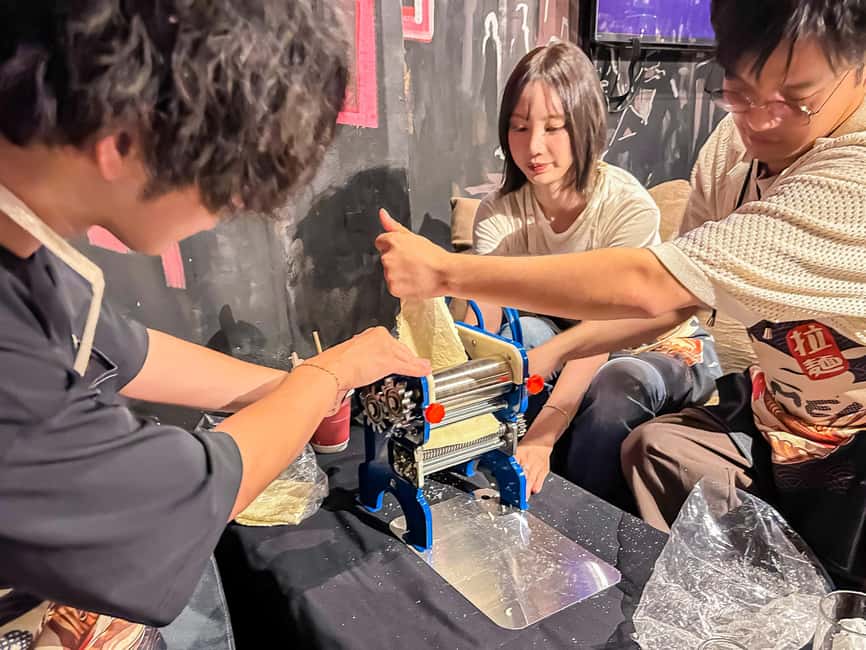
This is where the class earns its name. You knead the dough, then cut noodles with a professional cutter. After that, you push dough through the noodle machine. You are not watching someone else do everything, you are doing it.
If you are a beginner, do not worry. The format is built for first-timers, and the instructor support is described as patient and attentive. One review also pointed out that the kneading and machine part is done by each person, which is exactly what you want from a hands-on class.
Chicken chashu finishing (10 minutes)
Once the noodles are underway, you finish the chashu. This is useful because it helps you understand ramen as a system, noodles plus toppings plus broth.
Boiling noodles and soup preparation (10 minutes)
Now you get the moment that separates real ramen from instant noodles. The soup prep step is where you learn how flavors come together, and then the noodles are boiled to the right stage.
One honest note from feedback: some people say they learned plenty about noodles but wanted more detail on the broth side. If broth depth is your main obsession, you may want to pay close attention during the soup prep moment and ask questions while you are still in the kitchen.
Plating (5 minutes)
You build each bowl. This is less about beauty and more about balance, getting toppings and noodles right so each style tastes like it should.
Tasting and photo time (30 minutes)
Finally, you eat. You get three mini bowls, letting you compare tonkotsu, shoyu, and miso without overfilling. Photo time is included, but the practical win is that you can taste them while the flavors are fresh and your palate is still adjusting.
One reason I think this tasting block is so valuable is that you can think back to what you did in each step. You start linking mouthfeel and flavor changes to the choices you made with the broth and noodles.
Tonkotsu, Shoyu, Miso, and How the Differences Actually Hit
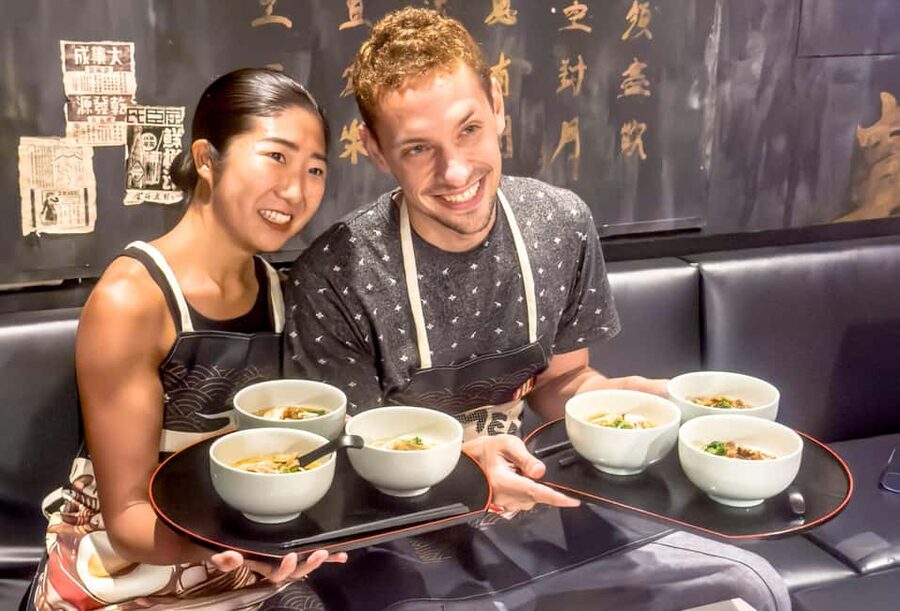
You taste three mini bowls: tonkotsu, shoyu, and miso. The goal is not just variety, it is learning how each ramen style tastes and why.
Tonkotsu is the one many people chase for richness. It tends to feel heavier and more comforting, and in a class setting, you often notice how the noodle texture carries that weight.
Shoyu is more about soy sauce seasoning. It can feel sharper or more savory in the first few bites, depending on how it is adjusted. If you like ramen that tastes clean and salty, shoyu usually lands well.
Miso is where you get depth and a different kind of earthiness. Once you taste all three in sequence, you can start to predict which flavor direction will work best for your cravings.
Also, the class mentions that you adjust the soup to your preferred taste. That is a big deal for home cooks. Recipes at home often fail because people follow the numbers but not the final flavor balance. Here, you get practice with that tuning instinct.
Small-Group Access, What That Does for Beginners
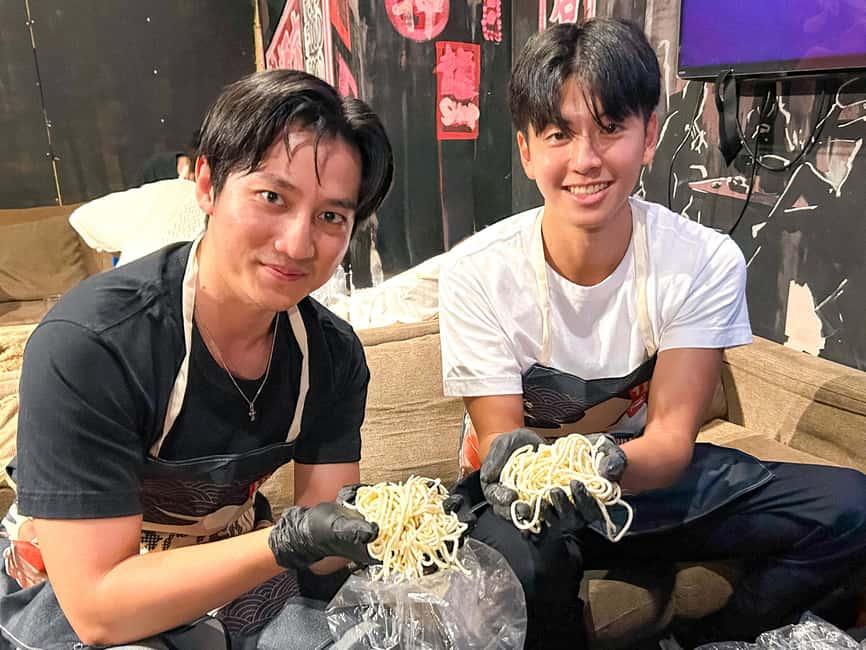
With a maximum of 8 travelers, this is not a cattle-car cooking demo. You are in the studio working with others, and the instructor can give you direct support.
This matters most for people who feel nervous about cooking. Reviews repeatedly highlight patience and friendly help, including accommodations for an 8-year-old. That tells me the instructors are used to guiding different ages and comfort levels, not just experienced cooks.
So if it is your first time making noodles, you are not expected to be fast. You are expected to learn.
What You Actually Leave With: Apron, Ingredients, and a Recipe
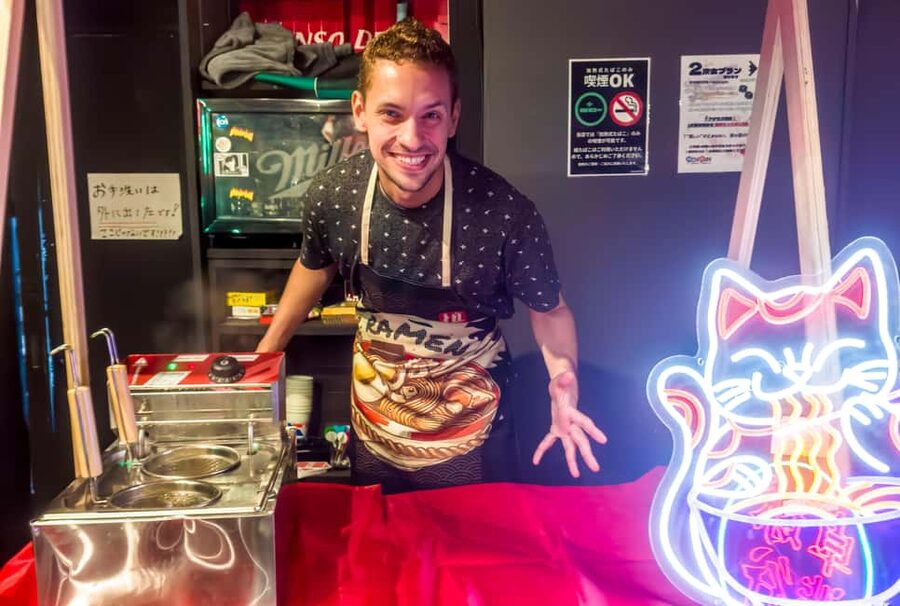
Included in the lesson:
- Tasting of three mini bowls (tonkotsu, shoyu, miso)
- English-speaking instructor
- All ingredients and kitchen equipment
- Apron loan
- Digital recipe provided after class
The digital recipe is the home-cooking advantage. Lots of food classes give you memories. This one also gives you a way to recreate the experience later, which is the difference between a fun outing and a useful skill you can use on a rainy night.
Price and Value, Is It Reasonable?

The price is $86.22 per person and the class runs about 1 hour 30 minutes. On the surface, cooking classes can feel pricey, especially in a city where you can eat a full meal for less.
Here is why I think this one can still be worth it:
- You are not just eating, you are making noodles from scratch with professional equipment.
- You get three different ramen styles to taste, which expands the value beyond a single-bowl meal.
- The small group size gives better instructor access than you get in larger workshops.
- You get a digital recipe afterward, which turns the class into something you can repeat.
If your goal is purely to eat ramen at a low cost, then a shop meal will beat this price. But if you want an authentic, skill-building experience near Shibuya that ends with a meal you created, this is priced like a real workshop.
Who This Ramen Class Suits Best
This class is ideal if:
- you want a structured, beginner-friendly ramen lesson with active participation
- you like comparing ramen styles instead of doing one bowl only
- you want an English-taught experience with close instructor support
- you enjoy cooking enough to use the recipe later
It may be a poor fit if:
- you have severe dietary restrictions or allergies related to wheat (gluten), egg, soy, or celiac needs
- you have trouble with stairs, since the experience has limitations noted for guests who cannot use stairs
- you want fully strict vegan or religious dietary compliance, since the class notes it cannot make special dietary substitutes beyond the listed offerings
One review also mentioned feedback about the lack of a vegetarian broth option. That does not automatically mean it is missing forever, but it does signal that if vegetarian broth is a must-have for you, you should think carefully before booking.
Where This Ends, and How to Keep the Shibuya Day Going
The activity starts and ends back at the meeting point. So you can drop back into Shibuya after class without a long finish-to-hotel shuffle.
If you are planning your day, I recommend leaving a little breathing room afterward. You will eat three mini bowls, and you just worked with noodles and soup, so you might not want to rush into another heavy meal right away.
Should You Book Ramen Dojo Tokyo?
I would book it if you want a hands-on ramen lesson that teaches ramen in a way you can actually use at home. The three-style tasting plus making fresh noodles is the core reason. If you are the kind of person who likes understanding how food works, not just eating it, this class delivers.
I would hesitate if your main interest is deep, step-by-step broth theory, because one piece of feedback suggested broth details were not the focus. I would also be cautious if you are dealing with wheat, egg, soy, celiac, or strict dietary requirements, since the class has specific limitations.
If you fall into the sweet spot of curious home cooks, first-time noodle makers, and ramen fans who want a skill plus a meal, this is one of the better ways to spend time in Shibuya.
FAQ
How long is the Shibuya ramen class?
The class runs for about 1 hour 30 minutes.
Where do I meet, and how close is it to Shibuya Station?
You meet at Umekita Building, 7-11 Maruyamachō, Shibuya. The studio is about a 10-minute walk from Shibuya Station.
Is the class taught in English, and how many people are in the group?
Yes, the class is conducted in English with attentive support for small groups. The experience has a maximum of 8 travelers.
What do I make and what do I eat during the lesson?
You make fresh noodles and prep chicken chashu. You also taste three mini bowls of ramen: tonkotsu, shoyu, and miso.
Are there dietary or allergy limits?
Yes. It is not suitable for severe wheat (gluten), egg, or soy allergies, or celiac disease. It is also not suitable for severe airborne flour sensitivity, and guests needing fully strict vegan or religious dietary compliance should not book. People who cannot use stairs are also not suitable.
What is the cancellation policy?
You can cancel for free up to 24 hours in advance for a full refund. If you cancel less than 24 hours before the experience start time, the amount you paid will not be refunded.
Latest write-ups near Tokyo
- Tokyo Customized Private Tour: See Top Attractions in 1 Day★ 4.8 · 67 reviews
- From Tokyo: Top 5 Scenic Spots of Mount Fuji Full-Day Tour★ 4.5 · 67 reviews
- Traditional Japanese Music ZAKURO SHOW in Tokyo★ 5.0 · 67 reviews
- Tokyo: Shinjuku Izakaya and Golden Gai Bar Hopping Tour (2h)★ 4.9 · 67 reviews
- Tsukiji: Unlimited Sake Tasting Experience★ 4.9 · 67 reviews
- Private Harajuku Omotesando Architecture Walking Tour★ 5.0 · 67 reviews
- Tokyo: Not a show- a professional sumo practice with experts★ 4.9 · 67 reviews
- Samurai Ninja Museum Asakusa: Kid-Friendly Ninja Training★ 4.7 · 67 reviews
Ramen Experiences, compared.

Ramen Cooking Class at Ramen Factory in Kyoto
Read our review →
Eat and Drink Like a Local: Tokyo Ueno Food Tour-Taverns&Ramen
Read our review →
Ramen & Gyoza Cooking Class in Tokyo with Local Supermarket Visit
Read our review →
Ramen Cooking Class at a Ramen Factory with Souvenir
Read our review →

Five Must-See Highlights Walking Tour & Ramen Lunch
Read our review →
Browse the lists this tour appears in