
Reviewed · GEISHA & GION TOURS
Kiyomizu Temple and Backstreets of Gion, Half Day Group Tour
Kyoto can feel like a lot, fast. This half-day walking tour strings together Kiyomizu-dera, the old slopes leading up to it, and then Gion’s backstreets in one logical flow, with a guide to keep things moving. I especially like the small group size (max 8) because it makes the pacing feel human, and I like that the temples at Kiyomizu-dera and Kennin-ji have admission included, so you lose less time. The main drawback to consider is simple, you will walk, including some uphill sections, so comfy shoes matter.
Another plus is the way the tour handles the reality of Kyoto, crowded streets and confusing side paths. A good guide makes a big difference here, and names like Mitsuhiko, Mika, Takuma, Kiyoto, and Toshi have shown up in prior groups for their calm leadership and flexible style. If you have a tight appointment right after the tour, plan a little buffer because you may need extra minutes when you finish near Gion.
Key things you’ll notice on this Kiyomizu-dera and Gion walk
- Up to 8 people, so the guide can actually adjust pace and questions
- Two temple admissions included, Kiyomizu-dera and Kennin-ji
- Steep, historic slopes like Sannen-zaka and Ninen-zaka, best handled with a guide
- A mix of Buddhism and Shinto, plus that famous Higashiyama atmosphere
- A gentle ending in Gion, through Hanamikoji and traditional machiya streets
A Smart Route for Kiyomizu-dera and Gion Without Getting Frustrated
The real value of this tour is not just ticking off famous sites. It is how it sequences them so you spend less time backtracking and more time actually looking. Starting in Higashiyama and ending in Gion also lines up well with how most first-time Kyoto days are structured.
You get around on foot for about half a day, roughly 4 hours. That sounds short until you remember the Kiyomizu-dera area sits on hills, and the roads around it can funnel people like a slow-moving river. A local guide helps you keep momentum and avoid the mental tax of deciding where to go next.
The group size stays small, up to 8 travelers. That means it is easier to hear explanations and harder for anyone to get left behind, including kids or anyone who walks slower. Just do your part and wear comfortable shoes, because you will be on pavement and stairs for parts of the route.
More Temple & Shrine Tours in Kyoto
- Kyoto: Fushimi Inari, Kinkakuji, Bamboo Grove 1 Day Bus Tour
★ 4.8 · 4,316 reviews - Kyoto: Tea Ceremony Ju-An at Jotokuji Temple
★ 4.9 · 3,207 reviews - Osaka/Kyoto:Kinkakuji,Arashiyama,FushimiInariShrine,NaraPark
★ 4.1 · 1,596 reviews
Kyoto Ceramic Center: The Easy Start Before the Hill Climb
You meet at the Kyoto Ceramic Center, the Kyoto Ceramic Art Association Official Shop and Gallery area, at 583-1 Yūgyōmaechō. The start is quick, about 10 minutes, and the admission there is listed as free.
Why start here? It gives you a clean launch point in Higashiyama and a chance to orient before the temples. Ceramic shops also fit the neighborhood vibe, since Higashiyama is full of crafts, small storefronts, and old-school streets that feel less like a theme park and more like a living district.
If you arrive early, you might use that short window to spot the direction you will head next. And if you are shopping-minded, you will already be near the kind of places where Kyoto-themed ceramics are easy to find.
Kiyomizu-dera: The View, the Meaning, and the Crowd Control
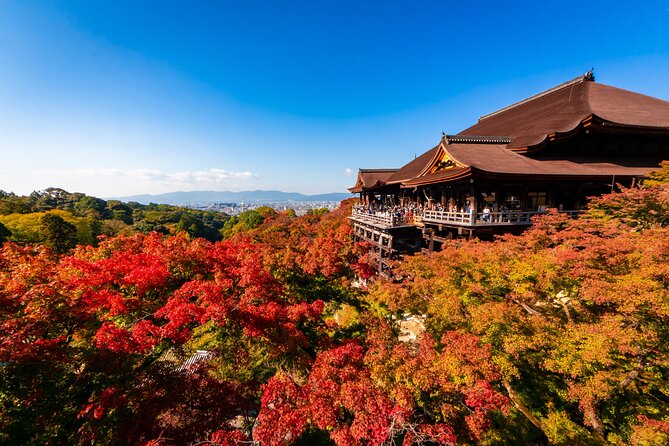
Kiyomizu-dera is where the tour earns its keep. You spend about 1 hour here, and admission is included. More than that, the guide helps you understand what you are seeing, not just where to stand for photos.
This temple is both a major religious site and a UNESCO World Heritage Site, and it is one of Kyoto’s most visited landmarks. That popularity is great for atmosphere, but it can be messy if you are trying to do it solo. With a guide, you spend less time asking, where do we go next, and more time learning how Kiyomizu-dera fits into Kyoto’s spiritual story.
The temple grounds also sit in a dramatic setting, so your time goes fast. You will likely want a moment to slow down, look out, and then walk again. Even with the guide, do not try to rush through everything. Kiyomizu-dera rewards a slower look at details like wooden architecture and how the complex feels from different angles.
Practical tip: hydrate before you enter. The area can be hot or slippery depending on weather, and the uphill and crowd flow can make you forget to drink until later.
Sannen-zaka and Ninen-zaka Slopes: Kyoto’s Old-Street Feeling
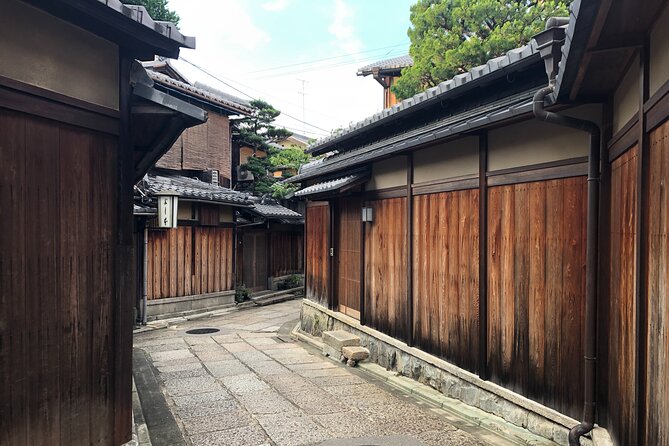
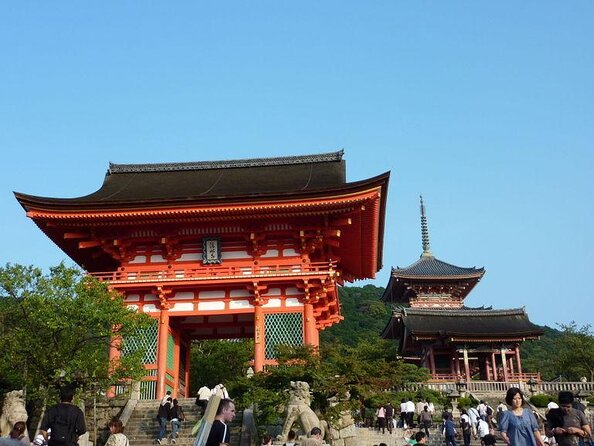
After Kiyomizu-dera, you head through Sannen-zaka and Ninen-zaka, the historic steep streets leading back up and down the hill. This portion takes about 30 minutes, and admission is listed as free.
These lanes are famous for a reason. The slopes create that classic Kyoto mood, with traditional buildings and a sense that you stepped into the past, even as modern life continues around you. The best way to enjoy them is to let the street do its work. Walk, look up, and pause when the view opens.
The drawback is that steep streets can feel like a lot when you are also navigating crowds. This is exactly where a local guide helps, they can keep the pace steady and guide you along the better flow so you do not get stuck in dead ends.
More Geisha Experiences in Kyoto:
- Kyoto Geisha Walking Tour: Gion District & Hidden Gems
★ 4.7 · 3,273 reviews - Kyoto: Gion Magical Night Walking Tour with Geisha Trivia
★ 4.9 · 2,393 reviews - Kyoto: Gion Geisha District Walking Tour – Stories of Geisha
★ 4.7 · 2,187 reviews - Best of Kyoto: Gion, Geisha, Pagodas & Cobblestones
★ 4.9 · 2,058 reviews
A Quiet Garden Moment Near Kiyomizu-dera
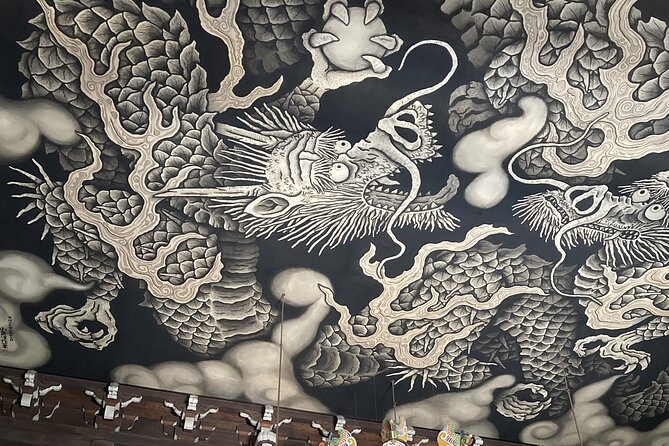
You also stop at a Japanese garden near Kiyomizu-dera. The description highlights ponds, traditional wooden bridges, and plants arranged as part of the landscape design. This is a peaceful break from the street energy right around one of Kyoto’s busiest temple zones.
You do not need a garden-nerd background to enjoy it. Gardens in Kyoto are a slow reset, a chance to notice how water, stone paths, and seasonal plant choices shape your attention. Even if you only get a short visit, the mental shift helps you enjoy the next temple stops more.
If it is rainy, a garden is often still beautiful, just watch your footing on wet paths. This tour runs rain or shine, so you will want a light layer and shoes with decent traction.
Yasaka Pagoda and the Small Temples That Explain Daily Kyoto
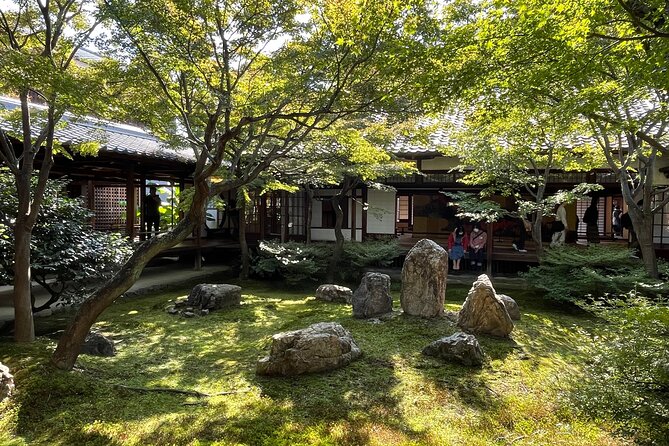
Next up is the Yasaka Pagoda, a historic five-story pagoda and one of the city’s most iconic landmarks. Even if you have seen it in photos, seeing it in context matters because it anchors the neighborhood in a way that feels older than the shops around it.
After the pagoda, you have two quick temple or shrine stops that add texture beyond the big-name sights.
First is Yasaka Kōshin-dō Temple, a small traditional temple near Yasaka Shrine dedicated to Koshin, a guardian deity believed to protect people from illness and misfortune. It is famous for colorful kukurizaru, which are part of the temple’s visual identity.
Then you visit Yasui-Konpiragu, a Shinto shrine in the Higashiyama district. This stop stands out because it is tied to a specific practice: cutting negative relationships and forming positive ones, with a ritual that can draw long lines.
These shorter stops are easy to underestimate. But they are exactly what turn a checklist tour into a real cultural walk. Big temples teach spirituality at a grand scale, while these shrines show what faith looks like in daily life and in how people hope for protection, health, and better relationships.
Kennin-ji Temple: Where Kyoto’s Zen Story Starts Early
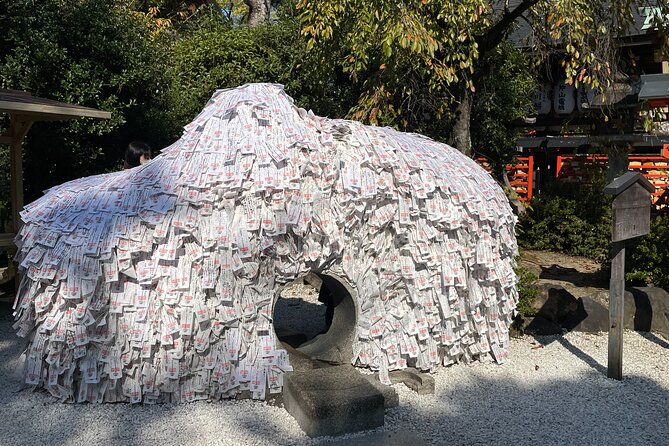
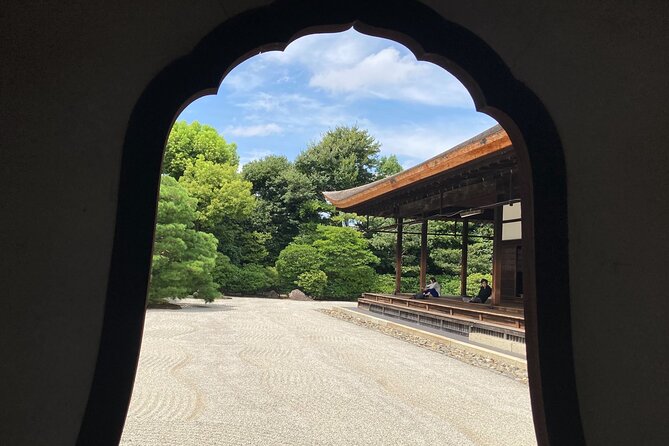
Kennin-ji is next, and it is one of the anchors of the route. You spend about 50 minutes here, and admission is included. Kennin-ji is Kyoto’s oldest Zen temple, founded in 1202, and the grounds are described as calm and spacious even though it sits in a central area.
This is a good stop to balance the busy Kiyomizu-dera zone. It feels like a breather. A guide can also help you read the space, since Zen temples reward attention to layout, halls, and the way silence and movement work together.
The Dharma Hall is called out as impressive, so you will want to make time to look at it. And if you are curious about how Zen connects to Kyoto’s broader religious history, this is a solid place to get an answer in plain terms.
If you do not know much about Zen, that is fine. The value here is that you are not just walking into a building, you are getting context that makes what you see click.
Gion and Hanamikoji: Ending in Kyoto’s Most Iconic Street World
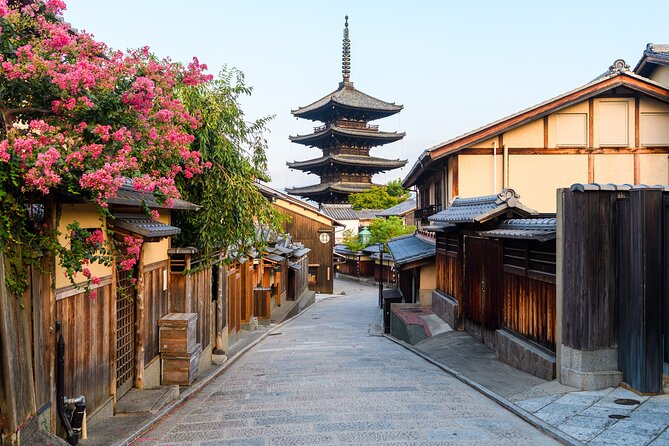
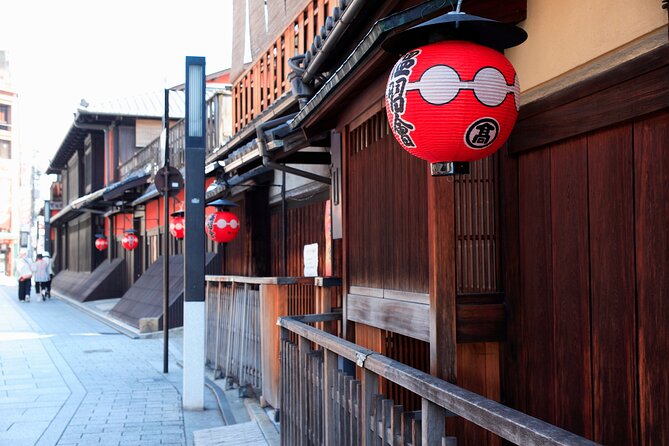
The tour ends with a walk through Gion, Japan’s largest geisha district, including Hanamikoji. This is the stretch with lined-up traditional wooden machiya houses, teahouses, shops, and restaurants.
Even if you are not focused on geisha culture specifically, Gion is where Kyoto style becomes very obvious. You will feel the difference in architecture, street width, and the way the district invites strolling. The guide keeps the walking route efficient, so you are not stuck crawling through crowds with no plan.
You finish at 571 Gionmachi Minamigawa, Higashiyama Ward. That is a convenient drop-off for continuing meals and evening wandering, but remember the crowd factor. If you have an appointment right after, build in buffer time.
Small, practical note: if you want to shop or snack after the tour, this is a good moment to do it. One of the reasons people rate the experience highly is the sense that the tour does not feel like only temples, it also feels like a Kyoto afternoon you can keep living after you leave.
Cost and Value: Does $59.45 Make Sense for This Half Day?
At about $59.45 per person for roughly 4 hours, the price feels reasonable for a guided walk that includes two paid temple entries. Since Kiyomizu-dera and Kennin-ji have admission included, you are not paying extra on the spot for those core experiences.
You are also paying for what is hard to DIY in Kyoto, a guided route that reduces the risk of getting lost and helps you spend time on interpretation. In this area, where streets branch off quickly and crowds squeeze movement, local guidance can save you both time and energy.
The small-group cap at 8 also matters for value. Large tours can feel like moving livestock. A group this size is more likely to include real conversation, pacing that fits the group, and room for questions.
One more value point: the tour is described as customizable to your needs and interests. That is often marketing speak, but here it matches what people praise, friendly, flexible guides who keep things on track while still adapting pace for different travelers.
Who This Tour Fits Best (and Who Might Want a Different Day)
This tour is a great fit if you want a first Kyoto taste that mixes the essentials with meaningful context. If you are short on time and want Kiyomizu-dera plus Zen at Kennin-ji plus a proper walk through Gion, this is an efficient way to do it.
It is also a smart pick if you prefer structure. If you are the type who spends your day checking maps and missing the moment, having a guide plan the flow can be a relief.
Families can do well too. In the experiences shared by guides like Mika and Takuma, accommodations for different paces have been part of the day. Still, keep your expectations realistic. The steep slopes mean you might need frequent breaks and patience for little legs.
If you are the kind of traveler who wants total freedom, you might do better mixing solo temple time with a self-guided walk. But if you want to cut through confusion fast and learn while you walk, this one makes sense.
Should You Book This Kiyomizu-dera and Backstreets of Gion Tour?
Book it if you want a guided, half-day intro to Higashiyama and Gion, with included temple admissions and a route that keeps you from getting stuck in the hard parts of Kyoto navigation. The strongest reason to choose it is the combination of practical pacing, a small group feel, and culture-focused explanations that make Kiyomizu-dera and Kennin-ji easier to understand.
Skip it only if you have zero desire to walk uphill and you prefer to wander completely unstructured. For most visitors, this tour is a solid value way to see a lot of Kyoto without feeling like you are sprinting through it.
FAQ
How long is the Kiyomizu Temple and Backstreets of Gion tour?
The tour is about 4 hours long, approximately.
Where do I meet the guide?
You meet at the Kyoto Ceramic Center at 583-1 Yūgyōmaechō, Higashiyama Ward, Kyoto.
What is the tour price per person?
The price is $59.45 per person.
Are temple tickets included?
Yes. Admission for Kiyomizu-dera Temple and Kennin-ji Temple is included. Other stops listed are free.
How big is the group?
The group size has a maximum of 8 travelers.
Does the tour run in bad weather?
Yes, the tour will take place rain or shine.
Is this tour customizable?
Yes. The tour is described as private and customizable to suit your needs and interests.
Can I cancel for a full refund?
Yes, free cancellation is available up to 24 hours in advance for a full refund.
Is there any timing concern if I have plans right after?
There could be a delay at the time the tour ends. If you have an appointment or plan right after, let the provider know in advance.
Latest write-ups near Kyoto
- Kyoto Private Tour Full Day with Local Guide&Nara Option(PerGroup★ 5.0 · 20 reviews
- Sacred Pathways: Discover the Philosopher’s Path of Kyoto★ 4.9 · 20 reviews
- Hammer Pattering Experience of Ring★ 5.0 · 20 reviews
- Kyoto UNESCO World Heritage Site Private Tour with a Premium Van★ 5.0 · 20 reviews
- KYOTO: Private Tea Ceremony in Hidden Townhouse (Kid-Friendly)★ 5.0 · 20 reviews
- Sushi or Traditional Japanese Cuisine in a Kyoto Home with Emika★ 5.0 · 20 reviews
- The Kyoto VIP Experience!★ 5.0 · 20 reviews
- Kyoto Customized Private Tour: See Top Attractions in 1 Day★ 4.7 · 20 reviews
Geisha & Gion Tours, compared.
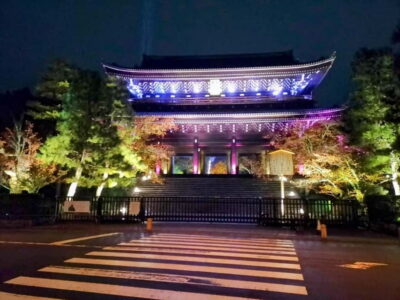
Kyoto Geisha Walking Tour: Gion District & Hidden Gems
Read our review →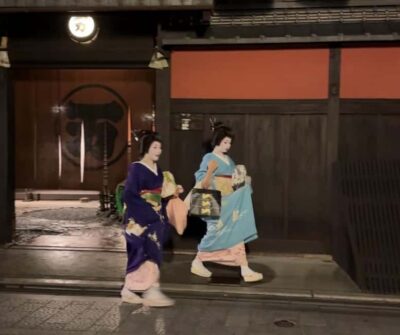
Gion Magical Night Walking Tour with Geisha Trivia
Read our review →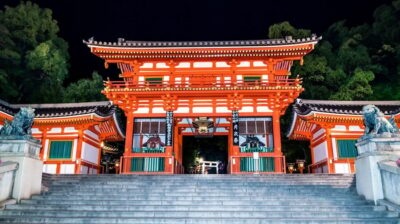
Gion Geisha District Walking Tour – Stories of Geisha
Read our review →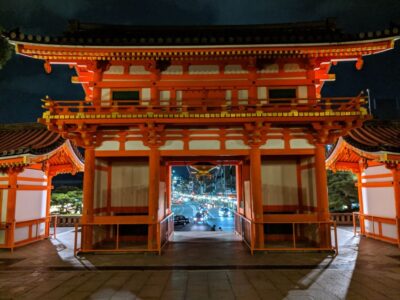
Best of Kyoto: Gion, Geisha, Pagodas & Cobblestones
Read our review →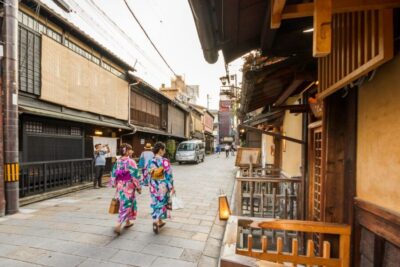
Kyoto Night Foodie Tour in Gion (9+ dishes + 6 Sake tastings)
Read our review →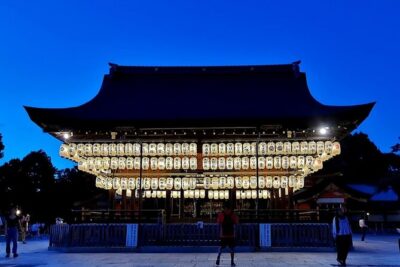
Kyoto Gion Geisha District Walking Tour – The Stories of Geisha
Read our review →
Kyoto Gion: 2-Hour Geisha Culture & History Walking Tour
Read our review →Browse the lists this tour appears in