
Reviewed · COOKING CLASSES
Osaka Cooking Class: Okonomiyaki &Japanese cuisines experience
What makes this Osaka cooking class interesting is the setting: you’re not in a big demo kitchen. You’re in a real local home, cooking Japanese comfort food at arm’s length with the instructor, Yayo. If your idea of travel includes food that you can actually remake later, this one fits.
I especially like the hands-on flow (you cook, not just watch), and the small group size that keeps things personal even when you’re not traveling with a friend. You also get the option to add a sake and beer pairing, which turns the meal into a little tasting session without getting too fancy.
One thing to consider: you’ll need to manage your expectations about time and space. The studio is small, and the experience runs tight, so arriving a bit late can mean you miss out.
Key highlights worth knowing
- Small-group limit of 8 keeps instruction practical and easy to follow
- Hands-on cooking at the host’s home feels like a food night with locals
- Miso soup, takoyaki, and okonomiyaki cover big flavor techniques in one lesson
- Optional sake and beer pairing adds a guided drink component
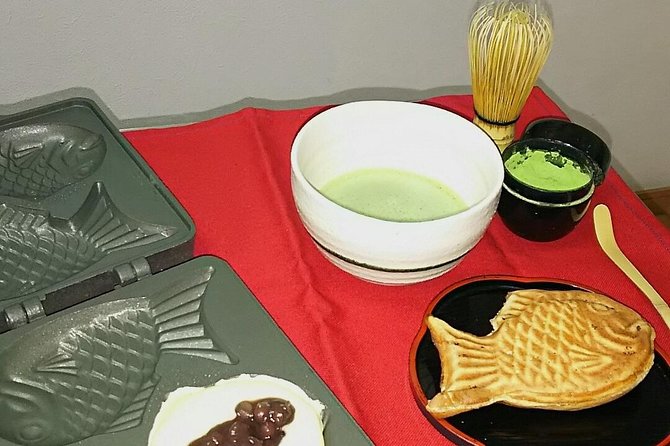
- Taiyaki and matcha tea round out the meal with a sweet stop
- Vegetarian or pescatarian options are available if you request ahead
Osaka Comfort Food You Can Cook Anywhere
Osaka has a reputation for food that’s bold, chatty, and made for eating with your hands. That’s why an okonomiyaki and takoyaki class makes sense here. These dishes are a lot more technique than they look like from photos.
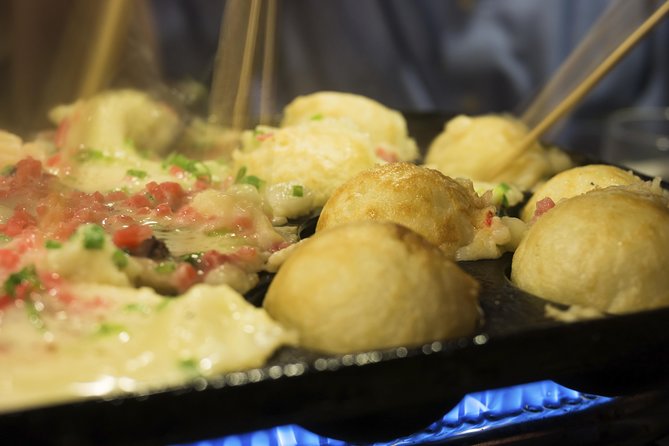
Okonomiyaki is basically a savory pancake, but the details matter. The batter mix, the cabbage prep, the heat control, and the way you build toppings all change the texture. Takoyaki, those deep-fried octopus balls, are even more about timing. You’re watching the pan, listening to what’s happening, and learning how to get that outside crisp without turning the center dry.
You’ll also work on miso soup, which is the best reminder that Japanese cooking is built on balance. A small shift in how you handle dashi and miso can make the bowl taste flat or lively. This class is set up to teach those small shifts in a way you can repeat at home.
More Cooking Classes in Osaka
- Osaka: Ramen and Gyoza Cooking Class in Dotonbori
★ 5.0 · 378 reviews - Ramen and Gyoza Cooking Class in Osaka
★ 5.0 · 202 reviews - Osaka Sake Tasting with Takoyaki Cooking
★ 5.0 · 156 reviews
Meeting Outside Noda Station and Getting Into the Right Mindset
You start outside Noda Station in Osaka, then move on to the cooking studio. The exact address is in Fukushima Ward (Ohiraki). This is a good location setup because it’s near public transportation, so you’re not stuck with long transit planning on an activity day.
The bigger point is the tone. A local-home class changes how you think about cooking. Instead of treating it like a performance, you treat it like a kitchen task. That’s why the format works so well for people who have zero confidence in their cooking skills.
Also, do yourself a favor and come hungry. The lesson runs about 2 hours 30 minutes, and you end up eating what you make. Between savory pancakes, fried balls, soup, and sweet taiyaki with matcha tea, you will likely leave feeling properly full, not lightly “sampled.”
Miso Soup First: Where Simple Ingredients Turn Tricky
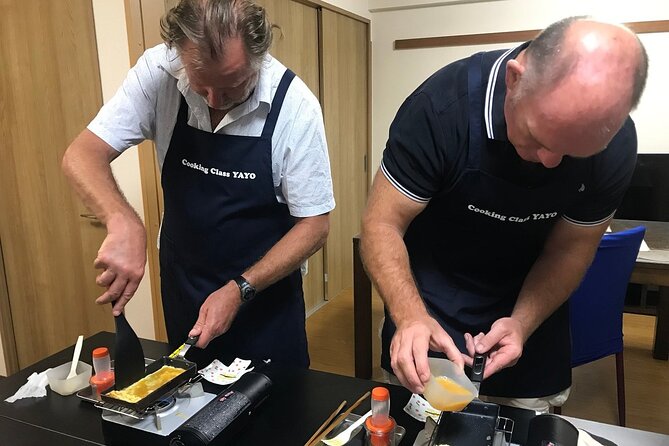
You begin by preparing miso soup, and this is more useful than it sounds. Miso soup is often treated as easy, but it’s where you learn the Japanese logic of subtlety. The class focuses on how technique affects flavor, not just which ingredient goes in.
In practical terms, you’re learning the idea that dashi and miso are not interchangeable. Dashi is the base that sets the mood, then miso is the flavor that lands on top. If you boil or handle miso too aggressively, it can lose the freshness you want.
This first dish matters because it sets you up for the rest of the menu. Once you understand how gentle handling changes the result in soup, you’ll notice the same pattern in frying and griddling later. Heat management becomes your new superpower.
Takoyaki in the Pan: Timing, Turning, and Crisp Edges
Next up is takoyaki: small, round, deep-fried batter balls stuffed with octopus. The class helps you learn it the way Osaka cooks do it in real kitchens, where the pan is basically a teammate.
Takoyaki training usually comes down to three things:
- Getting the batter to set properly
- Watching when the outside is ready for turning
- Keeping the center cooked but not tough
If you’ve ever tried takoyaki at home and ended up with sad, dense balls, the fix is almost always timing. This class builds your instincts for when to move and when to wait. The result is a texture you can actually aim for when you shop later for a takoyaki pan or a ready setup.
It’s also fun to learn takoyaki alongside others in a group. You can compare how yours looks after the first few rounds and adjust quickly. The lesson is paced so you’re not stressed about doing everything at once.
A change of pace from Osaka:
- Osaka Go Karting Tour with Funny Costume
★ 5.0 · 2,658 reviews - Osaka Castle: Museum and Tower Entry Ticket
★ 4.5 · 2,380 reviews - Osaka: Shinsekai Food Tour with 13-15 Dishes at 5 Eateries
★ 4.8 · 2,204 reviews - Osaka Food Tour: 13 Dishes at 5 Local Eateries
★ 5.0 · 2,149 reviews
Okonomiyaki: Building a Savory Pancake That Holds Together
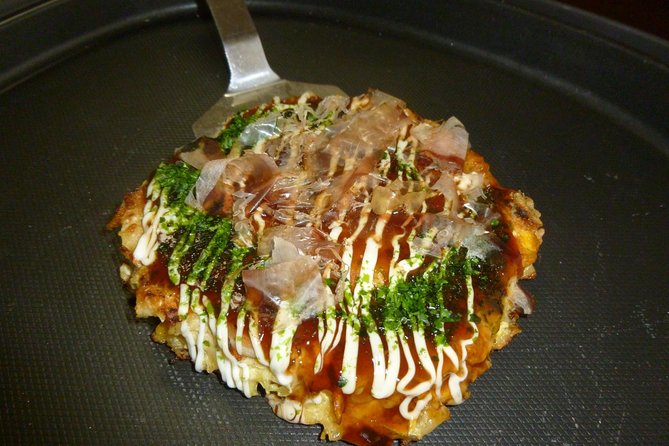
Then you make okonomiyaki, the star dish for many people who visit Osaka. You’ll work with egg, flour, cabbage, pork, and dried bonito flakes. That ingredient list already tells you the story: you’re building flavor layers, not just mixing batter.
Here’s what makes this stage valuable for you:
- Cabbage texture is key. Too raw and it stays crunchy in a bad way, too soft and it loses bite.
- The cooking surface is critical. Heat control decides whether you get crisp edges and a tender middle.
- Bonito flakes add aroma at the end. You learn how that finishing step changes the sensory experience.
Okonomiyaki is also a great learning dish because you can see the structure. When it’s ready, it cuts differently than when it’s undercooked. You learn by doing, then you eat your results, which is the fastest way to lock in technique.
If you’re the kind of traveler who wants one or two “I can do that” recipes before you leave, this is the dish that often sticks.
From Miso and Pancakes to Sweet, Tea, and Optional Pairing
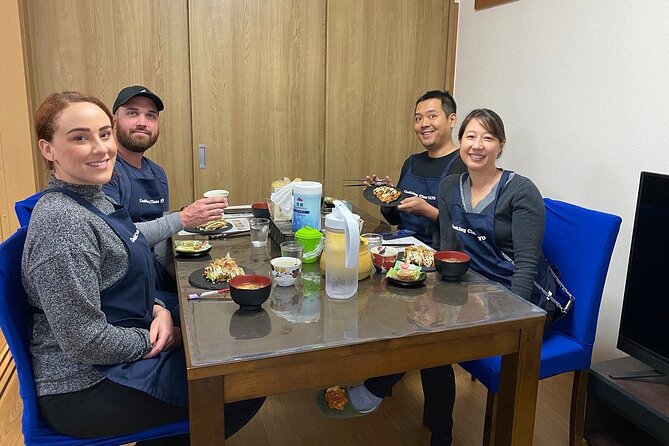
After cooking, you enjoy everything you made. There’s an optional add-on for sake and beer pairing, which can be a nice way to make the meal feel complete. You get the fun of tasting alongside food, without having to worry about ordering.
Before you leave, you also get to try taiyaki, the fish-shaped cake. It’s a classic Japanese sweet that fits perfectly at the end of a meal like this. You’ll also get matcha tea, giving you a clean finish after the savory dishes.
One small drawback of a food-heavy class is that you might underestimate how much you’ll eat. This experience has a full-meal feel, and people commonly leave very full. Plan for that, especially if you still want energy for night walks afterward.
What You Leave With: Techniques, Not Just Recipes
The best part of a cooking class is not the list of dishes. It’s what you learn about decision-making in the kitchen. Here, that’s the real value.
You’re learning professional tips and tricks to get Japanese cuisine right at home. Even if you’ve made pancakes before, these dishes teach different rules:
- Japanese dashi and miso approach flavor building with restraint
- Frying or griddling takes timing more than force
- Texture is a goal, not a side effect
What helps most is the pacing and instruction style. Reviews of this class often highlight how the instructor makes the experience feel like being welcomed into her home, with clear explanations and plenty of engagement. When someone explains why an ingredient matters, you stop relying on guesswork.
You’ll also likely appreciate small details like what to watch for during cooking, not just what to do. That is the difference between following directions and actually learning to cook.
Price, Time, and How to Judge Value at $104.13
At $104.13 per person, you’re paying for several things at once:
- A small-group class capped at 8 people
- A hands-on lesson with an English-speaking instructor
- Ingredients and utensils included
- A full lunch or dinner, based on what you cook
- Optional sake tasting add-on
For me, the value is strongest when you look at what’s included versus what you’d pay if you tried to replicate it yourself. In a normal restaurant meal, you pay for food. Here you pay for food plus instruction, plus the equipment knowledge you need to repeat the results.
Also, the class is about two and a half hours. That’s long enough to feel like you cooked, not just got a quick taste. If you’re visiting Osaka and want a real activity that also doubles as dinner, this is one of the easiest ways to get both without juggling plans.
Who This Class Suits Best
This is ideal if you:
- Want Osaka food you can reproduce at home, especially okonomiyaki and takoyaki
- Prefer small-group experiences over crowded show-and-tell formats
- Like learning the “why” behind ingredients, not just the steps
- Travel solo, as the experience can become extra personal when the group is smaller
If you don’t like fried foods or you avoid pork, request a vegetarian or pescatarian option when booking. Options are available if requested ahead of time.
If you want a hands-off “food tour,” this won’t fit as well. It’s a cooking lesson. Even if you’re nervous, the structure is designed to guide you through each step.
Should You Book This Osaka Okonomiyaki & Japanese Cuisine Lesson?
Yes, I think you should book it if you want one genuinely practical food experience in Osaka. The small-group size, the home kitchen setting, and the menu sequence (miso soup, takoyaki, okonomiyaki, then taiyaki and matcha) make the class feel complete instead of scattered.
Book it confidently if you care about technique and you’d like recipes that actually work. You’ll leave fed, and you’ll have the mental model for cooking these dishes again when you’re back home.
FAQ
Where does the Osaka cooking class start?
You meet outside Noda Station, Osaka at 1 Chome-1 Ohiraki, Fukushima Ward, Osaka 553-0007, Japan.
How long is the cooking class?
It lasts about 2 hours 30 minutes.
How many people are in the group?
The class is limited to a maximum of 8 travelers.
What dishes will I cook and eat?
You prepare miso soup, takoyaki, and okonomiyaki. Before you leave, you get to try taiyaki and matcha tea. After cooking, you enjoy what you make.
Is lunch or dinner included?
Yes. The class includes lunch or dinner, and you eat the dishes you cook.
Can I add sake and beer tasting?
Yes, a sake and beer pairing is available as an optional add-on.
Are vegetarian or pescatarian options available?
Yes, vegetarian and pescatarian options are available upon request at the time of booking.
Is the instructor English-speaking?
Yes, the instructor is listed as English-speaking.
Do I need to arrange hotel pickup?
No. Hotel pickup and drop-off are not included.
What if I arrive late?
Please arrive on time. Participation cannot be guaranteed for guests arriving more than 10 minutes late, and refunds will not be provided.
Latest write-ups near Osaka
- PRIVATE 6hr, Food tour from Osaka Castle, Kuromon, Dotonbori.★ 5.0 · 68 reviews
- 90 min Shared Handmade Udon Experience★ 5.0 · 70 reviews
- Ramen and Gyoza Cooking Class in Osaka Dotonbori★ 5.0 · 73 reviews
- Osaka: Sushi Making in Spacious Studio (SAME-DAY OK!)★ 5.0 · 75 reviews
- Osaka E-Bike Tour With A Local Guide★ 4.7 · 75 reviews
- 1.5〜2 Hours Traditional Kintsugi Work Shop in Namba Osaka★ 5.0 · 75 reviews
- Retro Osaka Street Food Tour: Shinsekai★ 4.5 · 77 reviews
- Osaka: Osaka Castle Guided Tour with Local Guide★ 4.7 · 78 reviews
Cooking Classes, compared.
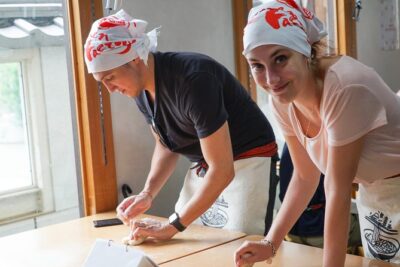
Ramen Cooking Class at Ramen Factory in Kyoto
Read our review →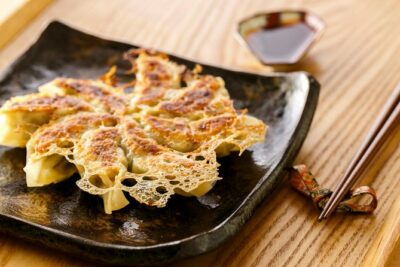
Ramen & Gyoza Cooking Class in Tokyo with Local Supermarket Visit
Read our review →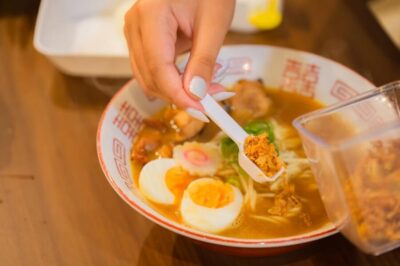
Ramen Cooking Class at a Ramen Factory with Souvenir
Read our review →
Japanese Washoku Bento Small Group Cooking Class
Read our review →
Easy Ramen Cooking Experience in Kabukicho, Shinjuku
Read our review →
Ramen and Sushi Cooking Class with Sake Pairing Set in Tokyo
Read our review →Browse the lists this tour appears in