
Reviewed · COOKING CLASSES
Japanese Cooking Class with Local Family in Takayama Old Town
This experience is interesting because it is not a showroom lesson. You step into a 200-year-old wooden townhouse in Takayama Old Town, meet Hisa and Bob, and cook the way a local family eats, with seasonal pacing and real conversation.
I love how hands-on the class is, from making dashi to working the kitchen tools side by side. I also like the home setting, including a semi-outdoor cooking space and the chance to see the townhouse’s old clinic history, not just the dining table.
One drawback to consider: the schedule is time-slot based, so what you eat (lunch vs dinner) depends on the slot you choose, and the dishes are tailored to preferences, which means the menu is not the same for everyone.
Key highlights you should know
- A 200-year-old townhouse on the main street of Takayama Old Town, with a clinic past and family living spaces
- Tea and wagashi first, then a straightforward intro to Japanese home cooking
- Cooking dashi and seasonal ingredients as the backbone of the meal
- A semi-outdoor kitchen where you cook like locals did, with communal flow
- Five seasonal dishes shaped around what you want to eat and what you avoid
- Dessert that feels Japanese: fresh fruit prepared in a traditional style
Entering a 200-year-old Takayama home, not a cooking studio
In Takayama Old Town, it is easy to spend your time walking streets that look like history. This class gives you something better than a photo stop. You actually go inside a 200-year-old wooden townhouse right on the main street, and it feels like stepping through a time curtain into how families once lived.
The home used to function as a local clinic, where many babies were born. That matters because the layout makes sense in a practical, human way, not as a themed set. As you move through the former clinic area and into the family living quarters, you get a sense of why Japanese homes often grew into their purpose over generations.
Also, you will notice how small details are treated with care. It is not flashy. It is lived-in. That changes the mood of the cooking class, because you are not just learning food, you are learning a lifestyle.
This is a private experience, meaning it is your group only. In practical terms, that usually helps you ask questions, get the exact help you need, and make requests without feeling rushed.
More Cooking Classes in Takayama:
- Ramen Cooking Class at Ramen Factory in Kyoto
★ 5.0 · 1,937 reviews - Ramen & Gyoza Cooking Class in Tokyo with Local Supermarket Visit
★ 5.0 · 823 reviews - Kyoto: Ramen Cooking Class at a Ramen Factory with Souvenir
★ 4.9 · 532 reviews
Tea, wagashi, and the quick orientation that actually helps
The class starts with Japanese tea and delicate wagashi, traditional sweets. This is not a random appetizer moment. It sets the tone: calm, orderly, and gently focused, like the family is welcoming you rather than running a show.
Then you get a short introduction to Japanese home cooking. The goal here is to help you cook with understanding, not just memorizing steps. You should expect a rundown that connects ingredients to taste, including how Japanese flavors build in layers.
One practical plus: when the basics are explained clearly, you can take the skills home. You can cook similar dishes again even if your ingredients are slightly different.
The kitchen setup, and why the semi-outdoor space matters
After the intro, you slip into a traditional apron and move to the kitchen area. What makes this special is that the cooking happens in a semi-outdoor kitchen, a peaceful space designed for day-to-day meal prep, not performance.
A semi-outdoor kitchen changes how the cooking feels. It usually means better airflow, a more relaxed rhythm, and a communal feel where everyone can see and participate. In other words, you are not stuck watching from one side while a host works alone.
You will also learn about tools and techniques as you go. That is a big deal, because Japanese home cooking often depends on method details that Western cooking classes skip. Things like temperature sense, how you handle timing, and how seasoning works in sequence can be the difference between good and great results.
In past sessions, people have specifically enjoyed learning techniques like flipping and rolling styles for Japanese items, plus hands-on work with eggs and rice. Even if your exact menu differs, the teaching style is the same: step-by-step, with encouragement as you try.
Making dashi and the ingredient logic behind Japanese flavor
Dashi is one of those words you hear a lot in Japan, but it is hard to truly understand until you cook it in a home kitchen. Here, you will make dashi as part of the class, and you will explore key ingredients that give Japanese food its signature depth.
What I like about this approach is that you are not just told dashi is important. You work with it early, so it becomes the foundation of everything that follows. When the soup stock is made with care, it changes how the rest of the meal tastes, and you start to recognize flavor patterns instead of chasing individual seasonings.
You will also get guidance on ingredients that show up in Japanese home cooking, including fish-based elements like bonito. In some sessions, people have even been shown how bonito is shaved using a traditional household tool, which is exactly the kind of detail you usually miss in restaurant-only travel.
If you like cooking, this part will feel satisfying. If you do not cook much at home, this is still useful because it teaches you the logic of what makes the food taste right.
A change of pace from Takayama:
- Kanazawa: World Heritage Shirakawa-go Morning Guided Tour
★ 4.9 · 988 reviews - Kanazawa: World Heritage Shirakawa-go & Two Local Experience
★ 4.9 · 274 reviews - Kanazawa/Takayama: Shirakawago & Takayama Private Day Tour
★ 4.8 · 172 reviews - Departing from Takayama [Regular sightseeing bus] World Heritage Sites Shirakawago and Gokayama Ainokura
★ 4.5 · 137 reviews
Five seasonal dishes tailored to you, and what that really means
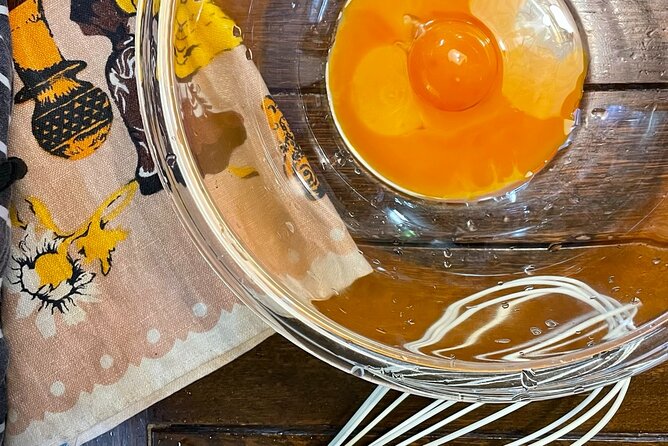
You will cook five seasonal dishes. The menu is tailored to your preferences and requests, and you are encouraged to write down food requests or restrictions in advance. That is not just a nice-to-have. It often determines whether the meal feels like a collaboration or like you are adapting at the last minute.
Based on what has happened in prior classes, you might make items such as sushi rolls, rice-based shapes, gyoza, tempura, Japanese omelette, or other seasonal dishes built around what is fresh and available in Takayama and the Hida region. The key is not the specific dish name. The key is that you will learn home-style technique.
So how does tailoring work in real life? Typically, you will discuss what you want, what you cannot eat, and what you prefer in flavor. Then the hosts adjust within the structure of the class. People have also described that menus were changed to match the group’s needs, so flexibility is part of the experience.
This tailoring is one of the most praised aspects of the experience for a reason. It means you are not stuck with a fixed set of dishes that might miss the mark for your tastes.
A note on alcohol and your meal flow
Coffee and/or tea are included. Alcoholic beverages are not included, so if you want sake or beer, you would need to handle that separately. In some sessions, hosts have offered local sake to try, but alcohol is not guaranteed as part of the included package.
Eating the meal together, in the same place you cooked
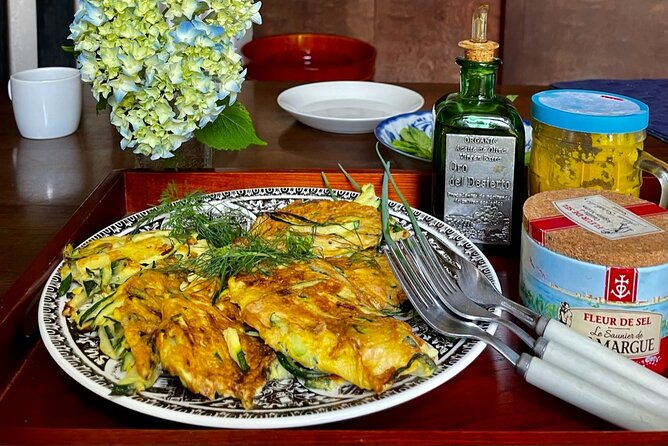
Once cooking is done, you eat what you made. That may sound obvious, but it is one of the biggest value points. You get a direct reward for your effort, and you also get a more natural flow for conversation.
You will finish with fresh seasonal fruit prepared in a uniquely Japanese style for dessert. In other words, it is not just fruit thrown on a plate. It feels like a planned ending that respects seasonality and presentation.
If you have dietary restrictions, this shared meal matters even more, because you will usually see how the hosts think through adjustments. In prior experiences, people reported thoughtful accommodations, including menu swaps.
Who hosts this, and how English-friendly it feels
The main hosts are Hisa and Bob. They run the class with warmth and clear instruction. Reviews also mention Tomoa as part of the hosting group, especially in sessions where the experience felt both informative and very welcoming.
The good part for you is that language is handled smoothly. The hosts are fluent in English, and they use a teaching style that keeps you moving. You will not feel like you are drowning in explanations, and you should be able to ask simple questions as you cook.
Also, you are guided through the history of the area and how life in the Hida mountains links to the seasons. That is one of the reasons people feel this as more than a meal-making workshop. You are connecting food to place.
Timing and what fits it best in your Takayama day
The class runs about 3 hours. There are time slots: a 10:00 AM slot that includes lunch, and a 4:30 PM slot that includes dinner.
I think the 10:00 AM slot suits you if you want an early anchor in your Takayama Old Town itinerary. You get a full meal in the middle of the day, and then you are free to explore the town after you are fed and relaxed.
The 4:30 PM slot is great if you like the evening rhythm. Takayama Old Town tends to feel calmer later, and a dinner class lets you end your day at a human pace rather than squeezing in one more attraction.
Either way, you meet at 93 Kamisannomachi, Takayama, Gifu 506-0846, Japan. The activity ends back at the meeting point.
Price in plain terms: what $211.37 buys you
At $211.37 per person, this is not a budget cooking class. But it is also not just paying for food instruction.
You are paying for:
- A private, family-led session in a real 200-year-old townhouse that is usually closed to the public
- Tea, wagashi, and the meal (lunch or dinner depending on slot) plus dessert fruit
- Hands-on cooking with guidance through dashi and seasonal dishes
- English-speaking hosts who share stories, local context, and home-cooking techniques
- Tailoring around your food requests and restrictions
If you compare this to group cooking classes in more touristy settings, the value shifts quickly. This experience is smaller, more personal, and more rooted in place. Also, you are leaving with skills you can repeat, not just a full stomach.
One practical consideration: since the home is the main feature, you should book with confidence that you will actually enjoy the “eat like a family” vibe. If you only want a quick culinary hit with no history and no conversation, this may feel slower than you prefer.
Small practical tips so you get the most out of it
- Send your food requests early. The class is tailored, and that helps them plan ingredients and steps.
- Wear something comfortable. You will be cooking, standing, and moving through home spaces, including a semi-outdoor area.
- Expect a casual pace, not a rushed factory. The best part is the relaxed teaching and shared meal.
- Ask one question and then another. The hosts share stories about Takayama, the seasons, and home cooking. Let your curiosity guide the conversation.
If you are a solo traveler, this kind of private home experience can feel especially meaningful because you get direct attention. If you are a small group, it stays interactive and you can cook together without competing for camera space.
Should you book this Japanese Cooking Class in Takayama?
I would book it if you want Takayama to feel human, not staged. You are choosing the kind of experience where the real value is the welcome, the home setting, and the practical cooking skills tied to seasonality.
Book it if you care about:
- Home-style technique like dashi and seasoning logic
- Eating what you cooked in a family space
- A private class with English-speaking hosts, Hisa and Bob (with Tomoa sometimes involved)
- A menu that adapts to your preferences and restrictions
Skip it only if you want a fast, high-energy activity with a fixed menu and minimal conversation. Otherwise, this is the sort of meal memory that tends to stay with you, because it is not just food. It is how someone lives, cooks, and shares time.
FAQ
What time does the class run?
The experience lasts about 3 hours. It is offered in a 10:00 AM slot (lunch included) and a 4:30 PM slot (dinner included).
Where do I meet for the Japanese cooking class?
You meet at 93 Kamisannomachi, Takayama, Gifu 506-0846, Japan. The activity ends back at the same meeting point.
Is this a private experience?
Yes. This is a private tour or activity, and only your group will participate.
What is included in the price?
Coffee and/or tea are included. Lunch is included for the 10:00 AM slot, and dinner is included for the 4:30 PM slot.
Are alcoholic beverages included?
No. Alcoholic beverages are not included.
What is the cancellation policy?
You can cancel for a full refund up to 24 hours in advance of the experience start time. If you cancel less than 24 hours before the start time, the amount paid will not be refunded.
Latest write-ups near Takayama
- Ninja Experience in Takayama – Trial Course★ 5.0 · 20 reviews
- Magome & Tsumago Nakasendo Full-Day Private Trip with Government-Licensed Guide★ 5.0 · 20 reviews
- Ninja experience in Takayama – Special Course★ 5.0 · 20 reviews
- Frozen fall trekking★ 5.0 · 21 reviews
- Takayama: Edo-Period Old Town Walking Tour★ 4.5 · 22 reviews
- 1-Day Tour from Takayama: Hida Folk Village, Caves & Ropeway★ 5.0 · 24 reviews
- Takayama: Private Walking Tour with a Local Guide★ 4.6 · 29 reviews
- Sawanobori River Trekking Tour★ 5.0 · 30 reviews
Cooking Classes, compared.
Ramen Cooking Class at Ramen Factory in Kyoto
Read our review →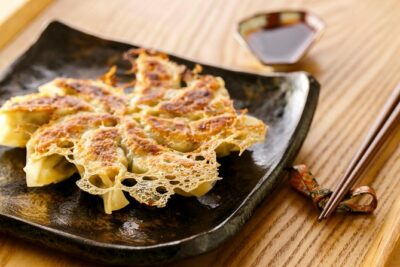
Ramen & Gyoza Cooking Class in Tokyo with Local Supermarket Visit
Read our review →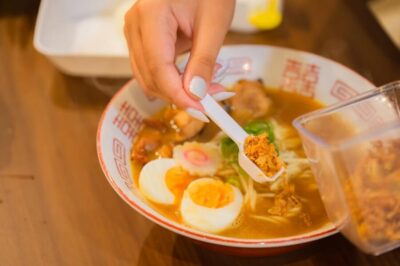
Ramen Cooking Class at a Ramen Factory with Souvenir
Read our review →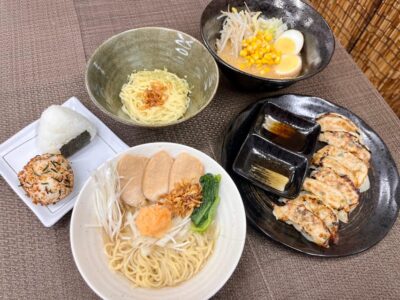
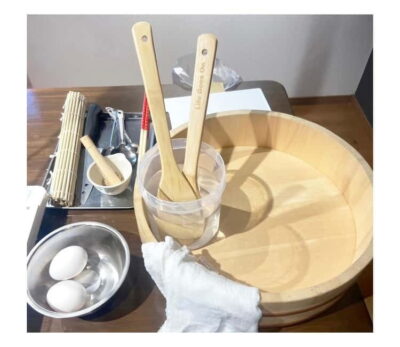
Japanese Washoku Bento Small Group Cooking Class
Read our review →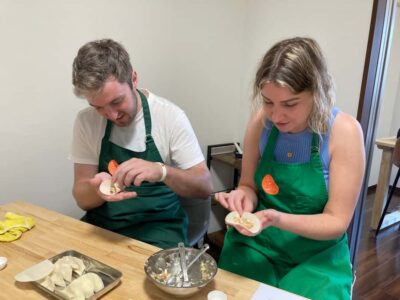
Easy Ramen Cooking Experience in Kabukicho, Shinjuku
Read our review →
Ramen and Sushi Cooking Class with Sake Pairing Set in Tokyo
Read our review →Browse the lists this tour appears in