
Reviewed · MARKET TOURS
Tokyo: Classic Tsukiji Food Tour
Tokyo’s Tsukiji area is one of those places where food is the culture, not a side dish. You get a morning look at how Japan’s fish market world actually tastes, with alleyway snacks, real vendor energy, and a guide who helps you order and eat with confidence.
I especially like two things. First, the tour feeds you properly: a local breakfast plus multiple tastings from the Tsukiji Outer Market area and traditional Japanese sweets. Second, you’re not stuck eating one-note seafood, you also get regional and seasonal food picks that broaden your Japan taste map fast. One possible drawback: this is advanced walking, so you’ll want good shoes and a stomach ready for a lot of stops.
Quick take: what this Tsukiji breakfast tour does well
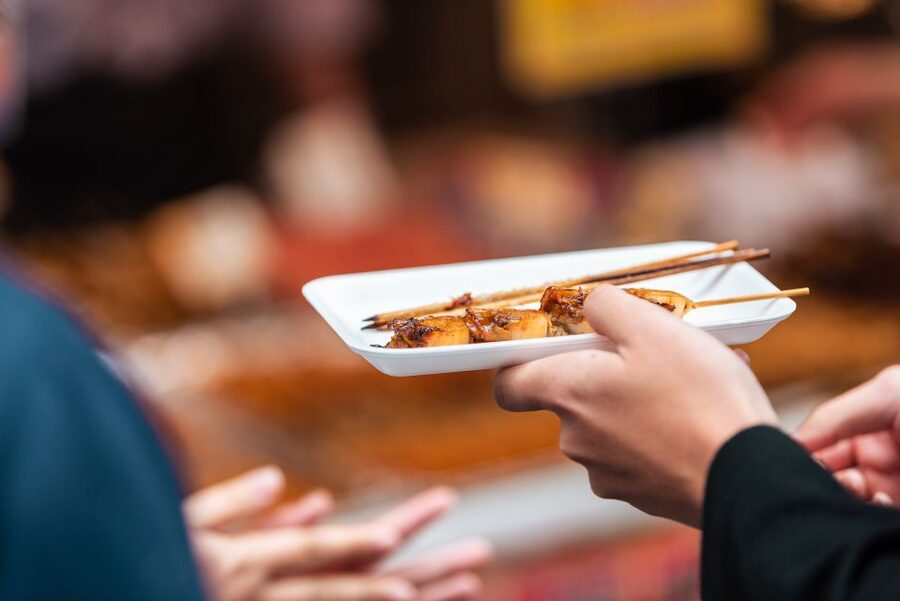
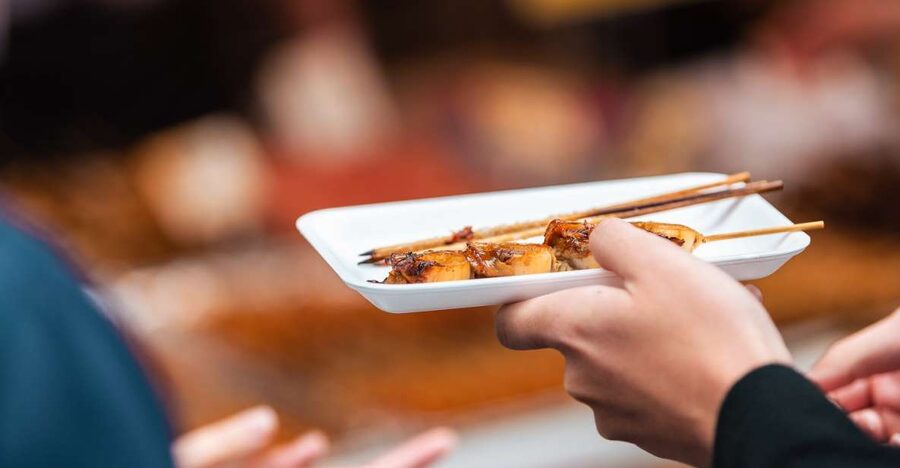
- Real working-market food focus: breakfast first, then tastings through the Tsukiji Outer Market area.
- Small group pace: limited to 10 participants, so you can ask questions and move through narrow streets without feeling lost.
- Guide-led ordering and confidence: many guests highlight that the guide helps them find and choose foods they’d skip on their own.
- More than sashimi: you’ll also run into tamagoyaki, miso soup, pickles and spices, and sweet finishes.
- Sometimes you get extra help: some guides have gone beyond food, like helping with Suica setup or recommending a knife shop after the tour.
Why Tsukiji still matters for your Japan food start
Tsukiji is famous for seafood, but the smarter reason to come is simple. In the Tsukiji Outer Market zone, you can see how Japanese food culture is built: quality ingredients, fast service, and a lot of pride in small details.
This tour is designed for your first morning in that world. You start with breakfast, then you walk and taste in a way that helps you understand what you are seeing. Instead of just snapping photos and moving on, you learn how vendors think, what flavors they emphasize, and why certain combinations make sense.
Also, guides can make the difference between tourism and understanding. Names that show up in guest feedback include Yappy, Kay, Sandra, Shigeki, Josh, and Michie. When people rate this tour so high, it’s usually because the guide can translate what you’re looking at into food decisions you can repeat later.
More Food & Drink in Tokyo
- Tokyo: Shinjuku Food Tour (13 Dishes at 4 Local Eateries)
★ 5.0 · 6,603 reviews - Tokyo Tsukiji Fish Market Food and Culture Walking Tour
★ 5.0 · 3,184 reviews - Tokyo: Shinjuku Food Tour (15 Dishes and 4 Eateries)
★ 4.9 · 2,033 reviews
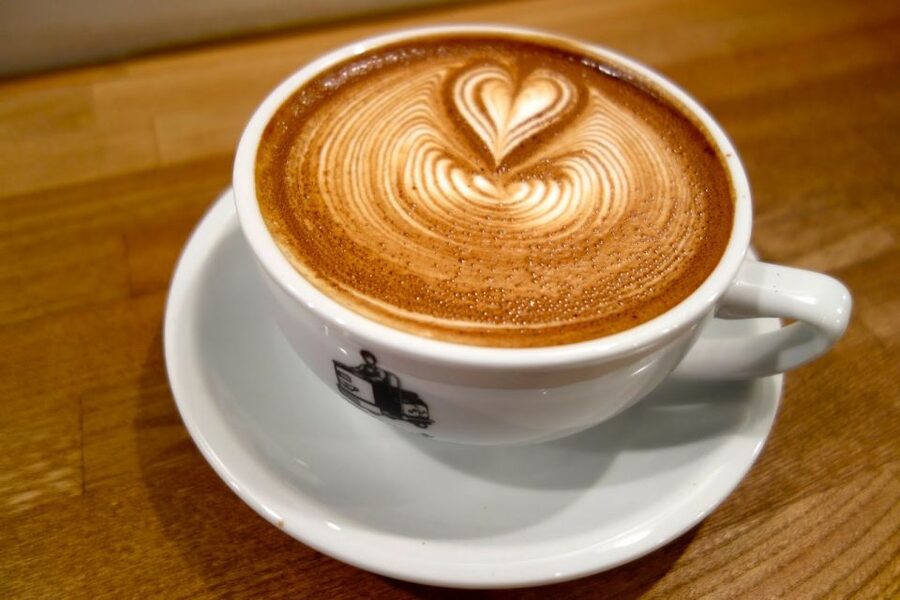
Meeting point at Turret Coffee Shop, Tsukiji Exit 2
The meeting point is Turret Coffee Shop in Tsukiji, specifically take Exit 2. Your guide will be there holding an Arigato Travel sign.
Why that matters: Tsukiji can feel like a maze at street level. If you start with a clear rendezvous point and a guide who knows the routes, you lose less time and stress. It’s also a good setup for a morning tour, because you can arrive, get oriented, and then go straight into breakfast instead of wandering first.
The tour runs about 3 hours, in English, and keeps the group to 10 participants or fewer. That small size is part of the value. In crowded markets, a big group turns into a slow-moving bottleneck. Here, you stay mobile.
Breakfast stop: why you start with grilled fish and miso soup
You don’t start with dessert or a snack. You start with breakfast at a local restaurant, and the whole point is to establish the baseline flavors of a Japanese morning.
Expect things in the style of:
- grilled fish as part of the set breakfast
- miso soup
- rice
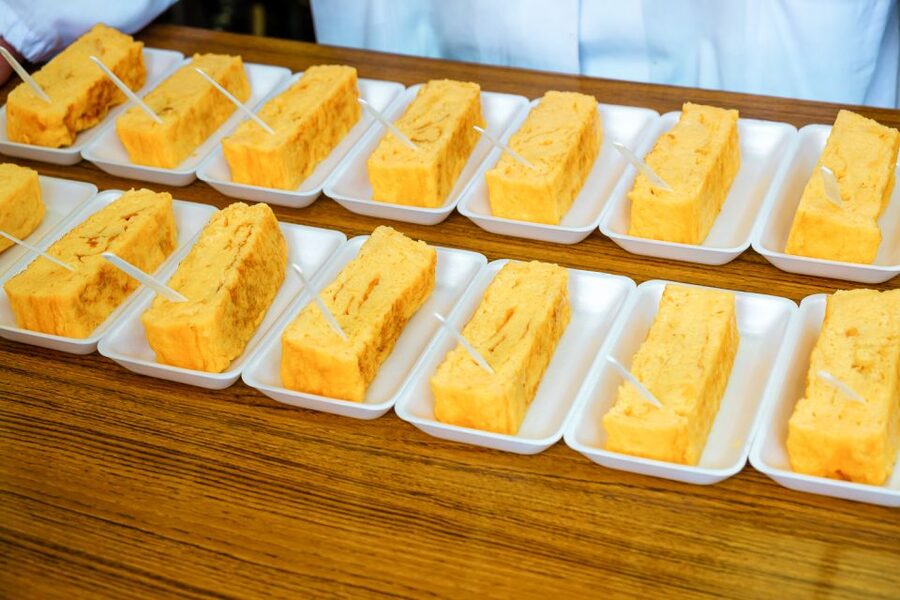
- egg-focused items like tamagoyaki
In feedback, guests specifically mention breakfast featuring mackerel, black cod, and miso soup, along with the way the meal sets you up for the rest of the walk. That sequence is smart. If you eat a proper local breakfast first, later tastings make sense. You taste fish and seasonings in context, not as random samples.
One more practical note: this is a food-forward tour with ample bites included. If you tend to snack lightly on travel days, you’ll still want breakfast hunger. Come hungry enough to enjoy everything, but don’t show up so full that you struggle through the seafood tastings.
Walking the Tsukiji Outer Market with a guide who reads the stalls
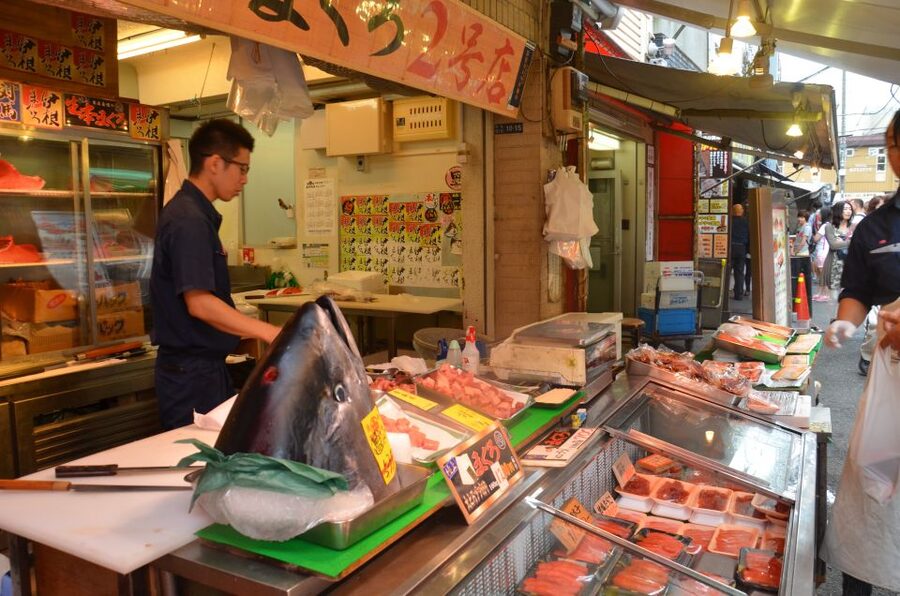
After breakfast, the tour shifts into the Tsukiji Outer Market area. This is where you’ll see the market’s character up close, the narrow lanes, the vendor rhythm, and the way different stalls specialize.
What you’re doing here is more than shopping. You’re learning how to judge food choices quickly:
- which stalls are focused on seafood preparation
- how pickles and spices show up as flavor partners
- how vendors package things that are meant to be eaten right away
- what tastes are “seasonal” in a practical sense, not just a marketing word
Guests repeatedly highlight that the guide navigates the maze confidently. Several people mention that, without the guide, they would not have felt comfortable going into the smaller sections or choosing the food they ended up loving most.
Also, some guides handle the high-crowd timing well. One guest noted that a guide successfully managed the New Year crowds to deliver an authentic experience. That tells me the tour is not just a casual stroll, it’s guided routing that respects how market flow changes.
More Market Tours in Tokyo
- Tokyo: Tsukiji Fish Market Food and Walking tour
★ 5.0 · 1,724 reviews - Tokyo: Tsukiji Fish Market Guided Walking Tour
★ 4.9 · 1,397 reviews - Tokyo Sushi Making Class in Tsukiji with Professional Chef
★ 5.0 · 1,177 reviews - Tsukiji Fish Market Guided Tour and Sushi Making with Pro Chef
★ 5.0 · 775 reviews
Tastings you can build your own lunch around
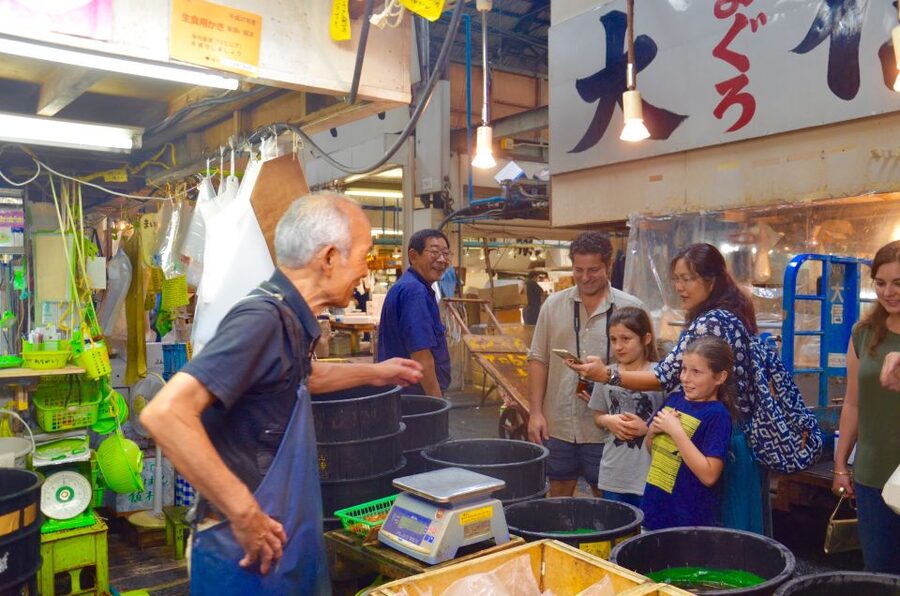
The included tastings from the Tsukiji Outer Market area are where this tour earns its keep. You’re not paying for a single item. You’re paying for a sequence of tastes, plus help understanding what to do with what you buy next.
You’ll likely see a mix of:
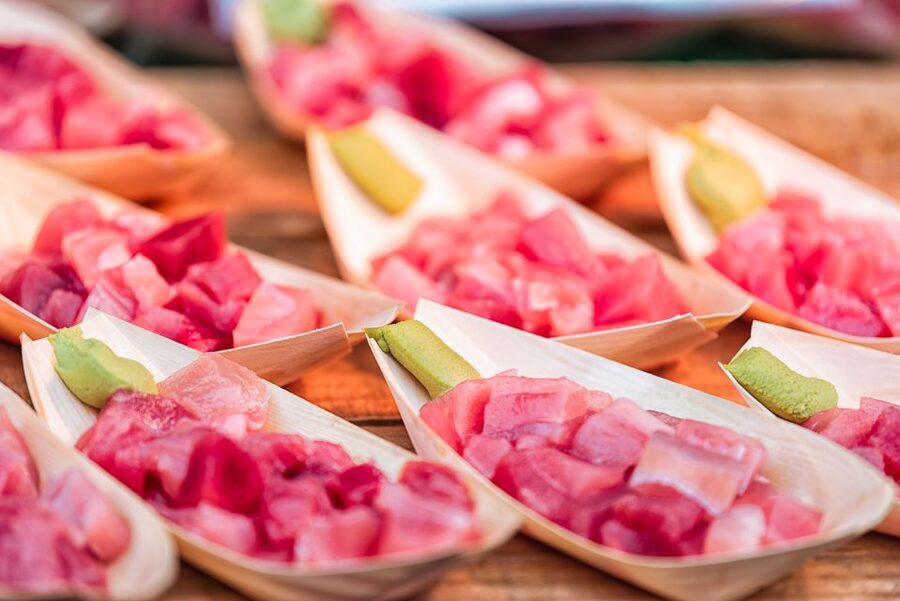
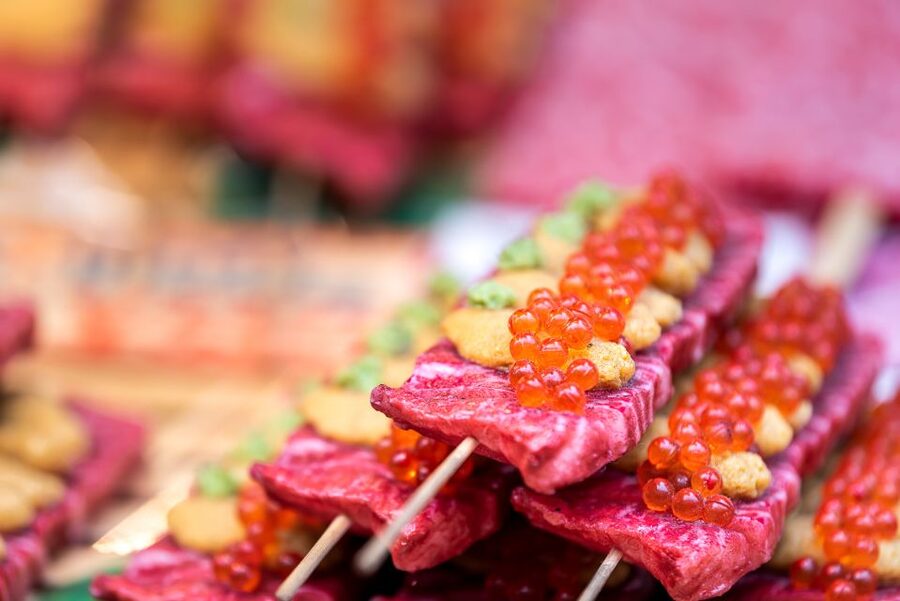
- seafood items including sashimi
- items that show different textures and preparations
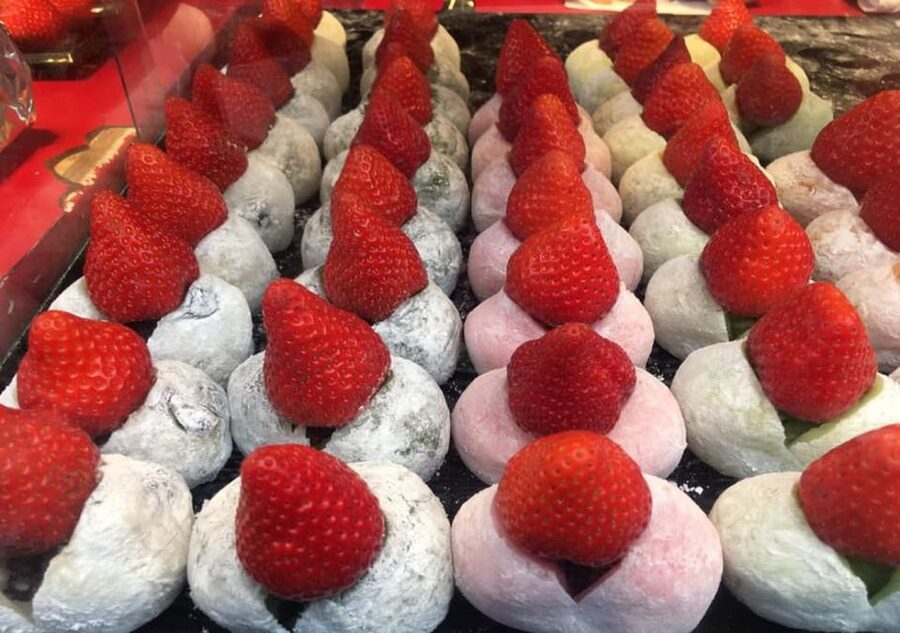
- traditional Japanese sweets
A standout detail from guest feedback is the quality of the seafood. Multiple reviews call out some of the best sashimi they have ever had, which is exactly what you want to hear from a Tokyo food tour.
Another reason people rate this so highly is that you don’t just get tasting. You get learning that can turn into a purchase. One guest described how the guide helped pre-buy items and then shop for more to make a picnic-style lunch from sashimi selections. That’s a real travel skill: you learn how to turn a guided taste into your own market plan.
And yes, there can be cool “how it’s made” moments too. One guest mentions learning about how to grate fresh wasabi. Another mentions oyster freshness so strong you could taste the sea. These are the kinds of small, sensory lessons that make a market tour stick in your memory.
The shrine and the 300-year lens on food culture
A big part of the experience is not only eating. You also get a stop at a shrine with history behind it, described as steeped in over 300 years of age.
Why add a shrine to a food tour? Because it gives you a map for why food matters beyond calories. Japan has long ties between seasonal cycles, community rituals, and the way people treat ingredients. You’ll see that logic in how market vendors carry tradition, even as the market changes.
The guide stories are also part of this. People mention humor and informative explanations, and they specifically talk about learning history along the route and connecting that to what’s on the stalls. That is what keeps the tour from feeling like a sequence of snack stops. You’re building meaning while you eat.
Regional and seasonal food: the smart way to taste more of Japan
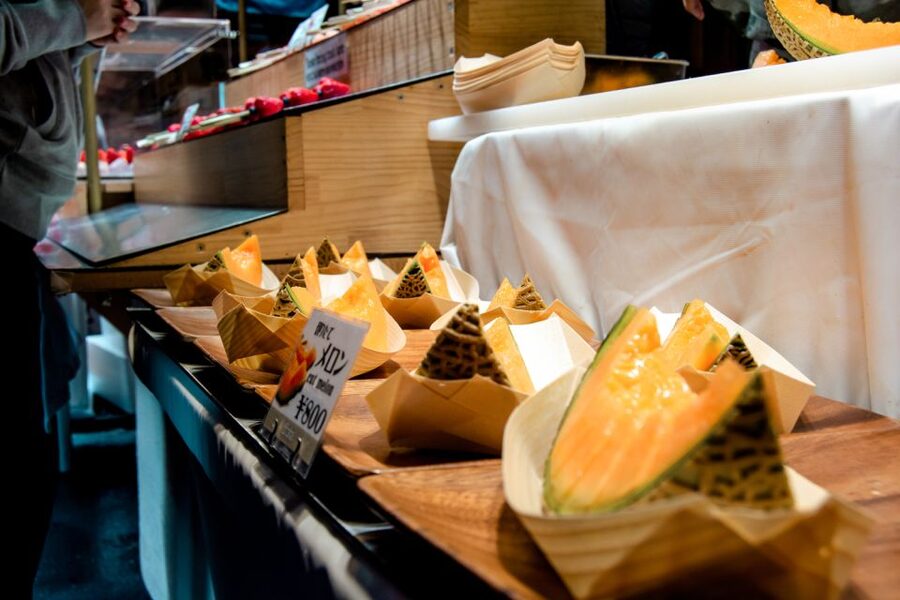
A common mistake on food tours is eating only the headline dish. With Tsukiji, the headline is seafood. That said, the best tours also help you widen your food map, so you understand what else Japan does well.
This tour includes exploration of regional and seasonal food from around Japan. In practice, that can mean:
- side flavors like pickles and spices that help seafood taste less one-dimensional
- sweet items that show a different structure than Western desserts
- tasting variety so you learn what Japanese “seasonality” feels like on your tongue
Guests describe the tastings as varied and sometimes unusual. One guest highlights the opportunity to try foods they would not have known about otherwise. Another mentions fish-shaped custard dessert as a unique sweet. That fits the idea of regional variety, because those sweets often reflect local seasonal tastes and popular shapes tied to Japanese confectionery traditions.
If you’re trying to understand Japanese food beyond sushi, this is a strong start. It gives you flavor anchors you can reuse later when you read menus around Tokyo.
Comfort and walking reality check for advanced routes
This tour has Walking Level: Advanced. That doesn’t mean it’s a hike in the mountains. It means you should expect:
- lots of standing and moving through tight spaces
- uneven surfaces and crowd navigation
- shoes that can handle a full morning on your feet
My advice: wear comfortable, grippy footwear and dress for morning temperatures. Layers are smart, because market weather can change quickly and you’ll be moving constantly.
Also note what is not allowed. Baby strollers are not allowed, and unaccompanied minors are not allowed. Children must be accompanied by an adult, and a passport copy is required for those aged 10 and above. If you’re traveling with kids, plan to keep them close and ready to walk the full time.
Price and value: what $181 covers, and what it doesn’t
At $181 per person for about 3 hours, this is not a budget snack crawl. It costs more than buying a few items on your own.
But the value equation is clearer when you look at what’s included:
- breakfast at a local restaurant
- food tastings from the Tsukiji Outer Market area
- traditional Japanese sweets
- regional and seasonal food exploration
So you’re paying for coordination, translation, and guidance to quality stalls. In crowded markets, that usually saves you time and helps you avoid two problems: ordering the wrong item or settling for lower-quality choices simply because you do not know what to look for.
One guest noted it was expensive for a group of four, but still worth it. That matches the math. In a small group, your cost per person stays high, but you also get more attention and a more efficient route.
What is not included is also important for your expectations. Hotel pickup is not included, and transportation costs, additional drinks, or extra food beyond what’s stated are not included (though you can buy at your own expense).
If you want a tour where you eat a lot, get guidance, and end the morning with food confidence, this price can make sense. If you only want a taste or two and you’re comfortable navigating markets alone, then you might find cheaper alternatives.
Who should book this Tsukiji breakfast food tour
This works especially well if:
- it’s your first time in Japan and you want a clean entry into Japanese food culture
- you love seafood but also want more than just one category
- you want a guide to help you pick stalls and order with confidence
- you prefer a small group, not a loud bus crowd
It’s also a good fit for couples and small families who can handle walking. Several reviews mention teens enjoying the guide, which suggests the tour energy can work for younger eaters too, as long as you plan for the walking level.
If you dislike fish or you can only eat very plain flavors, this might be tougher. While the tour is described as exploring regional and seasonal food, the Tsukiji focus will still be seafood heavy.
Practical tips so you enjoy every stop
Before you go, think like a market eater:
- Bring your passport as required by the tour information.
- Wear comfortable shoes, because the walking level is advanced.
- Keep expectations realistic: you’ll be eating enough that you should save room for the tastings after breakfast.
- If you’re curious about local habits, ask your guide questions. People consistently mention that guides tell stories and answer questions well.
One fun bonus from guest feedback: a guide helped set up Suica passes on a phone for train use. That’s not guaranteed, but it’s a sign that guides often try to help with small practical needs beyond the food.
Should you book?
If you want a morning in Tokyo that feels like real food culture, not just a list of photos, I’d book this. The biggest reasons are straightforward: you eat a real breakfast, you get tastings that help you understand the market, and you have a small group guide who can steer you through the alleys with confidence.
Skip it only if you hate walking or you want a light sampling day. This is a come hungry, walk a lot, taste widely kind of tour.
If your goal is to leave Tsukiji with a stronger sense of Japanese flavor and a better idea of what to eat next, this is a strong way to start your trip.
FAQ
How long is the Tokyo Classic Tsukiji Food Tour?
It lasts about 3 hours.
What is included in the tour price?
The tour includes breakfast at a local restaurant, food tastings from the Tsukiji Outer Market area, traditional Japanese sweets, and exploration of regional food from around Japan.
Where do we meet the guide?
Meet at Turret Coffee Shop in Tsukiji (take Exit 2). Your guide will be there holding an Arigato Travel sign.
Is hotel pick-up included?
No, hotel pick-up is not included.
Is the tour in English?
Yes, it’s a live tour guide in English.
How big is the group?
It’s a small group limited to 10 participants.
Do I need to bring a passport?
Yes. The tour asks you to bring your passport. For children aged 10 and above, a copy of the passport is required.
Are strollers allowed?
Baby strollers are not allowed.
Are unaccompanied minors allowed?
No, unaccompanied minors are not allowed. Children must be accompanied by an adult.
What kind of walking should I expect?
The walking level is advanced, so you’ll want comfortable shoes and be ready for a lot of walking.
What happens if I need to cancel?
The tour offers free cancellation up to 24 hours in advance for a full refund.
Latest write-ups near Tokyo
- Tokyo Customized Private Tour: See Top Attractions in 1 Day★ 4.8 · 67 reviews
- From Tokyo: Top 5 Scenic Spots of Mount Fuji Full-Day Tour★ 4.5 · 67 reviews
- Tokyo: Shinjuku Izakaya and Golden Gai Bar Hopping Tour (2h)★ 4.9 · 67 reviews
- Traditional Japanese Music ZAKURO SHOW in Tokyo★ 5.0 · 67 reviews
- Tsukiji: Unlimited Sake Tasting Experience★ 4.9 · 67 reviews
- Tokyo: Not a show- a professional sumo practice with experts★ 4.9 · 67 reviews
- Samurai Ninja Museum Asakusa: Kid-Friendly Ninja Training★ 4.7 · 67 reviews
- Private Harajuku Omotesando Architecture Walking Tour★ 5.0 · 67 reviews
Market Tours, compared.
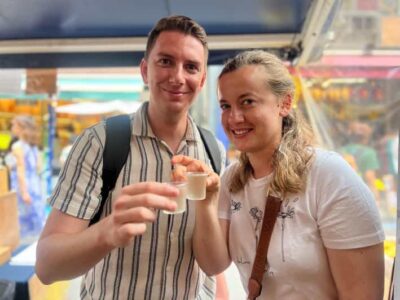
Tokyo Tsukiji Fish Market Food and Culture Walking Tour
Read our review →
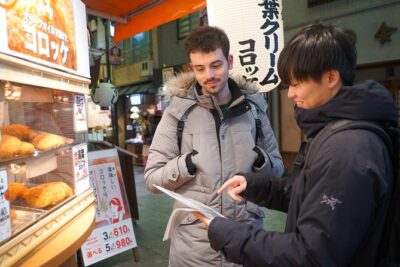
Nishiki Market Brunch Walking Tour (7 Tastings + Brunch)
Read our review →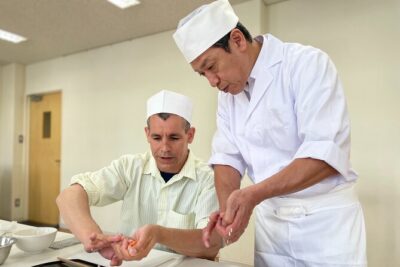
Tokyo Sushi Making Class in Tsukiji with Professional Chef
Read our review →
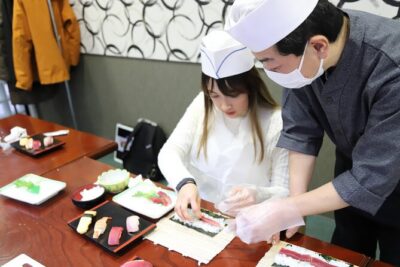
Tsukiji Fish Market Guided Tour and Sushi Making with Pro Chef
Read our review →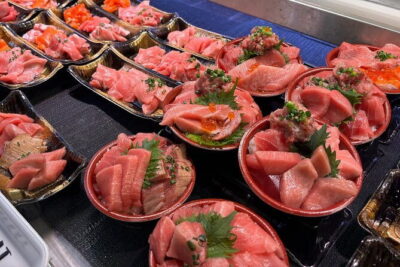
Tsukiji Fish Market: Street Food & Culture Walking Tour
Read our review →Browse the lists this tour appears in