
Reviewed · DAY TRIPS IN KYOTO
Kyoto 1 Day Tour from Kyoto
Kyoto in a single day is the kind of plan that sounds frantic, but it works here because you’re moving in a smart loop with an English guide and timed entry priorities. The big draw is that you get a stack of UNESCO-listed highlights without spending your vacation wrestling with route planning.
I especially like two things about this tour. First, you’ll hit six major sites in about 9 hours 40 minutes, starting at 8:20 am and ending back near Kyoto Station around 5:30 pm. Second, it’s refreshingly all-inclusive on the essentials, with admission fees and transportation handled for you.
One drawback to plan for: this is a big sights, short stays format. Even with reasonable stop times, you’ll do a lot of walking and you may find the pace a bit quick at certain points, especially if you prefer slower sightseeing or easy conversation time.
Key Highlights That Matter
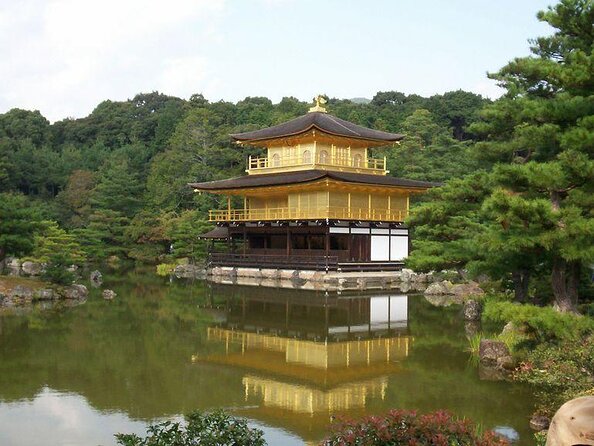
- A tight Kyoto hit list: six iconic landmarks, including Nijo Castle and Kinkaku-ji
- Admissions and rides included: you avoid ticket lines and duplicate transport costs
- English narration with real personalities: guides like KC, Miyuki, Michi, and Yoshitaka Harada are singled out for keeping things moving and making context clear
- Backup destinations when openings change: if Kyoto Imperial Palace or Nijo Castle are closed, you still continue the program
- A temple-and-view payoff at the end: finish with Kiyomizu-dera and its wide city views
Why This Kyoto One-Day Loop Works So Well
If you only have one full day in Kyoto, you usually face a choice: either pick one neighborhood and go deep, or try to see the famous stuff fast. This tour is for the second kind of day, the one where you want to get your bearings fast and leave with real favorites.
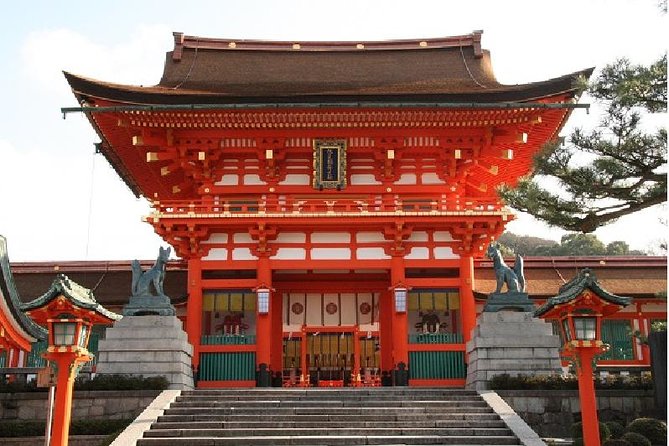
The schedule makes sense because it strings together sites that represent Kyoto’s major themes. You get the shogun-era power story at Nijo Castle, the visual impact of the Golden Pavilion, the imperial setting of Kyoto Imperial Palace, the spiritual marker of Fushimi Inari’s red gates, the statue-filled focus of Sanjusangendo, and finally the scenic stage of Kiyomizu-dera. Each stop has a different mood, so the day doesn’t feel like you’re repeating the same thing.
I also like that the tour starts early with a climate-controlled bus. Kyoto can swing from hot to chilly depending on the season, and you don’t want your first big day to be a misery contest.
More Day Trips in Kyoto
- PERFECT KYOTO 1-Day Bus Tour
★ 5.0 · 13,518 reviews - Kyoto: Fushimi Inari, Kinkakuji, Bamboo Grove 1 Day Bus Tour
★ 4.8 · 4,316 reviews - 10 Must-see Spots in Kyoto One Day Private Tour (up to 7 people)
★ 5.0 · 1,108 reviews
Getting There: The Meeting Point and the 8:20 am Start
You meet at the JTB Sunrise Tours desk at AVANTI in Kyoto Station (basement level). The start time is 8:20 am, and the tour returns to Kyoto Station around 5:30 pm.
Two practical tips that will save you stress:
- Arrive a few minutes early. Kyoto Station is huge, and the meeting desk is in a specific spot.
- Wear shoes you trust. Most of the walking is on foot between sites and within temple areas, not on long, flat strolls.
You’ll ride in an air-conditioned and heated vehicle, which matters when your day includes temples that are outdoors-facing at multiple points. Seats may not be assigned, so come prepared to stand up, stretch, and settle without expecting a perfect seat.
Nijo Castle: Opulent Rooms and the Shogun Era Built for Power
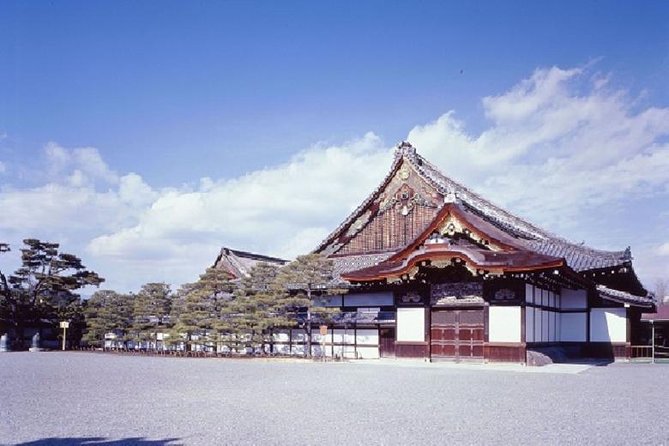
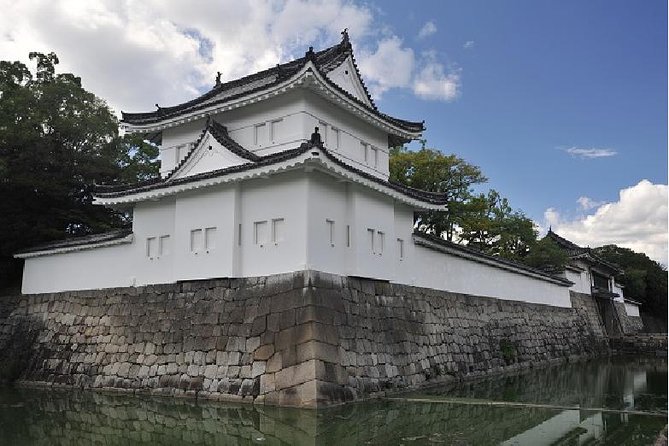
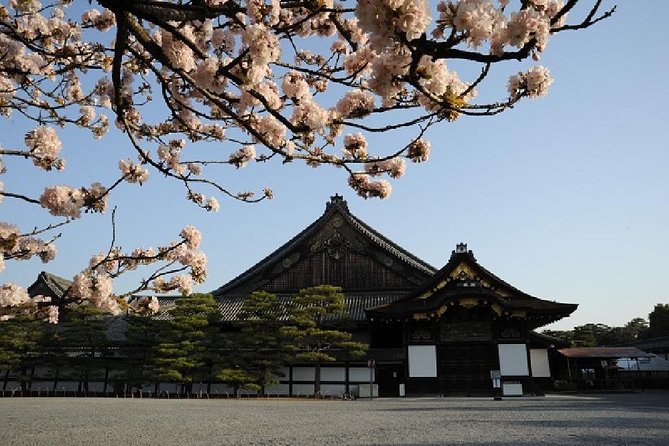
Your first stop is Nijo Castle, a World Heritage site completed in 1626. The point of the castle was political: lodging for the Tokugawa Shogun and a protective presence tied to Kyoto Imperial Palace.
What you should look for is the contrast. From the outside it can feel controlled and structured, but once you’re inside, the experience leans into decorative drama. You’ll see elaborate carvings and richly decorated chambers, including glittering gold leaf and opulent interior tones. The guide’s job here is important, because Nijo isn’t just about pretty rooms. It’s about understanding what the architecture was doing for power and legitimacy.
Timing is about 50 minutes, plus admission included. That’s enough time to get oriented and enjoy the interiors without feeling like you have to race.
Kinkaku-ji Golden Pavilion: Pure Gold Surrounded by Calm Water
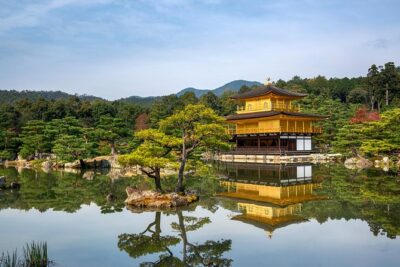
Next comes Kinkaku-ji (Golden Pavilion), another World Heritage site. This is the one most people picture before they arrive. The wooden structure is covered in thin layers of pure gold and sits beside a pond, so the visual effect hits in two ways: the surface sparkle, and the reflections in the water.
You’ll get about 45 minutes. That’s a real amount of time here because the grounds and garden areas reward slow looking. If you’re the type who wants photos, give yourself a minute to scan for the best angles before you start clicking away.
One small reality check: this is one of Kyoto’s most popular temples, so even if your time feels long, crowd flow can still move you at a faster rhythm than you might like. Still, the sight is worth it, and the guide helps you avoid wandering without purpose.
A change of pace from Kyoto:
- Kyoto: Tea Ceremony in a Traditional Tea House in Kiyomizu
★ 4.9 · 3,519 reviews - Kyoto Geisha Walking Tour: Gion District & Hidden Gems
★ 4.7 · 3,273 reviews - Kyoto: Tea Ceremony Ju-An at Jotokuji Temple
★ 4.9 · 3,207 reviews - Kyoto: Gion Magical Night Walking Tour with Geisha Trivia
★ 4.9 · 2,393 reviews
Kyoto Imperial Palace (or Its Backup): Ceremonial Spaces, Not Just Postcards
Your third stop is Kyoto Imperial Palace, with about 40 minutes and admission listed as free. The palace was used as the Emperor’s residence until roughly 150 years ago, so it carries a different weight than a typical temple visit.
The important practical detail is that Kyoto Imperial Palace closes to visitors on Mondays (or the following day if Monday is a holiday). If that closure happens on your tour day, the itinerary swaps in Kitano Tenmangu Shrine.
If the closed day falls on the 25th, the tour visits Nishi Hongan-ji Temple instead. You’re still covered, but the “palace day” feeling can change.
Why this stop is valuable: you’re not only seeing architecture, you’re learning how ceremonies shaped spaces and daily meaning. A guide helps a lot here, because the palace is full of details that are easy to miss if you’re only looking for big photo moments.
Fushimi Inari-taisha: The Red Torii Gates and a 15-Minute Walk In
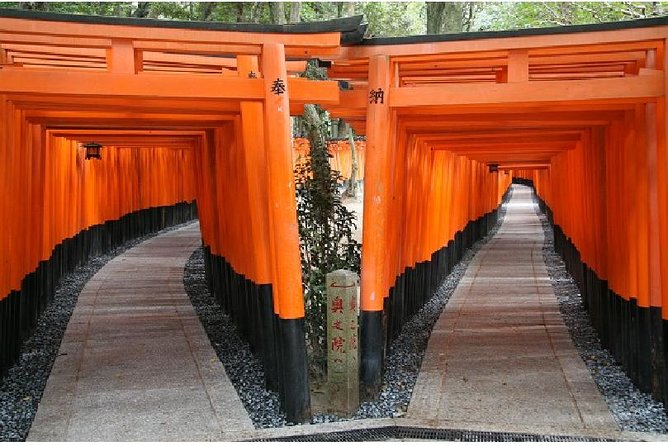
Then you head to Fushimi Inari-taisha Shrine, Kyoto’s most famous shrine for the look of its route. It’s the head shrine for some 40,000 inari-jinja shrines across Japan, and the signature experience is the bright red Senbon Torii gates.
Your time here is about 30 minutes, plus a walking component you should plan for. You’ll walk from the parking area to the shrine grounds, about 15 minutes one way. That means your 30 minutes isn’t all “inside the torii.” You’ll need to decide quickly how far you want to go before turning back.
If you love the idea of walking deeper under the gates, this stop can still work, but you may have to choose between seeing more gates or soaking up a quieter moment near the main areas. This is also why it helps to travel with realistic expectations. Fushimi Inari rewards longer time, but this tour gives you a strong taste and moves on.
Sanjusangendo Hall: 1,001 Statues and the Effect of Staying Focused
After the red gates, the mood shifts to one of stillness and attention at Sanjusangendo Temple. This stop is about 30 minutes, with admission included.
Here’s what makes Sanjusangendo special, and it’s very specific: it’s described as the world’s longest wooden structure and it houses 1,001 life-size statues of Buddhist Kannon deities dating back to the 13th century. That number matters because the hall is designed for a concentrated visual impact.
The easiest way to enjoy this stop is to slow down for the first minute and let your eyes adjust. Then you’ll start noticing variations in pose and presentation. Without context, it can turn into a quick photo dash. With a guide, it tends to feel more like a guided lesson in how religious art builds emotional intensity.
Kiyomizu-dera: Terrace Views and the Shop Lane You’ll Actually Want to Walk
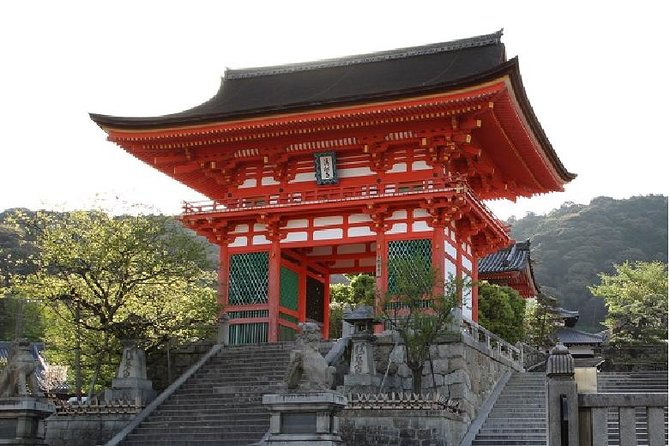
You finish with Kiyomizu-dera, where the tour gives you about 1 hour 10 minutes, admission included. Kiyomizu-dera is famous for its viewpoint, and your time includes access to terraces where you can enjoy panoramic city views.
This is also where the experience becomes more than temples. You’ll stroll a historic shopping lane on the way in, lined with shops where you can find things like pottery and small Kyoto souvenirs. The route matters because it breaks up the day. After several stops that are mostly quiet and structured, you get a street-level Kyoto moment.
One practical tip: this is an ending stop, which means you’ll want to keep your energy for it. If you start the day with enough hydration and snack backup, you’ll enjoy the views more and you won’t feel rushed while the crowds are building around the main areas.
Lunch Choices: Western Set Menu or Indian Thali Set, or No Lunch at Kyoto Station
Lunch is optional, and what you choose affects your flexibility.
Western-style lunch option
If you book the With Lunch option, you’ll get a Western-style set menu. If you want vegetarian, you have to request it when you reserve. Halal and gluten-free requests are not available.
Indian thali option
There is also a With Indian Thali Lunch option. It’s described as a vegetarian-friendly thali set menu, with items like curry varieties (bean curry, vegetable curry, spinach and potato curry), vegetable pakora, plain yogurt, naan or roti, rice, salad, and a non-alcoholic drink. Again, menu changes are not available on the day.
Separate dining areas
Customers with different lunch selections are served in separate dining areas, so you won’t necessarily meet people at lunch unless you make a point to do it yourself.
No lunch option
If you choose No Lunch, you get free time to eat on your own around Kyoto Station. This works well if you want Japanese food on your terms or if you’re sensitive to set menu schedules.
If your ideal day is to stop whenever you feel like it, consider the No Lunch option. If you want a smooth timeline and minimal decisions, the included lunch options help.
Group Size, Pace, and When You Should Advocate for Yourself
The tour runs with a maximum group size of 40. Seats may not be designated, so you’ll likely move around as the group boards and exits.
A recurring theme in how this tour feels is that it’s efficient. That’s great if you want coverage, but it can be a mismatch if you’re slow moving or easily fatigued by stairs and uneven temple paths.
Here’s what you can do to make it easier:
- Start the day with water and a light snack.
- Use the guide’s briefing as your cue for what matters most, so you don’t spend precious time wandering.
- If you find your group pace is leaving you behind, speak up. You want to stay with the group and avoid the stress of trying to catch up later.
On very hot days, guides in this kind of program can be proactive about comfort checks. Some guides, like KC, have been noted for taking care of the group during extreme heat, which is a big plus in a long day.
Price and Value: What You’re Paying For (and What You Avoid)
The tour price is $168.43 per person. For a one-day Kyoto plan, that number doesn’t look cheap until you translate it into what’s included.
You’re paying for:
- A licensed English guide interpreter fee
- Transportation by air-conditioned, heated bus
- Admission fees for stops where tickets apply (Nijo Castle, Kinkaku-ji, Sanjusangendo, Kiyomizu-dera)
- A structured timeline that gets you from one major site to the next
Kyoto is expensive in small ticket costs and transport costs, especially if you try to replicate this route on your own in a single day. Doing it DIY can be cheaper on paper, but you’ll trade that savings for planning time, ticket line time, and route decisions. This tour buys you time and reduces mental load.
One caution on value: lunch is only included if you pick the lunch option. If you choose No Lunch, you’ll spend money on food anyway, but you gain control. That’s not a negative, just a budgeting choice.
Should You Book This Kyoto 1 Day Tour?
Book it if you:
- Want six major Kyoto landmarks in one day and don’t have time for multiple days of planning
- Like structured sightseeing with an English guide explaining context
- Prefer a route that moves efficiently and gets you back to Kyoto Station in the late afternoon
Skip or adjust your expectations if you:
- Want long, slow time in only one or two places
- Get frustrated by crowded attractions and fixed stop durations
- Need a highly flexible schedule, because this tour is designed for flow, not wandering
If you’re deciding, my advice is simple. If you’re short on time in Kyoto and you want iconic World Heritage hits with clear guidance, this one-day plan is a solid deal. Just go in ready for a full day on your feet, and save your “slow Kyoto” time for another outing.
FAQ
What time does the Kyoto 1 day tour start and end?
The tour starts at 8:20 am and ends at Kyoto Station at around 5:30 pm.
How long is the tour?
The total duration is about 9 hours 40 minutes.
What’s included in the price?
The tour includes an English guide interpreter fee, admission fees and transportation costs, and an air-conditioned and heated tour bus.
Is lunch included?
Lunch is included only if you select a lunch option when booking. There is a Western-style set menu option or a vegetarian Indian thali option. If you choose No Lunch, you’ll have free time to eat around Kyoto Station.
What happens if Kyoto Imperial Palace is closed on our day?
Kyoto Imperial Palace is closed to visitors on Mondays (or the following day if Monday is a holiday) and on days with an Imperial Household Agency event. If it’s closed, the tour visits Kitano Tenmangu Shrine instead. If the closed day falls on the 25th, it visits Nishi Hongan-ji Temple.
How much walking is involved at Fushimi Inari-taisha?
You’ll walk from the parking lot to Fushimi Inari-taisha Shrine for about 15 minutes one way.
Latest write-ups near Kyoto
- Kyoto: Nishiki Market Tour with a Local Foodie & Tastings★ 4.5 · 67 reviews
- Kyoto Kimono Rental mimosa |Kimono/Yukata Rental Couple Plan★ 4.8 · 67 reviews
- Kyoto: Traditional Kimono Fabric Handicrafts Workshop★ 5.0 · 67 reviews
- Kyoto Tea Ceremony and Samurai Photo Session★ 5.0 · 70 reviews
- Kyoto: Replica food making experience★ 4.8 · 70 reviews
- Kyoto: Kinkakuji, Golden Pavilion Guided Tour★ 4.7 · 71 reviews
- Private departure transfer from Kyoto city to Kansai International airport★ 5.0 · 72 reviews
- Uji: Green Tea Tour with Byodoin and Koshoji Temple Visits★ 4.8 · 72 reviews
Day Trips in Kyoto, compared.
Fushimi Inari, Kinkakuji, Bamboo Grove 1 Day Bus Tour
Read our review →
10 Must-see Spots in Kyoto One Day Private Tour (up to 7 people)
Read our review →
Kyoto Customized Private Tour: See Top Attractions in 1 Day
Read our review →
From Kyoto / Osaka: Kyoto Must-see Spots & Nara Park One Day Tour
Read our review →
Nara, Osaka & Kobe Day Trip – 3 Cities in 1 Day
Read our review →Browse the lists this tour appears in