
Reviewed · DAY TRIPS IN KYOTO
Osaka & Nara in 1-Day by Private Van with Local Expert Guide
A one day Osaka and Nara trip is interesting because it gives you two very different Japan vibes without the stress of connections. You start with the deer-filled calm of Nara and end up in Osaka’s neon, shopping streets, and castle area, all in a private van with a local guide.
I like two things a lot. First, you can set up pickup and drop-off anywhere in Kyoto, Osaka, or Nara, and your guide will adjust the order based on what you care about. Second, you get the kind of on-the-ground storytelling that makes quick stops feel worth it, with guides such as Daiki Fukashi of WadaF Tours known for punctual, clear explanations and photo help.
One consideration: you pack in many highlights in limited time, and Todai-ji admission is extra (¥800 per person). If you want a slow, museum-style day with zero walking, this route may feel a bit “greatest hits.”
Key things that make this Osaka and Nara private van day work
- Private van comfort, not subway math. You ride in an air-conditioned Nissan Serena (2 to 6 pax) or a mini convertible (1 pax), with fuel, highway fees, and parking covered.
- Flexible route from Kyoto, Osaka, or Nara. Pickup and drop-off can be different, and the plan can shift with season and conditions.
- Nara Park deer time that feels real. You get a full hour in the park where deer are relaxed and used to people.
- Osaka highlights in short, smart bursts. The itinerary mixes Osaka Castle with shopping districts like Dotonbori, Tsutenkaku, and Shinsaibashi without turning your day into a marathon.
- Local dinner guidance is part of the schedule. Dinner time comes with help choosing a good nearby spot, plus ordering tips from your guide.
- Built-in photo and recommendation help. Your guide can help you take better photos and points out where to stand for photos.
How a private van day trip keeps Nara and Osaka from turning into a headache
This tour is set up for people who want the big sights but do not want to spend the day doing transit guesswork. With a private group, you ride together, you can ask questions anytime, and you can request tweaks so you only spend time where you actually want it.
Timing matters here. The total day runs about 6 hours 30 minutes to 7 hours 30 minutes, starting at 1:00 pm. That is long enough to feel like you traveled, but short enough that every stop needs to be efficient, which is exactly how the itinerary is designed.
You also get a lot of practical coverage: fuel, highway fees, and parking are included, and you get free pickup and drop-off anywhere in Kyoto, Osaka, and Nara. That alone can save you money and time compared with piecing together separate tickets and paid rides.
One more smart element is that the itinerary is flexible. Seasonal timing and conditions can change what fits, and not every small listed side stop is guaranteed. In other words, you are not locked into a rigid checklist if something looks too crowded or you want to shift your focus.
More Day Trips in Kyoto
- PERFECT KYOTO 1-Day Bus Tour
★ 5.0 · 13,518 reviews - Kyoto: Fushimi Inari, Kinkakuji, Bamboo Grove 1 Day Bus Tour
★ 4.8 · 4,316 reviews - 10 Must-see Spots in Kyoto One Day Private Tour (up to 7 people)
★ 5.0 · 1,108 reviews
Nara Park and the deer that steal the show
Your day starts with Nara Park, with about 1 hour in the park and admission listed as free. The main draw is the deer: they are everywhere, relaxed, and comfortable around people, including around paths and near temples.
This is where your guide really helps. When you have only an hour, it is easy to feel like you are walking in circles. A good local guide can help you orient fast, move to the right viewing spots, and keep your photo stops from eating all your time.
Plan for real walking. Even if the stop is short, you will move around to get photos and see temple scenery in the park. If you hate crowds, try to stay calm and patient, because deer spotting naturally brings people into the same areas.
Osaka Castle in 20 minutes: worth it, but treat it as a taste
Next comes Osaka Castle for about 20 minutes, with admission listed as free. The castle area is iconic and has been a symbol of Osaka for more than 400 years, so even a brief stop gives you a strong “I’m here” moment.
Twenty minutes is not long. So I recommend treating this stop like a photo-and-overview break, not a deep architectural visit. You will get the essentials, but if you want to read every plaque and wander every internal level, this will not be enough time.
Your guide can also help you frame what you see. Castle views can feel like just another big landmark unless someone connects it to the local stories and how Osaka sees its own history. That context is often the difference between a quick snapshot and a meaningful stop.
Yoshikien Japanese garden: quiet beauty in a short window
You then have Yoshikien, a Japanese garden stop of about 15 minutes, also listed as free. The garden is described as having multiple distinct areas, with seasonal flowers and trees, plus Japanese representative moss that looks great in any season.
This is a nice contrast after busier city moments. Think of it as a palate cleanser: you step out of the urban rhythm for a bit, then you head back into Osaka’s energetic streets.
The downside is obvious: fifteen minutes goes fast. I would use it to focus on one or two areas you like most, rather than trying to “finish the whole garden.” Your guide can help you prioritize what looks best at that time of year.
A change of pace from Kyoto:
- Kyoto: Tea Ceremony in a Traditional Tea House in Kiyomizu
★ 4.9 · 3,519 reviews - Kyoto Geisha Walking Tour: Gion District & Hidden Gems
★ 4.7 · 3,273 reviews - Kyoto: Tea Ceremony Ju-An at Jotokuji Temple
★ 4.9 · 3,207 reviews - Kyoto: Gion Magical Night Walking Tour with Geisha Trivia
★ 4.9 · 2,393 reviews
American Village: Osaka’s youth street vibe
At some point in the Osaka portion, you will hit American Village. The vibe is described as like Shibuya and Harajuku combined, just with an Osaka twist, including a younger crowd feel and a nightlife atmosphere.
This stop is not really about history. It is about atmosphere and people-watching. It is a good place to walk a bit, grab photos with neon signage, and get a feel for what Osaka youth culture looks like today.
If you are not into that scene, you can use the customization angle. Since the route is adjustable, ask your guide to steer you toward the style of neighborhoods you prefer, whether that means more shopping arcades or less nightlife energy.
Todai-ji Temple and the Great Buddha, plus the 800 yen you should budget
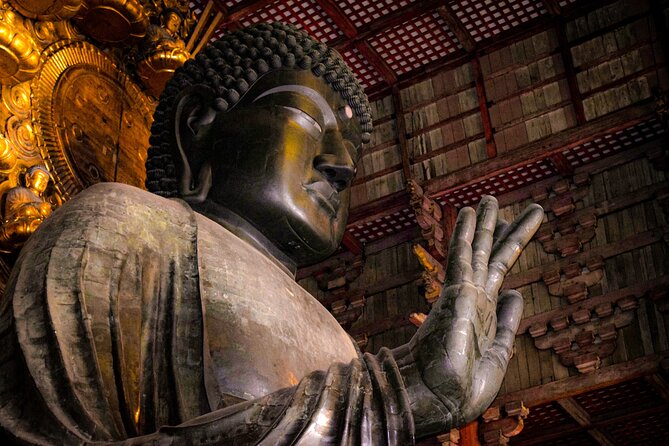
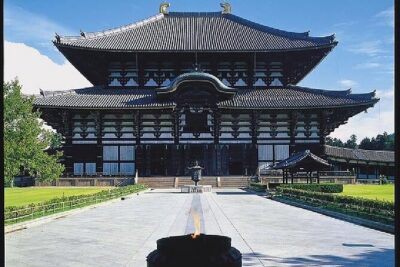
Todai-ji Temple is the heavy hitter in the Nara side of the day. You get about 1 hour here, and the admission is not included, listed at ¥800 per person.
Todai-ji is known for major wooden architecture and for housing a large Buddha statue inside. It is also described as an important Buddhist temple for Japanese people over many centuries, so even if you only have an hour, you feel the scale.
Budget time and energy. Even when crowds are manageable, temples can require waiting, moving through multiple areas, and slowing down for photos. This is also where your guide’s pacing matters, because you do not want to waste your only hour drifting.
Todai-ji Shoro bell tower: the 8 pm bell and a fun legend
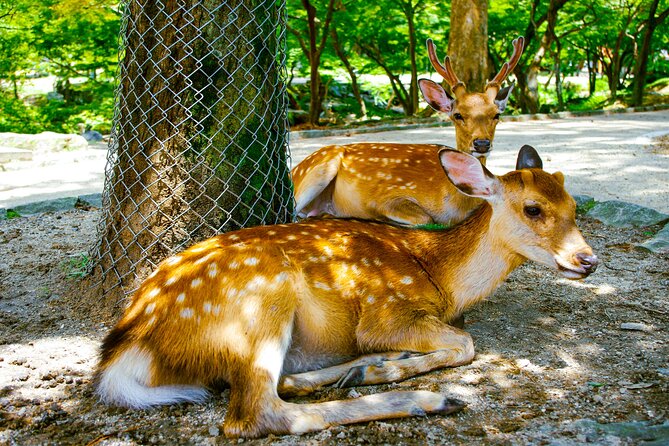
You finish with Todai-ji Shoro (Bell Tower) for about 10 minutes, listed as free. The bell described here is said to be 1300 years old, a bronze bell located in the middle of Nara Park, and it is rung by a monk every night at 8 pm. The fun part in the description is that it never gets hit on target, because the sound can last for three days.
You likely will not plan your whole day around the exact ringing time, since your schedule is packed. But this stop adds something special: it connects you to Nara in a way that feels local and ritual-focused, not just “tourist landmark.”
Even if the bell is not ringing during your short visit, seeing the site and hearing the story from your guide makes the stop feel purposeful.
Dotonbori neon energy: running man sign, riverside lights, and street food focus
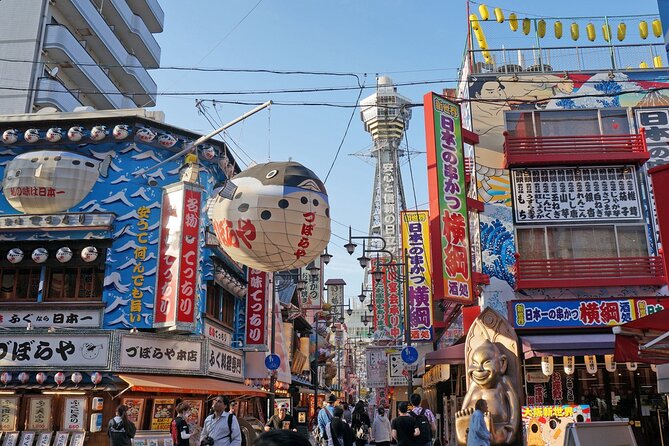
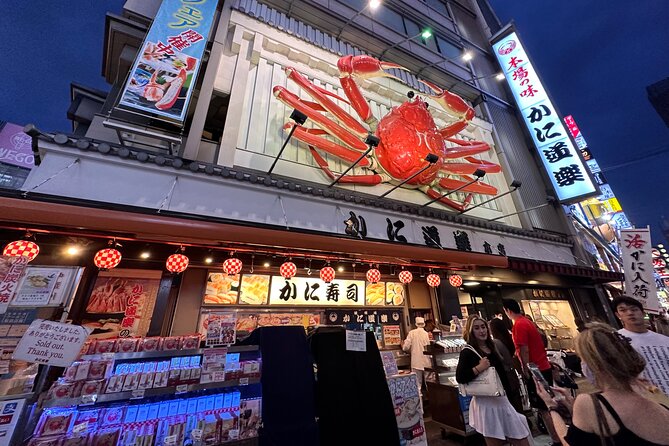
Back in Osaka, you get Dotonbori District time, about 15 minutes, with admission listed as free. This is one of Osaka’s most iconic areas, famous for neon signs, a riverside strip, and the running man sign.
This is the part of the day where Osaka shows its personality. Dotonbori is busy on purpose. You will feel the pace, smell the food, and see why this area is used as a postcard for Japan nightlife.
Your guide can also steer you toward food that makes sense. There is specific mention of street food like takoyaki (octopus balls), which is a classic reason to come here. Even if you do not eat at every stop, this is where it becomes easy to try one thing and walk on.
Tsutenkaku Hondori shopping street: Osaka’s lively street-character
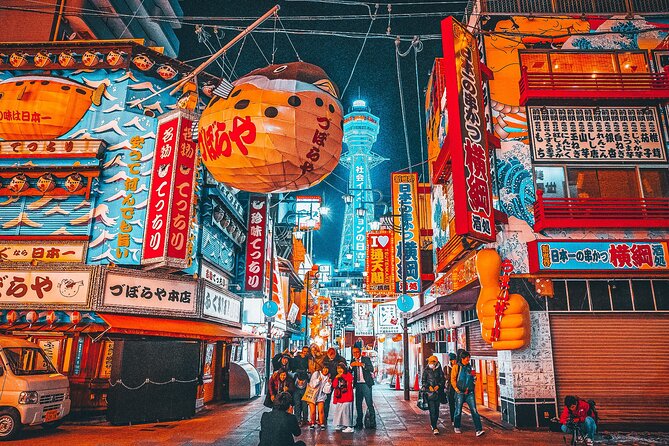
Next is Tsutenkaku Hondori Shopping Street for about 15 minutes. This area is described as symbolic of Osaka, with unique shops and lively people, and it is also a spot where you can taste street food.
Tsutenkaku tends to feel more old-school local than some of the bigger shopping centers. The benefit of a short stop is that you get the energy without getting stuck there too long. If you want more time, bring it up, because the tour is flexible.
Wear comfortable shoes here. You are likely walking along signage-lined streets and moving through small shop fronts. It is great for quick photos and a relaxed stroll.
Shinsaibashi arcade and the “river of people” effect
You also visit Shinsaibashisuji Kita Shotengai with about 5 minutes. It is described as the most crowded shopping arcade in Japan, with the comparison to the river of people, similar in feel to Shibuya crossing.
Five minutes sounds short, but it is enough to get the vibe: you see dense crowd flow, shop signs, and the “this is where people actually go” feel. If you love shopping streets, you might want to spend more time on your own later, because the tour time here is meant for a quick taste.
Also, if crowds make you anxious, plan your photos from the edges rather than trying to push into the center. Your guide can help you find easier angles.
Electronics and anime streets, plus a pass through Osaka’s red-line district
The itinerary includes stops described as Osaka’s version of Akihabara, meaning electronics and anime-themed streets. These are typically walk-and-look zones, so your guide’s value is helping you move efficiently and point out what is worth your time.
Later, you may also see a stop described as the deepest spot in Osaka, the red-line district, with descriptions of adults in school-uniform costumes. The description frames it as a traditional-house area where people wave from their locations.
This is the one portion of the day where I think you should be honest with yourself. If you are not comfortable with adult entertainment areas, tell your guide early. Because the tour is customizable, you can ask to spend that time elsewhere.
Dinner time guidance: what’s included, and what to pay
Dinner time comes with a local restaurant guide. The tour also includes a note that there is a dinner guide, but the fee for dinner is not included.
This setup can save you stress, especially if you are tired after a day of walking. Having a local pick a spot reduces the risk of ending up in a tourist trap, and your guide can help you figure out what to order, especially if you do not read the menu.
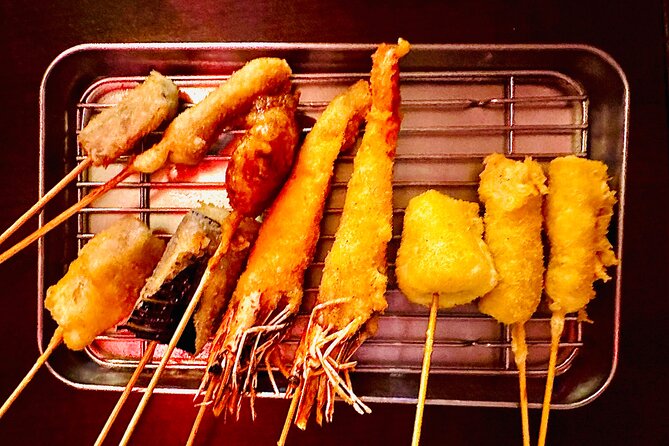
A practical tip: since you will be in Osaka’s high-energy areas like Dotonbori, ask your guide for one “safe bet” dish plus one local specialty. That way you get variety without spending half dinner trying to translate everything.
Value check: is $300.61 per group a smart use of time?
The listed price is $300.61 per group, and the vehicle options suggest this can work well for small groups and solo travelers who want private transport. If you are traveling in a party larger than one, the Nissan Serena option can help spread the cost across people.
Here is the value math that matters for day trips in Kansai. You are paying for a private van with an English-speaking local guide, plus included fuel, highway fees, and parking, and free pickup and drop-off anywhere within Kyoto, Osaka, and Nara. That is a lot of hidden hassle you avoid.
You do still need to budget ¥800 per person for Todai-ji. Lunch is not included either, so you may need a quick snack or plan your day around lunch on your own.
If you try to DIY this, the costs add up fast: transit time, possible rideshare bursts, and entrance fees. This tour’s strength is that it buys time and local navigation. For many people, the peace of mind is worth the price.
Who should book this Nara and Osaka private van day trip
This fits best if you want Osaka and Nara highlights in a single day and you prefer a plan with built-in local help. It is especially good for first-time visitors to the region, people who hate rushing between stations, and anyone who wants photo help and story context without doing homework.
It can also be a good choice for small groups because it stays private. You get a comfortable air-conditioned ride, and you can adjust your path if someone in your group wants more shopping street time and less temple time.
I would be more cautious if you hate crowds, or if you are sensitive about the red-line district portion of the route. Also, if you want a slow, deep look at architecture, gardens, or interiors, this itinerary is designed for breadth, not a long study session.
Should you book this tour?
Book it if you want one day that feels efficient and guided, with deer in the morning mood of Nara and Osaka’s neon streets later. The private van, flexible pickup and drop-off, and English speaking guide help you make the most of limited daylight and limited time.
Skip or choose a different style if you want more time at a single place, you are not comfortable with adult entertainment areas, or you are only interested in one city. This tour is for people who want highlights, not a slow, detailed deep dive.
If you do book, do one thing before you go: tell your guide what you most want, and what you absolutely do not. That small step is what turns a pre-set route into a day that actually fits you.
FAQ
What time does the tour start?
The start time is listed as 1:00 pm.
How long is the Osaka and Nara private van tour?
It runs about 6 hours 30 minutes to 7 hours 30 minutes.
Where does pickup and drop-off happen?
Pickup and drop-off are included and can be done anywhere in Kyoto, Osaka, and Nara cities.
Is this a private tour?
Yes. It is a private tour/activity, so only your group participates.
What vehicle will I ride in?
The tour uses an air-conditioned private car: Nissan Serena (2 to 6 pax) or a mini convertible (1 pax).
What admissions are included?
Todai-ji admission is not included and is listed at ¥800 per person. Other stops in the itinerary are listed as free admission.
Is lunch included?
Lunch time is not included.
Is dinner included?
Dinner time is included as a local restaurant guide, but the fee for dinner is not included.
Can I cancel for a full refund?
Yes, free cancellation is available. You can cancel up to 24 hours in advance for a full refund.
Latest write-ups near Kyoto
- Kyoto: Nishiki Market Tour with a Local Foodie & Tastings★ 4.5 · 67 reviews
- Kyoto Kimono Rental mimosa |Kimono/Yukata Rental Couple Plan★ 4.8 · 67 reviews
- Kyoto: Traditional Kimono Fabric Handicrafts Workshop★ 5.0 · 67 reviews
- Kyoto Tea Ceremony and Samurai Photo Session★ 5.0 · 70 reviews
- Kyoto: Replica food making experience★ 4.8 · 70 reviews
- Kyoto: Kinkakuji, Golden Pavilion Guided Tour★ 4.7 · 71 reviews
- Private departure transfer from Kyoto city to Kansai International airport★ 5.0 · 72 reviews
- Uji: Green Tea Tour with Byodoin and Koshoji Temple Visits★ 4.8 · 72 reviews
Day Trips in Kyoto, compared.
Fushimi Inari, Kinkakuji, Bamboo Grove 1 Day Bus Tour
Read our review →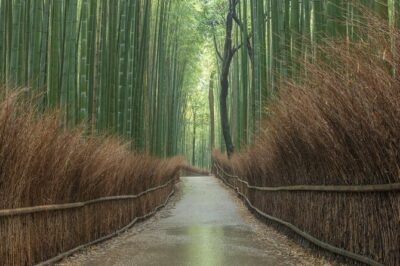
10 Must-see Spots in Kyoto One Day Private Tour (up to 7 people)
Read our review →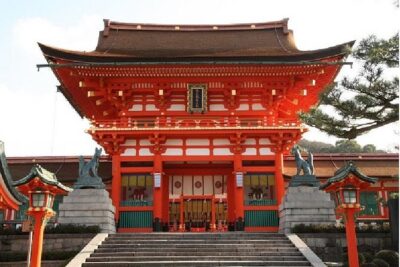
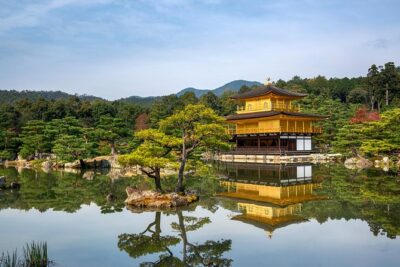
Kyoto Customized Private Tour: See Top Attractions in 1 Day
Read our review →
From Kyoto / Osaka: Kyoto Must-see Spots & Nara Park One Day Tour
Read our review →Browse the lists this tour appears in