
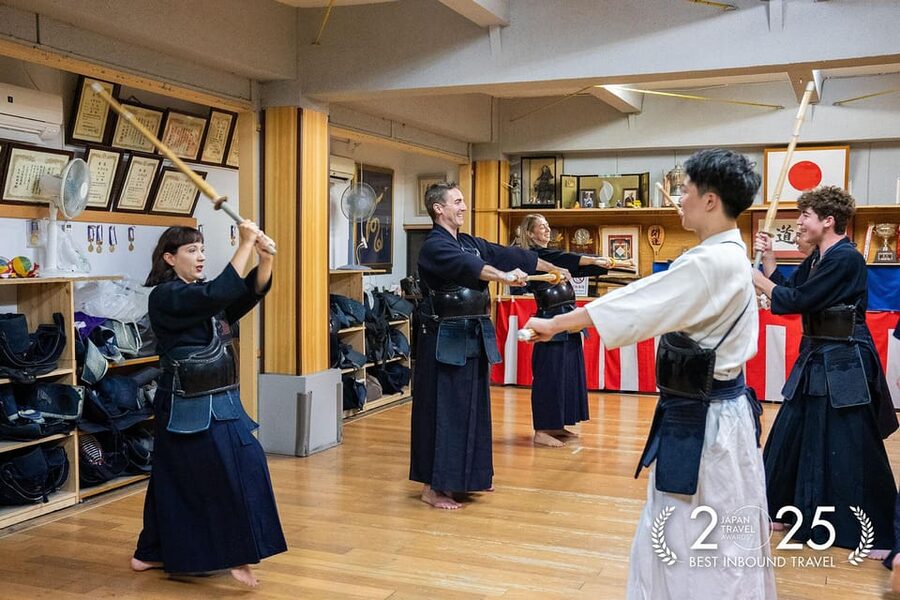
Reviewed · SAMURAI & NINJA EXPERIENCES
Tokyo: Samurai Kendo Practice Experience
There is something quietly addictive about stepping into a Tokyo dojo and learning how to move like a swordsman. In this samurai kendo practice you get to wear real armor, use proper gear, and train your eyes and feet, not just pose for photos.
My two favorite parts are the focus on etiquette and discipline from the first bow, and the hands-on teaching that turns basics into actual pressure-tested practice. One thing to think about first, though, is that the session can be more intense than you expect, especially if you are sensitive to strict coaching or helmet contact.
Key Things I’d Prioritize
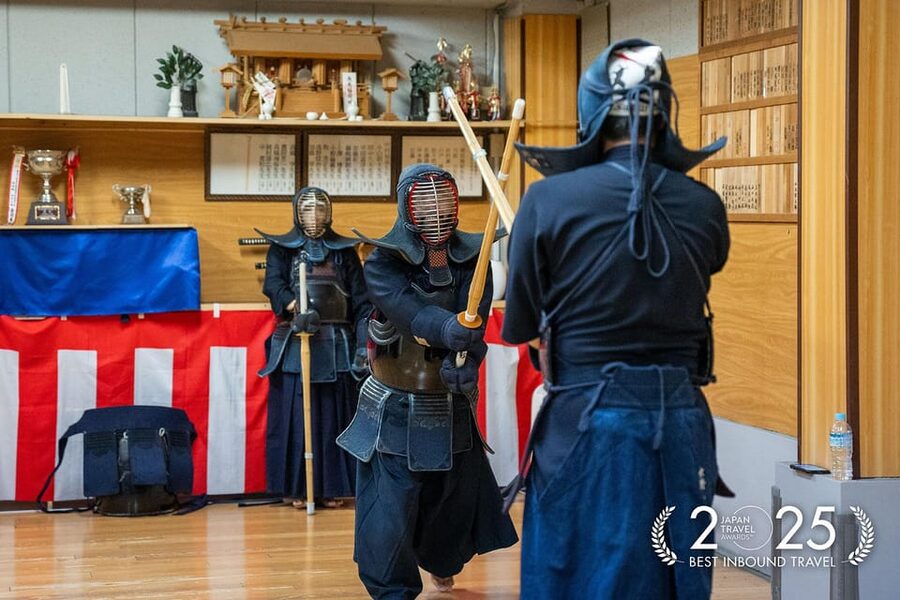
- Full kendo armor rental so you can focus on learning instead of shopping
- Small group up to 6 people, which means more time with the instructor
- English and Japanese guidance so first-timers can follow along
- Training that mixes basic strikes like men, kote, do with light sparring
- A real workout, since sprinting footwork happens under the armor
- A strict but playful teaching style you can feel right away in the dojo tone
Why Kendo in Tokyo Feels So Real
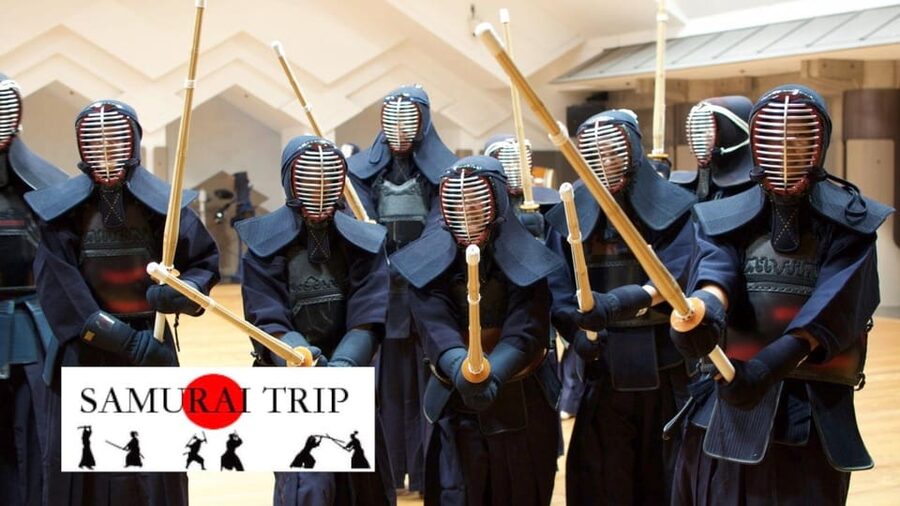
Kendo is one of the few martial arts where you train with a purpose that looks serious, feels serious, and still stays safe for beginners. You are not watching a performance. You are learning how to stand, how to distance yourself, and how to deliver strikes with control.
That matters because kendo is basically timing training. The helmet and bamboo-like swords take away the guesswork of costumes and movie moves. Instead, you focus on posture, footwork, and clean technique. Even if you only learn a few fundamentals during the 2 hours, you leave with a clear sense of what kendo is actually about: controlled aggression plus respect.
More Samurai & Ninja Experiences in Tokyo
- Tokyo: Samurai Restaurant Show Ticket with 2 Drinks
★ 4.5 · 1,307 reviews - Tokyo: Samurai Ninja Museum Guided tour and Experience
★ 4.6 · 1,010 reviews - Tokyo: Samurai Sword & Archery Class from Samurai Descendant
★ 5.0 · 603 reviews
Price and Value for 2 Hours of Real Practice
At $116 per person for a 2 hour session, this is not cheap, but it also is not just a sightseeing stop. You get a professional instructor, kendo armor and equipment rental, mineral water, and a Japanese towel included. That package matters because kendo gear is specialized, and the real value here is coaching, not the outfit.
You also get a small group limited to 6 participants, which is one of the biggest reasons this feels worth the price. In a packed class, a beginner can end up standing around. Here, the setup supports getting called out, corrected, and put back into practice quickly.
Think of it like this: you are paying for guided reps. Kendo does not teach itself from one demonstration, and the instructors are there to help you adapt your timing right away.
Finding 誠道館 (Seidokan) Near JR Uguisudani
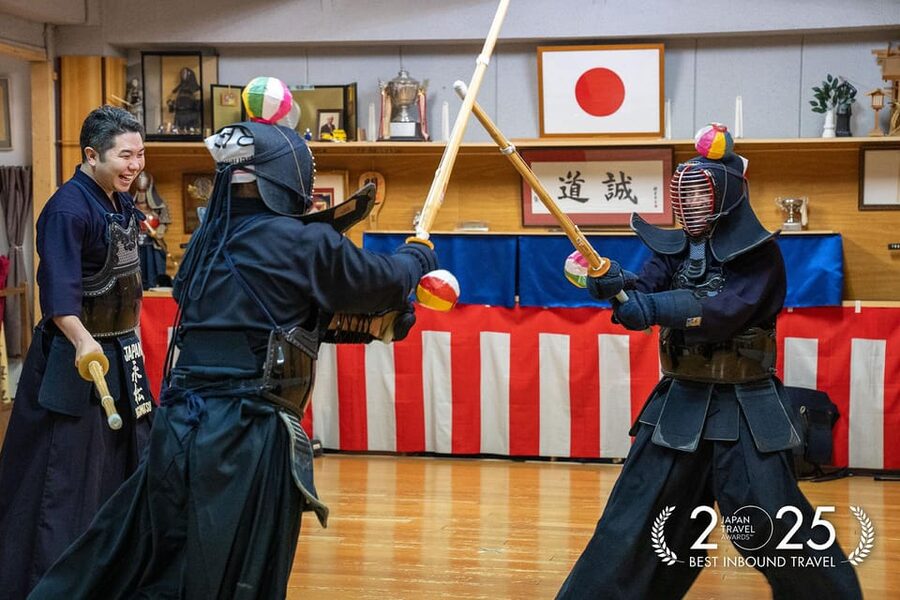
The meeting point is 10 to 12 minutes from JR Uguisudani station, North exit. The address is 4-7-2, Higashinippori, Arakawa-ku, Tokyo, 誠道館.
Two practical notes before you go. First, the venue can be a little tricky because it runs out of a dojo setting tied to a local neighborhood address. If you tend to arrive right before the start time, give yourself a little buffer.
Second, plan to show up ready to move. The session starts with setup and training flow, so being late tends to shorten your own practice time. If you can, aim for early.
What to Wear, What to Bring, and Armor Reality Checks
Kendo equipment is provided, but you still need to manage your body for training. Wear or bring loose fitting exercise clothing. The info also notes that there may be no size for kendo wear or not enough uniforms to provide, so having your own comfy practice clothes helps.
If you wear glasses, read this carefully: wearing glasses with the head protector can be hard, and spectacles could get damaged. It is explicitly advised not to wear glass or spectacles under the head armor. The practical alternative given is to bring contact lenses.
Also, expect sweat. One participant specifically advised bringing fresh clothes because you will work under the armor. That is a real-life detail you can use: pack a small bag with a change, and you will feel better about commuting after class.
A change of pace from Tokyo:
- Mt Fuji and Hakone 1-Day Bus Tour Return by Bullet Train
★ 5.0 · 26,383 reviews - 1-Day Tokyo Bus Tour
★ 5.0 · 14,250 reviews - Tokyo: TOKYO SKYTREE® Admission ticket
★ 4.5 · 11,192 reviews - Tokyo: teamLab Planets TOKYO Digital Art Museum Entry Ticket
★ 4.6 · 9,779 reviews
The Session Flow: Dojo Etiquette to First Strikes
This experience is built around a clean progression: mindset and basics first, then technique, then light fighting. You start in a dojo environment focused on tranquility and etiquette. That sounds gentle, but it is not casual. Kendo etiquette is part of the training, and you feel it in how the instructors manage movement, space, and attention.
From there, the instruction typically focuses on foundational strike patterns. One participant described learning three basic striking techniques: men, kote, do, plus a bit of counter technique. Even if your class hits a slightly different balance, expect the same structure: footwork and body alignment, then learning how to deliver a strike correctly.
You also get guidance on what the official rules and safe practice feel like. Kendo is strict about form because it is strict about safety. The goal is that you go from clumsy attempts to controlled attempts within the session, not that you memorize everything like a textbook.
Men, Kote, Do, and Why the Footwork Feels Like the Real Work
It is easy to assume kendo is all about arm strength. It isn’t. The hardest part is usually the feet, the timing, and the distance management.
During practice, you will spend real time working on how to move so your strikes land with the right rhythm. Multiple participants mentioned that the action level was higher than expected, and that the workout surprise comes from speed and accuracy demands that build quickly once you are in the flow.
A couple of training moments you can look for:
- Guided strike drills where the instructor adjusts posture and swing path
- Counter and reaction practice so you learn what to do when your partner moves
- Light sparring games for beginners that keep it fun while still teaching respect and control
One participant even mentioned playful elements like using balloons during safe partner games. The exact props can vary, but the purpose stays the same: get you practicing with less fear of making mistakes, while still keeping the session structured.
Sparring Time, Strictness, and How to Stay Confident
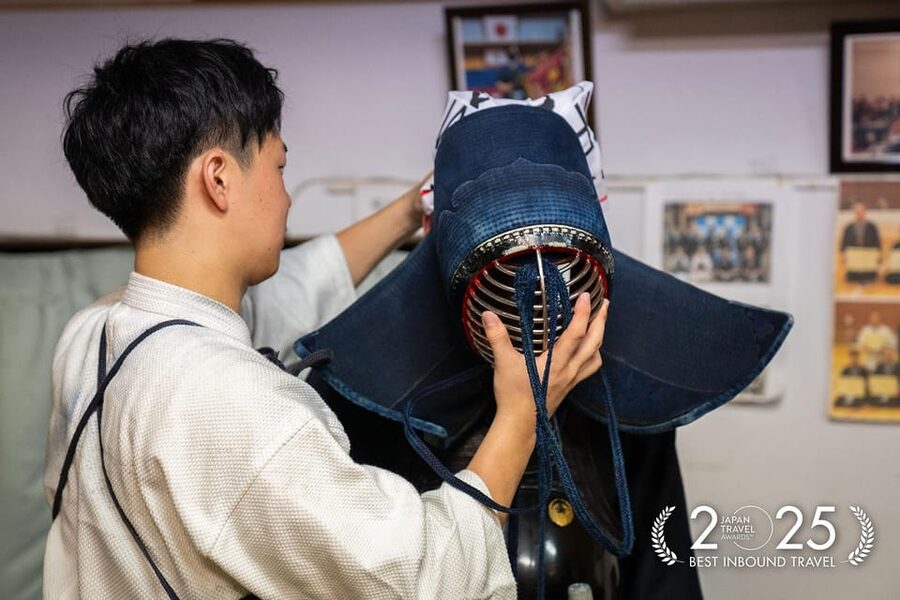
Kendo training for beginners can include light sparring or partner practice. That is where the “real” feeling hits, because you learn how quickly things happen when someone else is moving with intent.
Several comments point to the same theme: the sensei style is often strict, sometimes blunt, but usually patient and focused on getting you disciplined. Names that showed up in the guidance include Nagamatsu-sensei and Kenshi-san, and the common thread was patience for newcomers paired with clear boundaries.
If you are worried about feeling clumsy, here is a grounded way to think about it. The equipment is protective, the instructor controls the pace, and the training is designed for safe growth. At the same time, some people mentioned helmet strikes can feel a bit rough. That is not the training being unsafe. It is the honest physics of hitting padded armor.
So I recommend you mentally prepare for honest feedback. If the instructor corrects you fast, do not take it personally. In kendo, clean technique is respect for the partner.
Who Should Book This Kendo Session, and Who Might Skip
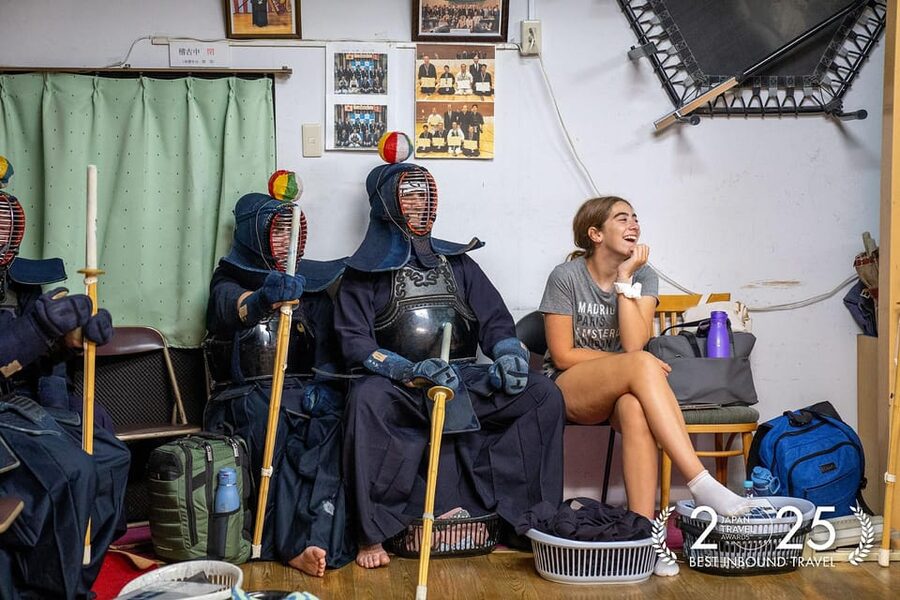
This is a strong fit if you:
- Want an active Tokyo experience, not just a museum visit
- Are curious about Japanese martial arts culture and discipline
- Like structured classes where beginners get guided step by step
- Want a small group experience that keeps the instructor attention high
It may be less ideal if you:
- Cannot manage strict instruction styles or quick corrections
- Have difficulty fitting head gear safely, especially if you need glasses
- Struggle with the physical demands of footwork under armor
Also consider your clothing and recovery plan. Bring a change of clothes. Bring contact lenses if needed. Arrive with a mindset that this is training, not a casual stroll.
If that sounds like your kind of travel day, you will probably love it.
Should You Book Samurai Kendo Practice in Tokyo?
I think you should book this if you want a genuinely hands-on martial arts moment with professional guidance and real equipment. The included armor rental, small group size, and bilingual English and Japanese instruction are the big reasons this feels like value, not just an activity ticket.
Book it even if you are a first-timer. The whole point of the program is that beginners get guided into technique and safe partner practice, and the strict coaching style tends to turn nervous energy into progress fast.
If you are the type who hates being corrected, or you are uneasy with helmet contact sensations, you might want to think twice or message the operator in advance about what to expect. Otherwise, it is one of those Tokyo experiences that stays with you because you can physically remember it, not just photograph it.
FAQ
How long is the kendo practice experience?
The session duration is listed as 2 hours. You should also allow some flexibility because the program time can vary depending on what happens during the class.
Where is the meeting point?
Meet near JR Uguisudani station, North exit, about 10 to 12 minutes away. The address is 4-7-2, Higashinippori, Arakawa-ku, Tokyo, 誠道館.
What is included in the price?
Included are a professional guide or instructor, rental of kendo armor and equipment, mineral water, and a Japanese hand towel.
Is food included?
No. Food is not included.
Do they pick you up from your hotel?
Hotel pickup is not included.
How big is the group?
It is a small group limited to 6 participants.
What languages are used during the experience?
The instruction is available in English and Japanese.
Can I wear glasses during the training?
You may have difficulty wearing glasses with the head protector, and spectacles could be damaged. It is not advisable, and the info suggests bringing contact lenses instead.
What should I wear or bring?
Wear loose fitted exercise clothing if possible. If kendo wear sizes are not available or uniforms run short, you may be asked to practice using your own clothes. Bringing a change of clothes can also help since you will sweat.
Latest write-ups near Tokyo
- From Tokyo: Top 5 Scenic Spots of Mount Fuji Full-Day Tour★ 4.5 · 67 reviews
- Tokyo Customized Private Tour: See Top Attractions in 1 Day★ 4.8 · 67 reviews
- Traditional Japanese Music ZAKURO SHOW in Tokyo★ 5.0 · 67 reviews
- Tokyo: Shinjuku Izakaya and Golden Gai Bar Hopping Tour (2h)★ 4.9 · 67 reviews
- Tsukiji: Unlimited Sake Tasting Experience★ 4.9 · 67 reviews
- Tokyo: Not a show- a professional sumo practice with experts★ 4.9 · 67 reviews
- Samurai Ninja Museum Asakusa: Kid-Friendly Ninja Training★ 4.7 · 67 reviews
- Private Harajuku Omotesando Architecture Walking Tour★ 5.0 · 67 reviews
Samurai & Ninja Experiences, compared.
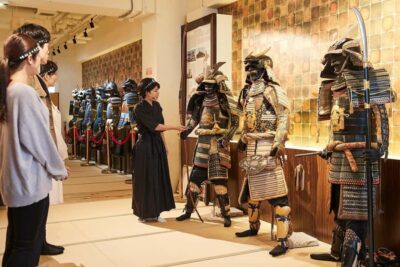
Samurai Ninja Museum Guided tour and Experience
Read our review →
Kendo and Samurai Experience with Uniform and Gear
Read our review →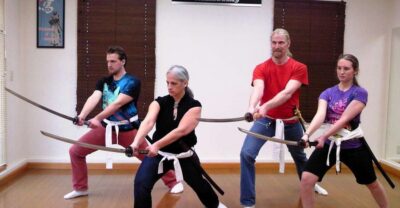
Samurai Sword Class by Experts in Traditional Arts
Read our review →
Skip the lines Basic Ticket at SAMURAI NINJA MUSEUM KYOTO
Read our review →
Samurai Sword & Archery Class from Samurai Descendant
Read our review →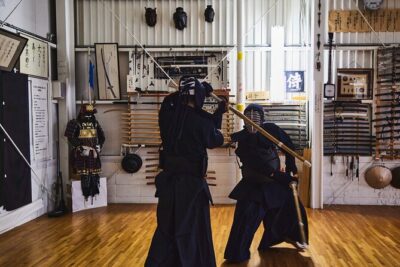
Browse the lists this tour appears in