
Reviewed · SAMURAI & NINJA EXPERIENCES
Osaka: Private Samurai Experience – Train with Sword Master
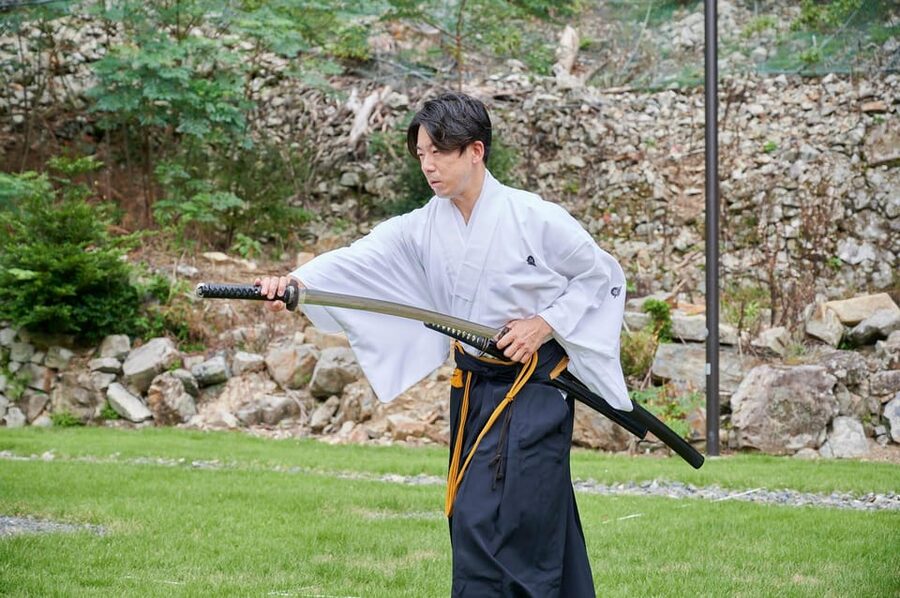
Osaka is full of food, neon, and day trips, but this tour swaps the usual sightseeing rhythm for hands-on samurai sword training in a temple area that is normally closed to the public. I like that you get a true sense of place, with a guide-led visit and a restricted training space at Ryuan-ji or Saiko-ji. And I especially like that there is a special sword performance built into the session, so you are not just learning techniques, you are also seeing discipline and control up close.
The big value is the teacher. You train under Tatsuya Watanabe, who is tied to classical kenjutsu lineages and is the current soke headmaster of Suishin-ryu, and he brings that background into the way he explains movement, mindset, and tradition. One possible drawback: it is only a 3-hour experience, so you will leave with a solid start and lots to practice later, not with instant advanced mastery.
Key points at a glance
- Private temple-only training grounds closed to the public, opened exclusively for your group
- Tatsuya Watanabe’s lineage-based instruction, including spiritual and philosophical context
- A special sword performance that is exclusive to this tour
- A structured practice session, taught with clear focus on form and technique
- English, Japanese, and French support, with translation during hands-on training
- A guided temple experience that adds meaning to what you are practicing
Osaka samurai training at a temple you do not normally enter
What makes this experience interesting is the setting. Instead of a modern practice hall, you train inside a temple environment where etiquette and quiet attention are part of daily life. That matters, because swordsmanship is not just about swinging hard. It is about timing, posture, and control, and the temple context pushes you to slow down and take technique seriously.
You start with guidance that connects sword practice to the space itself. That makes the session feel less like a stunt class and more like cultural education with real movement work. I also like that the program is built around a teacher who has spent his life with this craft, including daily training and global teaching efforts. You are not watching a slideshow about samurai culture. You are getting direct instruction.
More Samurai & Ninja Experiences in Osaka
- Samurai Training Experience KENDO in Osaka
★ 5.0 · 515 reviews - OSAKA NIGHT FUSION Japanese Taiko Kabuki Samurai Dance Show
★ 4.8 · 155 reviews - Osaka: Samurai Training Experience KENDO in Osaka
★ 5.0 · 111 reviews
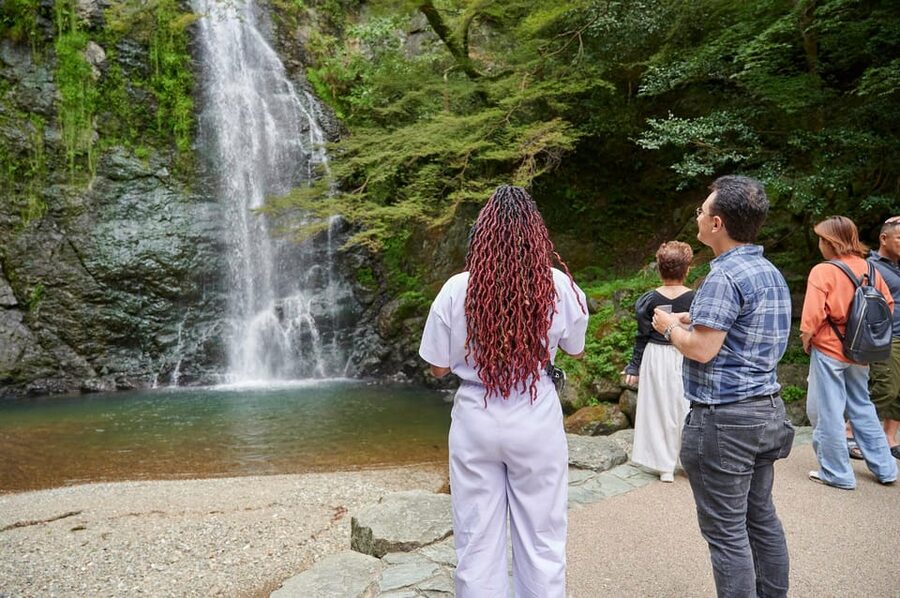
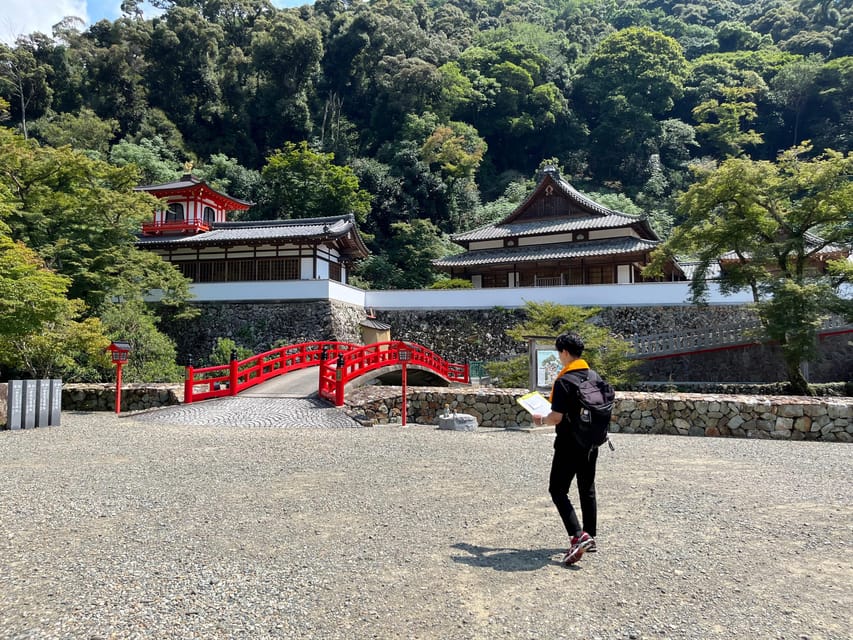
Meeting at Minoh Station, then heading into the forest temple zone
Your meeting point is Minoh Station. Look for your guide holding the yellow DeepExperience logo in front of the station. This is a simple setup, and it helps if you want to keep logistics low while you are already in Osaka.
From there, you head toward the temple area in the region of Minoh. The good part is that you are not stuck figuring out what to do next. A guide keeps the day moving, explains what you are going to see, and helps you transition smoothly from sightseeing mode into training mode.
Practical tip: wear shoes you can stand and walk in comfortably. Temple areas often include uneven or stone surfaces, and you will be on your feet more than you might expect during a short 3-hour program.
Your temple visit time: history, access, and why it matters before you practice
This experience gives you structured access to Ryuan-ji or Saiko-ji’s secluded areas, and that is the whole point. These temple zones are typically closed to the public, but for your program they open up. That turns your visit into something closer to a private lesson with a cultural setting, not a quick photo stop.
During the guided portion, you learn about the temple and the area around Osaka’s Minoh region, so the training feels grounded. In past sessions, the flow includes learning what you are about to do and how to carry yourself in the restricted training space. That helps because sword practice has rules, and those rules work better when someone frames them for you first.
One more thing I like: you are not left alone with silence and confusion. The guides and translators support you in English, Japanese, and French, so you can actually understand the why behind the movement, not just copy the how.
Training with Tatsuya Watanabe: lineage, mindset, and real teaching
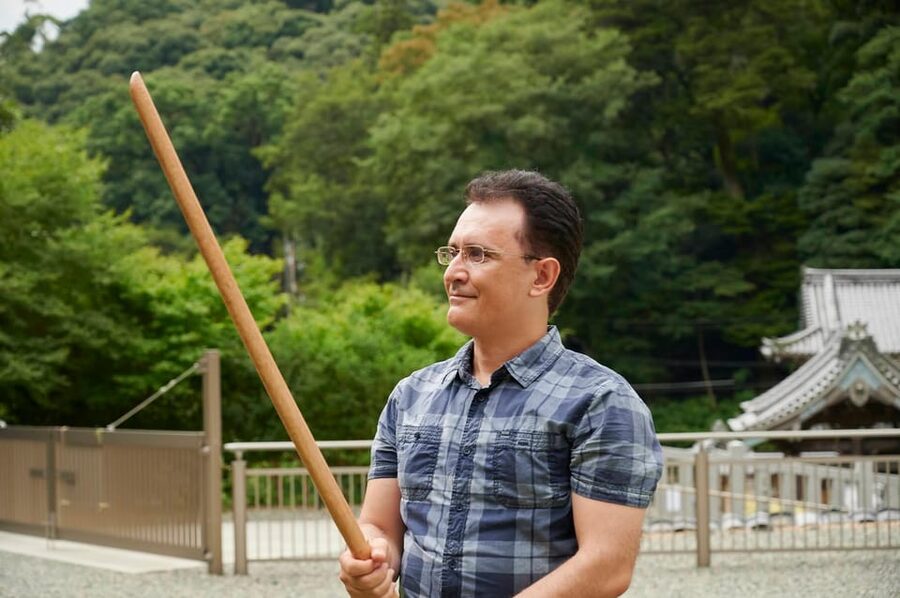
The sword master for this tour is Tatsuya Watanabe. His background is unusually specific. He began with kendo as a teenager, then entered Yagyū Shinkage-ryu while in university, and later trained in Suishin-ryu. He was appointed soke, headmaster, in his twenties, which means you are learning from someone responsible for preserving not just techniques, but also the spirit and aesthetic values of the school.
What that translates to for you is a teaching style that is more than physical. You should expect explanations that connect movement to intention. One review highlights how he focuses on fluidity and the meditative qualities of strikes. Another points out how well he explains within the limited time you have.
Also, language support makes a big difference. Several guests mention that the translator, including guides named Ben or Benoit, makes the instruction workable in English, especially because the sword master primarily speaks Japanese. If you want more than surface-level impressions, translation is a key part of why this tour scores so highly.
A change of pace from Osaka:
- Osaka Go Karting Tour with Funny Costume
★ 5.0 · 2,658 reviews - Osaka Castle: Museum and Tower Entry Ticket
★ 4.5 · 2,380 reviews - Osaka: Shinsekai Food Tour with 13-15 Dishes at 5 Eateries
★ 4.8 · 2,204 reviews - Osaka Food Tour: 13 Dishes at 5 Local Eateries
★ 5.0 · 2,149 reviews
Hands-on practice: what you work on in the private training grounds
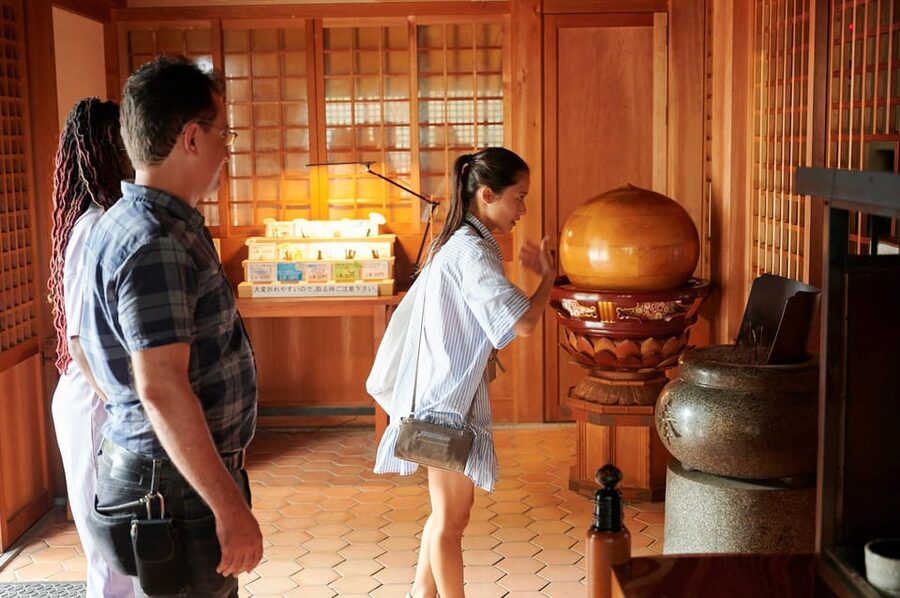
You get a private, restricted training environment. That matters because it lets the instructor focus on your group without public interruptions. It also changes your mindset. You are not surrounded by spectators, which makes it easier to listen, watch, and try again.
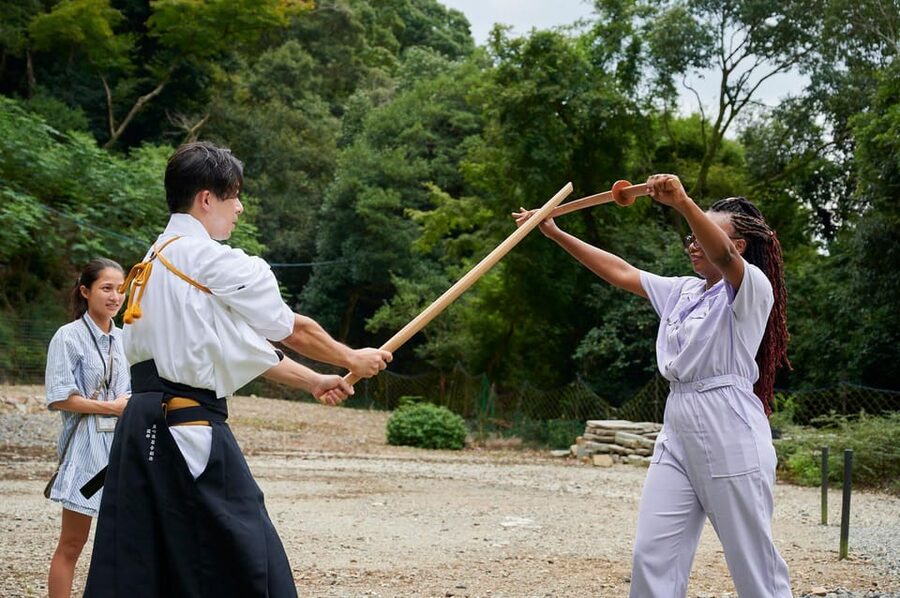
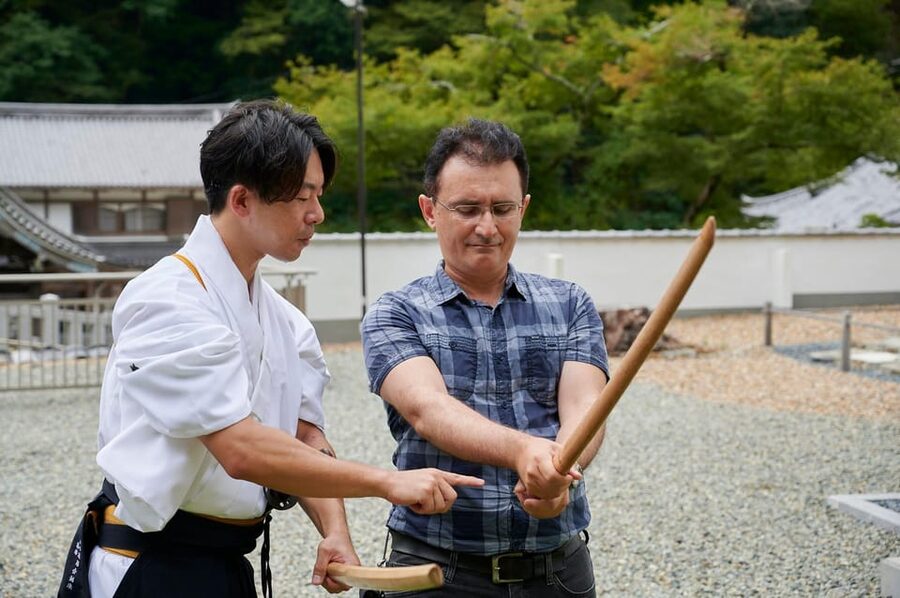
In the practice portion, you work on basics such as posture and strikes. Reviews describe instruction using wooden swords and focusing on how to improve your strikes and posture. Some sessions may include progression beyond basic practice tools, and one guest reported moving to real swords and even attempting paper cutting during their training. That is not something you should treat as guaranteed, but it shows that the program can be hands-on and serious.
What you should aim for: clarity, not speed. This is not a gym workout. You are learning the feel of correct form, and then repeating it until it becomes more natural. Even if you have done martial arts before, expect this to feel different because classical kenjutsu style often emphasizes controlled motion and clean structure.
The special sword performance: discipline you can see before you try
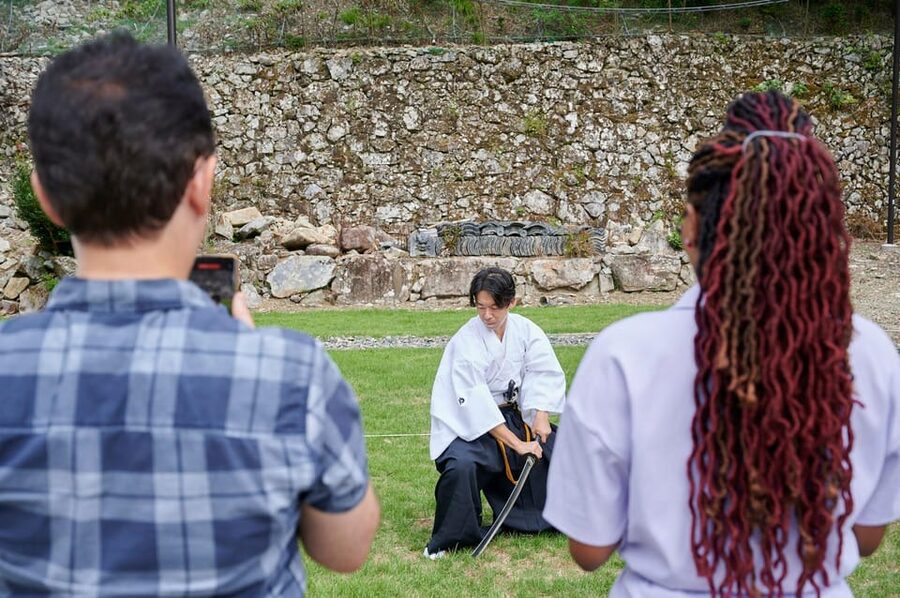
Most sword experiences include some demo, but this one specifically includes a sword performance exclusive to the tour. That performance sets the standard for what you will practice after.
What I find useful here is timing. You watch the skill first, then the instruction immediately turns that visual into something you can attempt. Reviews repeatedly call out the master’s precision and presence during the performance, and that makes sense. If your movements are going to be corrected, you need a clear model of what good looks like.
Think of it like learning a dance move. The show gives you an image in your head. The class then breaks it down into steps you can actually do.
Weapon handling and what to expect inside the temple house
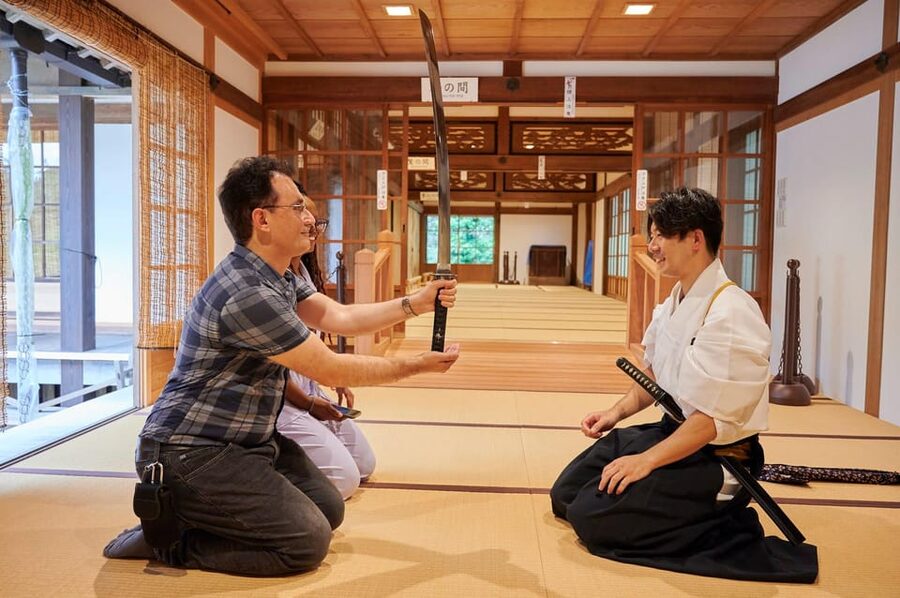
Part of the day can include seeing a collection of swords up close. Guests have described being able to hold actual swords in the temple setting, which is a rare experience compared with typical demo-only tours. Some accounts also mention seeing items including a sword dated 1370 inside a temple house.
If this is part of your session, you will likely get context about the weapons and what they represent in the broader tradition. That context is valuable because it helps you connect the objects to the practice, instead of treating the weapons like props.
A practical note: if you do not usually handle sharp or heavy objects, follow the instructor’s guidance closely and take your time. You are in a controlled space, and it is better to be careful than brave.
What to wear, how to participate, and small etiquette that makes it better
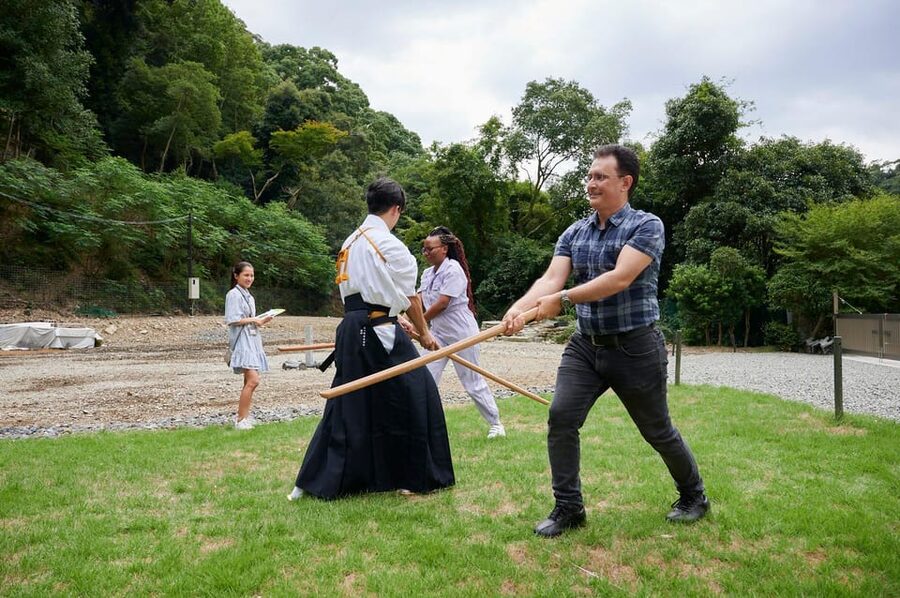
Because this is temple-based and teacher-led, your behavior affects your experience. Keep your participation respectful and focused. That sounds obvious, but in sword practice, small things matter: how you line up, how you handle equipment, and how you pay attention while someone demonstrates.
What to wear:
- Comfortable, modest clothing that lets you move
- Shoes with good grip
- If you have long hair, tie it back
How to participate:
- Ask for clarification through your guide or translator if something is unclear
- Treat corrections as part of the lesson, not criticism
- If you are visiting with kids, follow the instructor’s cues closely, since private groups can still include strict form requirements
This is also a day where patience helps. The session is short, and good teaching requires time to set posture, correct basics, and let you try again.
Price and value: $158 per person for 3 hours of real instruction
At $158 per person for about 3 hours, this is not a budget activity. But it also is not just a ticket to watch a demo. You are paying for:
- Private access to restricted temple areas
- Instruction from a sword master with classical training and leadership responsibilities
- A translator-supported experience (English, Japanese, French)
- A special sword performance included in the program
In value terms, the price makes sense if you want more than a photo-and-bridge-day trip. You want a structured, guided lesson where you leave knowing what to practice next. Multiple guests describe this as worth every euro, largely because it combines culture, access, and hands-on teaching.
If you only want a quick introduction to samurai myths, you might feel the cost more. But if you want craft, form, and actual practice time, this has the ingredients that justify the spend.
Who this Osaka private samurai experience is best for
This tour fits best if you fall into one of these categories:
- You want something different in Osaka besides food and crowds
- You are curious about classical Japanese sword culture and want it explained in plain terms
- You like structured instruction and appreciate teachers who can articulate both technique and mindset
- You want a private group experience rather than joining a large bus-tour style crowd
It can also be a great father-and-child or friend activity. One review describes a parent and son saying it was the best thing they did in Japan, which lines up with the idea that the day is both educational and hands-on.
If you are expecting full-contact sparring or a long training camp, plan your expectations differently. This is a concentrated introduction, and your win is what you learn, not how many rounds you fight.
Should you book this Osaka samurai sword training?
I would book it if you want a focused cultural experience with real instruction in a rare setting. You get private temple access, a sword performance exclusive to the tour, and training under Tatsuya Watanabe with translation support in multiple languages. If you care about authenticity, the temple context and lineage-based teaching do a lot of work for you.
You might skip it if you are chasing a low-cost, casual activity or you want lots of free time to roam independently. This is structured, and your time is mostly spent with the class and the temple areas opened for the program.
If you want a single, memorable Osaka experience that feels like you stepped into another layer of Japanese culture, this one is a strong choice.
Latest write-ups near Osaka
- Osaka Private Tour with Government-Licensed Guide★ 4.8 · 20 reviews
- Guided Photography Tour in Osaka: Capturing Memories★ 4.5 · 20 reviews
- Osaka: Food Tour at Night with Tastings★ 4.9 · 20 reviews
- Kansai/KIX Airport to or from Osaka/Kyoto Private Transfer★ 5.0 · 20 reviews
- Osaka: City Highlights Bike Tour★ 4.7 · 20 reviews
- From Osaka/Kyoto: Amanohashidate Day Tour【Including tickets】★ 3.7 · 20 reviews
- Osaka Okonomiyaki Cooking Class “Learn here and make it at home”★ 5.0 · 20 reviews
- Volleyball in Osaka & Kyoto with Locals!★ 5.0 · 21 reviews
Samurai & Ninja Experiences, compared.
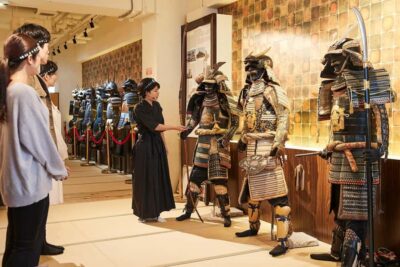
Samurai Ninja Museum Guided tour and Experience
Read our review →
Kendo and Samurai Experience with Uniform and Gear
Read our review →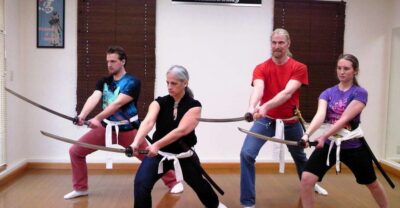
Samurai Sword Class by Experts in Traditional Arts
Read our review →
Skip the lines Basic Ticket at SAMURAI NINJA MUSEUM KYOTO
Read our review →
Samurai Sword & Archery Class from Samurai Descendant
Read our review →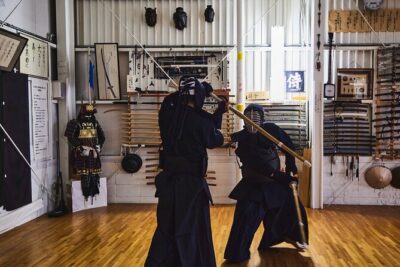
Browse the lists this tour appears in