
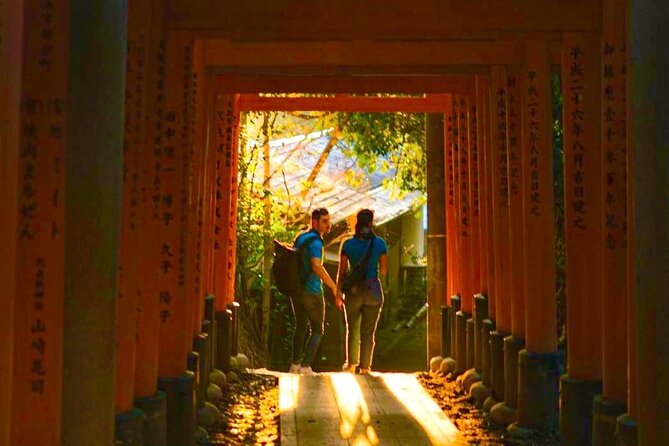
Reviewed · WALKING TOURS
Kyoto Fushimi-Inari Night Walking Tour
Kyoto’s Fushimi-Inari Shrine feels like two different places depending on the hour. At night, the red torii gates and hillside paths slow down, and you get a calmer, more human experience than the daytime crush.
Two things I really like about this tour: it’s a max 12-person group (so you stay together), and you get a guide who connects what you see to why it matters. You’ll be walking through the shrine grounds with context, not just collecting photos.
One consideration: you are on mountain-style paths in the dark, so you’ll want comfy shoes and a steady pace. If you expect a flat stroll, adjust your expectations.
Key highlights before you go
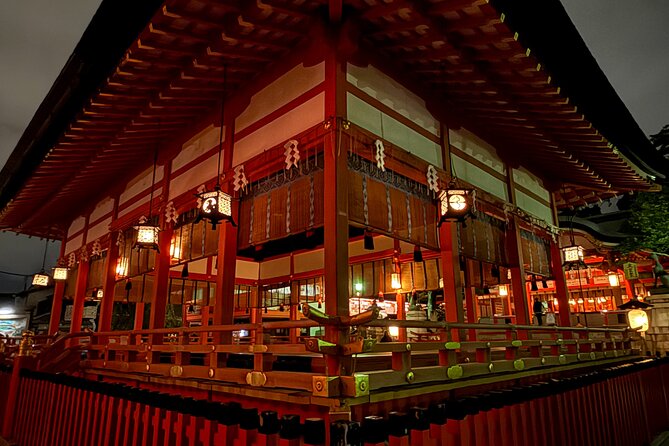
- Small group size (up to 12) keeps the walk relaxed and easier to follow at night
- After-crowds timing means fewer people as evening turns into night
- Lantern-lit hillside torii paths give a very different feel than daytime visits
- Free shrine entry means your fee goes toward the guided experience
- Guides help with navigation and photos, which is a big deal at Fushimi-Inari
- Prayer and tradition explanations help you understand what you’re seeing when you pause at key spots
Why nighttime Fushimi-Inari feels calmer and more meaningful
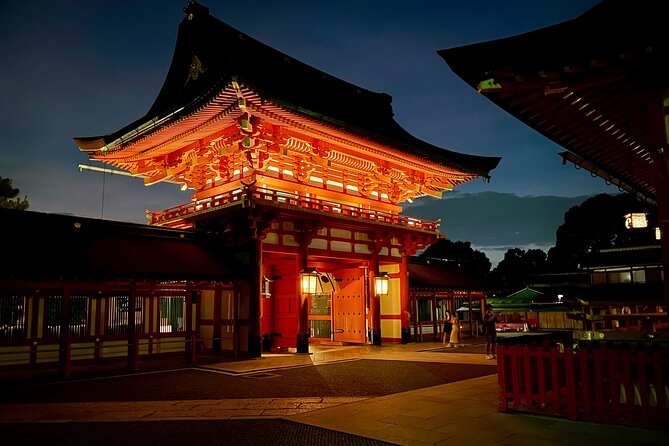
Fushimi-Inari is famous for a reason, but the red torii gates can get crowded fast in the daytime. This is the alternative: go when the crowd energy drops and the shrine feels more like a place people visit to pray, reflect, and wander.
The best part is the contrast. In daylight, the torii tunnels can feel like a sightseeing magnet. At night, the same gates feel more atmospheric, and you spend more time noticing the details: the stone fox statues, the smaller shrines tucked along the route, and the way the path climbs toward viewpoints on Mount Inari.
More Evening Experiences in Kyoto
- Kyoto: Gion Magical Night Walking Tour with Geisha Trivia
★ 4.9 · 2,393 reviews - Night Walk in Gion: Kyoto’s Geisha District
★ 4.5 · 2,003 reviews - Kyoto Night Foodie Tour in Gion (9+ dishes + 6 Sake tastings)
★ 5.0 · 1,762 reviews
The small-group format, what it changes for you
With a maximum of 12 travelers, you get something you cannot buy on your own: clean group momentum. The guide keeps everyone together, helps you avoid getting separated in the maze of paths, and can slow down when the scene asks for it.
It also means questions land better. In the better moments, you’re not competing for attention while people are trying to take selfies. You can actually ask about how shrine traditions work, what certain objects mean, or why people pray at specific spots.
And based on the guide styles you’ll see, the tours often have a friendly, story-forward rhythm. Names you may encounter include Jem, Tammy, Caleb, Masaki, Hiro, Navi, Vincent, Yessi, and Cade. Several guides are praised for being organized, patient, and fun, with explanations that stay clear without turning into a lecture.
Meeting point at the Fox Statue and your first 10 minutes
You’ll start at the fox statue at the entrance to Fushimi Inari Taisha Shrine in the Fushimi Ward area, near Inari Station. The tour ends back at the same meeting point, so you’re not left trying to find your way out after dark.
Your first minutes matter here. Fushimi-Inari can feel confusing once you’re in the middle of the torii network. Having a guide from the start helps you set a simple mental map early, so you enjoy the walk instead of constantly checking what direction you are supposed to go.
Walking the torii at night: what you’ll actually experience
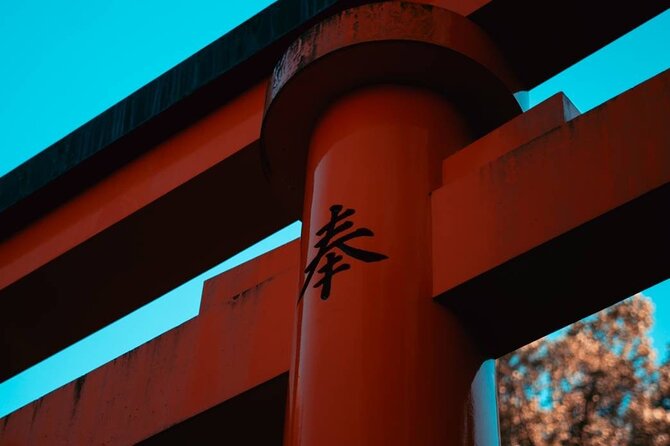
This is primarily a walk through the shrine grounds, centered on the Fushimi Inari-taisha Shrine. You’ll move through the famous red torii gates, following paths that lead upward toward Mount Inari. Expect a circuit-like feeling, with stops along the way for explanations and photo moments.
Because this is a nighttime experience, plan on darker stretches and uneven ground. One review specifically calls out that you should expect walking on mountain paths through the gates in the dark, but also notes that lighting along the route helps. In practice, that means you should slow down, take your time at turns, and let your guide set the pace.
More Walking Tours in Kyoto
- Kyoto Geisha Walking Tour: Gion District & Hidden Gems
★ 4.7 · 3,273 reviews - Kyoto: Gion Geisha District Walking Tour – Stories of Geisha
★ 4.7 · 2,187 reviews - Kyoto Gion Geisha District Walking Tour – The Stories of Geisha
★ 5.0 · 1,441 reviews - Nishiki Market Brunch Walking Tour (7 Tastings + Brunch)
★ 5.0 · 1,355 reviews
What to look for as you climb
As you walk, keep an eye out for the elements that define the shrine experience:
- Thousands of torii gates forming tunnels and changing perspectives as you move
- Stone fox statues, commonly placed as part of the shrine’s visual language
- Smaller shrines you may otherwise miss if you just follow the biggest footpath
- Scenic viewpoints where the hillside layout makes the route feel less like a straight line
At night, these details become easier to appreciate because you’re not constantly battling crowds trying to squeeze past you. The scene feels slower, almost like you’re walking in a living museum rather than through a photo queue.
The guide’s role: stories, context, and prayer basics
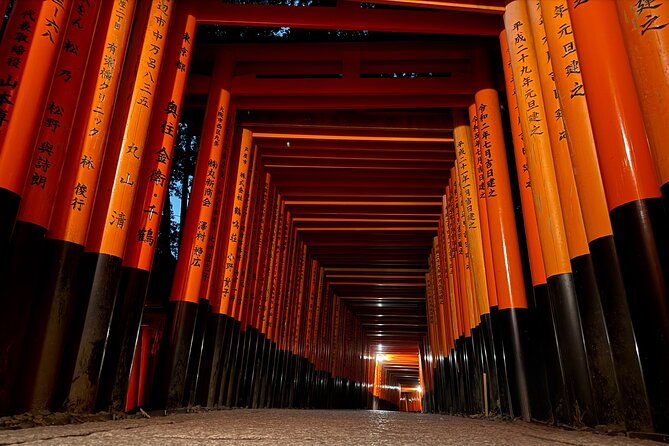
A guided night visit is not just about movement. What makes this tour consistently praised is the why behind what you’re seeing. Your guide connects the shrine to Inari, the deity associated with rice, agriculture, and business, and explains how visitors come to pray for success, health, and happiness.
Several guides are highlighted for teaching practical understanding:
- Explaining the significance of the shrine beyond the iconic gates
- Pointing out details you might overlook, like smaller shrines and religious objects
- Helping you understand how to pray at different sites, with different rituals depending on the place
If you like your travel with a side of meaning, this is where it clicks. Without guidance, Fushimi-Inari can become a great photo walk. With guidance, it becomes a more complete cultural visit, including the etiquette and symbolism you’d otherwise miss.
And because the group is small, guides can help you catch both the big views and the tiny details. Reviews mention guides leading group navigation at night and keeping things organized, including time to pause for photos without losing the rest of the group.
Photos and timing: when the lighting helps your camera
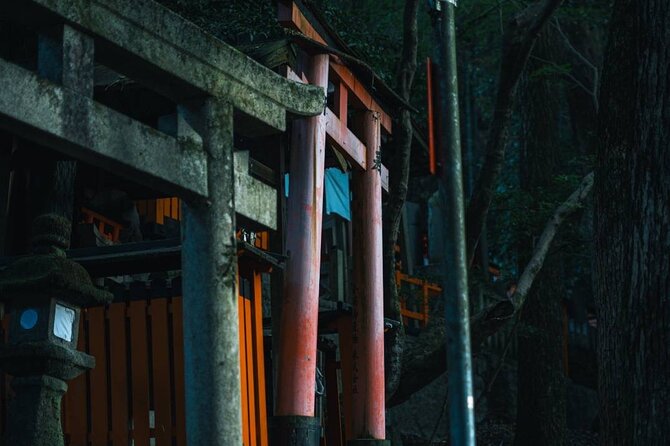
Night is a gift here. The torii gates look dramatic when lit, and you’ll likely find it easier to take photos without the constant stop-and-go crowd flow you get during peak hours. Reviews also mention the tour being great for photos, specifically because lighting on the path makes the darker sections manageable.
Also, timing matters. Some people start around 6pm and find that it stays less crowded than later, with dusk turning quickly to proper night. The sweet spot is when the gates have started to feel quiet but the lighting still supports safe walking and clear pictures.
If you’re going in expecting perfect golden-hour softness, you might be slightly surprised. But if you’re flexible, you’ll get something cooler: a shrine atmosphere that is more atmospheric and less commercial.
What about weather and comfort? Pack for a night hike
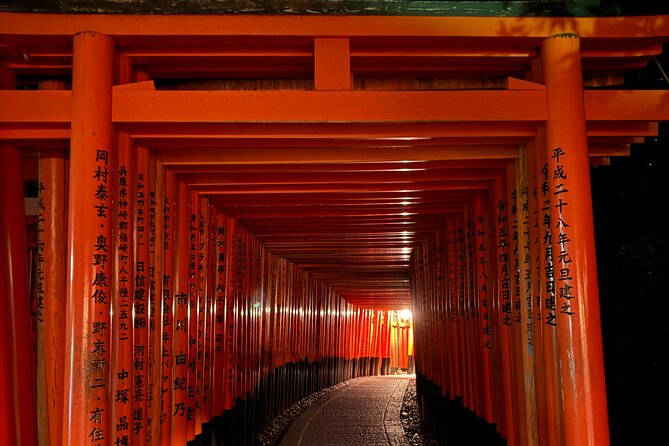
This is not a stroller-friendly route. Even though it’s only about 1.5 to 2 hours, it involves hillside walking and dark paths through the torii gates. I recommend packing like you’re going on a mild hike:
- Wear walking shoes with grip
- Bring layers, especially if your slot runs into colder months
- If it’s raining, take extra care on steps and keep close to the group
One review notes the guide did a good job in rainy conditions and kept the group moving calmly. Still, the core point remains: you’re walking outdoors on paths that can be darker than you expect.
Price and value: $43.11 for a guided nighttime circuit
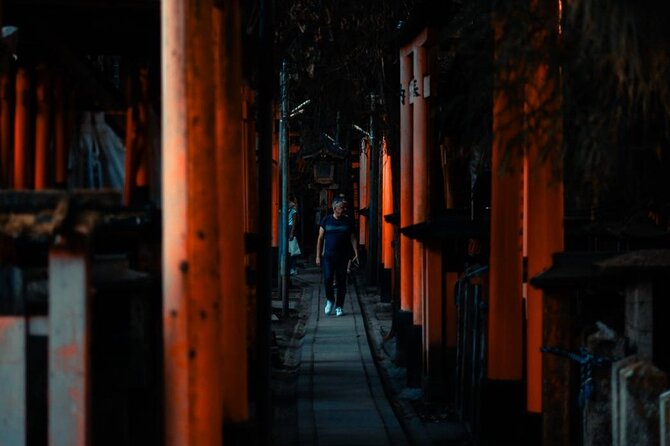
At $43.11 per person, you’re paying for two things: expert guidance and group management, not shrine entry. Shrine admission is listed as free, which matters because it means the value is concentrated on what the guide brings.
Here’s how the price tends to feel worth it:
- You skip the headache of navigating the torii maze on your own at night
- You get explanations that turn a photo stop into a real cultural visit
- You enjoy the gates at a calmer hour without losing the benefits of structure
If you are the kind of traveler who enjoys learning just enough to make a place “click,” this pricing is sensible. If you only want snapshots and don’t care about context, you might wonder why you’re paying. But if you want the shrine’s meaning and a smoother route, the small-group setup is exactly the reason the tour costs what it costs.
Who this tour suits best
This night walking tour fits best if you:
- Want Fushimi-Inari without daytime crowds
- Enjoy having a guide explain what you’re seeing, including shrine traditions
- Prefer a small group for easier navigation and a calmer vibe
- Are comfortable with a short walk on paths that can feel steep or uneven
It also fits families and mixed groups, since guides are praised for making explanations clear and easy to follow, even when kids are part of the group.
If your travel style is more “wander without structure,” you could still enjoy the shrine on your own. But you’ll miss the guidance that helps you stay oriented and understand why people stop where they stop.
Should you book this Kyoto Fushimi-Inari night walk?
In my view, yes, if you want the gates when they feel quiet and you care about understanding the shrine, not just seeing it. This is a strong choice because the tour is built around a small group, a guided nighttime route, and free shrine access while you learn what Inari worship is all about.
Book it if you’re excited by stories, prayer basics, and the atmosphere of lantern-lit torii gates. Skip it only if you dislike walking on hillside paths in the dark or you are only interested in fast sightseeing with zero explanations.
FAQ
How long is the Kyoto Fushimi-Inari Night Walking Tour?
The tour lasts about 1 hour 30 minutes to 2 hours.
Where do we meet for the tour?
You meet at the fox statue at the entrance to Fushimi Inari Taisha Shrine in Kyoto (near Inari Station). The tour ends back at the meeting point.
How big is the group?
The tour has a maximum of 12 travelers.
Is Fushimi-Inari shrine admission included?
Yes. The shrine admission is listed as free.
Do I receive a mobile ticket?
Yes. The tour uses a mobile ticket.
Is this tour near public transportation?
Yes. The meeting area is near public transportation.
Can most people participate?
Yes. It notes that most travelers can participate.
Are service animals allowed?
Yes. Service animals are allowed.
What should I expect walking-wise at night?
Expect to walk through the shrine area and on the mountain-style paths through the torii gates in the dark, with lighting along the route.
What is the cancellation policy?
You can cancel for a full refund if you cancel up to 24 hours in advance of the experience start time. If you cancel less than 24 hours before, the amount you paid is not refunded.
Latest write-ups near Kyoto
- Kyoto: Nishiki Market Tour with a Local Foodie & Tastings★ 4.5 · 67 reviews
- Kyoto Kimono Rental mimosa |Kimono/Yukata Rental Couple Plan★ 4.8 · 67 reviews
- Kyoto: Traditional Kimono Fabric Handicrafts Workshop★ 5.0 · 67 reviews
- Kyoto Tea Ceremony and Samurai Photo Session★ 5.0 · 70 reviews
- Kyoto: Replica food making experience★ 4.8 · 70 reviews
- Kyoto: Kinkakuji, Golden Pavilion Guided Tour★ 4.7 · 71 reviews
- Private departure transfer from Kyoto city to Kansai International airport★ 5.0 · 72 reviews
- Uji: Green Tea Tour with Byodoin and Koshoji Temple Visits★ 4.8 · 72 reviews
Walking Tours, compared.
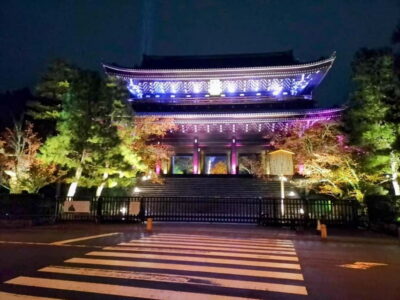
Kyoto Geisha Walking Tour: Gion District & Hidden Gems
Read our review →
Tokyo Tsukiji Fish Market Food and Culture Walking Tour
Read our review →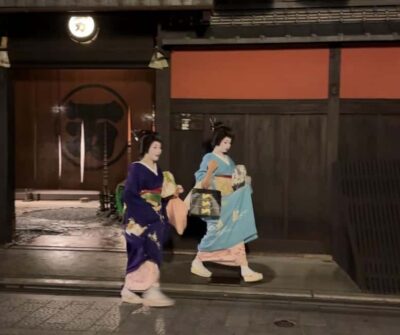
Gion Magical Night Walking Tour with Geisha Trivia
Read our review →
Imperial Palace and Shogun Historical Walking Tour
Read our review →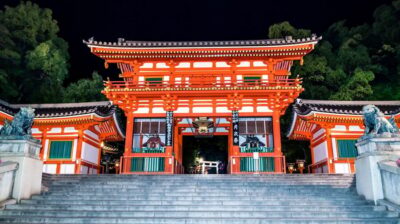
Gion Geisha District Walking Tour – Stories of Geisha
Read our review →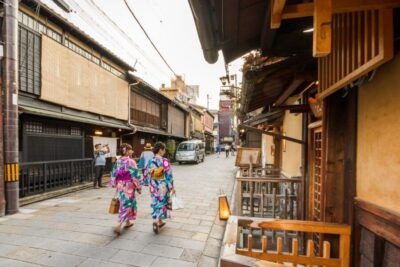

Shinjuku Local Bar and Izakaya Guided Walking Tour
Read our review →
Browse the lists this tour appears in