Reviewed · GUIDED
Edo Tokyo & Japanese Culture Tour with Government Licensed Guide
Tokyo has shiny skyscrapers, fast trains, and neon nights. What makes this tour fun is that it slows you down and shows you the Edo-era Tokyo underneath the modern city. You get a government-licensed, English-speaking guide and a day built around real places where history is still visible in the streets.
I especially like the customization. You can pick 3-4 sites from the Edo-Tokyo themed list, so you are not forced into a one-size-fits-all route. I also like that the best parts are practical, not just sightseeing, the guide can help you navigate the area and even make public transport feel less intimidating. A possible drawback: entrance fees and meals are extra, and some stops are spread out, so choosing far-apart sites can make your schedule tight.
Quick takeaways
- Government-licensed English guide helps you connect the dots between Edo life and modern Tokyo
- Pick 3-4 sites from the Edo-Tokyo list, so your day fits your interests
- Sumo culture in Ryogoku gives you the real setting, not just a highlight photo
- Old Tokyo nodes like Nihonbashi and the Sumida River keep the story moving
- Edo-period museums and architecture turn history into something you can walk through
- Public transport help is a big plus, especially if you want to learn the basics fast
What makes this Edo-Tokyo tour worth your time
This is the kind of Tokyo day that works best when you like cause and effect. The guide’s job is to show you how Edo Tokyo functioned, then point out what you can still see today. You start near the symbolic center of Edo’s successor era, then move toward areas tied to commerce, performance, art, and disaster recovery.
The value is not only in the sites. It’s in how the tour connects them. For example, sumo is not treated as a random sport stop. It gets explained in the context of Ryogoku as the center of that world. The same idea shows up again with art, Hokusai, and print culture, then later with museums that rebuild neighborhoods and streets from the Edo period.
Also, the guide skill matters. In past days, guides like Shinji, Kei-san, and Andy were praised for clear communication before the tour and for tailoring the schedule to match what the group wanted. That tailoring is not just polite, it changes how the day feels, less rush, more meaning.
One more practical point you should care about: this is primarily a walking tour, but you may use public transport when needed. That mix is usually the sweet spot in Tokyo, where walking can be great for atmosphere but rail can save real time.
Also on the shortlist for Tokyo:
- Mt Fuji and Hakone 1-Day Bus Tour Return by Bullet Train
★ 5.0 · 26,383 reviews - 1-Day Tokyo Bus Tour
★ 5.0 · 14,250 reviews - Tokyo: TOKYO SKYTREE® Admission ticket
★ 4.5 · 11,192 reviews
Price, value, and what you need to budget
The price is $154.37 per person for about 6 hours, and it is commonly booked around 20 days in advance. That matters because a guide-based private tour in Tokyo, with customization and a mobile ticket, often costs more once you add entry fees for multiple museums.
Here is the important part: entry fees, lunch, and transportation costs are extra. So your total day cost will depend on which museums you select. If you choose places with paid admission, you will pay those on top.
Still, the guide can make the paid stops feel more worth it. A museum like the Sumida Hokusai Museum is best when you know what you are looking at, and the Kanto Earthquake Memorial Museum hits hardest when you understand what changed after the disaster. Without a guide, you can still visit, but you might miss the story thread.
So how do you judge value? Think about what you want most:
- If you want a guided story that connects neighborhoods, performance culture, and everyday life, this fits.
- If you only want photos and loose roaming, it might feel expensive once you add admissions and transit.
Meeting up and moving around without wasting your day
You meet the guide on foot within a designated area. Pickup is offered, but it is not like a car that comes to your hotel front door. The good news is that the tour is designed for public transportation access, and most of the time your guide can steer you to the fastest, simplest route.
Expect a mix of walking and short transit rides if your selected stops require it. One review highlighted how the guide helped with getting around and even taught people how to use an IC card with the public transport system. That’s a real advantage if you are new to Tokyo transit and you do not want to burn half the day figuring out trains and fares.
The other logistics tip is about money. One review specifically warned that transit systems may not accept credit cards, and finding cash at ATMs can be tricky. Even if you plan to pay most things by card, bring some local cash to avoid stress.
A small timing consideration: the tour is about 6 hours and is walking-heavy. If you choose sites that are far apart, the day can run tight. In one case, the schedule overran because of distance between chosen spots, so coordinate your choices with the guide and be realistic about travel time.
Stop-by-stop: how each site adds a different piece of Edo Tokyo
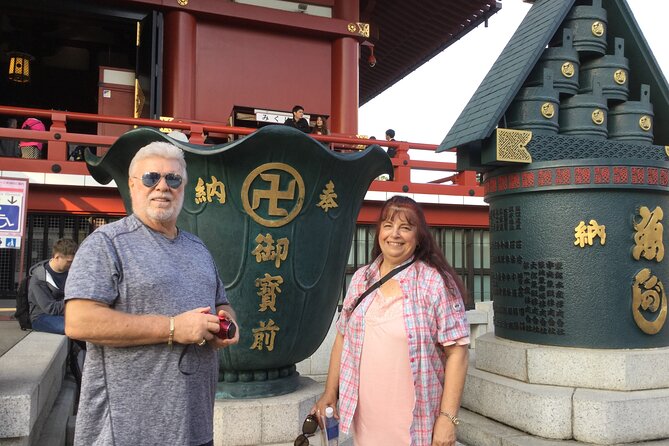
This tour can be customized to 3-4 sites from the Edo-Tokyo list. The itinerary below is the “menu,” and your guide may shape the route around your selections. Here’s what each stop does for the story, plus what to watch for.
A change of pace from Tokyo:
- Tokyo: teamLab Planets TOKYO Digital Art Museum Entry Ticket
★ 4.6 · 9,779 reviews - Mt Fuji & Hakone Cruise, Drum Show Bullet Train 1 Day from Tokyo
★ 4.0 · 7,413 reviews - Tokyo: Sumo Show Experience with Chicken Hot Pot and a Photo
★ 4.8 · 6,678 reviews - Tokyo: Shinjuku Food Tour (13 Dishes at 4 Local Eateries)
★ 5.0 · 6,603 reviews
Imperial Palace area: Edo Castle in spirit, not inside access
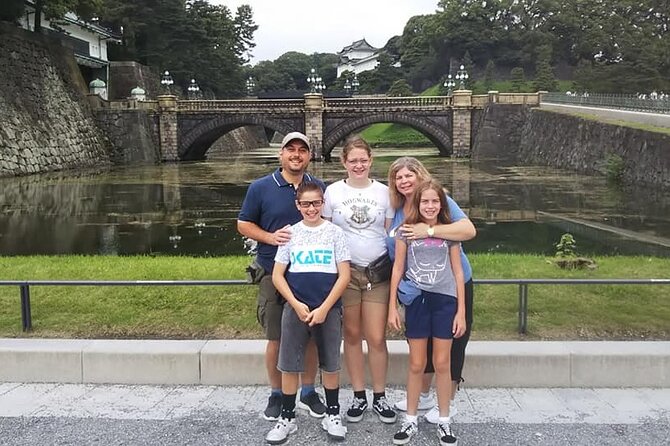
The tour includes the Imperial Palace area, but it does not include access inside the palace. You are essentially visiting the historical setting, linked to the former site of Edo Castle, and then using that location as a starting point for the Edo-to-modern shift.
What you gain is context. Even if you are not allowed into the palace grounds, the surrounding park area still gives you a sense of where power used to sit. Your guide can also help explain why this location still matters symbolically.
What to consider: if you were hoping for an inside look, adjust expectations. The tour is about the outside and the historical meaning, not palace interiors.
Ryogoku Kokugikan: sumo culture where it actually lives
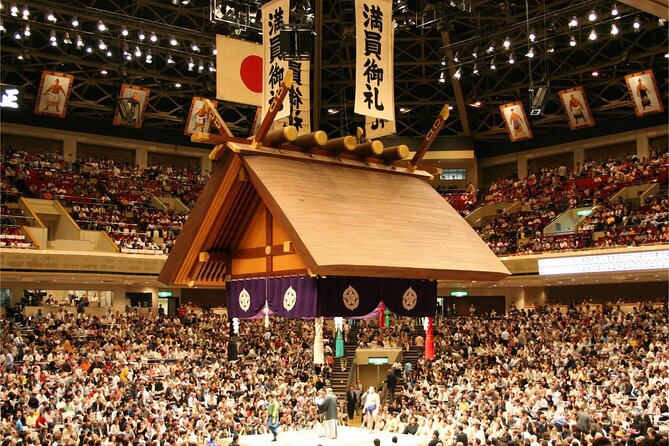
Ryogoku is Tokyo’s sumo center, and the Ryogoku Kokugikan stop is a great example of the tour being more than sightseeing. You’re in the district where you find sumo stables, chanko restaurants, and the everyday sumo ecosystem.
This stop works well for two reasons. First, it is directly tied to place. Second, it is accessible for time planning: it is listed for about 30 minutes, and admission is free.
If you like sports culture, architecture, or just seeing how tradition functions in modern Tokyo, you’ll enjoy this. The surroundings alone tell the story, and the guide can point out details you might otherwise overlook.
Sumida Hokusai Museum: seeing ukiyo-e through a guide’s lens
The Sumida Hokusai Museum focuses on Katsushika Hokusai, a cornerstone name in ukiyo-e art. This stop is about understanding print culture and the way artists captured city life.
The potential drawback is also simple: museum tickets are not included. If you select this stop, plan to pay the admission. Still, it can be a high-return choice for the day because it adds a visual arts angle to the Edo story, not just buildings and streets.
Kanto Earthquake Memorial Museum: the disaster lesson you remember
The Kanto Earthquake Memorial Museum covers the Great Kanto earthquake and how Tokyo rebuilt afterward. This is one of those stops that benefits from a guide because the impact is more than a date. You learn how the city changed and why reconstruction mattered for future Tokyo.
It is listed at about 1 hour and admission is not included. I like pairing a disaster-and-rebuild museum with neighborhood or architecture stops, because you can see the “before and after” logic play out later in the day.
Ryogoku Edo Noren: Edo-themed food without the long walk to dinner
Ryogoku Edo Noren is a food court styled to look like Edo period Japan. It is listed for about 45 minutes, and admission is not included, since it is a dining stop rather than a museum.
What makes this useful is pacing. You can eat without derailing the schedule. You also get a taste of how Edo-inspired design shows up in modern Tokyo retail.
Keep in mind: lunch costs are extra, and the guide cannot cover meal expenses. But if you budget for this, it is an easy, story-friendly place to recharge.
Nihonbashi: old road center, still a recognizable Tokyo landmark
Nihonbashi is the historical starting point of major roads that once shaped commerce and movement across Japan, and it was a key center in Edo. It is listed as a stop after the Ryogoku area, and it helps tie the day together around trade and transit.
This part is valuable because it shifts you from “culture rooms” like museums into the city’s real movement patterns. Even if you just pause and look around, you start to understand why Edo Tokyo grew where it did.
This stop is also a good moment for photos, but the guide can make it more than that by explaining the roads and the role of water and logistics in how Edo worked.
Sumida River: the spine of east Tokyo
The Sumida River stop is another way to see Edo logic in physical form. The river is one of Tokyo’s main rivers and a familiar waterway for visitors, and it is tied to eastward flow through Tokyo.
If you are the type who likes “why this place, why this route,” the river stop can help. Waterways influenced trade, travel, and where neighborhoods developed. Even a short pause can give you a better mental map for the rest of the day.
Edo-Tokyo Open Air Architectural Museum: seeing Edo streets, not just reading about them
The Edo-Tokyo Open Air Architectural Museum gives you an off-the-beaten-track feel, focused on architecture and how Edo life looked in built form. It is listed at about 15 minutes, with admission not included.
Fifteen minutes is short, so treat this as a sampler unless your guide builds in extra time. The value comes when the guide points out what to notice: the structure, the street feel, and the way the museum recreates Edo settings.
Fukagawa Edo Museum: neighborhood life, recreated
The Fukagawa Edo Museum is listed for about 30 minutes. Instead of single-room exhibits, it recreates an Edo-era neighborhood with streets, houses, and shops.
This is the kind of stop that makes the Edo period feel like a lived place rather than distant time. If you have limited time and you love “walkable history,” this is often the most satisfying option among the museum picks.
Admission is not included, so budget for tickets. But with a guide, you’ll likely get more out of it, especially if you want everyday-life details.
The guides make the day: what the top reviews taught me to expect
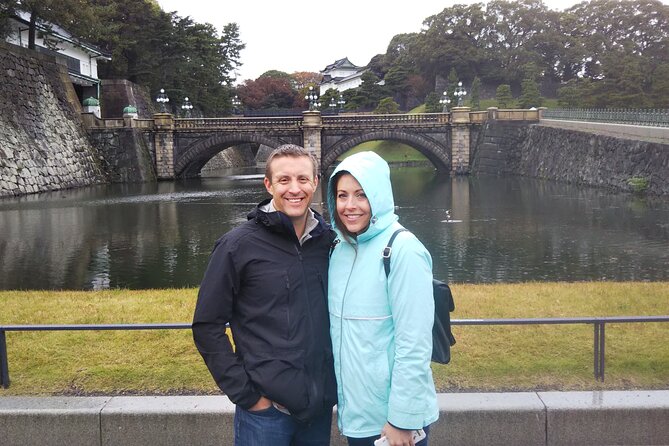
One of the strongest signals in the feedback is how much people liked the guide experience, not just the destinations.
I saw the same themes again and again:
- Communication before the tour. People praised guides for messaging ahead and tailoring based on what the group wanted.
- Patient explanations. A review called out how guides answered questions and even researched answers when needed.
- Transport support. One group highlighted help using an IC card and learning the public transport system.
- Kind, flexible guiding. Guides like Shinji, Kei-san, and Andy were specifically praised for making the day feel easy.
- Little extras. One group mentioned the guide took photos of the group and emailed them afterward.
That matters for you because Edo Tokyo has layers. Without guidance, it’s easy to see “pretty streets” and miss the connections. With a strong guide, you get a story that makes the city make sense.
Who this tour suits best (and who should plan differently)
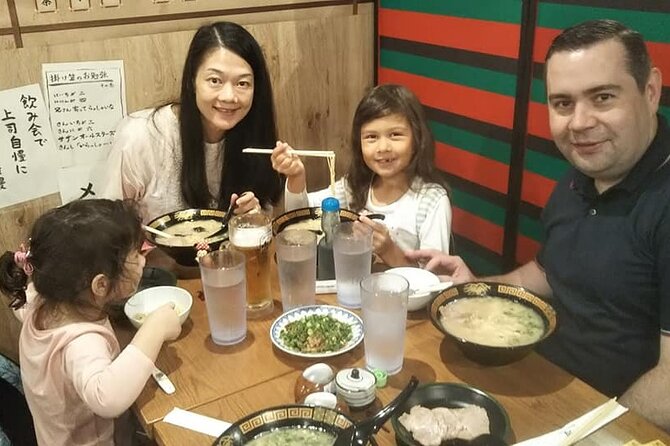
This is ideal if you are:
- A history fan who wants Edo period context tied to real Tokyo neighborhoods
- Interested in sumo culture, art (Hokusai), and how Tokyo rebuilt after disaster
- Newish to Tokyo and want a guide to help you handle transit basics
- Traveling with a group that wants a private experience instead of a large fixed-route tour
You might plan differently if:
- You expect Imperial Palace interior access. The tour explicitly does not include inside entry, so choose it for context, not for an inside visit.
- You have a very tight schedule and plan to pick sites that are far apart. Build a sensible geographic route and trust your guide to steer you.
Practical planning tips so your day runs smoothly
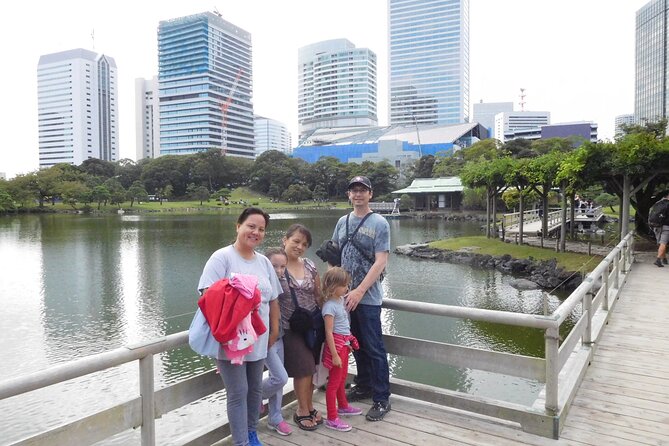
A few small moves make a big difference on a walking-heavy day like this:
- Bring cash for transit and any places that do not take cards reliably.
- Pack for weather. The tour is walking-first, and you will be happier if you have water and layers.
- Pick your 3-4 sites with a theme. For example, go “Edo streets and neighborhoods” or “art plus reconstruction” instead of random picks across town.
- Use your guide’s expertise when choosing between museum stops. The Open Air Architectural Museum and Fukagawa Edo Museum both fit the Edo theme, but they do it differently.
Also, confirm how your day will be paced once you pick your sites. If distance is a concern, ask the guide to optimize transit so you can actually enjoy each location.
Should you book this Edo Tokyo and Japanese Culture Tour?
If you want a Tokyo day that feels like history with legs, not just a list of stops, I think you should book. The licensed guide, the customizable 3-4 site format, and the mix of sumo, art, disaster rebuilding, and Edo recreated neighborhoods give you more than typical sightseeing.
I would especially book it if you like learning why places matter and you want help navigating Tokyo without turning the day into logistics. If you are sensitive to extra costs, budget for museum admissions and meals up front, then you will feel great about the value.
On the other hand, if your main goal is “see the famous building interiors” or “only low-cost activities,” you may feel constrained by the extra fees and the fact that the Imperial Palace is outside-only.
If that sounds like your kind of day, this is a strong choice.
FAQ
How long is the Edo Tokyo and Japanese Culture tour?
The tour runs for about 6 hours.
Is pickup included?
Pickup is offered, and pickup is described as on foot. You meet up with the guide on foot within a designated area of Tokyo.
What is the tour style and how do we move around?
It is primarily a walking tour, and you may take public transport as needed.
Are entrance fees and lunch included in the price?
No. Entrance fees, meals, and transportation costs are not included.
Can I customize the sites on this tour?
Yes. The tour is customizable, and you can choose your preferred 3-4 sites from the listed options.
Does the tour include access inside the Imperial Palace?
No. The tour does not include access to the inside of the Imperial Palace.
Is this a private tour or a group tour?
This is a private tour/activity, and only your group participates.
Can I cancel for a full refund?
Yes, you can cancel for a full refund if you cancel at least 24 hours before the experience start time.
Latest write-ups near Tokyo
- Tokyo Nights: Shibuya Photo Adventure★ 5.0 · 20 reviews
- Wagyu & Sake 8 Course Tasting Dinner in Shinjuku★ 4.9 · 20 reviews
- Making Japanese desserts Nerikiri & drinking matcha in Tokyo★ 5.0 · 20 reviews
- Japanese Whisky Hunting《HIGH-QUALITY-ONLY》Rare Tasting Class★ 5.0 · 20 reviews
- Mt. Fuji 5th Station, Owakudani Ropeway, Pirate Ship plus Outlet shopping!★ 4.5 · 20 reviews
- Kintsugi Experience with Arita Ware in Tokyo (English Guide)★ 4.8 · 20 reviews
- This is Asakusa! A Tour Includes the All Must-Sees!★ 5.0 · 20 reviews
- Tokyo: Karate Experience with Former All-Japan Champion★ 5.0 · 20 reviews
Guided, compared.
Tokyo 6hr Private Tour with Government-Licensed Guide
Read our review →
Shinjuku Local Bar and Izakaya Guided Walking Tour
Read our review →
Private City Highlights Tour with Local Guide
Read our review →
Kyoto Early Morning Tour with English-Speaking Guide
Read our review →
Tokyo 4hr Private Tour with Government-Licensed Guide
Read our review →
Kyoto 6hr Private Tour with Government-Licensed Guide
Read our review →